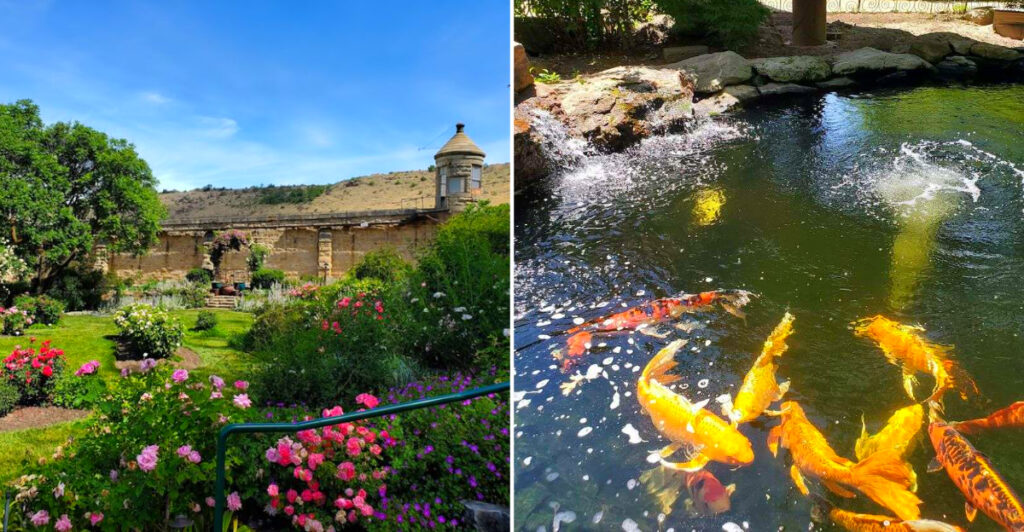
Hidden against the Boise foothills, this 15-acre garden combines sandstone walls, native plants, rose beds, and quiet walking paths just minutes from downtown. Many people drive past without realizing one of Boise’s most peaceful outdoor spaces is sitting right behind the trees.
The garden also doubles as a living museum, with a surprisingly deep history tied to the land itself. Whether you come for the plants, the scenery, or a quiet break from the city, it delivers an experience that feels far removed from everyday Boise.
Where History Meets Horticulture: The Garden’s Surprising Origins
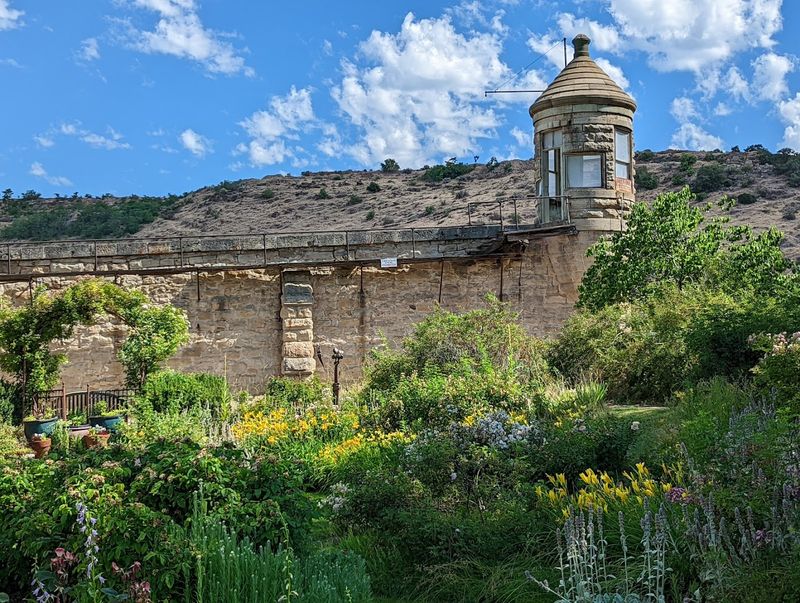
Most botanical gardens are built on neutral land, but this one carries a past that most visitors do not expect. The Idaho Botanical Garden, located at 2355 N Old Penitentiary Rd, Boise, ID 83712, was established in 1984 on the historic grounds of the Old Idaho Penitentiary, a facility that operated from the late 1800s until 1973.
The original sandstone walls, a guard house, a guard tower, and even a small cemetery for prisoners whose families never claimed them are still present on the property. Walking through the garden with those structures visible in the background creates a genuinely unique atmosphere that you will not find at most green spaces.
The garden operates as a non-profit living museum and does not rely on government funding, instead depending on memberships, donations, and events to keep its gates open. That community-driven spirit shows in every corner of the grounds, and it makes your admission feel meaningful rather than routine.
Native Plants That Tell the Story of Idaho’s Landscape
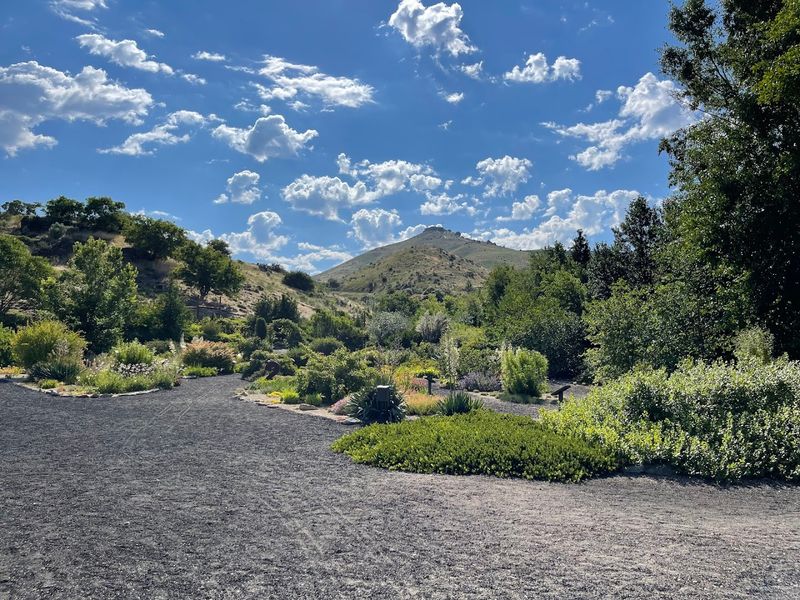
Few things at this garden are more quietly impressive than the Idaho Native Plant Garden, which was created in 1990 through a partnership with the Pahove Chapter of the Idaho Native Plant Society. The goal was straightforward: show visitors what Idaho’s land actually looks like when it is allowed to thrive on its own terms.
You will find native grasses, forbs, trees, and shrubs that evolved specifically for the high desert climate of the region. Standouts include Munro’s globemallow, Oregon sunshine, and sulphur-flower buckwheat, plants with names that sound poetic and appearances that live up to them.
The garden also holds a Nationally Accredited Plant Collection of western penstemons, which are tubular-flowered plants that attract hummingbirds and pollinators in impressive numbers during peak season. Beyond education, the garden actively works to reintroduce the rare Boise sand verbena into wild areas, turning the garden into a genuine conservation effort rather than just a pretty display.
The Lewis and Clark Garden: A Walk Through Expedition History
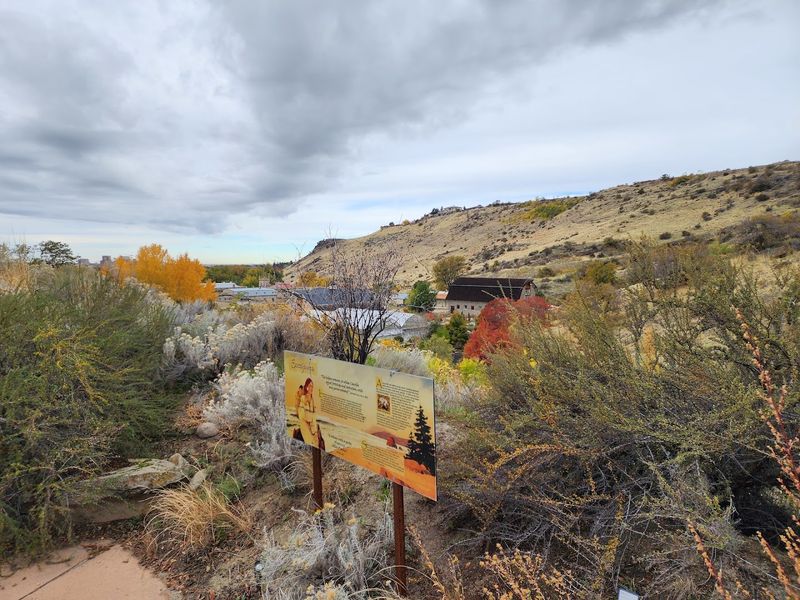
One of the most thoughtfully designed sections of the garden pays tribute to the Lewis and Clark Expedition in a way that goes far beyond a simple sign on a post. The Lewis and Clark Native Plant Garden displays species that were actually collected during the expedition’s journey between Great Falls, Montana, and The Dalles, Oregon.
The plants are organized into four distinct zones: Canyon, Prairie, Mountain, and Wetland, each representing a different ecosystem the expedition passed through. A winding path climbs a gentle hill through these zones, giving the walk a sense of progression that mirrors the journey itself.
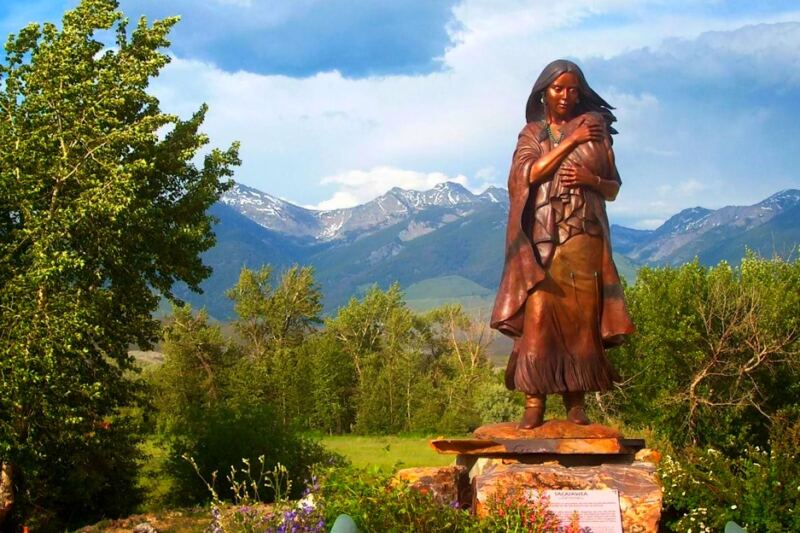
Sacagawea is also recognized in this section, honoring her essential role as a guide and interpreter. The combination of botanical accuracy and historical storytelling makes this one of the most educational corners of the entire garden.
Honestly, you could spend a solid hour here alone and still feel like you only scratched the surface of what the signage has to offer.
The English Garden: Over 1,300 Perennials in One Stunning Space
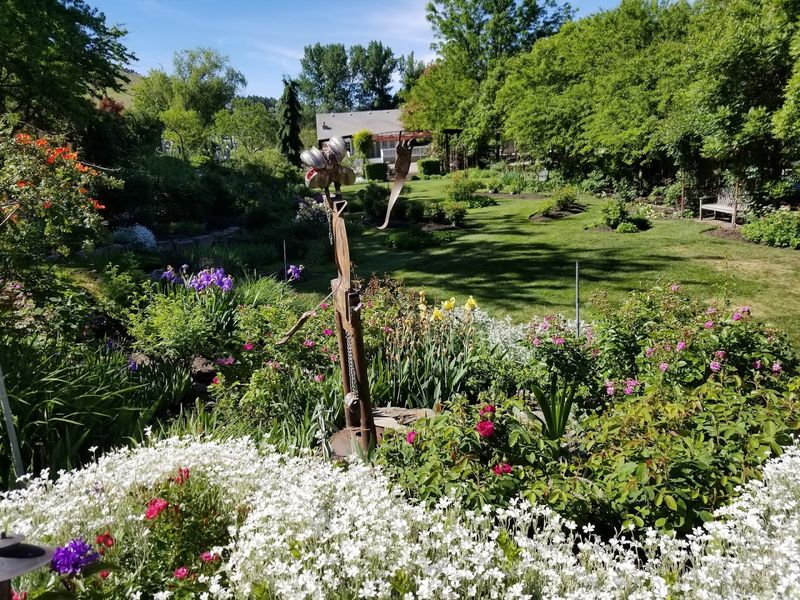
Designed by renowned landscape designer John Brookes and opened in 1998, the English Garden is the kind of space that makes you stop mid-stride just to take it all in. More than 1,300 perennials are planted here, creating a layered display of color and texture that shifts with every season.
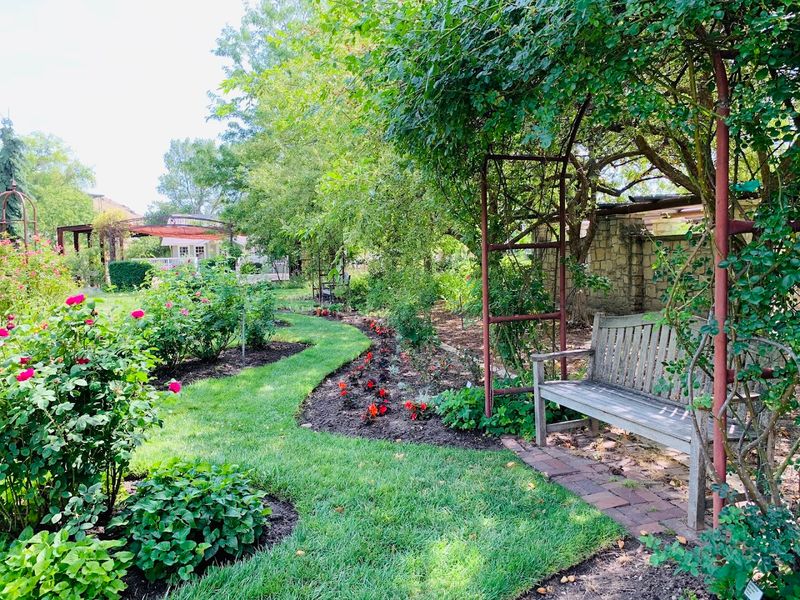
The layout feels intentional without feeling rigid, with curved beds, mature trees casting dappled shade, and open lawn areas that invite you to slow down. Light filters through the canopy in a way that photographers absolutely love, and it is easy to see why the space gets booked regularly for portrait sessions and special events.
Spring and early summer are peak times for the English Garden, when the perennials hit their stride and the whole area feels almost impossibly lush. Even outside of peak bloom, the structure of the garden keeps it visually interesting, with evergreen plantings and thoughtful hardscaping filling the quieter months.
The English Garden alone justifies the price of admission.
The Rose Garden: Antique Petals and Modern Blooms Side by Side
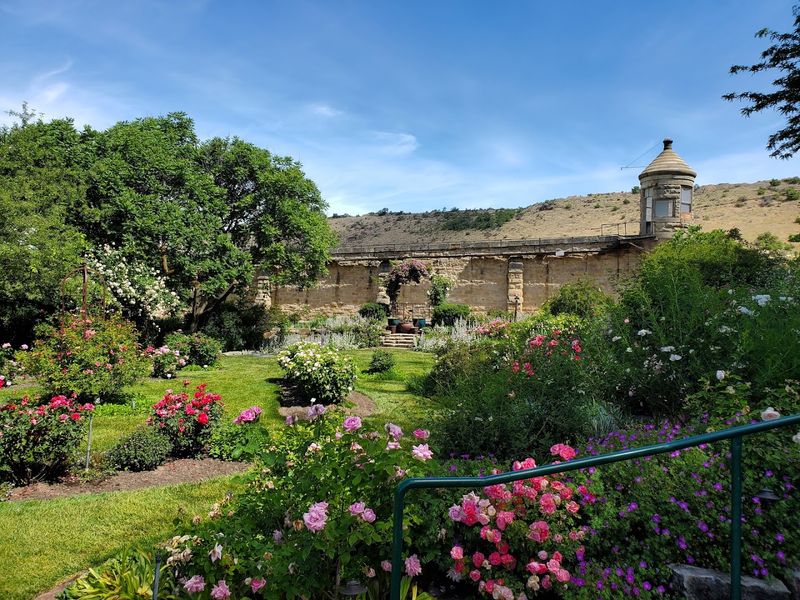
The Rose Garden has been a centerpiece of the Idaho Botanical Garden since 1989, and it shows in the maturity and fullness of the plantings. Antique rose varieties grow alongside modern cultivars, creating a collection that spans centuries of rose-breeding history in one walkable space.
Perennials are planted throughout the rose beds specifically to extend the blooming season, so even when individual rose varieties take a break, there is almost always something in flower nearby. The fragrance on a warm morning is remarkable, the kind of sensory experience that is genuinely hard to describe but very easy to remember.
One honest note: visiting in midsummer does not always guarantee peak rose bloom, since many varieties peak in late spring and then again in early fall. Timing your visit for late May or early September gives you the best chance of seeing the roses at their most impressive.
That said, even a partially blooming Rose Garden at this spot beats a fully blooming one almost anywhere else in Boise.
Land Art, Labyrinths, and a Willow Tunnel Worth Wandering Through
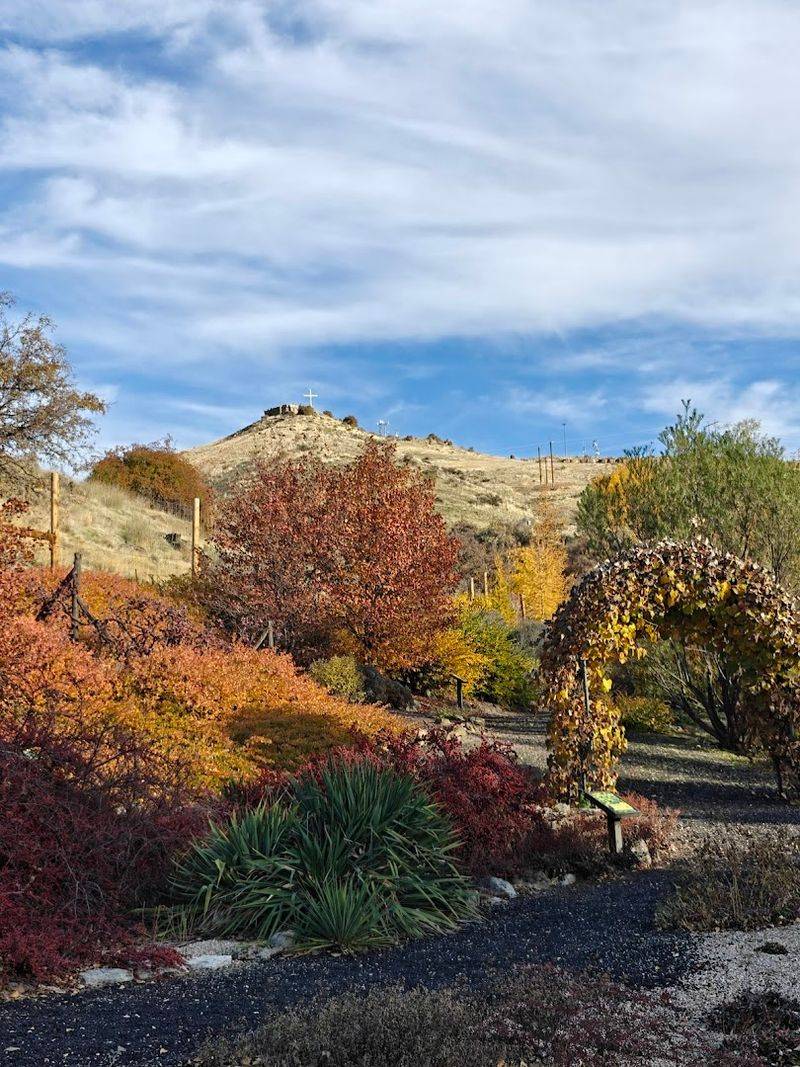
Not every botanical garden thinks to include art installations woven directly into the landscape, but this one does it with real creativity. Permanent land art pieces are scattered throughout the grounds, and two of the most memorable are the labyrinth and the willow tunnel.
The labyrinth is a meditative walking path laid into the earth, the kind of feature that invites you to slow your breathing and actually pay attention to where you are. The willow tunnel is exactly what it sounds like: a green, living archway of woven willow branches that creates a shaded passage unlike anything else on the property.
Sculptures also appear throughout the garden, and a fairy house exhibit adds a playful, whimsical layer that younger visitors absolutely gravitate toward. The integration of art and nature here feels natural rather than forced, as if the installations grew out of the ground alongside the plants.
The willow tunnel alone tends to generate more photo stops than almost any other feature on the property.
The Koi Pond: Where the Fish Practically Steal the Show
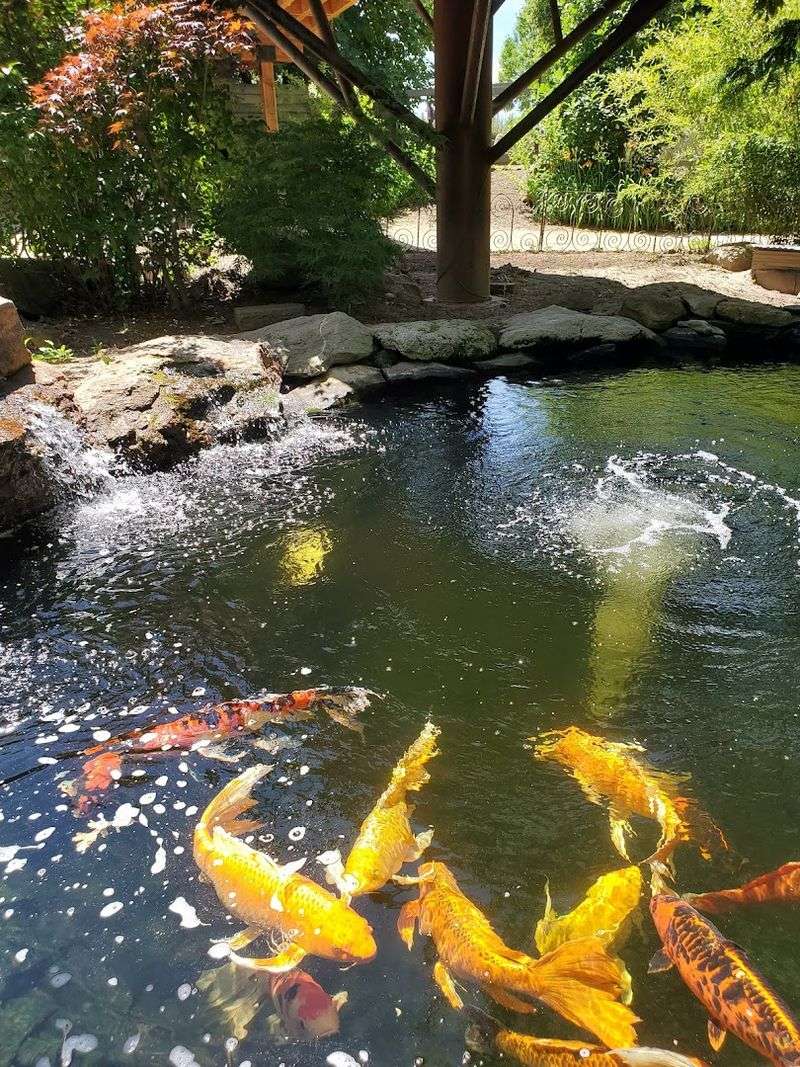
Few things at the Idaho Botanical Garden generate as much genuine delight as the koi pond, and that is not an exaggeration. The koi here are large, colorful, and remarkably social, known for blowing bubbles at the surface and actively engaging with visitors who lean over the edge to watch.
The pond has its own history tied to the garden, and informational signage explains the story behind the fish and how the feature came to be part of the overall landscape design. Surrounding plantings keep the pond area lush and shaded, making it a natural resting point during a longer walk through the grounds.
Children are particularly drawn to this spot, and it is one of those features that tends to create an unplanned fifteen-minute pause in any garden visit. Bring a refillable water bottle, find a nearby bench, and just watch the fish for a while.
It sounds simple, but it is genuinely one of the most relaxing moments the garden has to offer, and most visitors agree it is a highlight.
Outlaw Field: A Concert Venue With a One-of-a-Kind Backdrop
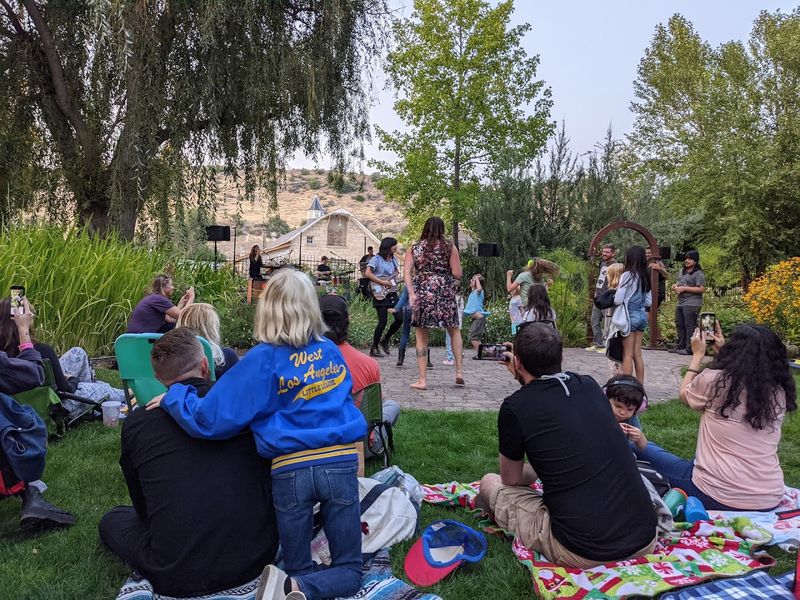
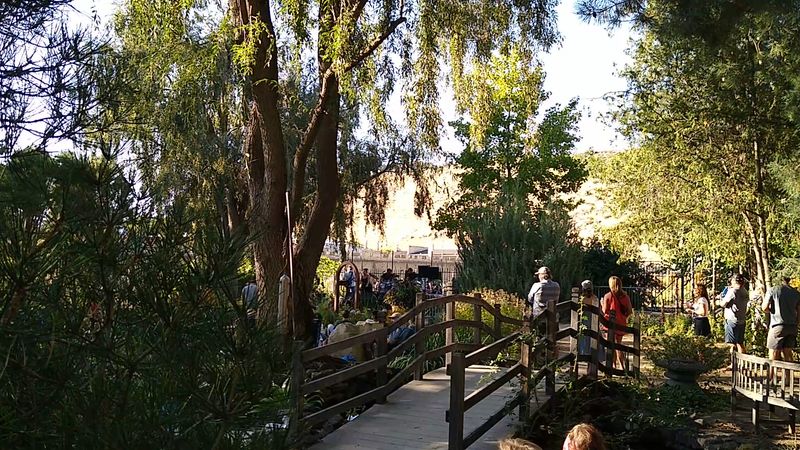
Once a sports field used by inmates at the Old Idaho Penitentiary, Outlaw Field has been transformed into one of the most atmospheric outdoor concert venues in the Boise area. The combination of the foothills rising behind the stage and the historic sandstone walls framing the sides of the field creates a setting that genuinely cannot be replicated.
Summer concerts here draw enthusiastic crowds, with visitors encouraged to bring low-back chairs or blankets and pack their own food for a relaxed evening on the lawn. Food trucks typically set up on-site, and the general vibe leans more toward laid-back neighborhood gathering than corporate festival.
One practical note worth knowing: parking near the garden is limited and can get congested during events, so arriving early or biking in are both genuinely smart strategies. The accessibility accommodations at Outlaw Field are also worth mentioning, as the venue has made real efforts to ensure guests with disabilities are comfortably seated and well-supported throughout the event experience.
Winter Garden aGlow: When the Garden Transforms After Dark
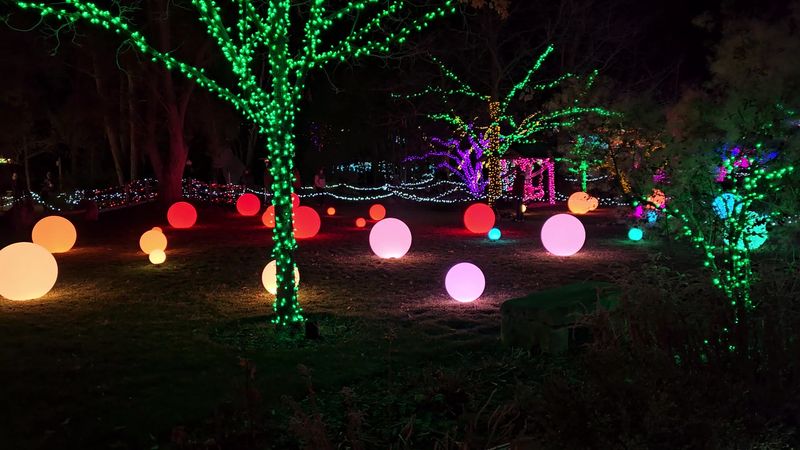
When the blooms fade and the temperatures drop, the Idaho Botanical Garden does not simply close up and wait for spring. Instead, it puts on one of the most beloved seasonal events in all of Boise: Winter Garden aGlow, an annual light display that covers the dormant landscape with more than 400,000 twinkling lights.
The event transforms familiar garden paths into glowing corridors of holiday magic, complete with a candy cane forest, a Christmas-themed silent disco, a festive village and train setup, and a visit with Santa for younger guests. Free hot chocolate and cookies are part of the experience, and 3D goggles are available for purchase if you want an extra layer of visual wonder.
Winter Garden aGlow is the garden’s largest annual fundraising event, which means attending it directly supports the non-profit’s ongoing operations and conservation work. The gift shop is open during the event, and the overall atmosphere manages to feel both festive and genuinely cozy rather than overwhelmingly commercial.
It is the kind of event that tends to become a family tradition fast.
Seasonal Events and Festivals That Keep the Calendar Full
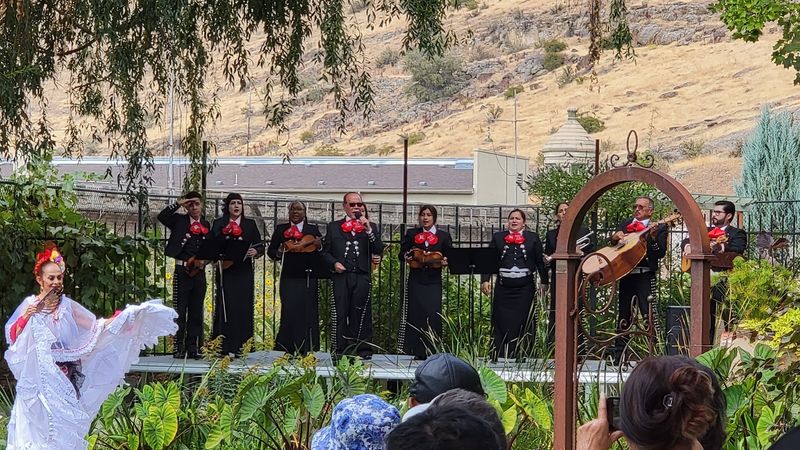
Beyond the headline events, the Idaho Botanical Garden maintains a remarkably active event calendar throughout the year. The Fall Harvest Festival and Scarecrow Stroll celebrate the change of seasons with pumpkins, creative scarecrow displays, and autumn plantings that give the garden a completely different personality from its summer self.
Outdoor yoga sessions have been hosted on the grounds, with participants practicing among falling leaves and open sky in a setting that brings a whole new dimension to the experience. Beer festivals, art exhibits, and educational workshops round out the calendar and attract a wide cross-section of the Boise community.
The garden’s event lineup means there is almost always a reason to visit regardless of the time of year, and each event tends to use the natural setting in a way that feels organic rather than forced. Checking the garden’s website at idahobotanicalgarden.org before your visit is the best way to time your trip to coincide with something special happening on the grounds.
Practical Tips for Getting the Most Out of Your Visit
The garden is open daily from 9 AM to 5 PM, and admission is currently around $14 for adults, which is a reasonable ask for a 15-acre property with this much variety packed into it. Arriving closer to opening time on weekdays tends to mean smaller crowds and more peaceful paths.
Parking is one of the garden’s known challenges, especially during events, so building in extra time or choosing to bike over is a genuinely practical strategy. Bringing a refillable water bottle is strongly recommended, particularly during summer visits when the high desert sun makes the open sections of the garden feel noticeably warm.
The garden also sits adjacent to the Old Idaho Penitentiary, which is open for tours separately, making the two destinations an easy pairing for a full afternoon. The Table Rock trailhead is nearby as well, so hikers can extend their outing into the Boise Foothills without needing to move their car.
You can reach the garden by phone at +1 208-343-8649 for event and admission questions.
Why This Garden Deserves More Than a One-Time Visit
There is something about the Idaho Botanical Garden that makes a single visit feel genuinely incomplete, and that is not a criticism. The garden changes so dramatically from season to season that returning in spring after an October visit feels like discovering an entirely different place.
Spring and early summer bring the biggest burst of color, with perennials, roses, and native wildflowers peaking between April and early June. Autumn softens everything into warm tones and festival energy, while winter turns the whole property into a glowing spectacle after dark.
Even a quiet weekday in February has its own appeal, with the garden’s structure and permanent art installations giving the grounds a peaceful, contemplative quality.
The garden holds a 4.6-star rating across nearly 3,300 reviews, which reflects the consistent quality of the experience across all those different visits and seasons. For a non-profit that runs entirely on community support, that kind of reputation is earned one thoughtful detail at a time, and this garden has no shortage of those.
Share this story