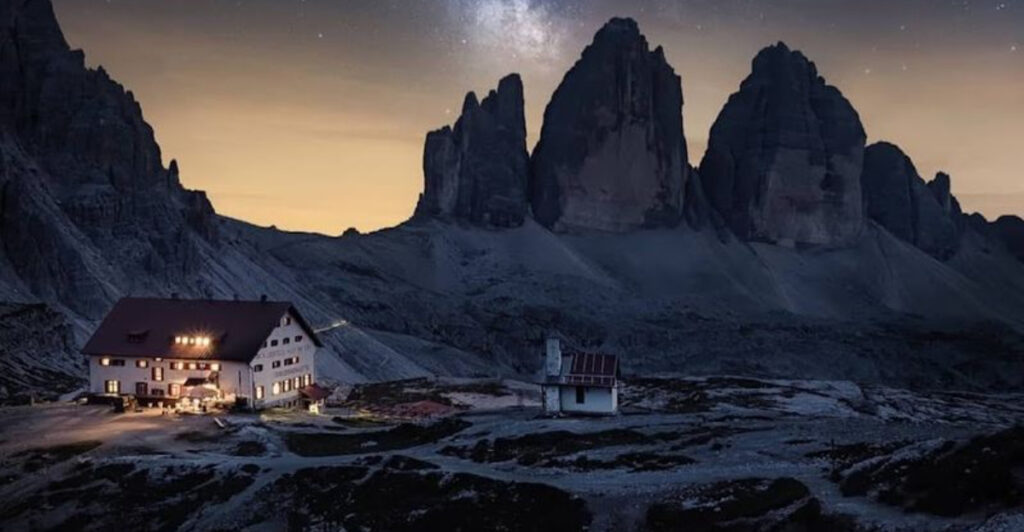
There is a place in northern Italy where three massive rock towers rise from the earth like something out of a fantasy novel, and once you see them, you will not stop thinking about them. The Dolomites are full of stunning scenery, but this particular corner hits different.
The trails are accessible, the views are genuinely jaw-dropping, and the whole experience has a way of making everyday life feel very small by comparison. Whether you are a seasoned hiker or someone who just wants a really good photo, this destination delivers on every promise it makes.
Where the Three Peaks Stand Tall
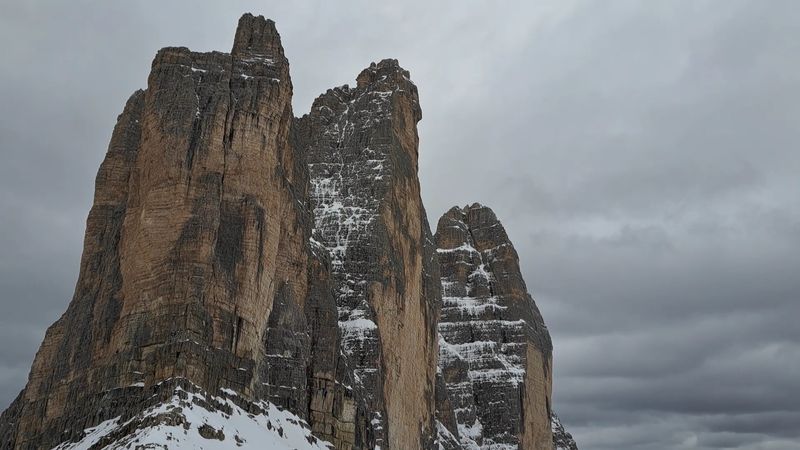
Few mountain formations anywhere in the world are as immediately recognizable as the three jagged towers that define the skyline of the Sexten Dolomites in northeastern Italy. Tre Cime di Lavaredo, which translates to “Three Peaks of Lavaredo,” sits at coordinates 46.6187 N, 12.3028 E, within the Dolomiti di Sesto Natural Park in the South Tyrol and Veneto regions.
The tallest of the three, Cima Grande, reaches 2,999 meters above sea level. Cima Ovest and Cima Piccola flank it on either side, creating a silhouette that hikers, photographers, and nature lovers travel from all over the world to witness firsthand.
The area is part of a UNESCO World Heritage Site, a designation that reflects just how extraordinary this landscape truly is. Standing at the base of these peaks for the first time, you feel the kind of quiet awe that no screen can fully prepare you for.
Getting There: Roads, Buses, and Parking Tips
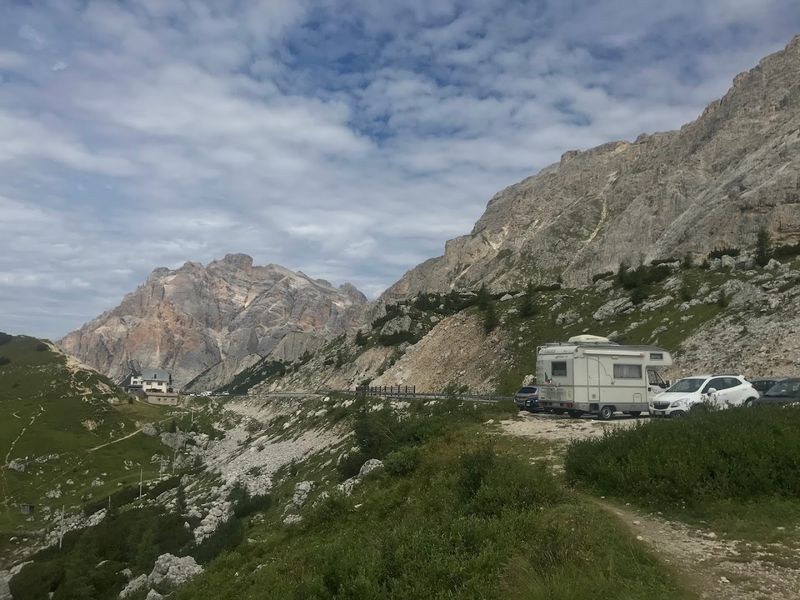
Getting to Tre Cime requires a bit of planning, but the logistics are very manageable once you know what to expect. The most common starting point is Rifugio Auronzo, which sits at around 2,320 meters and serves as the main trailhead for the loop around the peaks.
By car, the area is roughly three hours east of Bolzano or three hours north of Venice. Drivers pay a road toll of approximately 35 to 40 euros for a day pass, and parking at the top costs around 40 euros for a 12-hour slot, which must be booked in advance through the official website.
For those who prefer not to drive up, parking at Lake Misurina and catching the shuttle bus is a smart alternative at around 10 euros per person each way. Booking everything ahead of time, especially during summer, is not optional but essential.
The Classic Loop Trail Around the Peaks
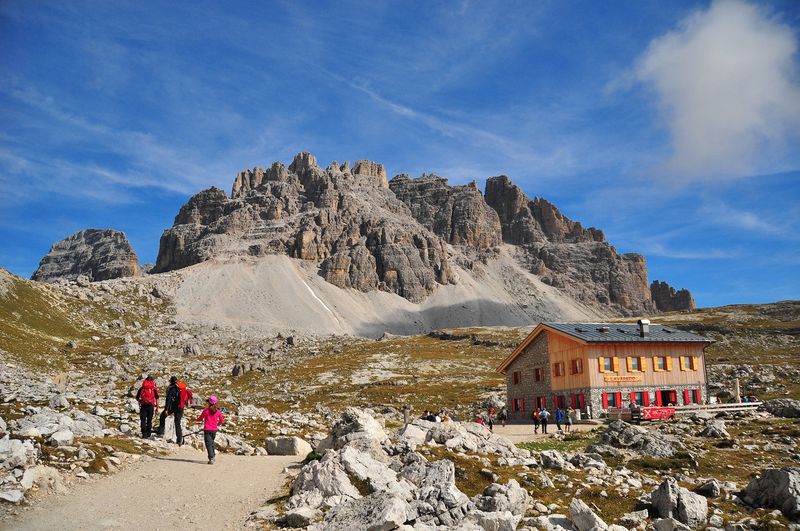
The main loop trail around Tre Cime is a roughly 10-kilometer circuit that most hikers complete in two to four hours, depending on pace and how many stops they make. The trail is wide enough in most sections for two to four people to walk side by side, making it genuinely accessible for families, older hikers, and younger children.
The recommended direction is counter-clockwise, starting and ending at Rifugio Auronzo. Following trails 101 and 105, you circle the base of all three peaks while the scenery shifts constantly from grassy alpine meadows to rocky scree fields and open ridgelines with long views in every direction.
Some sections near Forcella Lavaredo are steeper and more exposed, but nothing requires ropes or technical climbing skills. The trail rewards patience, and every turn seems to reveal a new angle of the peaks that feels better than the last one.
Why Arriving Early Makes All the Difference
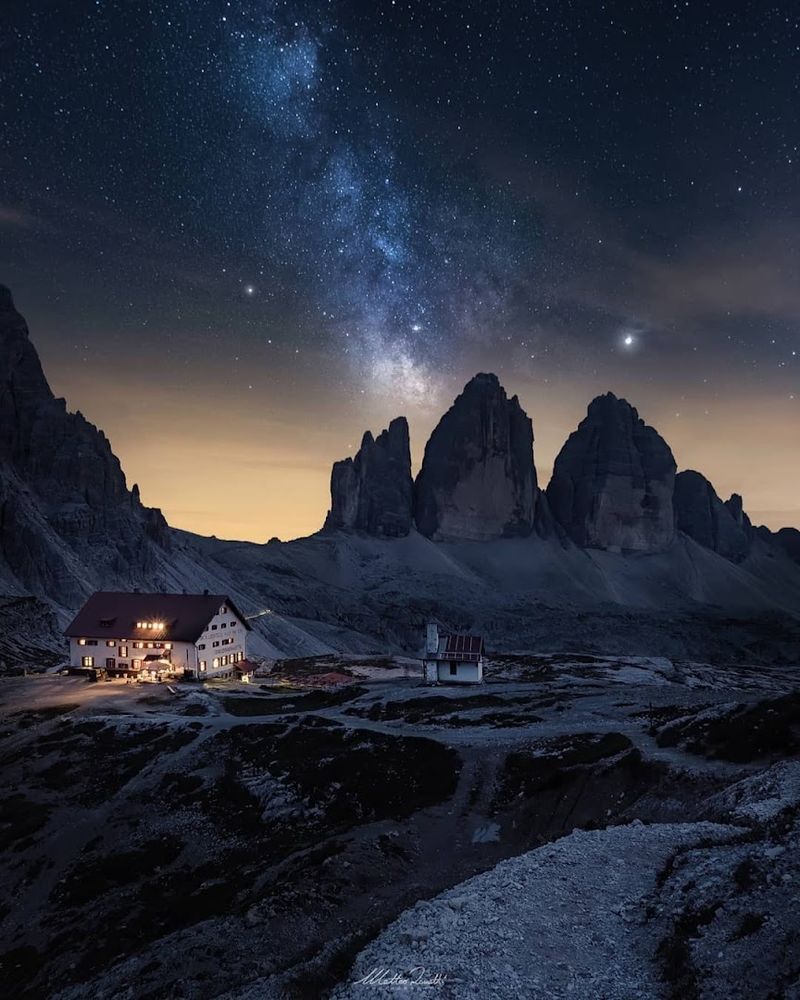
Tre Cime is one of the most visited natural sites in the entire Alps, and the crowds during peak summer can be intense. Coach loads of visitors begin arriving by mid-morning, and by noon the trails can feel more like a busy sidewalk than a mountain path.
The smartest move is to arrive before sunrise. Booking the overnight parking slot that starts at 9 pm or 11 pm lets you access the trailhead in the very early hours, when the air is cool and the landscape belongs almost entirely to you.
Setting out at 4:30 am sounds extreme until you are standing under a sky full of stars with the silhouettes of three enormous rock towers rising around you. By the time most visitors are lining up for the shuttle bus, you are already finishing your hike and heading back to a warm breakfast at one of the mountain huts.
Mountain Huts Along the Way
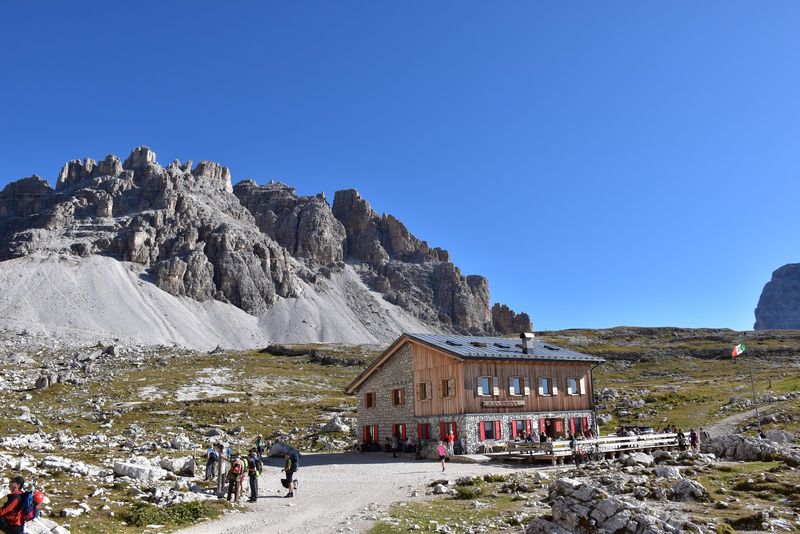
One of the most enjoyable parts of hiking at Tre Cime is the network of rifugios, or mountain huts, scattered along the route. These are not just rest stops.
They are full-service alpine refuges where you can sit down, catch your breath, and enjoy surprisingly good food with one of the most dramatic backdrops in Europe.
Rifugio Auronzo at the start is the largest and most accessible. Rifugio Lavaredo sits closer to the peaks themselves and is a popular midway stop.
Rifugio Locatelli, also known as Drei Zinnen Hutte, is tucked behind the peaks on the north side and serves warm strudel and coffee that taste absolutely wonderful after a few hours of uphill walking.
Cash and coins are useful to have on hand at these huts, as card readers are not always available. The paid toilets along the route, costing around 50 cents to 1 euro, are clean and worth every coin.
World War I History Hidden in the Rock
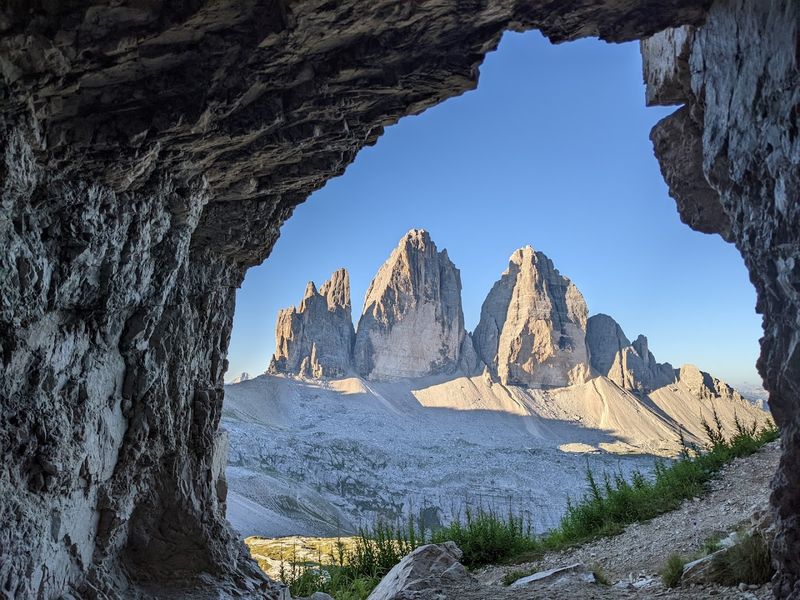
The Dolomites were a major battleground during World War I, and Tre Cime sits right in the middle of that history. The peaks marked the border between Italy and the Austro-Hungarian Empire, and soldiers from both sides spent years living and fighting in these mountains at extreme altitude.
The most dramatic remnant of that era is the network of tunnels and caves carved directly into the rock faces near Forcella Lavaredo and the north face of Cima Grande. Some of these passages go deep into the mountain, and reaching the cave viewpoints requires a steeper and more challenging side route that branches off the main loop.
Hikers who take that detour are rewarded with an eerie and fascinating look at what life was like for soldiers stationed thousands of meters above sea level in freezing conditions. The history here runs as deep as the rock itself, and that adds real weight to every step.
The Cadini di Misurina Side Trail
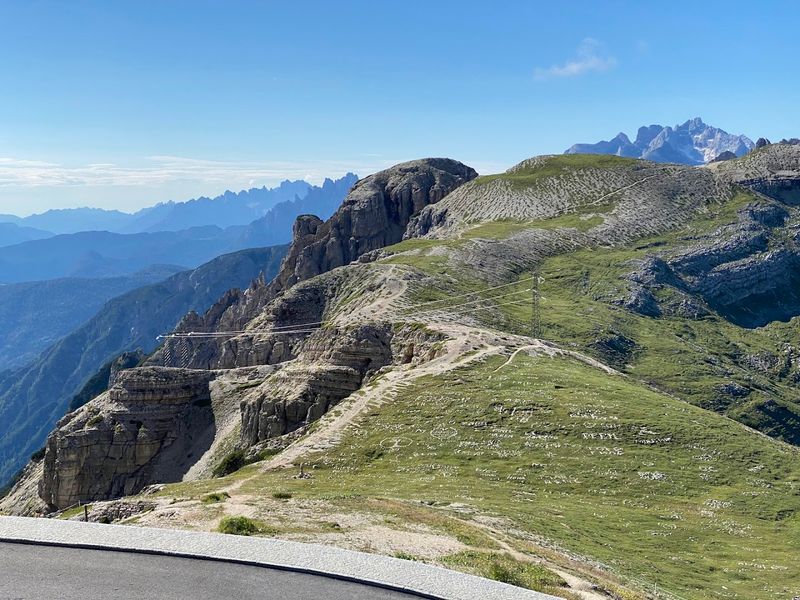
Not far from the main Tre Cime loop, the Cadini di Misurina trail offers a completely different perspective on the Dolomites. This route branches off near Rifugio Auronzo and leads to a famous viewpoint where a cluster of sharp, needle-like spires rise dramatically from the forest below.
The hike to the main overlook takes about 30 minutes each way and is relatively easy compared to the full loop. The reward is a view that feels almost surreal, with layers of jagged peaks stacking up across the horizon in every direction.
Many visitors who do the main Tre Cime circuit add this as a bonus route at the start or end of their day. It is particularly popular with photographers chasing that iconic shot of the spires at golden hour.
If the main trail feels too crowded, this quieter path offers a more personal encounter with the landscape.
What to Expect in Each Season
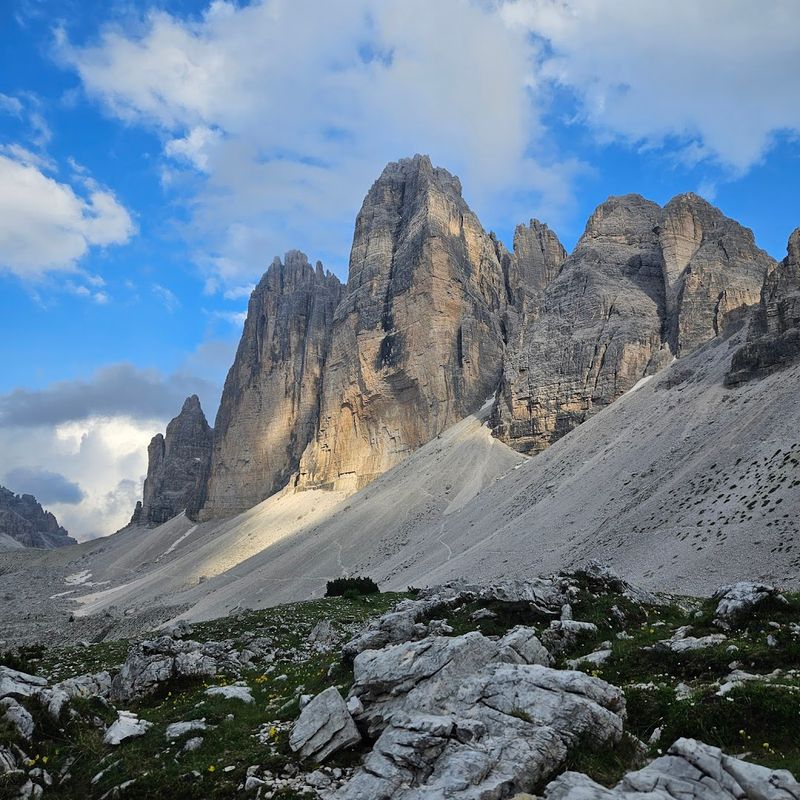
Summer, roughly July through August, is when Tre Cime is at its busiest and most colorful. The trails are clear of snow, the wildflowers are in bloom, and the days are long and warm.
The downside is the crowds, which can be genuinely overwhelming if you arrive mid-morning without a plan.
May and October are increasingly popular alternatives. The temperatures are cooler, the visitor numbers drop noticeably, and the landscape takes on a different kind of beauty.
Early October often brings the first dustings of snow, which coat the peaks in white and create a contrast with the orange and gold of the alpine grasses below.
Winter closes the road to Rifugio Auronzo entirely, making the peaks accessible only to experienced mountaineers. Spring can still carry heavy snow through May and into early June on the upper sections.
Whatever month you choose, checking current trail conditions before heading up is always a wise call.
Wildlife and Nature Worth Watching For
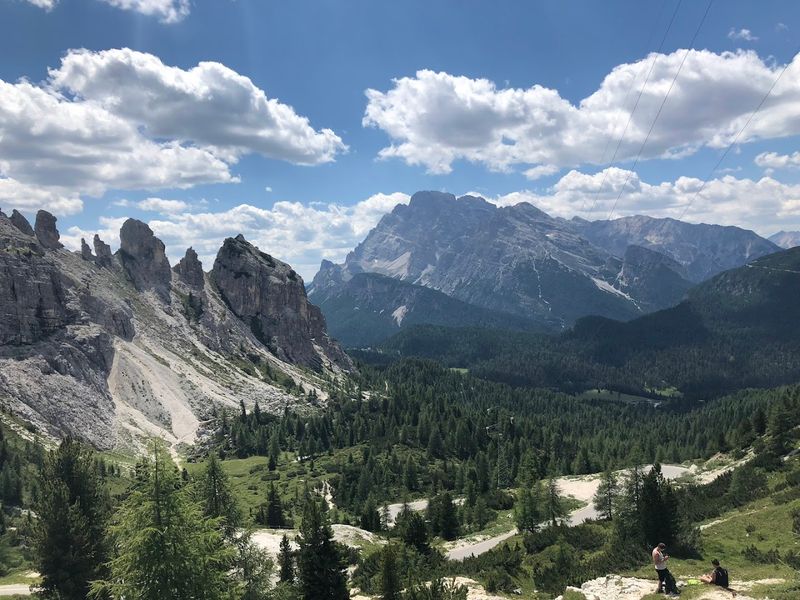
The natural park surrounding Tre Cime is home to a surprisingly rich variety of wildlife, and early morning hikers are the most likely to encounter it. Marmots are the undisputed stars of the show.
These chunky, dog-sized rodents live in burrows throughout the alpine meadows, and their sharp warning whistles echo across the hillsides whenever a predator, or a curious hiker, gets too close.
Chamois, a type of mountain goat-antelope, can often be spotted picking their way across steep rocky slopes with effortless precision. Golden eagles and other raptors circle the thermals above the peaks, especially on clear mornings when the air is still.
The meadows in late spring and early summer are carpeted with alpine wildflowers, including edelweiss, gentians, and mountain buttercups. The park’s protected status means this ecosystem stays relatively undisturbed, which is part of why the wildlife here feels so present and genuine compared to more developed destinations.
Photography at Tre Cime: Best Angles and Light
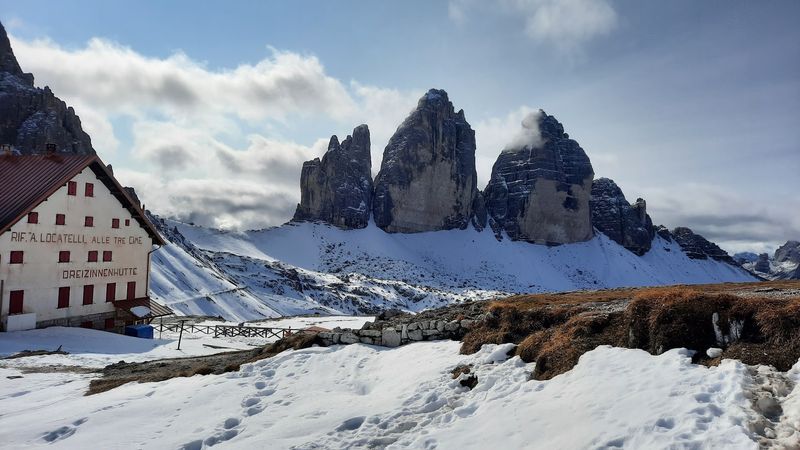
Tre Cime is one of the most photographed mountain formations in the world, and for good reason. The three peaks have a natural symmetry and scale that makes them almost impossible to capture badly.
That said, there are certain spots and times that elevate a good photo into something genuinely extraordinary.
The north face viewpoint near Rifugio Locatelli gives you a straight-on look at all three peaks with a wide rocky valley in the foreground. The small lakes near the trail reflect the peaks on calm mornings, creating mirror images that feel almost too perfect to be real.
Sunrise and sunset are the golden hours here, quite literally. The warm light turns the pale limestone faces of the peaks into shades of amber and rose that shift minute by minute.
Getting up early is not just about beating the crowds. It is about catching a version of this place that most visitors never see.
Hiking with Kids and Families
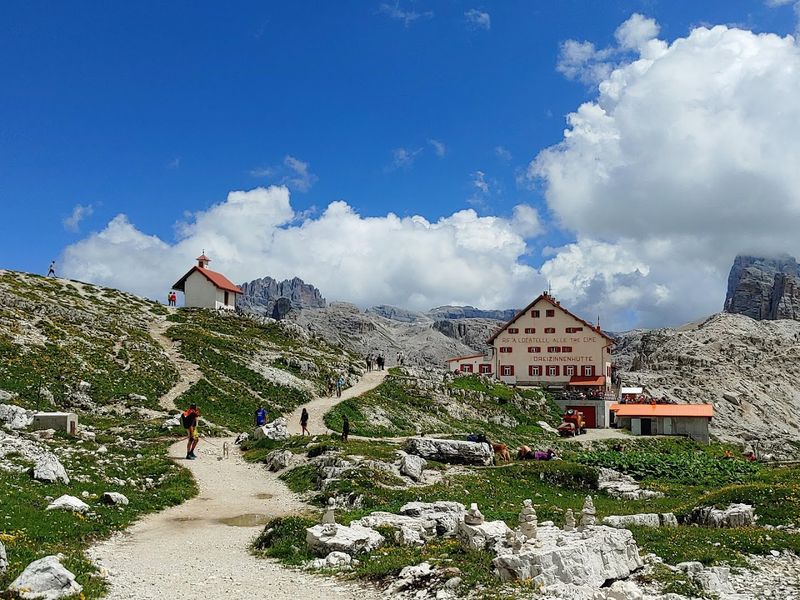
The main loop trail at Tre Cime is one of the more family-friendly high-altitude hikes in the Alps. The path is wide, well-marked, and does not require any scrambling or technical skills on the standard circuit.
Children who are comfortable walking for two to four hours at a steady pace can handle it without much difficulty.
The mountain huts along the route are a genuine bonus for families. Stopping for a warm drink and a snack at Rifugio Lavaredo or Rifugio Locatelli gives younger hikers a chance to rest and recharge before the next section.
The huts also offer simple hot meals, which means you do not need to carry a full day’s worth of food in your pack.
Bringing solid hiking boots, layers for wind and cold, and plenty of water is essential for everyone, regardless of age. The altitude alone makes conditions cooler and more changeable than the valley below suggests.
Practical Tips for a Smooth Visit
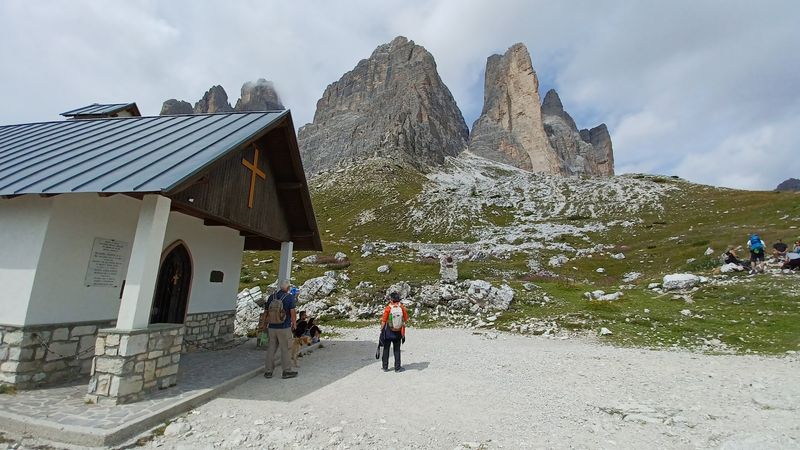
A few straightforward habits can turn a stressful visit into a genuinely great one. Book your parking slot at least a week in advance, especially if you are traveling between June and September.
The official booking portal fills up fast, and arriving without a reservation during peak season means a long wait or a turned-away car.
Carry cash and coins. The rifugios along the route do not always accept cards, and the paid toilets at the trailhead and along the path require small coins for entry.
A water bottle with a filter or at least two liters of water per person is important, since drinking fountains are limited to the huts themselves.
Layering your clothing is smart even in summer. The temperature at 2,300 meters can drop quickly when clouds roll in or the wind picks up.
Sunscreen, a hat, and a light rain jacket complete a kit that covers most of what the mountain can throw at you.
Why This Place Stays With You Long After You Leave
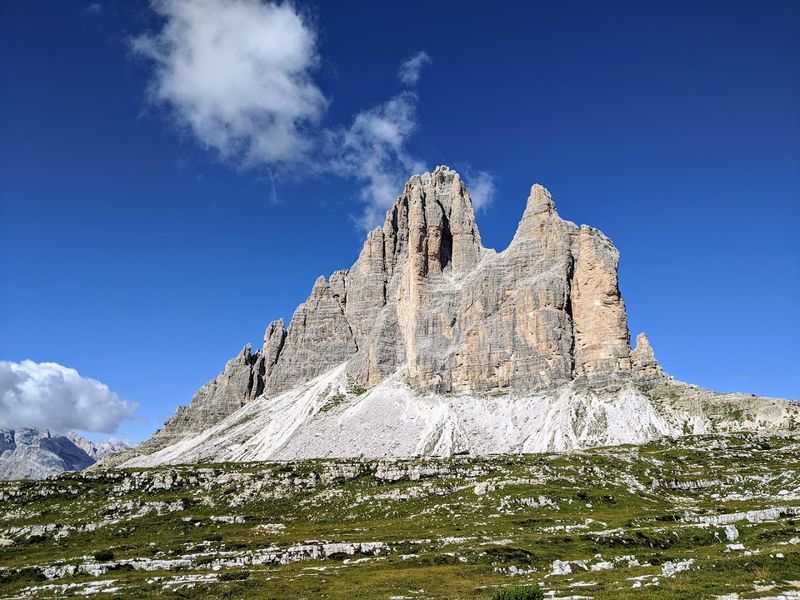
There are places you visit and places that visit you back, and Tre Cime di Lavaredo falls firmly into the second category. Long after you have returned home and unpacked your boots, the image of those three towers against an open sky has a way of showing up uninvited in your thoughts.
Part of it is the scale. The peaks are so massive and so vertical that standing near them recalibrates your sense of what is normal in the natural world.
Part of it is the quiet you find early in the morning, when the trail belongs to you and the marmots and the sound of wind moving through the rocks.
Visitors who do this hike once almost always start planning a return trip before they have even reached the car park. The Dolomites have plenty of beautiful corners, but this one has a particular pull that is very hard to explain and even harder to resist.
Share this story