 Unearth The Voyage
New Jersey is not exactly the first place that comes to mind when people think of vast, untouched wilderness. But tucked away in Morris County, just 26 miles west of New York City, there is a stretch of wetlands, forests, and meadows so rich with wildlife that it is hard to believe it almost got paved over for a major international airport.
That plan was scrapped, thanks to one of the earliest and most passionate conservation battles in American history. What exists today is a federally protected refuge that draws nature lovers, bird watchers, hikers, and curious families year-round, and its story is as fascinating as the landscape itself.
Where the Wild Things Actually Are
Great Swamp National Wildlife Refuge sits at 32 Pleasant Plains Rd, Basking Ridge, NJ 07920, in the heart of Morris County. The refuge covers roughly 7,800 acres of wetlands, upland fields, hardwood forests, and swampy terrain that stretches across multiple townships.
The Helen C. Fenske Visitor Center serves as the main entry point for first-time visitors, offering maps, exhibits, and knowledgeable staff ready to help plan your walk.
The Wildlife Observation Center, located separately at 220 Long Hill Road, is a second hub worth visiting, especially for those focused on spotting wildlife up close along the boardwalk trails.
Getting there is straightforward, and parking is available at several points throughout the refuge. The refuge is open to the public year-round, though the visitor center operates Tuesday through Sunday, from 10 AM to 4 PM, and is closed on Mondays and Wednesdays.
The Airport That Never Landed
Back in the early 1960s, the Port Authority of New York and New Jersey had its eyes set on the Great Swamp as the site for a massive new jetport. The plan called for a facility that would have been larger than JFK, LaGuardia, and Newark combined, which would have wiped out the entire wetland ecosystem.
Local residents, conservation groups, and nature advocates pushed back hard. They launched a fundraising campaign that collected donations from thousands of people across the region, using that money to purchase land and donate it to the federal government for permanent protection.
Their effort worked. In 1960, the refuge was officially established, and in 1968, a large portion of it was designated as a National Wilderness Area, one of the first east of the Mississippi River.
That grassroots fight is now considered a landmark moment in American environmental history, and the swamp itself stands as proof that communities can win when they show up.
A Wilderness Hiding in Plain Sight
It is a bit of a geographic surprise that one of the most ecologically rich wildlife refuges on the East Coast sits just a short drive from one of the most densely populated regions in the country. The Great Swamp sits within the Passaic River Basin, and its wetlands play a critical role in filtering water and controlling flooding for the surrounding communities.
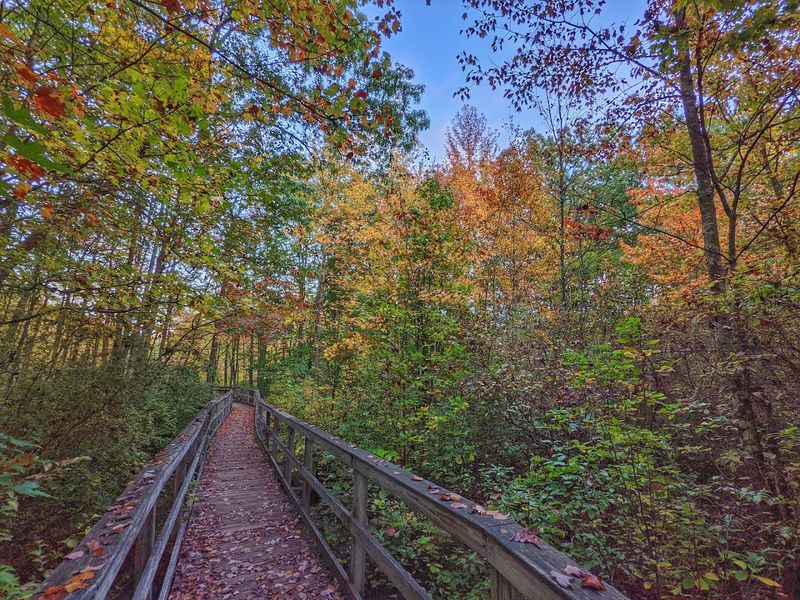
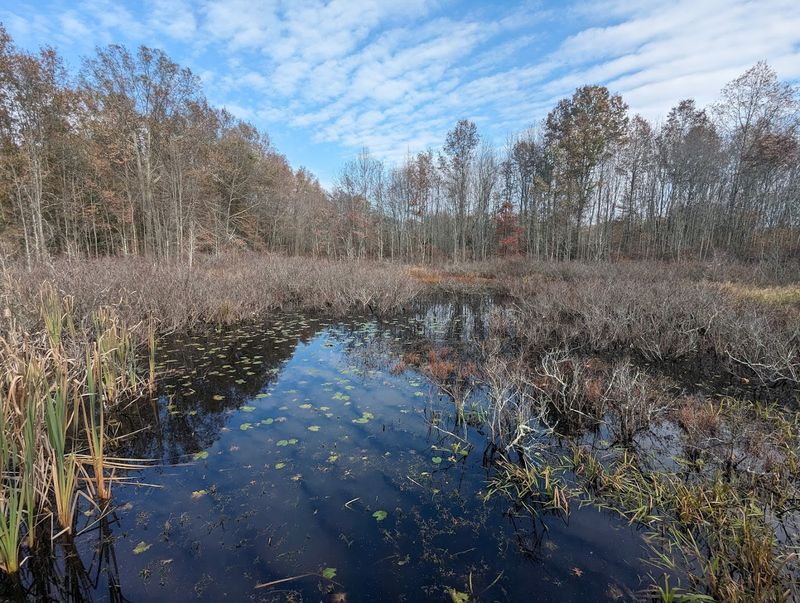
The refuge contains four distinct habitat types: marshes, swamps, upland fields, and hardwood forests. That variety is precisely what makes it such a productive environment for wildlife.
Each habitat supports a different collection of species, which is why the list of animals documented here is so long.
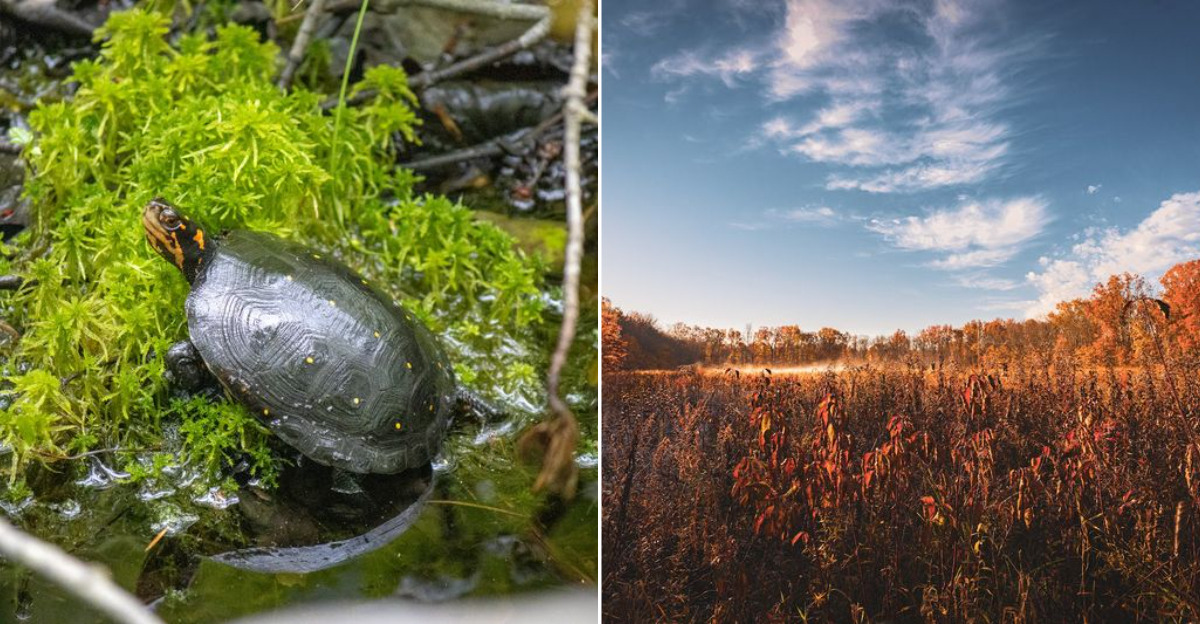
Over 244 species of birds have been recorded at the refuge, along with white-tailed deer, river otters, muskrats, painted turtles, snapping turtles, various snake species, and a wide range of frogs and salamanders. The diversity packed into this relatively compact space is genuinely impressive.
The Boardwalk Trails That Do the Heavy Lifting
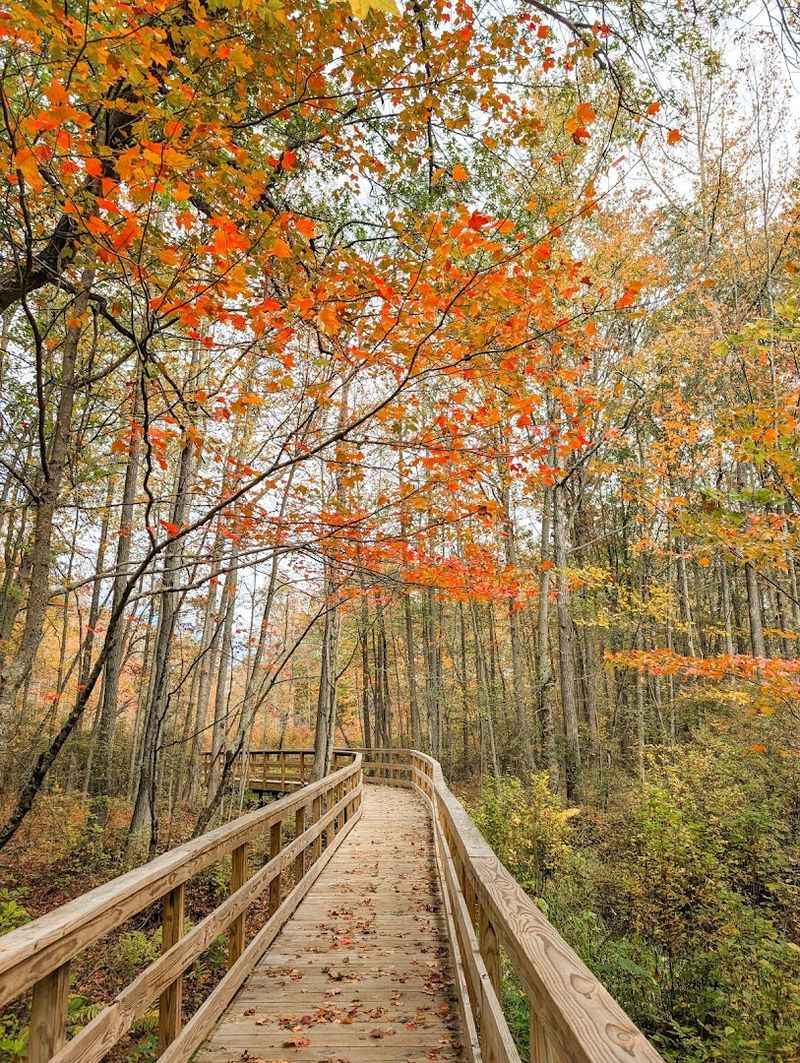
The boardwalk trails at the Wildlife Observation Center are the most popular feature at the refuge, and for good reason. Roughly two miles of elevated wooden walkways wind through the wetland, keeping boots dry while putting wildlife within close range.
The path is flat and easy to navigate, making it accessible for a wide range of ages and fitness levels. Most sections are wheelchair accessible, which means the refuge is genuinely welcoming to everyone.
Along the way, informational signs identify animal species commonly found in each area, turning the walk into an informal outdoor classroom.
Several observation blinds are positioned at key points along the route. These small covered structures let visitors sit quietly and watch the surrounding habitat without disturbing the wildlife.
Turtles, herons, frogs, and various waterfowl frequently appear near the blinds, especially in the early morning hours. Bug spray is strongly recommended from late spring through early fall, as mosquitoes are a real part of the swamp experience.
Bird Watching at Its Most Rewarding
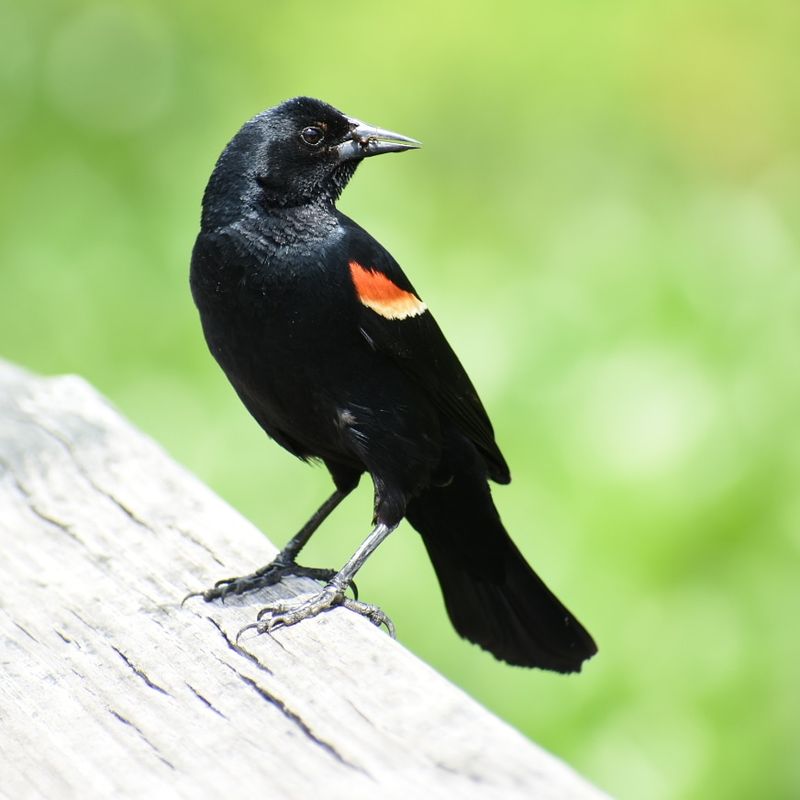
Bird watching at the Great Swamp is not a casual side activity. It is the main event for a large portion of the people who visit.
With over 244 recorded bird species, the refuge is one of the top birding destinations in New Jersey, and serious birders from across the region make regular trips here throughout the year.
Wading birds like great blue herons and great egrets are common sights in the marshy sections. Wood ducks nest in the forested wetlands, while hawks and owls patrol the upland areas.
During migration season, the variety of species passing through the refuge spikes dramatically, drawing birders with long lens cameras and well-worn field guides.
The observation blinds are perfectly positioned for bird photography, offering clear sightlines across open water and marsh grass. Even casual visitors who do not own binoculars tend to leave having spotted something unexpected, like a hummingbird no bigger than a large moth hovering at the edge of a meadow.
Trails Beyond the Boardwalk
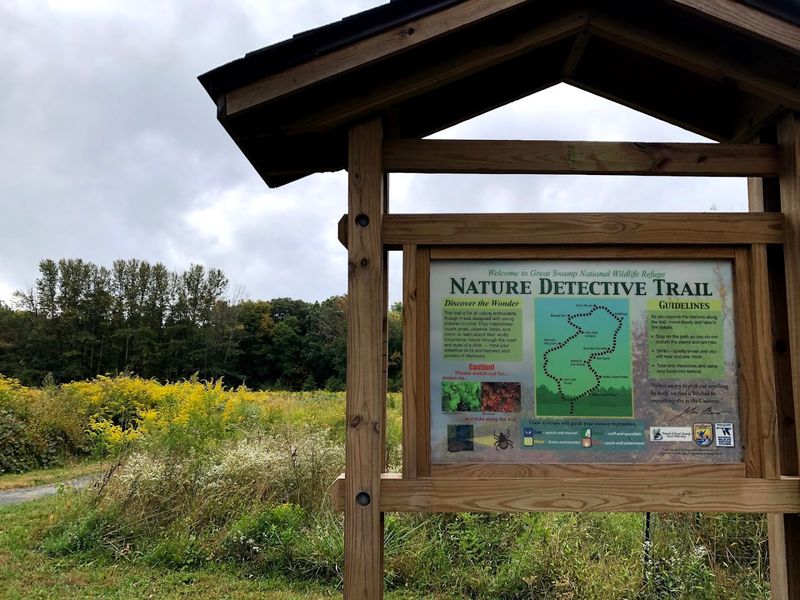
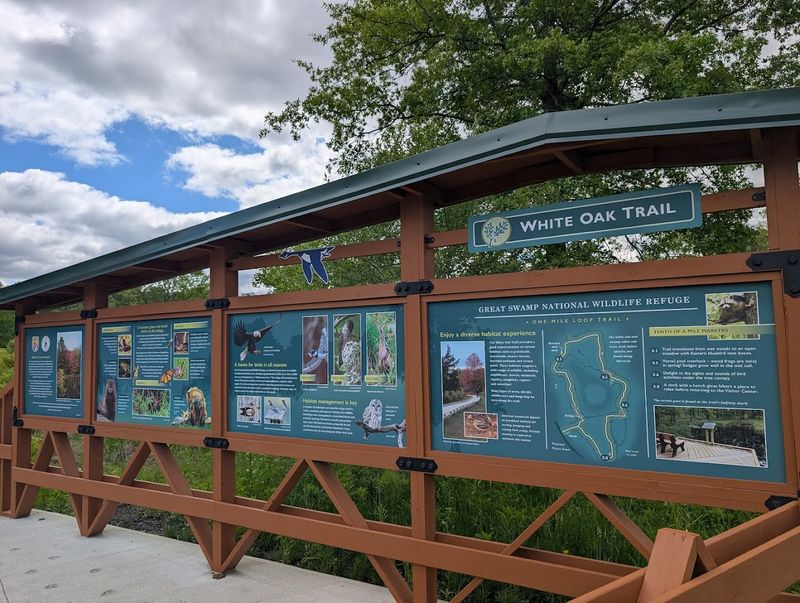
Beyond the boardwalk, the refuge offers several miles of natural surface trails that wind through forests, meadows, and upland areas. The White Oak Trail is a popular choice for families, offering a flat, one-mile loop through woods and open meadows with clear signage and benches placed at regular intervals.
The blue trail is another well-traveled route, though it tends to get muddy after rain, so proper hiking footwear is genuinely necessary rather than just recommended. Bikes are not permitted on any of the trails due to narrow paths and frequent bends, so the refuge stays a foot-traffic-only zone throughout.
For younger children, the Nature Detective Trail near the visitor center offers a short, engaging route designed to spark curiosity about the natural world. A covered picnic area nearby makes it easy to turn a morning hike into a full-day outing.
The trail system as a whole rewards slow walkers who stop often and look closely.
Wildlife That Keeps You Guessing
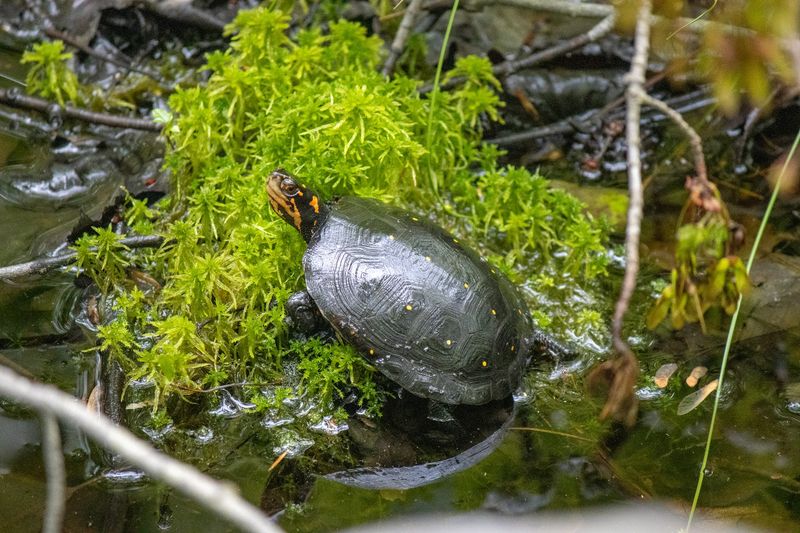
One of the things that keeps people coming back to the Great Swamp is the unpredictability of what might show up on any given visit. The refuge supports a genuinely diverse range of wildlife, and the longer and slower a visitor walks, the more likely something unexpected will appear.
Snapping turtles are a particular highlight along the boardwalk section near the Sportsman Blind, where they sometimes rest in shallow water and get mistaken for mossy rocks until they move. River otters, though harder to spot, are present in the refuge and occasionally make an appearance near open water areas.
White-tailed deer are common throughout the forested sections and meadows, particularly in the early morning and late afternoon. Frogs are everywhere during warmer months, and their calls fill the air around the wetland areas.
Free magnifying devices are installed at several lookout points, helping visitors get a closer view of insects, small birds, and other tiny residents of the refuge.
The Visitor Center Experience
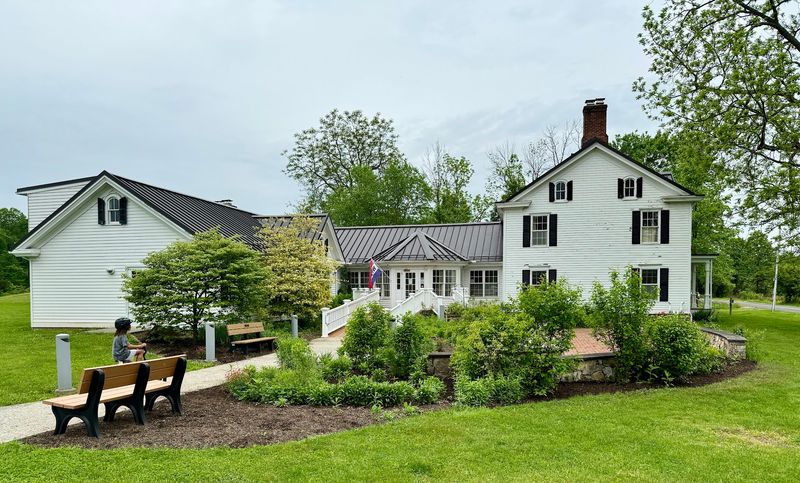
The Helen C. Fenske Visitor Center at 32 Pleasant Plains Road is the official welcome point for the refuge, and the staff there consistently go above and beyond to make visitors feel oriented and informed.
The center features exhibits covering the history of the refuge, the local ecosystem, and the wide variety of species that call the swamp home.
A gift shop inside the center carries nature-themed items, including books, field guides, small trinkets, and educational materials for kids. Becoming a member of the refuge’s friends organization offers discounts at the shop and supports ongoing conservation programs at the site.
Clean restrooms are available inside the visitor center during operating hours, with outhouse facilities available outside of those hours. The visitor center is currently undergoing some construction updates, but staff remain on hand to assist with maps, trail recommendations, and any questions about the refuge.
The center is closed Mondays and Wednesdays, so planning around that schedule is worth the effort.
Seasons Shape Everything Here
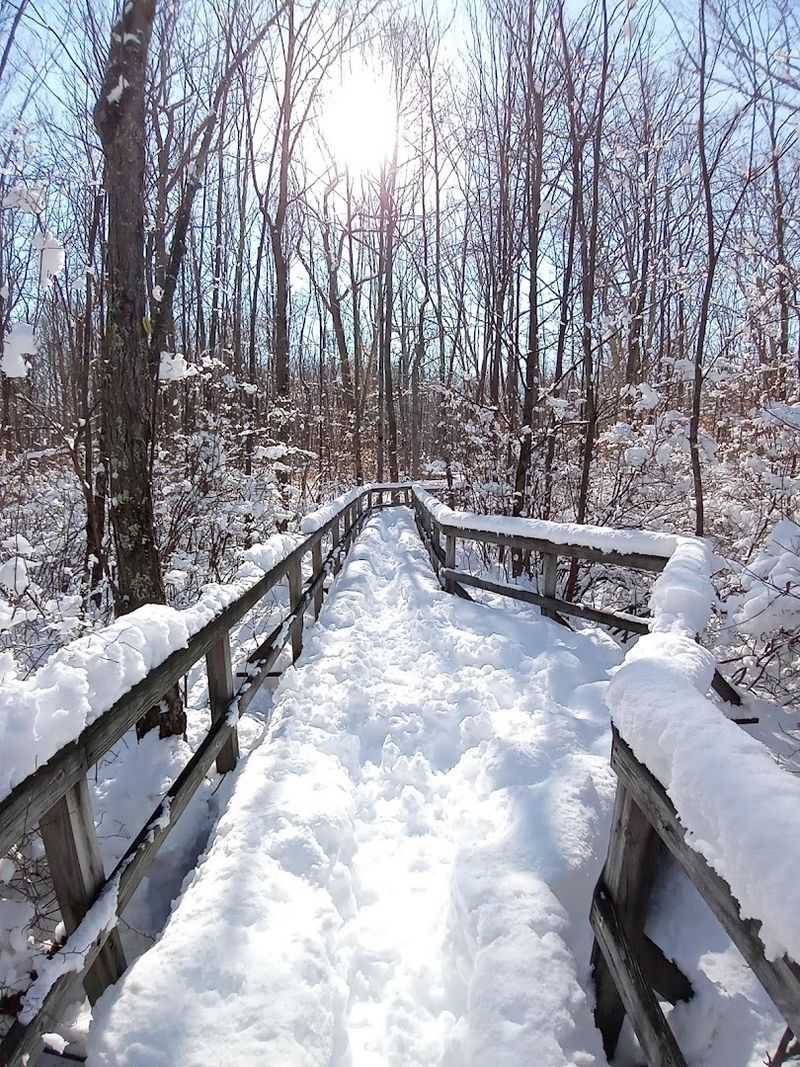
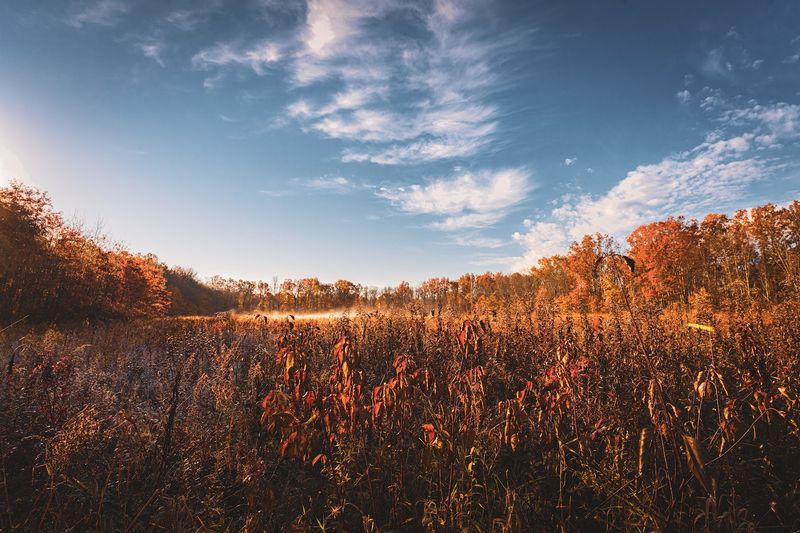
Every season brings a different version of the Great Swamp, and each one has something worth seeing. Spring is widely considered the best time to visit for wildlife activity, as migratory birds return, frogs begin calling, and the wetlands come alive after winter.
Wildflowers bloom in the upland meadows, and nesting activity picks up across the refuge.
Summer offers the fullest, most active version of the swamp, though it also brings the heaviest mosquito populations. Insect repellent is not optional during June through August, particularly on the boardwalk trails near standing water.
Fall turns the hardwood forest into a display of red, gold, and brown, with leafless white trees adding a striking contrast to the color around them.
Winter is the quietest season, with fewer birds and less visible wildlife, but the bare trees open up sightlines that thick summer foliage would otherwise block. Each visit offers something different, which is why so many people return multiple times throughout the year.
Photography Opportunities Around Every Bend
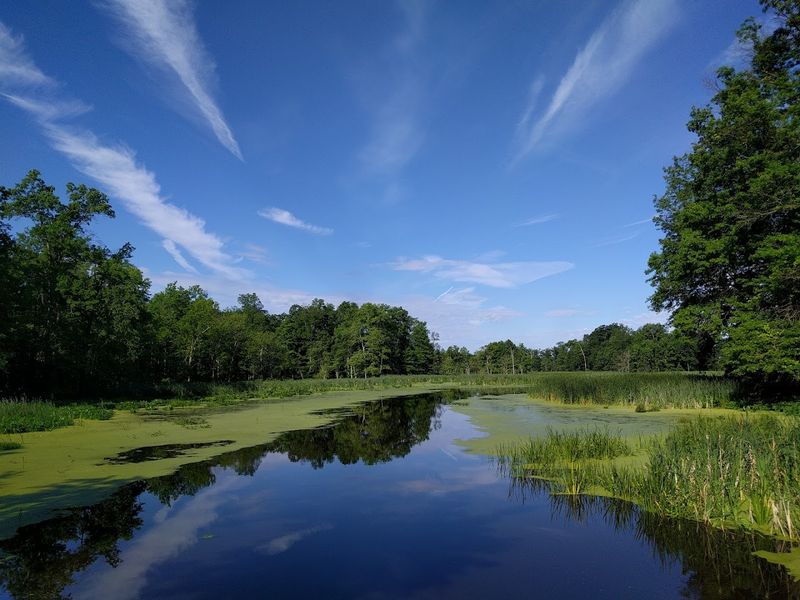
The Great Swamp has quietly built a reputation as one of the best wildlife photography locations in New Jersey. The combination of accessible boardwalk trails, observation blinds, and high wildlife density creates conditions that photographers find hard to replicate elsewhere in the region.
The observation blinds are particularly useful for getting close-up shots of waterfowl and wading birds without causing disturbance. The way light filters through the marsh vegetation in the morning hours creates a naturally photogenic environment, and the still water in the wetland sections often produces clear reflections that add depth to landscape shots.
Snapping turtles, painted turtles, great blue herons, and wood ducks are among the most frequently photographed subjects at the refuge. The slower a photographer moves through the boardwalk section, the more subjects tend to appear.
A telephoto lens is helpful but not required, as many animals at the refuge are accustomed to human presence and allow for reasonably close observation.
A National Wilderness Area Right Next Door
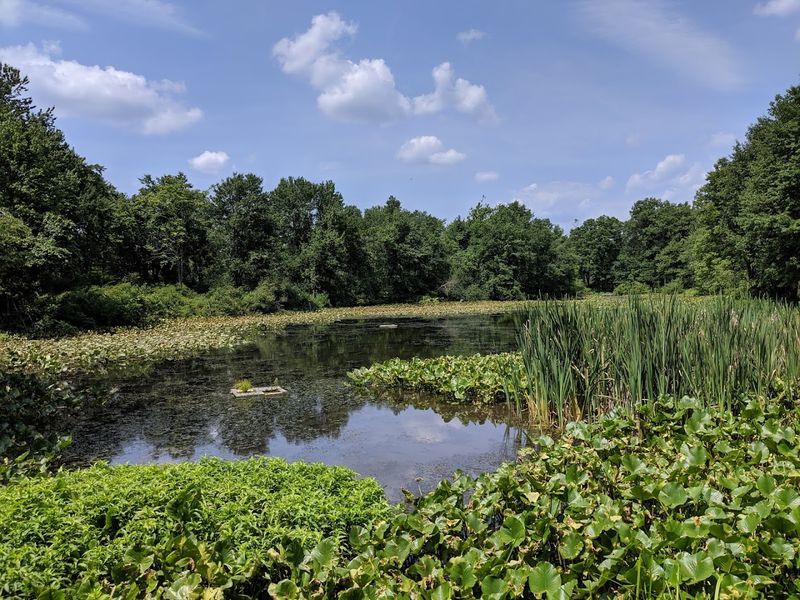
A significant portion of the Great Swamp carries a designation that most people do not realize exists this close to New York City. In 1968, 3,660 acres of the refuge were designated as a National Wilderness Area under the Wilderness Act of 1964, making it one of the first such designations east of the Mississippi River.
That designation means the land within those boundaries is managed to remain as natural and undisturbed as possible. No vehicles, no permanent structures, and no mechanical equipment are permitted within the wilderness zone.
The goal is to preserve the land in a state that reflects what the region looked like before large-scale human development arrived.
That level of federal protection is part of what makes the refuge so ecologically valuable. The wilderness designation ensures that even as development continues to press in from surrounding areas, a core section of the Great Swamp will remain permanently off-limits to the kind of changes that nearly erased it entirely six decades ago.
Planning Your Visit Like a Pro
A few practical details can make the difference between a good visit and a great one. The refuge is free to enter, which makes it an accessible outing for families, solo hikers, and anyone looking for a low-cost day outdoors.
Parking is available at multiple access points throughout the refuge, and the lots near the visitor center and Wildlife Observation Center both fill up on busy weekend mornings.
The visitor center is open Tuesday through Sunday from 10 AM to 4 PM and is closed on Mondays and Wednesdays. Arriving early on weekends gives visitors the best chance of seeing wildlife before foot traffic picks up.
Bug spray, water, and comfortable walking shoes are the three most important things to bring, particularly during warmer months.
The nearby Raptor Trust wildlife rehabilitation center is located just a couple of miles away and pairs well with a trip to the refuge, making it easy to turn the visit into a full day of nature exploration in the Basking Ridge area.



