 Unearth The Voyage

Cape May has a way of steering attention toward beaches, Victorian streets, and postcard favorites, which is exactly why this quieter trail feels like such a smart detour. Tucked away on the island’s less-hyped side, this walk swaps crowds for open space, easy miles, and the kind of route that quietly convinces people to keep going just a little farther.
It is the sort of place that works for a casual stroll, a family outing, or a low-pressure nature break that does not require hiking bravado. Keep reading for the route details, what makes the landscape different, when to go, and why this preserve has a sneaky habit of turning first-timers into “one more mile” people.
Where the trail begins
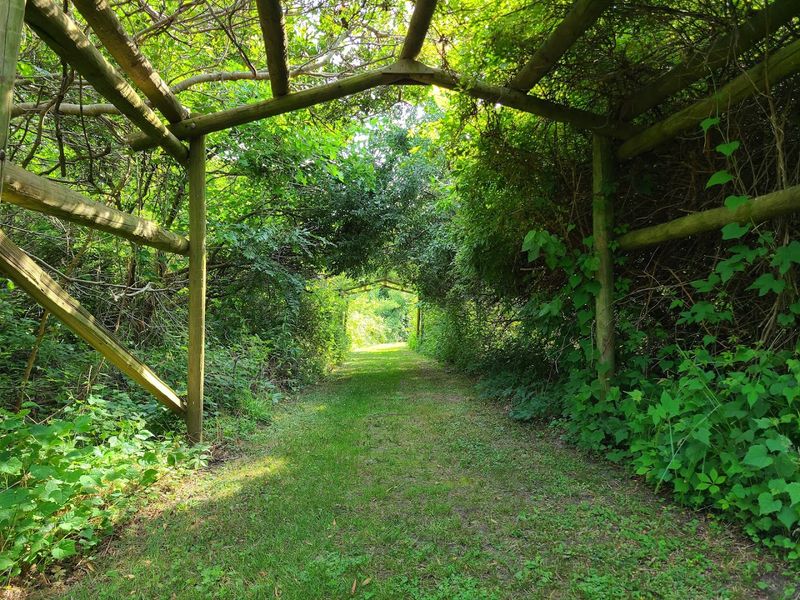
The reveal comes at the end of a short street: Garrett Family Preserve at Cape Island Creek, 801 Wilson St, Cape May, NJ 08204, United States. This Nature Conservancy preserve sits in Cape May, New Jersey, and its trail system starts with a simple, practical setup that feels more about access than fanfare.
That understated beginning is part of the appeal. Instead of a grand entrance, the place gets right to the point with paths, signs, and a layout that encourages walking without much fuss.
Hours are generous, running daily from 6 AM to 8 PM, which gives early risers and late afternoon wanderers plenty of flexibility. For first-timers, the smartest move is to pause at the trail map, note the route options, and let the preserve unfold step by step rather than trying to speed-run the whole thing like a competitive errand.
A quieter side of Cape May
Cape May is often associated with busy sidewalks and classic shore-day momentum, yet this preserve offers a different rhythm. The pace here is slower, more spacious, and notably easier to settle into, especially for anyone who wants a walk that feels purposeful without becoming a project.
The trail network is not designed to overwhelm. It gives beginners a manageable route, regular points of interest, and enough variation to keep the walk engaging without turning navigation into a puzzle worthy of its own map-based game show.
That balance explains why the place can shift a casual outing into an unexpectedly longer one. A flat path leads to another segment, the route connects onward near the tracks, and suddenly the original plan for a short stroll starts negotiating for extra time, which is how “just a quick walk” turns into a very New Jersey version of trail mission creep.
Why the route feels friendly
Not every hike needs rugged drama to be memorable, and this preserve makes a strong case for the charm of easy footing. The ground is generally flat and even, which lowers the barrier for families, casual walkers, and anyone who prefers conversation over constant concentration on every step.
That accessibility matters more than it gets credit for. A smoother route means strollers can work here, mixed-age groups can keep a similar pace, and the outing stays focused on the setting rather than on who is secretly regretting their shoe choice.
Well-kept trails and informative signs also help reduce first-visit uncertainty. Instead of spending the entire walk wondering if the route is about to disappear into confusion, people can pay attention to the preserve itself, settle into the distance, and enjoy the rare luxury of a nature walk that does not require mountaineering confidence or a heroic attitude about mud.
Wetlands, meadow, and old fields
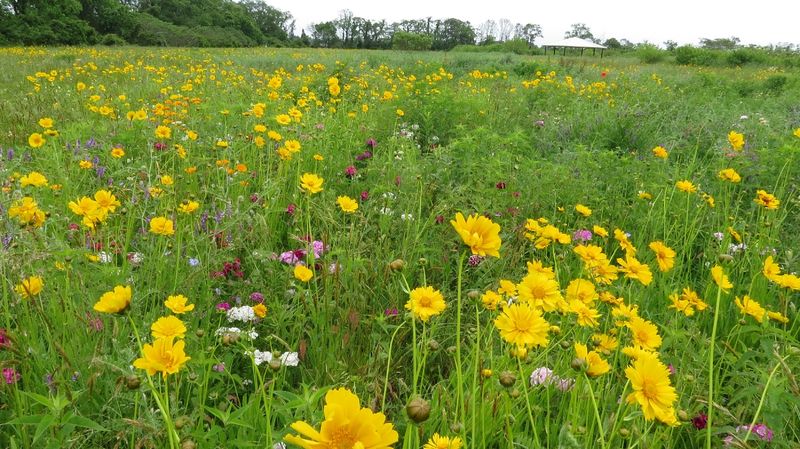
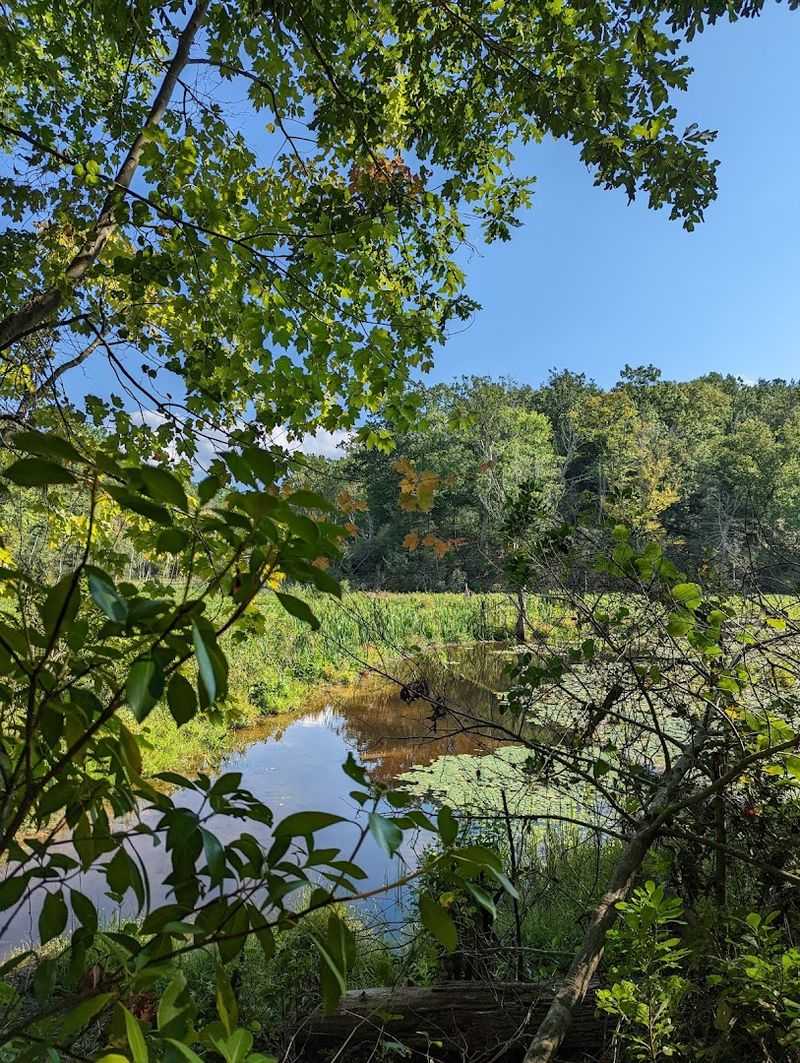
What keeps this walk interesting is the way the landscape shifts without needing huge elevation changes or dramatic terrain. The preserve includes wetlands, meadow areas, and land that appears to be old farmland returning to a more natural state, so the route keeps changing its character as the path moves along.
That variety gives the preserve a sense of progression. One section feels open, another feels more enclosed, and another frames the broader ecological story of Cape May as a place where managed land and recovering habitat meet in a practical, visible way.
Because the site is preserved rather than polished into a theme-park version of nature, it maintains a more natural feel. That makes the walk useful for anyone who likes seeing how landscapes function instead of expecting every turn to perform like a staged attraction, which is good news for people who prefer substance over scenic overacting.
A strong place for birding

Cape May is famous for migration, and this preserve fits naturally into that larger story. The habitat mix supports bird activity through different seasons, with particular interest around berry-producing plants, meadow edges, and the broader coastal environment that makes this part of New Jersey important for movement along the Atlantic Flyway.
That means even a low-key walk can carry a bit of birding energy without turning the outing into a technical field expedition. People who bring binoculars have a reason to linger, while those without gear can still appreciate that the preserve is built around habitat value, not just recreational mileage.
Guided bird walks have also been part of the preserve experience, which says a lot about the site’s educational potential. It is the kind of place that rewards curiosity at any level, from dedicated checklist enthusiasts to total beginners who only know that a trail gets a lot more interesting when the landscape gives birds a reason to stick around.
Butterflies and biodiversity

Birds are only part of the preserve’s appeal, because the site is also known for impressive biodiversity. Plant variety, butterflies, and other small wildlife all play into the feeling that this is not just a path through open space, but an active habitat with multiple layers of life working at once.
That ecological richness gives the walk extra depth for anyone who enjoys noticing patterns in a landscape. Meadow sections, native plant areas, and seasonal changes help explain why this preserve matters beyond recreation, and why a simple trail can also function as a quiet lesson in stewardship.
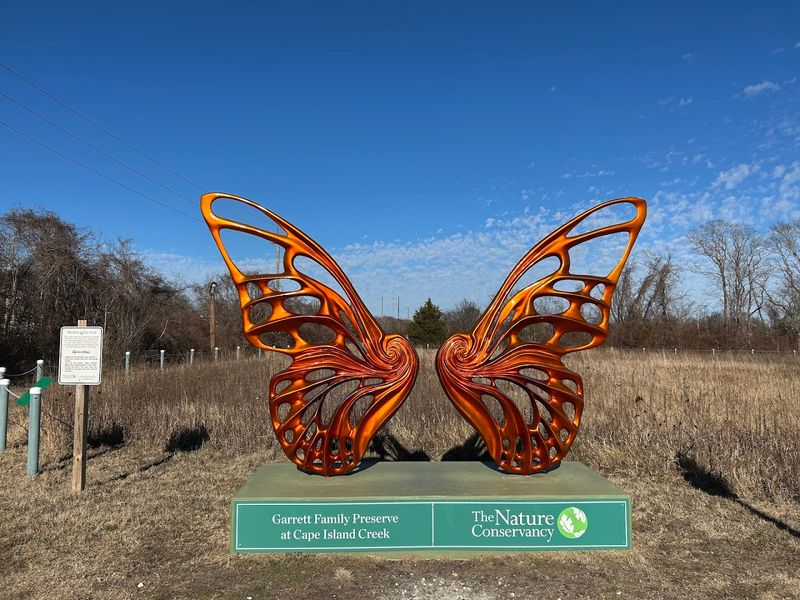
There is even a butterfly connection here, with the site recognized as part of the broader importance of Cape May for migratory species. In practical terms, that means the preserve can turn a regular stroll into a moving field notebook, minus the homework, plus the satisfying realization that conservation work is doing something more impressive than merely looking official on a sign.
Signs that help the walk mean more
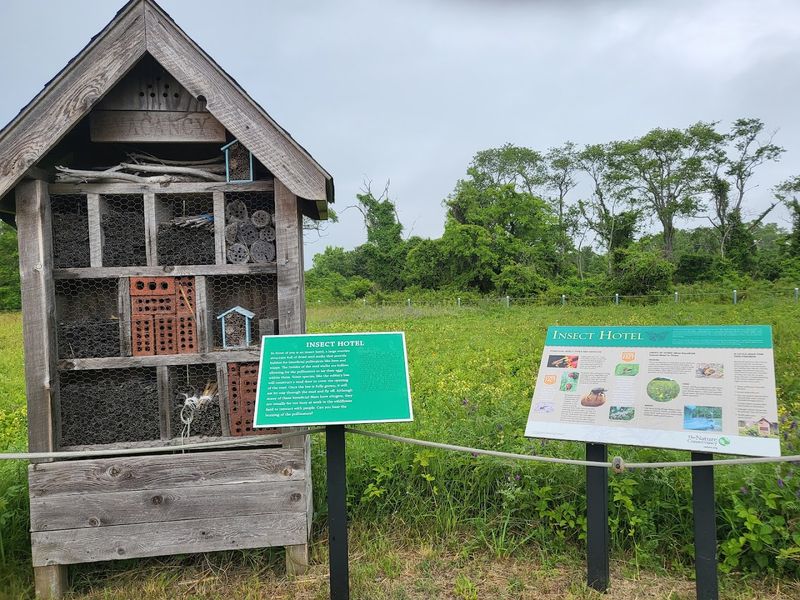
Some trails are content to be just trails, but this preserve adds useful context along the way. Informational signs help explain the landscape, the habitat work, and the reasons certain areas matter, which gives the walk a structure that is educational without becoming stiff or classroom-like.
That approach is especially helpful for first-time visitors and families. A sign can turn a patch of field or wetland edge from “nice enough” into something more specific, and once people understand what they are looking at, the preserve becomes easier to appreciate on its own terms.
The preserve also includes a braille trail, an important feature that broadens accessibility and reinforces the idea that outdoor spaces should welcome more people, not fewer. It is a detail that says a lot about the site’s priorities, and it adds substance to the outing in a way no flashy trail gimmick ever could, even if gimmicks usually try much harder for attention.
The longer-route temptation

Here is where the “one more mile” reputation starts to make sense. The preserve connects to a longer trail near the railroad tracks, opening up the possibility of extending a simple nature walk into something more ambitious without ever making the jump feel dramatic.
That connection is a gift for walkers and joggers who arrive expecting one loop and then realize the day has more range. It creates flexibility rather than pressure, so the outing can stay short and easy or stretch into a longer session depending on energy, weather, and how persuasive the next section of trail happens to be.
There is a practical side to this too: taking a photo of the map at the entrance is a smart move. Some route choices can feel less obvious on a first visit, and having a quick reference prevents the preserve from becoming an accidental audition for a navigation app commercial.
What to know before going
Practical planning goes a long way here, because the preserve is straightforward but still best approached with a little common sense. Open areas mean sun protection and water are smart additions, and warmer days can make a longer walk feel bigger than the map first suggests.
Bug spray is also worth considering, especially in seasons when insects are more active around wetland environments. None of this is unusual for a coastal preserve, but showing up prepared makes the experience easier and keeps attention where it belongs, on the trail rather than on small annoyances that good planning could have handled.
Facilities are limited, so this is not a place built around lots of extras. That simplicity is part of the charm, though it does reward visitors who come ready for a preserve instead of expecting the infrastructure of a full-scale park, because nature can be low-maintenance while still politely demanding that everyone pack like an adult.
Best timing through the year
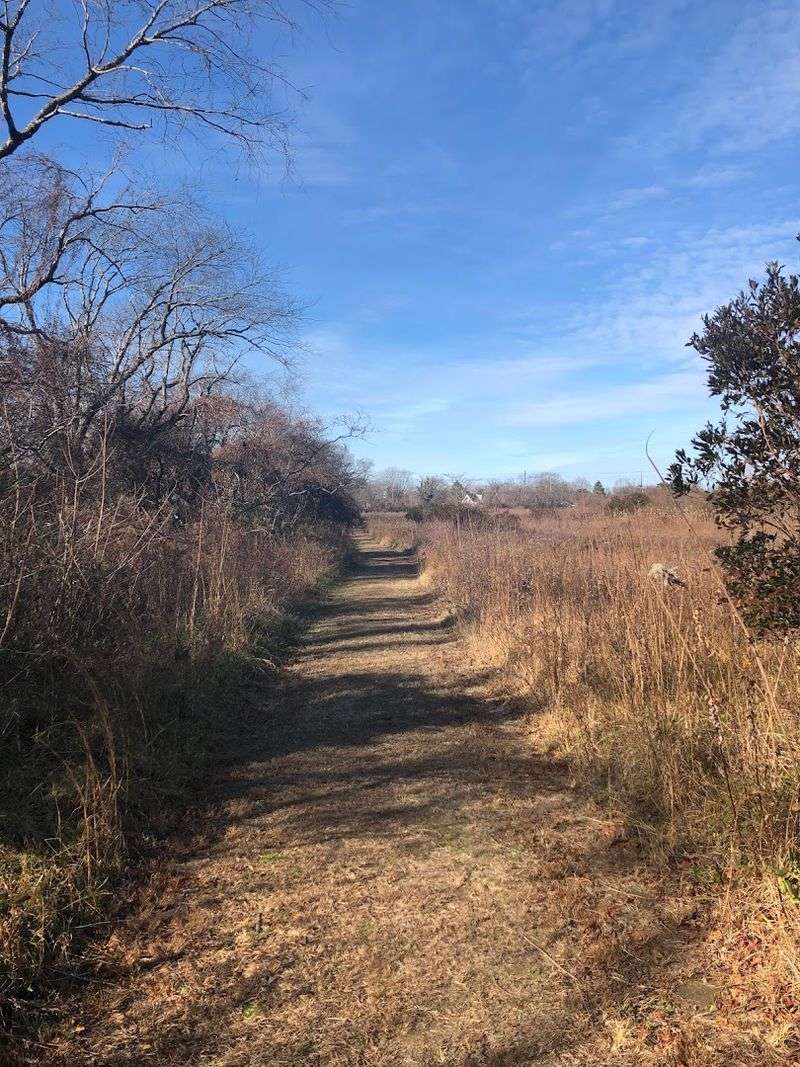
Season matters here, and the preserve changes enough across the year to justify repeat walks. Migration periods add interest for birders, warmer months bring active plant and insect life, and cooler stretches can make the trail feel especially manageable for people who prefer easier hiking weather.
There is no single perfect month that erases all tradeoffs, which is actually part of the preserve’s appeal. Spring and fall tend to offer the strongest combination of activity and comfort, while summer can be rewarding if the outing is timed well and approached with realistic expectations about exposure and heat.
Dog access is seasonal too, with dogs welcome from November 1 through March 31, which is useful for planners traveling with a canine walking partner. In other words, this preserve is less about chasing one magical date on the calendar and more about matching the season to the kind of outing that fits the day best.
Why families do well here

Family-friendly outdoor spots often promise easy fun and then quietly hand someone a logistical headache. This preserve avoids that trap by offering flat trails, manageable distances, educational signage, and enough variety to keep different ages engaged without requiring a master plan or a pep talk every six minutes.
That makes it a strong option for mixed groups. One person can focus on birds, another can follow the signs, a child can stay interested in the trail without needing a dramatic summit payoff, and the whole outing can remain comfortably flexible instead of turning into a negotiation disguised as recreation.
Because the setting feels calm rather than crowded, the preserve also works well for travelers who want a break from Cape May’s more concentrated activity zones. It is the kind of place that lets a family reset, stretch the day in a good way, and leave feeling like everyone got something useful out of the walk, which is rarer than brochures admit.
A preserve with personality

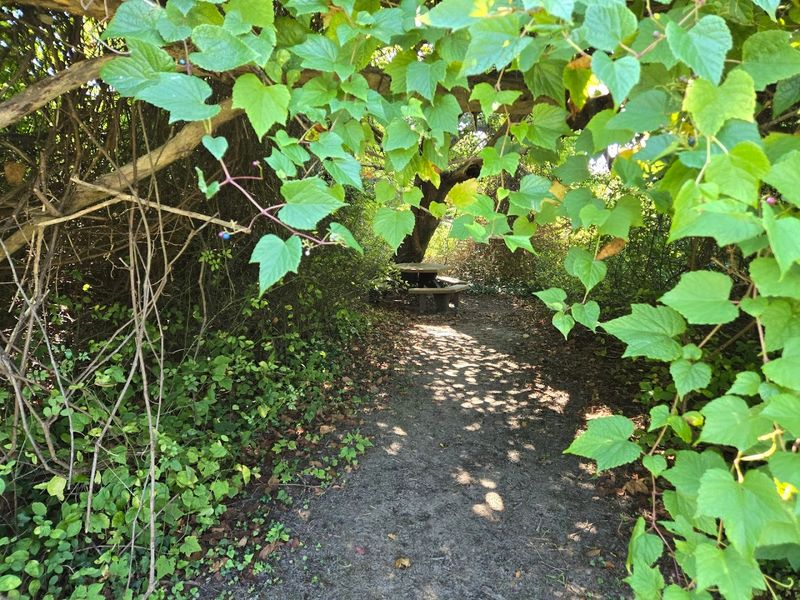
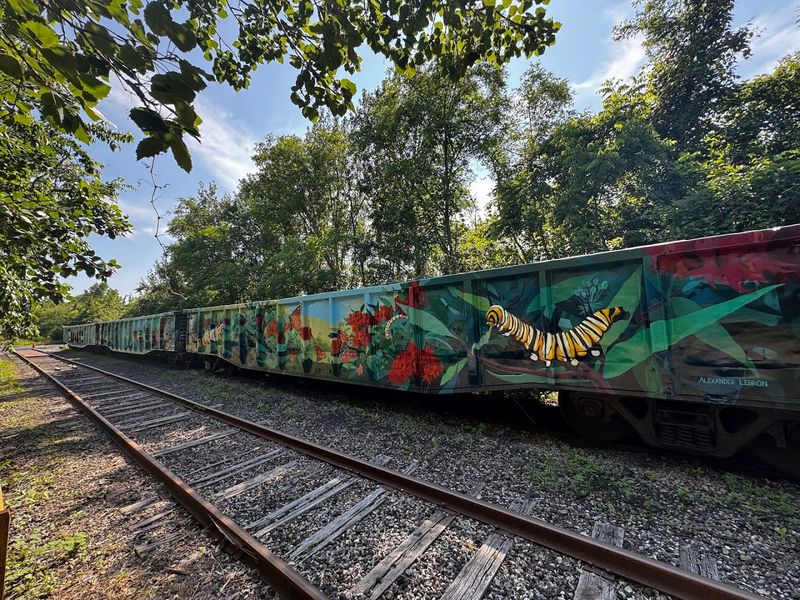
Beyond the core trails, this preserve has a few details that give it personality without distracting from the landscape. People mention features like a tree-canopy nook with a picnic table and painted rail cars near trail connections, small surprises that add character to the walk while keeping the preserve rooted in place.
Those touches matter because they break up the route in a natural way. Instead of feeling repetitive, the walk gains little markers of progress, and first-timers get the sense that there is always one more detail ahead, which is exactly the sort of thing that nudges a short stroll toward a longer wander.
None of this turns the preserve into an attraction in the flashy sense, and that is the point. Its personality comes from the way conservation, trail design, and a few memorable details combine into a walk that feels grounded, useful, and just distinctive enough to stay on the mind long after the parking lot reappears.
The last nudge to go
The strongest case for this preserve is simple: it makes walking feel easy to choose. Garrett Family Preserve at Cape Island Creek does not rely on hype, oversized promises, or complicated trail bragging rights, yet it delivers a route with variety, habitat value, and enough flexibility to suit beginners and repeat walkers alike.
That combination is what turns a first visit into a return plan. A manageable path becomes a longer outing, a casual stop becomes a meaningful detour, and Cape May expands beyond its most obvious attractions into something more layered and rewarding.
For travelers who like places that quietly outperform expectations, this is a solid answer. The preserve proves that a hike does not need steep climbs or dramatic theatrics to be memorable, and by the time the walk wraps up, the most common internal debate is no longer “should this have been on the itinerary,” but “is there time for one more mile.”



