There is a place in Cape Coral where the city noise fades out and the only sounds you hear are birds calling overhead and water lapping quietly beneath a wooden boardwalk. I had driven past the turnoff more times than I care to admit before I finally pulled in, and I am genuinely glad I did.
The trails wind through dense mangrove tunnels, open up to sweeping river views, and pass by meaningful veterans memorials that give the whole visit an unexpected emotional weight. Whether you are chasing wildlife, looking for a shaded morning walk, or just need a break from the usual Florida tourist circuit, this preserve delivers something real and refreshing every single time.
Finding the Preserve: Address, Location, and Getting There
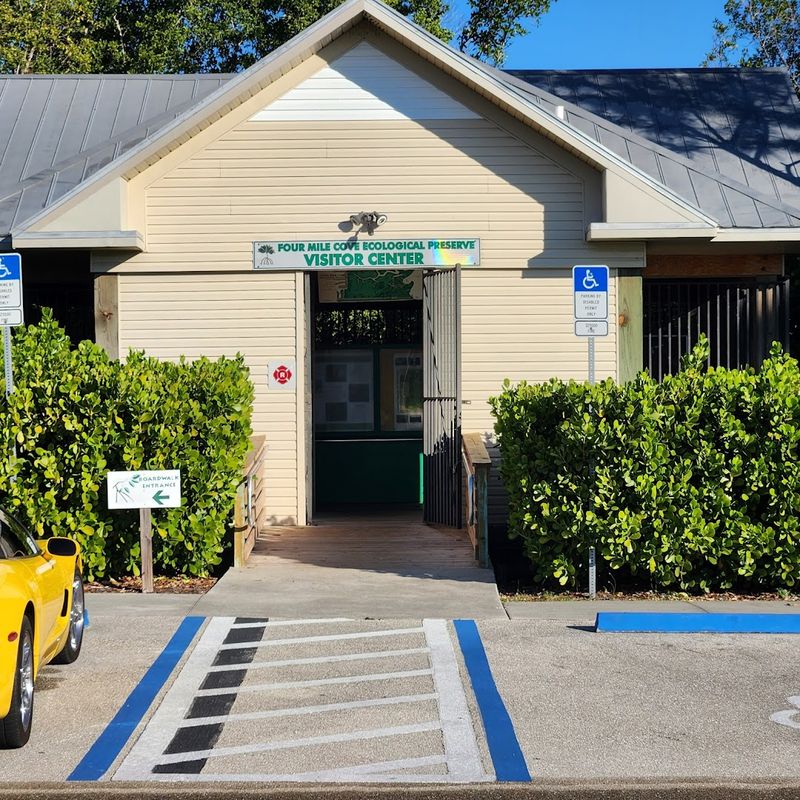
Tucked just off the Midpoint Memorial Bridge on the south side of Cape Coral, Four Mile Cove Ecological Preserve sits at 2500 SE 24th St, Cape Coral. The entrance comes up quickly on your right as you cross into the city, so keep your eyes open or you might roll right past it.
Parking is free and plentiful, which is a genuine relief compared to most Florida parks that charge just to leave your car. The lot is well-paved and there is clear signage directing you toward the trailhead, the visitor center, and the veterans memorials near the entrance.
The preserve is open every day of the week from 7 AM to 8 PM, giving you a solid window to visit at sunrise, midday, or just before a gorgeous Southwest Florida sunset.
The Boardwalk Trail Through the Mangroves
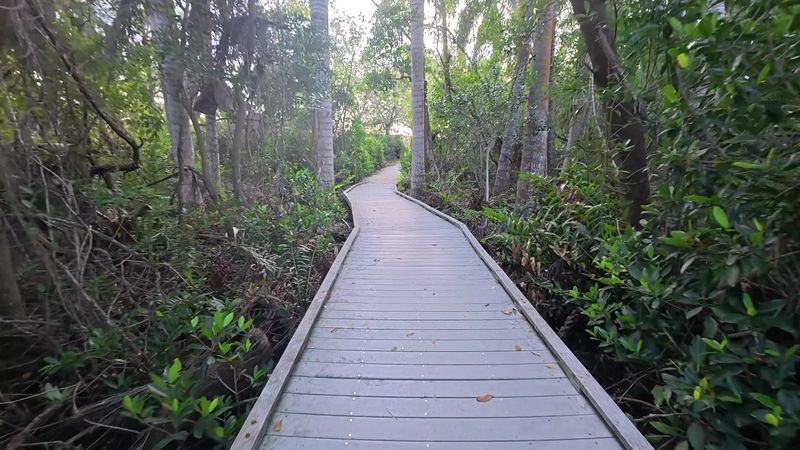
About 80 percent of the trail here runs along a raised wooden boardwalk, and that detail matters more than you might think. The tidal wetlands below are muddy, root-tangled, and home to things that bite, so having that elevated path keeps you comfortable and lets you focus entirely on what surrounds you.
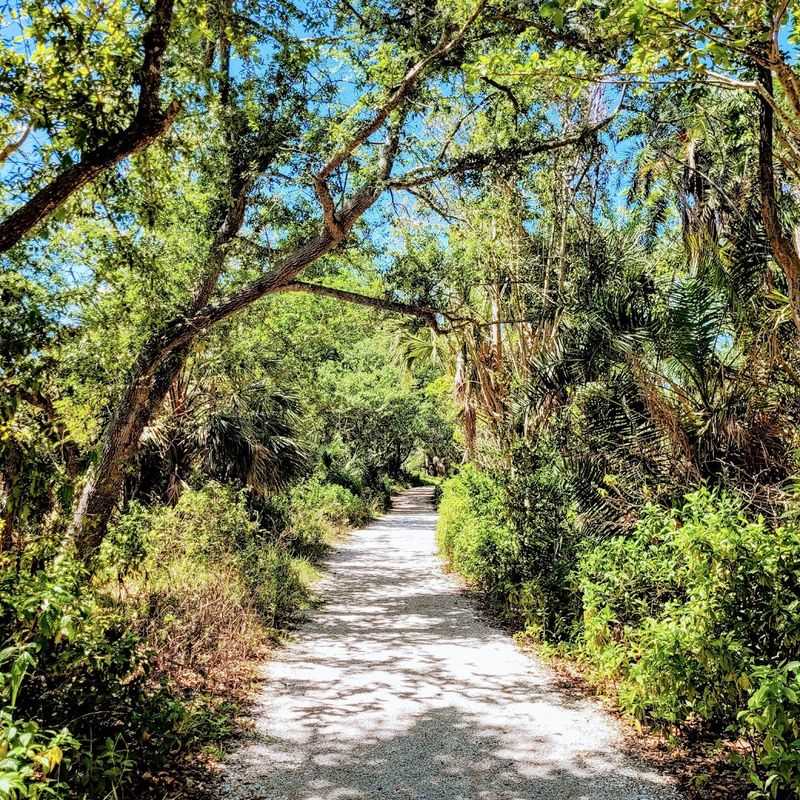
The mangrove canopy closes in overhead in several stretches, creating a shaded tunnel effect that keeps temperatures noticeably cooler than the open Florida sun. On a warm morning, that shade feels like a small miracle.
The trail is easy and flat, making it genuinely accessible for families with young kids, older visitors, and anyone who does not want a strenuous workout. Benches appear at regular intervals along the path, so you can pause, listen, and simply take in the layered green world around you without feeling rushed or worn out.
The Caloosahatchee River Views from the Piers
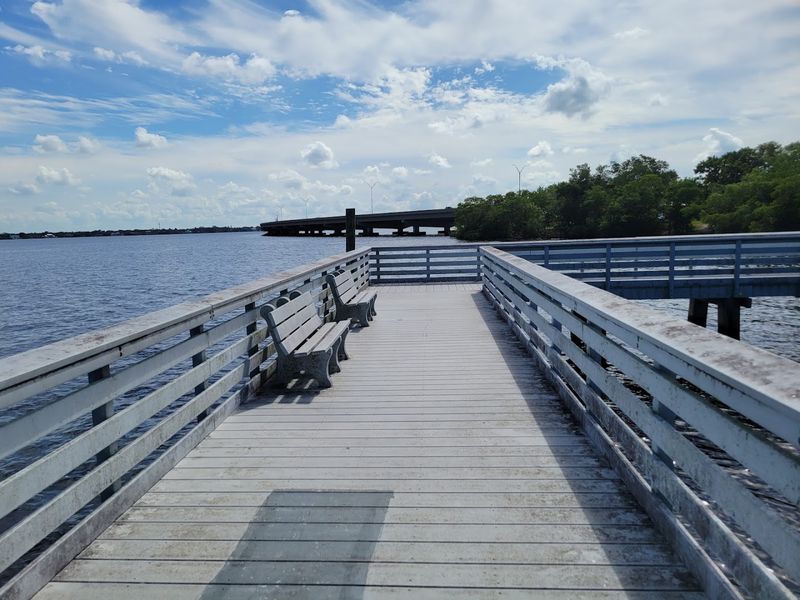
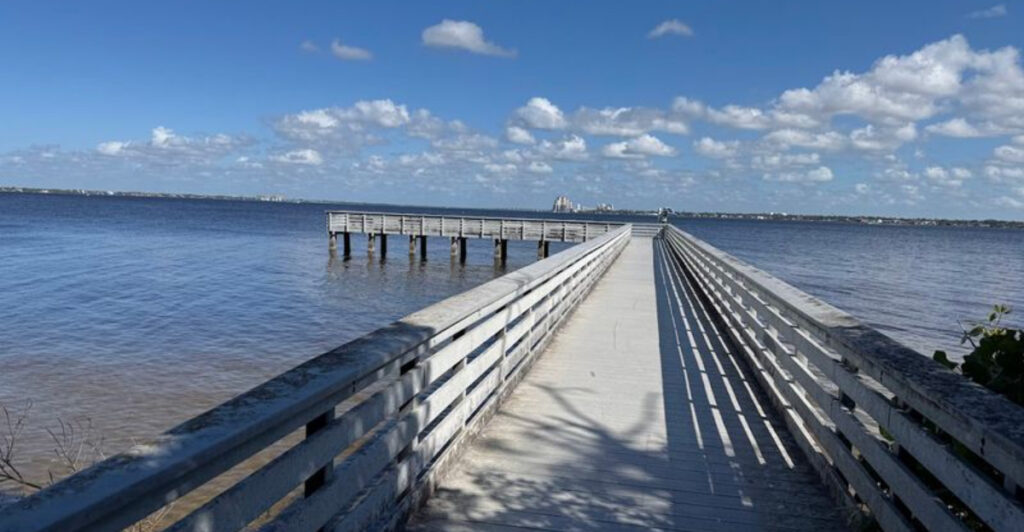
At the far end of the boardwalk trail, the mangroves part and the Caloosahatchee River opens up in front of you in a way that genuinely stops you in your tracks. The water stretches wide and flat, catching the light differently depending on the time of day, and the Midpoint Memorial Bridge frames the view from a distance.
There are two piers here: one smaller and one larger, both reaching out over the river and offering great spots to stand, breathe, and stare at something bigger than your daily to-do list. The larger pier is especially popular with anglers who bring rods and spend a quiet hour or two casting lines into the current.
Sunsets from these piers are worth planning your visit around. The warm hues that spread across the water as the sun drops behind the bridge create one of those views that Cape Coral locals quietly keep to themselves.
Wildlife Encounters Along the Trail
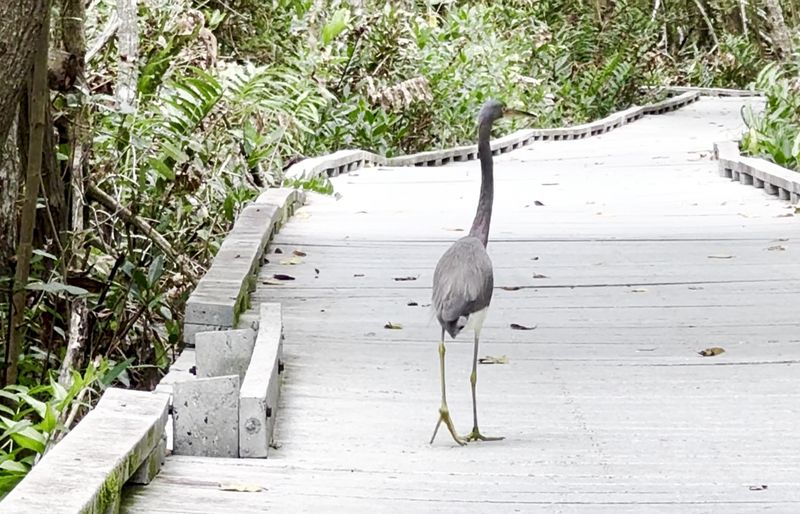
Wildlife at this preserve rewards patience and a slow pace. The animals are absolutely there, but they are not performing for you, so you have to actually look and listen rather than expect them to pose conveniently by the trail.
Alligators are the headline act, and visitors have spotted some truly impressive ones measuring in the 12 to 14 foot range during warmer months when the reptiles are most active. Cooler days tend to send them deeper into shelter, so timing your visit for a warm afternoon increases your chances considerably.
Beyond alligators, the preserve hosts a rotating cast of birds including great blue herons, egrets, and the occasional bald eagle overhead. Raccoons have been spotted high in the palm trees near the entrance, sometimes with young ones trailing behind.
A slow, quiet walk early in the morning tends to produce the richest wildlife sightings of any visit here.
The Veterans Memorials at the Park Entrance
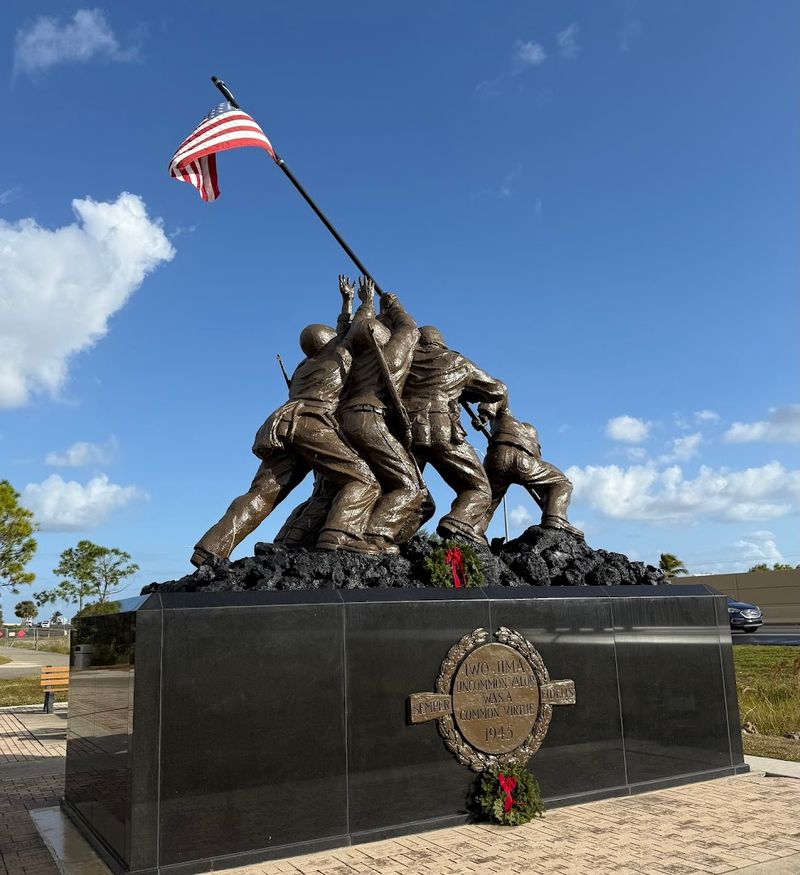
Right near the parking lot, before you even reach the trailhead, the preserve opens with something unexpected and deeply moving: a series of veterans memorials honoring those who served in conflicts including World War II, the Korean War, Vietnam, and the wars in Iraq and Afghanistan.
The Iwo Jima Memorial and the Iraq War Memorial are among the most striking installations, and they carry a quiet power that feels especially meaningful when set against the peaceful natural backdrop of the preserve. Reading the plaques and taking a moment here before the walk adds a layer of reflection to the whole experience.
Military history displays near the entrance provide additional context about the conflicts represented, making this section genuinely educational for younger visitors and emotionally resonant for veterans and their families. More than one person has described pausing here longer than they planned, simply because the space earns that kind of attention.
The Visitor Center and What You Can Learn There
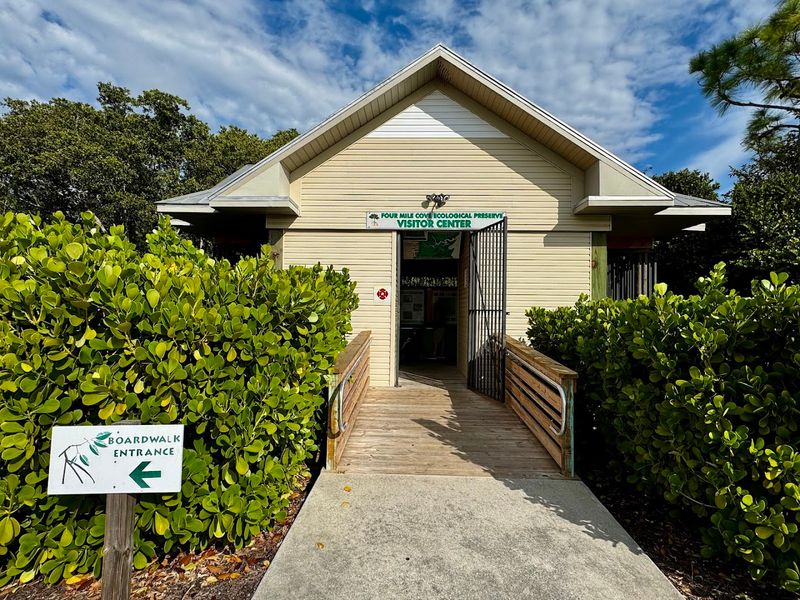
The visitor center at Four Mile Cove is a compact but genuinely useful stop, especially if you want to understand what you are actually looking at out on the trail. Displays inside cover the local ecosystem in clear, accessible language, explaining the role mangroves play in water quality, storm protection, and wildlife habitat.
You will also find information about the species most commonly seen in the preserve, along with notes on some of the rarer or more surprising animals that have turned up over the years. It is the kind of place where kids start asking better questions after spending ten minutes inside.
Seasonal kayak rentals are also available through the preserve, which opens up a completely different way to experience the cove and surrounding waterways. Checking the city of Cape Coral parks website ahead of your visit is the best way to confirm current rental availability and any seasonal schedule changes.
Kayaking the Cove: A Water-Level Perspective
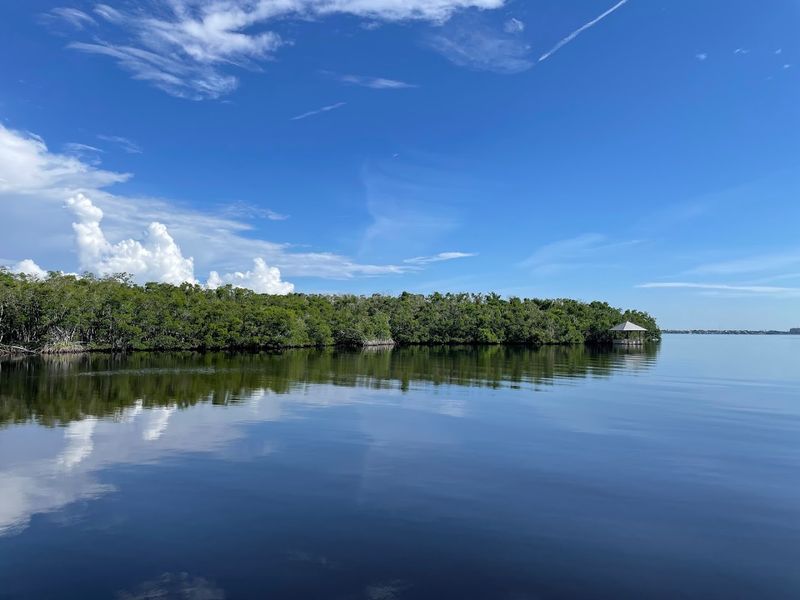
Seeing the preserve from a kayak is a completely different experience than walking the boardwalk, and in the best possible way. At water level, the mangrove roots arch overhead and the channels narrow into passages that feel almost secret, the kind of place you would not know existed unless someone handed you a paddle and pointed you in the right direction.
The cove itself is calm and sheltered, making it accessible to paddlers of most experience levels without requiring serious technical skill. The water is shallow in many areas, which also means you are more likely to spot fish, crabs, and other small creatures moving beneath the surface as you glide through.
Seasonal kayak rentals are offered on-site, so you do not need to haul your own equipment to enjoy this option. Early morning paddles, before the breeze picks up, tend to offer the glassiest water and the most active bird life along the shoreline.
Why the Shade Makes This Trail Special in Florida
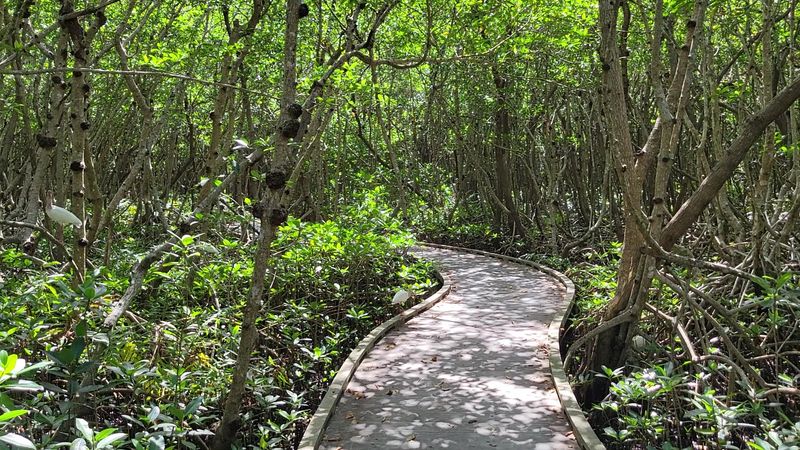
Anyone who has spent a summer afternoon in Southwest Florida knows that shade is not a luxury, it is a survival strategy. The mangrove canopy along most of this trail provides consistent cover that keeps the walk genuinely comfortable even during months when the Florida sun is at its most aggressive.
The temperature difference between the open parking lot and the shaded boardwalk is noticeable within the first few steps, and that cooling effect makes the preserve a realistic option for midday visits that most outdoor spots in the area simply cannot support. Bugs were minimal during my visit, which is another pleasant surprise for a wetland environment.
Families with young children benefit from this shade factor more than anyone, since it extends the window of time you can comfortably spend outdoors without worrying about overheating. A water bottle and sunscreen are still smart to bring, but the trail itself does a lot of the work for you.
Fishing at the Piers: What to Know Before You Cast
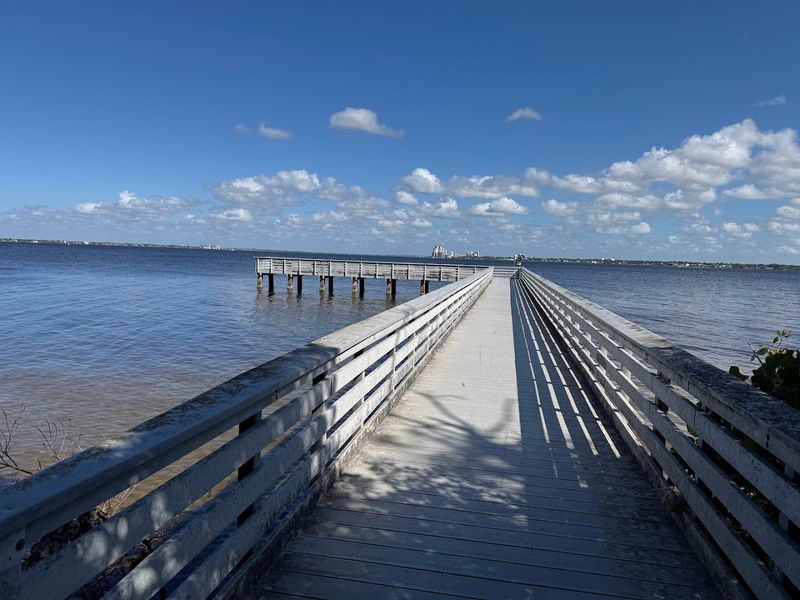
Both piers at the preserve are legal fishing spots, and the Caloosahatchee River that stretches out in front of them holds a solid variety of fish depending on the season and tide. Snook, redfish, and sheepshead are among the species that anglers have pulled from these waters, making it worth the trip for anyone who fishes regularly in Southwest Florida.
The larger pier extends further over the water and offers more room to spread out with gear, while the smaller one is better suited for a quick, casual cast. Neither pier requires a fee beyond the free park admission, which keeps the whole outing very budget-friendly.
Florida fishing regulations apply here, so a valid freshwater or saltwater fishing license is required depending on what you are targeting. Bringing your own gear is the way to go since there are no tackle rentals on site, but the setup is otherwise straightforward and relaxed.
Birdwatching Opportunities at the Preserve
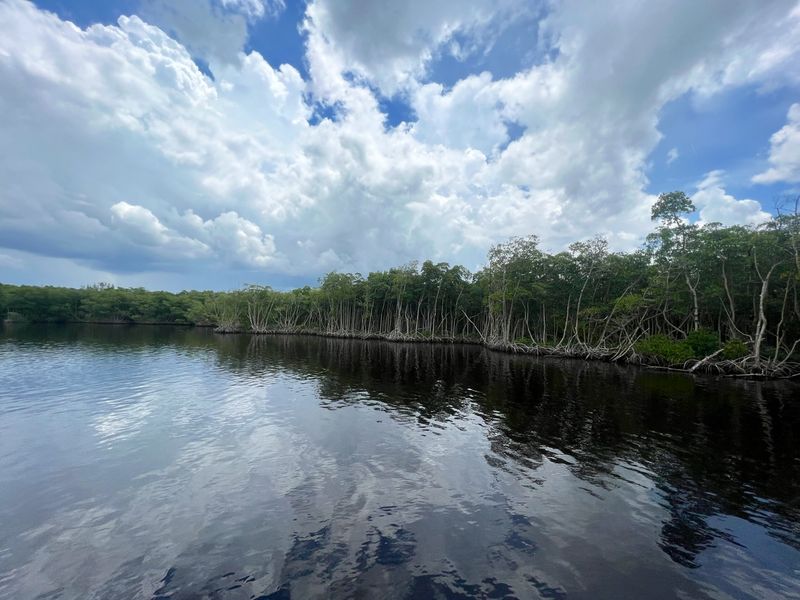
The preserve draws a solid variety of bird species throughout the year, and the mix shifts depending on the season. Resident birds like great blue herons, great egrets, and tricolored herons are reliable sightings along the boardwalk and near the waterline, where they hunt in the shallows with that particular focused stillness that makes them so satisfying to watch.
Migratory species pass through during winter months, expanding the list and giving birders with binoculars a reason to visit multiple times between November and March. Bald eagles have been spotted soaring above the cove on clear mornings, which is one of those sightings that always feels a little extraordinary no matter how many times it happens.
The catwalk section of the trail offers elevated sightlines over the wetland that are especially productive for spotting birds moving through the vegetation below. A pair of compact binoculars fits easily in a pocket and genuinely improves the experience here.
The Preserve as a Family-Friendly Outing
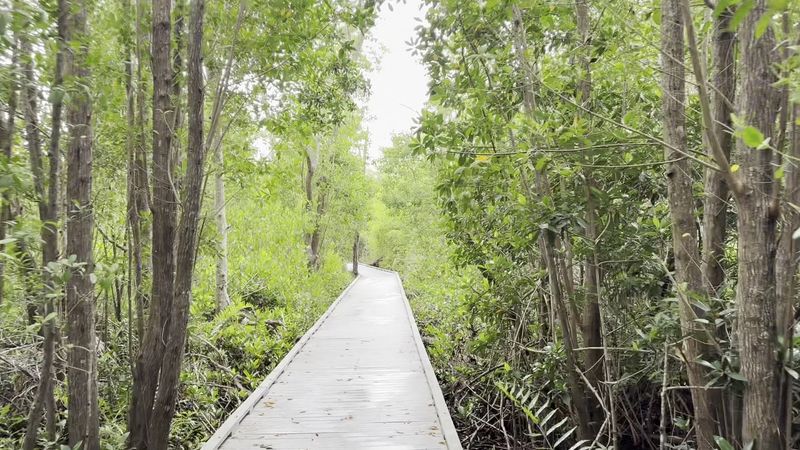
Few free outdoor destinations in Cape Coral work as well for families as this one does. The flat, paved-and-boarded trail is easy enough for young kids to handle without complaints, and the rotating cast of wildlife keeps their attention in a way that more manicured parks simply cannot match.
The veterans memorials near the entrance also offer a low-key opportunity to talk with kids about history and service in a setting that feels respectful rather than overwhelming. Several families I passed on my visit were doing exactly that, pausing at the plaques and having those quiet, meaningful conversations.
Restrooms are available on site, which is a non-negotiable for any family outing with small children, and a hydration station near the entrance means you can refill water bottles without hauling a full cooler from the car. The whole loop, including both piers, is manageable in about an hour at a relaxed pace.
Photography at Four Mile Cove: Framing the Perfect Shot
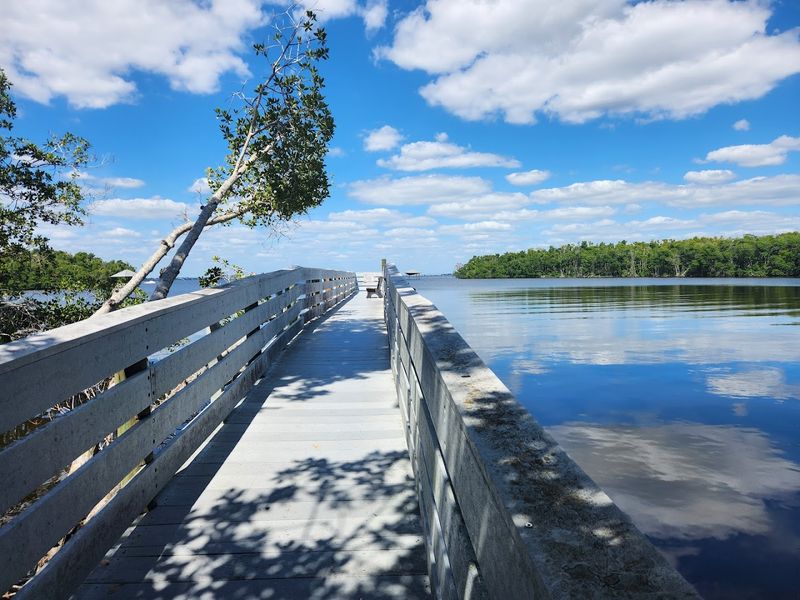
The preserve is a genuinely rewarding spot for photography, and not just for people with expensive cameras. The interplay of light through the mangrove canopy creates natural compositions that are hard to replicate anywhere else in Cape Coral, and the river views from the piers offer wide, unobstructed frames that work beautifully at golden hour.
Wildlife photography takes patience here, but the payoff is real. A heron frozen mid-stride in shallow water, a raccoon peering down from a palm frond, or an alligator motionless at the surface are all genuinely dramatic subjects that require nothing more than quiet movement and a willingness to wait a few minutes.
Smartphone cameras handle the scenery well, but a zoom lens gives you a meaningful advantage when photographing birds and reptiles at a respectful distance. Several dedicated photographers were already set up on the catwalk when I arrived on a weekday morning, which tells you everything about the quality of light and subjects available here.
Practical Tips for First-Time Visitors
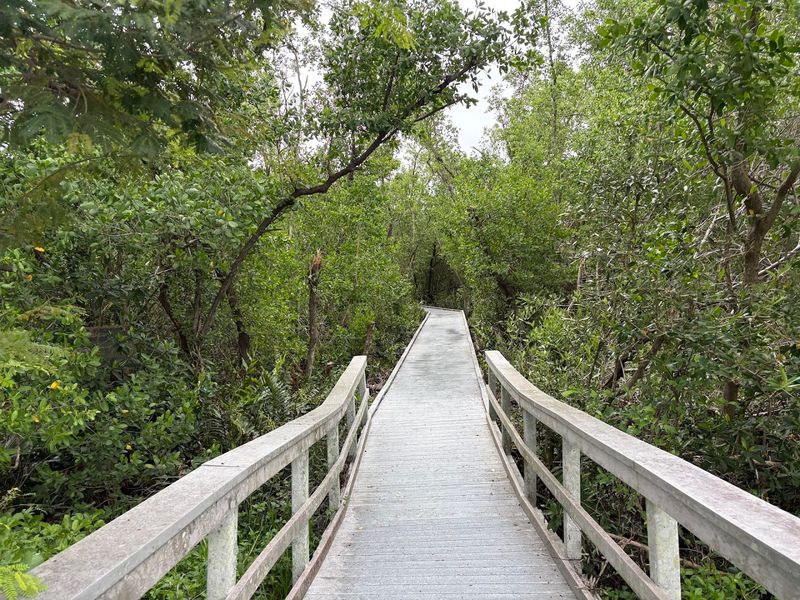
A few practical details can make the difference between a smooth visit and a frustrating one at this preserve. Admission is completely free, parking is free, and restrooms are available on site, so the barrier to entry here is essentially zero, which makes it one of the best-value outings in all of Southwest Florida.
Closed-toe shoes are smarter than sandals if you plan to step off the boardwalk at any point, and lightweight, breathable clothing keeps you comfortable in the humidity. Bug spray is worth applying before you start the trail, even on days when insects seem minimal at first.
Dogs are not recommended here, and the reason is straightforward: alligators are present in the water and on the banks, and a leashed pet near the water’s edge creates an unnecessary risk. The preserve asks visitors to keep a safe distance from all wildlife, which is both a rule and genuinely good common sense.
Why This Preserve Deserves a Spot on Your Cape Coral Itinerary
Cape Coral has canals, beaches, and plenty of commercial attractions, but Four Mile Cove Ecological Preserve offers something that most of the city’s other destinations do not: genuine, unscripted nature within easy reach of everything else. The combination of a well-maintained boardwalk, meaningful memorials, reliable wildlife, and free admission creates an experience that punches well above its weight.
First-time visitors are often surprised by how much the preserve packs into a relatively short walk. The trail is under a mile to the main pier and back, but the variety of things to see and feel along the way makes it feel richer and more substantial than the distance suggests.
Locals who walk these trails daily clearly know something that casual visitors are still discovering. Once you have stood on that pier watching the Caloosahatchee River catch the late afternoon light, you will understand exactly why they keep coming back.
Share this story