 Unearth The Voyage
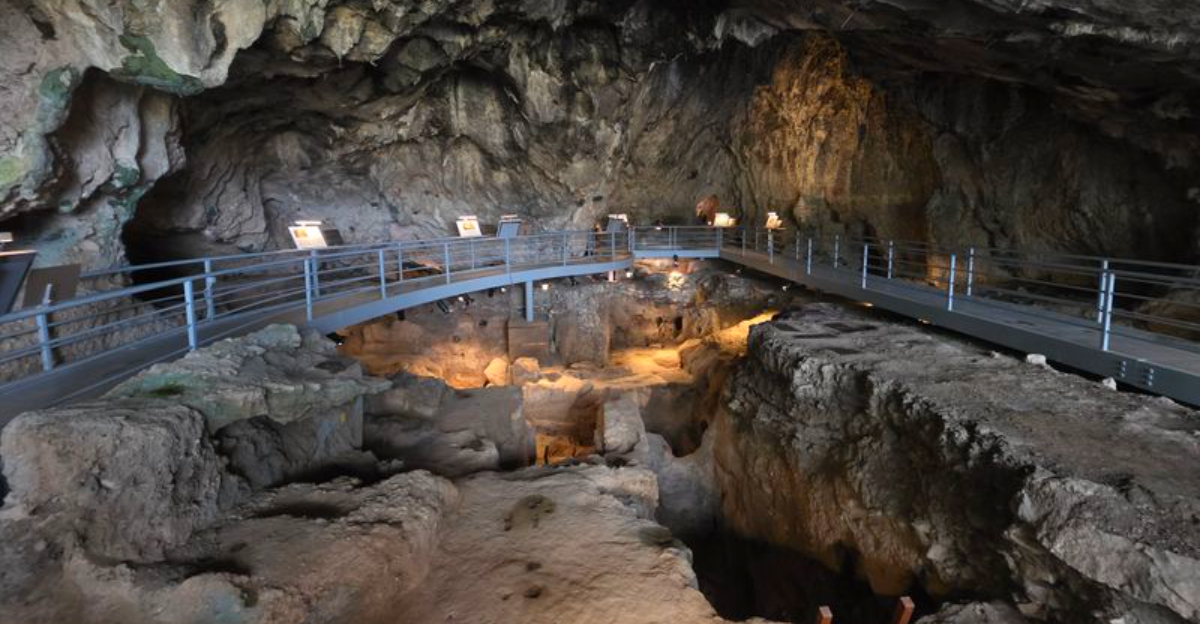
Just a few minutes from Meteora’s soaring monasteries, there’s a place most travelers miss completely: a quiet cave with a human story stretching back 130,000 years. Theopetra Cave is one of Greece’s most important prehistoric sites, yet it rarely makes the typical itinerary. If you’ve ever left a famous landmark feeling like you only saw the “tourist version” of a destination, this is your chance to go deeper.
While the crowds look up at the rock towers, you can step into a site where real people lived, sheltered, and survived across unimaginable ages. In this post, you’ll discover what makes Theopetra Cave so extraordinary, what you can actually see there today, and how to fit this short detour into your Meteora visit without any stress.
1. It’s right next to Meteora but most people miss it
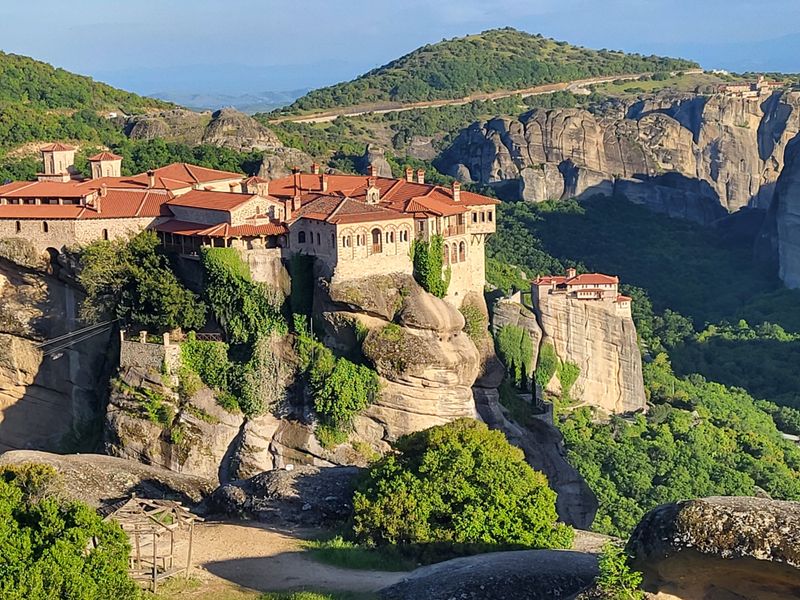
Most visitors to Greece’s famous Meteora region never realize they’re driving past one of the country’s most important archaeological sites. Theopetra Cave sits near the village of Theopetra, roughly three to five kilometers from Kalambaka, the main gateway town to Meteora’s monasteries.
That short distance makes it incredibly easy to add to any Meteora itinerary.
The proximity is almost ironic. Thousands of tourists photograph the stunning cliff-top monasteries every single day, completely unaware that human history stretching back over a hundred millennia exists just down the road.
The cave doesn’t advertise itself with massive signs or aggressive marketing.
Getting there requires minimal effort compared to the reward. A quick drive or even a pleasant walk from Kalambaka brings you to a site that rivals the monasteries in historical importance, if not visual drama.
Many guidebooks still treat it as a footnote, which means crowds remain blissfully absent.
For travelers who crave authentic experiences away from tour-bus traffic, this oversight becomes a gift. You can stand where Ice Age humans once sheltered, touch the same stone walls they built, and absorb the weight of deep time without fighting through selfie-stick armies.
Sometimes the best discoveries hide in plain sight.
2. It holds an archaeological timeline that spans massive periods
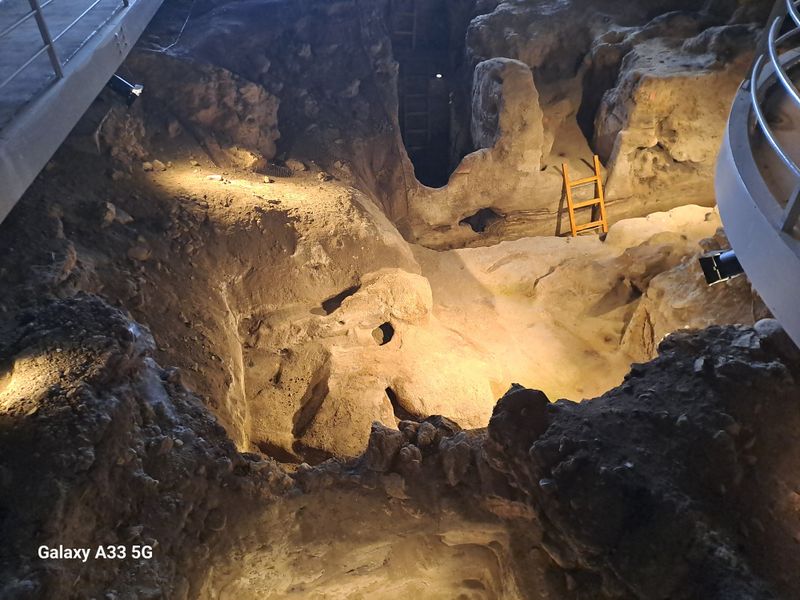
Opening a book where every page represents thousands of years of human experience is exactly what Theopetra Cave functions look like, except the pages are layers of earth stacked one atop another. Archaeologists value this site not because it produced one spectacular golden mask or famous skeleton, but because it preserves evidence from multiple prehistoric eras in continuous sequence.
The layers tell stories from the Middle Paleolithic through the Upper Paleolithic, then into the Mesolithic and Neolithic periods. Each stratum captures a snapshot of how people lived, what they ate, and how they adapted to changing environments.
This kind of unbroken record is remarkably rare.
Most archaeological sites give us glimpses of single moments in time. A settlement might show us Bronze Age life, or a burial ground might reveal Iron Age customs.
Theopetra offers something far more valuable: a continuous narrative showing how human culture evolved across climate shifts, technological innovations, and social transformations.
For researchers trying to understand big transitions in human history, this cave serves as an anchor point. It helps answer questions about how hunter-gatherers became farmers, how tool-making techniques changed, and how people survived dramatic environmental upheavals.
The timeline doesn’t just span massive periods; it bridges the gaps between them, making connections visible that would otherwise remain hidden.
3. People were there incredibly early, around 130,000 years ago
When you hear “130,000 years ago,” your brain might struggle to process that number. It predates written language, agriculture, pottery, and practically everything we associate with civilization.
Yet evidence from Theopetra Cave confirms that humans were using this shelter when mammoths still roamed Europe and Neanderthals were our neighbors, not just history lesson subjects.
This timeline places Theopetra among the oldest continuously used habitation sites discovered anywhere in Greece. The people who first sought shelter here lived during the Middle Paleolithic, an era when survival meant constant adaptation to ice ages and warming periods.
They had no metal tools, no domesticated animals, and no permanent villages.
What drew them to this particular cave? Probably the same practical considerations that matter today: protection from weather, visibility of approaching danger or prey, and access to water sources.
The earliest occupants left behind stone tools and evidence of fire use, basic signatures of human presence that archaeologists can still identify after geological ages.
Understanding who these people were gets complicated. Some periods likely saw Neanderthal occupation, others early modern humans.
The cave witnessed our species’ story when we were still figuring out what it meant to be human. Standing at that threshold today, knowing the ground beneath your feet supported Ice Age hunters, creates a connection across time that few places on Earth can offer.
4. It’s a compact cave with a surprisingly ‘architectural’ layout
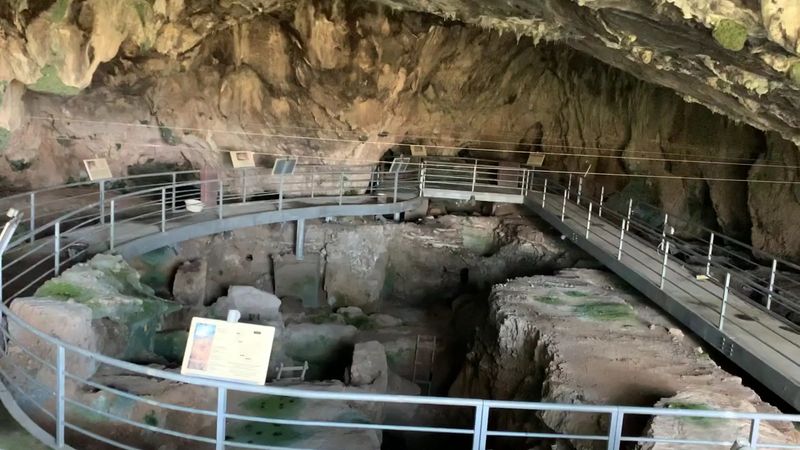
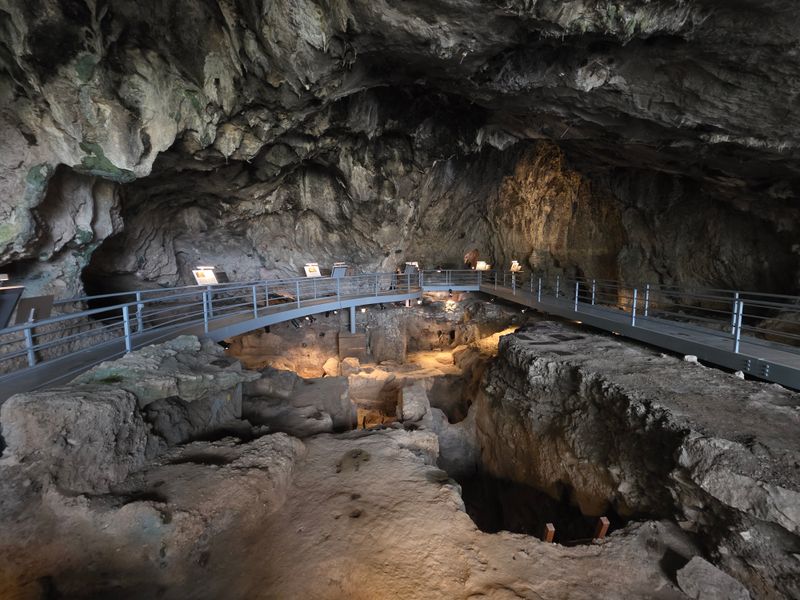
Caves typically conjure images of twisting passages, dripping stalactites, and disorienting darkness. Theopetra breaks that stereotype completely.
Described as almost quadrilateral in shape, it presents itself more like a naturally formed room than a chaotic underground maze. Small niches punctuate the edges, creating alcoves that might have served specific purposes for ancient inhabitants.
The total area measures roughly 500 square meters. That’s substantial enough to accommodate extended family groups or seasonal gatherings, yet intimate enough that you can visually take in the entire space.
This scale made the cave manageable for prehistoric people without modern lighting or climate control.
The layout’s near-geometric quality is purely coincidental, of course. Geological forces carved the space over millions of years, with no intention of creating human-friendly architecture.
Yet the result feels almost designed, with clear sight lines and functional divisions that people across millennia instinctively used to organize their living spaces.
Modern visitors often comment on how “right” the proportions feel. The ceiling height provides breathing room without being so lofty that heat escapes uselessly upward.
The floor remains relatively level, avoiding the treacherous slopes common in many caves. These practical advantages explain why generation after generation returned here rather than seeking alternative shelters.
Sometimes nature’s random processes produce results that seem purposeful, and Theopetra’s layout demonstrates that principle beautifully.
5. The entrance was basically nature’s floodlight
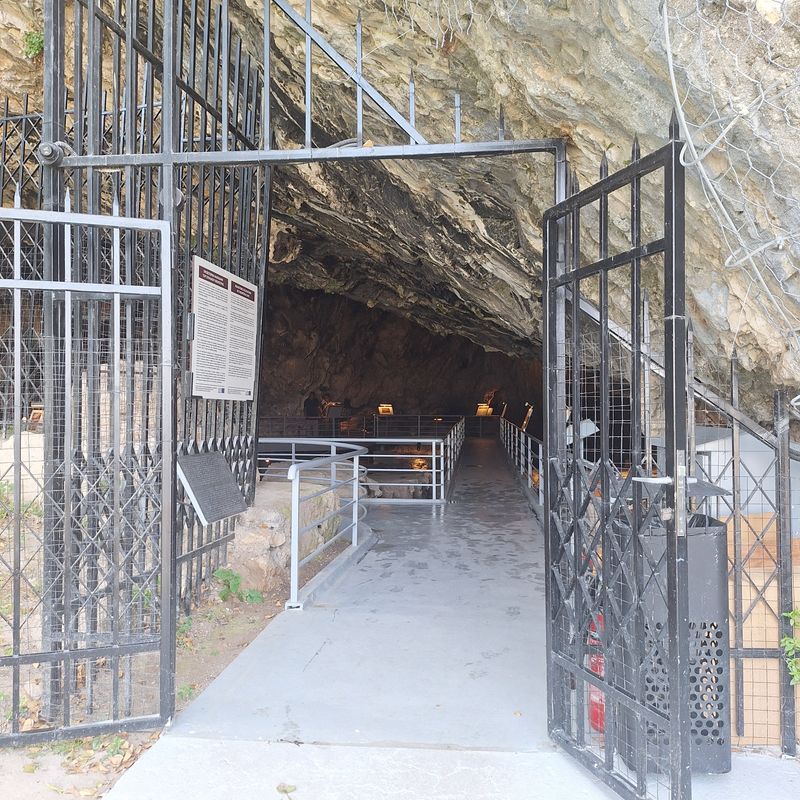
Theopetra’s arched opening measures approximately 17 meters wide and three meters high, creating what amounts to a massive natural window.
This architectural feature transformed the cave from a dark refuge into a genuinely livable space. Natural light means people could perform detailed tasks like tool-making, food preparation, and craft work without straining their eyes or burning precious fuel.
The psychological benefits matter too; humans generally prefer spaces that connect to the outside world rather than feeling buried underground.
The size also provided practical advantages beyond illumination. Smoke from cooking fires could escape easily, preventing the respiratory problems that plague inhabitants of poorly ventilated caves.
Air circulation remained constant, reducing dampness and the musty odors that make enclosed spaces unpleasant.
From a security standpoint, the wide entrance might seem like a vulnerability. However, the cave’s elevated position and clear views of approaching terrain balanced that concern.
Occupants could spot potential threats long before they arrived, while the entrance’s height prevented most large predators from entering comfortably. Nature’s floodlight didn’t just make the cave bright; it made it safe, healthy, and genuinely habitable across countless generations.
6. The location was a survival ‘sweet spot’
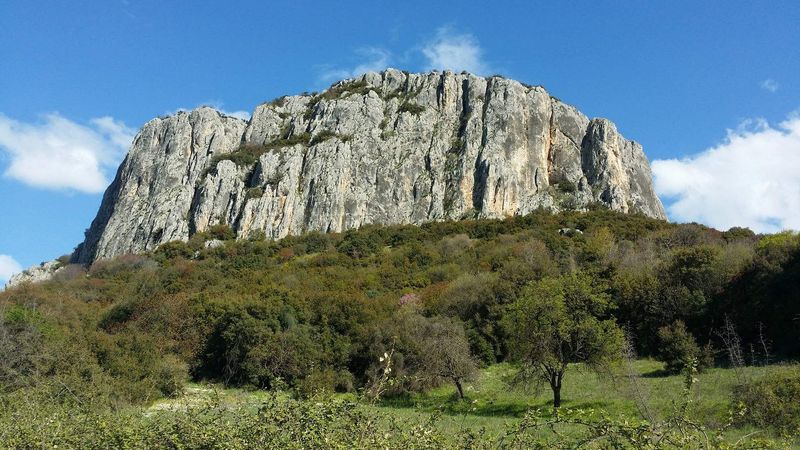
Real estate agents love talking about “location, location, location.” Prehistoric humans understood that concept long before anyone coined the phrase. Theopetra Cave occupies what survival experts would call a sweet spot, offering access to multiple critical resources within manageable distance.
Water sources nearby meant occupants didn’t need to trek for hours carrying heavy containers. The surrounding landscape provided diverse food opportunities: river valleys for fishing, plains for hunting herd animals, and hillsides offering edible plants, nuts, and berries depending on the season.
This variety reduced the risk of starvation when one food source failed.
Raw materials for tool-making existed locally as well. Suitable stone for crafting cutting implements, scraping tools, and projectile points could be gathered without extensive expeditions.
Wood for fires, shelter construction, and tool handles grew within reasonable gathering range. Clay deposits allowed later occupants to create pottery once that technology developed.
The strategic value extended beyond mere resources. The cave’s elevation provided defensive advantages and flood protection, while its position offered views across the landscape for spotting game or potential threats.
Climate moderation came naturally; the rock provided insulation against summer heat and winter cold.
Humans returned to Theopetra repeatedly across 130,000 years not because they lacked imagination or wanderlust, but because the location genuinely worked. When you find a place that meets your needs this comprehensively, you remember it, you return to it, and you tell others about it.
7. It wasn’t ‘one kind’ of human story
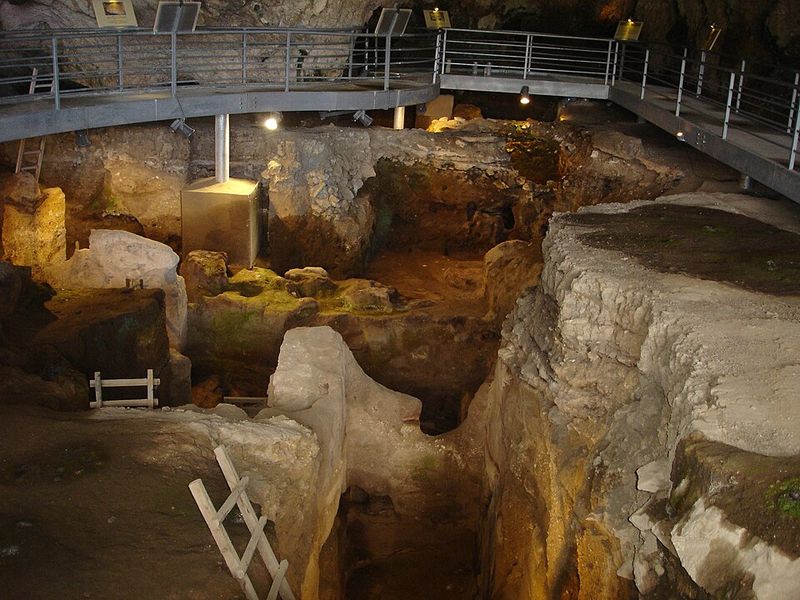
Here’s where Theopetra’s story gets genuinely fascinating: it wasn’t occupied by just one type of human. Evidence suggests both Neanderthals and Homo sapiens used this shelter during different periods, and possibly overlapping ones.
That dual heritage makes the cave a window into one of prehistory’s most intriguing chapters.
Neanderthals dominated Europe for hundreds of thousands of years before modern humans arrived. They were sophisticated survivors, not the brutish cavemen that outdated stereotypes suggested.
When Homo sapiens began spreading across Europe roughly 45,000 years ago, the two species encountered each other, sometimes competing, sometimes coexisting, occasionally even interbreeding.
Theopetra’s layers capture elements of both stories. Different tool-making traditions, varying hunting strategies, and subtle changes in how space was organized all hint at different occupants across time.
Researchers study these transitions carefully, looking for clues about whether the changeovers were gradual or sudden, peaceful or violent.
For visitors, this multi-species heritage adds profound depth to the experience. You’re not just standing where ancient humans once lived; you’re standing where different branches of the human family tree made their homes.
Some of those branches eventually went extinct, while others led directly to everyone alive today. The cave witnessed those diverging paths, those separate experiments in being human, and preserved evidence of both.
Few places on Earth can make that claim.
8. The cave’s sediments read like a climate diary
Climate scientists often wish they could peek into Earth’s past to see exactly how temperatures shifted and environments changed. Theopetra Cave offers precisely that opportunity.
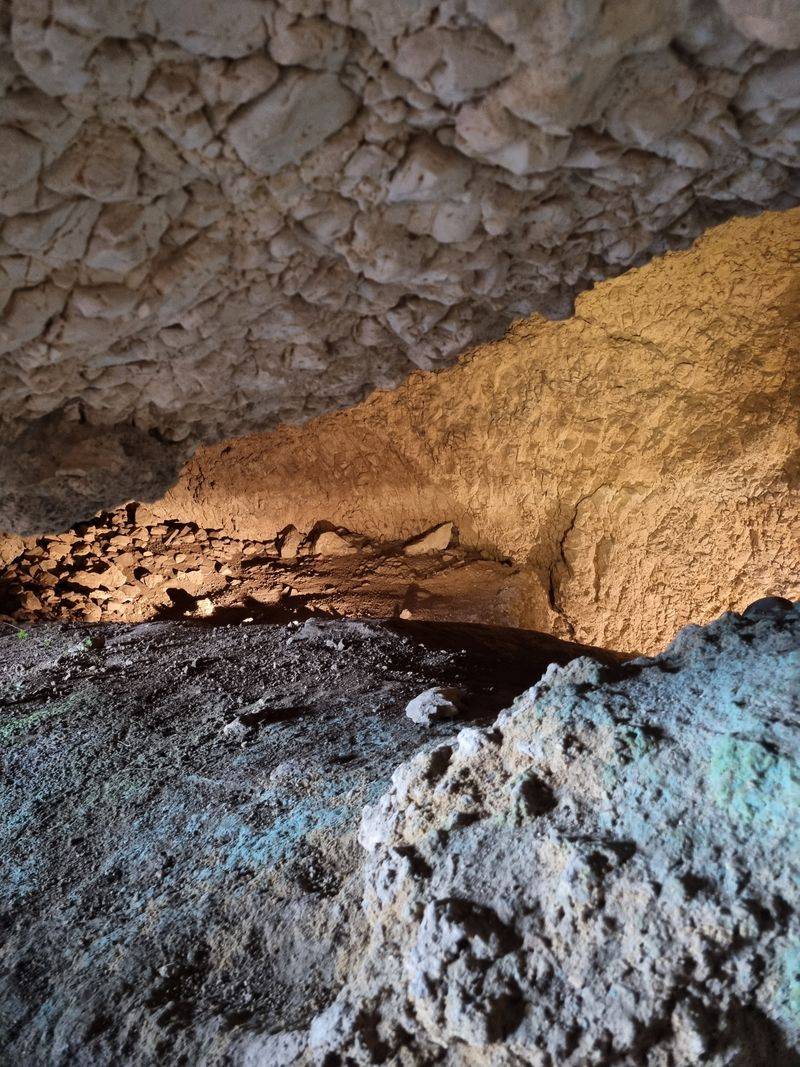
The sediments inside accumulate into a thick sequence reaching several meters deep, with each layer preserving chemical and physical clues about the climate when it was deposited.
Think of these layers as pages in a diary where nature recorded daily weather, seasonal patterns, and long-term climate trends. Pollen grains trapped in the sediment reveal what plants grew nearby, indicating whether conditions were warm and moist or cold and dry.
Animal bones show which species could survive in the local environment during different periods.
Soil chemistry changes with temperature and rainfall patterns. Certain minerals form only under specific conditions, creating signatures that modern analysis can decode.
Even the rate of sediment accumulation tells stories; faster deposition might indicate increased erosion from intense storms, while slower accumulation suggests stable conditions.
For archaeologists, this climate diary provides crucial context for understanding human adaptations. When the environment shifted from grassland to forest, how did hunting strategies change?
When temperatures dropped during ice ages, what innovations helped people survive? The sediments don’t just record climate; they show how humans responded to it, making Theopetra valuable to both earth scientists and anthropologists studying our species’ remarkable ability to adapt to changing worlds.
9. There’s evidence tied to a major cold snap (the Younger Dryas)
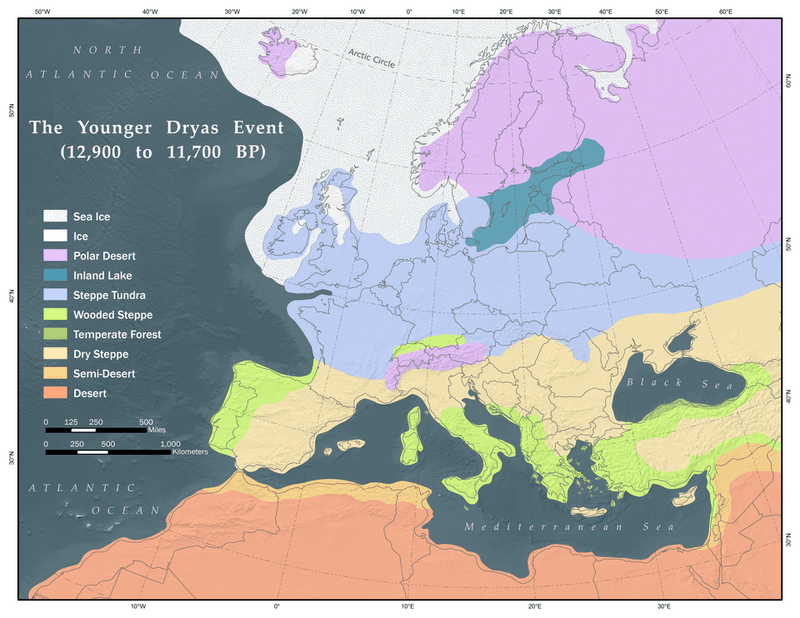
About 12,000 years ago, Earth experienced a dramatic cold snap called the Younger Dryas. Just as the planet was warming up after the last ice age, temperatures suddenly plunged again for more than a thousand years.
This climatic whiplash forced plants, animals, and humans to adapt quickly or perish.
Theopetra Cave contains evidence documenting this turbulent period for the broader Greek region. The sediment layers from that era show changes in vegetation, animal populations, and human activity patterns.
Researchers can literally see the environmental stress recorded in the stratigraphy.
Why does this matter beyond academic interest? The Younger Dryas represents a case study in rapid climate change and human resilience.
People living around Theopetra couldn’t simply migrate to warmer climates easily; geography and competing groups limited movement. They had to innovate, adjusting their food-gathering strategies, shelter improvements, and social cooperation to survive the sudden return to near-glacial conditions.
Understanding how prehistoric communities navigated this challenge offers insights relevant to modern climate discussions. What technologies or social structures helped them endure?
What warning signs appeared before the worst impacts hit? The cave’s climate diary from this period provides data that scientists use to model how ancient peoples coped with environmental upheaval, potentially informing how modern societies might handle future climate shifts.
History doesn’t repeat itself exactly, but it often rhymes, and Theopetra helps us hear those rhythms.
10. The ‘oldest construction’ claim comes from a simple stone wall
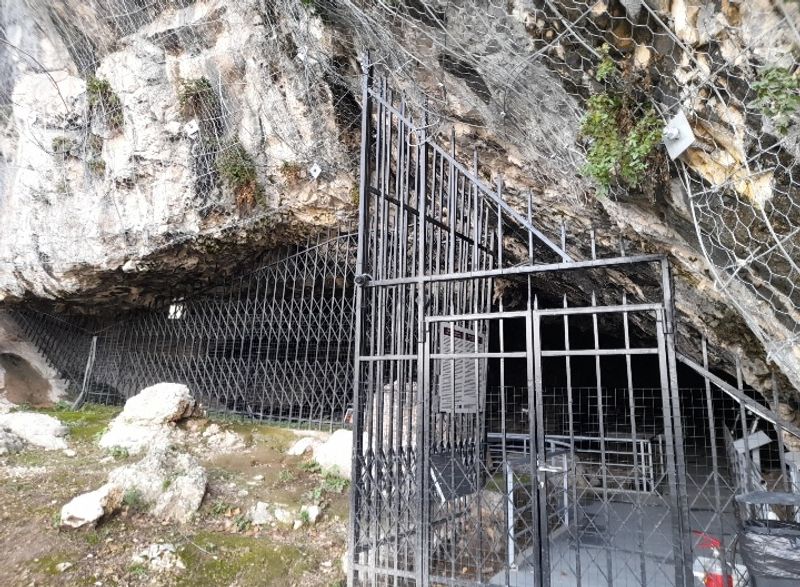
Among Theopetra’s many remarkable features, one generates the most headlines: a man-made stone wall associated with partially blocking the cave entrance. Some sources date this structure to approximately 23,000 years ago, during the last ice age’s peak.
If accurate, it represents one of humanity’s earliest known construction projects.
The wall’s purpose seems straightforward: protection from harsh conditions. During extreme cold periods, even a partial barrier would help retain heat from fires and block freezing winds.
The construction itself was simple, just stones deliberately stacked to create a partial closure, yet it demonstrates planning and engineering thought.
However, responsible reporting requires a caveat. Not every summary treats the “world’s oldest construction” label identically, and at least one reference flags elements of the claim as not fully verified in all retellings.
Dating prehistoric structures involves complicated analysis that can produce varying results depending on methodology.
It’s safest to describe Theopetra’s wall as one of the earliest known protective constructions rather than declaring an uncontested global record. That slightly more modest claim remains profoundly impressive.
Whether it’s absolutely the oldest or merely among the oldest, this simple stone barrier shows that Ice Age humans weren’t just passive occupants of natural shelters. They actively modified their environment, using available materials and practical ingenuity to improve their living conditions.
That creative problem-solving defines humanity across all eras.
11. Tiny footprints make prehistory feel suddenly personal
Sometimes the most powerful archaeological discoveries aren’t grand monuments or golden treasures. Sometimes they’re tiny footprints pressed into clay by children who lived thousands of years ago.
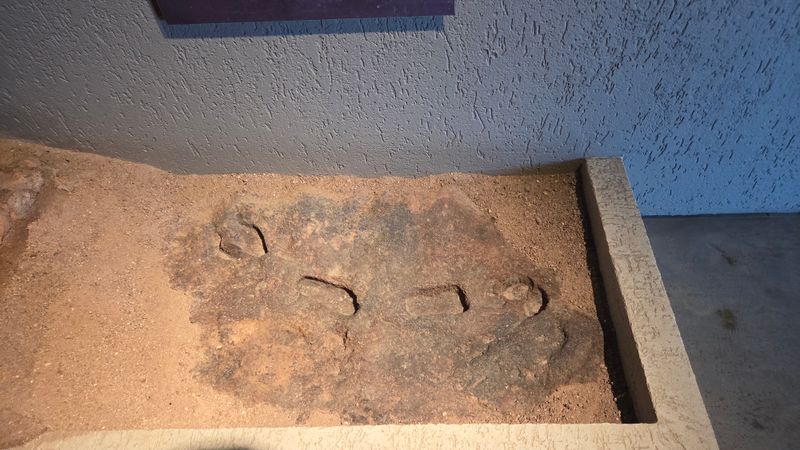
Theopetra contains exactly such evidence: small impressions interpreted as left by very young children, probably while the clay or mud was still soft.
These footprints transform abstract prehistory into something immediately relatable. You can picture a toddler squishing their toes into the damp cave floor, perhaps playing while adults worked nearby, completely unaware they were creating a message that would survive millennia.
That child had parents who loved them, siblings who played with them, and a community that protected them.
The preservation itself required fortunate circumstances. The clay had to be the right consistency when stepped on, then dry quickly enough to harden before being disturbed, and finally get buried under protective sediment.
Most footprints vanish within hours, but these endured through ice ages, climate shifts, and countless other occupations.
For visitors, seeing these footprints (or photos of them, depending on current display) creates an emotional connection that stone tools or pottery shards cannot match. Tools are impressive; they show skill and intelligence.
But footprints show life, specifically young life, reminding us that prehistoric people experienced childhood, family bonds, and everyday moments of play. Prehistory stops being a collection of dates and artifacts and becomes recognizably human.
12. The finds aren’t just dramatic – they’re everyday-life evidence
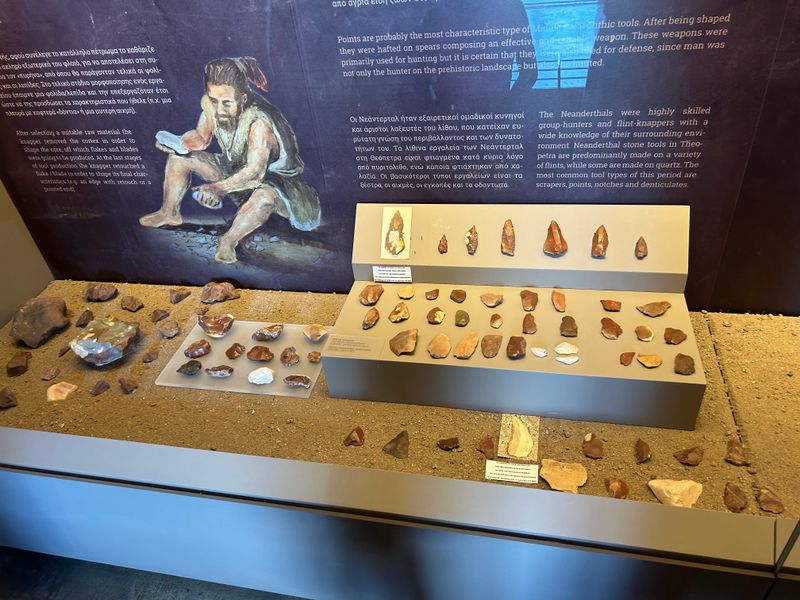
Museums love displaying spectacular artifacts: ornate jewelry, ceremonial weapons, or perfectly preserved art. Theopetra’s collection includes fewer showstoppers but offers something arguably more valuable: abundant evidence of ordinary life.
Stone tools, pottery fragments, animal remains, and other traces reveal the daily decisions and routines of people across thousands of years.
Stone tools might not look impressive to untrained eyes, but they tell sophisticated stories. The type of stone indicates where people traveled to gather materials.
Manufacturing techniques show skill levels and cultural traditions. Wear patterns reveal what tasks the tools performed: cutting meat, scraping hides, working wood, or processing plants.
Pottery fragments document technological innovation and artistic expression. Even broken sherds show decoration styles, construction methods, and functional designs that changed over time.
Animal bones indicate what species people hunted or scavenged, which seasons they occupied the cave, and how they processed their food.
This everyday evidence matters because most human existence consists of routine survival tasks, not dramatic events. Understanding how people made tools, cooked meals, and organized their living space provides insight into their intelligence, creativity, and social structures.
The glamorous finds make headlines, but the ordinary objects reveal how life actually worked. Theopetra’s collection excels at showing that unglamorous but essential reality, helping us understand prehistoric people as complete humans rather than simplified stereotypes.
13. ‘Avgi’ is one of the site’s most human discoveries
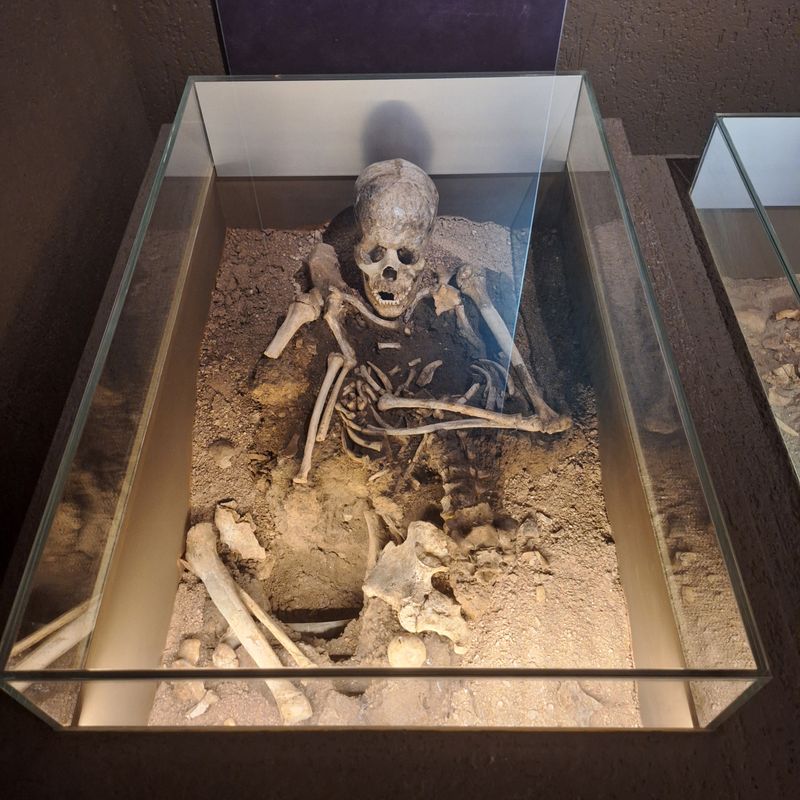
Among all of Theopetra’s archaeological treasures, one discovery stands out for its profound humanity: the remains of a young woman from the Mesolithic era, affectionately known as “Avgi” (meaning “Dawn” in Greek). Often described as a teenager or young adult, her skeleton provided enough information for specialists to reconstruct her face.
That reconstruction transforms everything. Looking at stone tools or pottery requires imagination to connect with the people who made them.
But gazing at Avgi’s recreated face, you see an actual person: a young woman with specific features, expressions, and a life story that ended roughly 9,000 years ago.
What was her daily life like? Did she gather plants, prepare hides, or craft tools?
Did she have siblings, children, or a partner? What did she dream about, fear, or hope for?
The reconstruction can’t answer those questions, but it makes them impossible not to ask.
Avgi’s discovery reminds us that “prehistoric people” weren’t abstract concepts or primitive others. They were individuals with personalities, relationships, and inner lives as complex as ours.
They experienced joy and grief, success and failure, love and loss. They were fully human in every meaningful sense, just living in a different time with different technology.
Putting a face to that humanity makes Theopetra’s story complete, connecting modern visitors across millennia to someone who once called this cave home.
14. Excavations were long-running and led by a key specialist
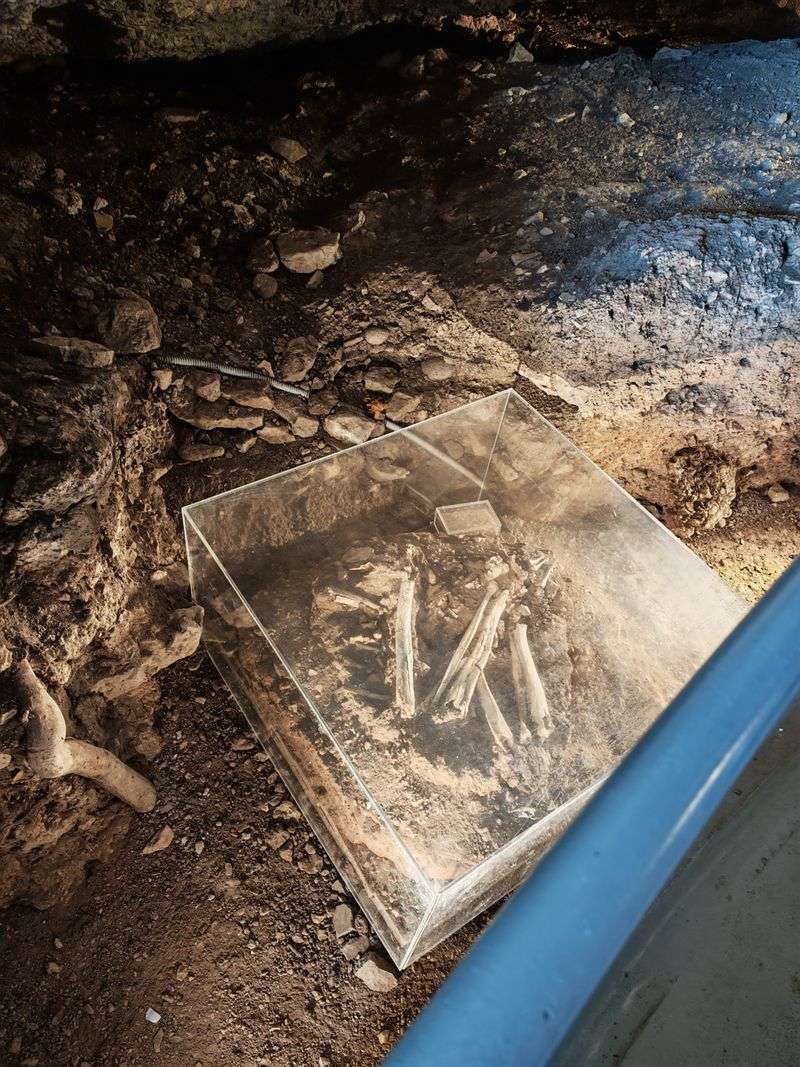
Archaeological sites don’t excavate themselves, and Theopetra’s remarkable story owes much to the dedication of one key researcher. Modern archaeological work at the cave is widely associated with excavations beginning in the late 1980s, led by Nina Kyparissi-Apostolika (sometimes referenced simply as Nina Apostolika depending on the source).
Long-running excavations require extraordinary commitment. Unlike treasure hunters seeking quick discoveries, professional archaeologists work methodically, documenting every layer, measuring every artifact’s position, and analyzing materials with painstaking care.
This process can take decades, especially at sites with deep, complex stratigraphy like Theopetra.
Kyparissi-Apostolika’s work helped establish Theopetra’s reputation as a major prehistoric sequence, bringing international attention to a site that might otherwise have remained a local curiosity. Her excavations produced the evidence for continuous occupation across 130,000 years, identified the stone wall’s significance, and recovered countless artifacts now helping researchers understand Greek prehistory.
The behind-the-scenes nature of archaeological work means most visitors never learn excavators’ names, but their contributions shape everything we know. Without systematic excavation and analysis, Theopetra would just be an interesting cave.
With it, the site becomes a window into human history spanning geological time scales. That transformation from hole in the ground to scientific treasure requires vision, skill, and persistence that deserves recognition alongside the ancient people whose stories the cave preserves.
15. It’s visitable again and designed to be understood, not just seen
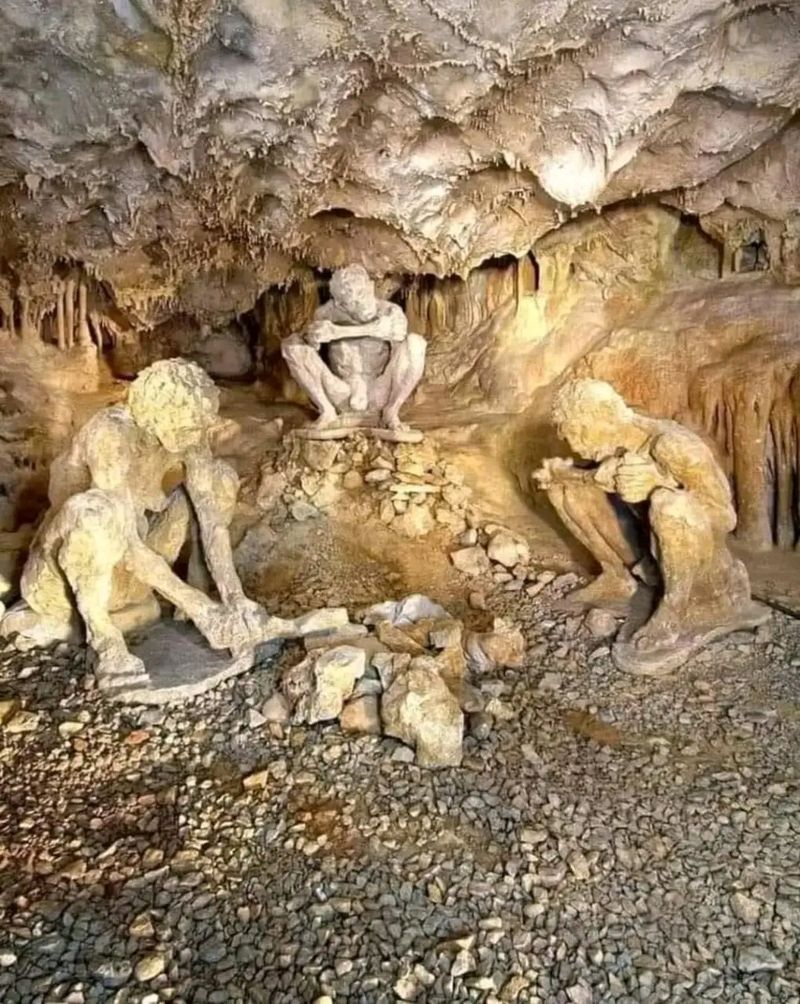
Many archaeological sites remain frustratingly closed to the public or offer minimal interpretation, leaving visitors confused about what they’re actually seeing. Theopetra takes a different approach, combining access with education to create a genuinely enriching experience.
After periods of restoration and closure referenced by regional tourism sources, the cave and its associated documentation center are now listed as open from 8:30 AM to 3:30 PM, closed on Tuesdays. A five-euro ticket covers both the cave itself and the education center, making it remarkably affordable compared to many European attractions.
The education center component matters tremendously. Walking through a cave without context might be mildly interesting, but understanding what you’re looking at transforms the experience completely.
Displays explain the different occupation periods, showcase artifacts found during excavations, and help visitors grasp the immense timescale involved.
This design philosophy reflects a growing recognition that archaeological sites serve educational purposes beyond just preservation. Making Theopetra accessible and comprehensible invites broader public engagement with prehistory, potentially inspiring future archaeologists or simply helping people appreciate human history’s depth.
The modest entry fee and reasonable hours make visiting practical for most travelers. You don’t need special permissions, advance bookings months ahead, or expensive guided tours.
Just show up during open hours, pay your five euros, and prepare to stand where humans sheltered during ice ages. That accessibility democratizes knowledge, letting anyone curious enough to visit connect directly with 130,000 years of human story.



