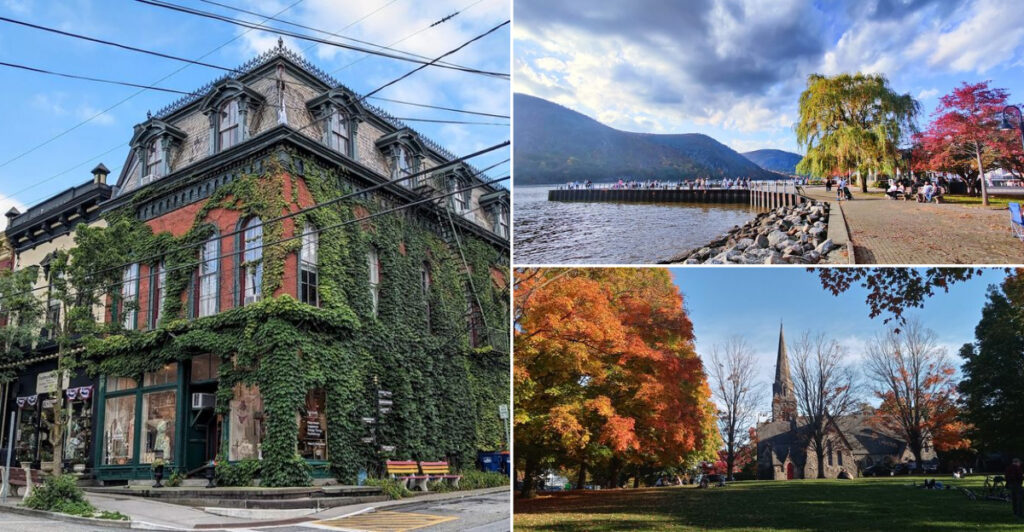
There is a small Hudson Valley town that somehow manages to pack a full day of history, riverfront charm, and walkable streets into one very affordable outing. Cold Spring, tucked into Putnam County along the Hudson River, sits about 50 miles north of New York City and draws curious travelers who want something more than a typical weekend errand.
The village has a population of fewer than 2,000 people, yet its Main Street, hiking trails, and 19th-century architecture make it feel far richer than its size suggests. Whether you are arriving by Metro-North train or driving up from the city, this is the kind of place that rewards slow exploration without draining your wallet.
A Town Built on Iron and History
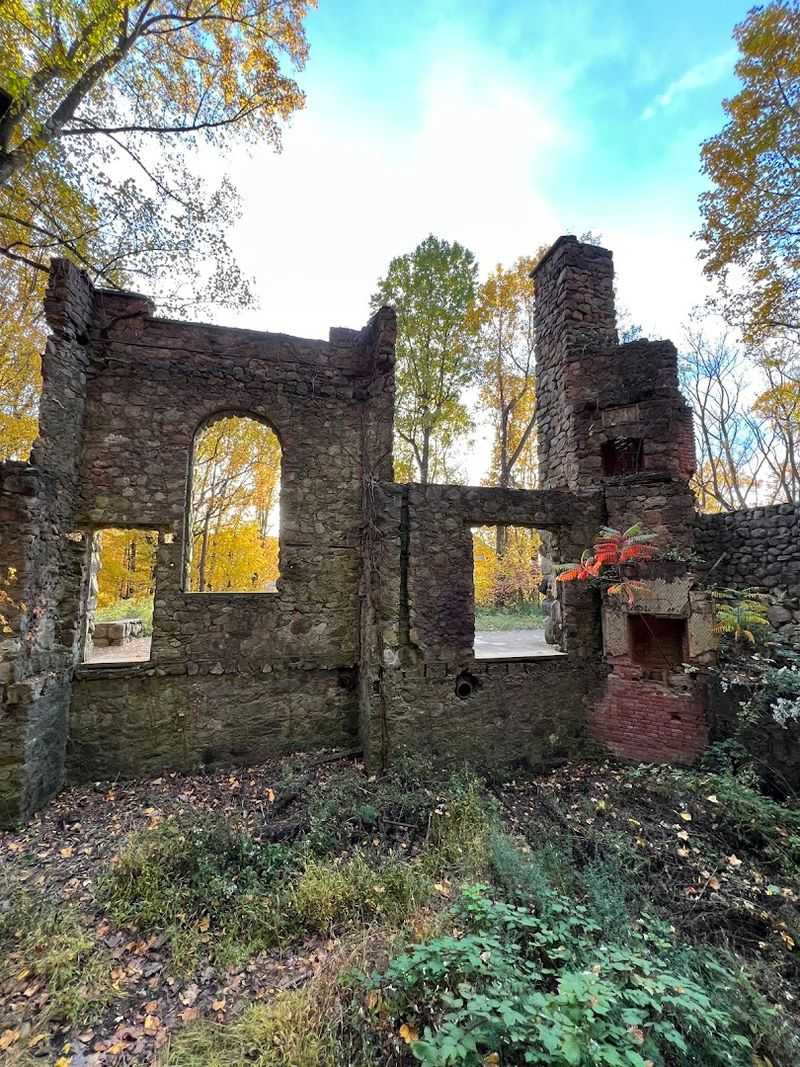
Cold Spring owes much of its early identity to the West Point Foundry, an ironworks operation established in 1817 just south of the village center. The foundry produced cannons, pipes, and machinery that played a significant role in American industrial development and was especially important during the Civil War.
At its peak, the foundry employed hundreds of workers and helped shape the surrounding community, drawing workers and families who built the homes and churches that still line Cold Spring streets today. The foundry closed in 1911, but its story did not end there.
The preserved ruins of the West Point Foundry are now part of a public preserve managed by Scenic Hudson, and a short trail leads visitors through the wooded site to the historic remnants. Interpretive signs explain the industrial process and connect the site to broader American history, making it one of the most educational free stops in the Hudson Valley.
Main Street That Actually Delivers
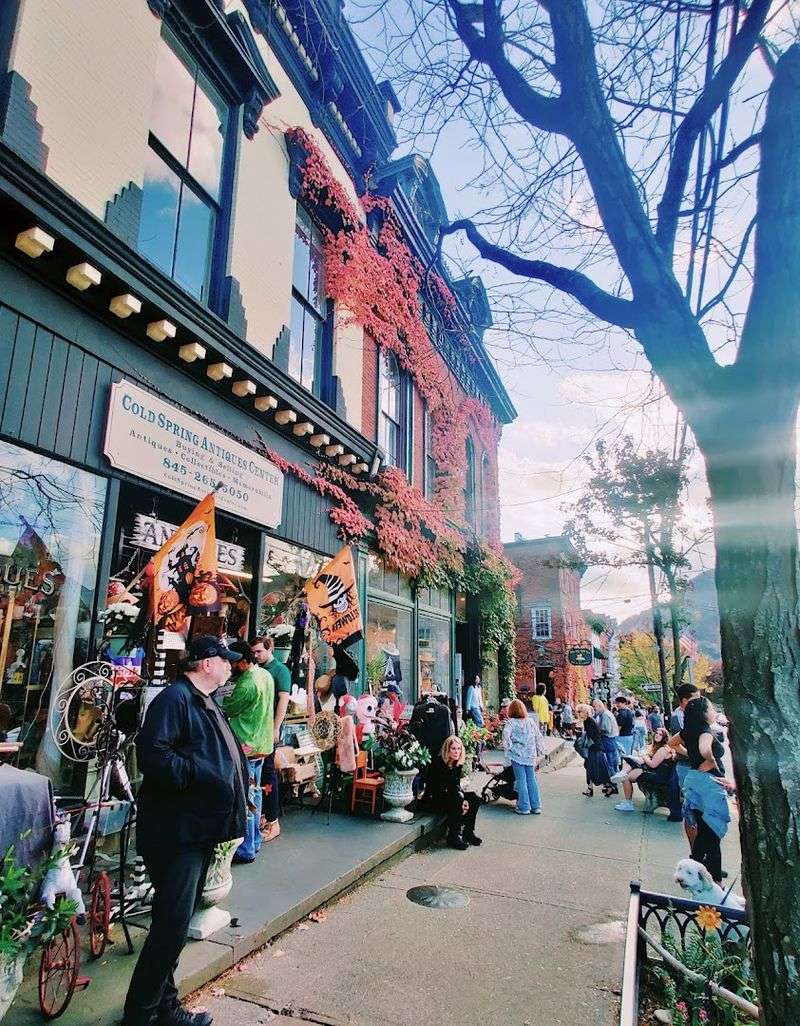
Main Street in Cold Spring is the kind of commercial strip that urban planners spend careers trying to recreate. It runs just a few blocks from the train station down toward the Hudson River waterfront, and nearly every building along it dates back to the 1800s.
The street is lined with independently owned antique shops, bookstores, art galleries, and small boutiques. There are no big-box stores and no chain restaurants cluttering the view, which gives the whole stretch a coherent, unhurried character that feels increasingly rare in the Northeast.
Browsing here costs nothing, and even if you do not buy anything, the window displays alone are worth the walk. Prices at most shops are reasonable, and vendors tend to be knowledgeable and genuinely enthusiastic about their inventory.
The whole street takes about 20 to 30 minutes to walk end to end, though most people find themselves lingering much longer than planned.
The Riverfront Park and Its Famous Gazebo
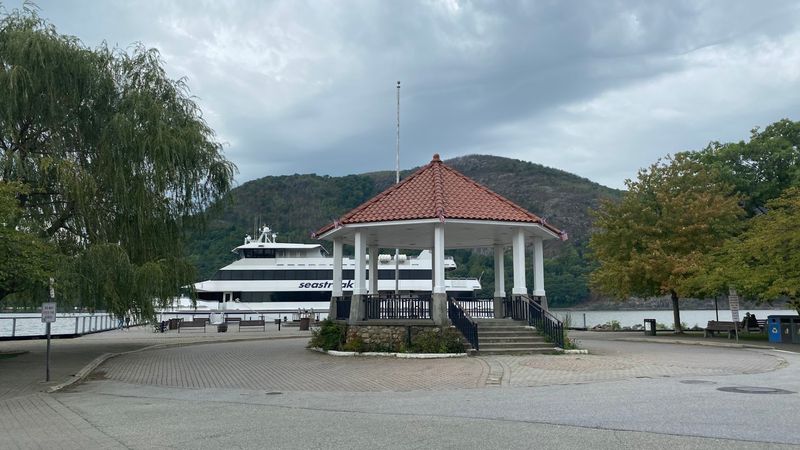
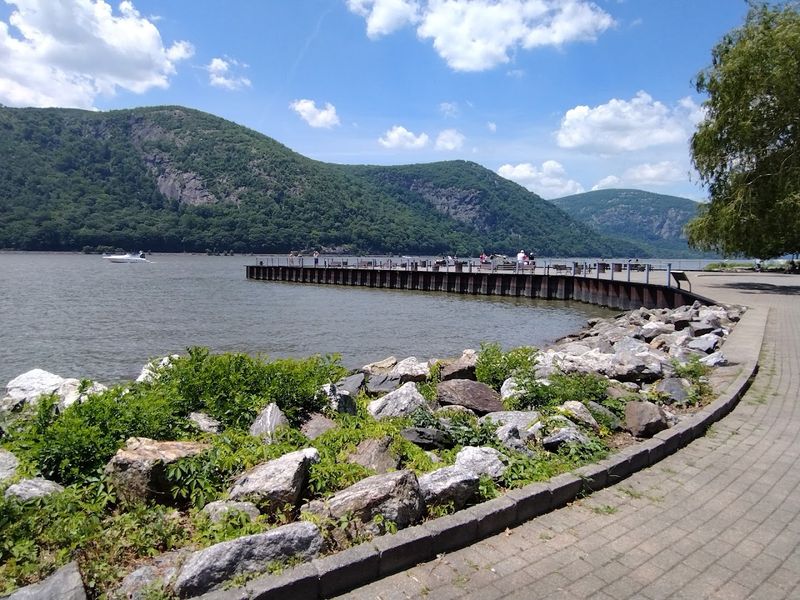
At the foot of Main Street, the Cold Spring waterfront opens onto a small but well-kept park that sits right on the Hudson River. The park is free to enter and anchors the southern end of the village with a clear view across the water toward Storm King Mountain in Orange County.
The white Victorian-style gazebo at the waterfront has become one of the most photographed structures in the Hudson Valley. It appears in countless travel guides and social media posts, and it earns that attention by being genuinely picturesque without any artificial staging required.
Benches along the waterfront make it easy to sit and watch the river traffic, which includes freight barges, sailboats, and the occasional historic vessel. The park is accessible year-round and is particularly popular during fall foliage season when the surrounding hills turn orange and red.
Bring a packed lunch and claim a bench early on weekends.
Hudson Highlands State Park Preserve
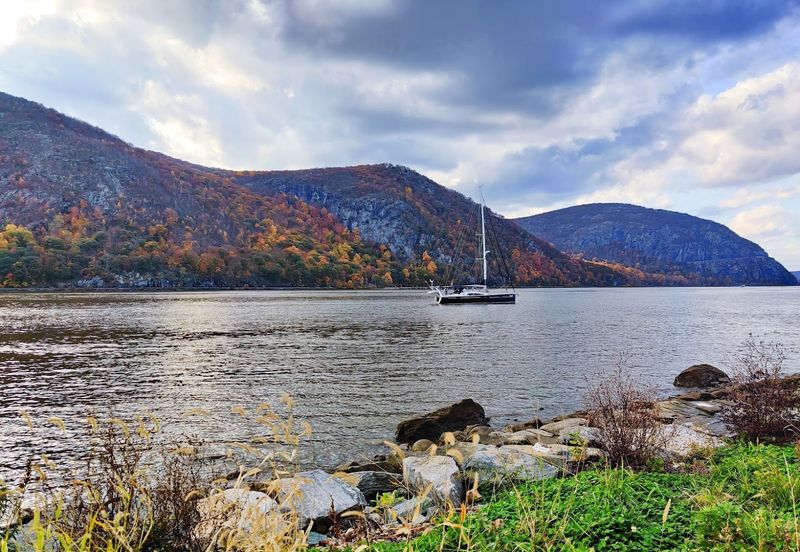
Directly accessible from the village, Hudson Highlands State Park Preserve offers some of the most rewarding hiking in the lower Hudson Valley without requiring a car or shuttle. The Bull Hill trail, also known as Mount Taurus, starts near the village and climbs to an elevation of about 1,420 feet.
The views from the summit take in a wide sweep of the Hudson River, the surrounding ridgelines, and on clear days, the distant outline of the Catskill Mountains. The trail is moderately challenging and takes most hikers between three and five hours to complete as a round trip.
Other trail options within the preserve include the Cornish Estate ruins, a crumbling mansion hidden in the forest that adds a layer of historical intrigue to the hike. Trail maps are available at the trailhead and through the New York State Parks website.
Parking near the trailhead is limited, so arriving by train and walking directly to the trail is the most practical approach.
Arriving by Train Makes the Trip Even Better
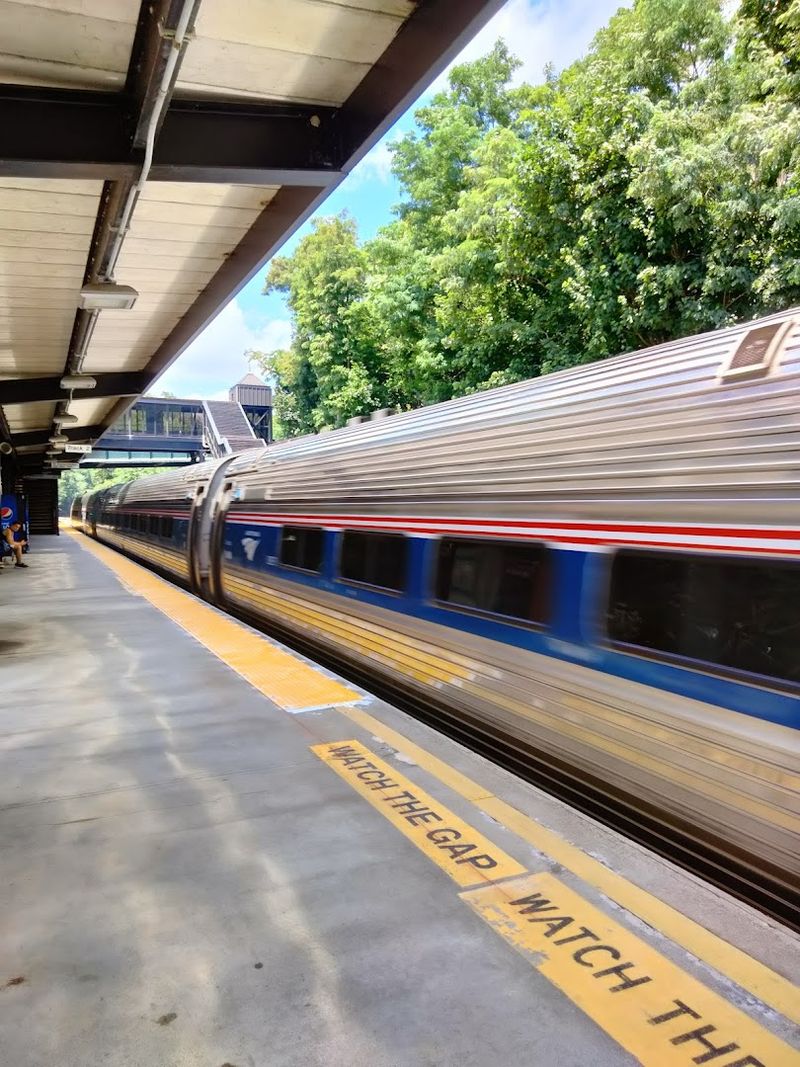
One of the most underrated aspects of a Cold Spring day trip is how well the Metro-North Hudson Line serves the village. Trains run from Grand Central Terminal in Manhattan, and the ride takes about 80 minutes depending on the schedule and stops along the way.
The Cold Spring station deposits passengers directly onto Main Street, meaning there is no need for a rideshare or rental car once you arrive. The round-trip fare from New York City is generally under $30 for adults, and off-peak weekend fares are even more affordable.
Traveling by train also eliminates the parking headaches that can frustrate drivers on busy weekends, especially during peak fall foliage season when the village sees its highest foot traffic. The train schedule allows for a comfortable morning departure and an early evening return, giving visitors a solid six to eight hours to explore without rushing.
The Historic Architecture Worth Slowing Down For
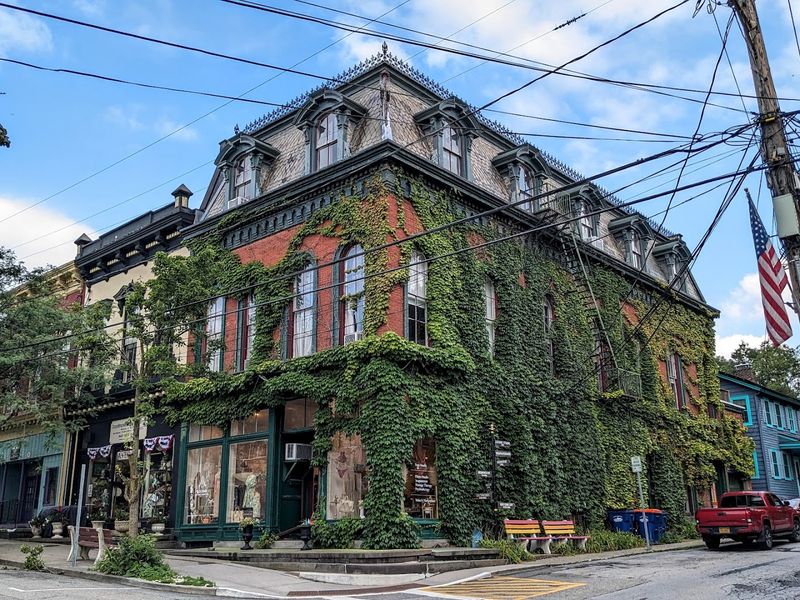
Cold Spring has one of the most intact collections of 19th-century residential and commercial architecture in Putnam County. Walking the side streets off Main Street reveals block after block of Federal, Greek Revival, and Victorian-era homes that have been maintained with care over the decades.
The village is listed on the National Register of Historic Places, a designation that has helped protect its built environment from the kind of overdevelopment that has changed the character of other Hudson Valley towns. That protection shows clearly in the consistency of the streetscapes.
Architecture enthusiasts will find details worth examining on nearly every block, from decorative cornices and original woodwork to cast-iron storefronts that date back to the mid-1800s. The Cold Spring Area Chamber of Commerce has produced a self-guided walking tour map that highlights the most significant buildings, and it is available for free at several locations in the village.
The tour takes roughly an hour at a relaxed pace.
The Chapel of Our Lady Restoration
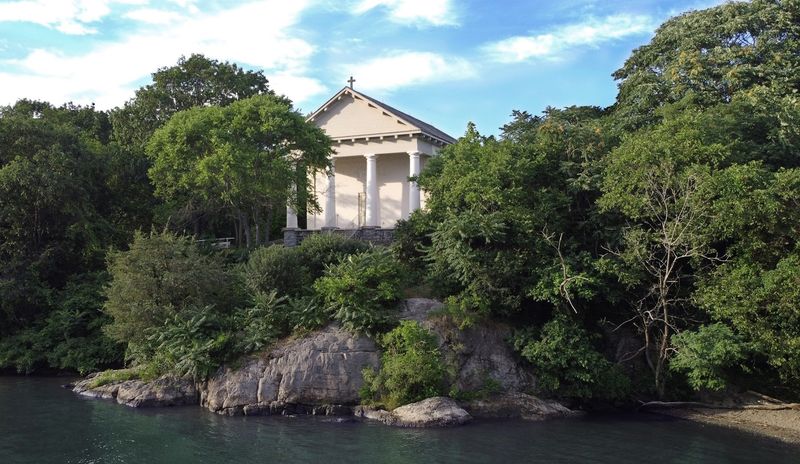
Perched on a bluff just above the Hudson River, the Chapel of Our Lady Restoration is one of the most striking small buildings in the entire Hudson Valley. Built in 1833 in the Greek Revival style, the white chapel looks almost like a painting when viewed from the waterfront below.
The chapel was originally constructed for the Catholic workers at the West Point Foundry and their families, tying it directly to the industrial history of the village. It fell into disrepair over the decades but was eventually restored and is now maintained as a historic landmark.
The chapel is not always open to the public for interior visits, but the exterior and the surrounding grounds are accessible and offer one of the best elevated views of the Hudson River available in Cold Spring. The short walk up from Main Street is worth the effort for the view alone, and the building itself is worth a few minutes of quiet observation.
Antique Shopping Without the Big-City Markup
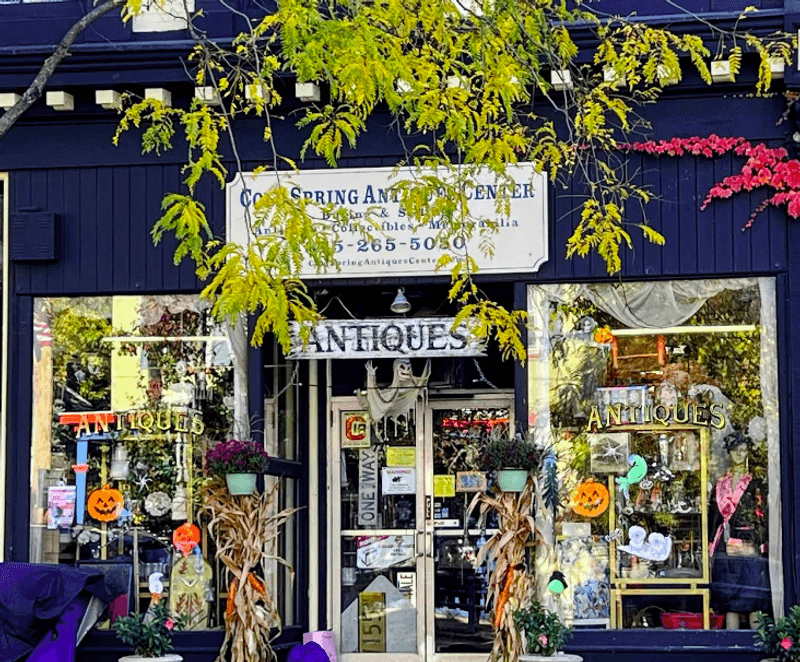
Cold Spring has earned a genuine reputation as one of the better antique shopping destinations in the Hudson Valley, and that reputation holds up on a visit. The concentration of antique dealers along and just off Main Street gives shoppers real variety within a very short walking distance.
Furniture, vintage clothing, old maps, pottery, glassware, and framed artwork all appear regularly in shop inventories. Prices tend to be more reasonable than what you would find at comparable shops in Brooklyn or the more tourist-heavy parts of the Catskills, partly because the overhead costs in Cold Spring are lower.
Most shops are independently owned, which means the selection changes frequently and the owners are usually present and willing to talk about the history of specific pieces. Even casual browsers who have no intention of buying tend to find the shops genuinely interesting.
Setting aside an hour or two for antique browsing is a practical and enjoyable way to spend part of a Cold Spring afternoon.
Scenic Hudson and the Land Trust Legacy
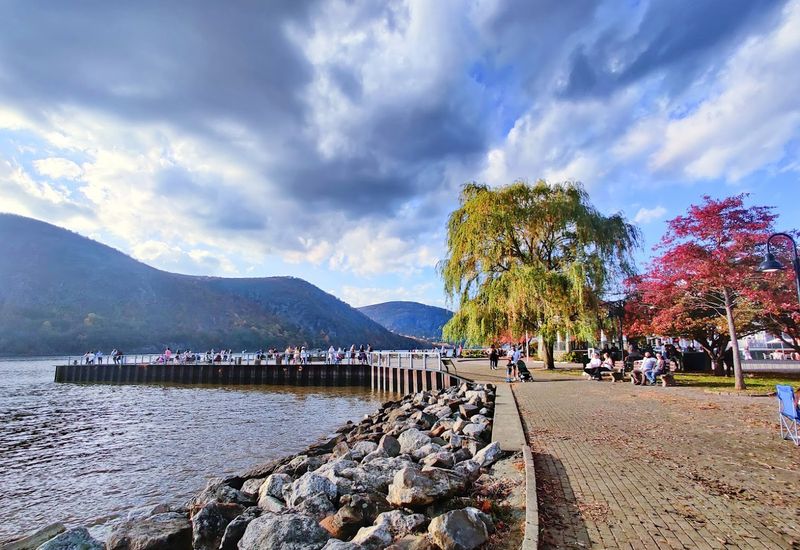
Scenic Hudson, the regional land conservation nonprofit, has played a major role in shaping what Cold Spring looks and feels like today. The organization has protected thousands of acres throughout the Hudson Valley and manages several public access points near the village, including the West Point Foundry Preserve.
Their work has kept development off the ridgelines and riverbanks that frame the village, ensuring that the views residents and visitors have enjoyed for generations remain largely unchanged. That kind of long-term conservation investment is part of why Cold Spring still looks the way it does on old postcards.
The Foundry Preserve trail, managed by Scenic Hudson, is free to use and connects the village to the historic ironworks site through a well-maintained path along Foundry Brook. It is one of the most historically rich short walks in the region and requires no special gear or advance planning.
The trailhead is within easy walking distance of the train station.
Fall Foliage Season and Why Timing Matters
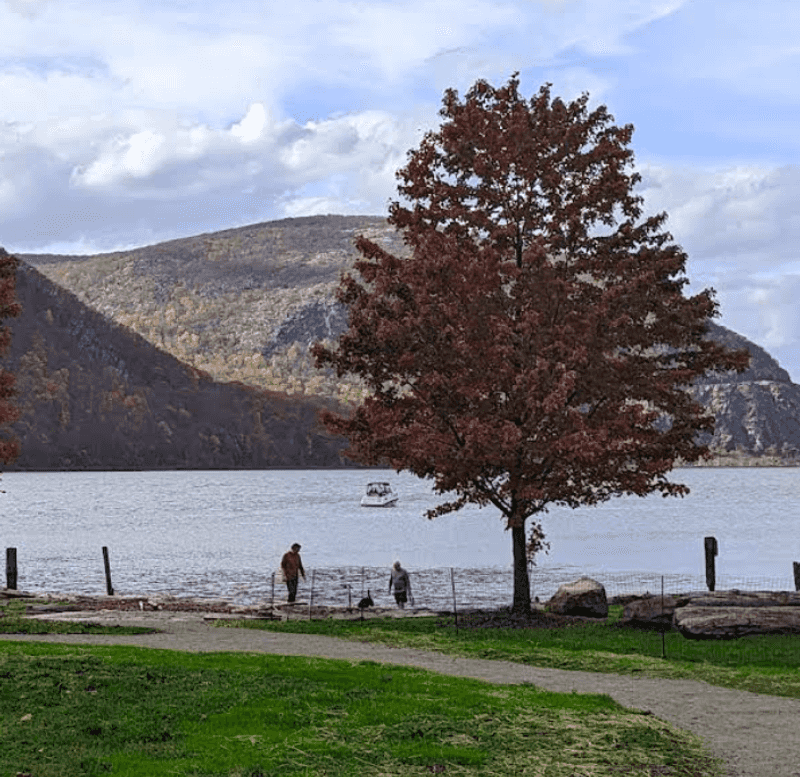
Cold Spring during peak fall foliage is one of those experiences that justifies the hype. The hills surrounding the village, particularly those within Hudson Highlands State Park Preserve, turn vivid shades of orange, red, and yellow typically between mid-October and early November.
The combination of the river, the historic village, and the forested ridgelines creates a layered visual effect that photographers and casual visitors alike find hard to resist. The waterfront gazebo with autumn color in the background has become one of the defining images of fall in the Hudson Valley.
Peak weekends in October do bring larger crowds to Main Street and the trailheads, so arriving early in the morning and avoiding Columbus Day weekend if possible makes the experience more relaxed. Weekday visits during foliage season offer much of the same color with a fraction of the foot traffic.
The Metro-North train schedule accommodates early arrivals, which is a practical advantage worth using.
Budget-Friendly Ways to Spend a Full Day
A full day in Cold Spring can cost very little if planned with some intention. The train fare from New York City is the single biggest expense, and everything else can be adjusted based on preference.
The hiking trails, waterfront park, historic architecture, and foundry ruins are all free.
Antique browsing costs nothing unless you find something worth buying. The self-guided walking tour of historic buildings is free.
The Chapel of Our Lady grounds are free to visit. Even the most budget-conscious traveler can fill six to eight hours without spending much beyond transportation.
Packing a lunch and eating at the waterfront park is a practical choice that also happens to be one of the more enjoyable ways to spend midday in the village. For those who prefer to buy food locally, several small cafes and delis along Main Street offer reasonably priced options.
Cold Spring is one of the few Hudson Valley destinations where a quality day trip does not require a significant financial commitment.
What Makes Cold Spring Different From Other Hudson Valley Towns
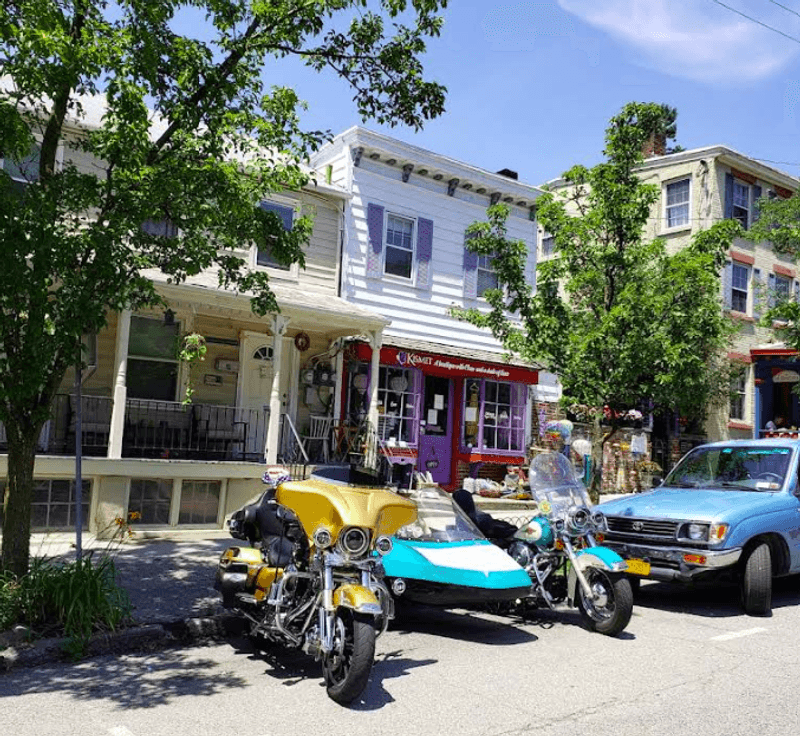
The Hudson Valley has no shortage of charming small towns, but Cold Spring occupies a specific position that sets it apart from places like Rhinebeck, Beacon, or Nyack. Its combination of walkability, train access, historic preservation, and natural surroundings creates a day-trip package that few comparable destinations can match.
Beacon, just across the river, has developed a stronger arts identity in recent years and draws larger crowds on weekends. Cold Spring has a quieter energy that suits people who want to move at their own pace without competing for sidewalk space or waiting in long lines.
The village has resisted the kind of rapid commercialization that sometimes follows increased tourism, and Main Street still feels like a functioning community rather than a theme park version of one. Residents shop at the same stores tourists browse, and that overlap gives the whole place a grounded, authentic quality that is genuinely hard to manufacture.
That quality is Cold Spring’s most durable asset.
Planning Your Visit Before You Go
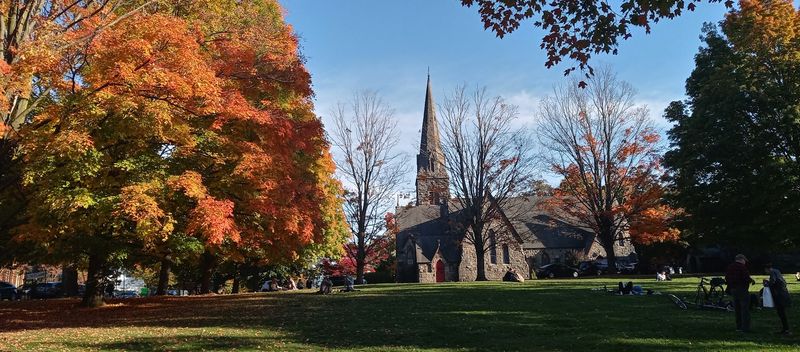
A few practical notes make a Cold Spring day trip run more smoothly. The village is busiest on fall weekends, particularly in October, and parking along Main Street fills quickly on those days.
Arriving by Metro-North eliminates that problem entirely and adds to the overall ease of the trip.
Most shops on Main Street open between 11 a.m. and noon and close by 5 or 6 p.m., so planning to arrive by late morning gives visitors the best window for browsing. The hiking trails in Hudson Highlands State Park Preserve are accessible from early morning, which makes a hike-first, village-second itinerary a smart approach.
The Cold Spring Area Chamber of Commerce website provides current information on shop hours, events, and trail conditions. Cell service in the village is generally reliable, and the Metro-North app makes it easy to check return train times on the go.
Cold Spring rewards a little advance planning with a day that feels genuinely well spent.
Where Cold Spring Sits on the Map
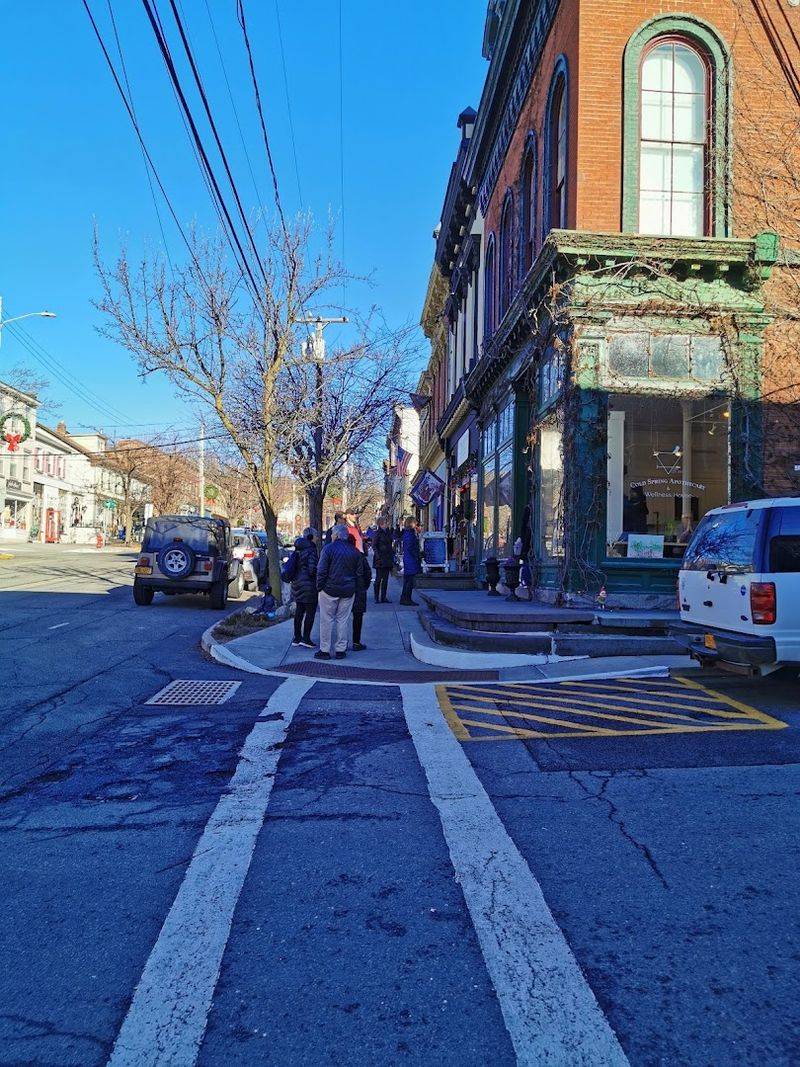
Cold Spring is a village located within the town of Philipstown in Putnam County, New York, at the address of Philipstown, NY 10516. It sits on the eastern bank of the Hudson River, roughly 50 miles north of Midtown Manhattan, and is flanked by the smaller village of Nelsonville to the north and the hamlets of Garrison and North Highlands nearby.
The village is easily reached by the Metro-North Hudson Line, which drops passengers directly into the heart of the community. That train connection is one of the biggest reasons Cold Spring has remained a popular day-trip destination for New York City residents for decades.
The surrounding landscape includes Storm King Mountain to the west across the river and the Hudson Highlands State Park Preserve on the eastern side. Those geographic features give the town a dramatic natural backdrop that shapes almost every activity available here.
Share this story