North Florida has a way of surprising you, and this particular state park does it better than most. Tucked along the banks of the legendary Suwannee River, it blends outdoor adventure with genuine cultural history in a way that feels completely one of a kind.
The park honors one of America’s most beloved composers, and the grounds themselves are lush, peaceful, and full of stories waiting to be discovered. Whether you come for the hiking trails, the museum, the seasonal festivals, or simply a quiet night under the stars, this charming destination delivers something memorable at every turn.
Read on to find out why this hidden corner of Florida keeps drawing visitors back year after year.
Where the Park Calls Home
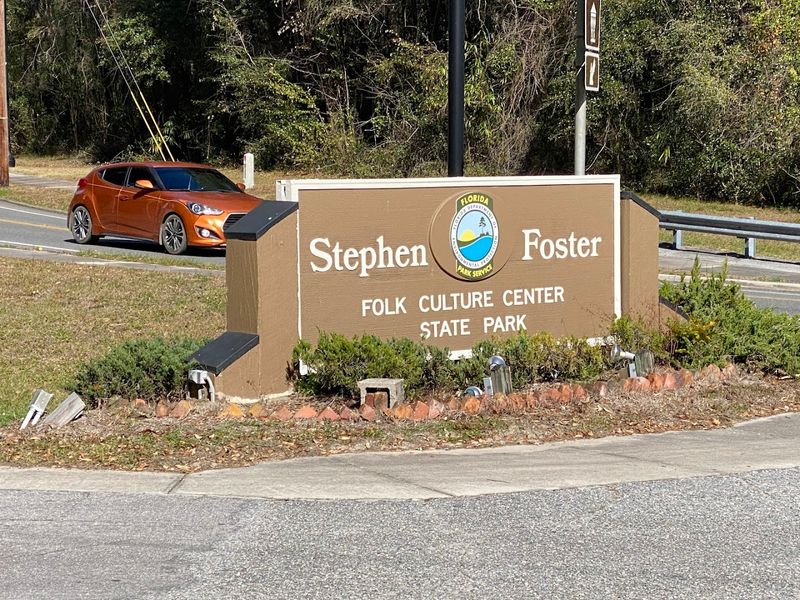
There is something quietly magnetic about arriving at 11016 Lillian Saunders Drive in White Springs, Florida. Stephen Foster Folk Culture Center State Park sits just five miles east of Interstate 75, right near the Florida-Georgia state line, making it a natural stopping point for road-trippers and a beloved retreat for North Florida locals alike.
The park is open every day of the week from 8 AM to 7 PM, which gives you a generous window to explore without feeling rushed.
White Springs itself is a small, quiet town with an old-Florida character that matches the park’s personality perfectly. The surrounding area feels unhurried and genuine, which is exactly the kind of atmosphere that makes a visit here feel like a real escape from everyday life.
The Story Behind the Name
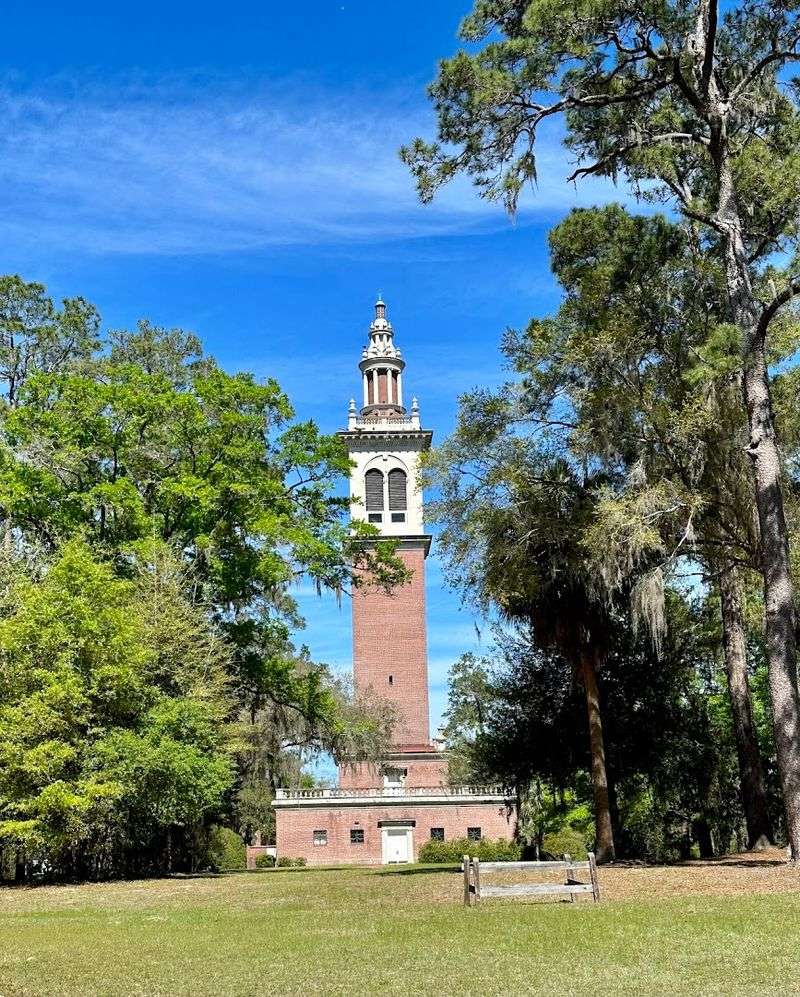
Stephen Foster was one of the most celebrated American composers of the 19th century, and his connection to the Suwannee River made this park the perfect place to honor his legacy. Foster wrote “Old Folks at Home,” also known as “Swanee River,” which became so beloved that Florida adopted it as the official state song.
Interestingly, Foster never actually visited the Suwannee River himself. He reportedly chose the name simply because it fit the melody, yet the song became so deeply tied to Florida that the connection feels completely real today.
The park was established to celebrate not just Foster’s music but also the broader folk culture traditions of the American South. Walking through the grounds, you get a genuine sense of how music, memory, and place can become intertwined across generations in ways that continue to resonate long after the composer is gone.
A Museum Worth Every Minute
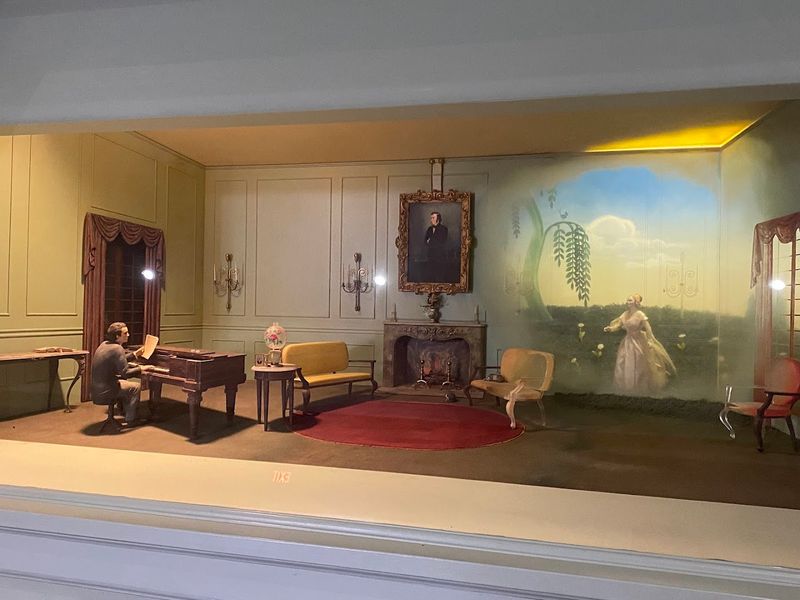
The museum inside the park is one of those places that surprises you with how much it has to offer. It houses a fascinating collection of dioramas that illustrate scenes from Foster’s most famous songs, along with a remarkable display of antique pianos that genuinely stop you in your tracks.
The exhibits are a bit dated in their presentation style, but that actually adds to the charm rather than taking away from it. There is something refreshing about a museum that feels rooted in a specific era rather than constantly trying to modernize itself.
Admission to the museum is included with your park entry fee, so there is no extra cost to step inside and spend an hour soaking up the history. For anyone who grew up learning piano or singing folk songs in school, standing in front of these exhibits carries an unexpected emotional weight that is hard to shake.
The Carillon Tower and Its Bells
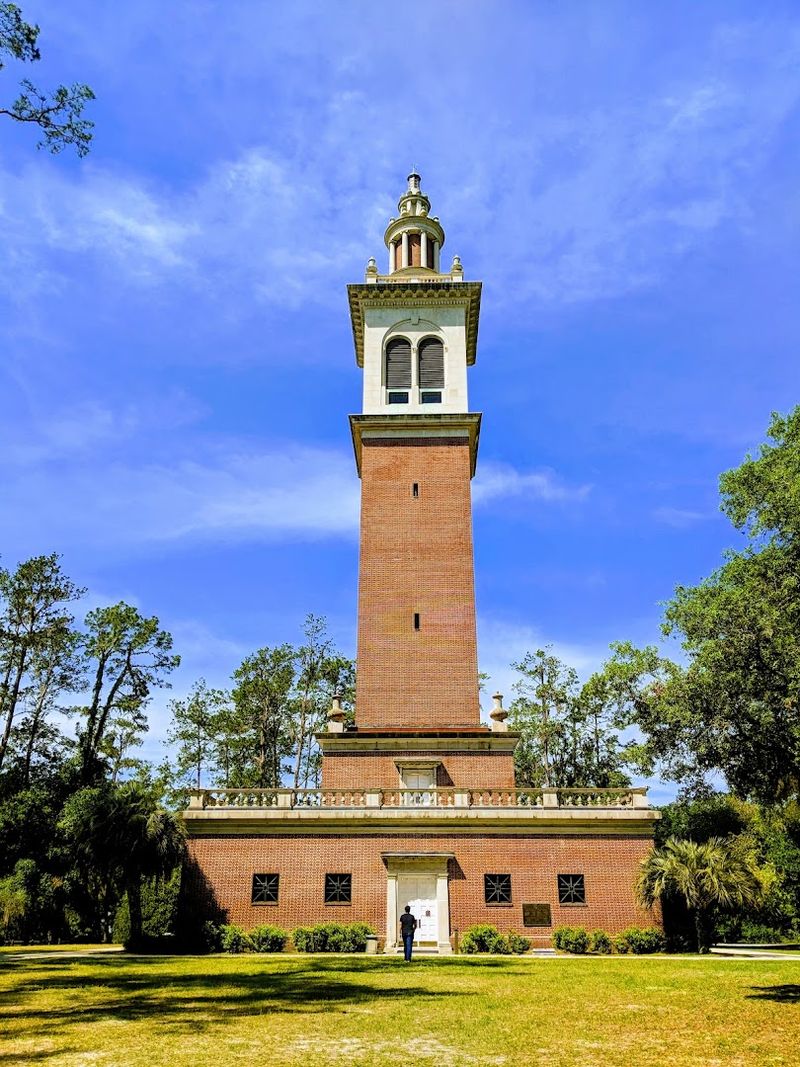
The carillon tower is one of the most recognizable landmarks in the park, and hearing its bells ring across the grounds is the kind of sound that stays with you. The tower houses a set of bells that play folk melodies and carols, filling the air with music that feels completely in tune with the park’s spirit.
The tower has gone through some repairs in recent years following hurricane damage, and the joy of hearing the carols ring out again after a period of silence is something longtime visitors have described as genuinely moving. It is a reminder of how much a single sound can carry the weight of tradition.
At Christmas time, the carillon plays holiday music that drifts through the festival lights and the cool evening air, turning an already beautiful setting into something that feels almost magical. The tower is worth seeking out even if the bells happen to be quiet during your visit.
Trails Along the Suwannee River
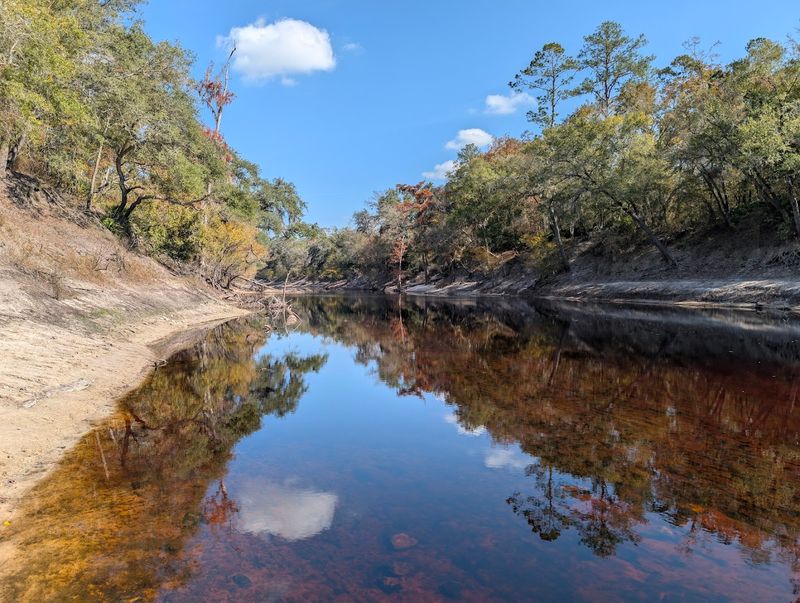
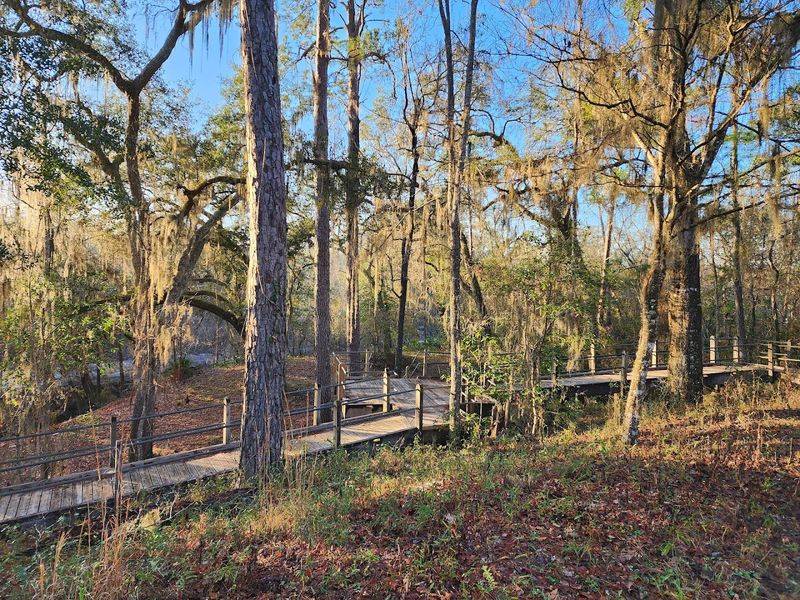
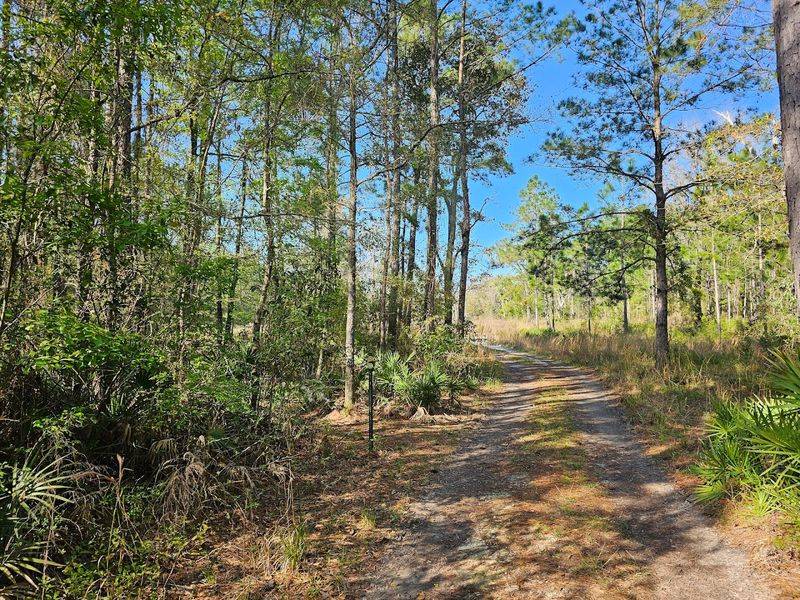
The park’s trail system offers some genuinely rewarding hiking, especially for those who enjoy river views and quiet woodland paths. The Florida National Scenic Trail runs through the park and offers about 7.3 miles of walking with around 220 feet of elevation change, which is notable for this part of the state.
A winter visit is particularly pleasant because the bare trees open up clear sightlines to the Suwannee River, giving you views that are simply not possible during the leafy summer months. The trails are well-marked once you find the trailhead, though the entrance sign has seen better days and can be tricky to spot.
Hikers should come prepared with tick repellent, especially during warmer months when the tall grasses along the trail can harbor them. Bring water, wear good shoes, and give yourself plenty of time, because the river views along the way make it very easy to slow down and linger.
Camping Under the Florida Stars
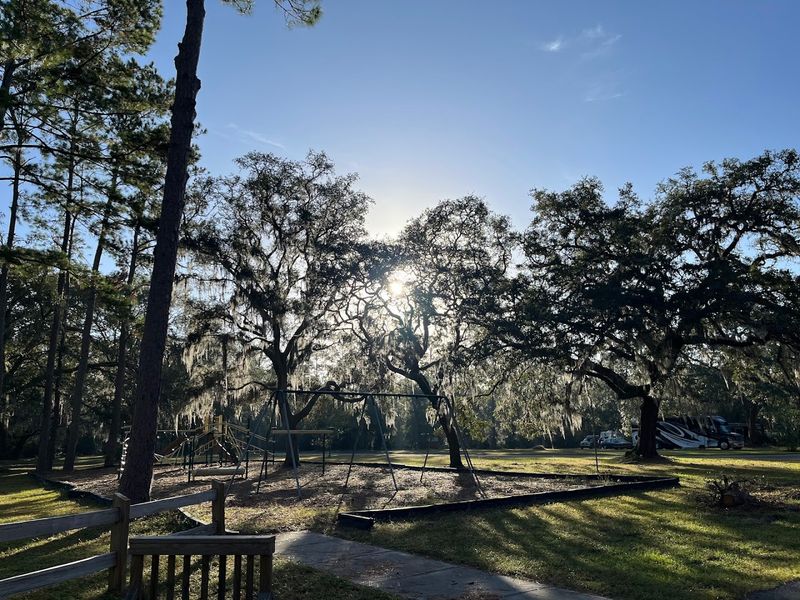
Camping here is a genuinely comfortable experience, and the sites are laid out with real thought given to privacy. The RV spots are paved and widely spaced, making them feel more like personal retreats than typical campground slots crammed together side by side.
Tent campers are equally well served, with sites that are clean, well-groomed on arrival, and surrounded by enough natural buffer to give each group its own quiet corner. The bathhouses are modern and clean, with hot showers and laundry facilities that make longer stays feel genuinely convenient.
There are three separate campground loops to choose from, so you have options depending on your preference for shade, proximity to facilities, or distance from other campers. The park also sells firewood on-site, and a gas station, Dollar General, and Walmart are all within easy reach if you need to restock supplies during a longer stay.
Rental Cabins With Character
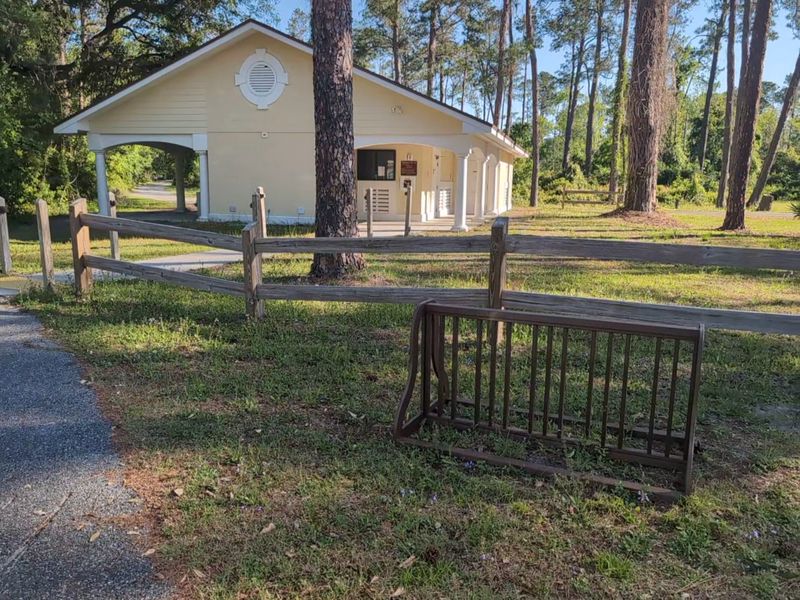
For those who want a roof over their heads without giving up the feeling of being in nature, the park’s rental cabins are a genuinely appealing option. The cabins come with wrap-around porches, fire pits, and picnic tables, giving you the full outdoor experience with just enough comfort built in.
The cabins are set within the park’s wooded grounds, which means deer sightings in the early morning are common, and the sounds of the forest replace whatever noise you left behind in the city. It is the kind of setup that makes you want to sit on the porch with a cup of coffee and simply do nothing for a while.
Booking is straightforward through the Florida State Parks online reservation system, and the rangers who greet you on arrival are consistently friendly and helpful. A stay in one of these cabins tends to turn a quick overnight stop into a memorable few days that guests find themselves planning to repeat.
Kayaking and Canoeing on the Suwannee
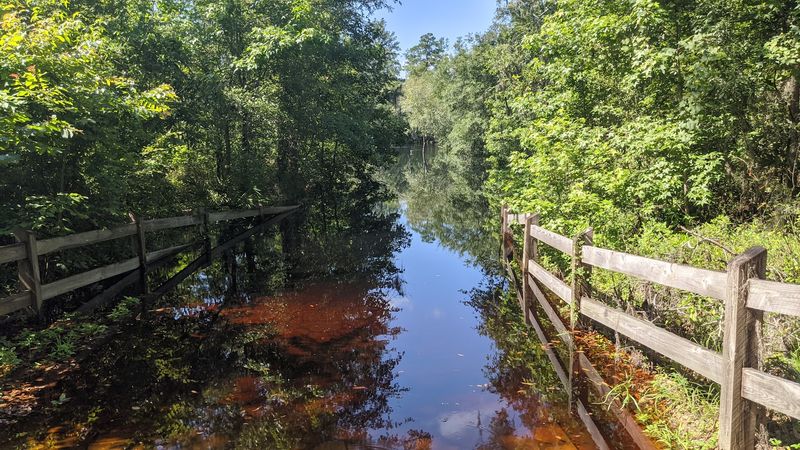
Direct river access is one of the park’s most exciting features for water lovers. A kayak and canoe launch ramp connects you directly to the Suwannee River, one of Florida’s most storied waterways, where the paddling is peaceful and the scenery is absolutely worth the effort.
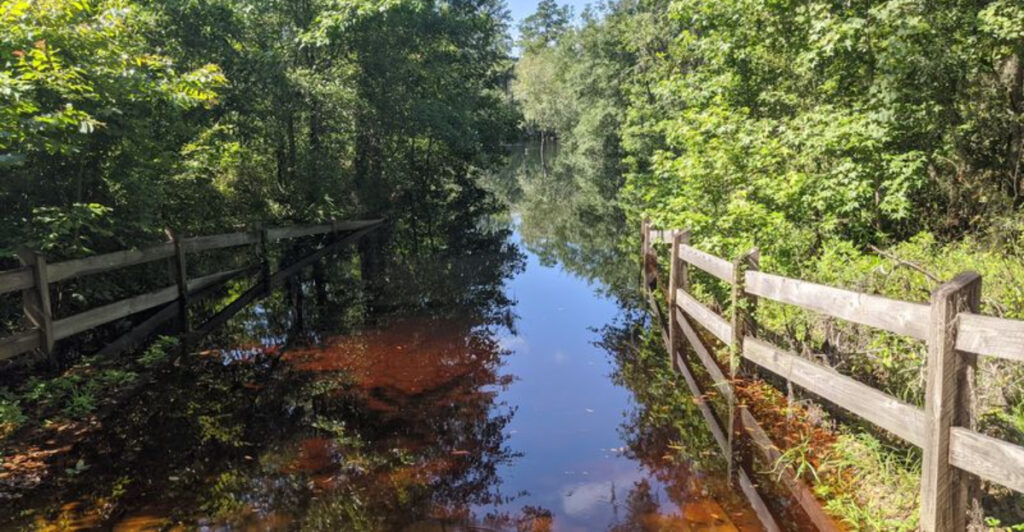
The river winds through stands of cypress and hardwood, and the water has the dark, tea-colored look that is characteristic of Florida’s blackwater rivers. It feels wild and unhurried in a way that open-water paddling simply cannot replicate.
The town of White Springs also has a canoe rental outfitter that will drop you upstream and pick you up after a float, which takes all the logistical stress out of planning a river trip. Whether you bring your own gear or rent locally, a few hours on the Suwannee is one of the best ways to experience what makes this part of Florida so genuinely special.
The Folk Culture Craft Village
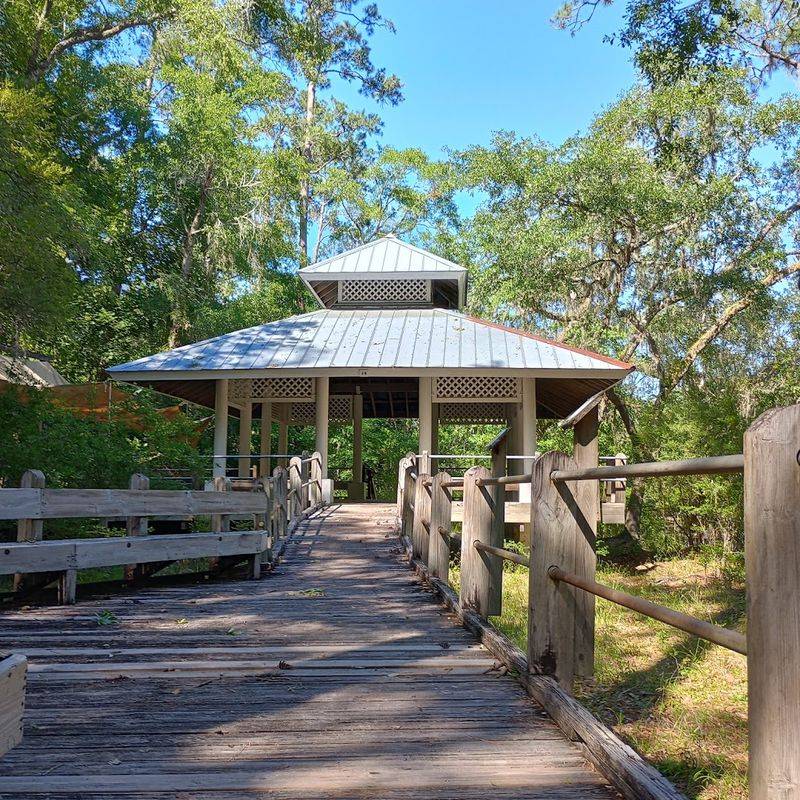
One of the most distinctive features of this park is the craft village, a series of small buildings arranged along a winding road where traditional artisans demonstrate their skills. From blacksmithing to weaving, the demonstrations bring old Florida folk traditions to life in a hands-on, engaging way.
The blacksmith exhibit, in particular, has drawn consistent praise from visitors who got to watch the entire process unfold in real time while asking questions and getting genuine, thoughtful answers. That kind of direct interaction with a skilled craftsperson is increasingly rare, and it makes the experience feel far more meaningful than reading a placard in a typical museum setting.
The craft village is primarily active on weekends and during festival periods, so checking the park’s event calendar before your visit is a smart move. When it is fully open and buzzing with activity, this part of the park gives the whole experience a vibrant, community-centered energy that sets it apart from other state parks.
The Famous Florida Folk Festival
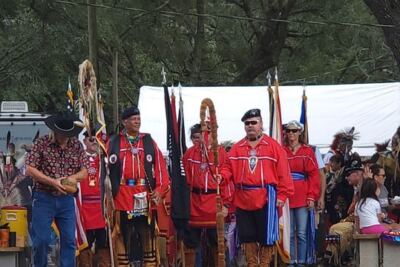
Every Memorial Day weekend, the park transforms into the heart of the Florida Folk Festival, one of the longest-running folk music events in the entire country. The festival draws musicians, storytellers, dancers, and craft artists from across Florida and beyond, filling the park with sound and color for three full days.
The event celebrates the diverse cultural traditions that have shaped Florida’s identity, from Seminole heritage to Appalachian music to Afro-Caribbean rhythms. Multiple stages run simultaneously, so there is always something happening no matter where you wander on the grounds.
The festival draws large crowds, which is worth knowing before you plan your trip. Camping spots fill up fast, and the park takes on an entirely different energy compared to a quiet midweek visit.
If you love live music and cultural celebration in an outdoor setting, this event alone is worth planning your entire Florida trip around.
Christmas Lights That Draw Crowds Back Every Year
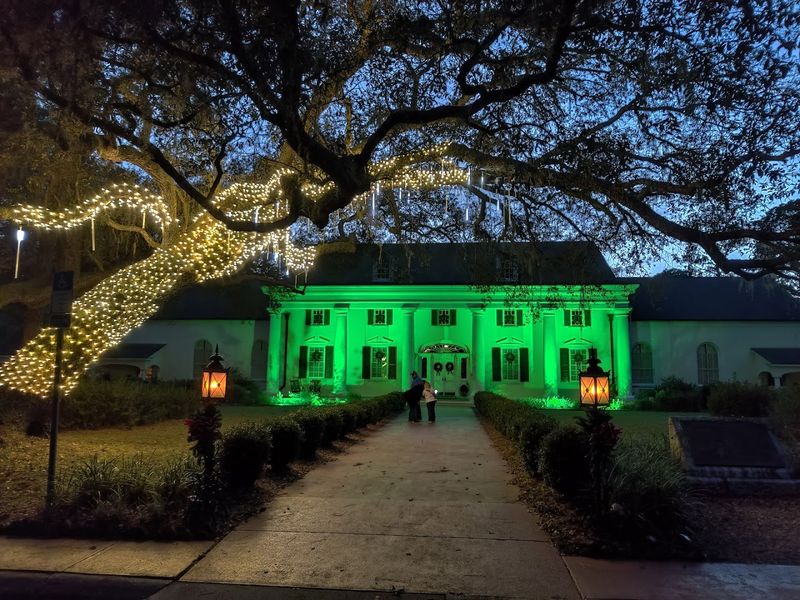
The Festival of Lights at this park has quietly become one of the most beloved holiday traditions in North Florida. Each December, thousands of lights are strung throughout the grounds, transforming the park into a glowing winter scene that families return to year after year with genuine enthusiasm.
The event includes a model train scavenger hunt, hot chocolate, popcorn, and marshmallows for roasting, all offered by volunteers in exchange for a small donation. The carillon tower plays Christmas carols overhead, and the whole atmosphere feels warm and unhurried in a way that commercial holiday events rarely manage to capture.
Admission is very reasonably priced at around four dollars per person, which makes it accessible for families of all sizes. Visitors who have been coming for over a decade say the lights seem to get better every year, and the sense of community that surrounds the event is every bit as bright as the decorations themselves.
Wildlife, Woodpeckers, and Armadillos
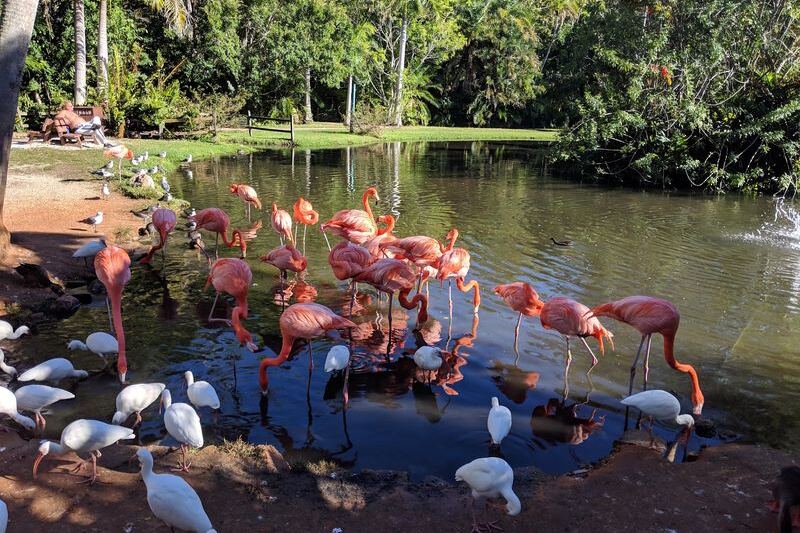
Nature lovers will find plenty to enjoy here beyond the trails and the river. The park’s wooded grounds are home to white-tailed deer that appear regularly near the campsites, especially in the early morning hours when the park is at its quietest and most peaceful.
Woodpeckers are a common sight in the trees, and armadillos make occasional appearances that never get old no matter how many times you see them waddling through the underbrush with their prehistoric confidence. The park also has a bat house, which is a genuinely fascinating structure that draws its own curious crowd at dusk.
The diversity of wildlife here is one of those quiet pleasures that sneaks up on you during a stay. You come for the music history and the river, and you end up spending twenty minutes watching a woodpecker work its way up a cypress tree with total dedication to its craft.
Planning Your Visit the Smart Way
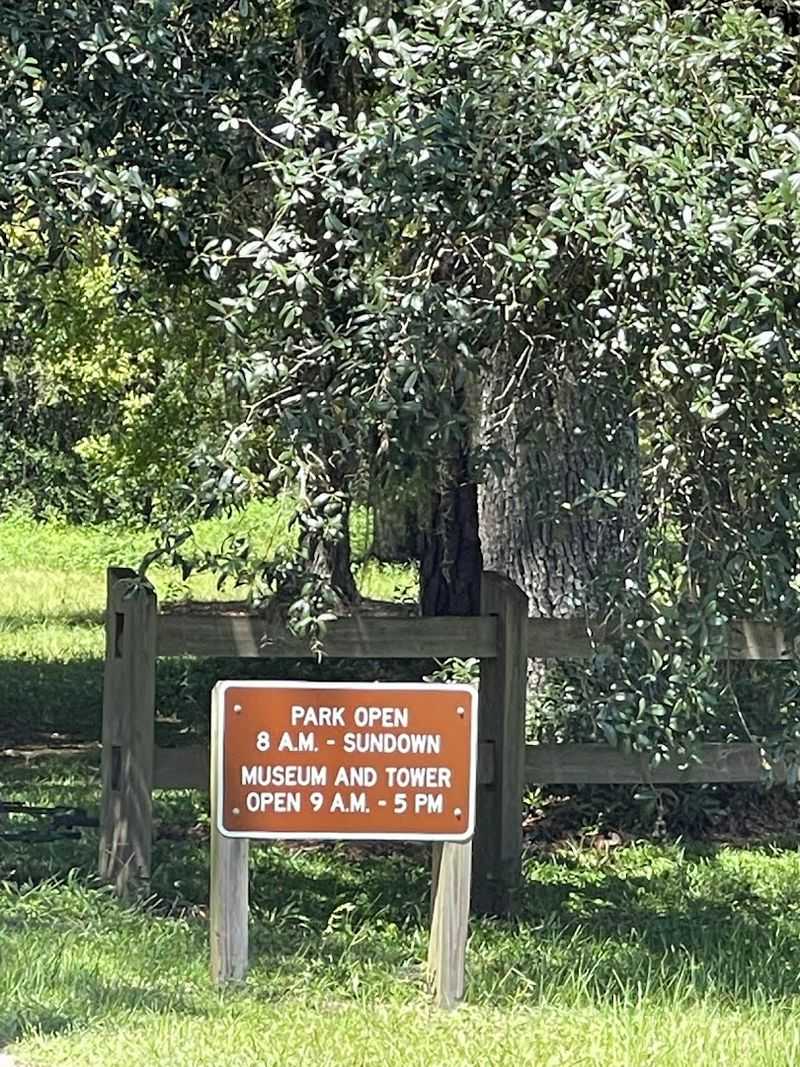
A few practical details can make the difference between a good visit and a great one. The park is open daily from 8 AM to 7 PM, and entry fees are very affordable, with single-person vehicle entry at four dollars and multi-person vehicles at five dollars.
Bikes can be rented inside the park for just two dollars.
The museum, carillon tower, and craft village are the cultural highlights, but their availability can vary by season, so checking the park’s website or calling ahead at 386-397-4331 is genuinely worth the extra minute. The gift shop near the entrance also offers free Wi-Fi, which is handy for looking up trail maps or event schedules on the spot.
For supplies, the town of White Springs has a Dollar General with groceries, and larger towns like Live Oak and Lake City are both within about fifteen miles if you need more options. A little preparation goes a long way toward making this park feel like the highlight of your North Florida trip.
Share this story