There is a small city in Oregon’s Willamette Valley where the buildings have steep rooflines, flower boxes hang from window ledges, and a hilltop abbey watches over everything like something out of a European postcard. The streets are tidy, the people are friendly, and the whole place has a personality that feels nothing like the typical Pacific Northwest town.
I had heard about it from a friend who kept insisting I had to see it for myself, and after one visit, I completely understood the obsession. This is the kind of place that slows you down in the best possible way, and every corner offers something worth stopping for.
Where Mt. Angel Sits on the Map
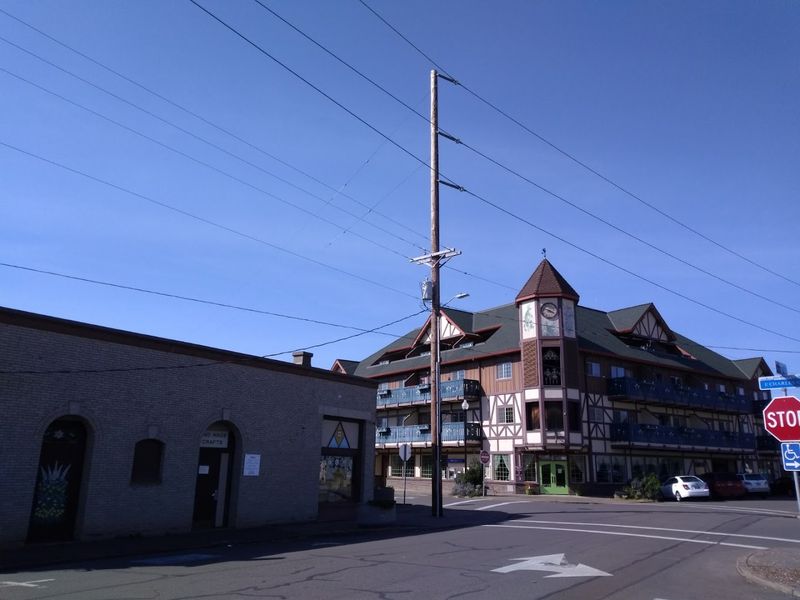
Mt. Angel is a small city in Marion County, Oregon, sitting about 18 miles northeast of Salem along Oregon Route 214.
The full address of the city center puts you right in the heart of the Willamette Valley, one of the most fertile and scenic stretches of the Pacific Northwest.
The city had a population of around 3,392 at the 2020 census, and it is officially part of the Salem Metropolitan Statistical Area. Despite its modest size, Mt.
Angel carries a cultural identity that punches well above its weight class.
The surrounding landscape is a patchwork of hop fields, nurseries, and farmland, all framed by the rolling foothills of the Cascade Range in the distance. Getting here is straightforward from Salem or Portland, and the drive through the valley is genuinely pleasant on a clear day.
Unlike many small Oregon towns that blend quietly into the scenery, Mt. Angel announces itself with a distinct character the moment you roll in.
The combination of its European architectural style and rural Oregon setting creates a visual contrast that immediately makes you want to park the car and explore on foot.
The Story Behind the Swiss-Bavarian Look
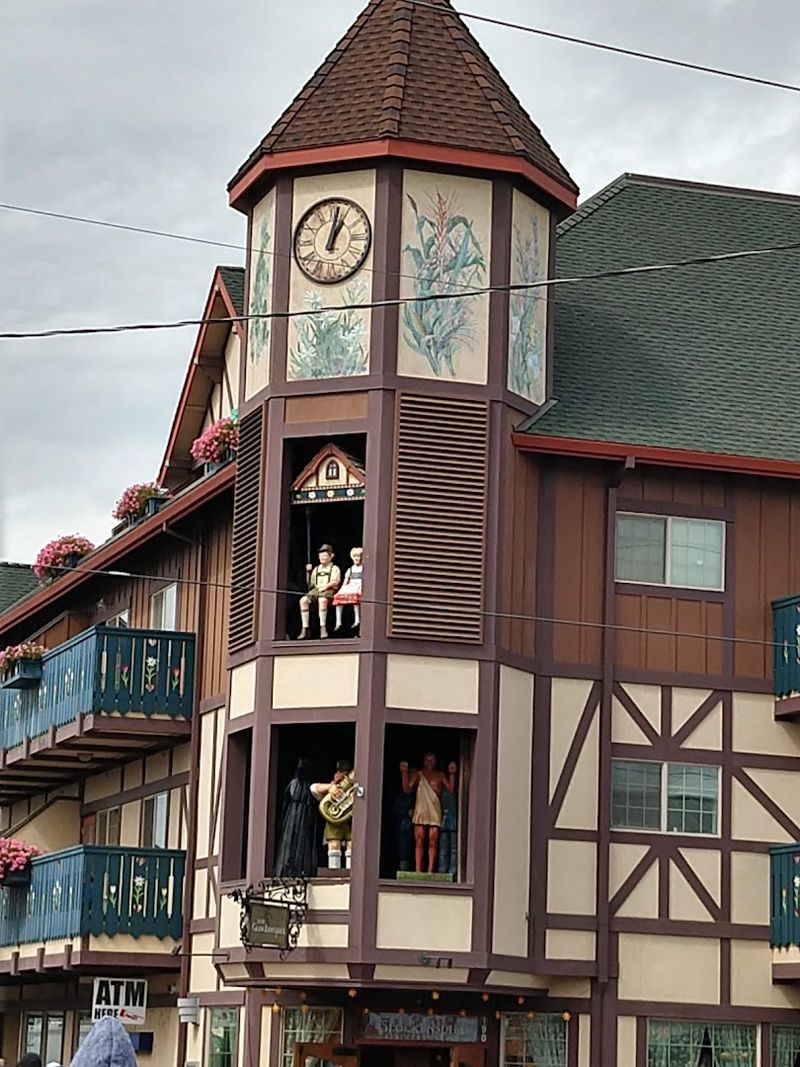
The European look of Mt. Angel did not happen by accident.
The city was founded in the 1880s by Swiss and German Catholic immigrants who brought their cultural traditions and architectural preferences along with them when they settled in the Willamette Valley.
Those early settlers named the town after the Swiss village of Engelberg, and over generations, the community worked to preserve and celebrate that heritage rather than letting it fade into the background. The result is a main street that feels genuinely rooted in a specific cultural identity instead of being a theme-park imitation of one.
The Benedictine monks who established Mt. Angel Abbey nearby also played a major role in shaping the town’s identity, bringing European monastic traditions that influenced everything from architecture to community values.
Their presence has been continuous since 1882, making the abbey one of the oldest Benedictine communities on the West Coast.
What makes Mt. Angel special is that this heritage feels lived-in and authentic.
The painted facades, the carved woodwork, and the flower-filled window boxes are not decorations slapped on for tourists. They reflect a genuine cultural pride that has been passed down through multiple generations of residents.
Mt. Angel Abbey on the Hill
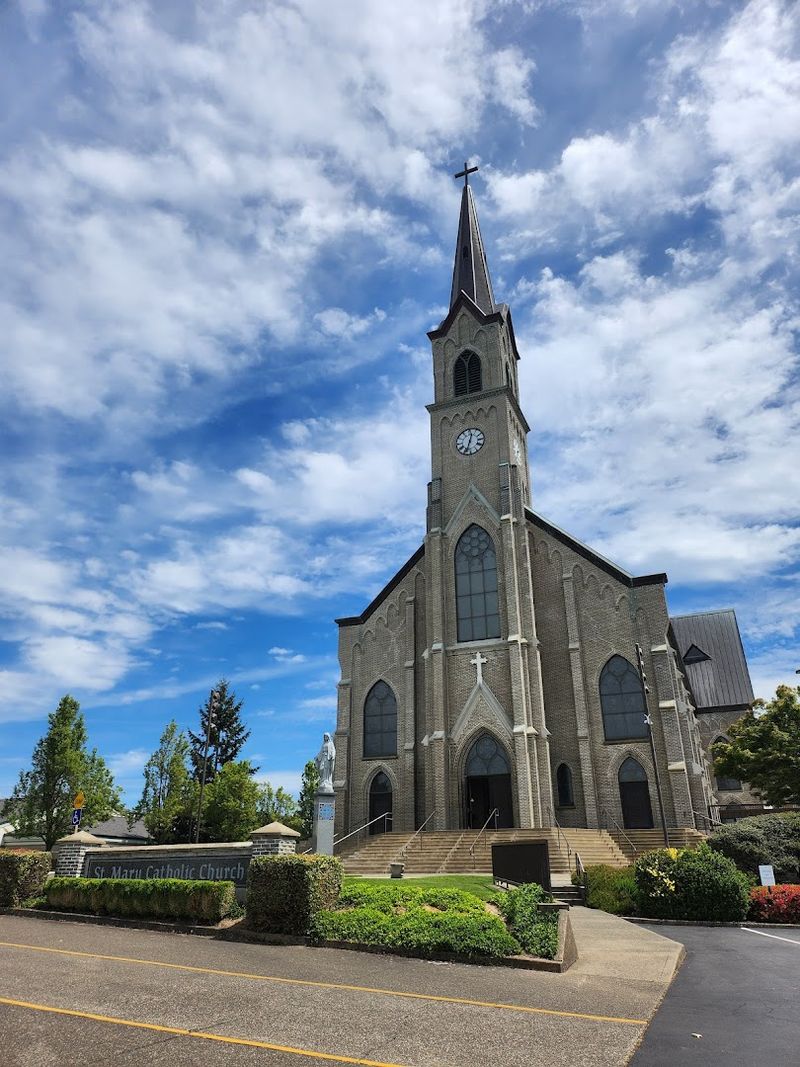
High on a 300-foot butte that rises above the valley floor, Mt. Angel Abbey is the kind of place that changes your pace the second you set foot on the grounds.
The Benedictine monastery has been here since 1882, and the sense of history is palpable in every stone path and quiet courtyard.
The abbey church is beautiful in a restrained, dignified way, with clean lines and an interior that feels both grand and contemplative. Visitors are welcome to tour the grounds, attend daily prayers, or simply sit on the hillside and take in the sweeping view of the Willamette Valley stretching out below.
One of the most architecturally celebrated features on the property is the Abbey Library, designed by Finnish architect Alvar Aalto and completed in 1970. It remains one of only two Aalto-designed buildings in the United States, and design enthusiasts make specific trips just to see it.
The monks still live and work here, producing goods like fruitcake and printed materials that you can purchase in the gift shop. There is something grounding about a place that has operated with the same daily rhythm for over a century, and the abbey carries that quiet steadiness in every corner.
Oktoberfest: The Festival That Draws Thousands
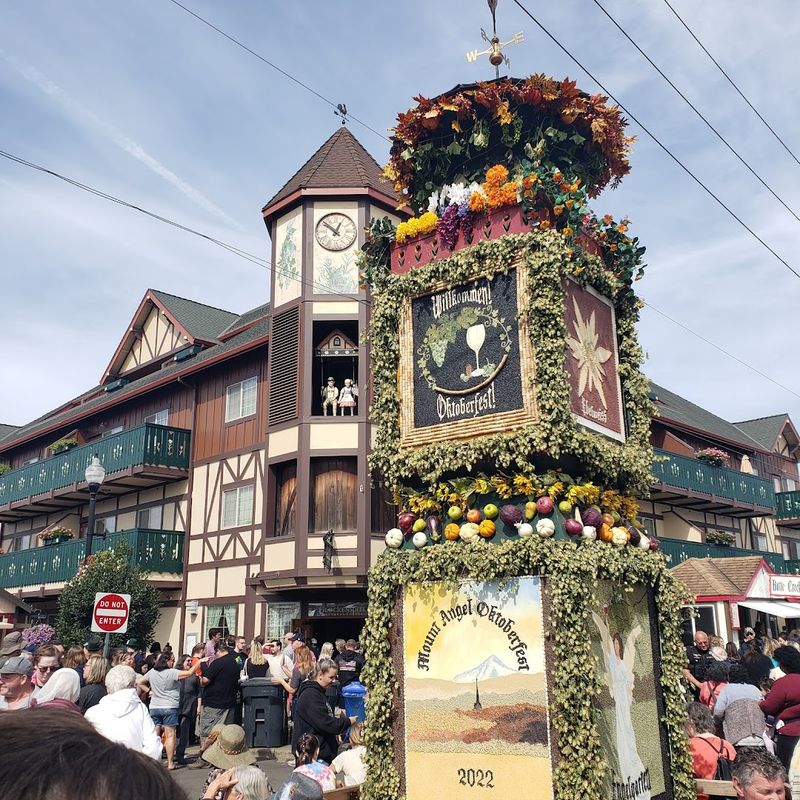
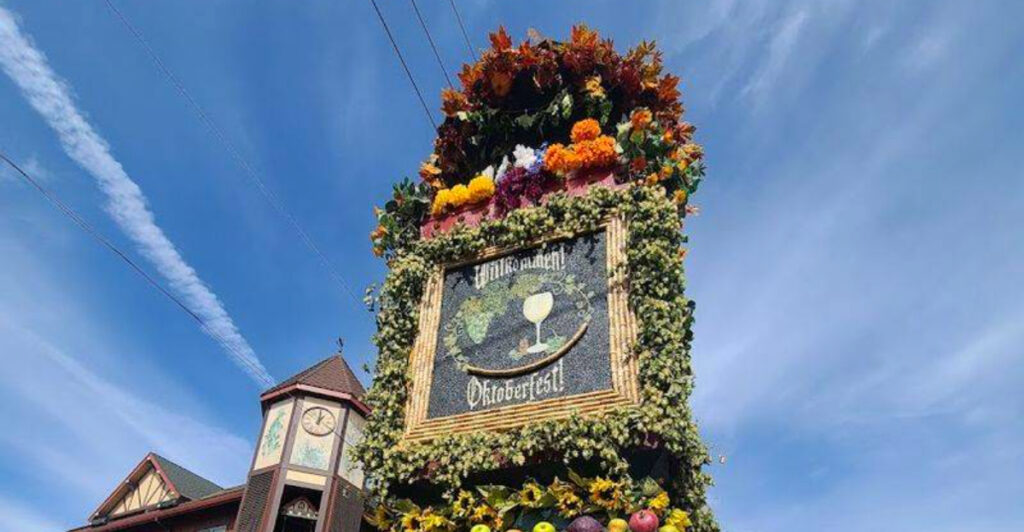
Every September, this quiet city of roughly 3,400 people transforms into one of the largest and most beloved festivals in the entire Pacific Northwest. Mt.
Angel Oktoberfest draws well over 300,000 visitors over four days, which is a staggering number for a town this size.
The festival has been running since 1966, and it has grown into a full-scale celebration of German and Swiss heritage complete with traditional music, folk dancing, carnival rides, and an enormous variety of food vendors. The main festival grounds fill up fast, so arriving early is genuinely good advice.
Live polka and oompah bands perform throughout the event, and the dance tents get surprisingly lively by mid-afternoon. Watching people of all ages in lederhosen and dirndls spinning around a dance floor is one of those scenes that is hard to forget.
The food options lean heavily into German and Central European traditions, with sausages, pretzels, strudel, and roasted meats all making strong appearances. Even if you are not a festival person by nature, the energy and warmth of this event have a way of winning you over within the first hour of being there.
The Charming Downtown and Main Street
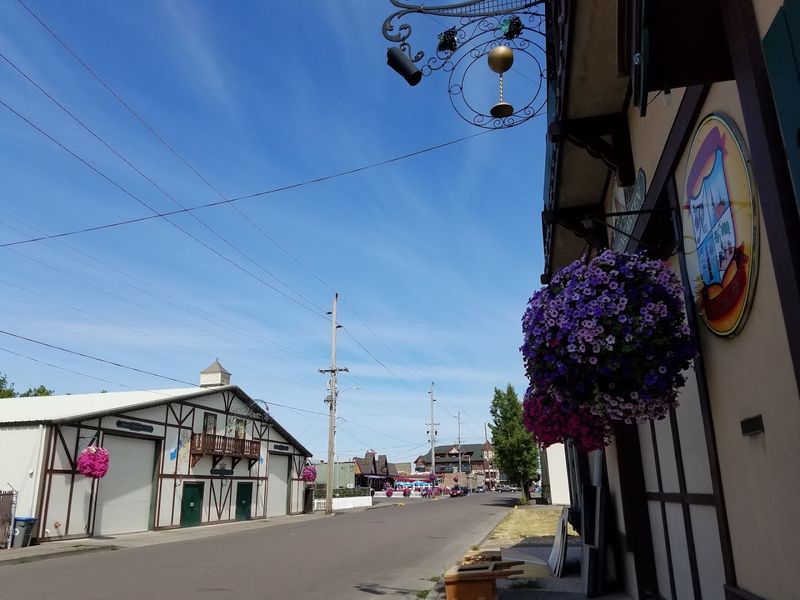
Main Street in Mt. Angel moves at a pace that feels almost rebelliously slow compared to life in Portland or Salem, and that is exactly the point.
The storefronts are tidy and well-kept, with hand-painted signs, flower baskets, and the kind of window displays that actually make you want to stop and look.
Local shops sell everything from handmade gifts and European-style baked goods to religious items and locally crafted goods. There is a strong sense that the business owners here actually care about what they are selling and how their shops look from the outside.
The bakeries deserve a special mention. Fresh bread, pastries with Central European roots, and display cases full of things you did not plan to buy are a recurring theme along this street, and willpower is not your friend here.
What I noticed most was the lack of chain restaurants and big-box retail. The downtown feels genuinely independent, which is increasingly rare.
A short walk from one end to the other takes maybe fifteen minutes, but you will likely double that time just by stopping to chat with shopkeepers or admiring the architectural details on the buildings above the storefronts.
The Hilltop Views and Natural Setting
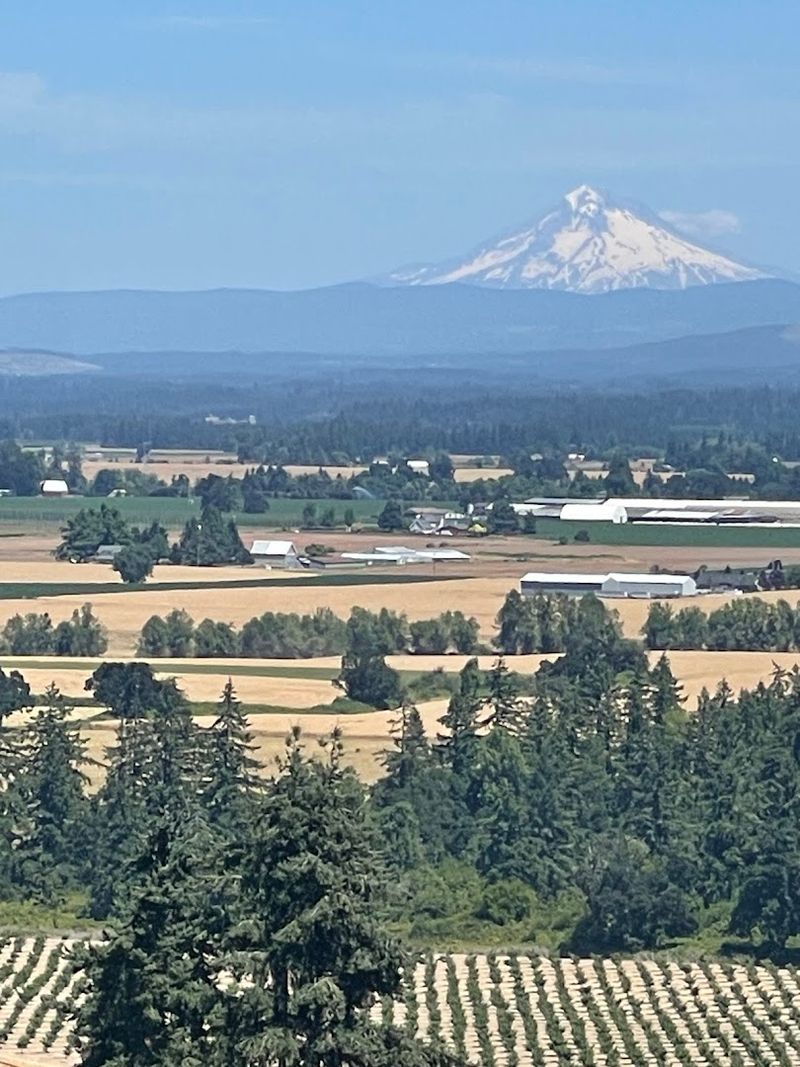
The butte that Mt. Angel Abbey sits on offers some of the best views in the entire Willamette Valley, and the climb to reach the top is short enough that nearly anyone can manage it.
From the hilltop, you can see the valley laid out in all directions, with farmland, hop yards, and nurseries forming a green and gold patchwork below.
On clear days, the Cascade peaks are visible in the distance, including Mt. Hood to the northeast and Mt.
Jefferson to the south. The view is the kind that makes you stand quietly for a few minutes longer than you planned, just taking it in.
The grounds around the abbey are well-maintained and open to visitors, with walking paths that wind through trees and past contemplative garden spaces. It is a genuinely peaceful environment that feels removed from the noise of everyday life even though you are only minutes from the town center.
Spring and early summer bring particularly vivid color to the surrounding farmland, when the fields are green and the nursery blooms add patches of bright color to the landscape. Coming here in the morning when the valley mist is still hanging low is one of those simple experiences that stays with you for a long time.
Local Food Culture Worth Exploring
Food in Mt. Angel leans into its Central European heritage with a confidence that is refreshing.
The local bakeries produce breads and pastries that draw on German and Swiss traditions, and the results are the kind of thing that makes you regret not bringing a bigger bag to carry things home in.
The sausages available around town, especially during festival season, are made with care and seasoned well. Paired with fresh bread and a side of tangy mustard, they represent one of the most satisfying and unpretentious meals you can have in this part of Oregon.
Beyond the European staples, the surrounding farmland means that fresh produce is never far away. The Willamette Valley is known statewide for its agricultural output, and that proximity to fresh ingredients shows up on local menus and in the farmers market when it is in season.
Eating here never feels like a chore or a compromise. The food is honest and well-made, and the portions tend to be generous without being overwhelming.
Whether you stop for a quick pastry in the morning or settle in for a longer midday meal, you are unlikely to leave hungry or disappointed by what you find.
The Abbey Library: An Architectural Treasure
Not many small Oregon cities can claim a building designed by one of the twentieth century’s most celebrated architects, but Mt. Angel can.
The library at Mt. Angel Abbey was designed by Finnish architect Alvar Aalto and completed in 1970, and it remains one of only two structures he designed anywhere in the United States.
The building is a masterpiece of humanist modernism, with natural light flooding in through carefully placed skylights that illuminate the reading spaces without creating harsh glare. The warm wood tones, curved walls, and fan-shaped floor plan give the interior a feeling of calm that matches the monastic setting perfectly.
Architecture enthusiasts travel specifically to see this building, and it holds up to every bit of the anticipation. The library is still a functioning research facility used by the monks and by scholars studying theology and related subjects, which means you are walking into a living, working space rather than a museum exhibit.
Tours are available, and the staff are knowledgeable and welcoming to visitors with a genuine interest in the architecture or the collections. Few buildings in the Pacific Northwest carry this level of architectural significance, and fewer still feel this quietly extraordinary from the inside.
Community Spirit and Local Events
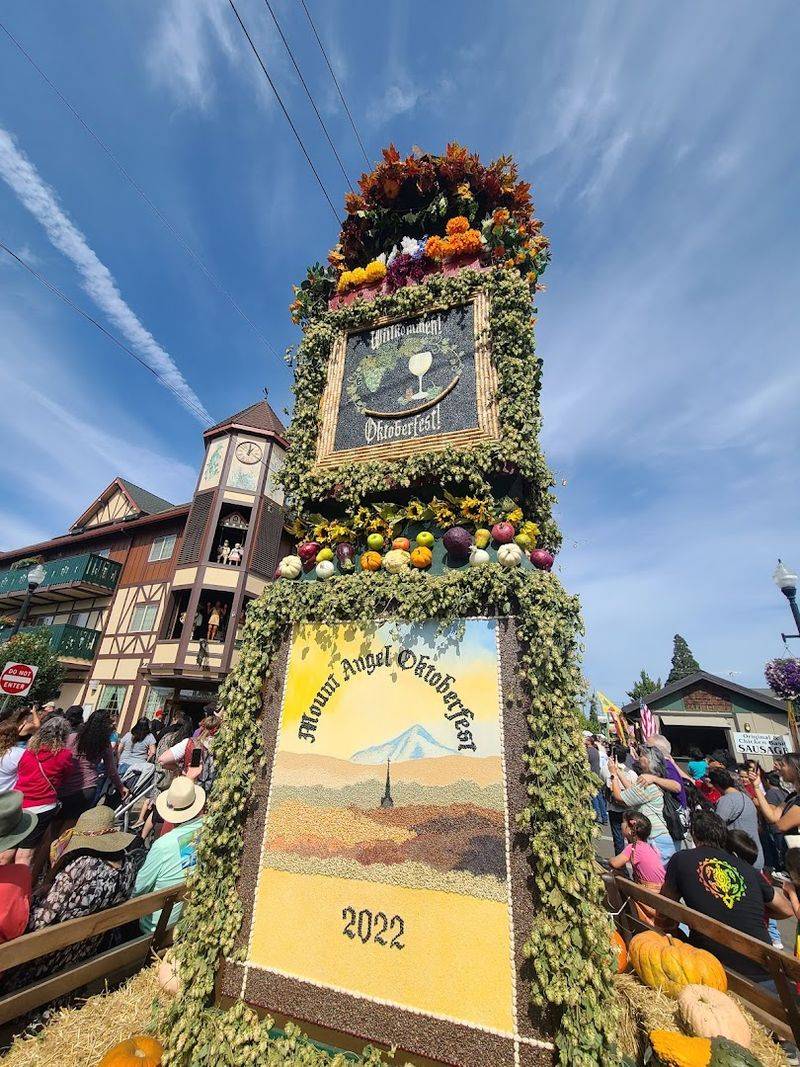
Mt. Angel is the kind of small city where community identity is not just a talking point but something you can actually feel when you spend time there.
The residents take real pride in their heritage, and that pride shows up in the care they put into their storefronts, their public spaces, and their local events.
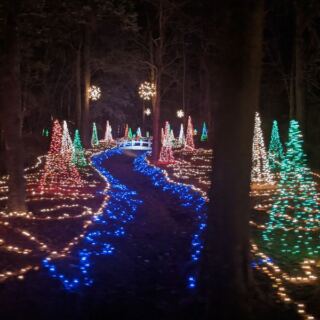
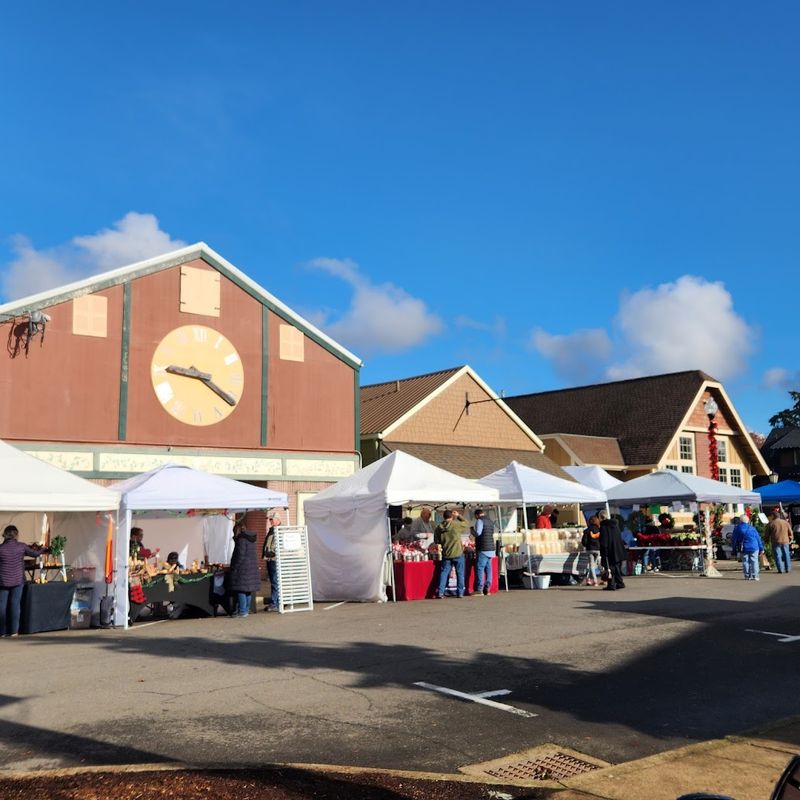
Beyond Oktoberfest, the city hosts a Christmas market and other seasonal celebrations that bring the community together throughout the year. The Christmas market in particular has a warmth and intimacy that is hard to find at larger commercial holiday events in bigger cities.
Local organizations, the abbey community, and long-time residents all play active roles in keeping these traditions alive. There is a collaborative spirit here that feels genuine rather than performed for visitors, which makes the whole experience more enjoyable if you are someone who notices those things.
For travelers coming from outside Oregon, particularly those who have experienced small-town festivals in states like Oklahoma or elsewhere in the American heartland, Mt. Angel offers a similar sense of community pride but with a distinctly European cultural flavor layered on top.
That combination is genuinely unusual and worth experiencing firsthand.
Getting There and Best Times to Visit
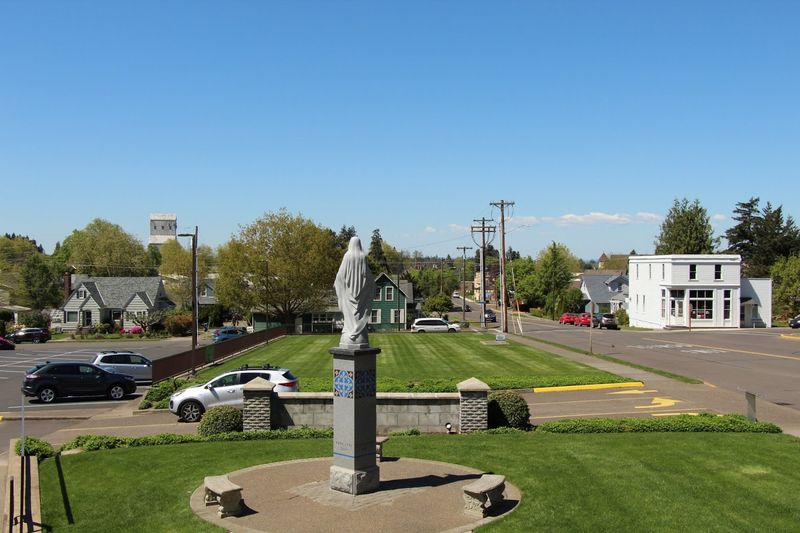
Mt. Angel sits comfortably close to major Oregon cities, making it an easy day trip or a short overnight stop.
From Salem, the drive northeast along Oregon Route 214 takes about 25 to 30 minutes under normal conditions. From Portland, you are looking at roughly an hour depending on traffic.
The best time to visit depends entirely on what you are after. If the Oktoberfest experience is your goal, plan for the third week of September and book accommodations well in advance, because everything within a reasonable radius fills up quickly during festival weekend.
For a quieter visit where you can actually hear yourself think and explore the abbey grounds without crowds, late spring and early summer are ideal. The valley is green, the weather is mild, and the town feels relaxed and unhurried in a way that is genuinely restorative.
Fall outside of festival weekend is also lovely, with harvest colors coming into the surrounding farmland and a crispness in the air that makes walking around downtown especially pleasant. Parking in town is manageable on non-festival days, and most of the main attractions are within easy walking distance of wherever you leave the car.
The Benedictine Influence on Everyday Life
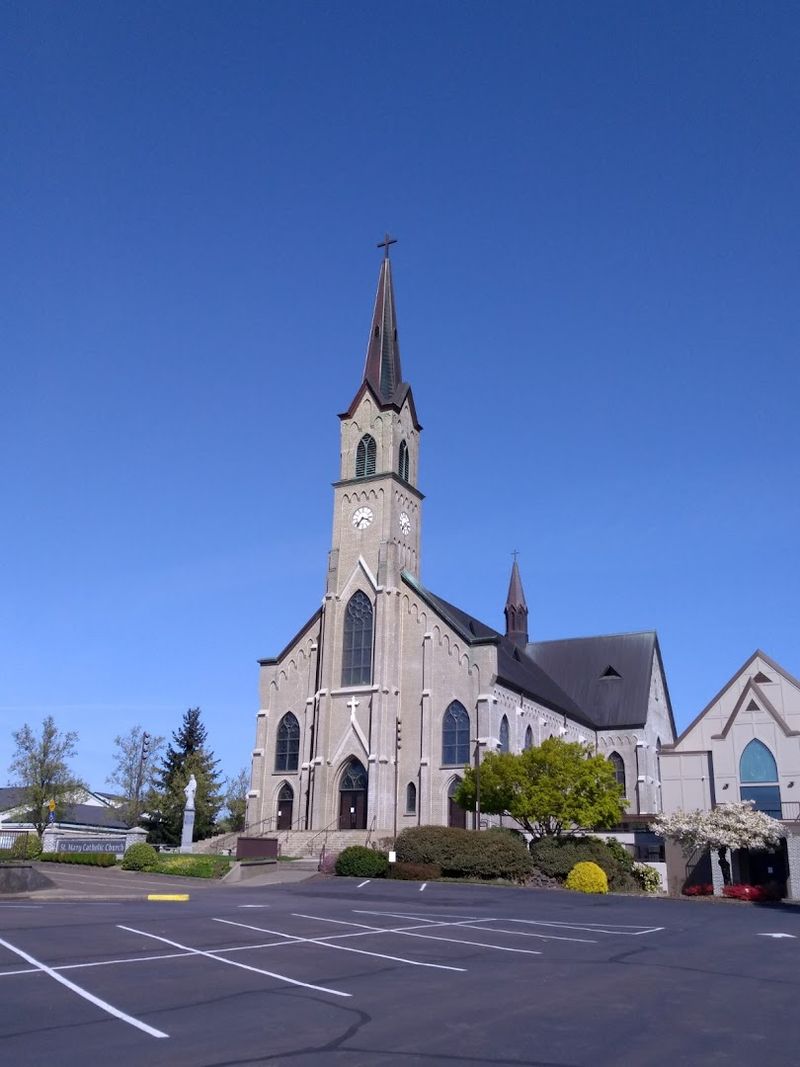
The Benedictine monks of Mt. Angel Abbey have shaped this city in ways that go well beyond architecture and tourism.
Their presence for over 140 years has created a cultural undercurrent that you sense even when you are just walking around town on a regular afternoon.
The abbey operates a seminary, a retreat center, and a museum in addition to the famous library. The retreat center welcomes guests who want to spend a night or a few days in a contemplative environment, and the rooms are simple, clean, and genuinely peaceful.
The monks also produce goods that are sold in the abbey gift shop, including the well-known Mt. Angel Abbey fruitcake, which has a devoted following and ships across the country every holiday season.
Skeptics of fruitcake in general have been known to revise their opinions after trying this particular version.
The broader influence of Benedictine values on community life here is something that visitors from across the country, including those traveling from as far as Oklahoma, often comment on. There is a sense of intentionality and care in how this place operates that feels distinct from most American small towns, and the abbey is the reason for it.
Why Mt. Angel Stays With You After You Leave
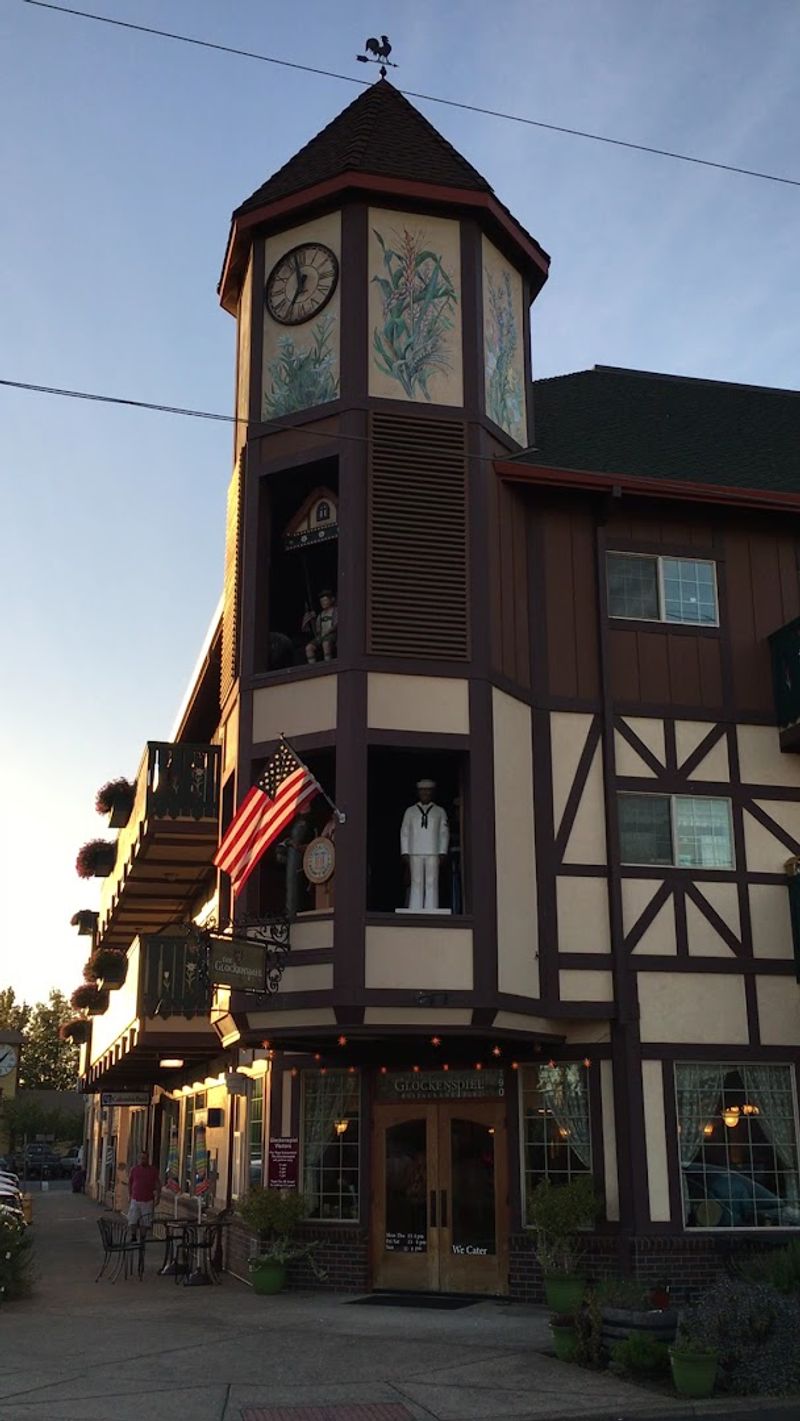
There is a specific kind of travel experience that does not announce itself loudly but settles into your memory and stays there. Mt.
Angel is that kind of place. It does not compete for your attention with theme park energy or flashy attractions.
It simply is what it is, and that quiet confidence is part of what makes it memorable.
The combination of authentic cultural heritage, stunning natural scenery, world-class architecture, and genuine community warmth creates something that is harder to find than it should be. Most small American cities have one or two of those qualities.
This one has all of them working together in a small, walkable package.
Travelers who have spent time in small towns across Oregon, Washington, and even as far as Oklahoma often rank Mt. Angel among the most distinctive and satisfying stops they have made.
That kind of consistent praise from people with very different travel styles says something real about what this city offers.
The hilltop abbey, the painted storefronts, the smell of fresh bread from a bakery on a cool morning, and the view of the valley from the top of the butte all add up to something worth the drive. Mt.
Angel does not need to be louder to be worth your time. It just needs to be experienced.
Share this story