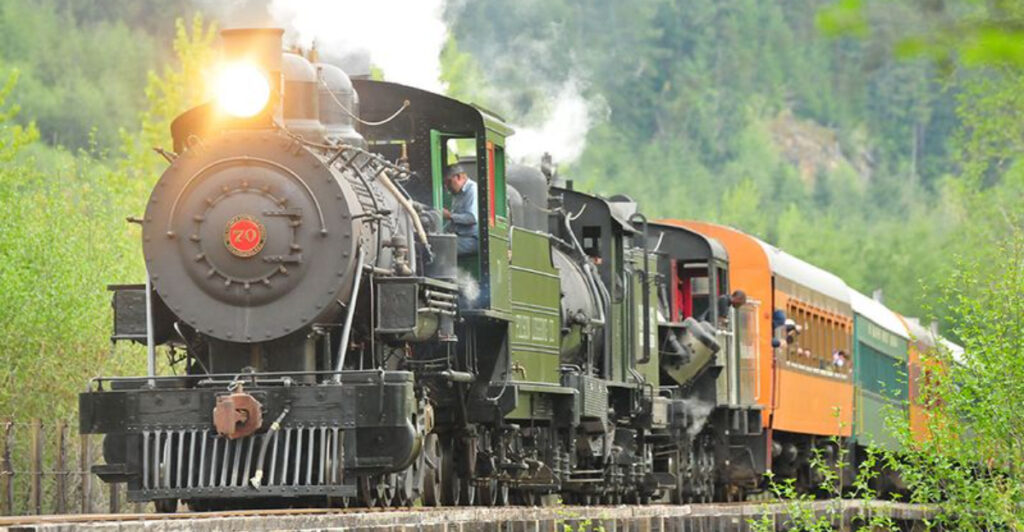
There is a small town tucked along Mountain Highway in Washington State where a genuine steam locomotive still pulls passenger cars through the forest, over wooden bridges, and past the Nisqually River. It is not a theme park attraction or a Hollywood set.
This railroad in Elbe is the real thing, running vintage rail equipment through the foothills of one of the most iconic mountains in the Pacific Northwest. Families, history buffs, and anyone who has ever wanted to know what train travel felt like a century ago keep coming back to this place.
The ride lasts about 90 minutes round trip, and the depot sits in a town so small you could blink and miss it. But missing it would be a genuine mistake.
A Steam Locomotive With a Century of Stories
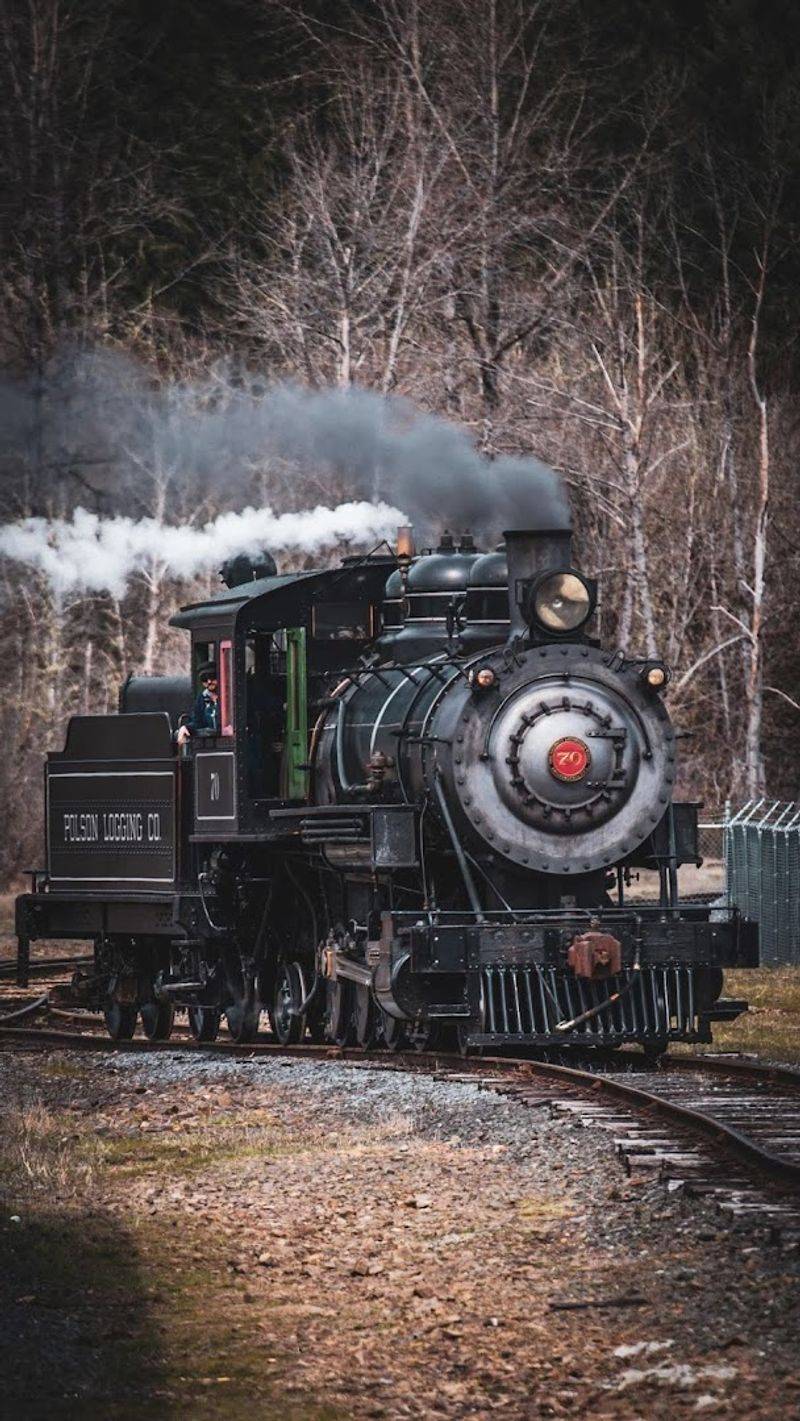
The locomotive pulling passengers along this route is not a replica or a prop. The railroad operates a genuine Baldwin steam locomotive, a piece of equipment with roughly 103 years of history behind it.
Baldwin Locomotive Works was once the largest locomotive manufacturer in the world, and seeing one of their engines still in active service is a genuinely rare thing. The machine runs on coal, and the sounds it produces while building pressure and moving down the track are unlike anything produced by modern transportation.
The age of the equipment is part of what makes this experience stand out from other scenic rail lines in the region. Staff members who work on board are knowledgeable about the engine’s history and happy to share details with curious passengers.
Enthusiasts who have ridden famous heritage lines like the Durango and Silverton or the Cumbres and Toltec frequently compare this railroad favorably to those well-known routes.
The Route Through the Trees
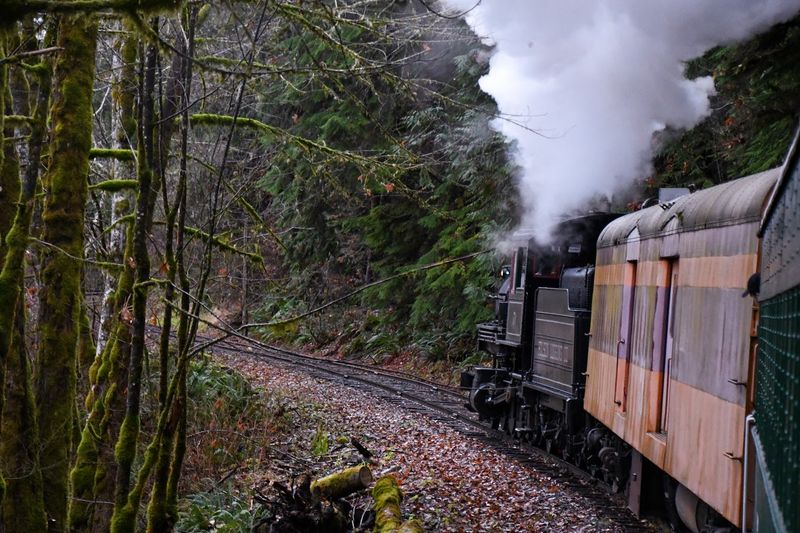
The train travels a roughly 14-mile round trip route through the forested foothills near Mount Rainier, following a path that runs alongside the Nisqually River for portions of the journey.
Much of the route passes through dense tree cover, which gives the ride a quiet, enclosed quality that feels removed from the highway world just a short distance away. The forest changes character depending on the season, with spring greenery and fall color offering the most visually rewarding trips.
Two river bridges appear along the way, and crossing them gives passengers a clear view down to the water below. Elk sightings along the tracks are not uncommon, and spotting a small herd near the rails is one of those unplanned moments that passengers tend to remember long after the trip ends.
Mount Rainier itself is only visible from one brief section of the route, so managing expectations about mountain views before boarding makes for a more enjoyable ride overall.
What the Passenger Cars Are Actually Like
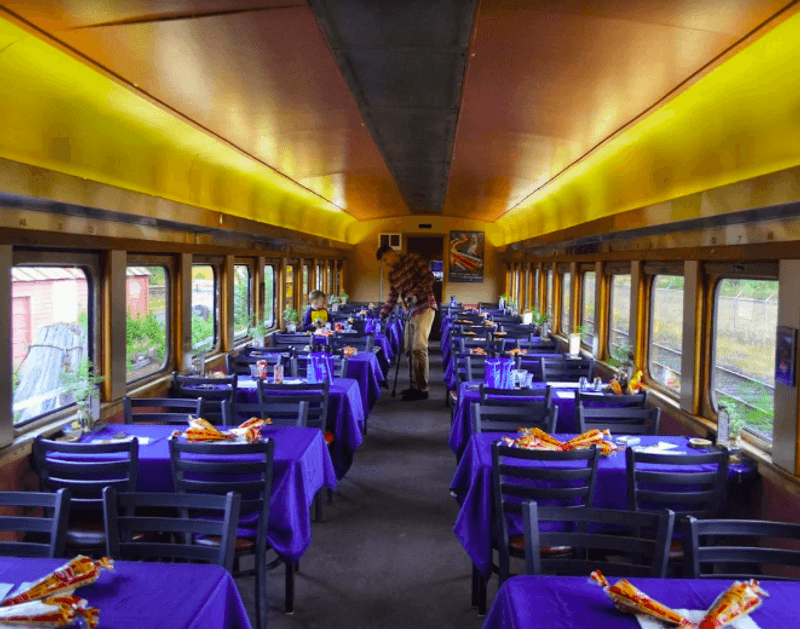
The passenger cars on board are vintage equipment, and the seating is part of what makes the experience feel different from modern travel. Seats can be converted into booth-style quad configurations, which works well for families who want to sit facing each other.
One of the most popular features of the train is the open-air car, which removes the barrier of glass between passengers and the outside environment entirely. The breeze and unobstructed views from that car are a favorite for both kids and adults, though dressing in layers is a smart call, particularly for spring or fall trips.
Passengers are free to move between cars while the train is in motion, which adds a sense of freedom and adventure to the ride. That ability to roam the length of the train is something children especially enjoy, and it keeps the experience from feeling static.
Arriving early secures the best seating choices before the cars fill up.
The Gift Shop Worth Exploring
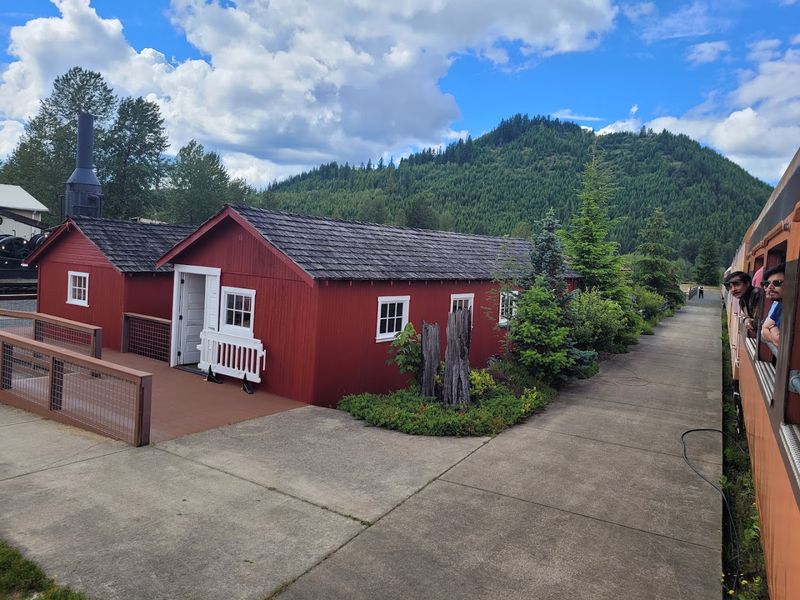
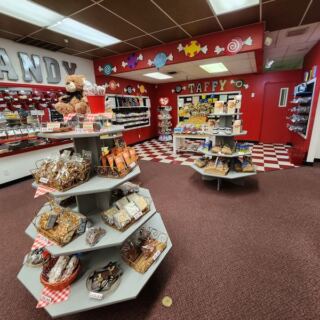
The gift shop at the depot tends to get crowded on busy operating days, which is actually a good sign. It carries a solid range of train-themed souvenirs, and the pricing is considered reasonable by most who browse through it.
One detail that regular visitors appreciate is the physical train ticket. Purchased tickets are actual printed keepsakes that passengers can hold onto as souvenirs after the trip, which gives the whole experience a tactile, old-fashioned quality that digital tickets simply cannot replicate.
Staff inside the gift shop are known for being helpful and forthcoming with information about the various ride options and upgrades available. On one occasion, a staff member proactively informed guests about a premium car option that significantly improved their overall trip.
For anyone who collects railroad memorabilia or wants a tangible reminder of the visit, the shop delivers without requiring a large budget. It is a small space, but it is thoughtfully stocked and worth the few minutes it takes to walk through.
The River Bridges and What They Reveal
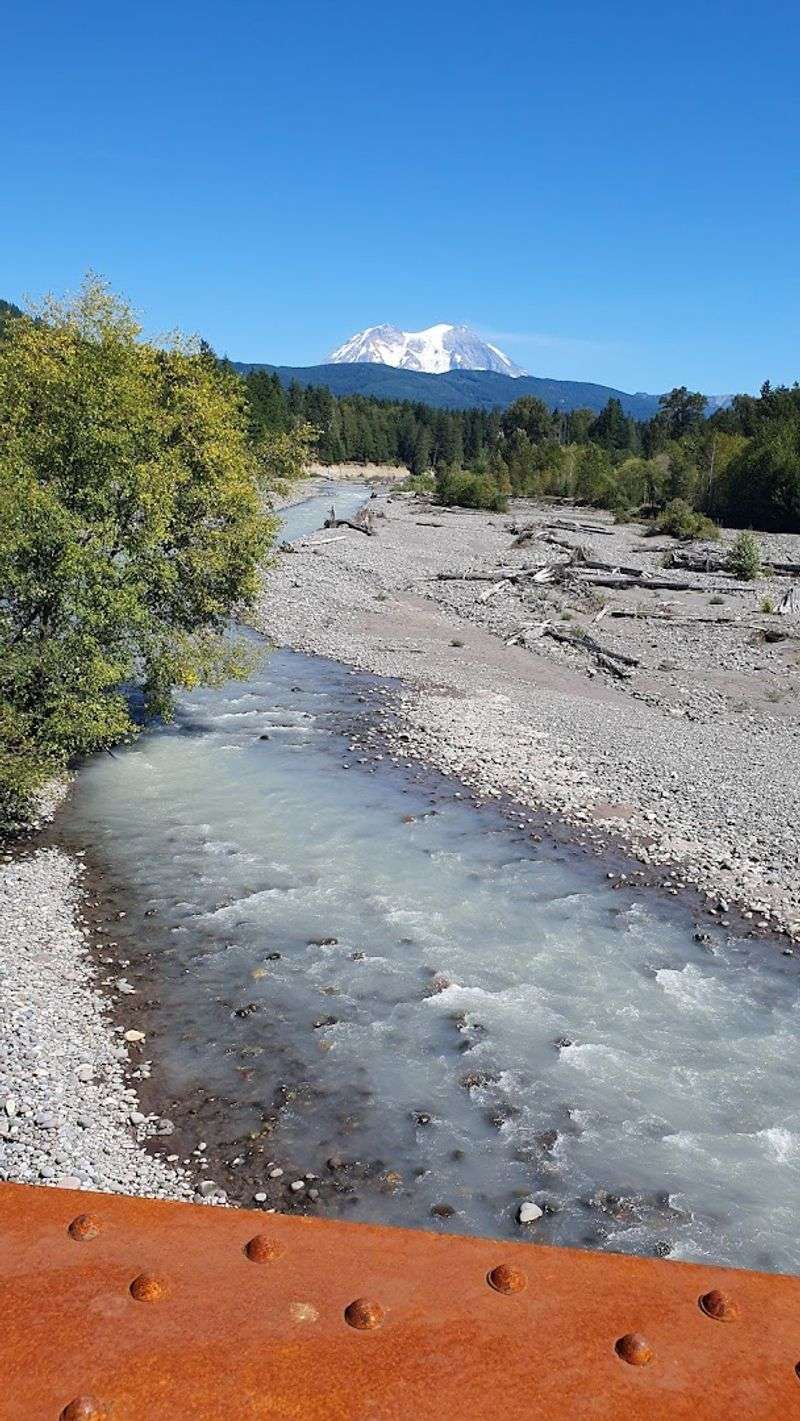
Two bridges appear along the route, and crossing them is a highlight that passengers mention consistently. The Nisqually River runs below, and the elevation of the bridge decks puts passengers directly above the water with clear sightlines in both directions.
The bridges themselves are historic structures, and the sound of the train crossing them adds to the overall atmosphere of the trip. Staff members have been known to share background information about the bridges during the journey, adding historical context to what might otherwise just be a visual moment.
River levels vary by season, with spring runoff producing the most dramatic views and late summer or early fall sometimes leaving the riverbed looking lower and quieter. Flooding events have occasionally caused visible changes to the riverbanks, which passengers crossing the bridges after heavy rain seasons have noted.
Either way, the bridge crossings consistently rank among the most talked-about moments of the 90-minute round trip, regardless of what the water level happens to be on any given day.
How the Train Actually Turns Around
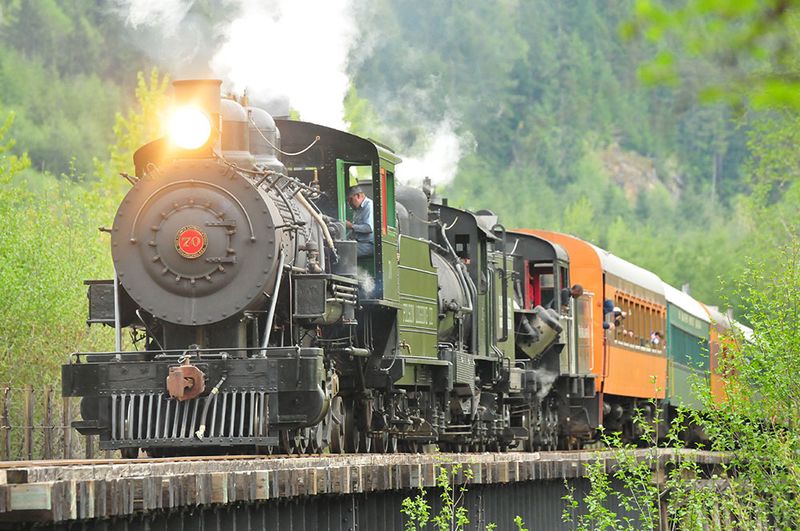
At the far end of the route, the train does not simply loop back. The locomotive decouples from the passenger cars, travels down the track ahead, then reverses back and reattaches to what was previously the rear of the train.
This maneuver allows the engine to pull the cars back in the direction they came from.
Watching this process from the platform or from inside the cars is one of those unexpectedly entertaining moments that passengers who did not know about it beforehand find genuinely surprising. It is a practical piece of railroad mechanics that also happens to be fun to watch.
Children especially tend to be captivated by the switchback process, and it gives the mid-point of the trip a natural pause and point of interest beyond just the scenery. Adults with any interest in how trains actually operate find it equally engaging.
The whole maneuver takes only a few minutes, but it is one of the details that makes this railroad feel authentically operational rather than theatrical.
Practical Tips Before You Board
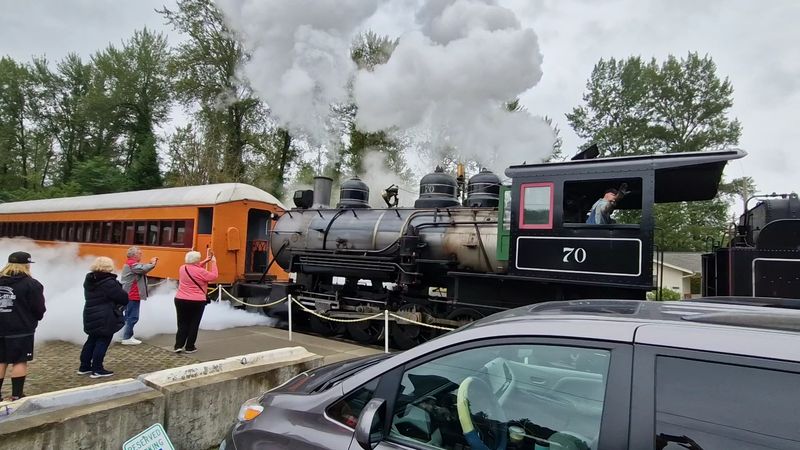
A few practical details can make the difference between a smooth visit and a frustrating one. Tickets should be purchased online in advance, since rides sell out regularly, particularly on weekends and during themed seasonal events.
Showing up without a reservation is a gamble that does not always pay off.
Arriving at least 30 minutes before the scheduled departure time is strongly recommended for anyone traveling with a group, since seating is first come, first served once passengers board. Getting there early also allows time to browse the gift shop and get settled before the platform becomes crowded.
Dressing in layers is wise for any season, since the open-air car can be noticeably cooler than the enclosed cars, and Washington weather shifts quickly in the foothills. Bringing a light jacket even on warm days covers the possibility of cloud cover or a breeze picking up mid-ride.
The concession stand on board offers snacks and drinks, but options are limited, so packing a few personal snacks is a reasonable backup plan.
Accessibility at the Depot and on Board
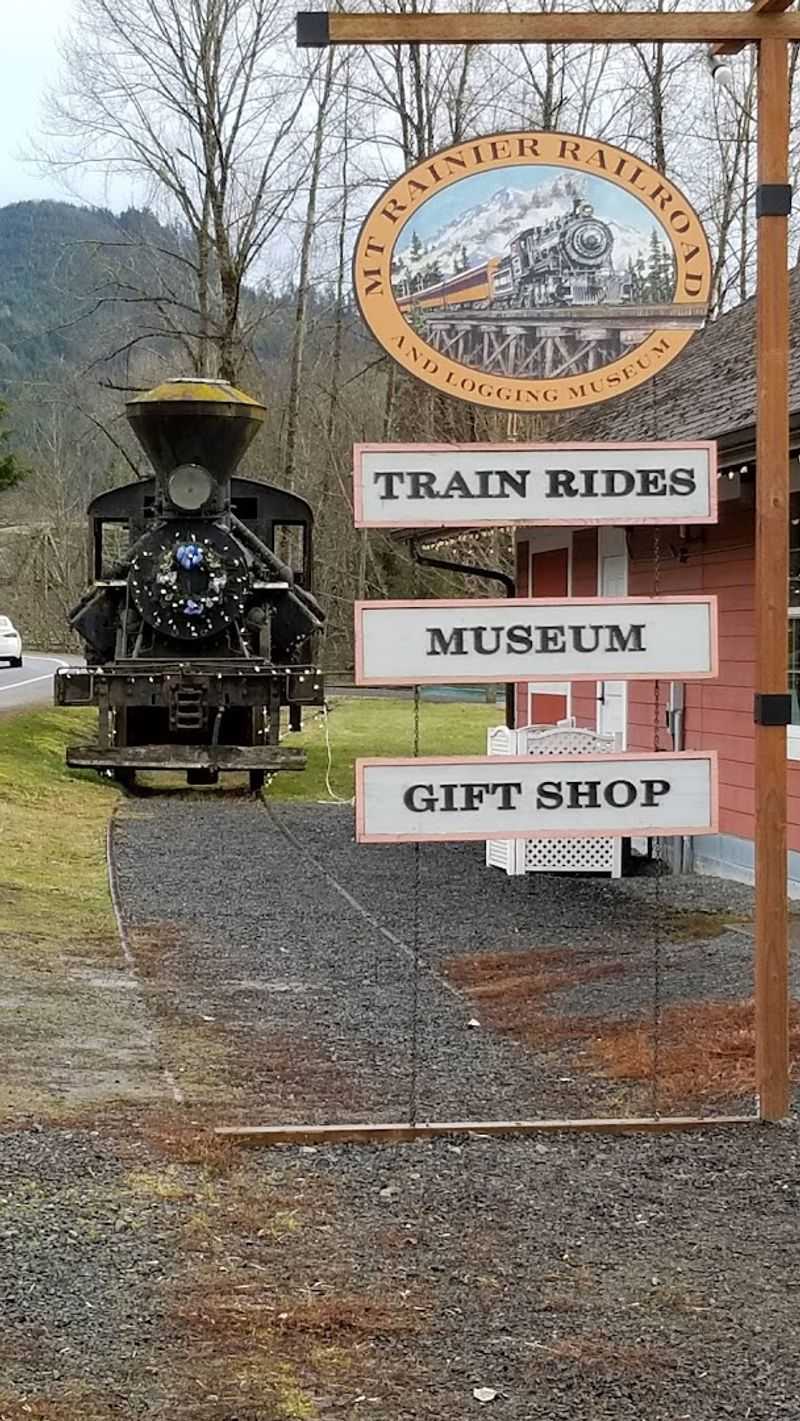
The railroad does provide some accessibility options, including an automatic chair lift for boarding the train. For passengers who need it, this feature makes getting on and off the cars manageable without requiring assistance from other people.
However, the depot and surrounding areas present real challenges for anyone using a mobility device. There is roughly 200 feet of gravel between the paved parking lot and the platform, which can be difficult to navigate in a wheelchair.
The gift shop is also described as tight on space for chair users.
Once on board, the width of the aisles and the layout of the cars can be limiting for wheelchairs wider than 27 inches. The railroad’s website does note this restriction, so checking those details before booking is important for anyone with specific mobility needs.
Planning a visit with full awareness of these limitations helps set realistic expectations and avoids surprises on the day of the trip.
The Best Seasons to Visit and Why
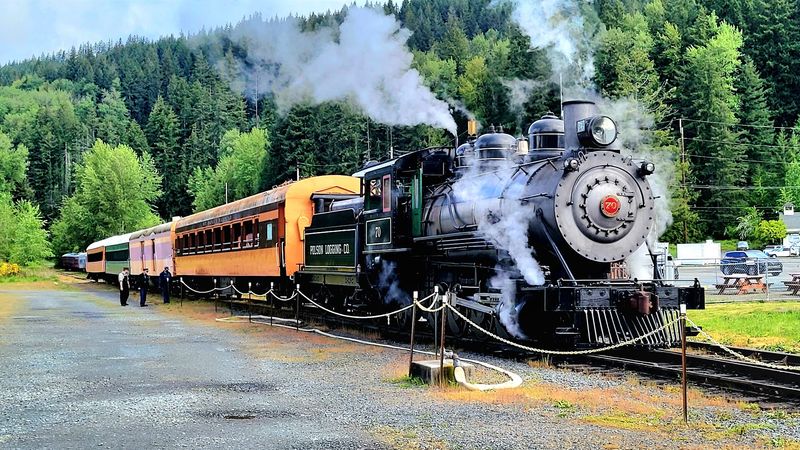
The route looks noticeably different depending on what time of year the trip happens. Spring and fall are widely considered the strongest seasons for the scenic experience, with spring greenery and fall color both adding visual interest to the otherwise densely forested corridor.
Winter trips can be rewarding when snow is on the ground, creating a quieter, more atmospheric journey. Without snow, the bare trees and muted tones make the landscape feel less dynamic, which is worth knowing before booking a January or February ride.
Summer is reliable for clear weather and the possibility of seeing Mount Rainier from the brief stretch of the route where the mountain becomes visible. The mountain is not guaranteed to appear even on clear days, so treating any view of it as a bonus rather than a certainty keeps expectations realistic.
Fall, with its mix of color and cooler temperatures, consistently earns praise as the most photogenic season for the trip from passengers who have ridden the route multiple times.
The Town of Elbe and Its Quiet Charm
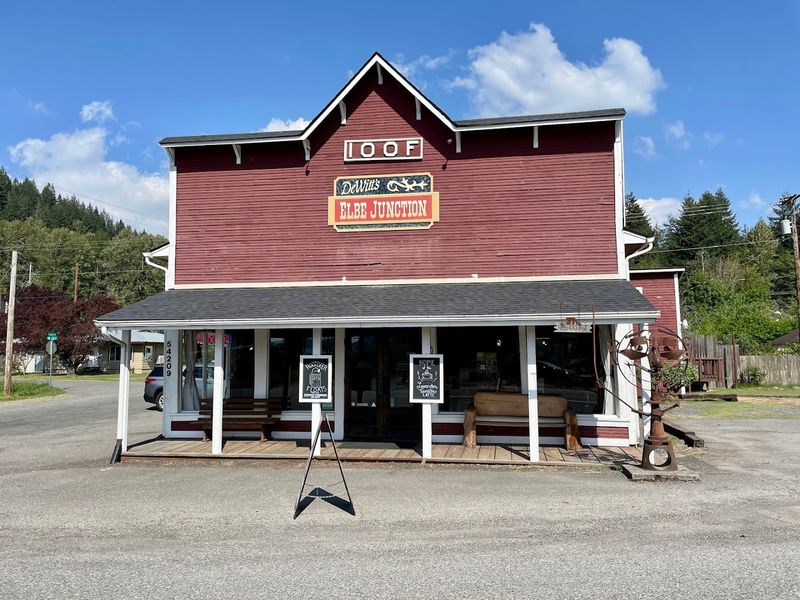
Elbe is the kind of town that exists almost entirely outside the awareness of people who have not specifically sought it out. The population is small, the pace is slow, and the surrounding landscape does most of the talking.
The town sits along Mountain Highway East, which is the same road that leads toward the entrance to Mount Rainier National Park. That geography puts Elbe in an interesting position as a stopping point for travelers heading into the park, and the railroad gives those travelers a compelling reason to pause rather than pass through.
A few other small businesses and local landmarks dot the area around the depot, and the overall atmosphere of the town has a genuinely unhurried quality that contrasts sharply with the urban centers most visitors are coming from.
Spending a bit of time in the town before or after a train ride adds context to the experience and helps explain why some families have turned this place into a yearly tradition rather than a one-time outing.
What Makes This Railroad Stand Out From Other Heritage Lines
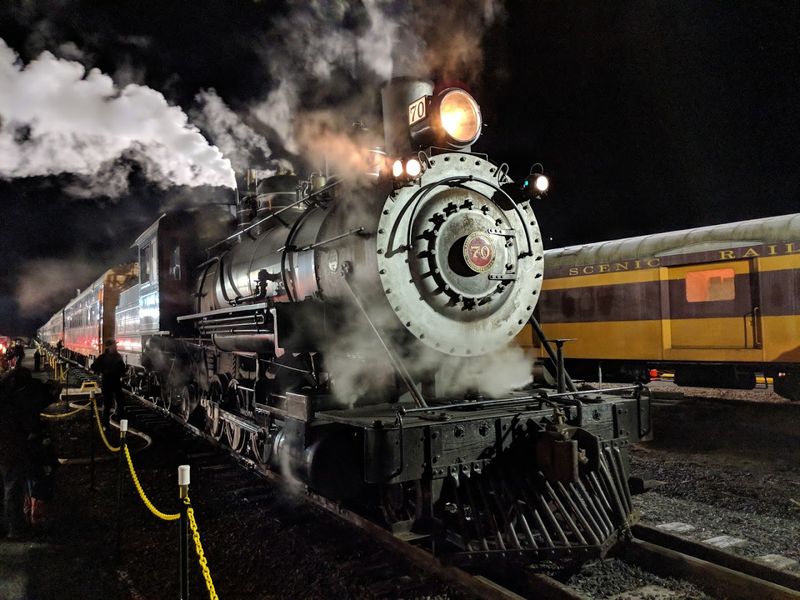
Heritage railroads exist in several corners of the United States, but not all of them operate with equipment that is genuinely over a century old and still in active service. That distinction matters to rail enthusiasts and casual riders alike.
The combination of a working Baldwin steam locomotive, a forest route with river crossings, and a small-town depot setting creates an experience that feels less like a tourist attraction and more like a functioning piece of living history. The staff’s evident passion for the railroad adds to that quality.
Passengers who have ridden the Durango and Silverton or the Cumbres and Toltec lines have placed this railroad in the same category for overall enjoyment and authenticity. That is meaningful company for a regional heritage line operating out of a town most people would have trouble finding on a map.
The 90-minute round trip is just long enough to feel like a real journey without requiring a full day commitment from families with varying attention spans.
A Closing Ride Through Time
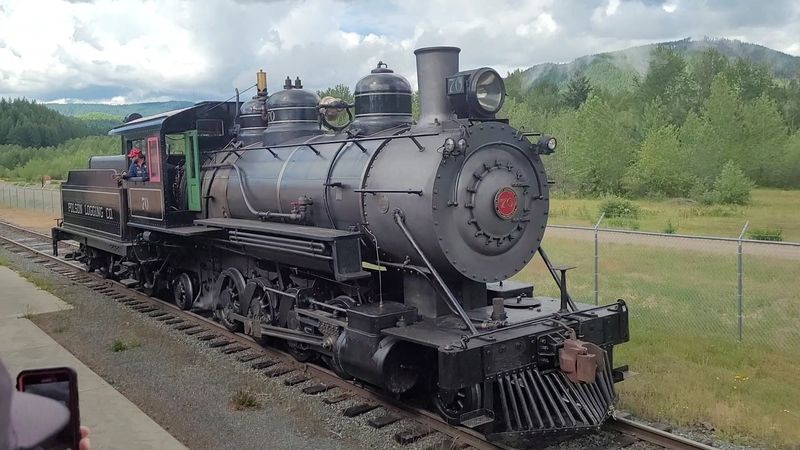
There is something quietly powerful about a place that has held onto the past without turning it into a performance. The Mt.
Rainier Scenic Railroad in Elbe does exactly that, running real equipment on real tracks through a landscape that has not changed dramatically in decades.
The ride will not suit every traveler. Those expecting dramatic mountain panoramas for the full 90 minutes may find the forest-heavy route underwhelming.
But for anyone drawn to the idea of genuine heritage travel, the experience delivers something that very few places in the Pacific Northwest can match.
Families return year after year. Rail enthusiasts make the trip specifically to ride behind a functioning Baldwin locomotive.
Parents bring young children who have never seen a steam engine in motion and watch them react to something completely outside their normal frame of reference.
Whatever brings someone to that small depot on Mountain Highway East, the train leaves on schedule, the steam rises above the trees, and for 90 minutes, the modern world waits at the platform.
Where the Journey Actually Begins
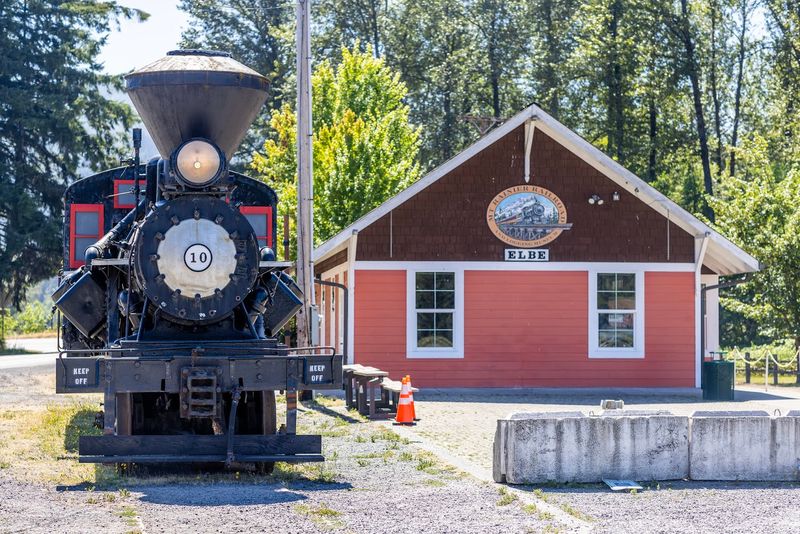
The Mt. Rainier Scenic Railroad is located at 54124 Mountain Hwy E, Elbe, WA 98330, a small community in Pierce County, Washington, sitting in the shadow of the Cascade Range.
Elbe itself is one of those blink-and-you-miss-it towns, but the depot area has real character. There is a gift shop, a concession stand, and an outdoor platform where passengers wait to board.
The station draws a steady crowd on operating days, which run Thursday through Sunday, with hours typically from 10 AM to 5 PM, though Friday hours begin at 9 AM. Tickets sell out regularly, especially on weekends and during special seasonal events, so booking online ahead of time is strongly recommended.
Getting there at least 30 minutes before departure is a smart move for families, since seating is first come, first served. The parking lot is paved, but there is a gravel stretch between the lot and the platform worth noting before arrival.
Share this story