 Unearth The Voyage
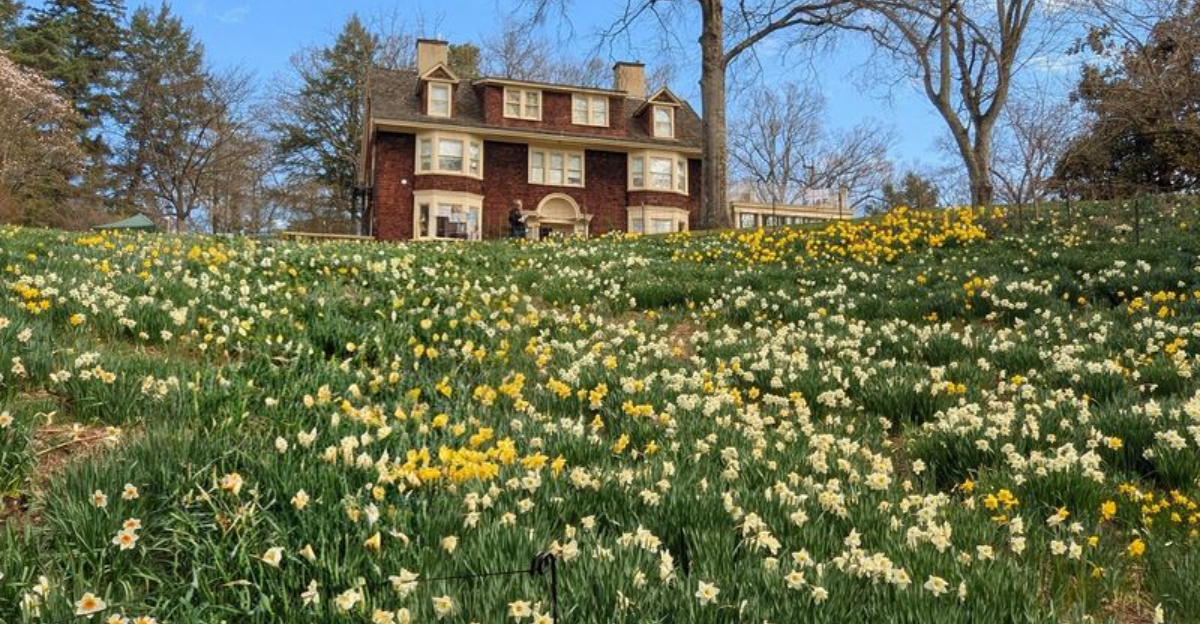
There is a place in Summit, New Jersey, where flowering gardens meet wooded trails and a 19th-century estate stands quietly at the center of it all. Most people drive past without knowing it exists, which makes discovering it feel like finding something truly worth keeping.
This spot packs an impressive amount of beauty, history, and outdoor activity into just over five acres. From the famous daffodil bowl that draws crowds every spring to the rotating art exhibits inside the historic mansion, this destination rewards every kind of visitor.
Families bring kids for story book trails, couples come for afternoon tea, and solo wanderers show up just to sit on a bench and let the afternoon pass. Whether you visit once or return every season, this Summit destination has a way of leaving a lasting impression that keeps pulling people back.
Where to Find It and What to Expect
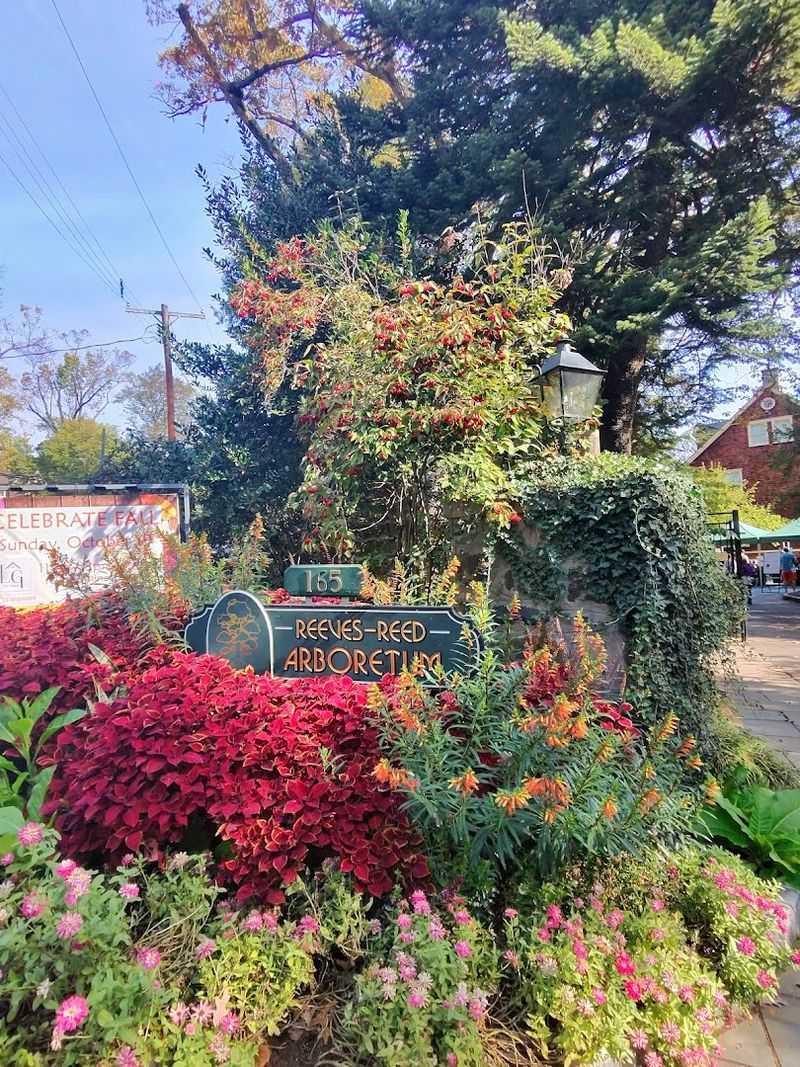
Tucked inside a residential neighborhood in Summit, New Jersey, the Reeves-Reed Arboretum sits at 165 Hobart Ave, Summit, NJ 07901. The grounds are open every day of the week from 7 AM to 7 PM, which gives early risers and late-afternoon wanderers equal access to its five-plus acres of gardens and trails.
Getting there is straightforward. Street parking is available along nearby roads, and there is a small lot inside the fence with a few handicap-accessible spaces.
On weekdays especially, finding a spot tends to be easy.
There is no steep admission cost for general entry, though special events like Daffodil Days carry a modest fee of around ten dollars. The arboretum website at reeves-reedarboretum.org is the best place to check upcoming programs, tea reservations, and seasonal highlights before planning a trip.
Two hours is generally enough time to explore the full property comfortably.
The History Behind the Historic Estate
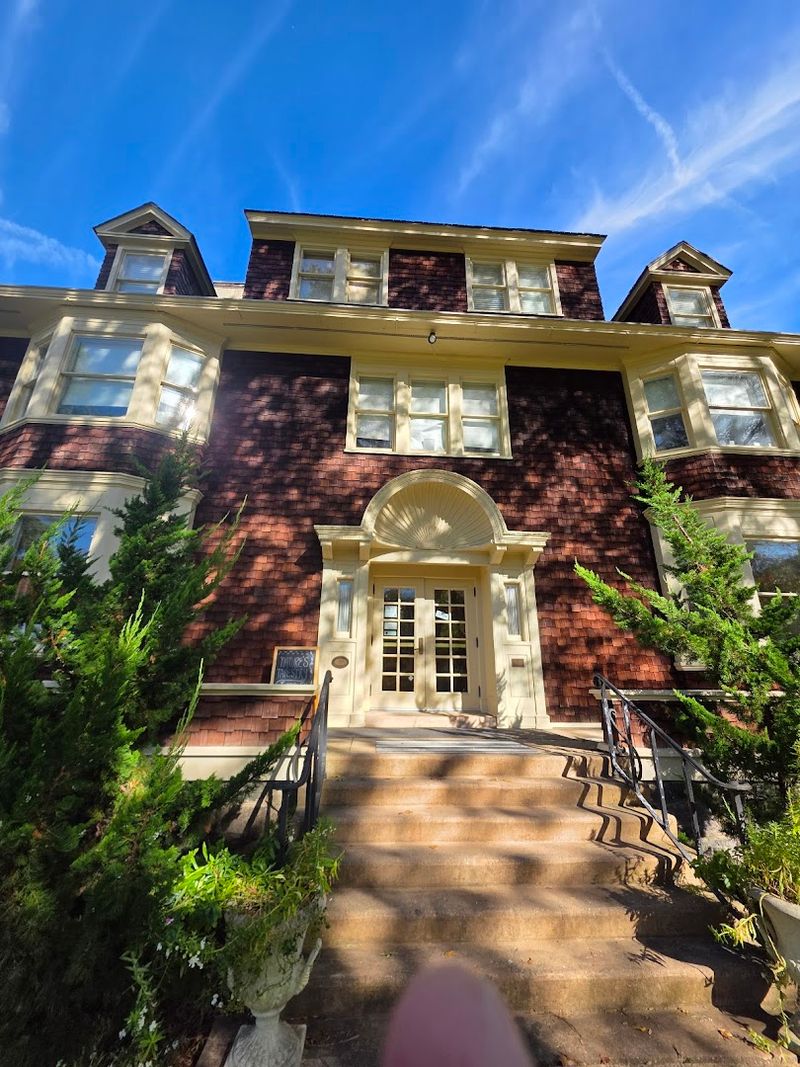
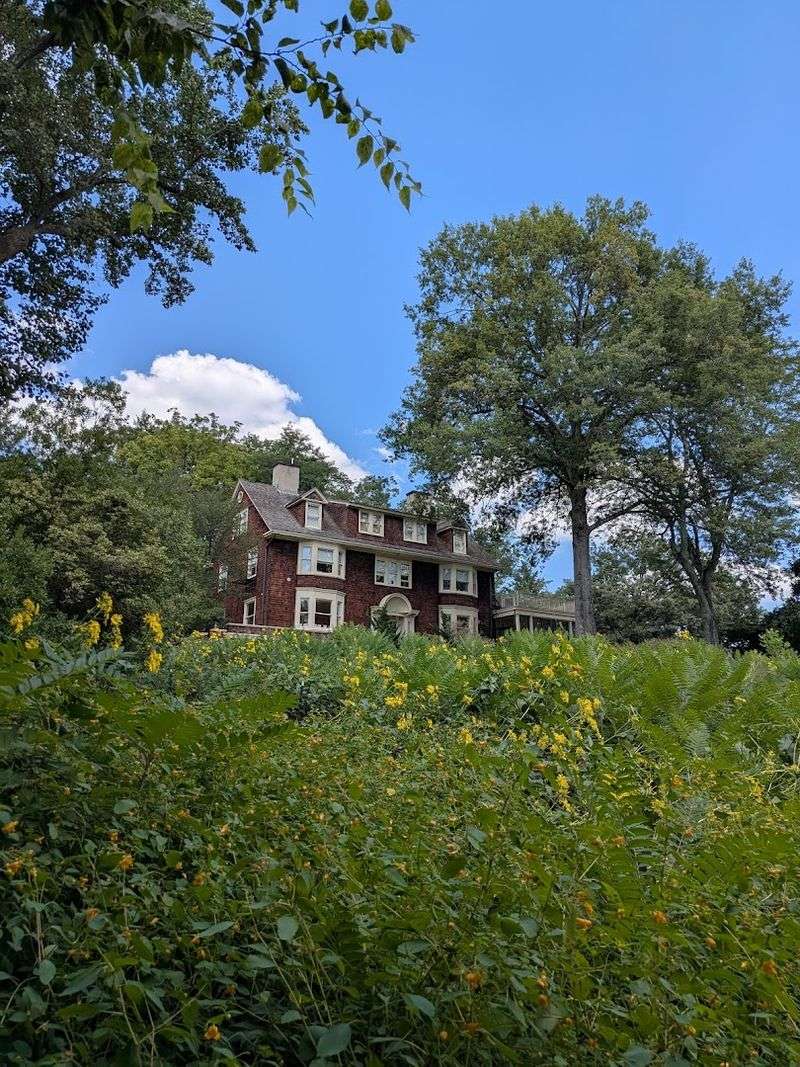
Long before the arboretum became a public destination, the property was a private estate with roots stretching back to the 19th century. The main house on the grounds reflects that era in its architecture and its quiet, dignified presence among the gardens.
The estate passed through several notable families over the decades, each leaving their mark on the landscape. The Reed family, whose name appears in the arboretum’s title, was among the last private owners before the property transitioned into its current role as a public green space and educational center.
Today the mansion is only open on weekdays, so timing a visit to include a look inside is worth planning ahead. The interior occasionally hosts art exhibitions with rotating displays that complement the outdoor experience.
The combination of architectural history and living horticulture gives the arboretum a depth that purely modern green spaces rarely achieve.
The Daffodil Bowl That Stops Everyone in Their Tracks
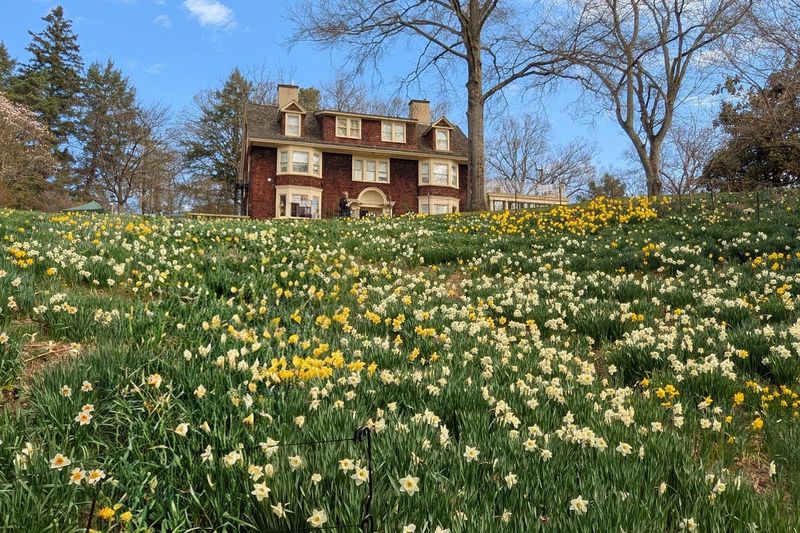
Every spring, the arboretum becomes the talk of Summit thanks to one spectacular feature: the daffodil bowl. This sweeping, bowl-shaped area fills with thousands of yellow daffodils in full bloom, creating a display that draws visitors from well beyond the local area.
The bloom window is short, typically arriving in early April, which makes timing the visit part of the adventure. Coming a week too late means catching the tail end of the display, while arriving at peak bloom means walking into one of the most photogenic natural scenes in all of northern New Jersey.
During Daffodil Days, the arboretum charges a small entry fee and often hosts additional programming. Even after the daffodils fade, the bowl area remains a lovely open space surrounded by trees and garden beds.
The daffodil bowl alone is reason enough to put this destination on the calendar every spring without fail.
Spring Blooms Beyond the Daffodils
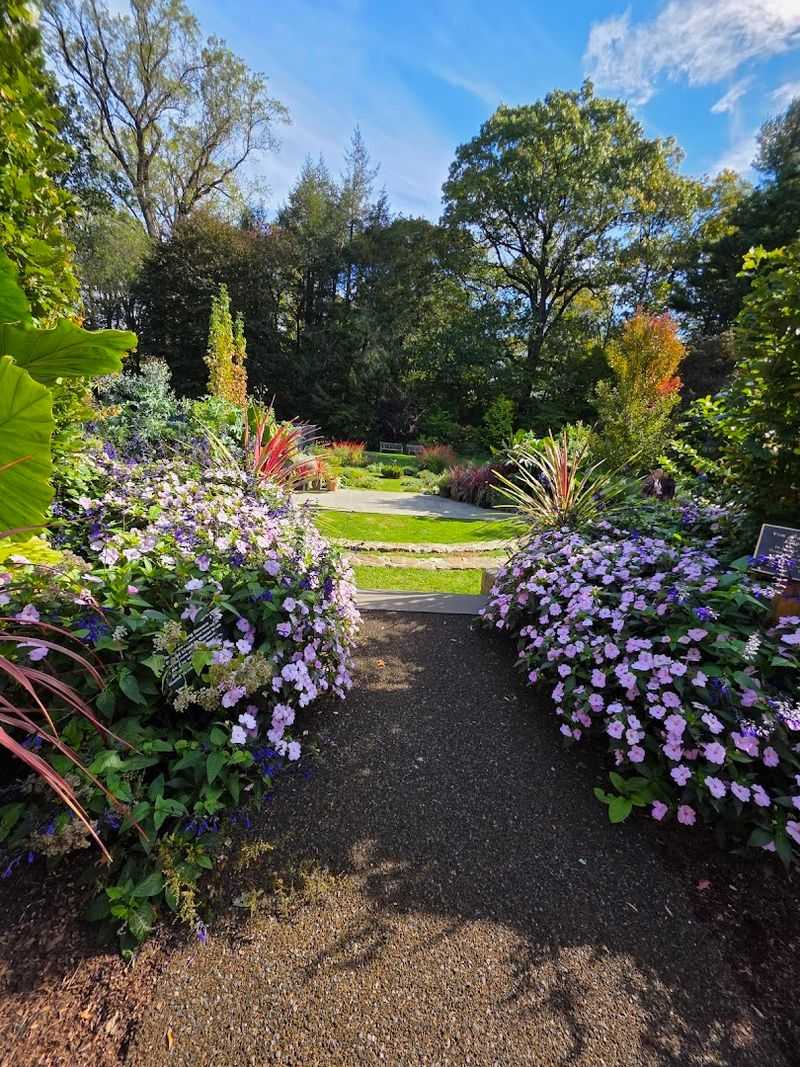
The daffodil bowl gets most of the attention, but the weeks that follow bring an entirely different garden show. Azaleas, tree peonies, columbine, iris, and flowering trees take over as April turns into May, layering the grounds with color in ways that feel almost theatrical.
Visitors who return after Daffodil Days are often surprised by how much the property transforms. The formal garden beds shift from yellow and white to deep purples, pinks, and reds as the season progresses.
Each plant seems to have its own moment in the spotlight.
The arboretum staff maintains these garden beds with obvious care. Plant identification markers throughout the property make it easy to learn what is growing and when to expect it at its best.
For anyone who wants to plan a visit around peak bloom, checking the arboretum website ahead of time is a reliable way to catch the right week.
Formal Gardens That Reward a Slow Pace
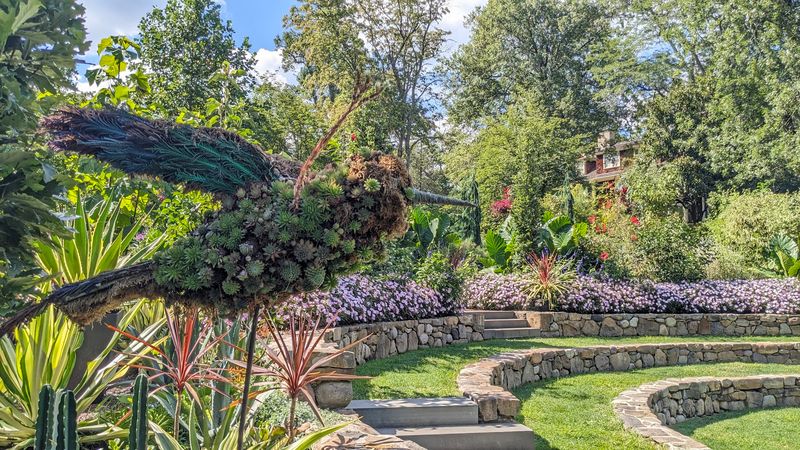
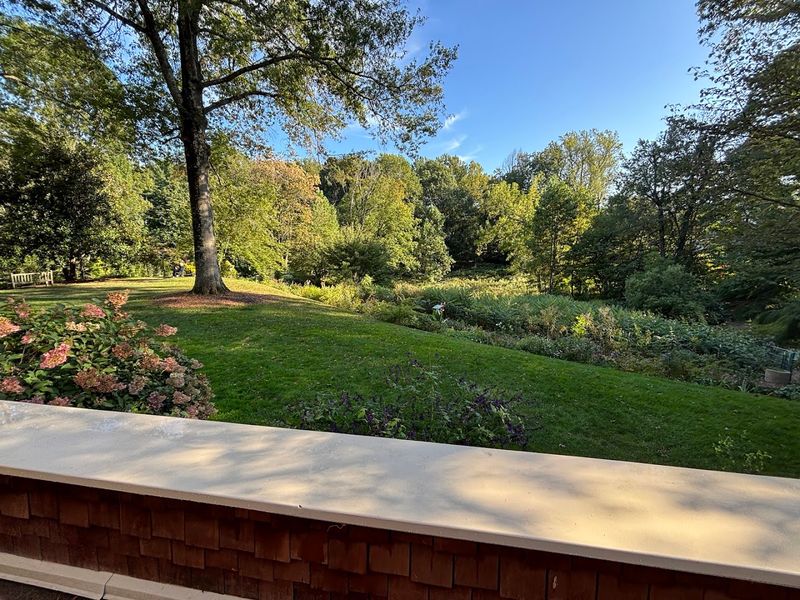
The formal gardens at the arboretum are the kind of place that looks better the slower you walk. Winding paths connect different garden sections, each one planted with a different combination of perennials, shrubs, and ornamental trees.
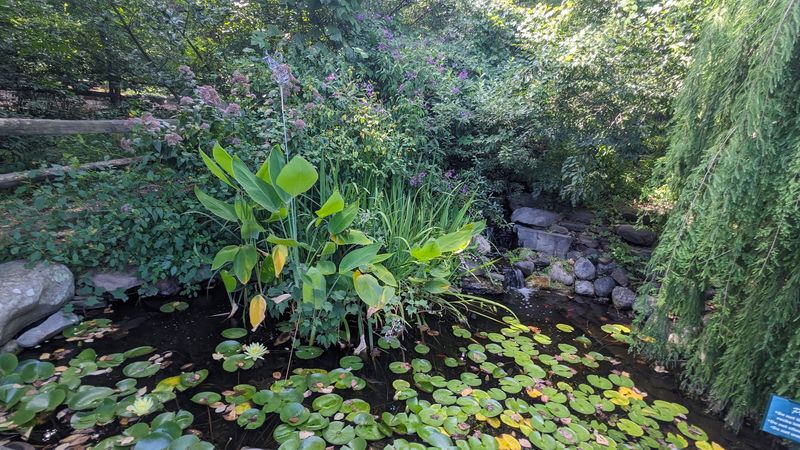
Stone features and small ponds add structure and visual interest throughout.
Benches are placed at regular intervals, which makes the garden accessible for all ages and fitness levels. Sitting down and observing the garden from a fixed point reveals details that a quick walk-through would miss entirely.
The planting design clearly reflects years of thoughtful horticultural decision-making.
Small ponds with water features appear in certain sections of the formal garden, adding a calm visual element to the overall layout. Art sculptures are scattered across the landscape as well, appearing unexpectedly around corners and along paths.
These artistic additions give the garden a gallery-like quality that sets it apart from more conventional green spaces.
Wooded Trails for a Different Kind of Walk
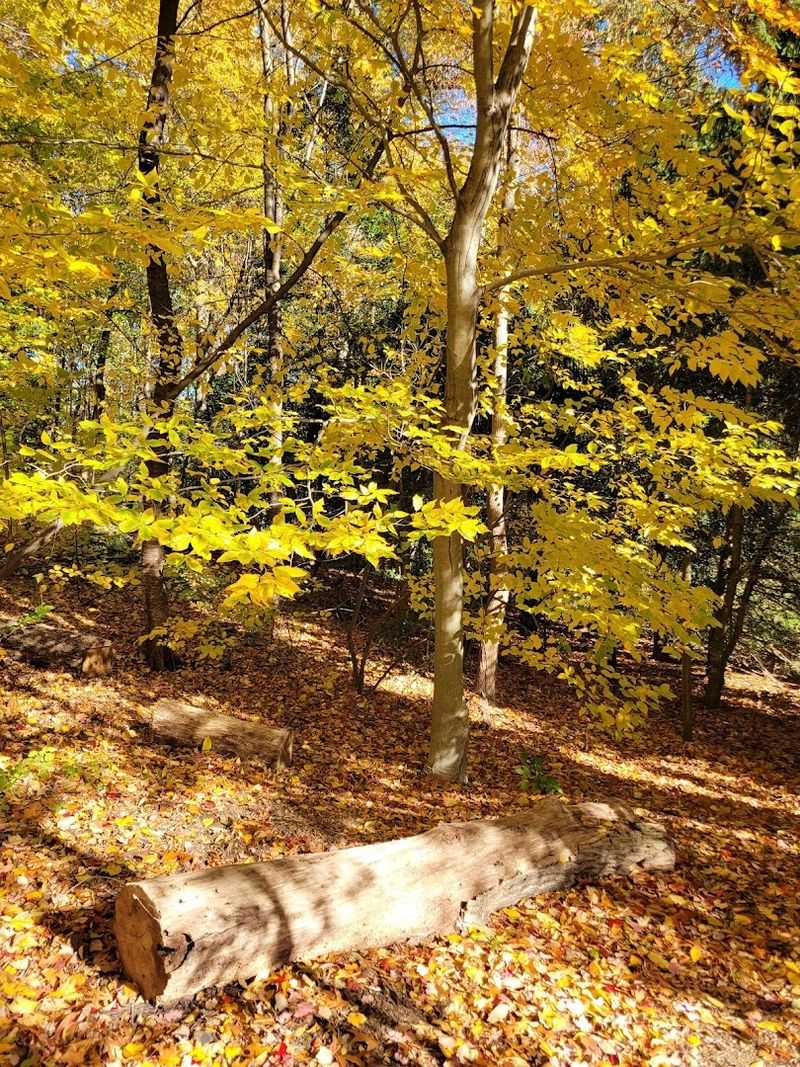
Beyond the formal gardens, the arboretum includes a network of short wooded trails that feel like a completely different world. Tall, mature trees create a canopy overhead, and the paths wind through natural woodland that contrasts sharply with the cultivated garden areas nearby.
The trails are easy to navigate, though some of the entrances can be a little tricky to spot on a first visit. Most paths are short, which makes them well-suited for families with young children or anyone who prefers a manageable distance.
The woodland section is well-shaded, which is especially welcome during warmer months.
Wildlife is a regular presence along the trails. Birds, squirrels, and other small animals that make the arboretum their home can often be spotted without much effort.
The contrast between the open, sunny formal gardens and the quieter wooded trails gives the arboretum a range of experiences that few five-acre properties manage to deliver.
The Story Book Trail for Young Explorers
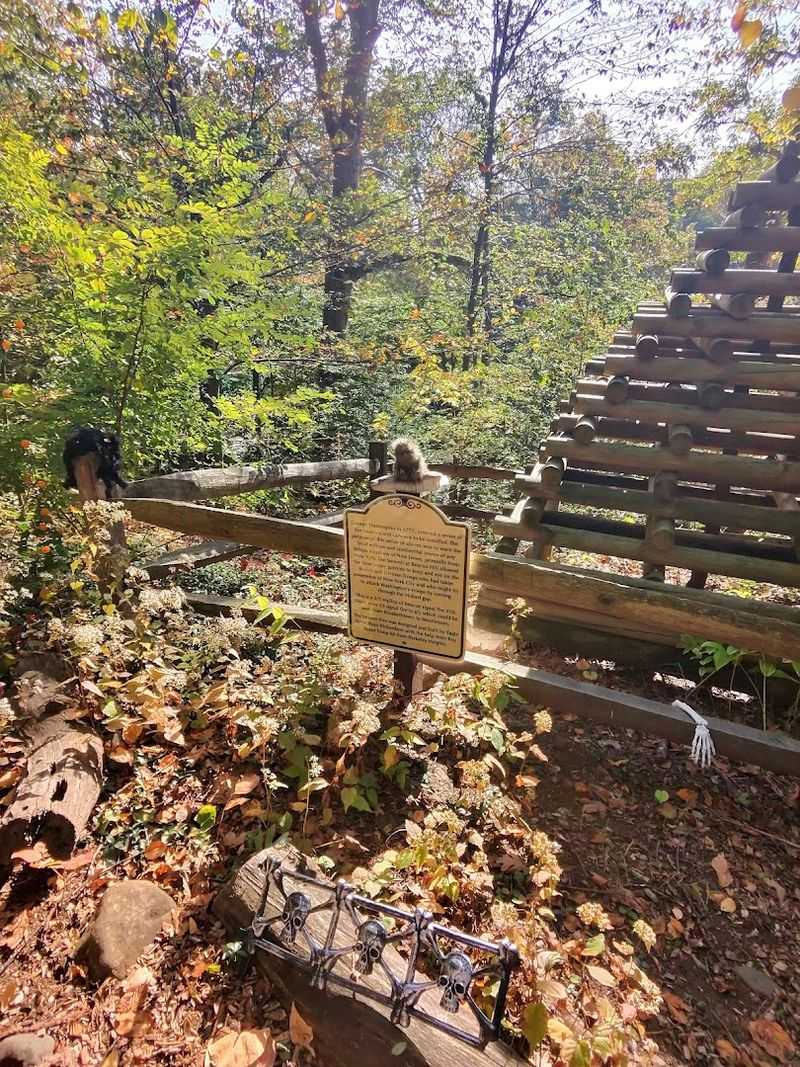
One of the more creative features at the arboretum is the story book trail, a path where illustrated pages from a children’s book are posted at intervals along the route. Kids follow the story as they walk, turning a simple outdoor stroll into an interactive reading adventure.
This kind of programming reflects the arboretum’s broader commitment to education and community engagement. It makes the property genuinely fun for families with toddlers and early elementary-aged children who might otherwise lose interest in a garden visit.
Parents often report that kids who resist outdoor activities find themselves eagerly running ahead to read the next page.
The story book trail changes periodically, so repeat visits offer a fresh experience each time. It is one of those small touches that shows how much thought goes into making the arboretum welcoming for every age group, not just dedicated plant enthusiasts.
A family outing here rarely feels like a hard sell.
Afternoon Tea in the Historic House
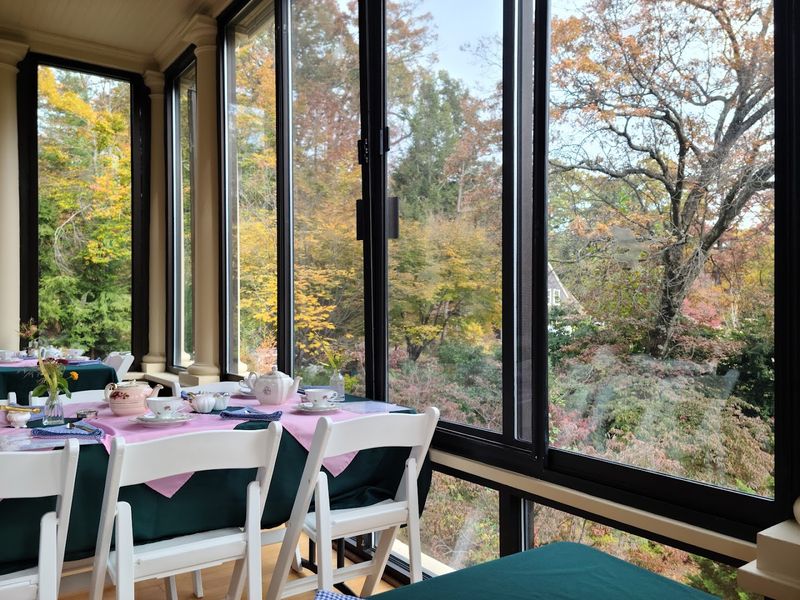
Among the more unexpected offerings at the arboretum is the afternoon tea experience held inside the historic house. Reservations fill up quickly, so booking well in advance is strongly recommended for anyone hoping to secure a spot.
The tea room has a reputation for being warmly hosted and thoughtfully arranged.
The setting inside the mansion adds a layer of charm that a typical tearoom cannot replicate. Surrounded by original architectural details and garden views through the windows, the experience feels genuinely special rather than staged.
The tea sets themselves are noted for being particularly well-chosen and charming.
Afternoon tea events tend to draw a mix of longtime locals and first-time visitors who discovered the arboretum specifically because of this offering. The combination of a historic house, beautiful garden surroundings, and a carefully prepared tea service creates an afternoon that feels far removed from the everyday routine.
Checking the arboretum website for available dates is the first step.
Art Exhibitions That Change With the Seasons
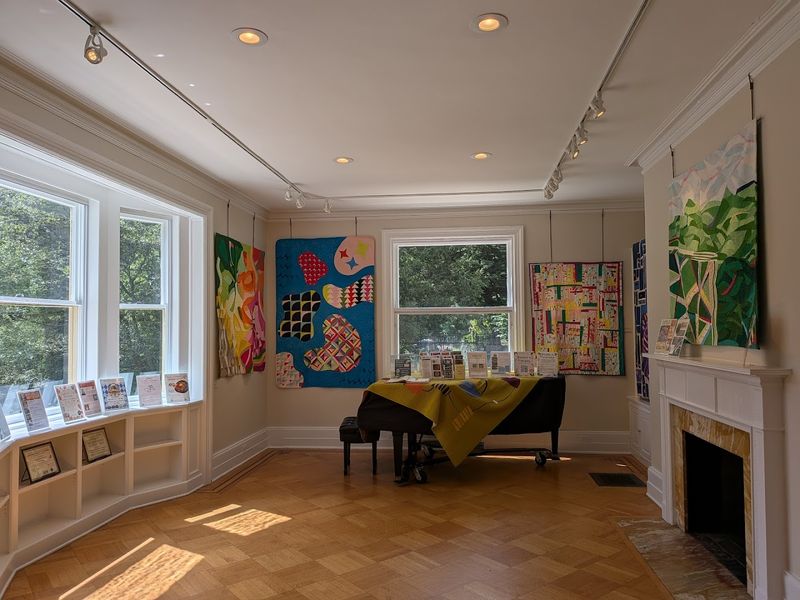
The arboretum is not just about plants. The historic mansion on the property hosts rotating art exhibitions throughout the year, turning the building into a small but genuinely engaging gallery space.
The exhibits tend to feature work by local and regional artists, and the rotating schedule means the interior looks different with each visit.
Walking through a gallery inside a 19th-century estate adds a dimension to the art-viewing experience that a conventional white-walled gallery cannot match. The architecture itself becomes part of the context for the work on display.
Several visitors who came primarily for the gardens have noted being pleasantly surprised by the quality and variety of the exhibitions.
The gallery is typically accessible on weekdays when the mansion is open to the public. Outdoor sculpture installations also appear on the grounds from time to time, extending the artistic experience beyond the walls of the house.
The combination of horticulture and visual art gives the arboretum a cultural richness that deepens every visit.
Accessibility and Practical Visitor Information
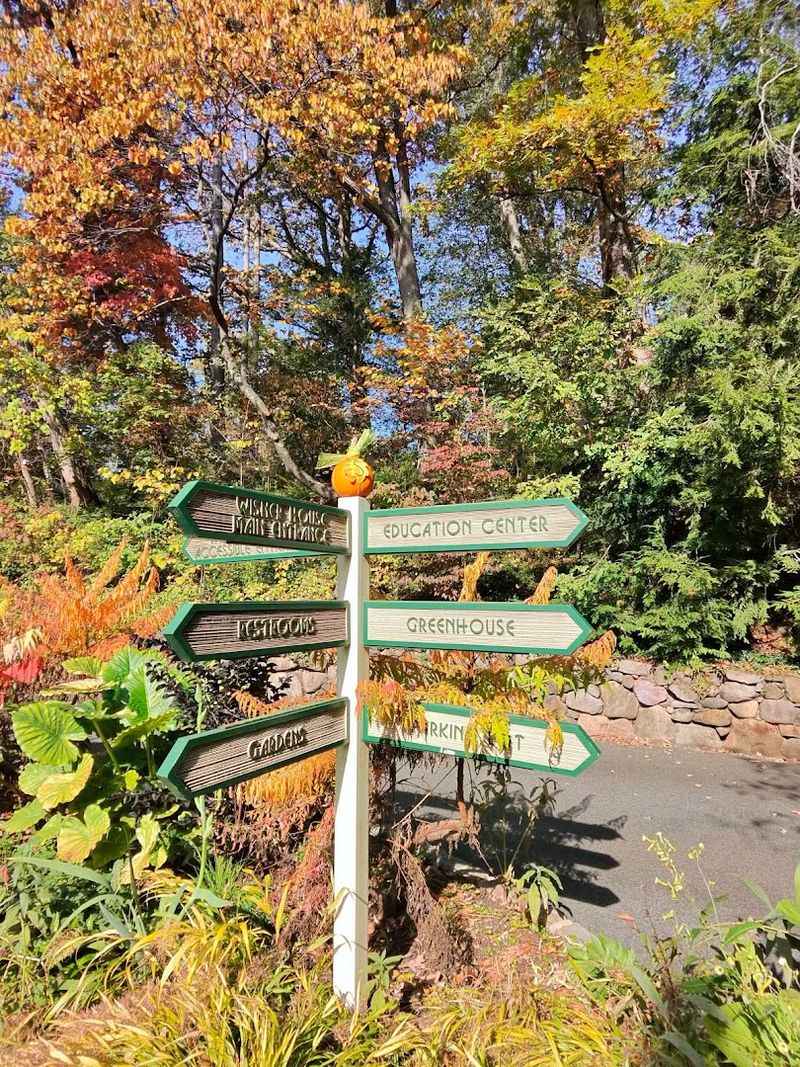
The arboretum makes a genuine effort to be accessible to a wide range of visitors. Several pathways include ramps that accommodate wheelchairs and strollers, though it is worth noting that some of these ramps involve slopes rather than flat surfaces.
Not every trail has railings, but most accessible paths are clearly marked and shorter in length.
Restroom facilities are available on the property, though there is currently only one restroom serving all visitors. During busy periods, this can create a brief wait.
There are no food concessions on-site, so bringing a packed lunch or snacks is a practical move, especially for families planning a longer visit.
Picnic spots exist throughout the grounds, particularly in the back areas of the property. The combination of accessible paths, benches placed at regular intervals, and shaded walkways makes the arboretum a genuinely comfortable destination for older adults and those with mobility considerations.
Planning ahead ensures a smoother, more enjoyable experience overall.
The Best Times of Year to Visit
Spring is undeniably the headline season at the arboretum. The daffodil bowl typically peaks in early April, followed by azaleas, peonies, and flowering trees through May.
This stretch of weeks represents the most visually dramatic period the property has to offer, and attendance reflects that popularity.
Summer brings lush green foliage and a quieter atmosphere. The gardens remain well-maintained, and the wooded trails offer shade that makes afternoon walks comfortable even on warm days.
Evening visits, which are possible until 7 PM, attract a smaller crowd and a noticeably calmer pace.
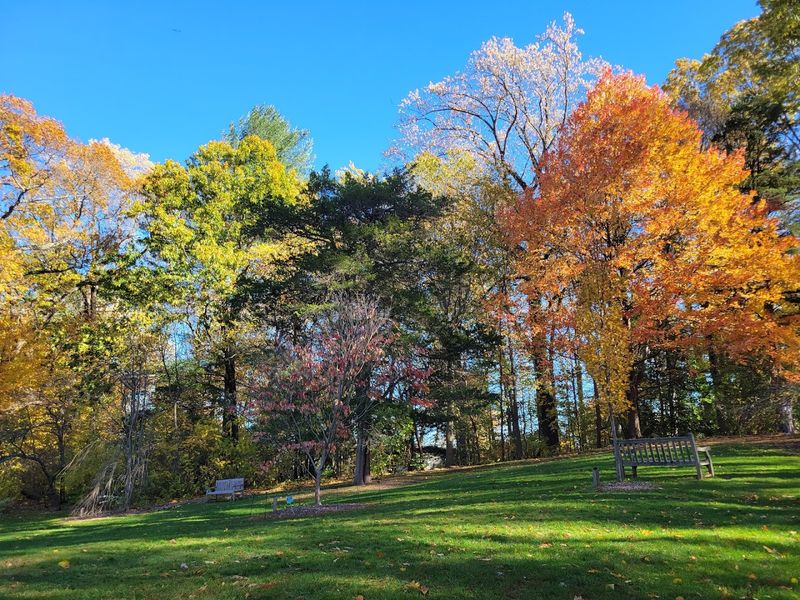
Fall brings its own appeal as trees shift color and the landscape takes on a different character entirely. Winter visits are quieter still, suited for those who appreciate the structural beauty of bare trees and garden architecture without the distraction of flowers.
Each season at the arboretum offers something genuinely worth seeing, which is why regulars tend to visit multiple times a year.
A Space That Feels Preserved on Purpose
Summit, New Jersey, sits in one of the most densely populated corridors in the entire country. The fact that a property like the Reeves-Reed Arboretum exists here, intact and thriving, is not an accident.
It reflects a deliberate community effort to protect green space in an area where development pressure is constant.
The arboretum operates as a nonprofit organization, relying on a combination of membership support, programming revenue, and community involvement to maintain its grounds and expand its educational mission. That nonprofit structure shapes the atmosphere of the place in ways that are hard to define but easy to notice.
There is a sense of shared ownership that runs through the arboretum experience. The grounds feel cared for not because someone has to but because a community has decided they matter.
Visiting becomes a small act of participation in something larger, a reminder that green spaces in urban and suburban areas require active protection to survive.
What Makes It Worth the Drive
Some destinations reward the effort it takes to get there, and this one earns that description honestly. Visitors have driven an hour or more specifically to see the daffodil bowl in bloom, and most leave saying the trip was worth every minute on the road.
The property is compact, but it delivers a surprisingly complete outdoor experience.
The combination of formal gardens, wooded trails, historic architecture, art exhibitions, and afternoon tea means the arboretum can anchor an entire day rather than just a quick stop. Nearby shopping and dining in Summit add options for those who want to extend the outing further into the afternoon or evening.
For families, couples, solo visitors, and anyone who appreciates thoughtfully maintained green spaces, this destination checks a long list of boxes. The arboretum does not try to be everything, but what it does offer, it does with consistency and care that keeps people coming back season after season.
A Quiet Closing Note on Why This Place Matters
Not every destination needs to be large to be meaningful. The Reeves-Reed Arboretum proves that five well-tended acres can hold more genuine character than parks ten times its size.
The historic estate, the rotating gardens, the educational programs, and the community events all point to a place that has figured out exactly what it wants to be.
What keeps people returning is not any single feature but the overall feeling that the property has been built and maintained with real intention. Every bench placed along a path, every plant labeled for curious visitors, and every art exhibit hung inside the mansion reflects a thoughtful approach to public space.
For anyone in the greater New Jersey and New York area looking for a destination that combines natural beauty with history and community programming, this Summit arboretum belongs at the top of the list. Some places are worth discovering once.
This one is worth coming back to every season.



