 Unearth The Voyage
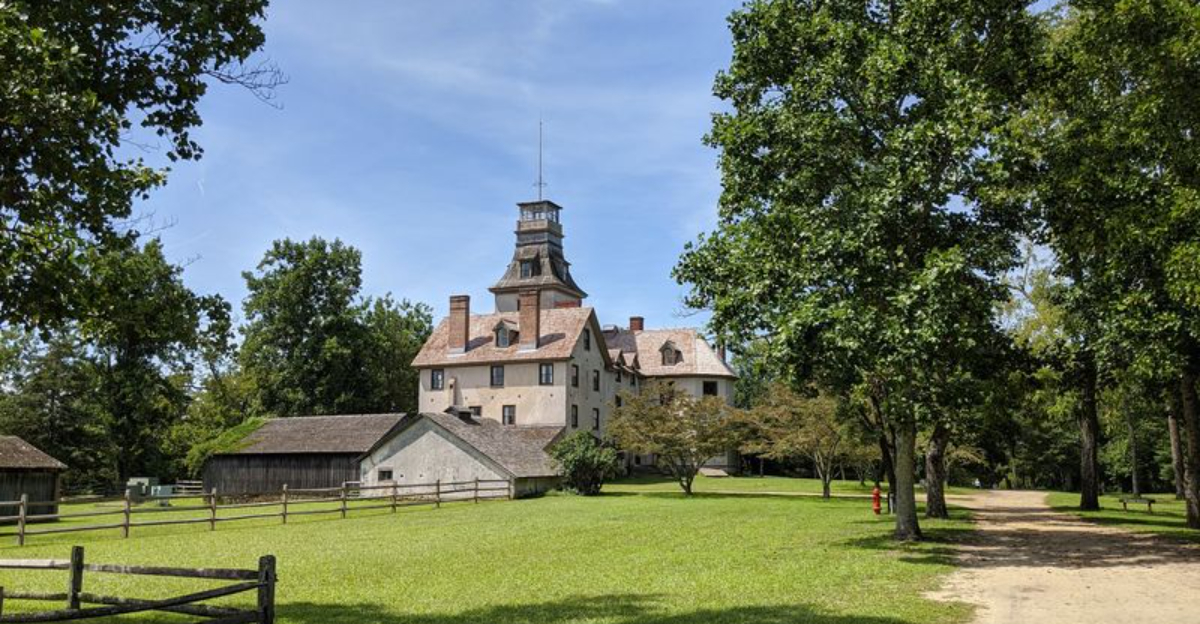
There is a place tucked deep inside the Pine Barrens of New Jersey where time genuinely seems to have stopped, and it is not a theme park or a movie set. It is a real, preserved 19th-century village that most people drive past without ever knowing it exists.
A short trip from the busy shore towns and suburban highways, this corner of South Jersey holds dozens of original historic buildings, sandy hiking trails, and a lake that sits quietly beside it all. By the time you finish reading, you will have a full picture of why this spot keeps pulling people back, season after season, and why one visit rarely feels like enough.
Where Batsto Village Actually Is
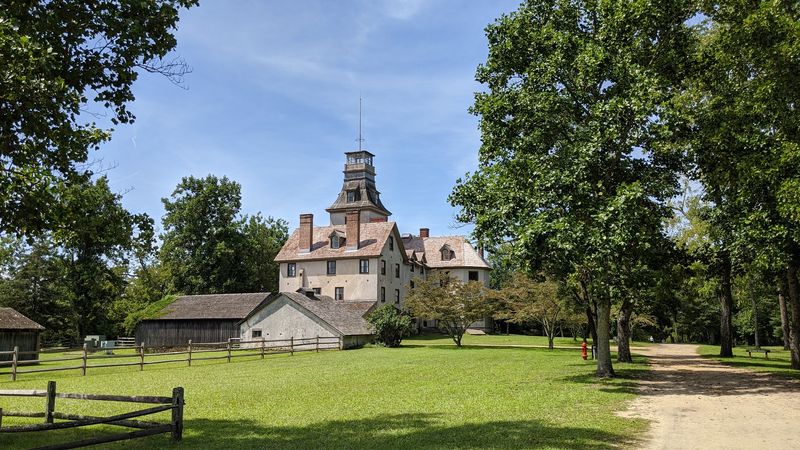
The full address is 31 Batsto Rd, Hammonton, NJ 08037, sitting inside Wharton State Forest in Atlantic County, South Jersey. Getting there involves a drive through long stretches of pine forest, which sets the mood long before you arrive at the parking area.
The village is part of the Pinelands National Reserve, a protected region that covers more than one million acres across southern New Jersey. That context matters because it explains why the landscape around the village still looks so undisturbed.
Parking costs five dollars per car, paid at the main entrance near the Visitor Center. The grounds are open 24 hours a day, seven days a week, which means early morning walks and evening visits are both completely possible.
The Visitor Center itself keeps more limited hours, so checking the official site at batstovillage.org before you go is worth a minute of your time.
The History Behind the Village
Batsto Village was originally built as an iron furnace operation in 1766, making it one of the older industrial sites in New Jersey. The bog iron pulled from the surrounding wetlands was used to produce cannons and cannonballs during the American Revolution, which gives the site a surprisingly significant place in early American history.
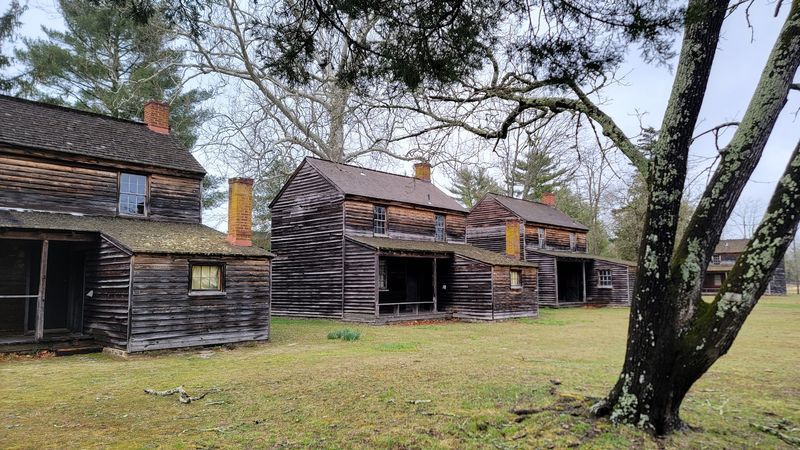
After iron production declined, the site shifted to glassmaking in the 1840s, and the village grew into a self-contained community where workers lived, shopped, and raised families without ever needing to leave the property. At its peak, several hundred people called Batsto home.
Joseph Wharton, the Philadelphia businessman and founder of the Wharton School of Business at the University of Pennsylvania, purchased the entire property in 1876. He planned to use the land as a water supply for Philadelphia, but the New Jersey legislature blocked the plan.
The state eventually acquired the land in 1954.
Starting at the Visitor Center
Most people who skip the Visitor Center end up wishing they had not. A short ten-minute documentary plays inside that covers the full history of Batsto in a way that no sign or pamphlet can match.
The staff there are genuinely helpful and will hand you a self-guided tour pamphlet before you head out.
The pamphlet includes a map of the entire village with numbered stops, and many of the buildings now have QR codes posted outside that link to audio guides you can play on your phone. That setup makes the self-guided tour feel surprisingly thorough.
The museum inside the Visitor Center holds a collection of artifacts found on the grounds over the years, including old glass, nails, bricks, and tools. A small gift shop at the end sells locally sourced honey and maple syrup produced right on the property, which makes for a genuinely useful souvenir rather than just a novelty.
The Wharton Mansion Tour
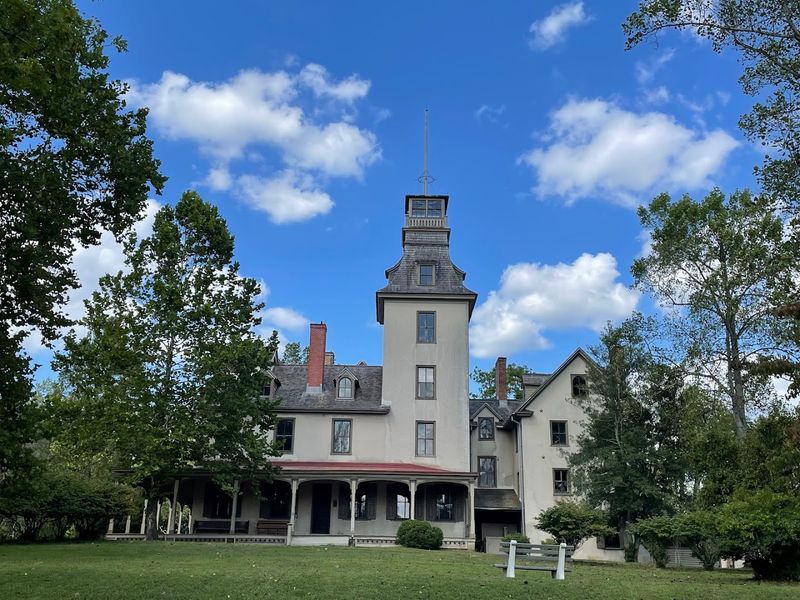
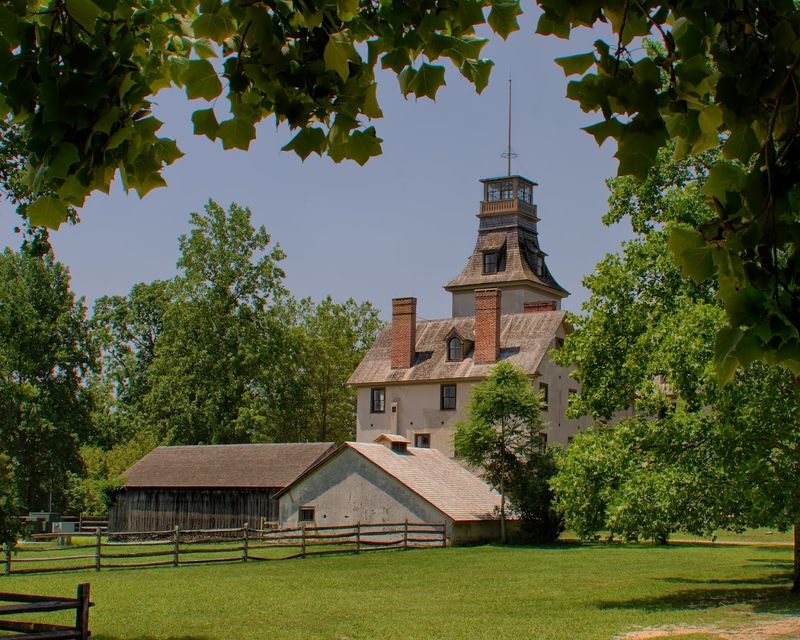
The Batsto Mansion is the centerpiece of the entire property, and it earns that status. Joseph Wharton renovated the original ironmaster’s house into a sprawling 36-room Victorian-style mansion during the 1870s and 1880s, adding a distinctive water tower that still stands today and makes the building easy to spot from across the grounds.
Guided mansion tours run on select days and require a separate ticket purchased at the Visitor Center, priced at just three dollars per person. The tour guides cover the architectural details, the history of the families who lived there, and Wharton’s broader plans for the land, all in a way that keeps the information accessible rather than overwhelming.
Rooms inside the mansion reflect the lifestyle of a wealthy 19th-century industrialist, with period furniture and original details still intact. The modest ticket price makes this one of the better-value historic house tours anywhere in New Jersey, and it rounds out the visit in a satisfying way.
Walking the Village Grounds
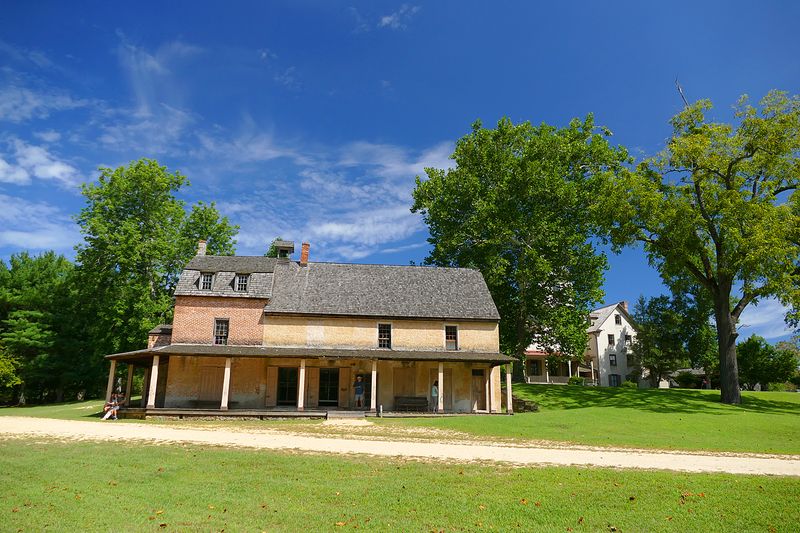
The village layout is easy to navigate on foot, with a mix of paved, gravel, and grassy paths connecting all the major structures. The terrain is mostly flat, which makes the walk comfortable for a wide range of visitors, including families with young children and older adults.
More than thirty original 19th-century structures are spread across the property, including worker cottages, a gristmill, a sawmill, a blacksmith shop, a general store, and a post office. Because the buildings are original rather than reconstructed, the atmosphere carries a certain weight that replica villages simply cannot replicate.
By many of the structures, visitors can spot fragments of old glass, iron ore, nails, and bricks scattered on the ground, remnants of the industries that once defined this place. A display inside the Visitor Center even holds a collection of items that previous visitors have found and donated, each labeled with the finder’s name and the date of discovery.
The General Store and What It Holds
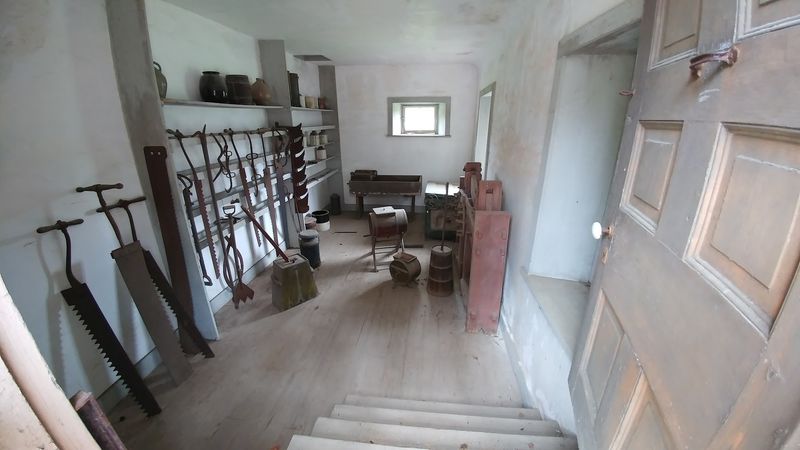
The general store at Batsto Village is one of the most quietly remarkable stops on the self-guided tour. Some of the items on the shelves and in the display cases have been there for nearly two centuries, which makes browsing feel less like a museum visit and more like finding a time capsule that nobody bothered to unpack.
The store once served the entire village population, stocking everything from dry goods and tools to fabric and medicine. Workers were often paid in credit rather than cash, which meant the store also functioned as a kind of bank for the community.
The preserved condition of the interior gives a clear picture of how self-contained the Batsto community actually was. Residents rarely needed to travel outside the village for daily necessities because the store provided nearly everything.
That level of isolation, by choice and by geography, shaped the tight-knit culture that defined life here throughout the 19th century.
Hiking Trails Through the Pine Barrens
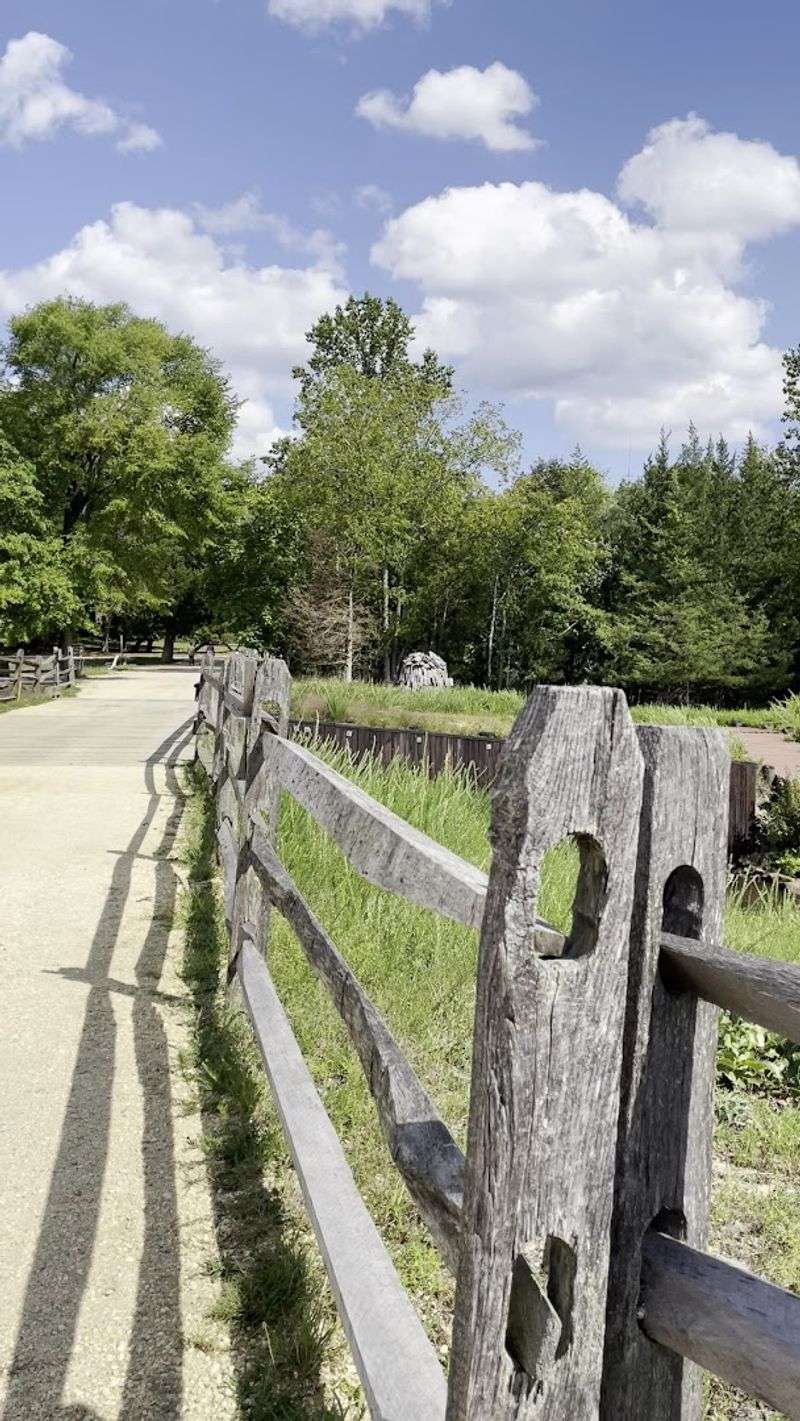
Beyond the village itself, Wharton State Forest offers an extensive network of hiking trails that stretch for miles in every direction. The trails near Batsto are mostly flat and run across the classic sandy soil of the Pinelands, making them suitable for hikers of most fitness levels.
A popular loop covers more than four miles through the pine and oak forest, giving walkers a genuine feel for the Pine Barrens landscape without requiring any technical skill or special gear. Trail maps are available at the Visitor Center, and the paths are well-marked enough that getting turned around is unlikely.
The forest floor along these trails shows off the unique ecology of the Pinelands, including pitch pine trees, native wildflowers, and the dark, tea-colored streams that run through the area due to natural tannins in the soil. Bringing water and wearing good walking shoes covers everything you actually need for a comfortable outing on these trails.
Kayaking and Water Access
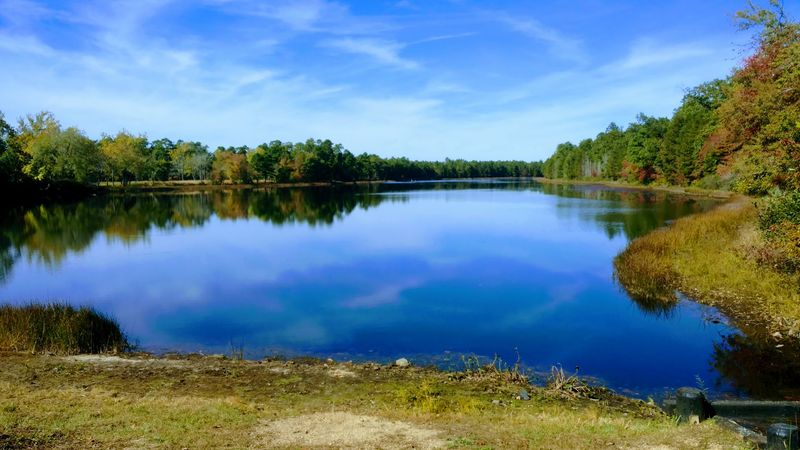
Batsto Lake sits right alongside the village, and the calm, dark water is accessible for kayaking and canoeing. During certain events and seasons, kayak rentals are available on-site, making it possible to get out on the water without hauling your own equipment down from home.
The lake is fed by the Batsto River, which flows through the surrounding forest and eventually connects to the Mullica River further south. The water carries the characteristic amber color of Pine Barrens waterways, a result of natural plant tannins rather than any pollution, and it is clean enough to paddle through comfortably.
Fishing is also permitted in the lake, and the surrounding area provides a peaceful backdrop for anyone who just wants to sit by the water and take a break from walking the village grounds. The combination of historic buildings and accessible waterways in one location is genuinely rare, and it gives Batsto a flexibility that most historic sites simply do not offer.
The Country Living Fair Event
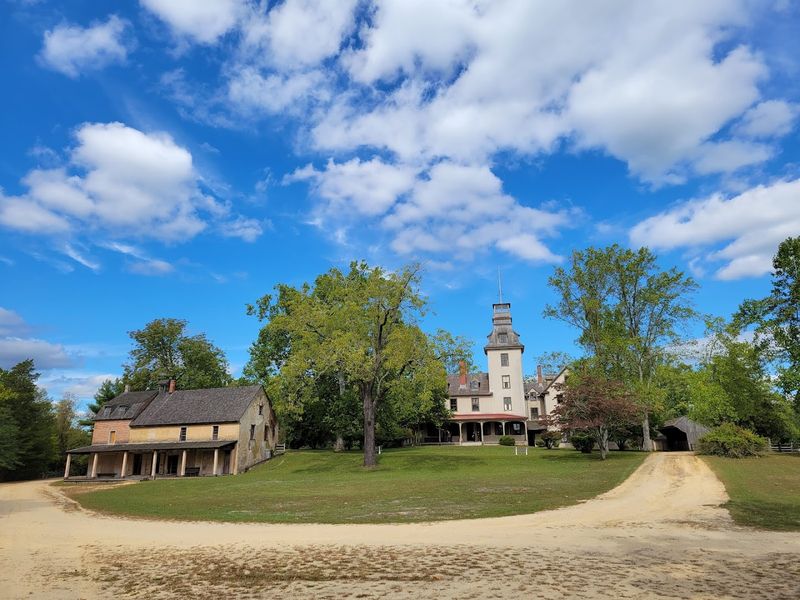
Every autumn, Batsto Village hosts the Country Living Fair, a large outdoor event that draws vendors from across the region and transforms the grounds into a sprawling open-air market. The fair typically features antiques, handmade crafts, jewelry, soaps, skincare products, holiday decorations, teas, and locally produced food items.
Food trucks set up across the bridge from the main village area, and the selection tends to be genuinely good. BBQ options and specialty soups have both earned strong followings among regular fair attendees, and the variety is wide enough that most people find something worth trying.
The size of the Batsto property works in the fair’s favor because even when attendance is high, the grounds are large enough that crowds spread out naturally. Arriving early helps avoid the longest parking lines, and most vendors accept card payments.
The fall foliage that surrounds the site during the event adds a backdrop that no event planner could manufacture on purpose.
The Halloween Lantern Walk
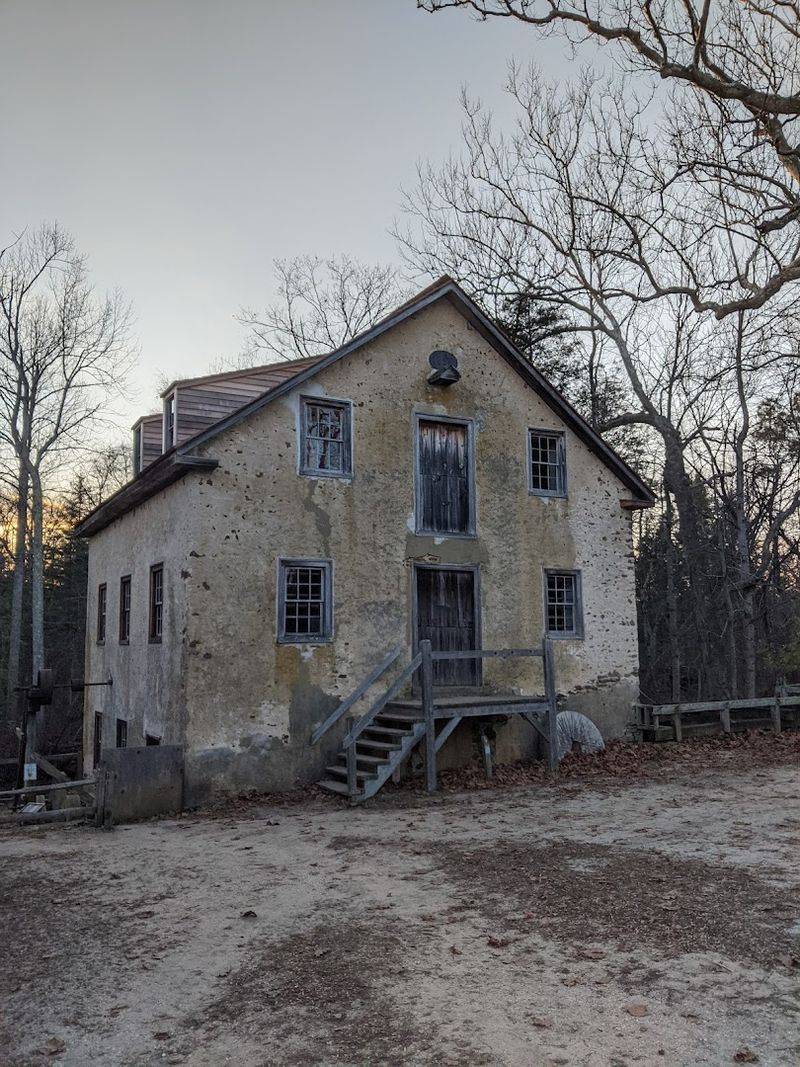
The Halloween Lantern Walk at Batsto Village is one of the more distinctive seasonal events in South Jersey. Participants carry lanterns through the darkened village grounds at night while guides share historically accurate stories about the people who once lived and worked here.
The combination of original 19th-century buildings, complete darkness outside the lantern light, and detailed historical narration creates an atmosphere that feels genuinely connected to the past. The guides are well-prepared and clearly knowledgeable, keeping the experience educational rather than just theatrical.
The event draws families, history enthusiasts, and people who simply want to experience the village in a way that feels different from a standard daytime visit. Tickets for the Lantern Walk sell out, so booking in advance is strongly recommended.
It runs during the weeks surrounding Halloween and has become one of the most talked-about annual events on the Batsto Village calendar, returning visitors year after year.
Special Events and Seasonal Programming
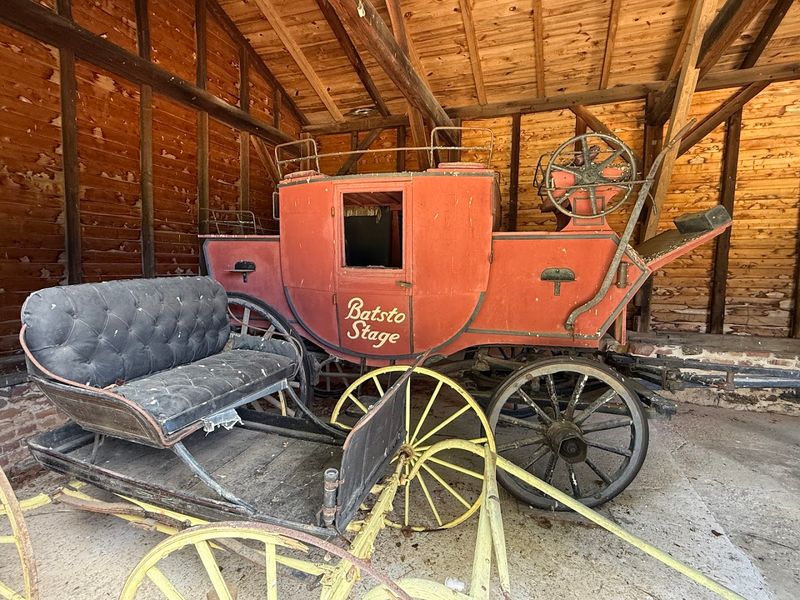
Throughout the year, Batsto Village hosts a rotating calendar of special events that go well beyond the standard historic site visit. Antique glass and bottle shows, classic car displays, blacksmithing demonstrations, and wood carving exhibitions have all taken place on the grounds at various points during the year.
Pony rides have also appeared during certain events, giving younger visitors an activity that connects loosely to the working-farm history of the site. These events tend to draw a mix of dedicated collectors, casual families, and history enthusiasts who might not otherwise think to visit a historic village on a weekend afternoon.
The spring and summer months bring more of the on-site shops and activity stations to life, while fall events like the Country Living Fair and the Lantern Walk attract the largest crowds. Checking the official Batsto Village website before planning a trip helps ensure you arrive on a day that matches your interests and energy level.
Guided Tours and Educational Programs
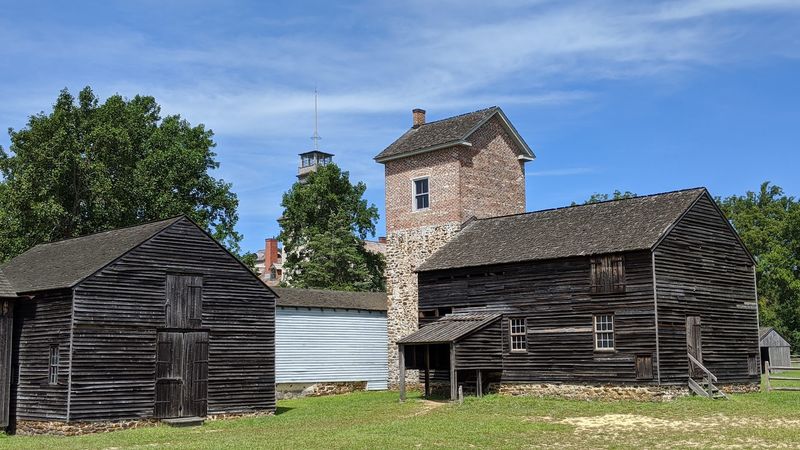
Guided tours at Batsto Village are available on select days and are worth seeking out if your schedule allows. The guides bring a level of detail to the history of the site that goes well beyond what any pamphlet or sign can convey, covering the specific families who lived here, the industrial processes that drove the economy, and the social dynamics of a company town in the 1800s.
Stockton University has partnered with the village to offer educational programming, and mixed-age groups have found the tours equally engaging regardless of prior knowledge. The format works for history buffs and casual visitors alike because the guides adjust their delivery based on the group’s interest level.
Self-guided audio tours using QR codes posted at each building are available for visitors who prefer to move at their own pace. Both options deliver a thorough understanding of what Batsto was, how it functioned, and why the state of New Jersey invested in preserving it for future generations.
Picnic Areas and Family Amenities
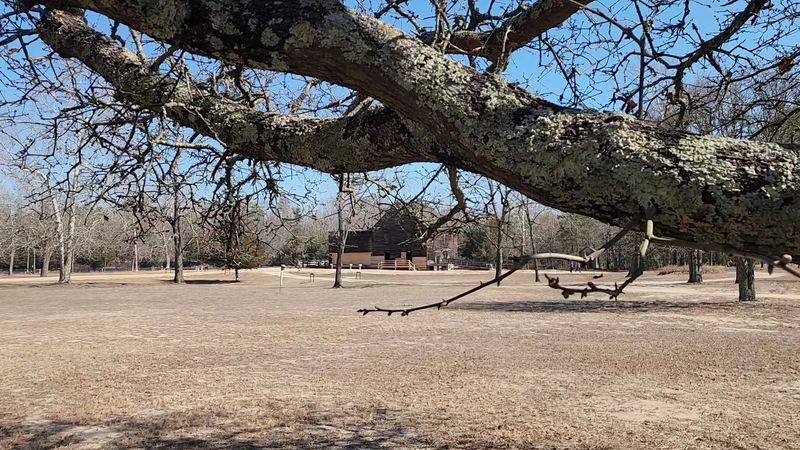
Batsto Village has a well-maintained picnic area that gives families a comfortable place to settle in between exploring the buildings and walking the trails. The area is shaded and spacious enough to handle a decent crowd without feeling cramped, and it sits close enough to the main village that you do not have to pack up and relocate to get back to the historic structures.
Restrooms are available inside the Visitor Center, which is a practical detail worth knowing before you commit to a full day on the grounds. The overall infrastructure at Batsto is thoughtfully laid out for families, with enough to keep kids engaged across several hours without requiring constant entertainment management from parents.
Dogs are welcome on the grounds and on the hiking trails, provided they are kept on a leash. That policy makes Batsto a practical outing for pet owners who want to combine a history walk with a proper trail hike, all in the same afternoon.



