 Unearth The Voyage

There is a small corner of coastal New Jersey where history did not get paved over or turned into a parking lot. Tuckerton, a quiet bay town about an hour south of Atlantic City, holds onto its past with a kind of quiet pride that is genuinely refreshing.
The place I am talking about is a living maritime village spread across a waterfront property, where you can actually walk from building to building and peek inside recreated historic structures as if time slowed down just for you. With 17 historic and recreated buildings, a boardwalk, a wetlands trail, boat tours on Tuckerton Creek, and a replica lighthouse you can actually climb, this spot packs a surprising amount of substance into one afternoon.
Families, history buffs, and curious day-trippers all find something worth their time here, and the ticket price makes it one of the best-value outings on the Jersey Shore.
Where It All Begins: Address and Setting
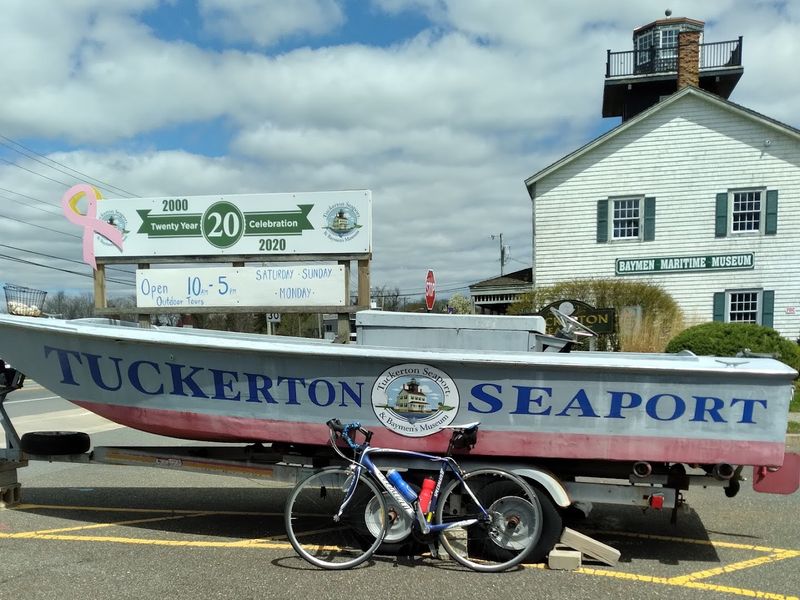
The Tuckerton Seaport Museum sits at 120 W Main St, Tuckerton, NJ 08087, right along the edge of Tuckerton Creek in Ocean County. Getting there is straightforward, and the parking lot off Main Street is free and spacious, which is a relief if you have been burned by Jersey Shore parking before.
The moment you park and walk toward the entrance, the layout starts to make sense. Rather than one big building crammed with displays, this is an open-air maritime village where each structure holds its own story.
The main building greets you first, with a friendly front desk staff ready to hand over a map and walk you through the options. The grounds are accessible, with ramps and an elevator available in the main structure.
Plan to spend at least two to three hours here if you want to explore everything properly. The museum is open Tuesday through Wednesday and Saturday through Monday, from 10 AM to 4 PM.
A Village Frozen in Coastal Time
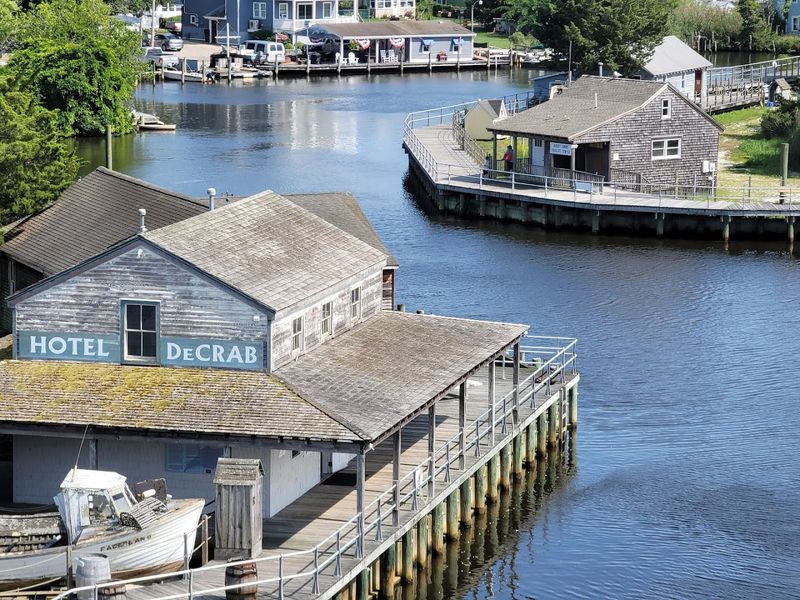
Walking through the grounds of Tuckerton Seaport Museum feels less like touring a museum and more like wandering into a working bayshore community from a century ago. The 17 historic and recreated structures are spread across the property in a way that encourages you to explore at your own pace.
Each building has its own character and its own story to tell. Some are faithful reproductions of structures that once stood in the region, while others are original historic buildings that were carefully preserved and relocated to the site.
What makes this layout work so well is the outdoor walking between each exhibit. You are not shuffling through a single corridor under fluorescent lights.
You are moving across a waterfront property, pausing at a boathouse here, a carving shop there, and a surf museum tucked in between. It is the kind of museum design that makes even reluctant visitors forget they are technically learning something.
Every turn holds a new surprise.
The Replica Lighthouse Worth Every Step
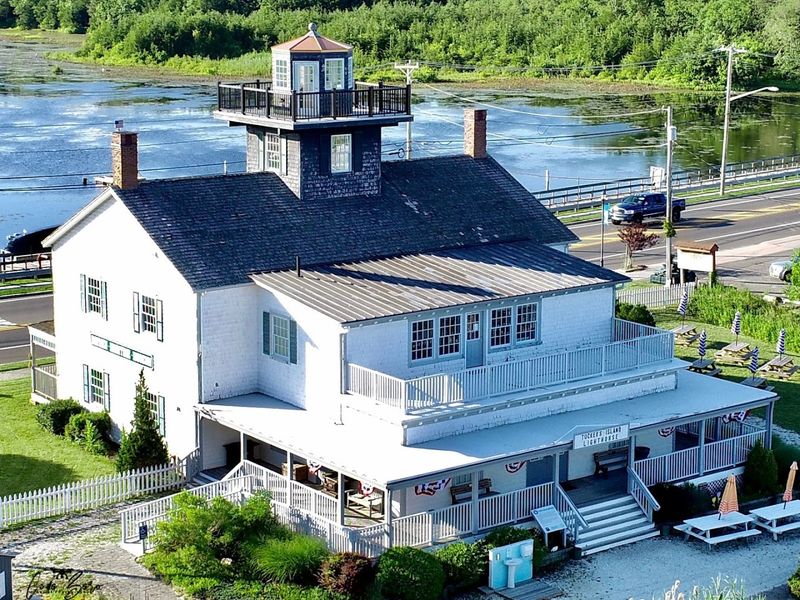
The lighthouse replica at Tuckerton Seaport is the kind of structure that stops you mid-sentence when you first spot it. Based on the original Tucker’s Island Lighthouse, which actually collapsed into the bay in 1927, this recreation gives visitors a chance to experience something that no longer exists in its original form.
Climbing to the top costs five dollars per person and involves a standard staircase followed by a spiral metal staircase at the very top, so keep that in mind if mobility is a concern. The view from the upper level looks out over the small lake and surrounding wetlands, and it is genuinely worth the climb.
Inside the main building near the lighthouse, there are exhibits on the railroad history of Tuckerton and Long Beach, coast guard heritage, and lighthouse lore. There is also a small train that kids can operate, which tends to be a crowd favorite.
The lighthouse alone justifies the trip for many visitors who make the journey out here.
Decoy Carving: A Craft With Deep Roots
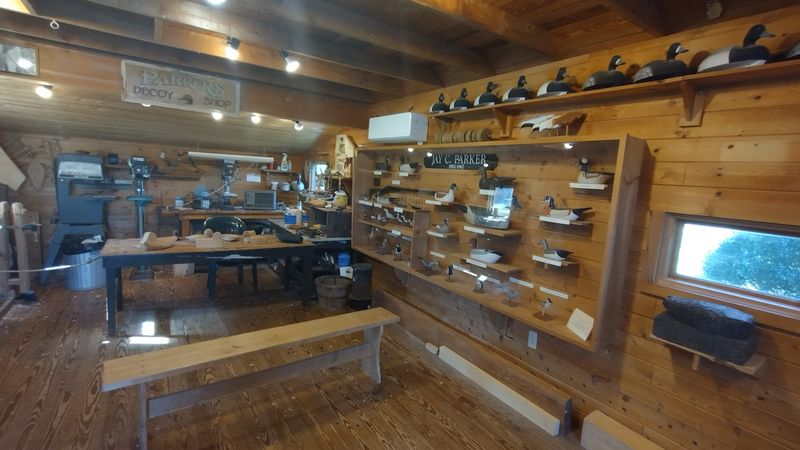
New Jersey’s Barnegat Bay region has a deep and well-documented history of decoy carving, and Tuckerton Seaport Museum takes that heritage seriously. The decoy carving shop on the property is one of the most distinctive stops on the self-guided tour, offering a look at a craft that was once essential to the region’s hunting and fishing culture.
Wooden decoys were hand-carved by local craftsmen who needed affordable, effective tools for waterfowl hunting on the bay. Over time, the craft evolved into an art form, and some Barnegat Bay decoys are now considered collector’s pieces with serious value.
The shop at the seaport shows both the functional and artistic sides of this tradition. You can see tools, finished pieces, and works in progress that help explain the patience and skill involved.
For visitors who have never thought much about decoy carving before, this exhibit tends to be the one they talk about most on the drive home. It is a genuine local craft with a compelling backstory.
Creek Tours and the Ferry to Beach Haven
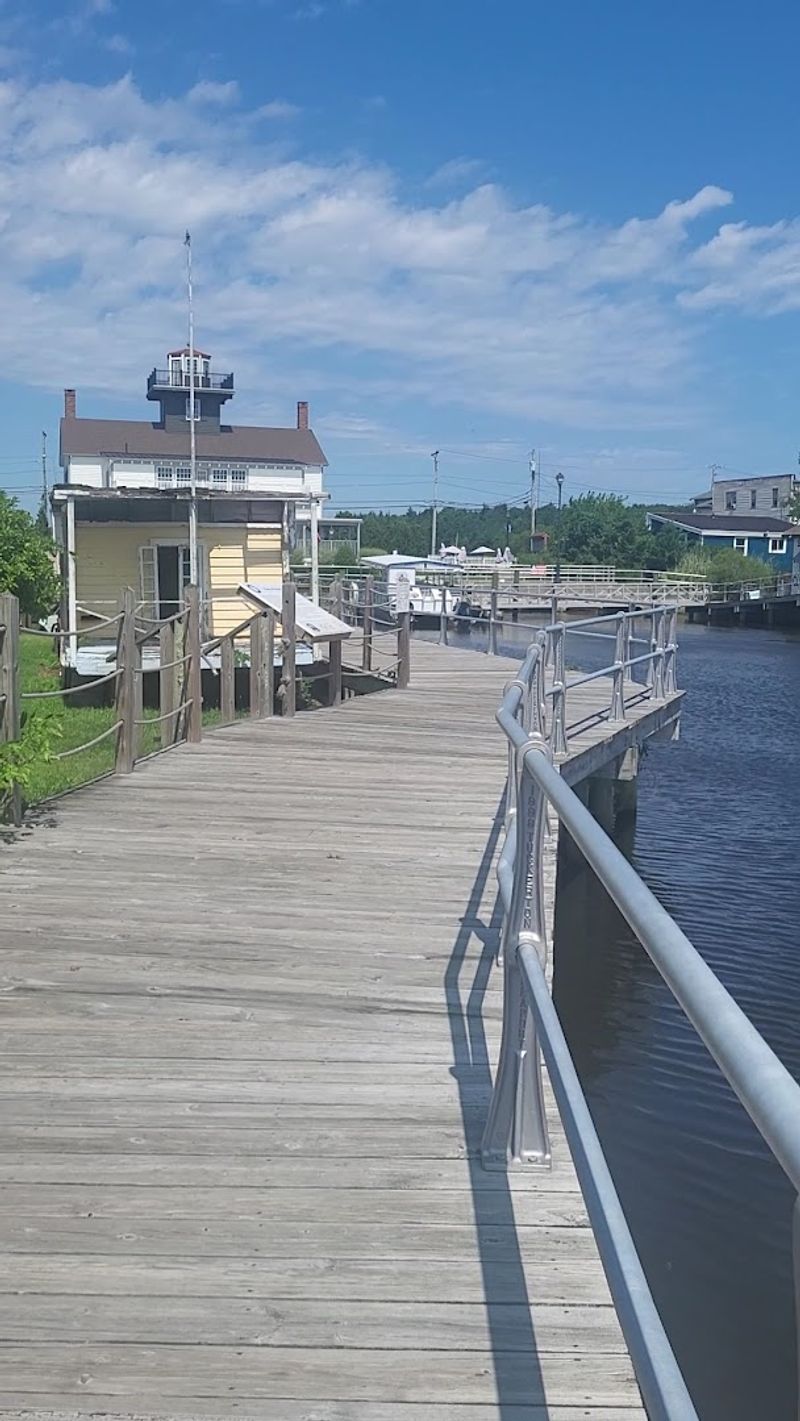
One of the most talked-about experiences at Tuckerton Seaport is the boat tour on Tuckerton Creek. The tours run regularly and take visitors through the calm, marsh-lined waterway that winds behind the seaport property.
Guides on the return trips are knowledgeable about local ecology and history, making the ride both relaxing and genuinely informative.
The ferry to Beach Haven is a separate and equally popular option. The route crosses Barnegat Bay and connects Tuckerton to Long Beach Island, and the guides share stories about the bay’s history and wildlife along the way.
On the return trip in the afternoon, bay water splashes are part of the deal, so a light cover-up is a smart call.
Families who have taken the ferry multiple times consistently return, noting that the experience is different each season. The boat tours and games and crafts on the grounds are often bundled together in pricing, which makes it an especially good deal for families watching their budget.
Booking ahead is recommended during peak months.
The Surfing Museum: An Unexpected Highlight

Not every visitor expects to find a surfing museum tucked inside a maritime heritage site, but that is exactly what makes Tuckerton Seaport so layered. The surf museum on the property covers the history of surfing along the Jersey Shore, a coastal culture that runs deeper than most people realize.
New Jersey has a legitimate surf history dating back decades, with local shapers, surf clubs, and competitions that shaped the culture of the Shore long before it became a television cliche. The exhibits here touch on that history with a collection of boards, photos, and artifacts that feel curated rather than cobbled together.
It is one of those unexpected stops that ends up being a conversation starter for the rest of the day. Whether you have ever set foot on a surfboard or not, the story of how surf culture took hold along this stretch of the Atlantic Coast is genuinely interesting.
This exhibit rewards the curious visitor who takes the time to read the panels rather than just glancing at the boards.
Clamming, Fishing, and Bay Life on Display
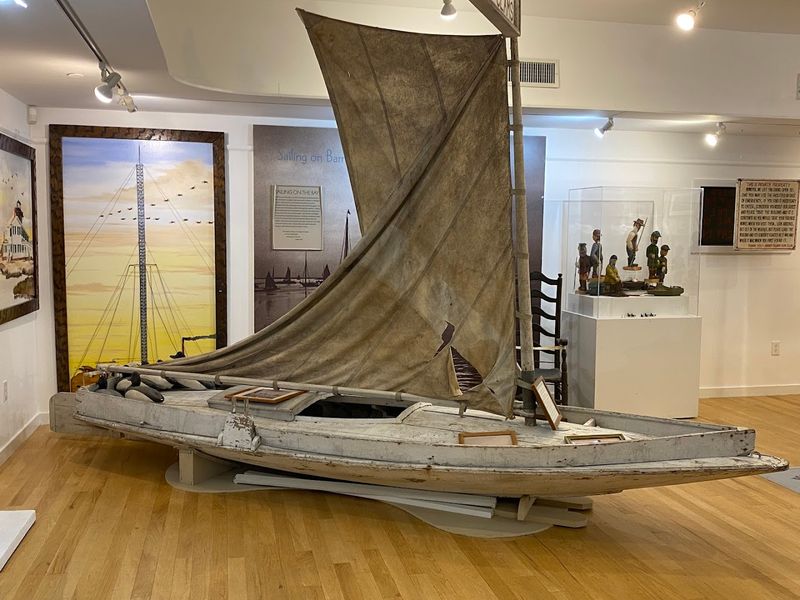
The bayshore economy of southern New Jersey was built on clamming, oystering, and fishing for generations, and Tuckerton Seaport Museum does not gloss over that working-class history. Several exhibits on the property dig into how local families made their living on the water, and they do it with enough hands-on detail to keep younger visitors fully engaged.
There are interactive stations where kids can try their hand at simulating the clamming process, getting a feel for what it actually took to harvest shellfish from the bay floor. The displays include tools, boats, and explanations of how the industry shaped the communities around Barnegat Bay.
What comes through clearly in these exhibits is that this was hard, physical work that required real skill and local knowledge. The museum treats these workers and their traditions with respect rather than turning them into a quaint backdrop.
Adults who grew up in the region often find these sections particularly meaningful, while visitors from elsewhere tend to leave with a new appreciation for where their seafood actually comes from.
The Wetlands Trail and Nature Walk

Beyond the historic buildings and indoor exhibits, Tuckerton Seaport offers a wetlands trail that takes visitors out into the natural landscape surrounding the property. The trail winds through the marsh ecosystem that defines this part of coastal New Jersey, and it is a genuinely peaceful stretch of walking.
Barnegat Bay’s wetlands are ecologically significant, serving as nursery habitat for fish, nesting ground for shorebirds, and a natural buffer for the surrounding communities. The trail at the seaport gives visitors a ground-level look at this ecosystem without requiring any special gear or prior knowledge.
Deer and wading birds are regular sightings along the trail, and the evening lore tours that run seasonally use this landscape as part of the storytelling experience. During those dusk tours, guides read tales of the original lighthouse and local legends like the Jersey Devil, while the marsh settles into quiet around you.
It is one of those experiences that sticks with you in a way that an indoor exhibit simply cannot replicate.
Hands-On Fun for Families With Kids
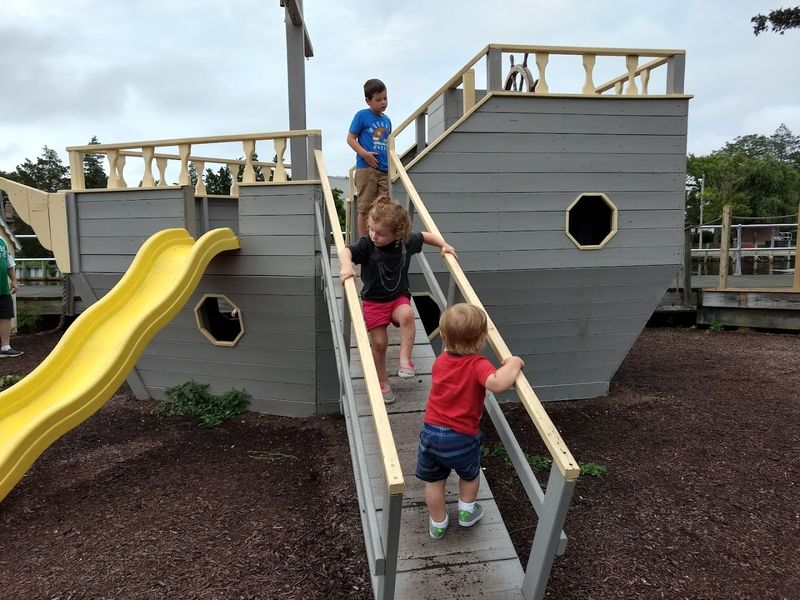
Tuckerton Seaport Museum has a reputation among families as a place where kids actually want to stay longer. That is not an accident.
The museum has built hands-on activity stations throughout the property that give children something to do rather than just something to look at.
Sandboxes, a vintage typewriter, craft stations, and scavenger hunts have all been part of the rotating offerings here. Seasonal additions like holiday-themed hunts, where kids spot hidden reindeer around the property, add a layer of playfulness that makes repeat visits feel fresh rather than repetitive.
There is also a playground on the grounds for younger children who need a break from exhibits. The pin-collecting folder, available at the entrance, gives kids a structured goal to work toward as they move from building to building.
Parents consistently note that the combination of education and activity keeps children engaged far longer than a traditional museum format would. For families on a budget, the value here is hard to beat anywhere along the Jersey Shore.
Admission, Hours, and Planning Tips

Getting the most out of a visit to Tuckerton Seaport starts with a little planning, and the logistics here are genuinely visitor-friendly. General admission to the museum grounds is remarkably affordable, making it one of the best-value cultural outings in the region.
Climbing the lighthouse costs five dollars per person as a separate fee.
The museum is open Tuesday, Wednesday, Saturday, Sunday, and Monday from 10 AM to 4 PM. It is closed on Thursdays and Fridays, so double-check the schedule before making the drive.
Arriving close to opening time gives you the best chance to explore the buildings before crowds build up on weekends.
Parking is free and plentiful in the lot off Main Street, which is a genuine convenience. Pets are not permitted on the grounds.
The property is largely accessible, with ramps and an elevator in the main building, though the very top of the lighthouse requires climbing a spiral staircase. Wear comfortable shoes, bring water, and allow a full afternoon to do the place justice.
Why This Museum Stays With You After You Leave
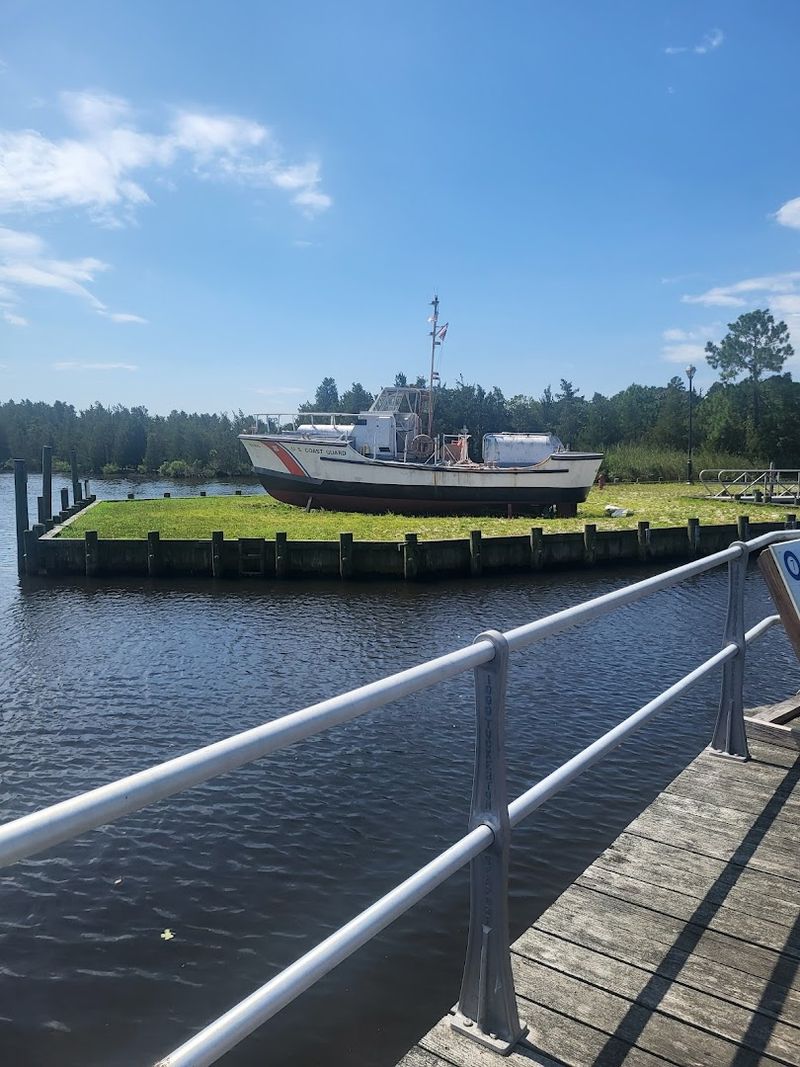
Most museums hand you a brochure and send you down a hallway. Tuckerton Seaport Museum gives you a whole village to wander through, a creek to ride on, a lighthouse to climb, and a marsh to walk beside.
That combination is rare, and it is why visitors consistently come back season after season rather than checking it off a list.
The museum does not try to be something it is not. It is deeply rooted in the specific history and ecology of Barnegat Bay and the communities that grew up around it.
That specificity is what gives it staying power. You leave knowing something real about a real place, not just a curated version of coastal nostalgia.
Whether you are a local who has driven past the sign a hundred times without stopping, or a visitor making your way down the Shore for the first time, Tuckerton Seaport is worth the detour. Some places earn their reputation quietly, and this is absolutely one of them.



