There is a building on State Street in downtown Chicago where the ceilings tell stories and the clocks have become city symbols. It holds more than clothing racks and display cases.
It holds over a century of Chicago history, holiday traditions, and architectural beauty that most department stores could never dream of matching. The famous Tiffany mosaic ceiling alone is worth crossing town for, and the pair of green bronze clocks out front have served as a meeting spot for generations of Chicagoans.
From the legendary Walnut Room dining experience on the seventh floor to the art deco details hiding in plain sight throughout the upper floors, every corner of this place rewards a curious visitor. Whether you know it as Marshall Field and Company or by its current name, this State Street landmark has a way of pulling you back in every single time.
A Historic Address on State Street
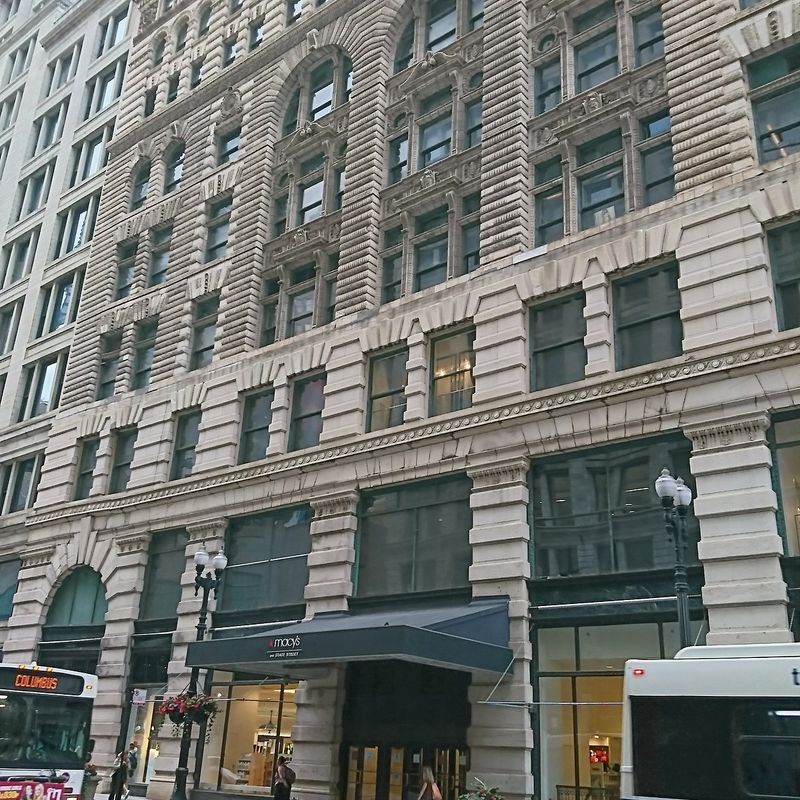
Right at 111 N State St, Chicago, IL 60602, this massive building anchors an entire block of one of the most famous shopping streets in the country. The structure itself dates back to the early 1900s, and the architecture announces its age proudly with ornate stonework, wide display windows, and that unmistakable corner presence.
The store spans multiple city blocks and rises several floors, making it one of the largest department stores in the United States by square footage. First-time visitors often stop on the sidewalk just to take in how much building there actually is before them.
The address sits right in the heart of the Chicago Loop, surrounded by the elevated train tracks, theaters, and office towers that define downtown. Public transit drops you off practically at the front door, which makes getting here straightforward from any neighborhood in the city.
The store is open Monday through Saturday from 10 AM to 9 PM and on Sundays from 11 AM to 8 PM. You can reach the store directly at +1 312-781-1000 or visit their website for current events and promotions.
Few retail destinations in Chicago carry this much historical weight per square foot.
The Legacy of Marshall Field and Company
Before the Macy’s name went up on the facade, this building was home to Marshall Field and Company, one of the most celebrated retailers in American history. Marshall Field himself built a retail empire on a simple but powerful idea: treat the customer as the most important person in the room.
His famous motto, “Give the lady what she wants,” shaped an entire generation of retail culture in the United States. The store set standards for customer service, product variety, and store design that competitors spent decades trying to match.
When Macy’s acquired the brand in 2005 and rebranded the store in 2006, many longtime Chicagoans felt a genuine sense of loss. That emotional connection to the Marshall Field name still runs deep, and you will hear locals refer to it by the old name without a second thought.
The good news is that much of what made Marshall Field’s special still exists inside the building. The architecture, the Walnut Room, the Frango Mints, and the holiday traditions all carry forward a legacy that no corporate rebrand can fully erase.
The spirit of the original store lives quietly but stubbornly in every gilded detail.
The Tiffany Mosaic Ceiling
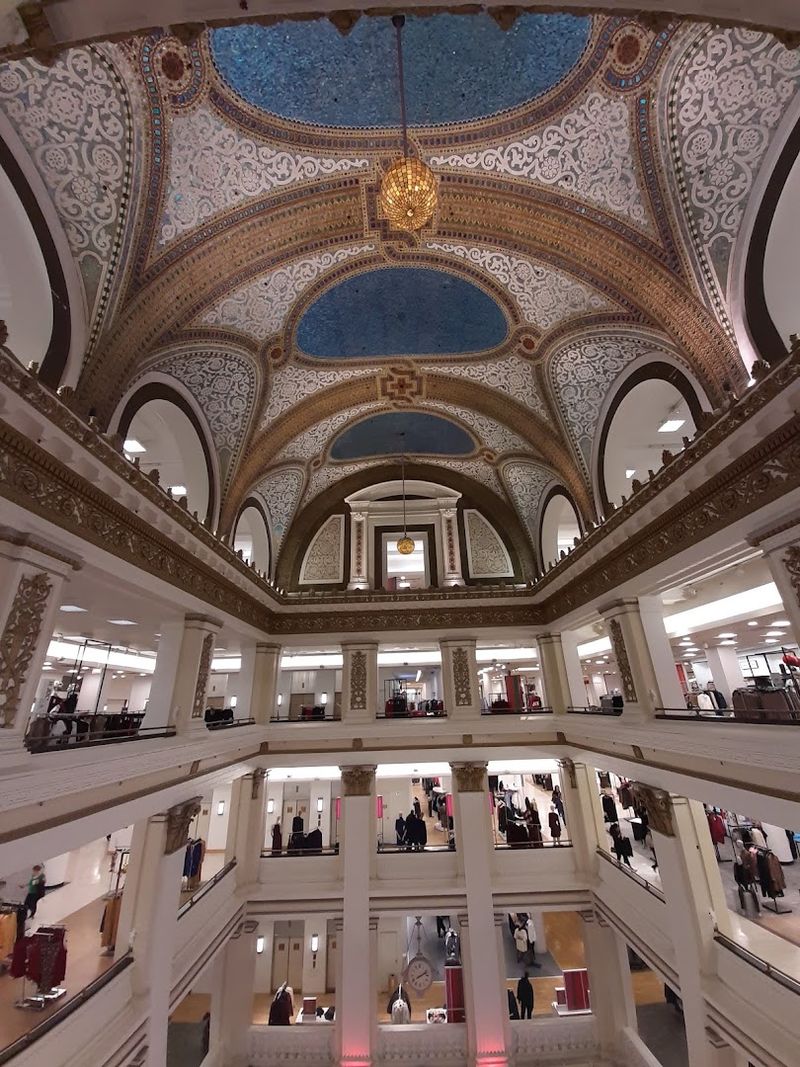
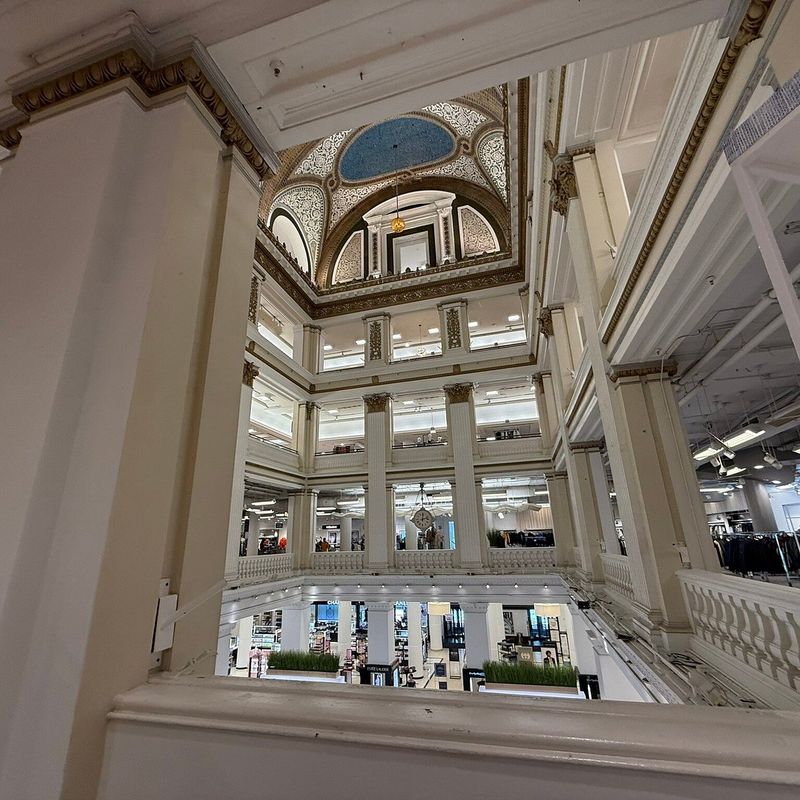
Few architectural details in Chicago retail history match the sheer visual impact of the Tiffany mosaic ceiling inside this store. Created by Tiffany Studios and installed in 1907, it covers approximately 6,000 square feet and is made from around 1.6 million pieces of iridescent Favrile glass.
That is not a typo. One point six million pieces.
The ceiling glows with warm amber, green, and cream tones depending on the light, and it sits above the central atrium in a way that draws your eyes upward the moment you walk through the doors. Many shoppers spend more time looking up than they do browsing the merchandise directly below it.
It was designated a Chicago landmark, which means it is legally protected and cannot be removed or significantly altered. That protection matters because the ceiling is genuinely irreplaceable.
Tiffany Studios no longer exists, and the specific glass techniques used to create it have not been replicated at this scale anywhere else.
The best spot to appreciate it fully is from the main floor atrium, where you can step back and take in the full sweep of the design. Bring a camera, because photos rarely do it full justice but you will want to try anyway.
The Iconic Green Clocks Outside
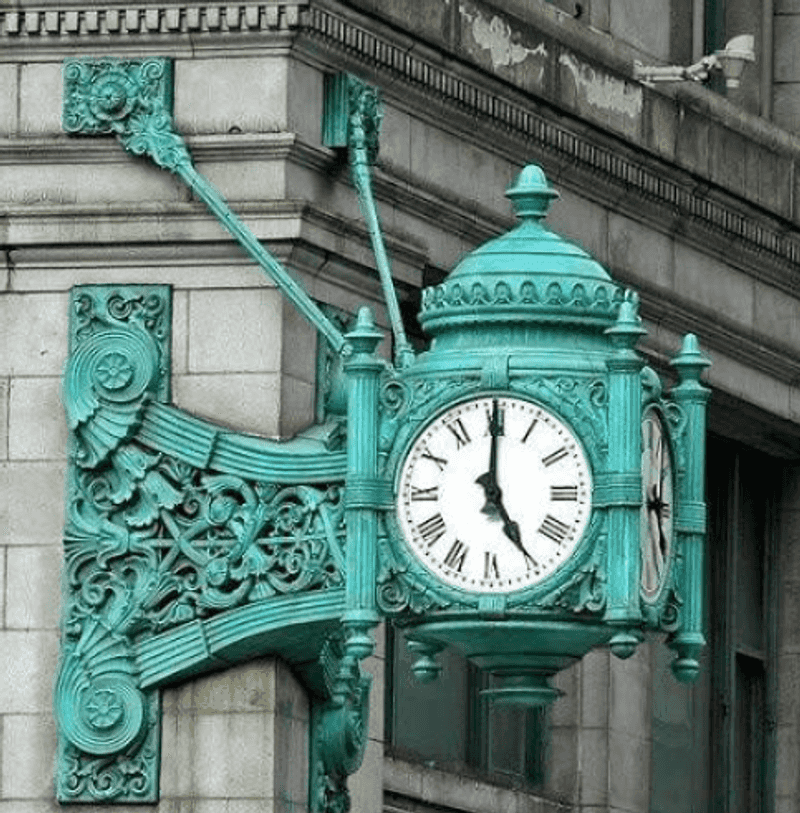
Ask any Chicagoan where to meet someone downtown and there is a decent chance the answer involves “under the clock at Marshall Fields.” The two green bronze corner clocks on the State Street facade have been a city landmark since 1897, and they remain one of the most photographed spots in all of Chicago.
Each clock weighs around seven tons and stands nearly eight feet tall, making them hard to miss even on a crowded sidewalk. The green patina they have developed over more than a century gives them a distinguished, almost noble quality that newer street furniture simply cannot replicate.
They are not just decorative. These clocks have served as a practical meeting point for generations of shoppers, families, and friends navigating the busy Loop.
There is something genuinely charming about a city that still uses a pair of century-old timepieces as a reliable rendezvous spot.
One reviewer noted that at least the famous green clock is still in place outside the building, and that detail clearly meant something to them. The clocks have outlasted ownership changes, renovations, and shifting retail trends, standing firm as a symbol of what this corner of Chicago has always represented.
They are as much a part of the city as the lakefront itself.
The Walnut Room Dining Experience
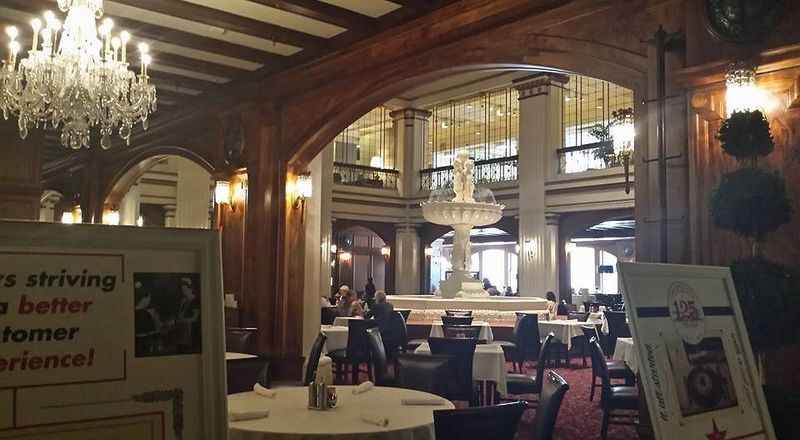
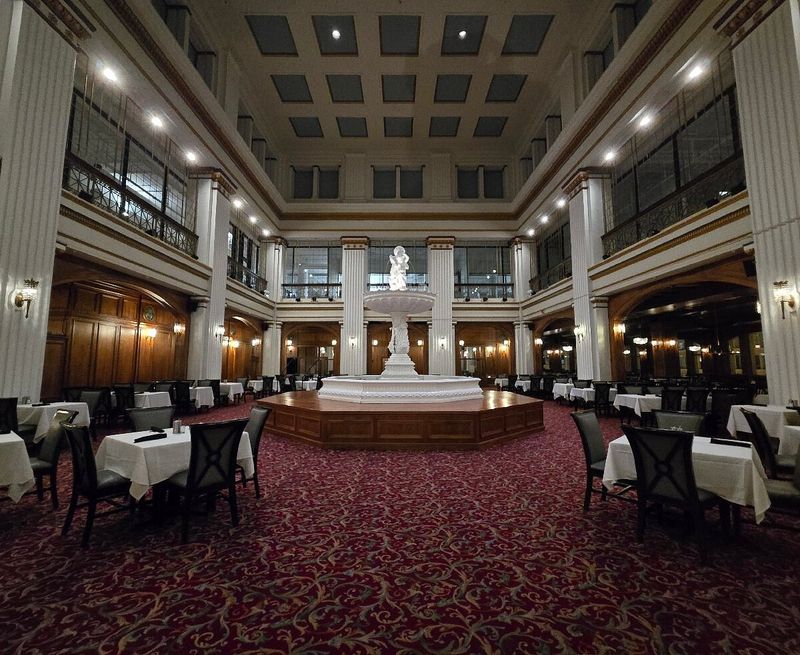
Up on the seventh floor, the Walnut Room operates as one of the oldest restaurant spaces inside a department store anywhere in the United States. It opened in 1907 and has been serving Chicagoans ever since, which means it has fed multiple generations of the same families over more than a hundred years of holiday lunches and special occasion dinners.
The room itself is anchored by rich dark wood paneling, white tablecloths, and an atmosphere that feels genuinely different from the shopping floors below. During the holiday season, a massive decorated tree dominates the center of the room and the whole space transforms into something that feels more like a grand event than a restaurant meal.
The menu features classics that have become traditions in their own right. The chicken pot pie is the dish most closely associated with this restaurant, and ordering it feels like participating in something larger than a single lunch.
The Frango Mint desserts carry on a candy legacy that stretches back decades.
Reservations fill up fast during the holiday season, so planning ahead is strongly recommended. The experience is more about the atmosphere and tradition than fine dining perfection, but that is exactly what makes it so worth the visit every single year.
Holiday Window Displays and Seasonal Traditions
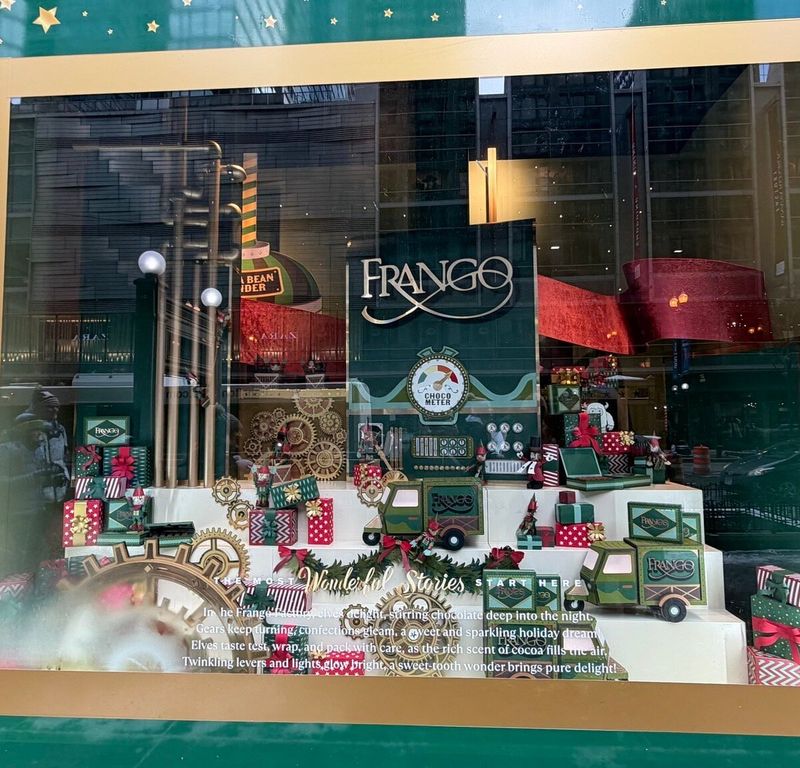
For decades, the holiday window displays along the State Street facade were considered must-see entertainment for families across the Chicago area. Marshall Field’s invested heavily in hand-crafted animated displays that stretched across multiple city blocks, drawing enormous crowds every November and December.
The tradition of elaborate window storytelling made these displays an annual event rather than just decoration. Animated figures, detailed miniature scenes, and carefully lit vignettes turned the sidewalk outside into an outdoor theater that required no ticket and no reservation.
Some longtime visitors have noted that the current displays do not always match the ambition of earlier decades, and that comparison to what once existed here is hard to avoid. Still, the windows continue to draw visitors, and in recent years there have been genuine efforts to restore some of the craftsmanship and creativity that defined the Marshall Field era.
Inside the store, seasonal pop-up experiences add another layer to the holiday visit. A flower show earlier in the year drew praise for its beauty and creativity, suggesting that the store still knows how to create immersive visual experiences when it commits to the effort.
The holiday season remains the best time to visit if you want the full theatrical effect that this address has always promised.
The Architecture and Art Deco Details
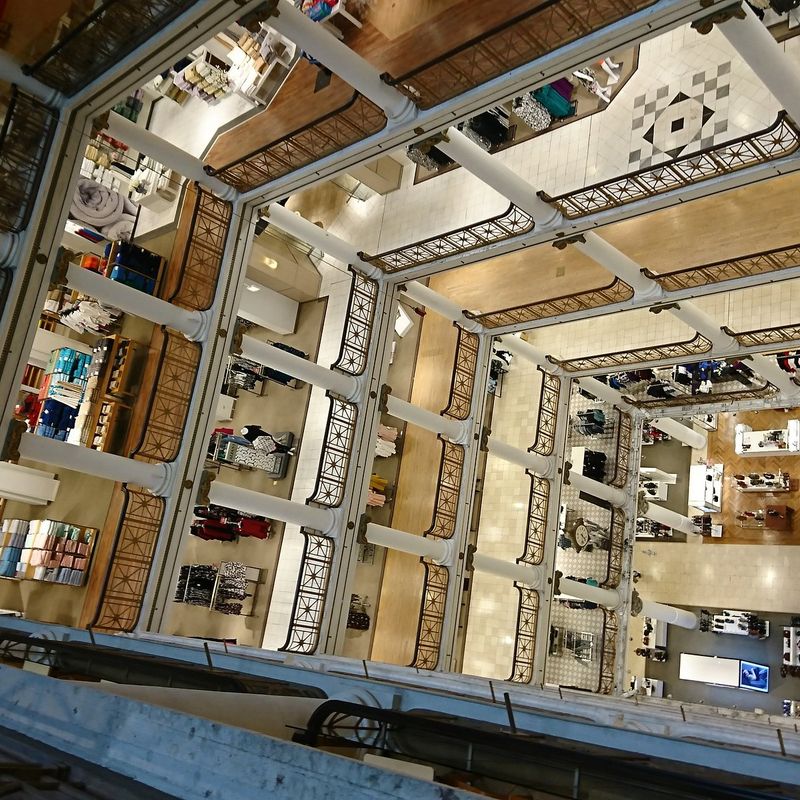
Beyond the Tiffany ceiling, the building holds architectural details throughout its upper floors that reward anyone willing to look beyond the merchandise. The columns, moldings, and ceiling work on the higher levels reflect the craftsmanship standards of the early twentieth century, when buildings were designed to impress as much as they were designed to function.
The upper floors have retained much of their original character, including elements that predate any modern renovation effort. Visitors who make the trip upstairs specifically to look at the building itself often come away genuinely surprised by what they find.
One visitor described finding hidden treasures simply by walking around and paying attention.
There is also a display on the upper floors featuring historical photographs, salvaged decorations, and recovered animatronic figures from earlier window display eras. This informal exhibition gives context to the building’s past and connects current shoppers to the generations who came before them.
The contrast between the preserved architectural grandeur and the modern retail environment below creates a slightly surreal experience that is hard to find anywhere else in Chicago. You are essentially shopping inside a museum that happens to also sell clothing, and that combination is genuinely rare.
Architecture enthusiasts will find plenty here to keep them occupied long after the shopping is done.
The Frango Mint Legacy
There is a candy so closely tied to this building that it has its own place in Chicago food history. Frango Mints are small, rich chocolate mints that were originally made in the kitchens of Marshall Field’s and sold exclusively through the store.
For decades, a box of Frangos was the standard gift to bring back from a Chicago trip.
The recipe and brand went through various ownership changes over the years, but the connection between Frango Mints and this State Street address has never fully dissolved. The candy is still sold here, and for many visitors, picking up a box is as automatic as stopping to look at the clocks outside.
The Walnut Room menu even features Frango Mint-inspired desserts, including a Frango Mint Chocolate Cheesecake that keeps the flavor tradition alive in a new format. That kind of menu continuity is a deliberate nod to the building’s candy-making heritage and a way of honoring what longtime customers remember most fondly.
For visitors who grew up receiving a green box of Frangos as a holiday gift, finding them still available here carries a specific kind of nostalgia that no other candy aisle can replicate. They taste like Chicago, which is about the highest compliment this city’s food culture can offer any sweet treat.
Shopping Across Multiple Floors and Departments
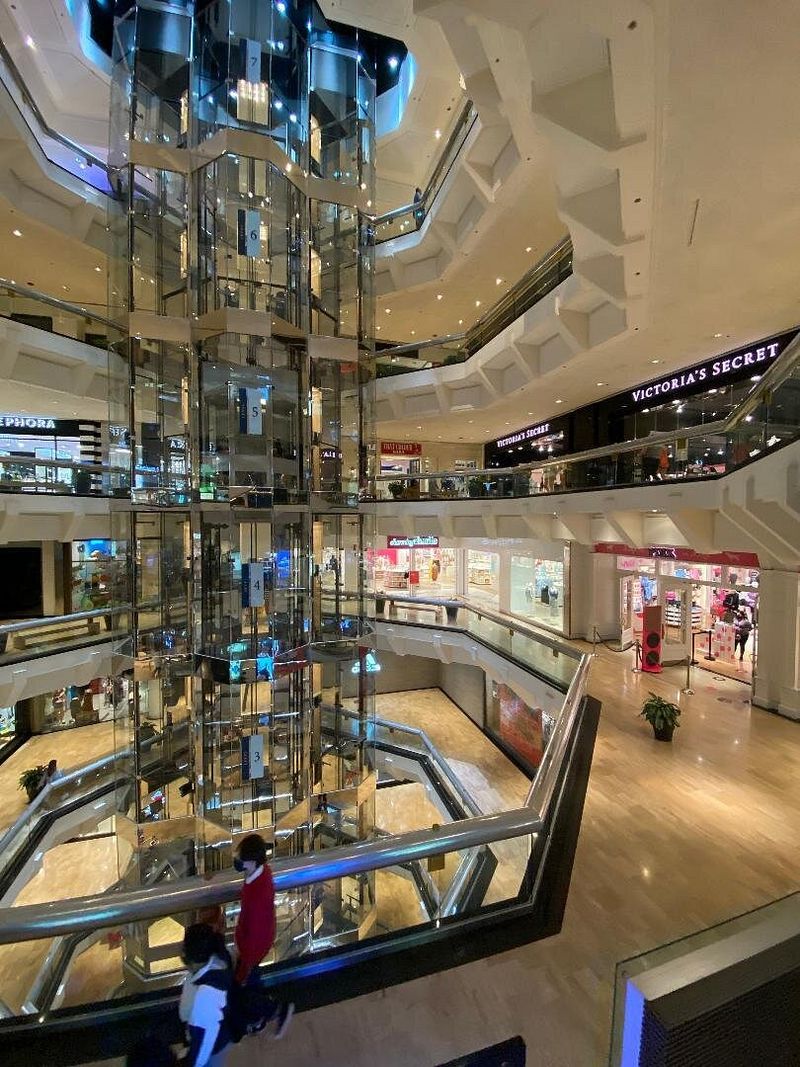
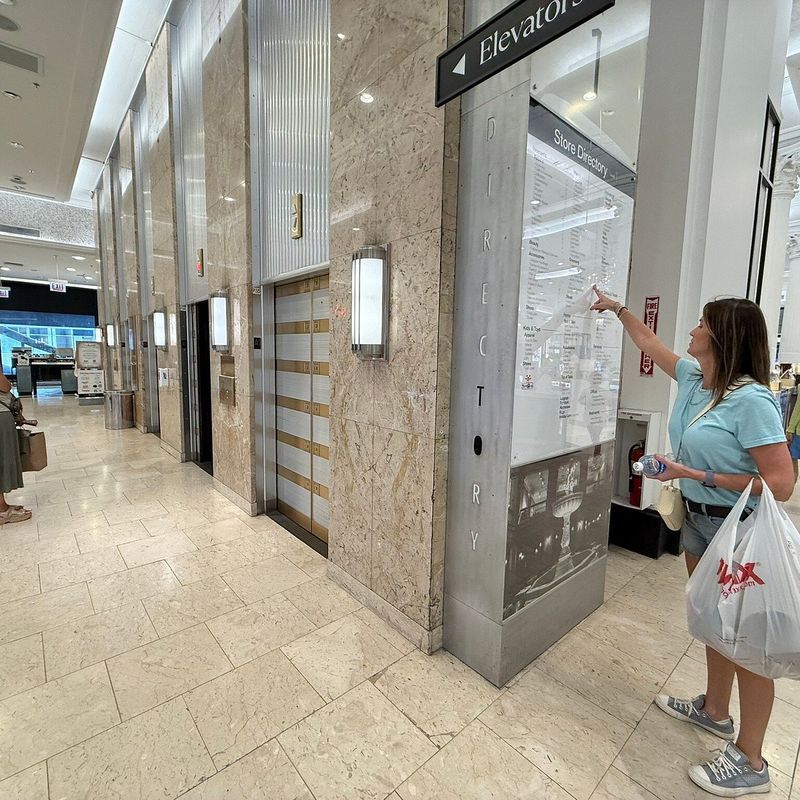
With multiple floors and a layout that covers an enormous amount of square footage, this store offers a genuinely wide range of products under one roof. Clothing, accessories, beauty products, housewares, watches, jewelry, and more are spread across clearly labeled departments that make navigating the space manageable once you get your bearings.
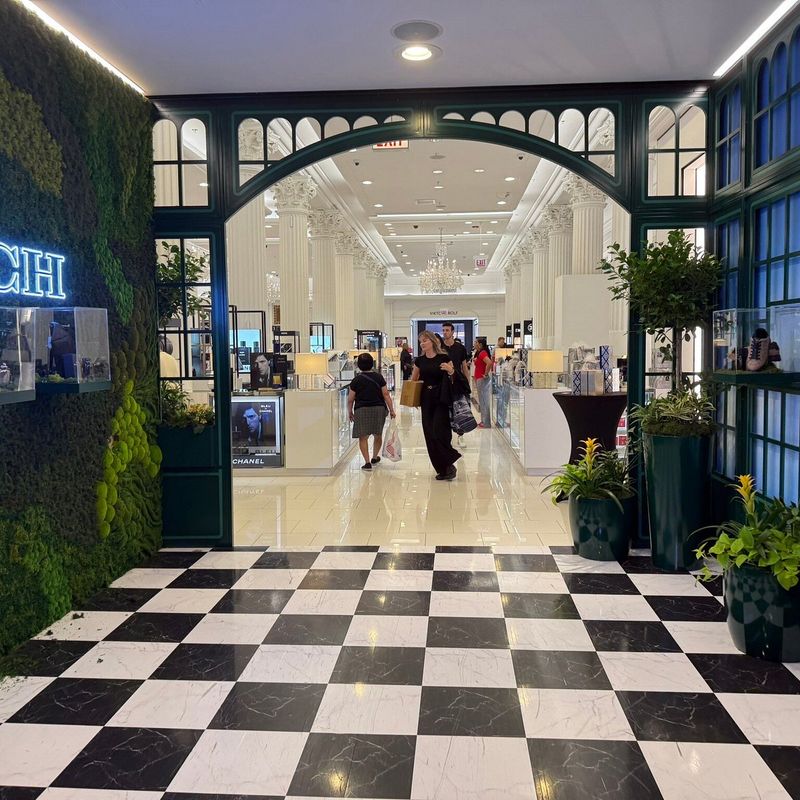
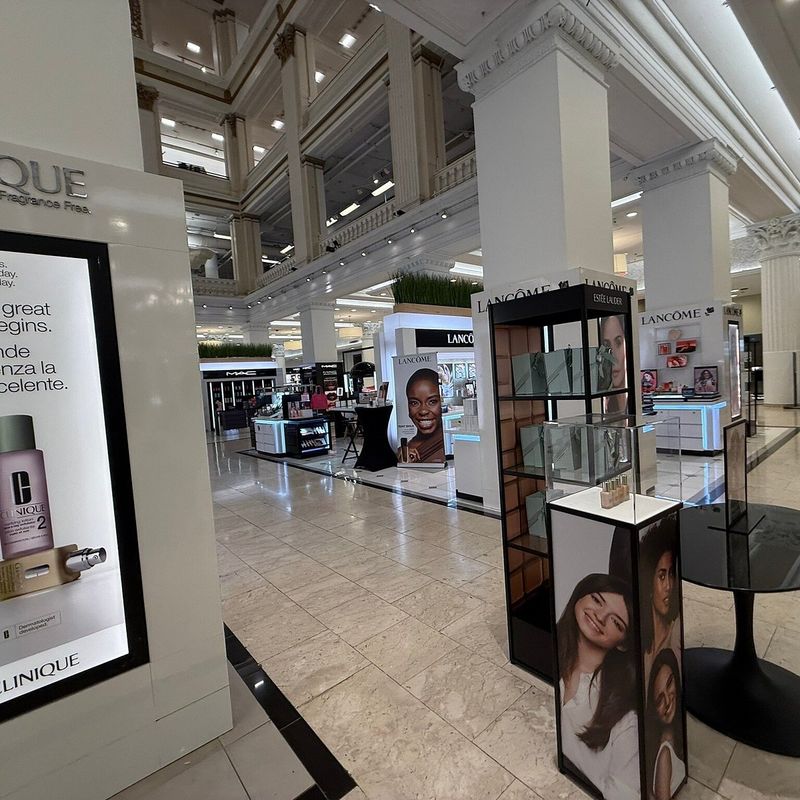
The beauty section on the first floor is particularly well-stocked, with testers and samples available at most counters so you can make informed decisions before buying. The jewelry and watch departments have received consistent praise for the patience and knowledge of the staff, with multiple visitors noting that they felt genuinely helped rather than pressured into a purchase.
The store also houses a Toys R Us section, which brings its own wave of nostalgic energy for shoppers who grew up with that brand. Finding it tucked inside this historic building creates an unexpected moment of childhood recognition that catches many adults completely off guard.
Sales and promotions run regularly, and the variety of price points means the store serves both budget-conscious shoppers and those looking for higher-end brands. The sheer scale of the place means that a single visit rarely covers everything, which gives you a perfectly reasonable excuse to come back and explore a different floor next time.
The Visitor Center and Staff Experience
One of the more underappreciated features of this store is its Visitor Center, which serves as a starting point for guests who want context before they explore. Staff members stationed there have been known to go well beyond basic directions, personally escorting visitors to different floors while sharing historical details about original chandeliers, animatronic figures, and the building’s timeline.
That kind of hospitality is not something you expect from a department store, and it makes a noticeable difference in how the visit feels overall. Several guests have described the experience of being guided through the building as one of the highlights of their entire Chicago trip, which says a lot given the city’s many competing attractions.
Individual staff members throughout the store have earned strong praise in their own right. Associates in the fragrance section, the watch department, and the shoe floor have all been highlighted by visitors for their patience, product knowledge, and genuine willingness to help without applying pressure.
Of course, experiences vary, as they do in any large retail environment. But when this store gets the service element right, it gets it memorably right.
The best visits here are the ones where the building’s history and the staff’s warmth combine into something that feels less like shopping and more like being welcomed into a Chicago institution.
Practical Tips for Your Visit
Getting to the store is easy thanks to its central location in the Chicago Loop, with multiple CTA train lines stopping within a short walk. The Red, Blue, Green, Orange, Pink, and Brown lines all have nearby stations, making a car completely unnecessary for most visitors coming from within the city or from nearby suburbs.
Parking is available in the area, but the validated parking discount offered by the store is modest, leaving the cost still relatively high. Using a parking app to book a nearby lot in advance can cut that expense significantly, sometimes by more than half compared to arriving without a reservation.
The store closes at 9 PM on weekdays and Saturdays, and at 8 PM on Sundays. Arriving in the last fifteen minutes before closing is not ideal, as some registers begin closing down early and the staff’s attention naturally shifts toward end-of-day tasks rather than customer assistance.
The Walnut Room requires reservations during the holiday season and they fill up quickly, so booking well in advance is the smartest approach if that experience is on your list. For general shopping, weekday mornings tend to be quieter and more relaxed than weekend afternoons.
The store phone number is +1 312-781-1000 if you need to confirm anything before making the trip.
Why This Store Still Matters to Chicago
A department store holding this much cultural weight in a major American city is increasingly rare. Most retail spaces are interchangeable, defined by their inventory rather than their identity.
This building on State Street is the opposite of that, carrying a sense of place and history that makes it meaningful beyond whatever happens to be on sale that week.
The debates about the Marshall Field name, the changes to the window displays, and the evolution of the store’s character are all real and worth having. But those conversations exist precisely because people care deeply about what this building represents.
Indifference would be far more damaging than any renovation.
The Tiffany ceiling still glows above the atrium. The green clocks still mark time on the corner.
The Walnut Room still serves pot pie to families who have been coming here for three generations. Those are not small things.
They are the threads that connect Chicago’s present to a very specific and beloved version of its past.
For visitors coming to Chicago for the first time, this store belongs on any serious itinerary alongside the lakefront and the architecture boat tours. For longtime locals, it remains a place worth returning to, not just for shopping but for the particular feeling of standing inside a building that has genuinely meant something to an entire city for well over a hundred years.
Share this story