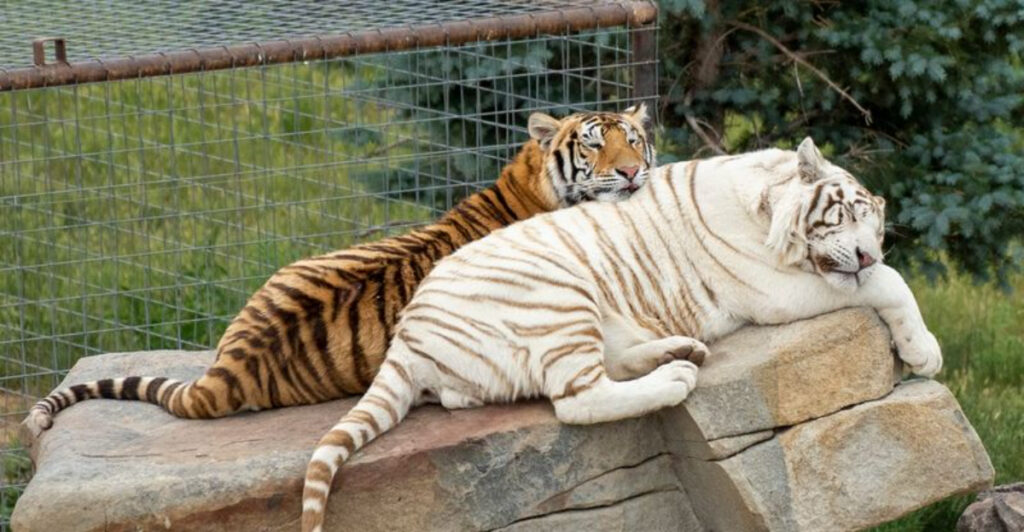
There is a place in Colorado where you can walk 30 feet above the ground and look down at lions, tigers, grizzly bears, and wolves roaming freely below you. It is not a zoo, and it is not a theme park.
Every single animal here has a rescue story, and the space they live in is vast enough that they can actually run, rest, and behave like the wild animals they are. The elevated walkway stretches 1.5 miles out and 1.5 miles back, meaning you get a full three-mile tour above some of the most powerful predators on the planet.
By the time you finish reading this, you will know exactly what to expect, how to prepare, and why this place leaves most visitors already planning their next trip before they even reach the parking lot.
A Rescue Mission Unlike Any Other
The Wild Animal Sanctuary has been rescuing large carnivores since 1980, making it one of the oldest and most established facilities of its kind in the United States. It started with a single wolf and has grown into a sanctuary that now cares for more than 10,000 acres of land across multiple locations.
Every animal that arrives here has come from a difficult situation. Some were kept illegally as exotic pets.
Others were seized from roadside attractions or poorly run facilities. A few even came from the wave of tigers that became famous after a popular documentary series about captive big cats.
The sanctuary does not breed animals, and it does not use them for entertainment. The entire operation exists to give these animals a safe, permanent place to live out their lives with dignity, space, and proper care.
Where Exactly You Are Going
The Wild Animal Sanctuary sits at 2999 Co Rd 53, Keenesburg, CO 80643, about an hour northeast of Denver on the open Colorado plains. The drive itself gives you a preview of the wide, flat landscape that makes this location perfect for housing large predator enclosures.
Keenesburg is a small town, so do not expect a lot of nearby restaurants or shops. Plan your visit around the sanctuary itself, and bring snacks or a packed lunch if you want to eat something substantial during the trip.
The sanctuary is open to visitors most days, but hours vary by season. Winter hours tend to end earlier in the afternoon, so arriving right when the gates open in the morning is always the smartest move.
Getting there early also means you have a better chance of catching the animals during feeding time when they are most active.
The Elevated Walkway That Changes Everything
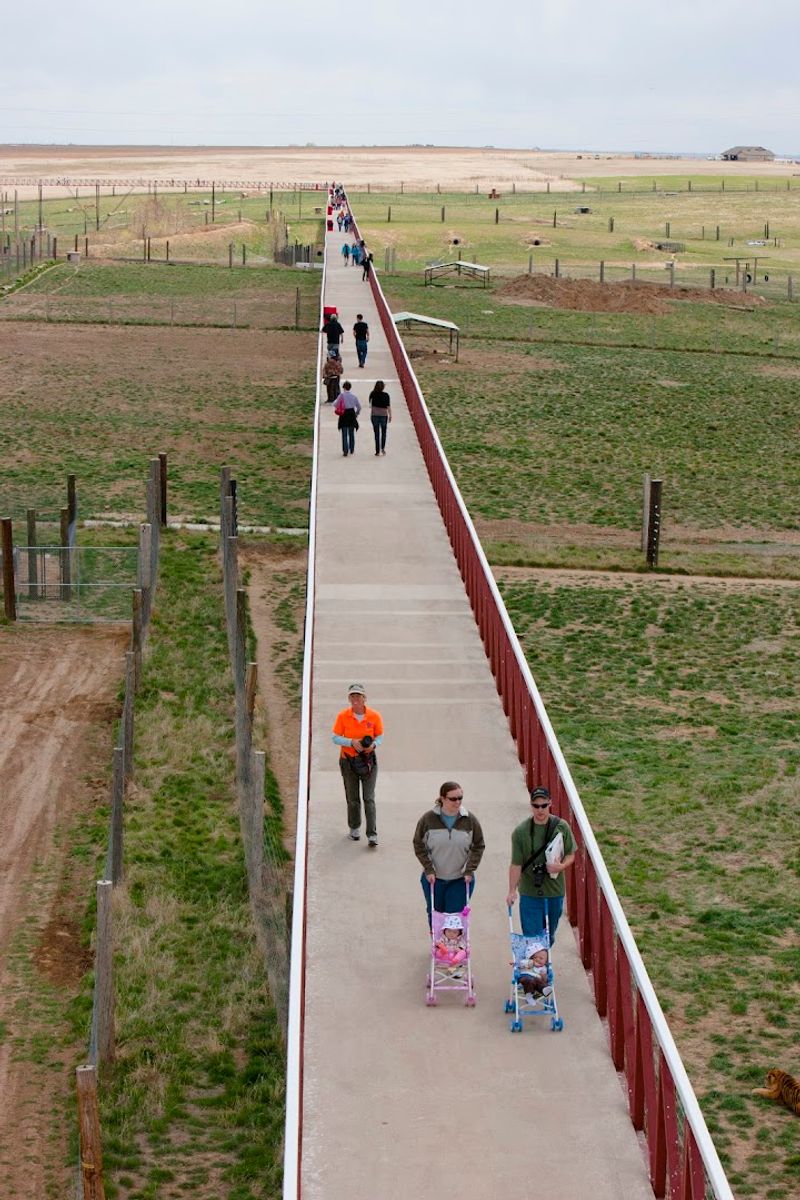
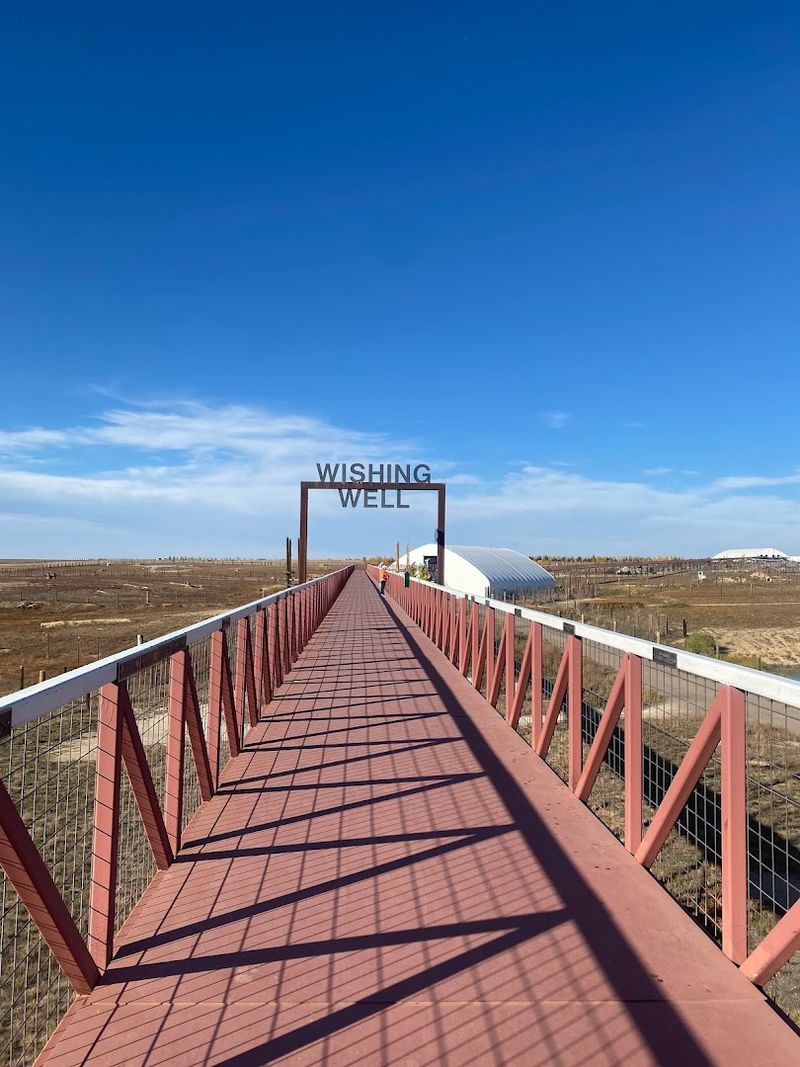
The design of this place is what sets it apart from every other animal facility I have ever visited. A raised steel walkway stretches 1.5 miles from the entrance out across the enclosures, then 1.5 miles back, giving you a full three-mile round trip above the animals.
Being up high is the key. The animals below do not feel crowded or watched the way they might through a fence at eye level.
From 30 feet above, you can observe natural behavior without causing stress, and the animals genuinely seem unbothered by the people walking overhead.
The walkway surface is covered with rubber tiles, which makes the walk easier on your feet than plain metal grating. Wheelchair users and stroller pushers can access the full length of the walkway, and the layout is straightforward enough that you set your own pace without any pressure to keep moving.
Lions, Tigers, Bears, and So Much More
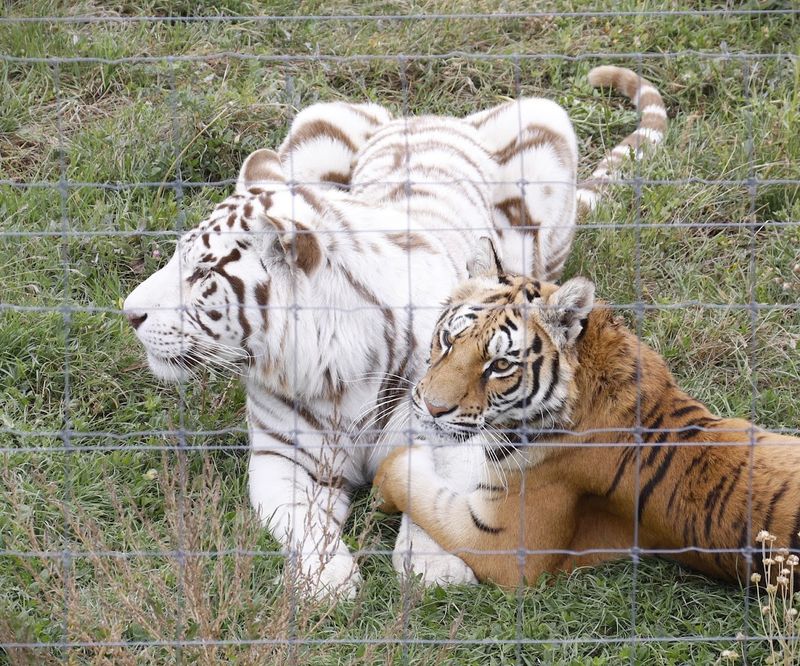
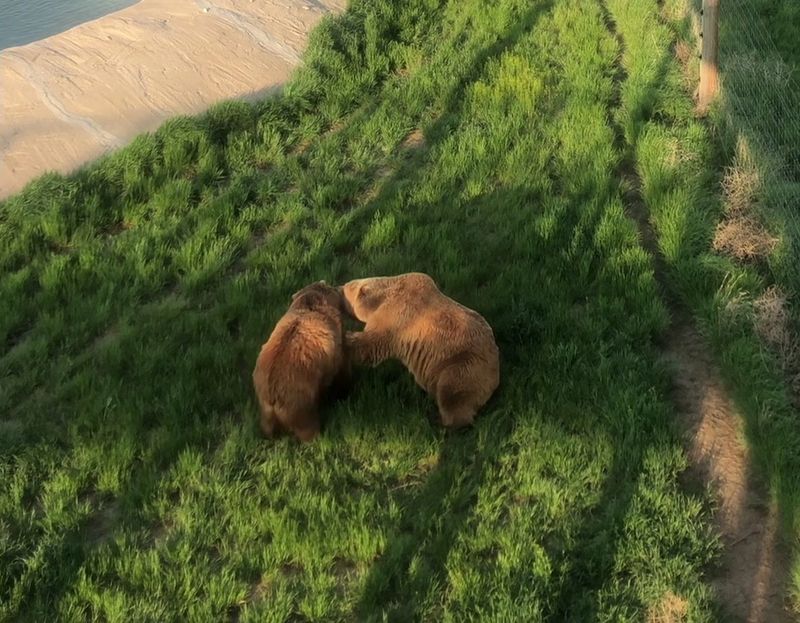
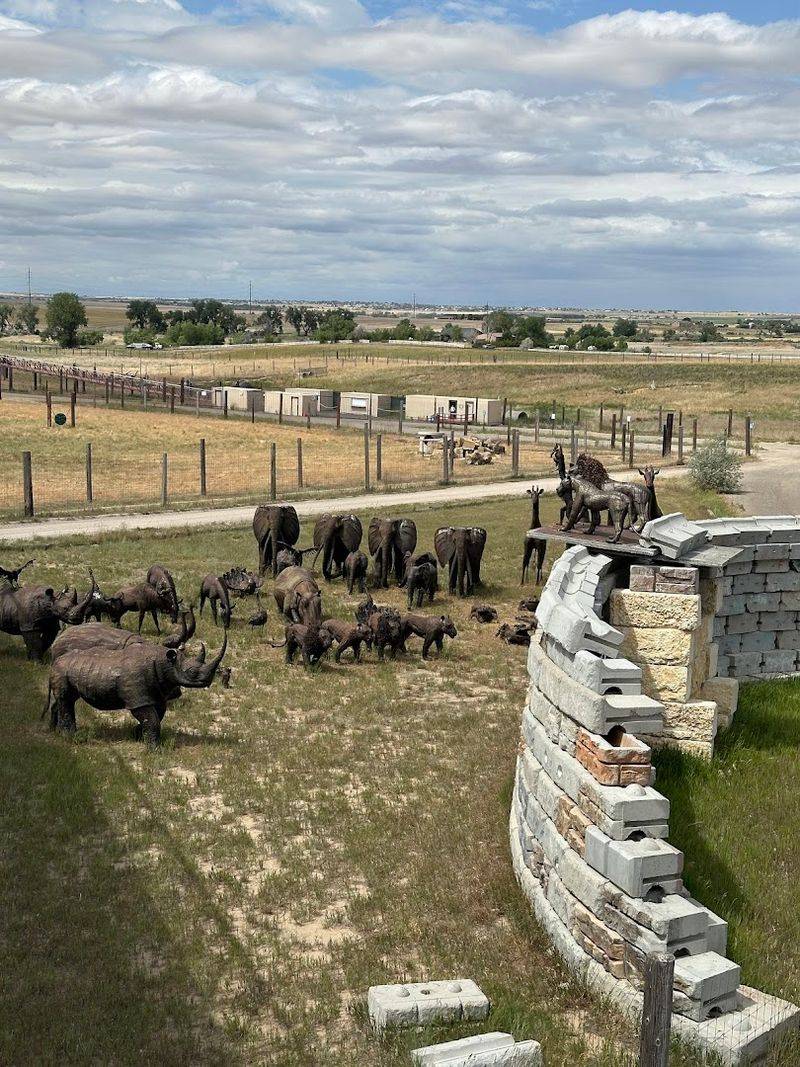
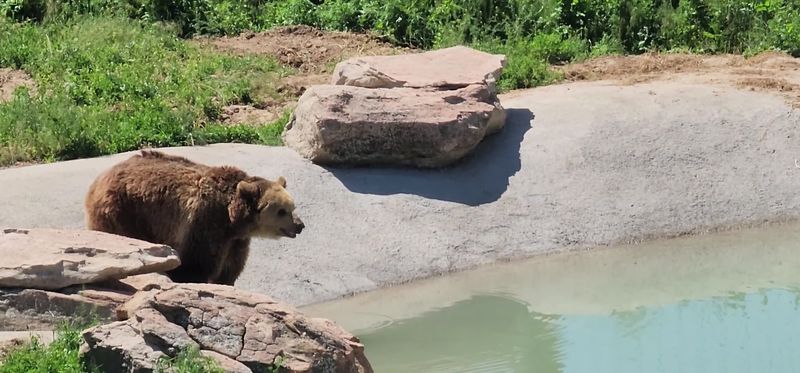
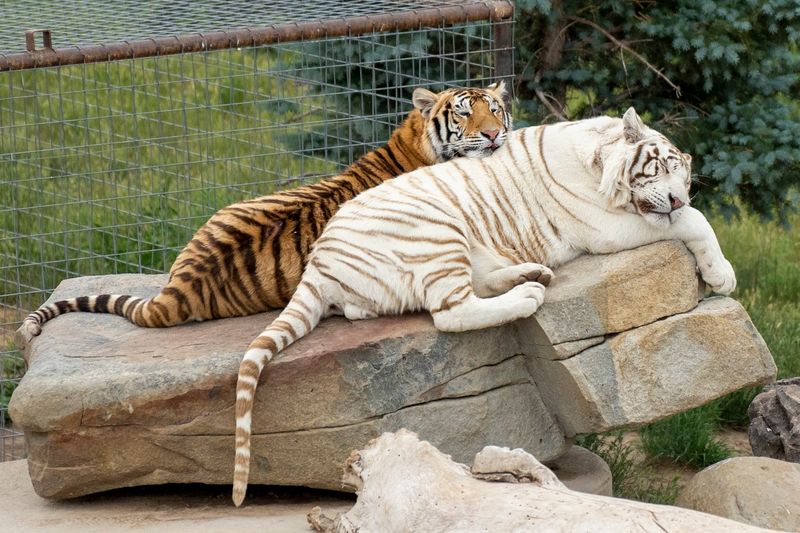
The animal lineup here is genuinely impressive. On a single visit, you can spot white tigers, orange tigers, African lions, grizzly bears, black bears, wolves, jaguars, bobcats, foxes, coyotes, and even water buffalo and horses in some areas of the property.
Big cats are the main attraction for most visitors, and there are a lot of them. The sanctuary houses hundreds of lions and tigers, many of which arrived in groups from large-scale seizures.
Watching a group of tigers stretch out in the sun or pace along the edge of their enclosure is something that stays with you long after you leave.
The wolf packs are a particular highlight worth slowing down for. Watching them interact with each other, establish order within the group, and move together across the land is one of the more quietly fascinating things this sanctuary has to offer.
Why Binoculars Are Non-Negotiable
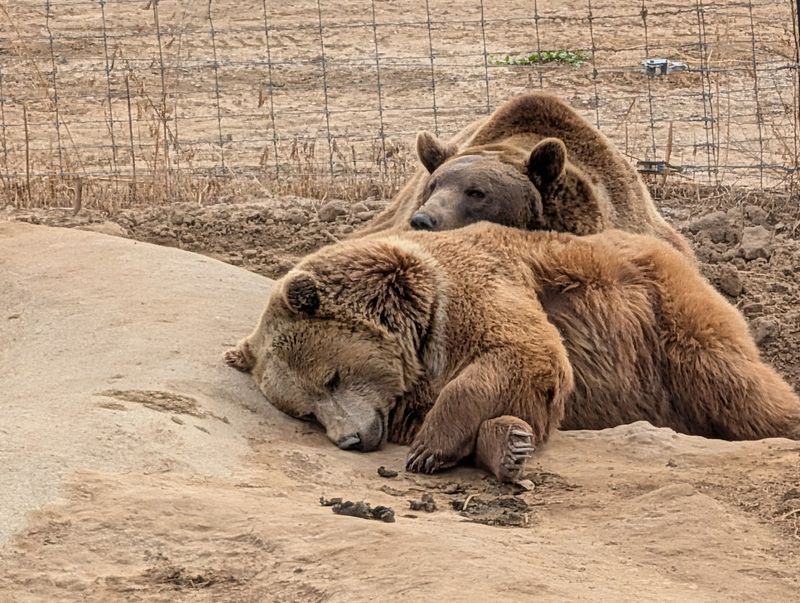
Here is the one piece of advice that every experienced visitor will tell you before your first trip: bring binoculars. The enclosures are enormous, which is wonderful for the animals but means that some of them will be resting far from the walkway when you pass overhead.
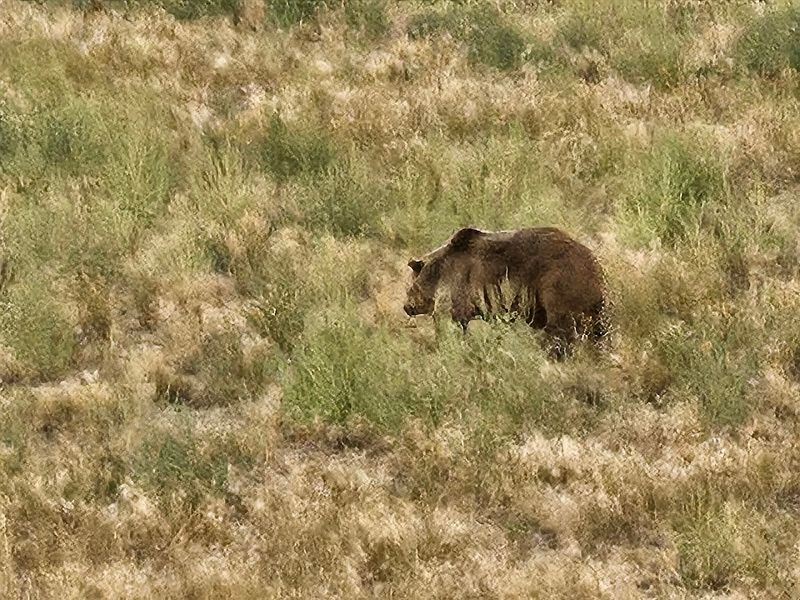
Without binoculars, a distant bear sleeping under a tree just looks like a brown shape in the grass. With them, you can see the rise and fall of its breathing, the texture of its fur, and the way its ears occasionally flick at flies.
That level of detail completely transforms the experience.
If you forget to bring your own, the sanctuary rents binoculars for around ten dollars, and each visiting group also receives a complimentary monocular at the entrance. The monocular is helpful, but a full pair of binoculars gives you a noticeably better view of animals resting in the far corners of their enclosures.
What to Know Before You Arrive
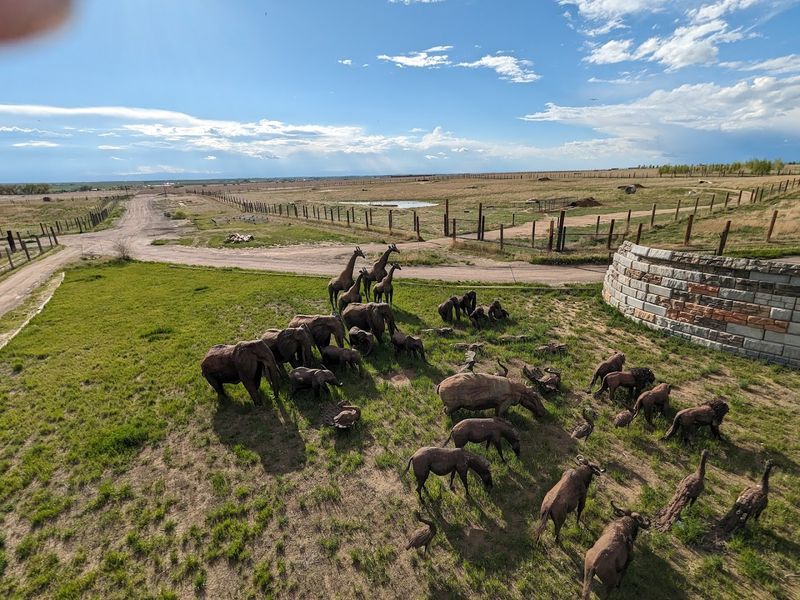
Before you step onto the walkway, every visitor watches a short educational video that runs about ten minutes. It covers the sanctuary’s mission, the rules for the walkway, and what kind of experience to realistically expect.
Watching it carefully actually pays off because it helps you spot animals you might otherwise walk right past.
This is not a zoo where animals are placed close to viewing areas and trained to be visible. Some animals will be far away.
Some will be asleep. A few might be completely out of sight depending on the weather and the time of day.
Going in with that understanding makes the experience much more rewarding.
The sanctuary’s website is worth reading before your visit as well. It outlines seasonal animal behavior, ticket pricing, and any special events or programs that might be running during your trip.
A little preparation goes a long way here.
The Best Time of Day to Visit
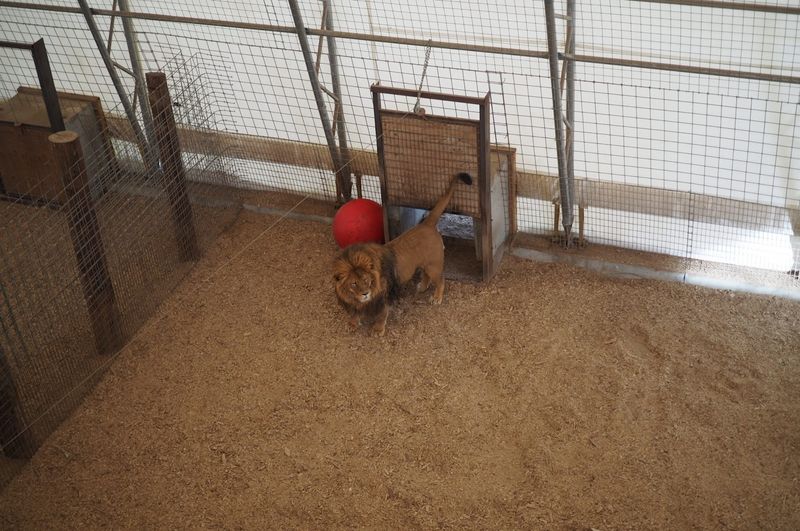
Timing your visit makes a bigger difference here than at most animal attractions. First thing in the morning, right when the gates open, tends to be the best window for seeing active animals.
Morning feeding happens early, and watching lions, tigers, and wolves during mealtime is an experience that most visitors say is the highlight of their whole trip.
Midday visits are still worthwhile, but the big cats especially tend to find shade and rest during the hottest hours. On a warm afternoon, you might see more sleeping animals than moving ones, which is still interesting but noticeably quieter in terms of activity.
Late afternoon and dusk visits have their own appeal, particularly in cooler months when the animals tend to become more active again as the temperature drops. Some visitors plan multiple trips throughout the year specifically to see how the animals behave differently across seasons.
How to Dress and What to Pack
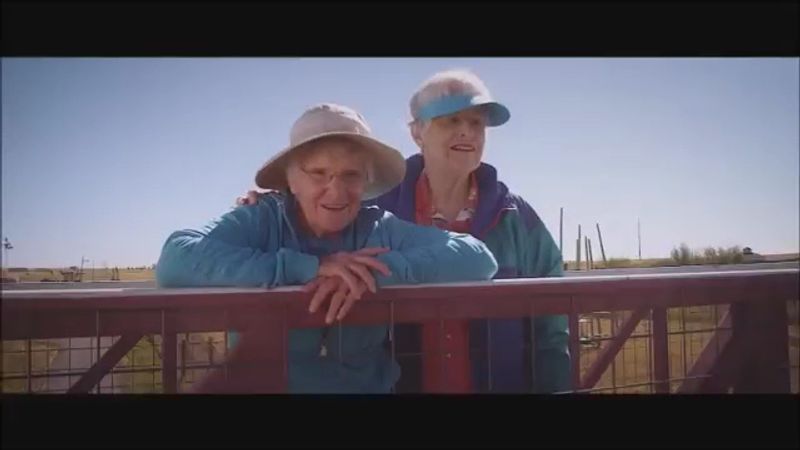
The walkway is entirely outdoors and exposed to the Colorado sky, which means sun protection is not optional. Hats, sunscreen, and sunglasses are genuinely necessary, especially in the warmer months when the lack of shade on the walkway becomes very apparent after the first half mile.
Comfortable walking shoes matter more than most people expect. Three miles on a rubber-tiled metal walkway is not difficult terrain, but it is still three miles, and doing it in flip-flops or dress shoes is a choice you will regret somewhere around the halfway point.
Water is essential, and bringing your own saves you money. There are a few spots along the walkway where you can grab a drink or a snack, so you are not completely on your own if you forget.
A stroller or wagon for young children is a smart addition since small legs cover three miles much more slowly than adult ones.
A Place That Welcomes Everyone
One of the most thoughtful things about the design of this sanctuary is how genuinely accessible it is. The elevated walkway accommodates wheelchairs and strollers along its full length, so visitors who use mobility aids can experience the same views as everyone else without any compromise.
Powered scooters can navigate the walkway as well, which means elderly visitors or anyone with mobility limitations can take in the full three-mile route at their own pace. The rubber tile surface helps with traction and comfort for everyone, not just those using wheels.
Families with young children find the layout manageable because the path is linear and easy to follow. You go out, you come back, and there are no complicated trail splits or confusing sections to navigate.
Groups with mixed ages and abilities consistently find that everyone can participate fully, which is rarer than it should be at outdoor attractions.
The Price of Admission and What It Supports
Admission to the sanctuary is on the higher end compared to a typical day out, and that is something worth understanding before you arrive so it does not catch you off guard. Most visitors agree that once they see the scale of the operation, the cost makes complete sense.
Caring for hundreds of large carnivores is extraordinarily expensive. Food, veterinary care, enclosure maintenance, and staff all require significant ongoing funding.
The entry fee goes directly toward keeping those animals fed, healthy, and housed in enclosures that give them real space to move around.
The sanctuary is a nonprofit organization, and donations beyond the admission fee are always welcome. Some visitors choose to adopt an animal symbolically as a way of contributing more.
Knowing that your money goes straight to the animals rather than to shareholders or entertainment budgets makes the admission feel like a worthwhile investment rather than just a ticket price.
Animals With Stories Worth Reading
Along the walkway, each enclosure has signage that tells you about the animals living there. These are not just species facts.
They are actual backstories about where each animal came from, what kind of situation they were rescued from, and how long they have been at the sanctuary.
Some of the stories are heartbreaking and some are surprisingly uplifting, but all of them add a layer of meaning to what you are seeing below you. A tiger is not just a tiger when you know it spent years in a concrete enclosure before arriving here and discovering what grass feels like for the first time.
Taking the time to read the signs rather than rushing from one enclosure to the next is what separates a good visit from a truly memorable one. Slowing down, reading the context, and watching the specific animal whose story you just read turns the whole experience into something personal.
Planning Your Return Visit
Most people who visit once end up planning a second trip before they even get back to their car. The reason is simple: the experience changes depending on the season, the time of day, and even the weather on that particular afternoon.
No two visits are exactly the same.
In summer, the big cats tend to lounge in the shade while the wolves stay more active in the cooler corners of their enclosures. In winter, some bears go into their natural hibernation cycle, but the big cats and wolves are often more energetic in the cold air.
Spring and fall tend to offer the most balanced mix of active animals across all the enclosures.
Before leaving, check the sanctuary’s website for any special visiting programs or seasonal events. Some time slots offer a different perspective on the property, and returning visitors often say that each trip feels like a genuinely fresh experience rather than a repeat of the last one.
Share this story