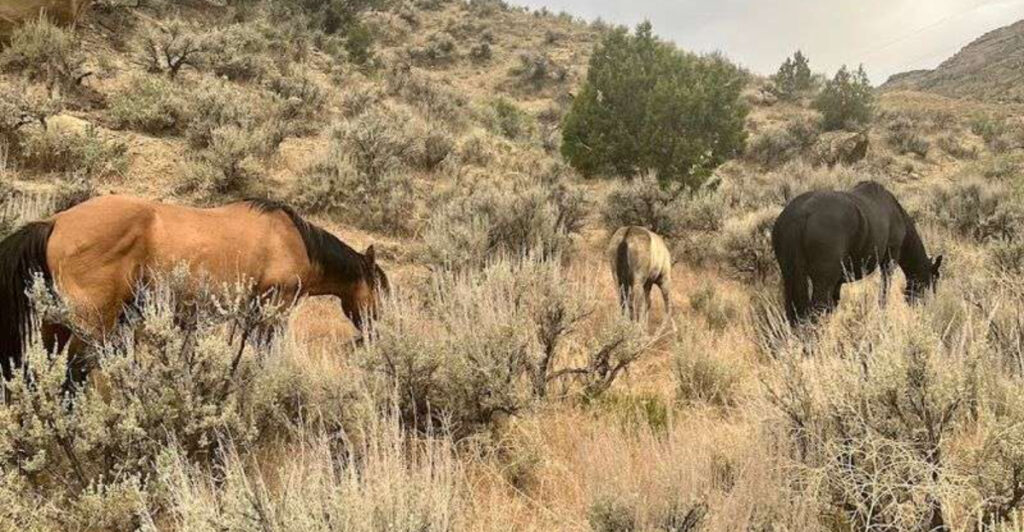
There is a place in western Colorado where wild mustangs still roam the canyon country just as they have for generations, completely free and unbothered by fences or feeding schedules. A short drive from Grand Junction puts you face to face with one of the most stirring wildlife experiences in the entire American West.
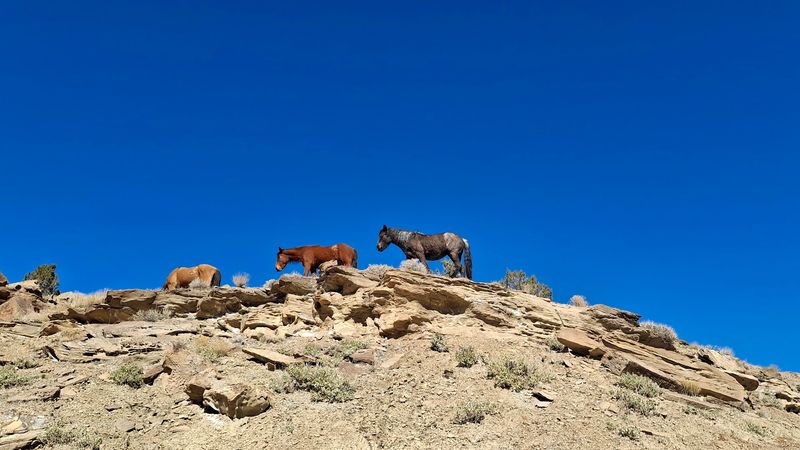
The dramatic cliffs rise like natural walls around you, the desert air carries the scent of sage, and then, without warning, a band of horses appears on the ridge above. This is not a zoo, a ranch, or a staged photo opportunity.
Little Book Cliffs Wild Horse Range is the real thing, and every visit feels like stumbling into a scene that most people only see in movies.
Where Exactly You Are Going
Little Book Cliffs Wild Horse Range sits just outside Clifton, Colorado 81520, tucked into the rugged canyon country northeast of Grand Junction in Mesa County. The Bureau of Land Management oversees this remarkable stretch of high desert terrain, and the official trailhead can be reached via Coal Canyon Road off Interstate 70.
The range covers roughly 36,000 acres of canyon, mesa, and cliff habitat, making it one of only three wild horse ranges in the entire United States specifically designated for free-roaming mustangs. That distinction alone sets this place apart from any other outdoor destination in Colorado.
Getting here requires some planning, since cell service drops off quickly once you leave the main highway. Download an offline map before you go, and consider stopping in Clifton or Grand Junction to top off your fuel tank and pick up extra supplies before heading out.
The Wild Horses Themselves
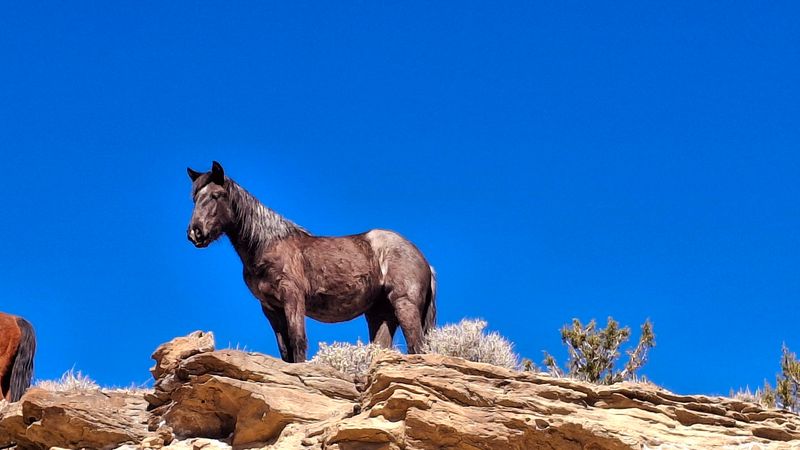
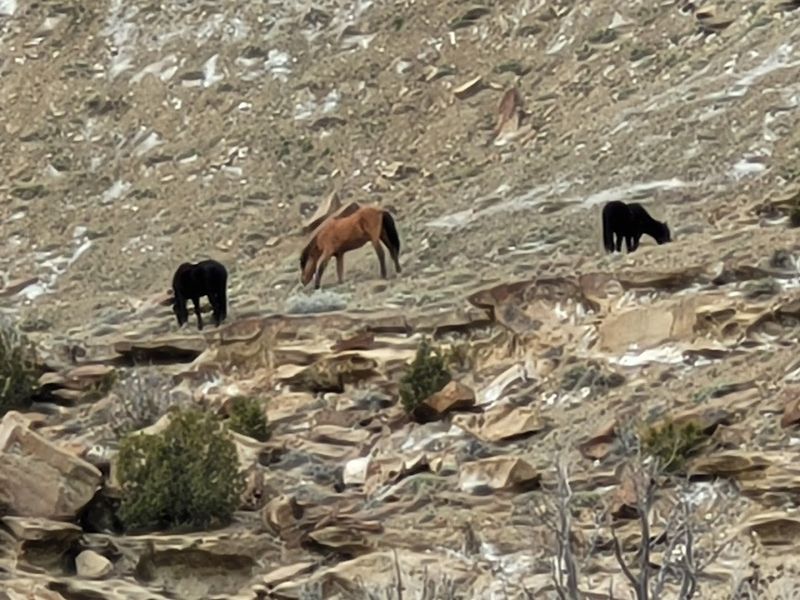
Somewhere between 90 and 150 wild horses call this range home at any given time, and spotting them feels like winning a small lottery. The herd is made up of bands, each led by a dominant stallion who keeps his mares and young foals close.
Seeing a stallion stand guard on a cliff edge while his family grazes below is something that stays with you.
Visitors have spotted horses within the first mile of the trail, while others have hiked four miles along the riverbed and found only hoofprints in the dust. The unpredictability is part of the experience.
These animals are genuinely wild, not habituated to humans, which means encounters feel earned rather than guaranteed.
Spring and early morning visits tend to offer the best chances of seeing the horses near the canyon floor, where water sources draw them down from the higher mesas during cooler parts of the day.
The Story Behind the Range
The Wild Free-Roaming Horses and Burros Act of 1971 changed everything for mustangs across the American West. Before that law passed, wild horses had no federal protection and faced serious threats to their survival.
The Little Book Cliffs area was formally designated as a herd management area to give these animals a permanent, protected home.
The BLM manages the herd size carefully to keep the population in balance with the available water, forage, and land resources. Periodic roundups are conducted when the herd grows beyond what the range can sustainably support, and some horses are made available for adoption through the BLM’s wild horse adoption program.
The history of these specific horses stretches back centuries, with ancestors that include Spanish colonial horses brought to the Americas long before the United States existed as a country. That deep historical thread makes every sighting feel surprisingly meaningful.
What the Landscape Looks Like
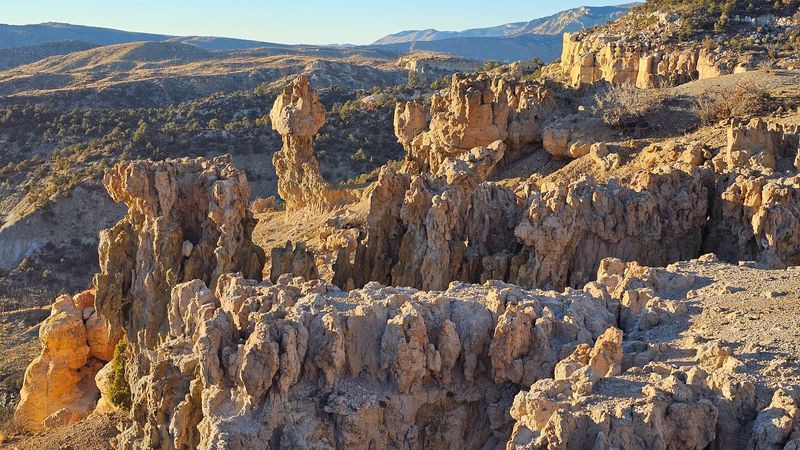
The terrain here is genuinely striking, even on days when the horses stay hidden. Towering sandstone cliffs frame the canyon walls in shades of rust, tan, and deep orange.
The canyon floor follows a dry riverbed lined with cottonwood trees and scrubby desert vegetation that somehow thrives in the arid heat.
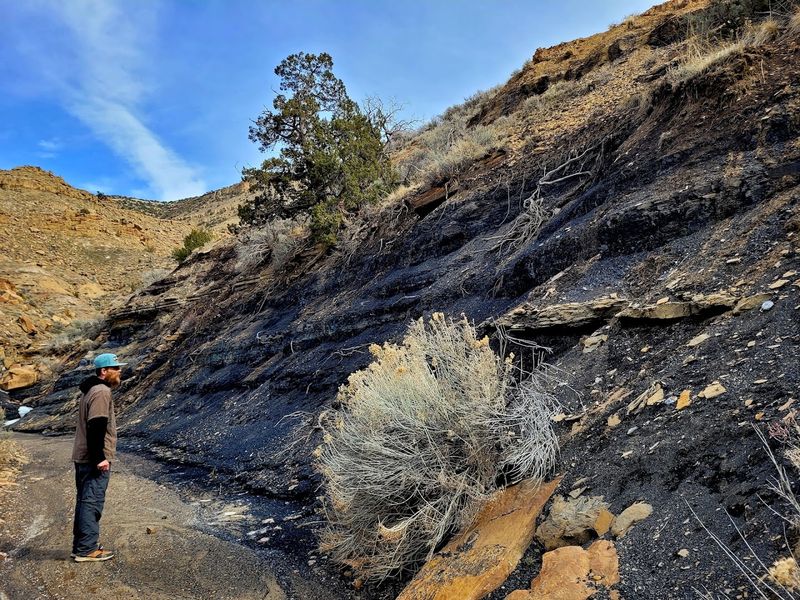
Coal seams are visible in the canyon walls in several spots, a geological detail that hints at the region’s mining history. The layers of rock tell a story millions of years in the making, and geology fans will find plenty to study between horse sightings.
From certain elevated vantage points along the trails, you can look out over the Grand Valley below and see Fruita or Grand Junction spread across the valley floor. The contrast between the raw, untouched canyon above and the developed valley below is one of the more visually interesting moments the range offers.
Trail Options for Every Ability Level
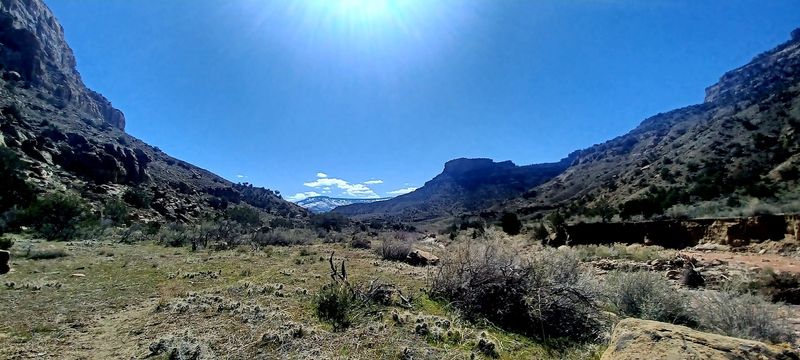
The trails at Little Book Cliffs are refreshingly flexible. There is no single mandatory route, which means you can tailor your outing to match your fitness level and how much time you have available.
The main access follows the canyon floor along the dry riverbed, and most of the terrain stays relatively flat and manageable.
A short one-to-two mile walk from the trailhead puts you in prime horse-spotting territory without demanding serious hiking experience. Those who want more adventure can follow the riverbed for four miles or longer, pushing deeper into the canyon where the landscape grows wilder and the crowds thin out completely.
More experienced off-road hikers can also find routes that climb the backside of the Book Cliffs for sweeping valley views. Whatever distance you choose, the trails are generally well-marked with clear signage, and the path is easy enough to follow without a guide leading the way.
Off-Roading Through the Canyon
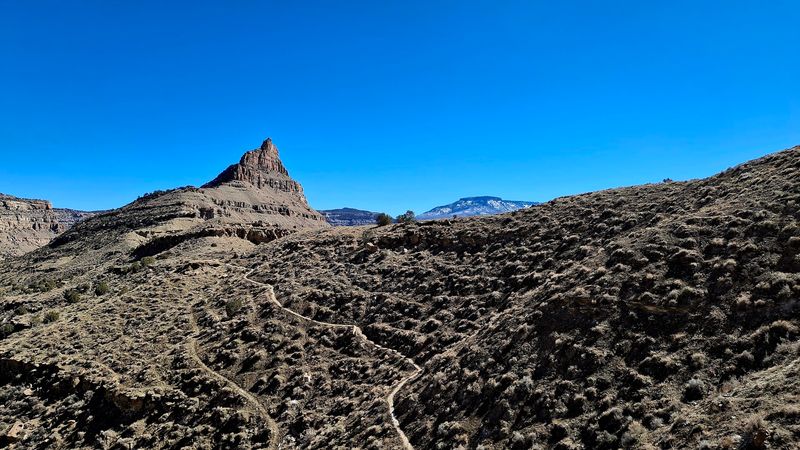
Not every visit to Little Book Cliffs has to happen on foot. The range includes off-road vehicle trails that attract 4×4 enthusiasts and side-by-side riders who want to cover more ground than hiking allows.
Spotting horses from a UTV as they graze on a canyon hillside is a genuinely thrilling way to experience the range.
Four-wheel drive is strongly advised for anyone planning to drive into the canyon, especially after any rainfall. The dirt roads can become slick and muddy quickly, and some sections cross through low-lying areas that are vulnerable to flash flooding when storms roll through the high desert.
Vehicles with lower clearance have made it through on dry days, but a truck or high-clearance SUV gives you far more flexibility and peace of mind. Scratches from trailside brush are a real possibility on narrower routes, so keeping that in mind before bringing a brand-new vehicle is a smart move.
Best Times of Year to Visit
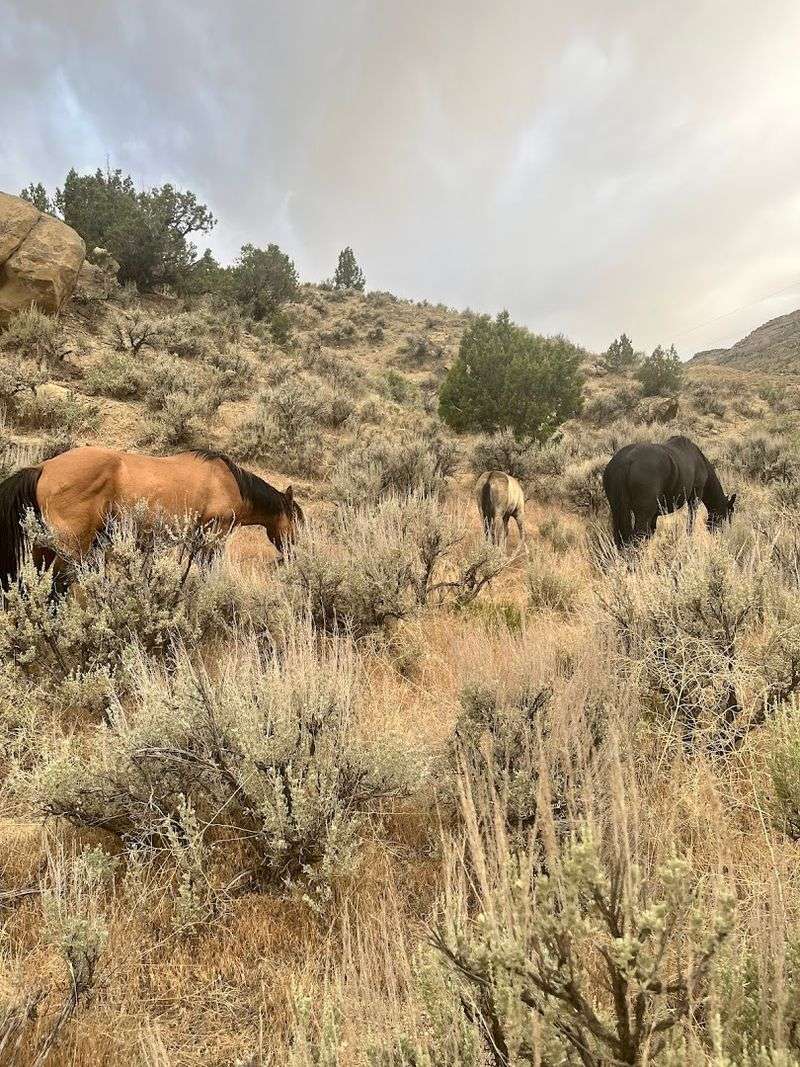
Spring ranks as the most popular season for visiting the range, and for good reason. Temperatures are mild, the horses are often more active near water sources, and you might catch mares with newborn foals if you visit between April and June.
Seeing a young colt wobble along beside its mother on a canyon trail is the kind of moment that makes the whole drive worthwhile.
Summer visits are absolutely possible but come with a serious heat warning. The canyon can bake well above 100 degrees Fahrenheit on peak summer days, and shade is scarce once you move away from the cottonwood-lined riverbed sections.
Early morning starts are essential during the warmer months.
Fall brings cooler air and beautiful golden light that makes the sandstone cliffs glow in the late afternoon. Winter visits are less common but can reward patient visitors with dramatic skies and a quieter, more solitary experience of the canyon country.
Water and Heat Safety Tips
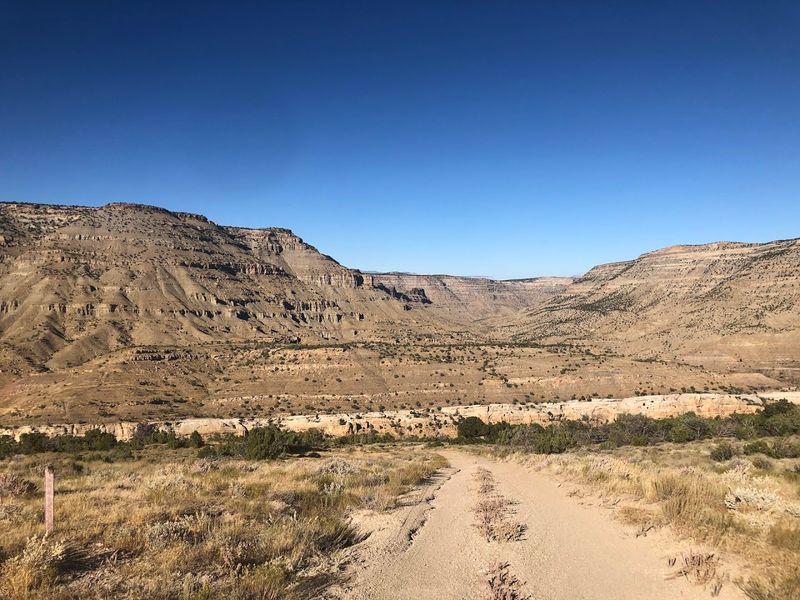
The high desert does not forgive underpreparation, and water is the single most important thing to bring on any trip to this range. Even on a mild day, the dry air and exposed terrain drain your body faster than you expect.
Most experienced visitors recommend carrying at least two liters of water per person for any outing longer than an hour.
There are no water refill stations, restrooms, or concession areas anywhere on the range. Everything you need must come with you from town, which means packing snacks, sunscreen, and a hat alongside your water supply is non-negotiable for a comfortable visit.
Wearing light-colored, breathable clothing and starting your hike before 9 a.m. during summer months dramatically reduces your heat exposure. Keeping an eye on the sky for building thunderstorms is equally important, since flash floods can move through the canyon with very little warning when summer storms develop over the mesas above.
Navigation and Getting There Without Getting Lost
Finding Little Book Cliffs requires a bit more effort than punching an address into your phone and following the voice. Cell service disappears quickly once you leave the Grand Junction area, and GPS signals can be unreliable in the canyon.
Downloading an offline map through an app like Gaia GPS or OnX before you leave is genuinely helpful rather than optional.
The main access route runs through Coal Canyon off Interstate 70. Look for the BLM signage along the highway corridor, and plan your route before you leave town rather than trying to figure it out once you lose service.
Locals in Clifton and Grand Junction are generally knowledgeable about the area and can point you in the right direction if you stop and ask.
Giving yourself extra time to find the trailhead on your first visit is a good strategy. The adventure of getting there is part of the experience, but arriving with daylight to spare makes everything more enjoyable.
Wildlife Beyond the Horses
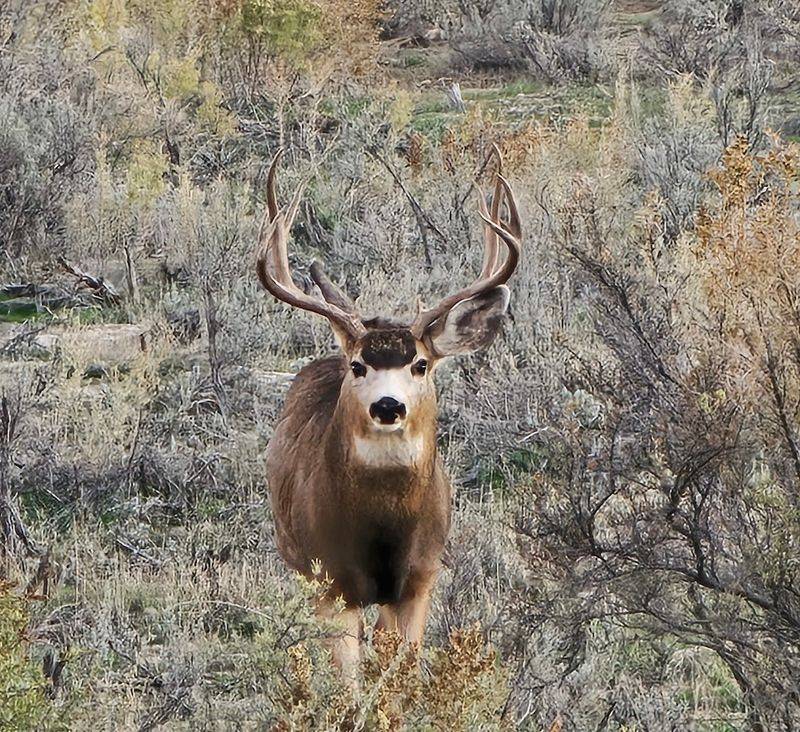
The horses get all the attention, but the range supports a surprisingly rich variety of wildlife that rewards patient observers. Mule deer move through the canyon regularly, and raptors including red-tailed hawks and golden eagles ride the thermals above the cliffs.
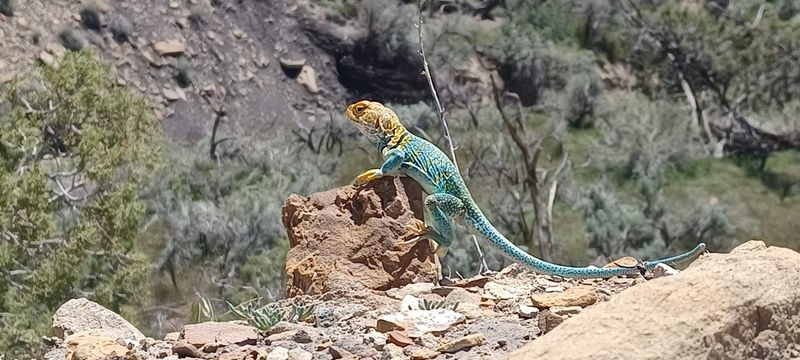
Lizards dart across sun-warmed rocks with impressive speed, and the occasional coyote trots along the canyon floor at dawn.
Desert plant life is equally worth noticing, from the hardy sage and rabbitbrush that perfume the air to the cottonwoods that cluster wherever subsurface water keeps the soil moist. Wildflowers push through the rocky ground in spring, adding unexpected color to an otherwise earth-toned palette.
Bringing a pair of binoculars dramatically improves your wildlife-watching experience, whether you are scanning the cliffs for horses standing on ledges above or watching a hawk circle lazily over the canyon. The range rewards slow, attentive visitors far more than those who rush through looking only at the trail ahead.
Fissure Arch: A Hidden Reward
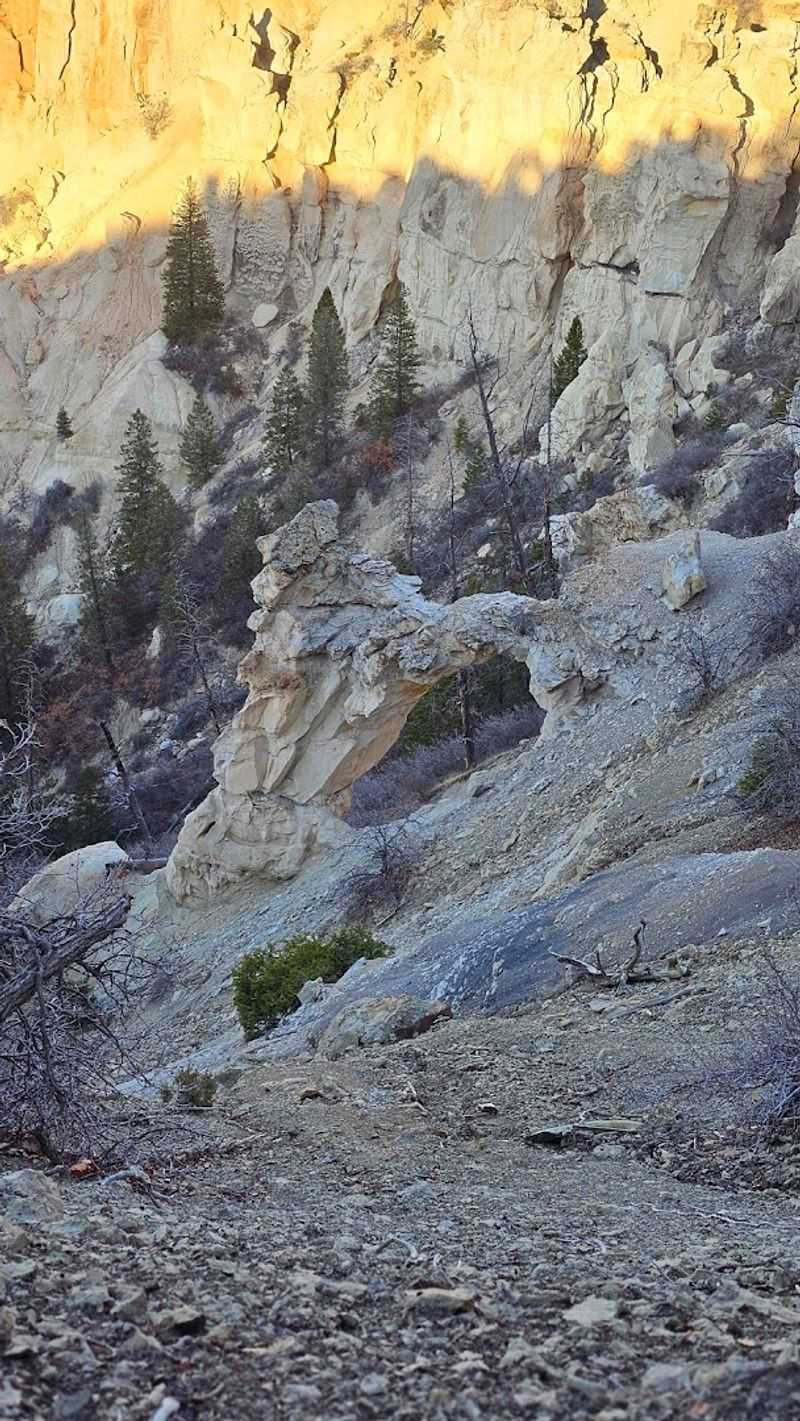
Most visitors come specifically for the horses, but the range holds at least one other discovery worth seeking out. Hidden behind Mount Garfield on the backside of the Book Cliffs is Fissure Arch, a natural sandstone arch that sees far fewer visitors than more famous arches in the region.
Finding it feels like uncovering a secret that the canyon has been keeping quietly to itself.
Reaching Fissure Arch requires more effort than the standard canyon floor walk, involving a climb up the back side of the cliffs on trails that are less developed and less clearly marked. Going with someone who has been before or using a detailed offline map significantly reduces the chances of a frustrating search.
The payoff is a dramatic arch framed against open sky, with views of the surrounding canyon country that stretch out in every direction. It pairs perfectly with a horse-spotting hike for visitors who want to make a full day of the range.
Photography Tips for Capturing the Mustangs
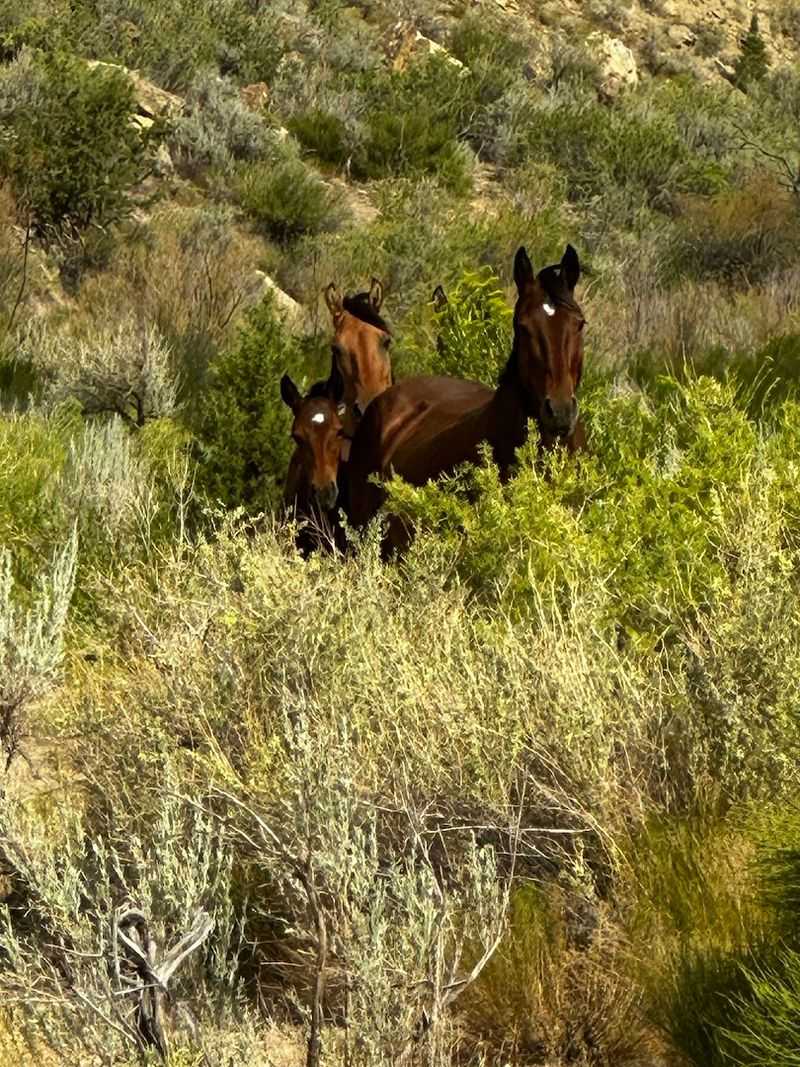
Wild horses are not always cooperative photography subjects, which is part of what makes a great shot so satisfying. A telephoto lens in the 200mm to 400mm range lets you capture detailed images from a respectful distance without disturbing the animals or causing them to move away.
Getting close enough for a smartphone photo usually means you are already too close.
Golden hour light in the morning and late afternoon transforms the sandstone canyon into a warm, glowing backdrop that makes horse portraits look genuinely cinematic. Arriving before sunrise and hiking in with a headlamp gives you the best chance of being in position when the light turns magical and the horses are most active.
Patience is the most important piece of equipment you can bring. Sitting quietly near a water source or in a shaded canyon section and simply waiting often produces far better results than actively searching the terrain and spooking every animal you approach.
What to Pack for a Full Day Visit
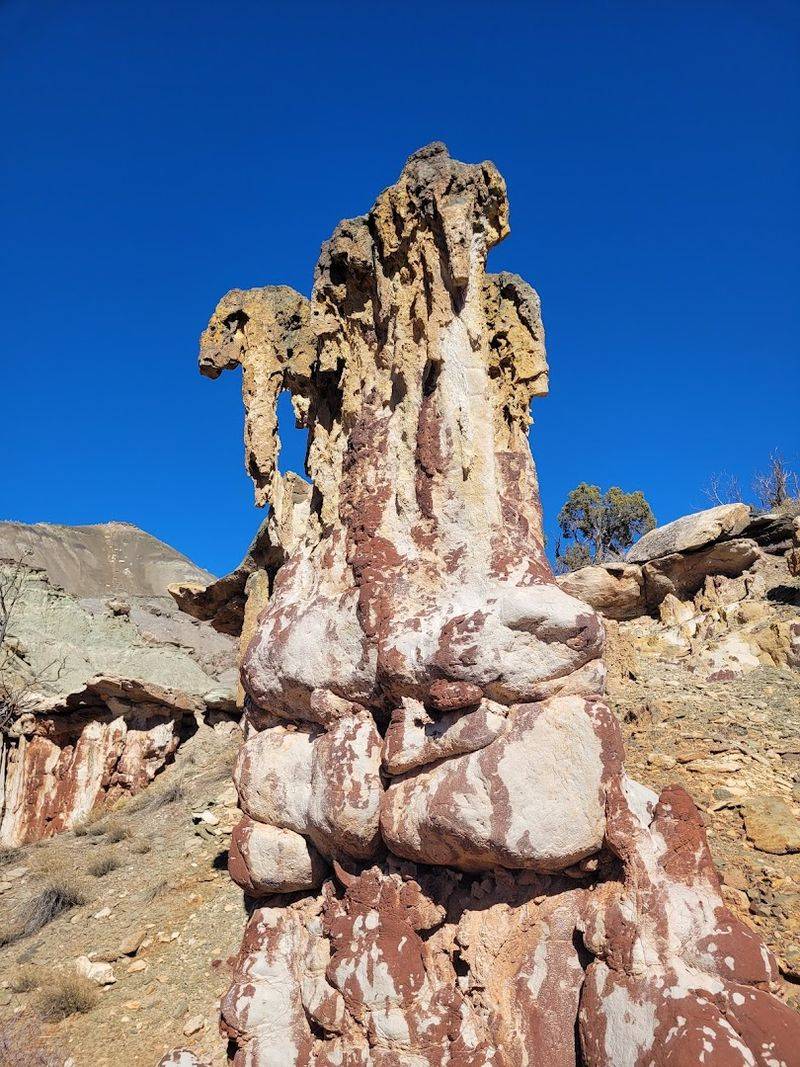
A successful day at Little Book Cliffs comes down almost entirely to what you bring with you. Beyond the essential water supply, a few key items make the difference between a comfortable adventure and an uncomfortable one.
Sturdy closed-toe shoes or hiking boots are far better suited to the rocky canyon terrain than sandals or casual sneakers.
Sunscreen, a wide-brimmed hat, and UV-blocking sunglasses protect you from the intense high-desert sun that reflects off the pale canyon walls and amplifies the heat. A small first aid kit tucked into your pack covers the minor scrapes and blisters that sometimes come with canyon hiking.
Binoculars, a fully charged phone with an offline map downloaded, a light snack, and a camera round out the ideal kit. Letting someone outside the range know your planned route and expected return time is a simple safety habit that costs nothing and adds real peace of mind in a remote area with no cell service.
Weather Awareness and Flash Flood Risks
The canyon floor of Little Book Cliffs follows a dry riverbed, which is a beautiful and easy path to walk most of the time. During monsoon season, which runs roughly from July through September in western Colorado, that same riverbed can become dangerous with very little warning.
Storms that develop miles away over the mesas can send rushing water through the canyon long before any rain falls where you are standing.
Checking the weather forecast for the Grand Junction area before heading out is a basic step that every visitor should take seriously. If thunderstorms are in the forecast for the afternoon, an early morning visit that ends by midday dramatically reduces your risk.
Clouds building over the high terrain above the canyon are a clear signal to start moving toward higher ground.
The BLM recommends avoiding the canyon floor entirely during periods of heavy rainfall. That advice is worth following without argument, since the canyon walls leave very few escape routes once water starts moving through.
Why This Place Stays With You Long After You Leave
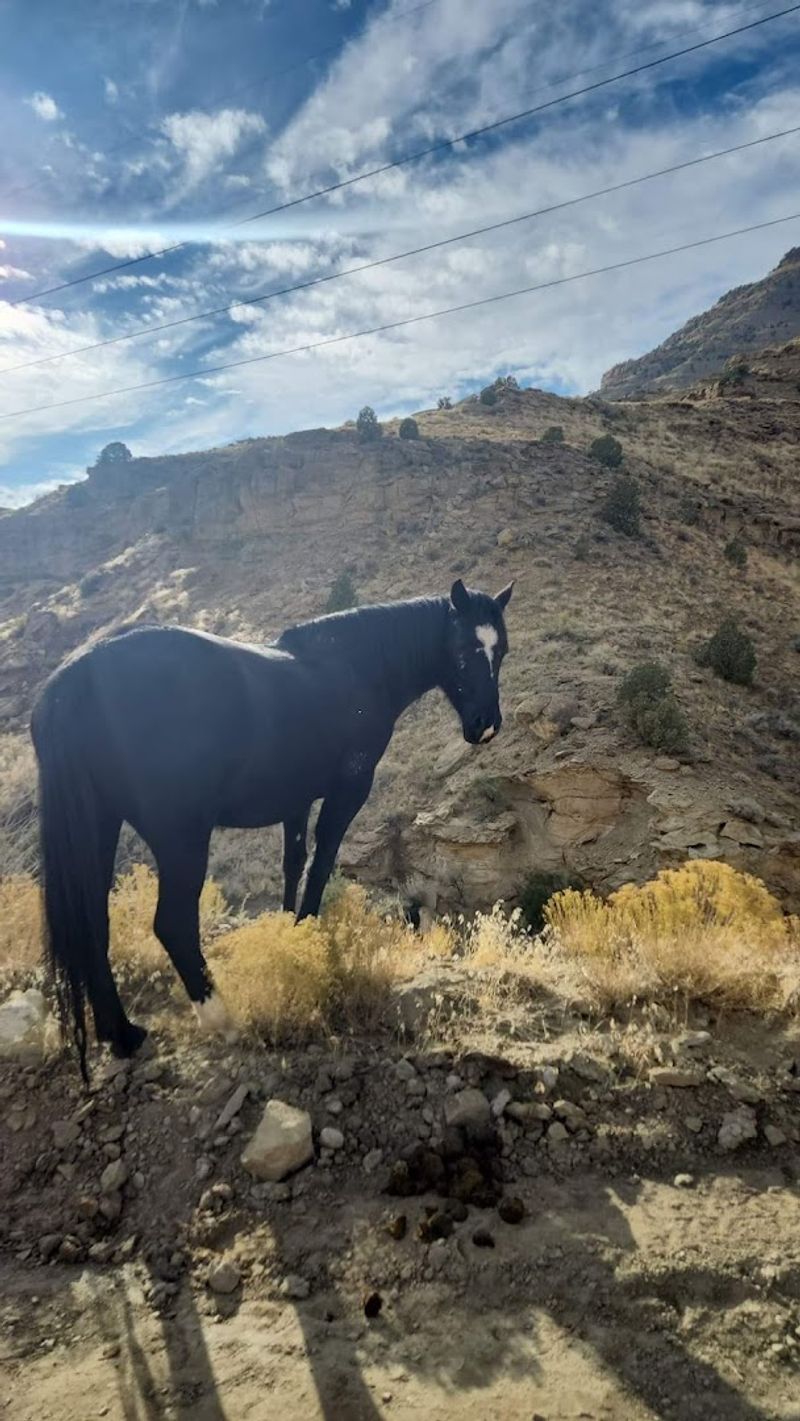
There is something genuinely different about watching an animal that has never been owned, trained, or domesticated go about its day completely on its own terms. The horses at Little Book Cliffs are not performing for visitors.
They are simply living, and you happen to be nearby for a brief window of time.
That sense of witnessing something real and unscripted is increasingly rare in a world where most wildlife experiences are managed, curated, or guaranteed for a fee. Here, nothing is guaranteed, and that uncertainty makes every sighting feel like a small, personal gift from the canyon itself.
Visitors who come back a second or third time often say the place gets under your skin in a way that is hard to explain to someone who has not been. The cliffs, the silence, the smell of sage in the morning air, and the chance that a stallion might appear on the ridge above you at any moment create a combination that is genuinely hard to forget.
Share this story