There is a small Florida town where the walls tell stories, the fields bloom with tropical plants, and clowns train like athletes. Tucked away in Highlands County, about three hours north of Miami, this quirky little place has earned two nicknames that say everything you need to know about its personality.
One nickname celebrates its extraordinary outdoor art scene, and the other crowns it as the world capital of a beloved tropical flower. Whether you are a road-tripper chasing something unexpected or simply someone who appreciates a town with serious character, this place delivers on every corner.
Keep reading, because what you are about to discover is one of Florida’s most surprisingly entertaining small towns, full of color, history, humor, and heart.
Welcome to Lake Placid, Florida
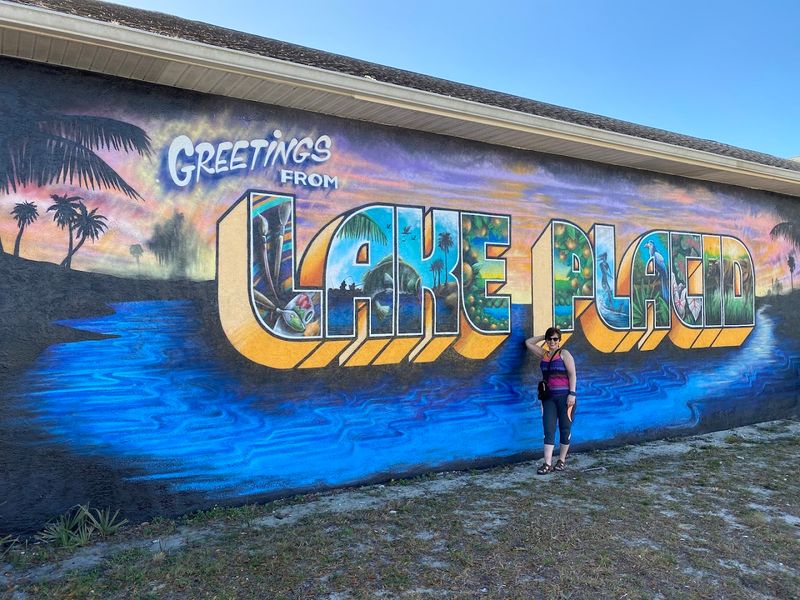
Sitting quietly in Highlands County, Florida, the town of Lake Placid is located at approximately 27 N, 81 W, with a mailing address in the Florida 33852 zip code area. It is part of the Sebring Metropolitan Statistical Area, and despite a modest population of around 2,360 residents, this town punches well above its weight in personality.
Most people drive through Highlands County without ever stopping, and that is honestly their loss. Lake Placid carries two official nicknames: the “Town of Murals” and the “Caladium Capital of the World.” Both titles are earned, not invented for tourism brochures.
The town sits about three hours north of Miami and roughly an hour south of Orlando, making it a surprisingly accessible detour from Florida’s busiest corridors. You can learn more at the official site: http://www.lakeplacidfl.net/.
The Mural Town That Earns Its Nickname
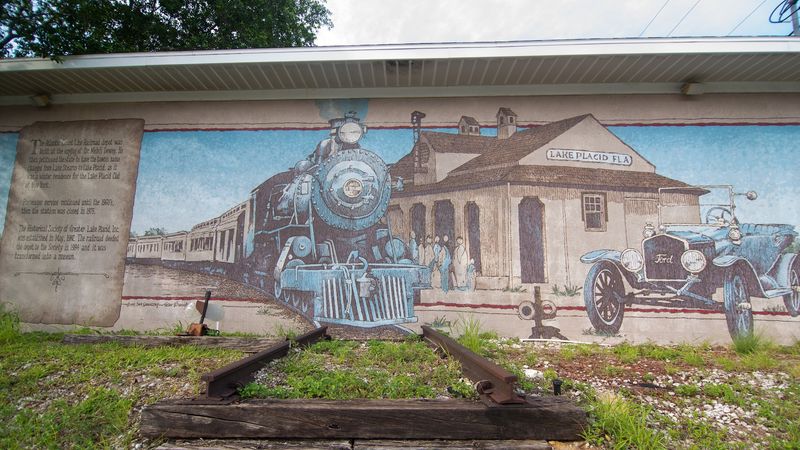
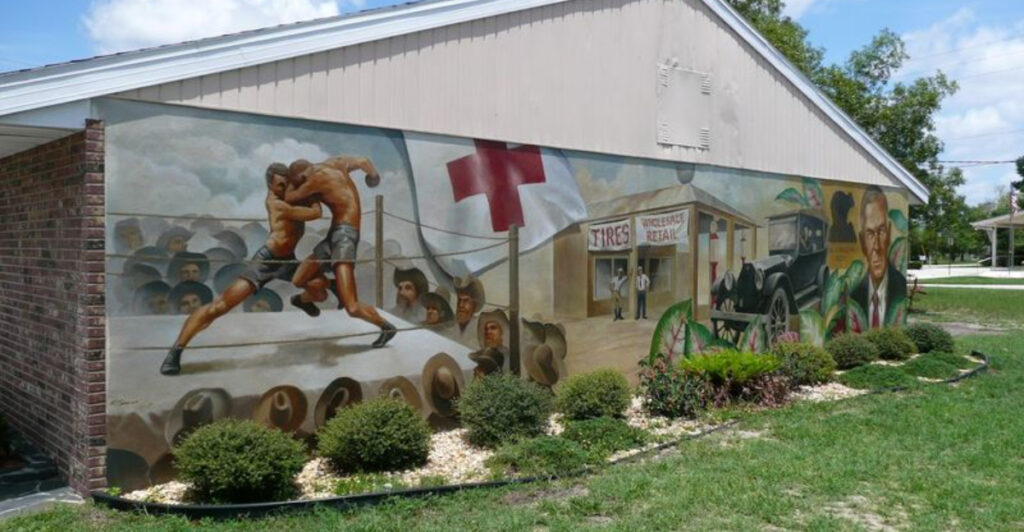
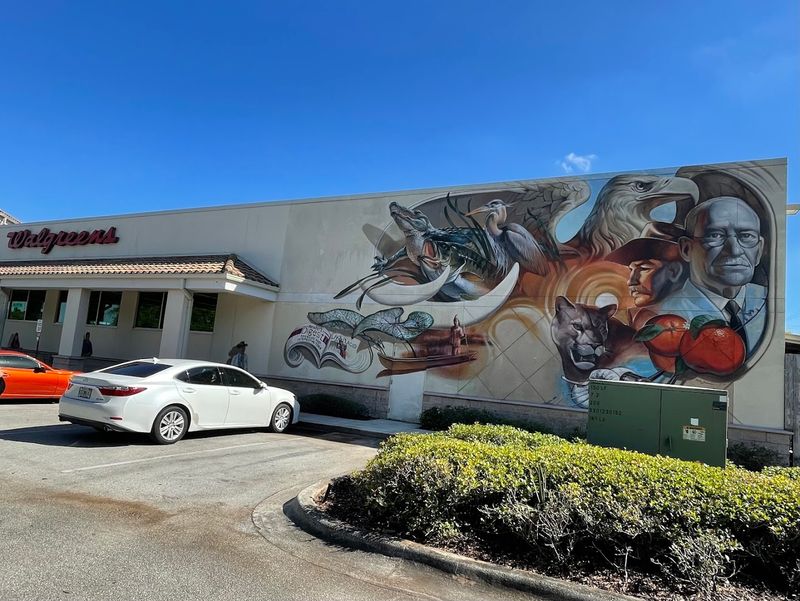
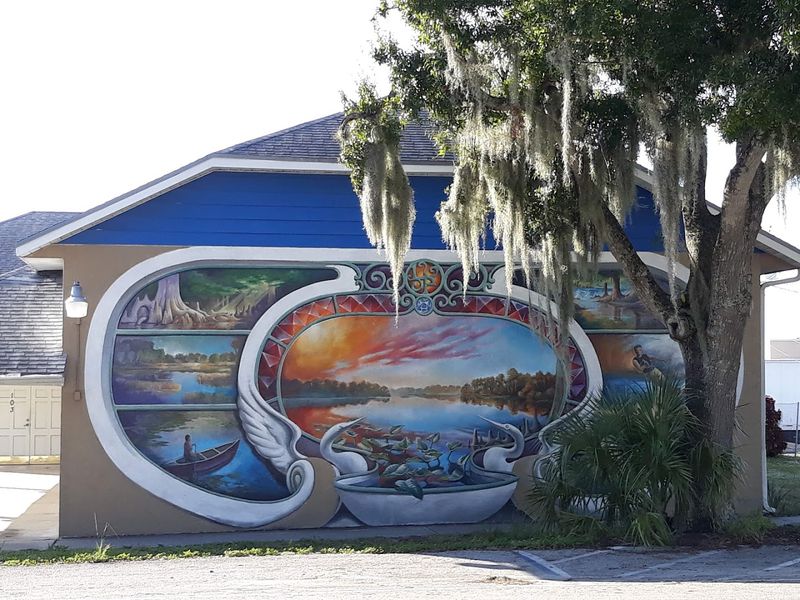
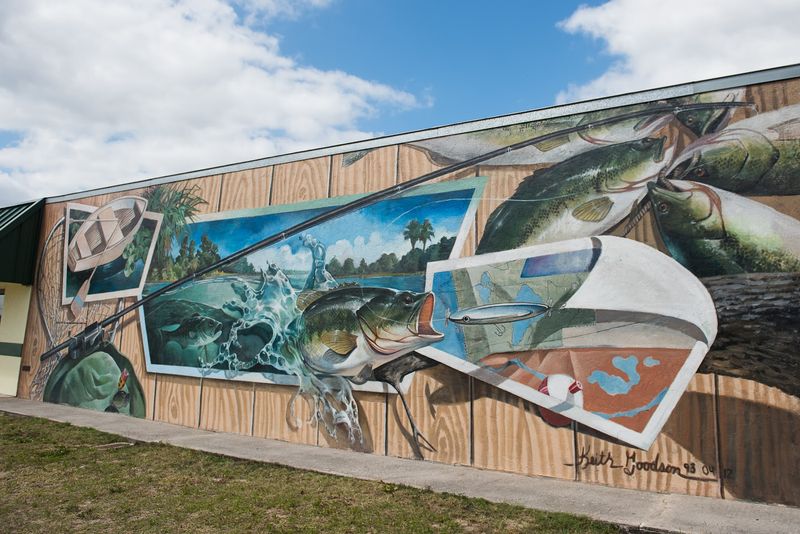
Over 50 hand-painted murals cover the walls of downtown Lake Placid, and walking through the main streets feels less like a stroll and more like flipping through a giant illustrated history book. Each mural tells a different chapter of the region’s story, from Native American heritage to agricultural traditions to Florida wildlife.
Local and visiting artists have contributed to this outdoor gallery over the years, and the quality of the work is genuinely impressive. These are not rushed spray-paint jobs; many are richly detailed scenes that reward a slow, close look.
The Mural Society of Lake Placid has worked hard to maintain and expand the collection, and new pieces are occasionally added. Grabbing a self-guided mural map from a local shop or the chamber of commerce is the best way to make sure you catch every single one without backtracking.
Clown College: Florida’s Most Unexpected School
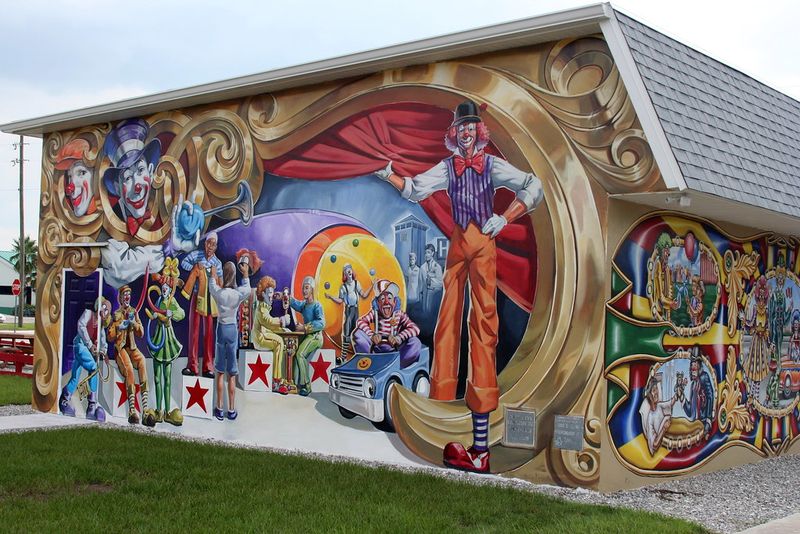
Yes, there is a real clown school in Lake Placid, and no, that sentence is not a joke. Toby’s Clown School, founded by Tobias Tobias, has trained aspiring clowns from across the country and even internationally, making this tiny Florida town a legitimate destination for professional clown education.
The school teaches everything from physical comedy and balloon artistry to makeup application and performance technique. Students travel specifically to Lake Placid to learn the craft, which means on any given week, you might spot a fully painted clown practicing juggling in a parking lot, and that is completely normal here.
The presence of the clown school has become part of the town’s identity, adding a layer of playful absurdity that locals seem to genuinely embrace. It is one of those details that makes Lake Placid unforgettable long after you leave.
Caladiums: The Plant That Put This Town on the Map
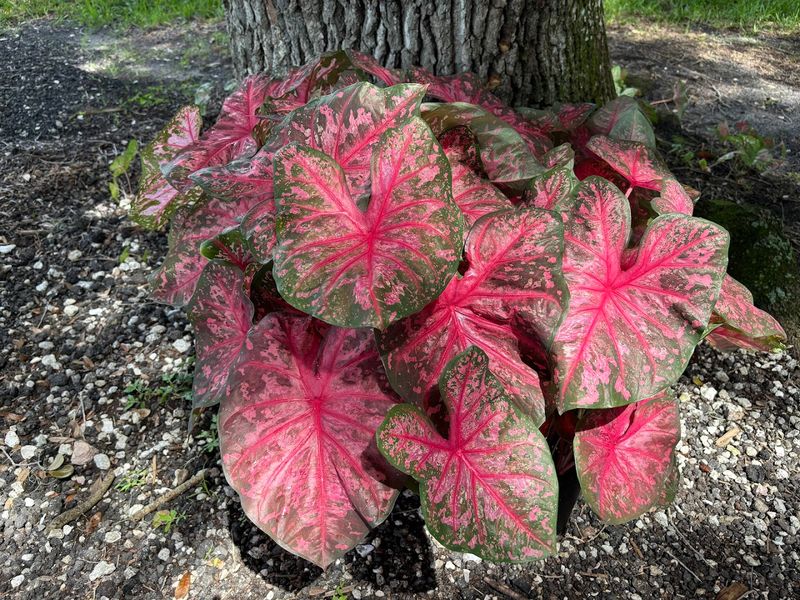
Long before the murals brought tourists to town, Lake Placid was already world-famous among horticulture enthusiasts. The region produces the majority of the world’s caladium bulbs, and the farms surrounding the town grow these tropical, heart-shaped-leaf plants in stunning quantities and varieties.
Caladiums thrive in Florida’s warm, humid climate, and Highlands County’s sandy soil turns out to be ideal for bulb production. The plants come in dozens of color combinations, from deep crimson to soft pink and white, and seeing a full field of them in bloom is genuinely breathtaking.
Every summer, the town hosts the annual Lake Placid Caladium Festival, which draws visitors from across Florida and beyond to celebrate the town’s most famous crop. If you visit during festival season, expect live music, local food vendors, and more caladium-inspired merchandise than you ever thought possible.
A Self-Guided Mural Walk Through Downtown
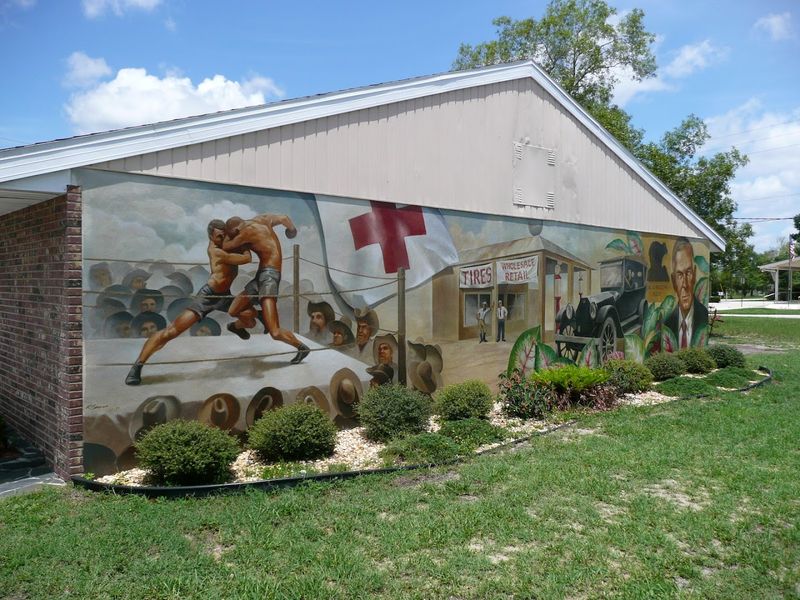
The self-guided mural tour is the most popular activity in town, and it is completely free. Most of the murals are concentrated within a walkable area of downtown, so you do not need a car once you park.
The whole loop can be done comfortably in about two hours at a relaxed pace.
Each mural is numbered and corresponds to a guide you can pick up at local businesses or download from the town’s website. The descriptions explain the subject matter, the artist, and the historical context, which adds real depth to what might otherwise just feel like pretty pictures.
Some murals are tucked in unexpected places, like on the side of a hardware store or behind a small parking lot, which makes the hunt genuinely fun. Bringing a camera is highly recommended because the lighting in the late afternoon turns these paintings into something truly special.
Lake Placid’s Highlands County Setting
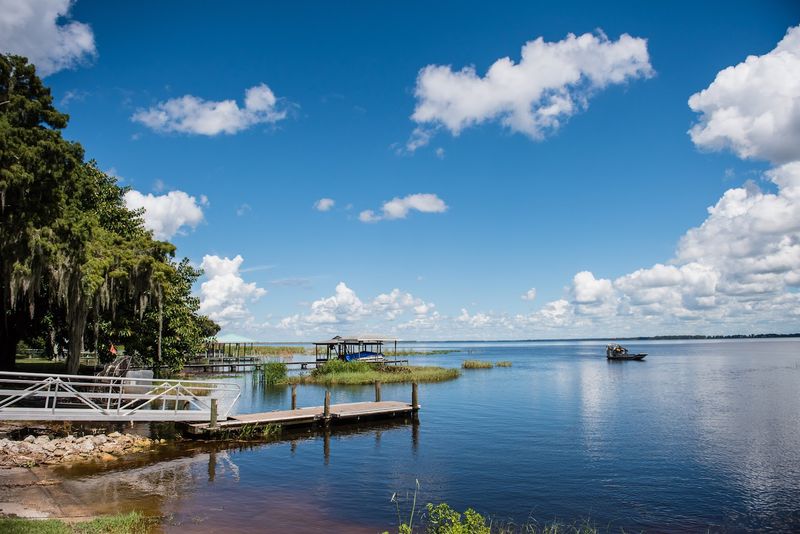
Highlands County is one of Florida’s more underrated regions, sitting on a ridge that gives it a slightly different character than the flat coastal areas most tourists know. The landscape around Lake Placid features cattle ranches, citrus groves, and freshwater lakes that stretch across the horizon in every direction.
The area sits at one of Florida’s highest elevations, which sounds modest by national standards but gives the terrain a gentle rolling quality that feels surprisingly different from the pancake-flat stereotype most people have of the state. The air feels a bit cooler here, especially in the mornings.
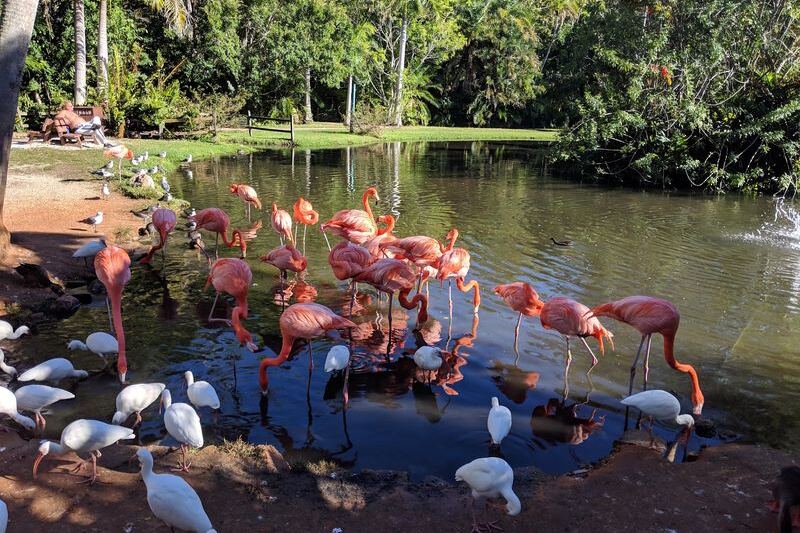
For nature lovers, the surrounding lakes offer fishing, kayaking, and birdwatching opportunities that are genuinely excellent. Herons, ospreys, and sandhill cranes are regular sightings around the water, and the slower pace of the countryside makes it easy to actually stop and appreciate them.
The History Behind the Murals Project
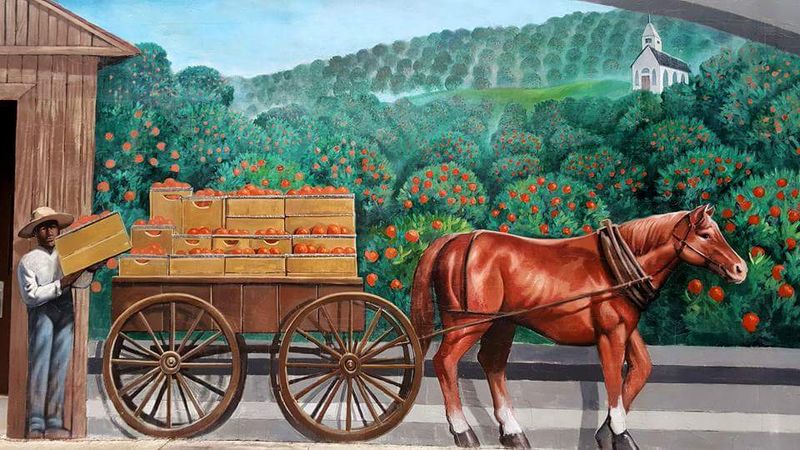
The mural project did not happen overnight. It began in the 1990s as a community-driven effort to revitalize downtown Lake Placid and celebrate the town’s unique heritage.
Local leaders and artists came together with the idea that public art could draw visitors and give residents something to feel proud of.
The Mural Society of Lake Placid was formally established to oversee the project, and the organization has been responsible for commissioning, maintaining, and expanding the collection ever since. The murals cover subjects ranging from early Seminole history to the citrus industry to the town’s clown culture.
What started as a revitalization project quietly became one of the most distinctive cultural attractions in central Florida. Towns across the state have since tried similar approaches, but few have managed to build a collection as cohesive and historically grounded as what Lake Placid has created over the past three decades.
Local Shops and Small-Town Charm
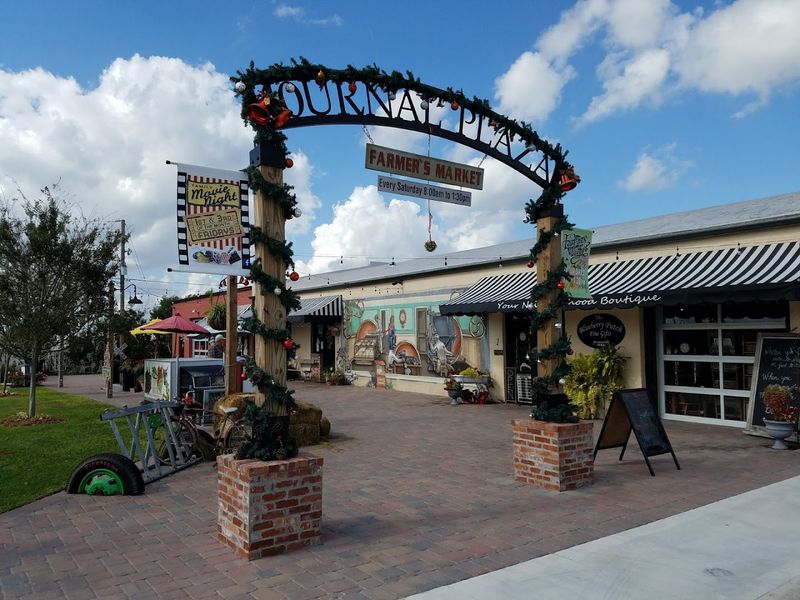
Downtown Lake Placid has the kind of commercial district that feels like it belongs to a different era in the best possible way. Small independent shops line the main streets, selling everything from locally grown caladium bulbs to handmade crafts, antiques, and Florida-themed souvenirs.
Several of the shops double as informal mural tour starting points, offering free maps and friendly advice from owners who genuinely enjoy talking about their town. That kind of unhurried, personal interaction is increasingly rare, and it makes the shopping experience feel more like a conversation than a transaction.
There are also a handful of casual dining spots where you can grab a meal between murals, most of them locally owned and serving straightforward, satisfying food. The whole downtown area is compact enough to explore on foot, which means you can easily combine shopping, eating, and mural-hunting into one enjoyable afternoon.
The Annual Caladium Festival
Every summer, Lake Placid transforms into a full-on celebration of its most famous export. The Lake Placid Caladium Festival typically takes place in August, timed to coincide with peak caladium growing season when the plants are at their most colorful and abundant.
The festival draws thousands of visitors over its run, featuring plant sales, arts and crafts vendors, live entertainment, and activities for children. Local growers bring their finest specimens to show off, and the variety of caladium colors and patterns on display is genuinely staggering if you have never seen the plant up close.
Even if tropical plants are not your usual area of interest, the festival has enough energy and community spirit to make it worth attending. It is one of those small-town events that reminds you how much fun a well-organized local celebration can be when the community is truly invested in it.
Fishing and Outdoor Recreation on the Lakes
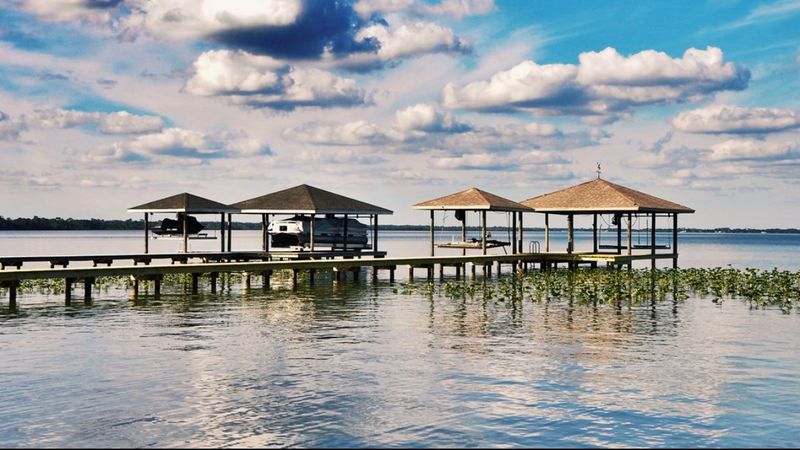
The town’s name is not accidental. Lake Placid sits near a cluster of freshwater lakes that offer some of central Florida’s most enjoyable recreational fishing.
Bass fishing in particular draws anglers from across the state, and the lakes around Highlands County consistently produce impressive catches.
Beyond fishing, the lakes support kayaking, canoeing, and paddleboarding, and the calm, relatively uncrowded water makes them ideal for beginners and experienced paddlers alike. Several of the lakes have public access points, so you do not necessarily need a private boat to get out on the water.
Birdwatchers will find the lakeside areas equally rewarding. The wetland edges support a rich variety of wading birds and raptors, and early morning visits often yield sightings that would be the highlight of any nature outing.
The combination of fishing, paddling, and birdwatching makes the lakes a genuinely versatile outdoor destination.
Tips for Planning Your Visit
Lake Placid is a small town, so a little planning goes a long way toward making your visit smooth and satisfying. The best time to visit is between late spring and early fall, when the caladium fields are in full growth and the festival season is active.
Weekdays tend to be quieter than weekends for mural walking.
Parking downtown is generally easy and free, and most of the mural sites are within comfortable walking distance of each other. Comfortable shoes matter more than you might expect, since the full mural route covers a decent amount of ground on sidewalks and occasional unpaved paths.
Picking up a printed mural map from a local shop is strongly recommended over relying solely on a phone, since some spots have inconsistent cell coverage. Arriving with a full tank of gas is also wise, as fuel options thin out quickly once you leave the main commercial area.
Why Lake Placid Stays With You Long After You Leave
Some places are easy to forget the moment you drive away. Lake Placid is not one of them.
The combination of genuine public art, a world-class agricultural identity, and an actual clown school creates a personality that is completely its own and impossible to replicate anywhere else.
The town does not try too hard to impress. The murals are just there, on the walls, doing their work quietly.
The caladium farms stretch out along the roadsides without fanfare. The clown school operates with the same matter-of-fact seriousness as any other professional training program.
That understated confidence is what makes Lake Placid so refreshing in an era when every small town seems to be performing for social media. This one just exists, fully and colorfully, on its own terms.
If you have not added it to your Florida road trip itinerary yet, now is a very good time to start.
Share this story