 Unearth The Voyage
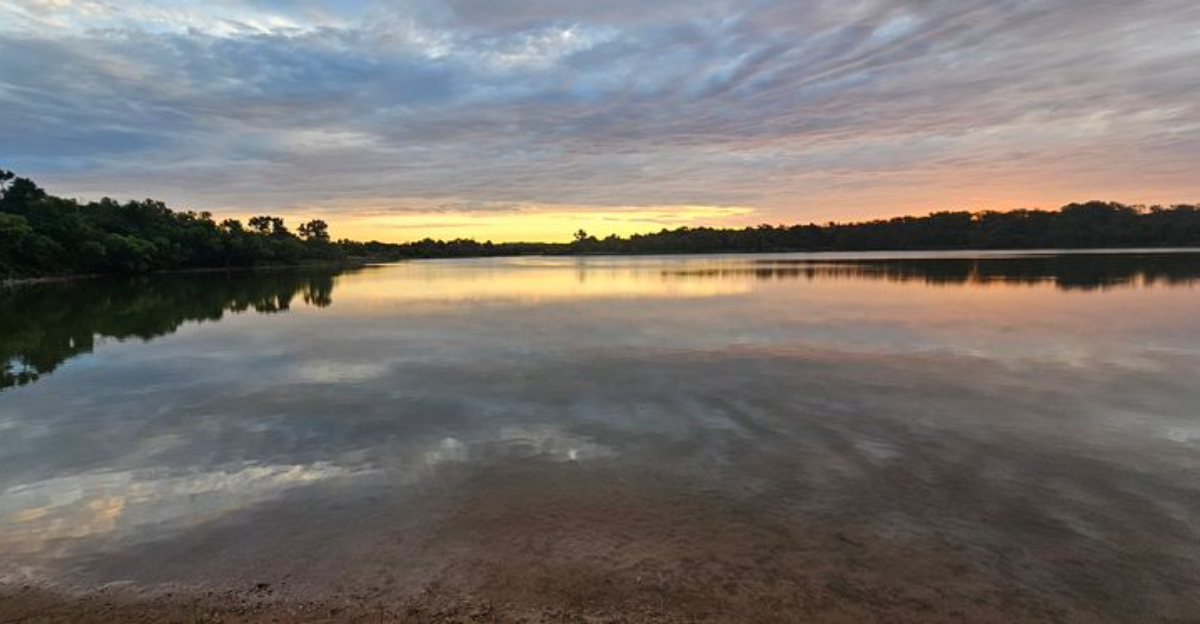
There’s something magical about discovering a place that feels untouched by the chaos of everyday life. Imagine water so clear you can count pebbles on the bottom, surrounded by rolling prairie landscapes that stretch as far as the eye can see.
Spring arrives with a burst of wildflowers and migratory birds, transforming this quiet corner of western Oklahoma into a nature lover’s paradise.
I stumbled upon this hidden treasure during a road trip, and what started as a quick photo stop turned into hours of exploration. The serenity here is contagious.
Families fish along the shoreline while kayakers glide silently across the glassy surface, and everyone seems to move a little slower, breathe a little deeper.
Whether you’re craving a peaceful escape or an outdoor adventure, this spot delivers both without the crowds you’d find at more famous destinations. Pack your cooler, grab your camera, and prepare to fall in love with one of Oklahoma’s best-kept secrets.
A Hidden Oasis in Western Oklahoma
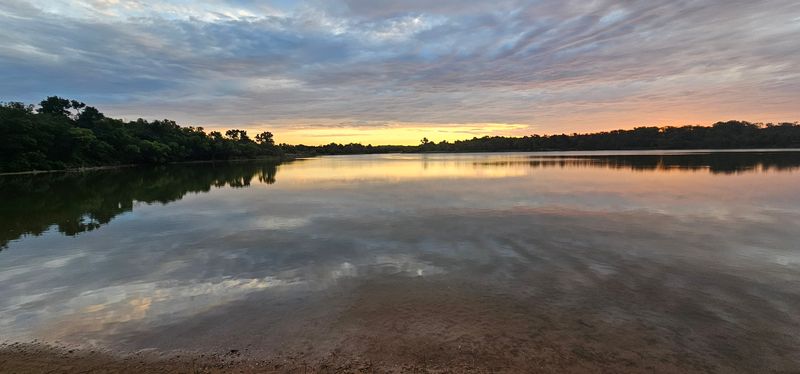
Spring Creek Lake sits quietly near the town of Cheyenne in Roger Mills County, Oklahoma. The address, Oklahoma 73638, might not mean much on paper, but in person, it represents a gateway to some of the clearest water I’ve ever seen in the Sooner State.
What strikes you first is the transparency of the water. On calm days, the lake acts like liquid glass, reflecting clouds and sky while revealing the sandy bottom below.
The creek that feeds into the lake maintains a steady flow of fresh, cool water that keeps the ecosystem thriving year-round.
I visited on a Tuesday morning in April, and the place was nearly deserted. A handful of locals cast fishing lines from the bank, but otherwise, I had the shoreline mostly to myself.
The solitude felt like a gift.
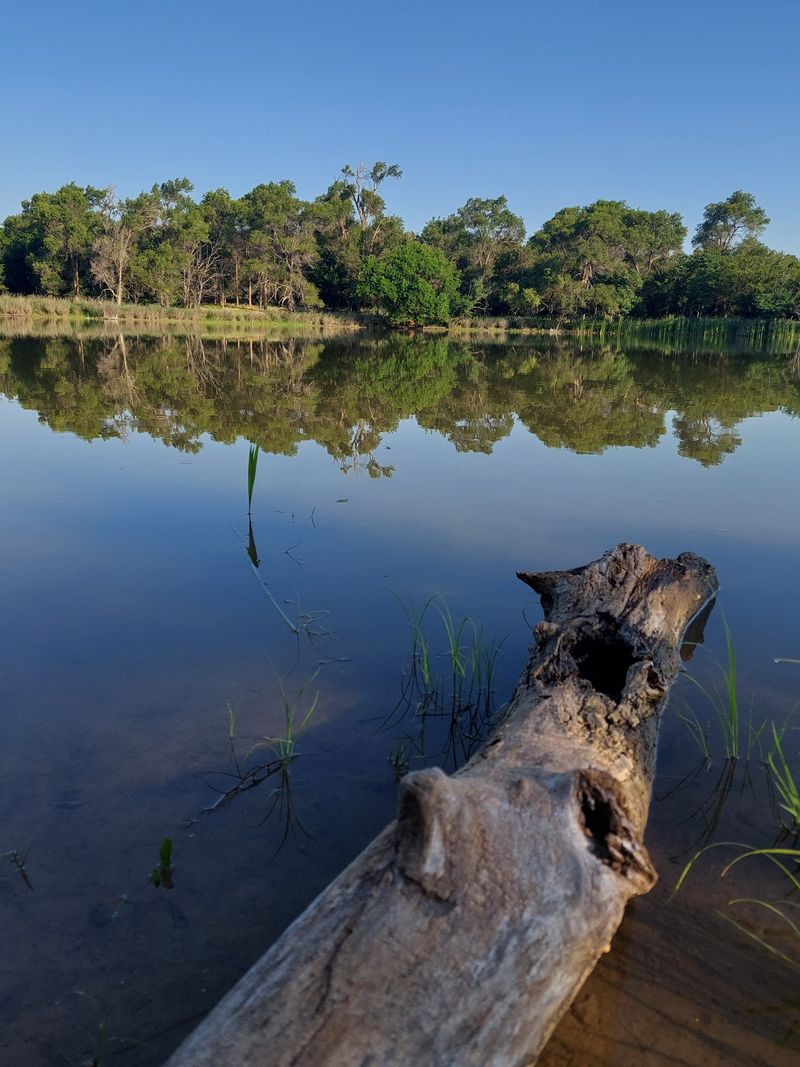
The surrounding landscape consists of gently rolling hills covered in native grasses that turn brilliant shades of green each spring. Cottonwood trees cluster near the water’s edge, providing pockets of shade that become precious as temperatures climb.
This isn’t the Oklahoma most people picture when they think of the state, and that’s exactly what makes it special.
Spring’s Wildflower Transformation
Come March and April, the prairie around the lake erupts in color. Wildflowers carpet the hillsides in waves of purple, yellow, and white, creating a natural tapestry that shifts with the wind.
I counted at least a dozen different species during my visit, though I’m no botanist.
Indian blanket flowers add splashes of red and gold near the shoreline, while purple coneflowers nod their heavy heads in the breeze. The delicate white blooms of wild plum trees dot the landscape, filling the air with a sweet fragrance that mingles with the earthy smell of fresh water.
Photographers arrive early in the morning to catch the golden light filtering through the flowers, creating images that look almost too perfect to be real. But they are real, gloriously so.
The wildflower season peaks around late April, though weather patterns can shift the timing by a week or two in either direction. I recommend checking local reports or calling the nearby wildlife management office before planning a specific trip.
The show only lasts a few weeks before the summer heat takes over, so timing matters if you want to catch nature at its most spectacular.
Crystal Waters and What Lives Beneath
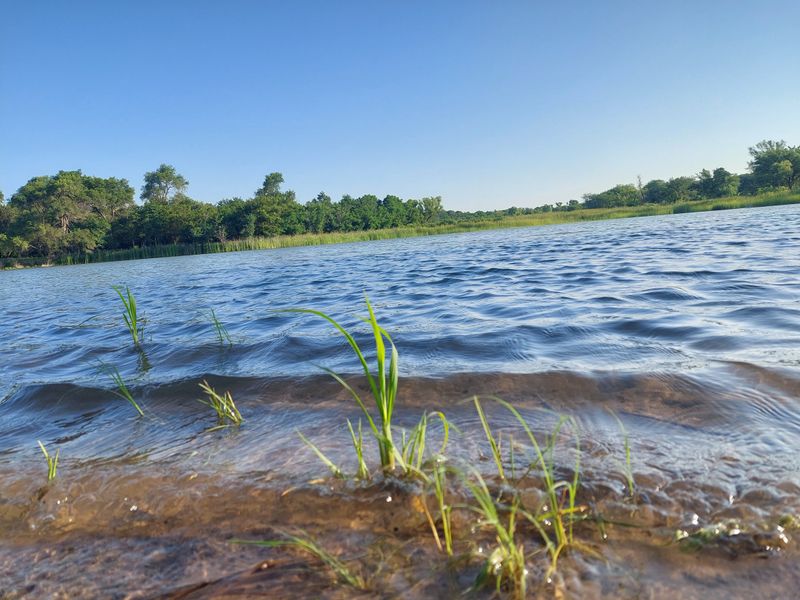
The clarity of Spring Creek Lake isn’t just aesthetically pleasing; it tells a story about water quality and ecosystem health. I could see fish darting between submerged vegetation from twenty feet away, their silver scales catching sunlight as they moved through the shallows.
Bass, catfish, and sunfish call these waters home, attracting anglers who appreciate both the challenge and the scenery. The Oklahoma Department of Wildlife Conservation stocks the lake periodically, maintaining healthy populations that support recreational fishing without depleting natural resources.
Aquatic plants grow in the shallower sections, providing habitat for minnows and insects that form the base of the food chain. I watched a great blue heron stalk the edges, its prehistoric silhouette frozen in concentration before striking with lightning speed.
The creek’s constant flow prevents stagnation, which is why the water stays so clear compared to many other small lakes in the region. Minimal development around the shoreline means fewer pollutants enter the system, preserving the pristine conditions that make this place so special.
It’s a reminder that some of the best natural attractions are the ones we’ve managed not to mess up yet.
Birdwatching Paradise During Migration
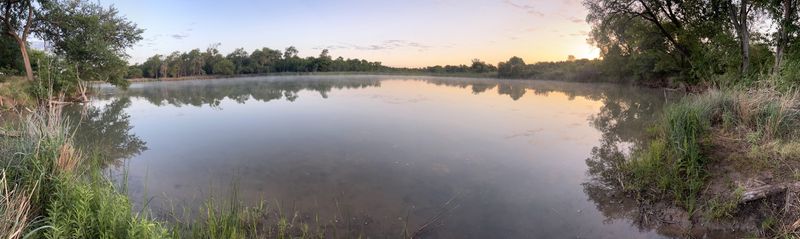
Spring migration brings an incredible diversity of bird species through this area, turning the lake into a temporary rest stop for travelers heading north. I’m not a serious birder, but even I was impressed by the variety I spotted during a single afternoon visit.
Ducks and geese gather on the water in impressive numbers, their calls echoing across the surface at dawn and dusk. Pelicans occasionally make appearances, their massive wingspans and awkward grace providing entertainment as they fish cooperatively in shallow areas.
Sandpipers scurry along the muddy edges, probing for insects with their long beaks, while red-winged blackbirds stake out territories in the cattails. Hawks circle overhead, riding thermal currents and scanning for unwary rodents in the surrounding grasslands.
I met a couple from Tulsa who make the drive out here every April specifically for the birdwatching. They carried binoculars and a well-worn field guide, checking off species with the enthusiasm of kids collecting trading cards.
Their passion was infectious, and they patiently helped me identify several species I’d never noticed before. Spring Creek Lake might not have the fame of other birding hotspots, but it delivers impressive numbers for those willing to make the journey.
Kayaking Through Liquid Glass
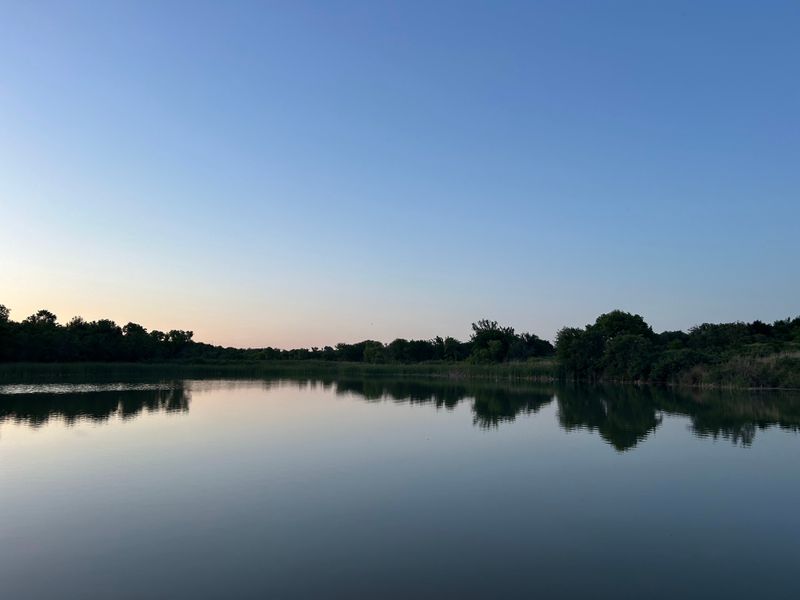
Paddling across Spring Creek Lake on a still morning ranks among my favorite outdoor experiences in recent memory. The water was so calm and clear that my kayak seemed to float on air, suspended above a world of aquatic plants and darting fish visible far below.
There’s no boat rental facility here, so you’ll need to bring your own kayak, canoe, or small watercraft. The lack of commercial development means fewer people on the water, which translates to more peace for those who make the effort to haul their gear.
I launched from a gentle slope on the eastern shore, where the bank slopes gradually into the water. The lake isn’t huge, maybe a few hundred acres at most, but it’s large enough to provide a solid hour or two of paddling if you explore the various coves and inlets.
The creek channel remains visible even from the surface, a darker ribbon winding through the lighter sandy bottom. I followed it upstream for a while, watching turtles sunbathe on half-submerged logs and listening to the musical trill of red-winged blackbirds in the reeds.
No motors disturbed the silence, just the rhythmic splash of my paddle and the occasional plop of a fish breaking the surface.
Fishing for More Than Just Bass
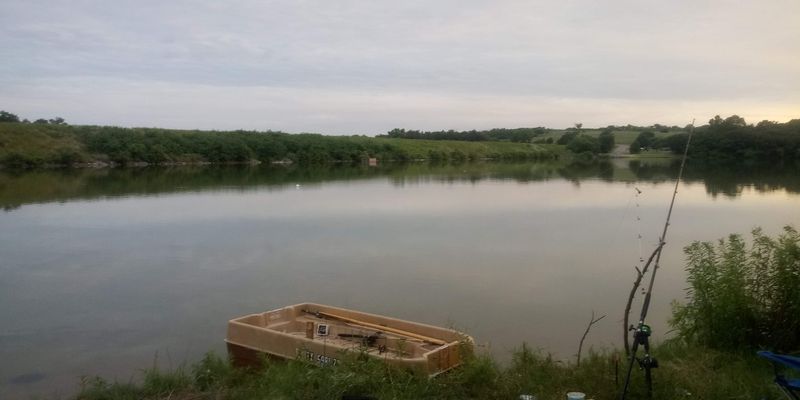
Anglers speak highly of Spring Creek Lake, though it rarely appears on those flashy lists of top fishing destinations. Perhaps that’s for the best.
The regulars seem to prefer keeping this spot relatively quiet, sharing information through word of mouth rather than social media posts.
I’m a casual fisher at best, but I managed to catch several decent-sized bass using simple lures from the shore. The clear water means fish can see your line more easily, so lighter tackle and more natural presentations work better than the heavy gear you might use in murkier waters.
Catfish become more active in the evenings, and I watched a father and daughter team pull in several respectable specimens using chicken liver as bait. Their cooler was well-stocked by the time the sun touched the horizon, and their easy conversation reminded me why fishing is about so much more than the catch.
Crappie fishing picks up in early spring when the water temperatures start to rise. Local knowledge helps here, as the fish tend to congregate around specific structures and depth changes that aren’t immediately obvious to visitors.
Strike up a conversation with someone on the bank, and you’ll likely receive friendly advice about where the fish are biting that day.
Perfect Picnic Spots Along the Shore
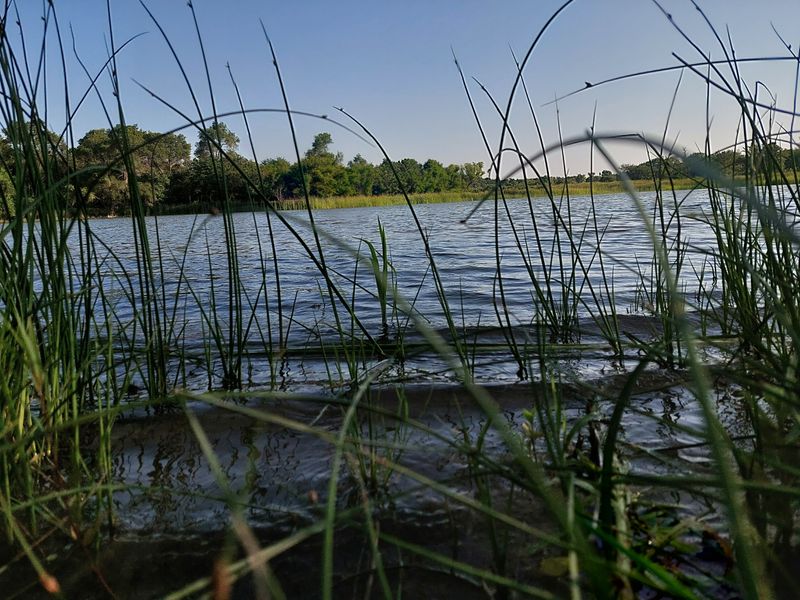
Facilities here are minimal, which I found refreshing rather than disappointing. A few scattered picnic tables sit beneath cottonwood trees, offering shade and pleasant views of the water.
The lack of formal development means you can spread a blanket almost anywhere along the grassy banks and claim your own private dining room.
I unpacked sandwiches and fruit at a spot where the grass met the water, watching dragonflies hover over the surface while I ate. The breeze carried the scent of sage and wet earth, a combination that somehow made even a simple lunch taste better.
Families with young children appreciate the gentle slopes and shallow edges where kids can wade safely under supervision. I saw one group building sandcastles on a small beach area, their laughter carrying across the water.
Remember to pack out everything you bring in. There are no trash facilities, which helps keep the area pristine but requires visitors to be responsible stewards.
I carried a garbage bag in my backpack and picked up a few stray pieces of litter I encountered, doing my small part to maintain the beauty that makes this place worth visiting. Leave it better than you found it, and future visitors will thank you.
Sunset Magic Over the Water
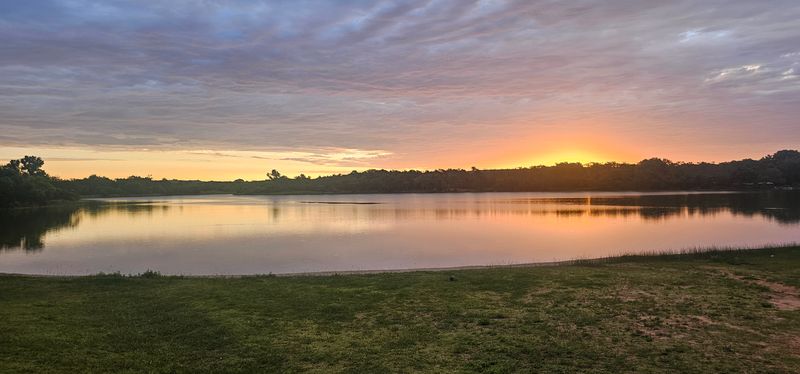
Stay until evening if your schedule allows. The sunsets at Spring Creek Lake deserve their own separate trip, painting the sky in shades that seem too vivid to be real.
I watched the sun sink toward the western horizon, turning the water into molten gold and silhouetting the cottonwoods in sharp relief.
Clouds caught fire with orange and pink light, their reflections doubling the spectacle on the mirror-smooth surface below. The temperature dropped noticeably as darkness approached, and I pulled on a light jacket while settling in to watch the show.
Photographers arrive with tripods and serious cameras, but honestly, even smartphone shots come out looking spectacular. The key is timing.
Arrive about thirty minutes before actual sunset to catch the changing light at its most dramatic.
As the last light faded, stars began appearing in the darkening sky. Light pollution is minimal out here in western Oklahoma, which means the Milky Way becomes visible on clear nights.
I wasn’t equipped for astrophotography, but I made a mental note to return someday with proper gear and more time. The silence deepened as night fell, broken only by the occasional splash of a feeding fish and the distant call of a nightbird somewhere in the darkness.
Best Times to Visit for Ideal Conditions
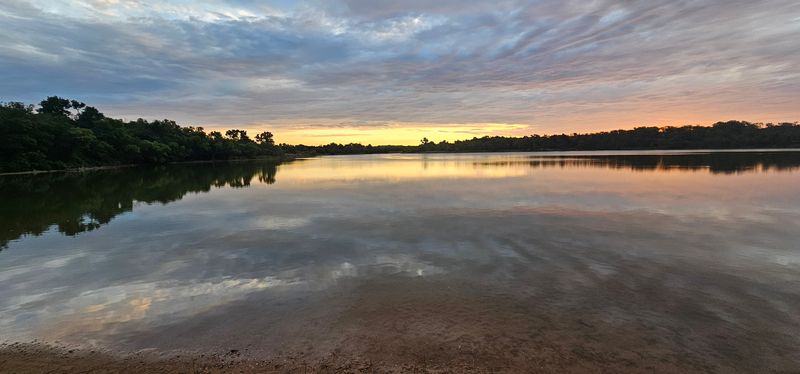
Timing your visit makes a significant difference in the experience you’ll have. Spring, particularly April and May, offers the best combination of comfortable temperatures, wildflower displays, and bird migration activity.
The water is clear, the crowds are minimal, and the landscape is at its most photogenic.
Summer brings heat that can be intense, with temperatures regularly climbing into the 90s and above. Early morning visits become essential if you’re planning summer trips, as afternoons can be uncomfortably hot with limited shade around much of the shoreline.
Fall presents another excellent window, especially September and October when temperatures moderate and the cottonwoods turn golden. The water remains warm enough for wading, and the fishing picks up as bass become more active in the cooler conditions.
Winter visits have their own appeal for the truly adventurous. The lake rarely freezes completely, and waterfowl numbers actually increase as migrating birds seek open water.
Bundle up appropriately, and you might have the entire place to yourself on a crisp January morning.
Weekdays are consistently quieter than weekends, though even Saturday crowds here are nothing compared to more popular destinations. I prefer Tuesday through Thursday visits when the locals are at work and the lake feels like my own private discovery.
Wildlife Beyond the Birds
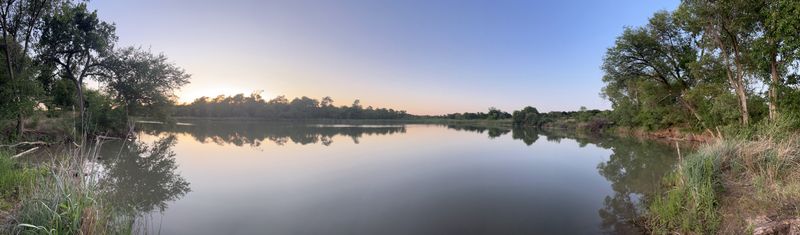
Keep your eyes open for more than just birds and fish. The prairie ecosystem surrounding Spring Creek Lake supports a surprising variety of wildlife that you might encounter if you’re patient and observant.
I spotted deer tracks in the mud along the shore, evidence of early morning visitors who arrived before I did.
Turtles sunbathe on logs and rocks, stretching their necks toward the warmth and sliding into the water with comical splashes when approached too closely. I counted seven on one particularly productive log, stacked like plates in a cupboard.
Prairie dogs have colonies in the surrounding grasslands, their sharp warning barks carrying across the landscape when they spot potential threats. Watching them stand sentinel at their burrow entrances, scanning for hawks and coyotes, provides endless entertainment.
Coyotes themselves are present, though they’re more often heard than seen. Their yipping chorus at dawn and dusk serves as a wild soundtrack that reminds you this is still genuine prairie country despite the proximity to civilization.
Snakes inhabit the area as well, mostly harmless species that help control rodent populations, though it’s wise to watch where you step in the tall grass. The diversity of life here speaks to the health of the ecosystem and the importance of preserving these spaces.
Practical Tips for Your Visit
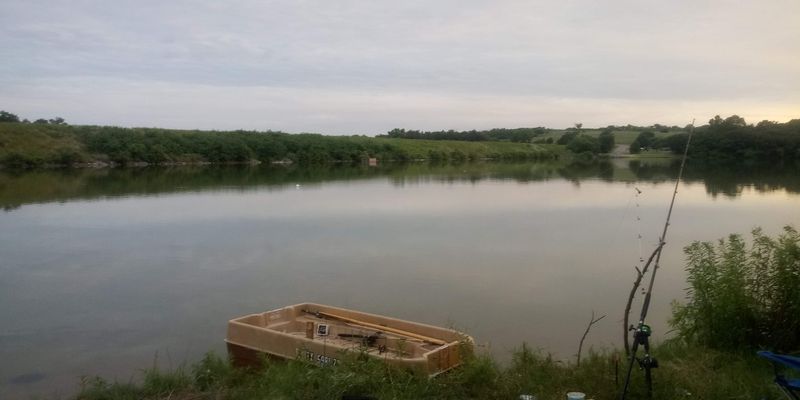
Planning makes the difference between a good visit and a great one. Start with the basics: bring plenty of water, especially if you’re visiting between May and September.
The sun here is relentless, and shade is limited in many areas around the lake.
Sunscreen and a hat are essential, not optional. I learned this lesson the hard way during my first visit, ending the day with a sunburn that made the drive home uncomfortable.
Don’t repeat my mistake.
Cell phone service is spotty at best, so download any maps or information you need before leaving town. Let someone know where you’re going and when you expect to return, standard practice for any remote outdoor adventure.
The nearest town with services is Cheyenne, about ten miles away. Stock up on supplies there, as you won’t find convenience stores or restaurants near the lake itself.
I grabbed sandwiches and cold drinks at a local spot in town, which worked perfectly for my day trip.
Insect repellent becomes important as temperatures warm and mosquitoes emerge. Spring evenings can be buggy near the water, though it’s rarely bad enough to ruin the experience if you come prepared.
Check weather forecasts before heading out, as storms can develop quickly in this part of Oklahoma.
Why This Place Matters
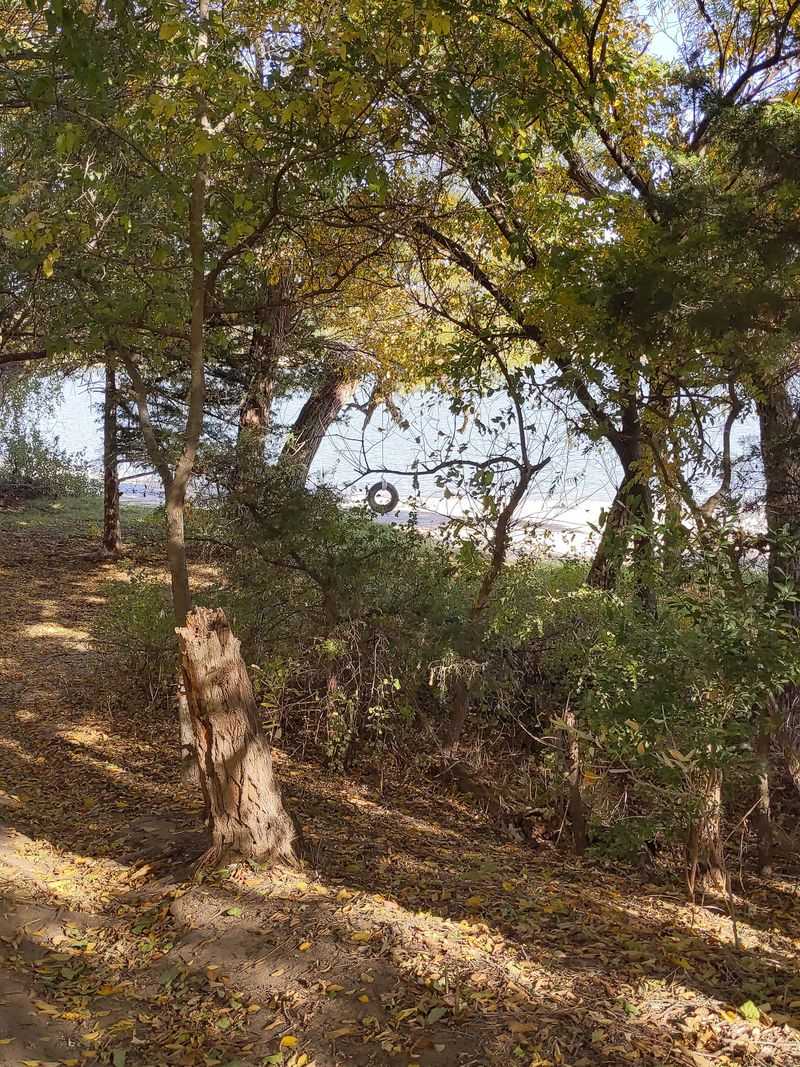
In an age where every scenic spot seems to be overrun with influencers and tour buses, places like Spring Creek Lake feel increasingly precious. The lack of commercial development isn’t a bug; it’s a feature.
This is what Oklahoma looked like before we paved and built over so much of it.
The crystal-clear water serves as an indicator of ecosystem health, a benchmark against which we can measure other water bodies in the region. When you can see the bottom at significant depths, it tells you something important about water quality and the absence of excessive nutrients or pollutants.
Local communities take pride in this resource, even if they don’t advertise it widely. I spoke with a woman from Cheyenne who brings her grandchildren here several times each spring, teaching them to fish and identify birds just as her grandfather once taught her.
That continuity of experience, that passing down of knowledge and appreciation, is what conservation really looks like at the human level.
Spring Creek Lake won’t blow your mind with dramatic cliffs or thundering waterfalls. Its beauty is quieter, more subtle, the kind that grows on you as you sit and observe and let the peace seep into your bones.
That’s exactly the kind of surprise we need more of.



