A restaurant earning a Michelin star is already a remarkable achievement. Earning one less than a year after opening is something else entirely.
That is exactly what happened at a small, intimate Mexican restaurant tucked into one of Denver’s most energetic neighborhoods, where a chef turned bold, soulful flavors into something the culinary world could not ignore. The story behind this place is one of vision, precision, and a deep respect for Mexican culinary tradition that shows up in every single dish.
The Restaurant That Shocked Denver’s Food World
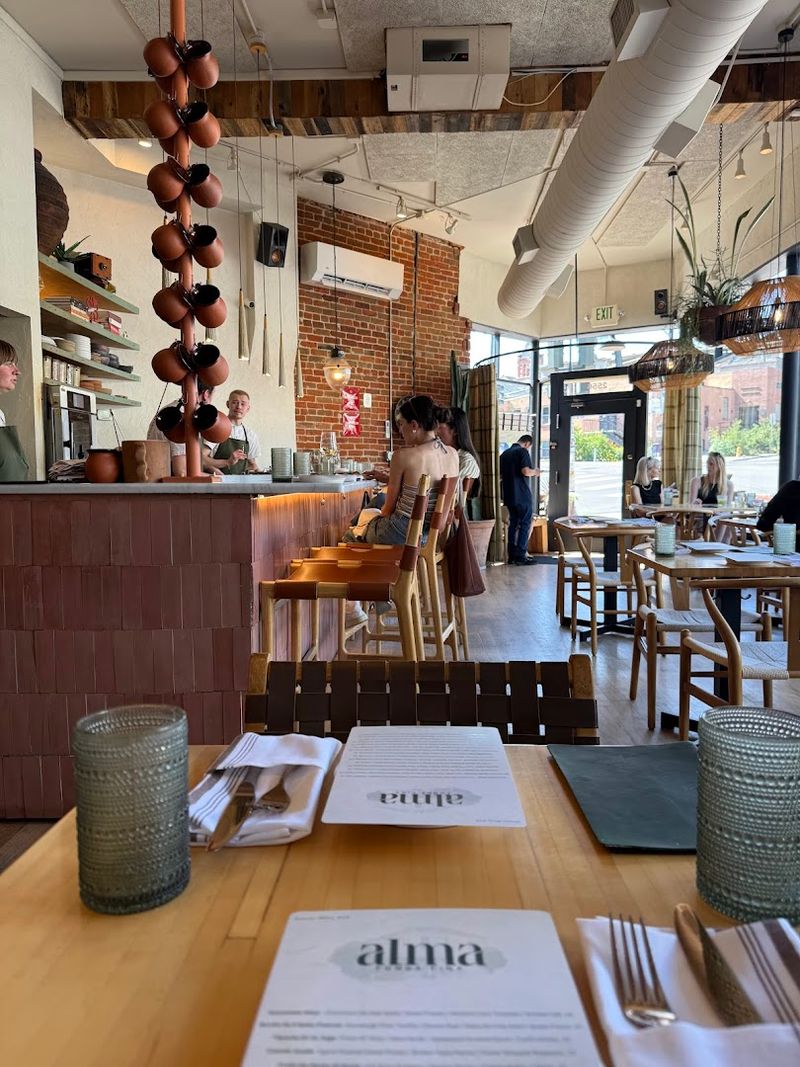
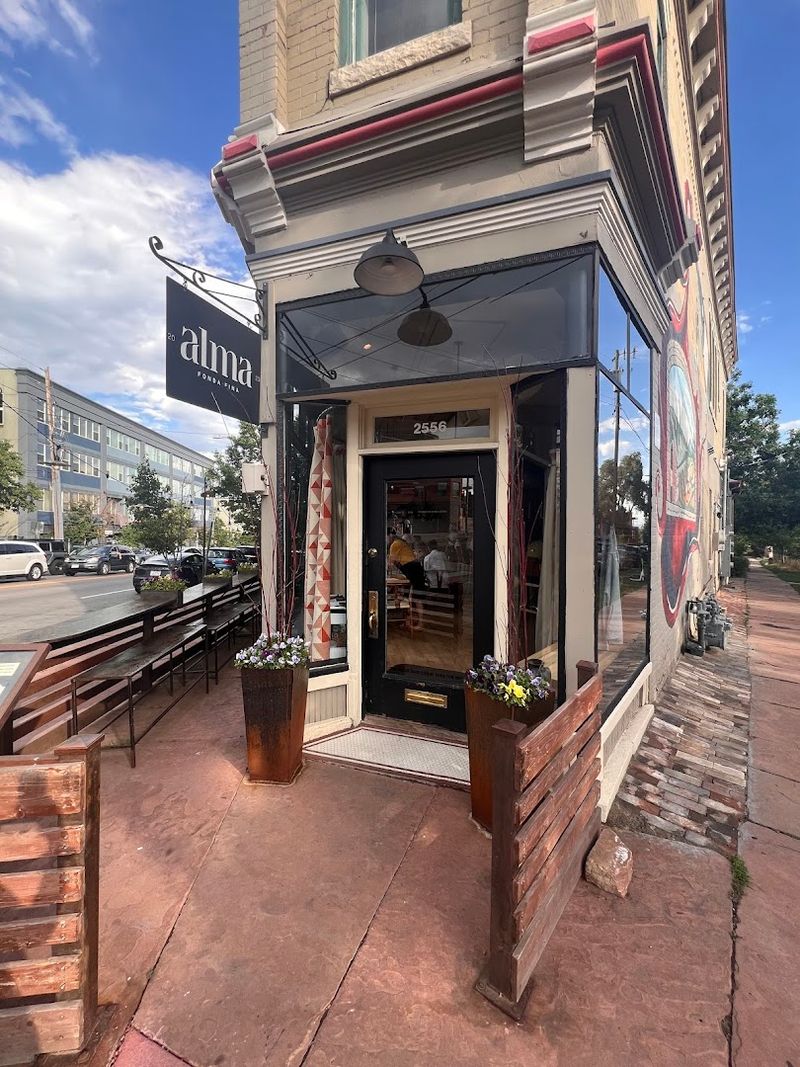
Not many restaurants make the culinary world stop and pay attention within their first year. Alma Fonda Fina, located at 2556 15th St, Denver, CO 80211, managed to do exactly that when it received a Michelin star in a timeframe that left even seasoned food critics raising their eyebrows.
The restaurant sits in Denver’s LoHi neighborhood, a vibrant stretch of the city known for creative energy and independent spirit. Chef Johnny Curiel built something here that feels both deeply personal and technically extraordinary.
The name itself carries meaning. “Alma” translates to soul, and “fonda fina” refers to a refined neighborhood eatery, a concept rooted in Mexican tradition. That combination of warmth and excellence runs through everything at this address, from the first bite to the last.
What a Fonda Actually Means
The word “fonda” carries a lot of cultural weight in Mexico. It refers to a neighborhood spot where families gather, where the food is made with care, and where everyone feels like a regular even on their first visit.
Alma Fonda Fina takes that concept and elevates it without stripping away its soul. The interior feels homey and intentional at the same time.
Warm tones, an intimate layout, and a space that somehow manages to feel both buzzing and personal create an atmosphere that is genuinely hard to replicate.
Sitting down here does not feel like entering a formal fine dining room. It feels like being welcomed into somewhere that genuinely wants you there.
That distinction matters, and it is one reason diners keep finding their way back long after their first reservation.
Scallops That Diners Dream About
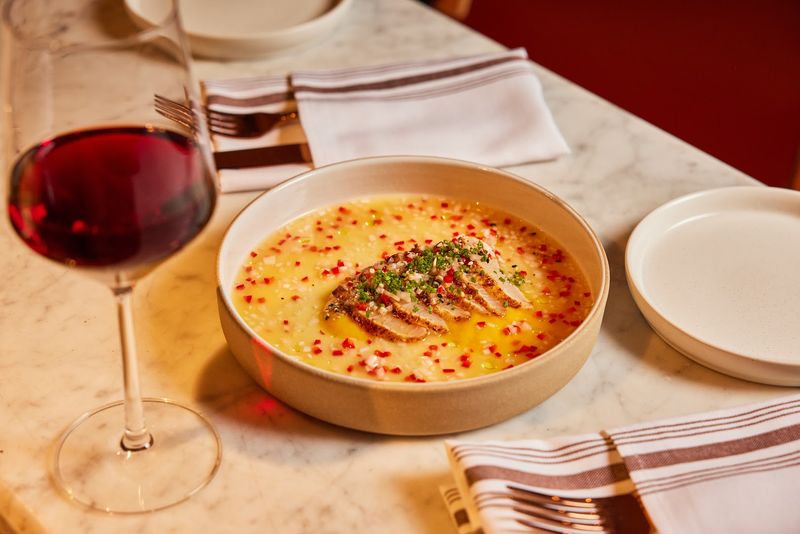
The Callo de Hacha Al Horno, baked scallops served in ponzu butter with tomato, has quietly become one of the most talked-about dishes on the menu. Diners who have eaten at Michelin-starred restaurants across multiple countries have singled out these scallops as genuinely exceptional, which is not a comparison made lightly.
The ponzu, butter, and tomato combination sounds straightforward on paper, but the execution turns it into something greater than the sum of its parts. Each scallop arrives tender, properly seared, and balanced with enough acidity to cut through the richness without overwhelming the natural sweetness of the shellfish.
One regular described dreaming about them between visits, which might be the most honest restaurant review possible. When a single dish makes you rearrange your travel plans, you know the kitchen is doing something genuinely right.
Birria de Borrego and the Art of Braising
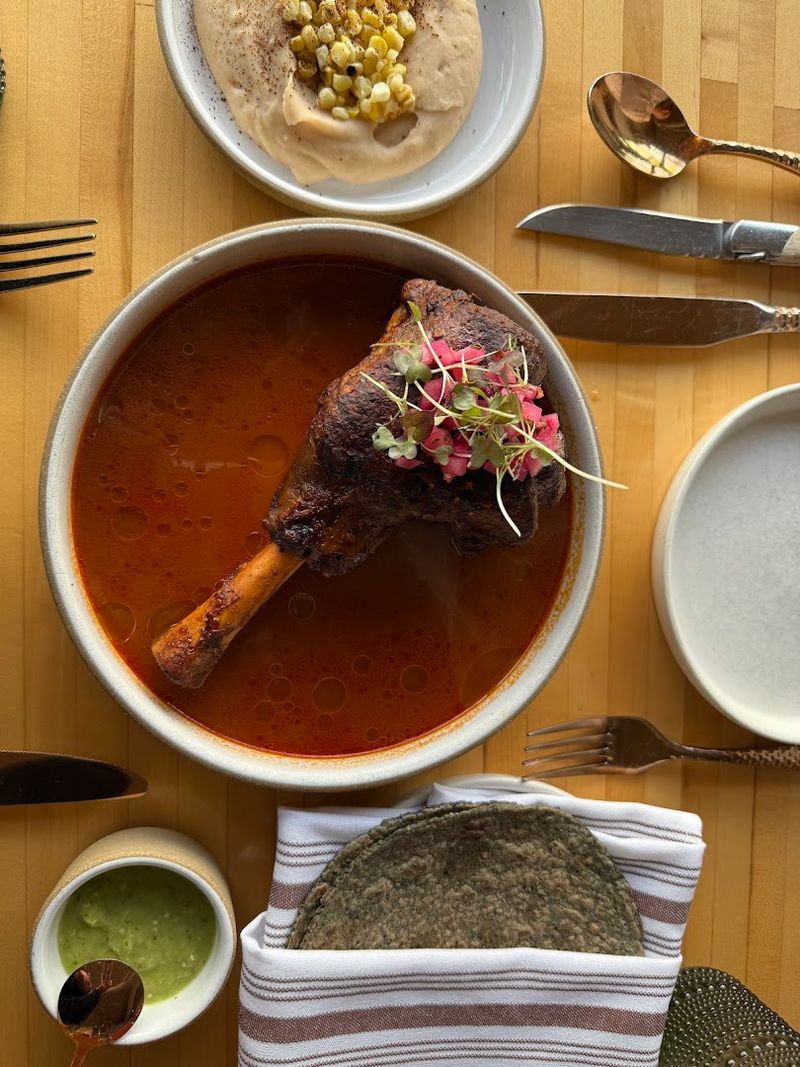
Birria is one of Mexico’s most beloved dishes, and getting it right at a Michelin-starred level requires both respect for tradition and serious technical skill. The birria de borrego at Alma Fonda Fina has been described by multiple diners as the best thing they have ever eaten, a superlative that carries real weight when it comes from well-traveled food lovers.
The lamb shank version is fall-apart tender, deeply savory, and intensely flavored in a way that suggests hours of careful, low-and-slow cooking. It does not taste like a restaurant approximation of birria.
It tastes like the real thing, refined and elevated without losing any of its character.
That balance between authenticity and finesse is what separates truly great Mexican cooking from the kind that simply borrows the name. This dish earns the description every single time.
The Chef’s Counter Experience
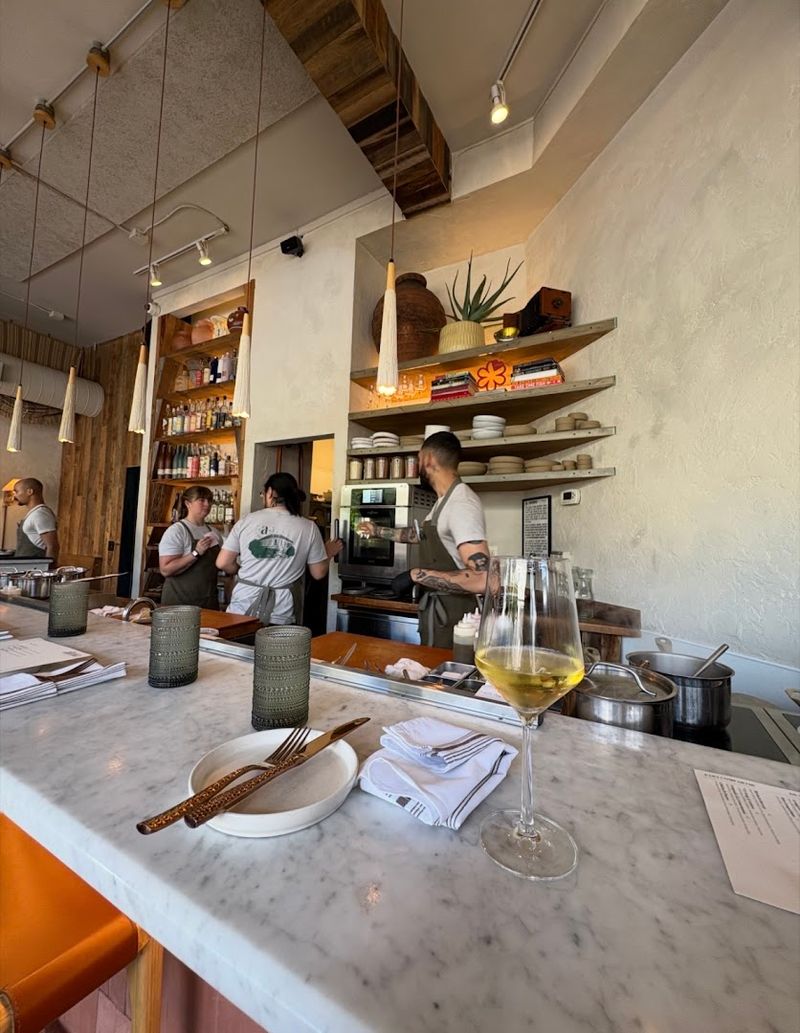
Securing a seat at the chef’s counter at Alma Fonda Fina is one of those dining experiences that feels more like front-row access to a performance than a simple meal out. Watching the kitchen team work in real time adds a dimension to the evening that a regular table simply cannot replicate.
Every dish is assembled with visible precision right in front of you. The choreography of a well-run kitchen becomes part of the entertainment, and at this restaurant, the team operates with a calm efficiency that makes the whole process look almost effortless.
What stands out most from the counter is how intentional every movement appears. Nothing is wasted, nothing is rushed, and every plate leaves the pass looking exactly as it should.
For anyone who genuinely loves food and cooking, this vantage point transforms a great meal into something genuinely unforgettable.
How the Menu Is Structured for Sharing
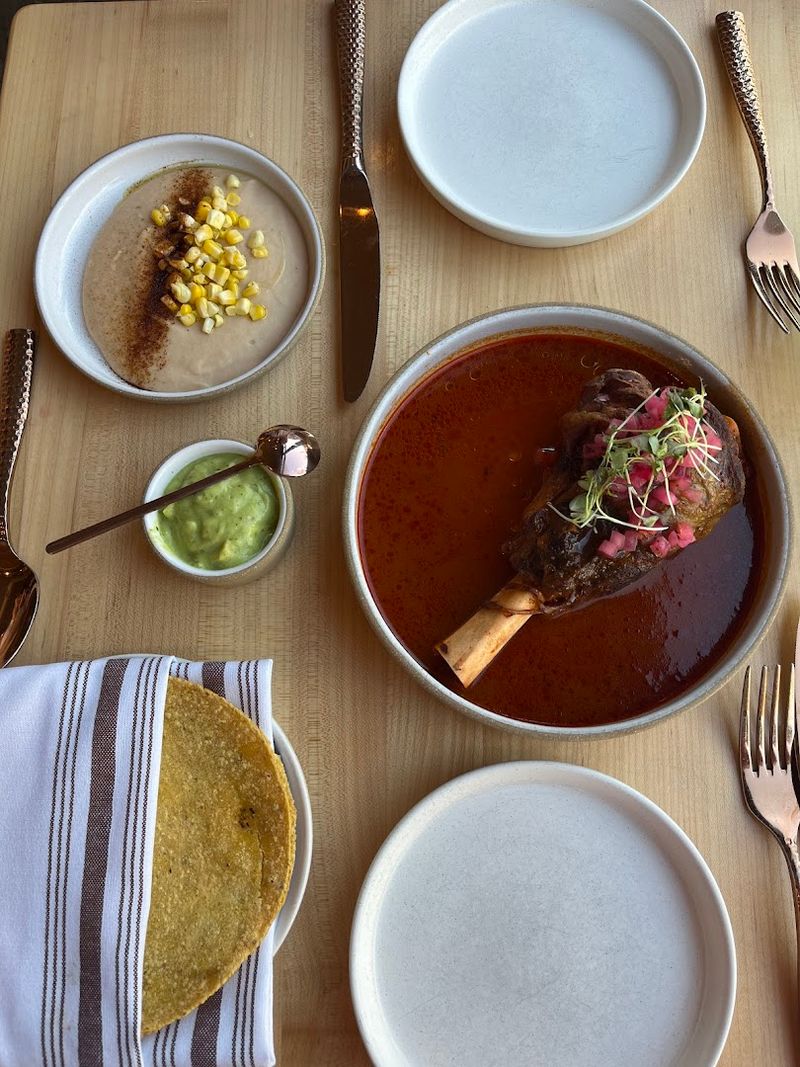
The menu at Alma Fonda Fina is built around sharing, which shapes the entire dining experience from the moment you sit down. It begins with appetizers and crudos, moves through masa-based plates, and then arrives at the mains, which are the most substantial courses of the evening.
Most couples order around six dishes, which tends to be the right amount to explore the menu thoroughly without crossing into uncomfortable territory. The progression feels natural, with lighter, brighter flavors giving way to richer, more complex preparations as the meal moves forward.
This structure also encourages conversation and discovery. Trying six different plates across a table is a fundamentally different experience from ordering individual entrees.
At Alma Fonda Fina, that communal approach feels completely aligned with the fonda concept the restaurant was built around, making the format feel intentional rather than simply trendy.
Hamachi and the Lighter Side of the Menu
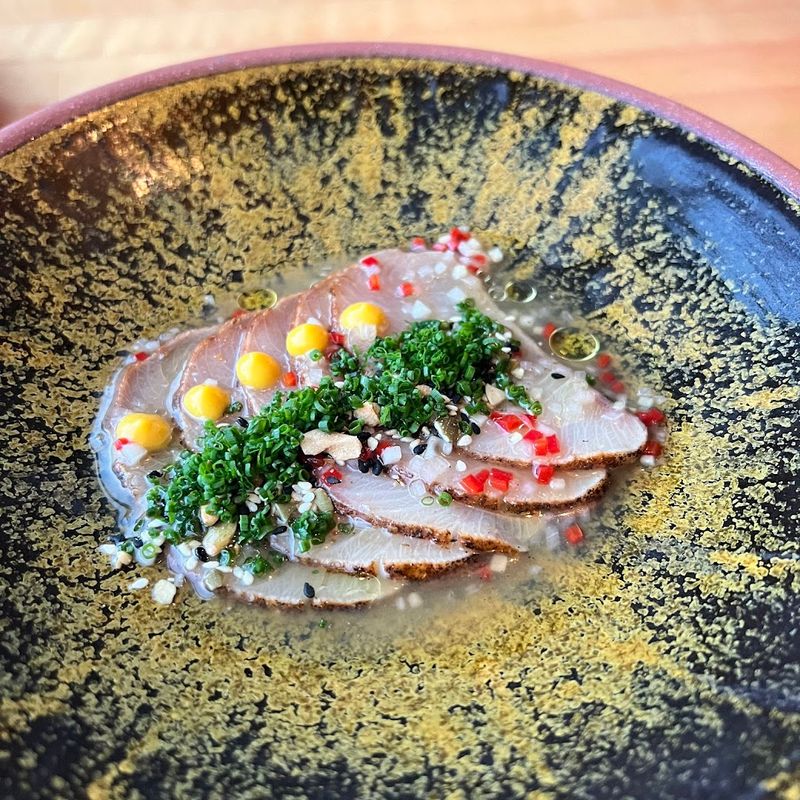
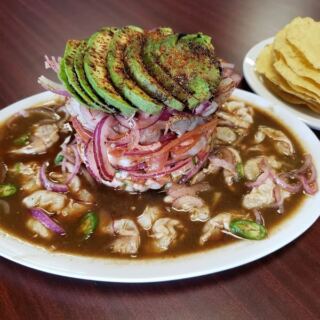
Not every dish at Alma Fonda Fina leans into richness and depth. The hamachi preparations, whether as an aguachile or a tostada, bring brightness and acidity to the table in a way that balances the heavier courses beautifully.
The fish arrives fresh and vibrant, dressed with citrus and chili in combinations that feel clean and precise. It is the kind of dish that reminds you why great Mexican cuisine is as much about balance as it is about bold flavor.
The acidity wakes up the palate and creates contrast against the moles, braises, and butter-forward plates that follow.
Chef Curiel’s background shows clearly in these lighter preparations. Knowing when to hold back is just as important as knowing when to push forward, and the hamachi dishes demonstrate that restraint with confidence.
They are not afterthoughts. They are essential parts of the meal’s overall architecture.
Getting a Reservation Before Everyone Else Does
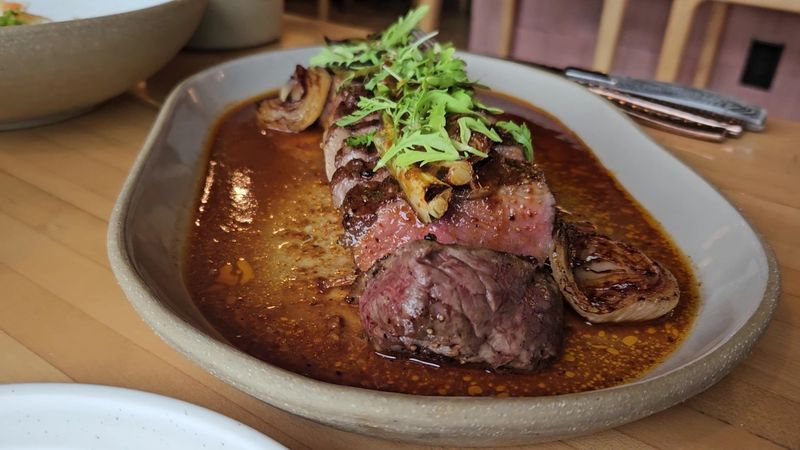
Alma Fonda Fina opens reservations sixty days in advance, and they disappear fast. This is not the kind of restaurant where you decide on a Tuesday afternoon that you want to go Friday night.
Planning ahead is not optional here; it is the only strategy that reliably works.
For diners who cannot secure a reservation, showing up right when the restaurant opens can occasionally result in a table, particularly earlier in the week or right at the start of service on weekends. A few diners have reported success arriving just before 4 PM on Saturdays and waiting briefly for a spot.
The effort involved in getting a table has become part of the Alma Fonda Fina experience. When a reservation finally comes through after weeks of checking, the anticipation walking through the door is already part of the meal.
That kind of earned excitement is rare.
The LoHi Neighborhood Setting
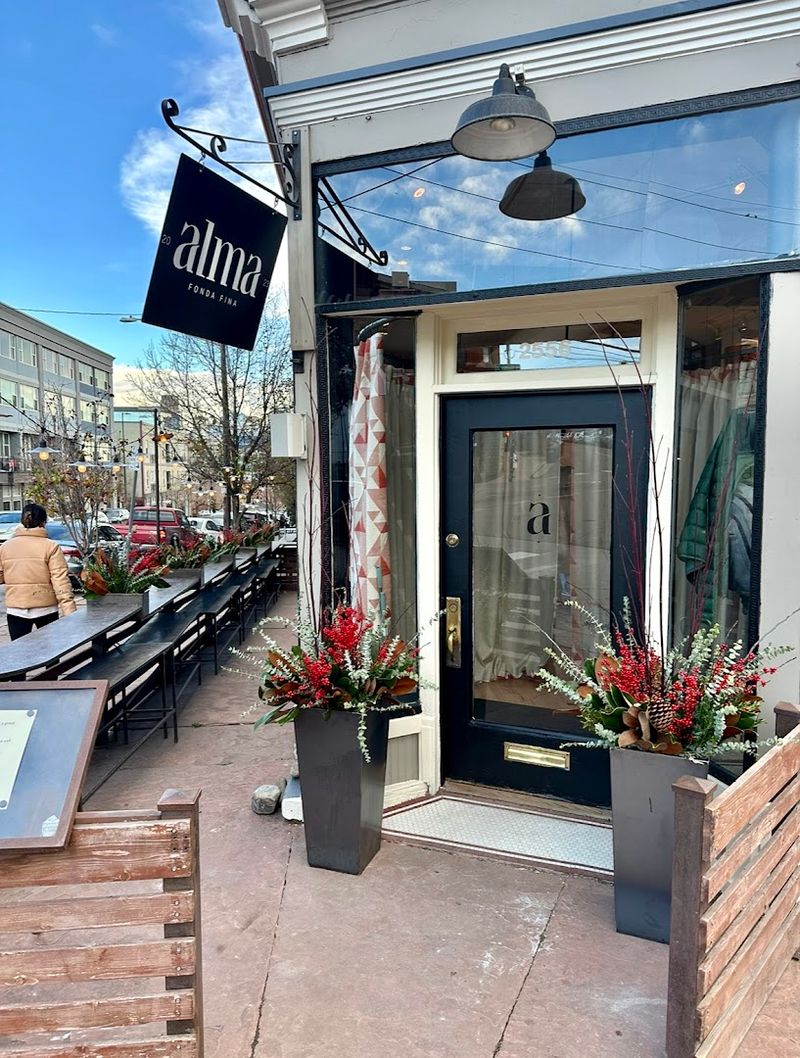
The Lower Highland neighborhood, known locally as LoHi, gives Alma Fonda Fina the perfect backdrop. This part of Denver has developed into one of the city’s most creative and food-forward areas, with independent restaurants, coffee shops, and a street-level energy that feels distinctly local rather than generic.
Arriving in LoHi for dinner already sets a certain mood. The streets have character, the buildings reflect the neighborhood’s evolution from working-class roots to a hub of Denver’s culinary scene, and the general atmosphere makes the walk to the restaurant feel like the beginning of something worth anticipating.
Parking in the area can be challenging, so arriving with a plan or using alternative transportation makes the experience smoother. The neighborhood rewards those who take a few extra minutes to walk around before or after dinner, offering a genuine sense of place that complements the meal inside.
Happy Hour and the Tostada Worth Knowing About
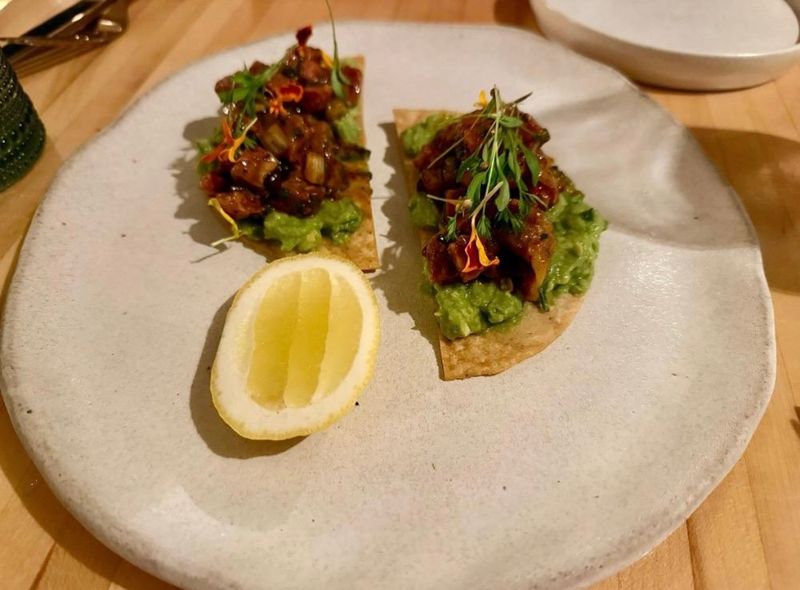
Before the dinner rush fully takes hold, Alma Fonda Fina offers a happy hour that deserves its own conversation. The tostada featuring avocado, crab, and habanero sauce has become a standout among diners who arrive early enough to take advantage of it.
Happy hour at a Michelin-starred restaurant is not something you encounter every day. The fact that this kitchen brings the same attention to detail to its early service menu as it does to the full dinner offerings says a great deal about the standards maintained throughout every hour of operation.
Arriving close to opening time also increases the chances of getting a table without a reservation, which makes happy hour a genuinely strategic choice for spontaneous visitors. Getting a seat, ordering a few lighter plates, and settling into the atmosphere before the room fills up is one of the smartest ways to experience this restaurant.
What the Michelin Recognition Actually Means for Denver
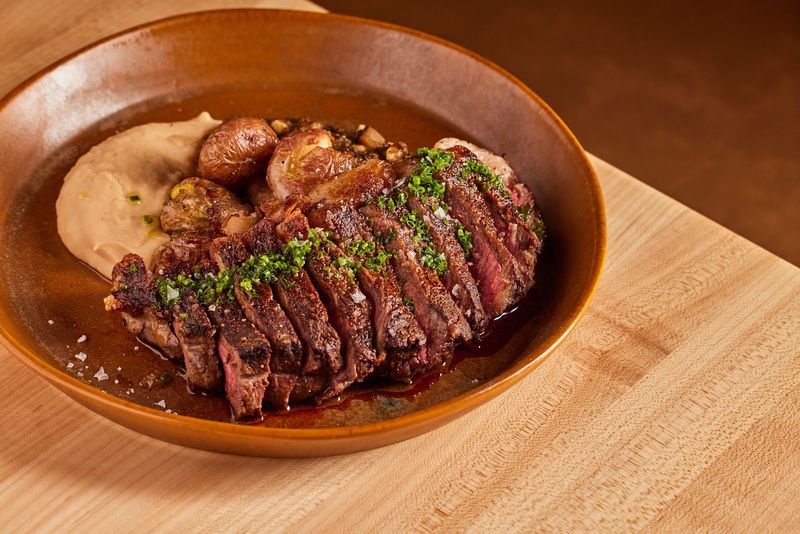
Denver’s food scene has grown significantly over the past decade, but a Michelin star landing at a restaurant less than a year after opening signals something beyond steady growth. It tells the culinary world that this city is producing cooking at the highest international level.
For Alma Fonda Fina specifically, the recognition affirmed what local diners had already sensed from early visits. The kitchen was operating at a level that went beyond what the casual restaurant-goer might expect from a neighborhood spot in LoHi, regardless of how creative that neighborhood has become.
The star also brought national and international attention to Mexican fine dining in Denver, a cuisine that has historically been underrepresented at the highest levels of American culinary recognition. That context makes the achievement feel larger than a single restaurant’s success story, and it opens conversations worth having about who gets celebrated in fine dining.
Why Diners Keep Coming Back Season After Season
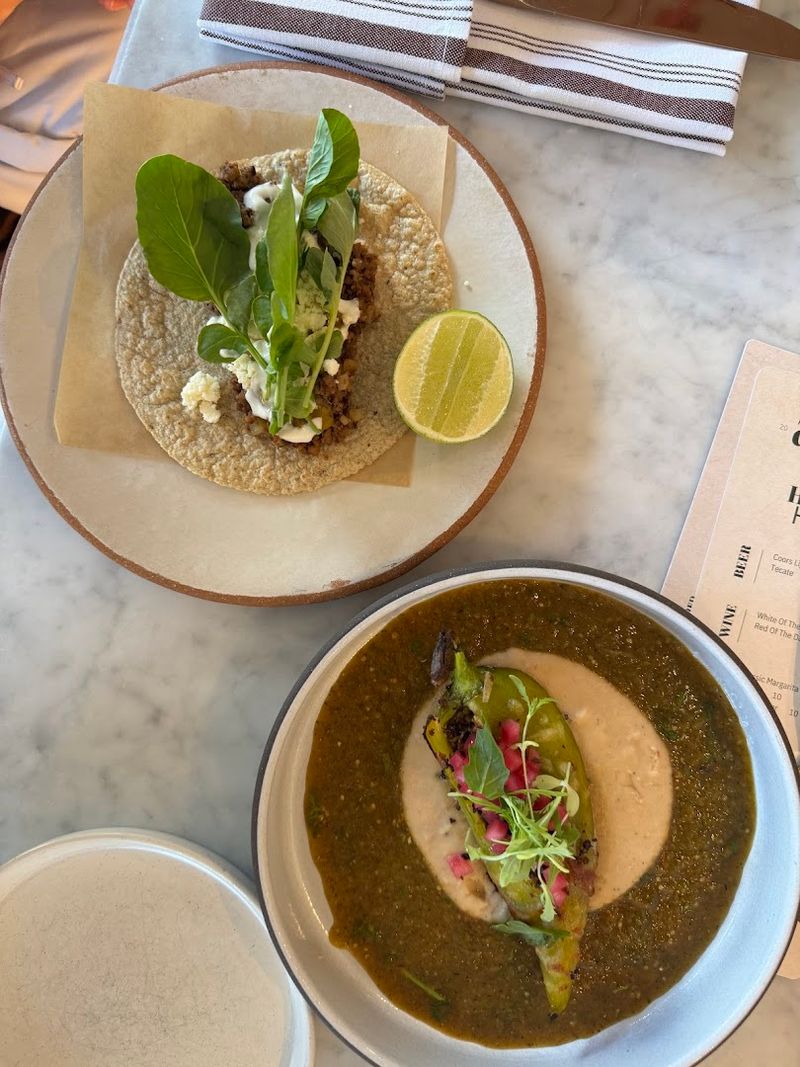
The menu at Alma Fonda Fina changes with the seasons, which gives returning diners a genuine reason to come back beyond nostalgia. Regulars who visited in the fall describe a menu that felt entirely different from the spring offerings, yet equally compelling in its own right.
This seasonal approach keeps the kitchen creative and ensures that ingredients arrive at their best. A restaurant operating at this level cannot afford to serve produce that is simply adequate, and the rotating menu reflects a commitment to sourcing that goes beyond convenience.
For first-time visitors, the seasonal nature of the menu also creates a sense of urgency that is entirely justified. The dish you read about in a review from three months ago may no longer exist, replaced by something equally thoughtful and potentially even more surprising.
That unpredictability, managed with skill, is one of the most compelling reasons to keep returning to this address.
Share this story