 Unearth The Voyage
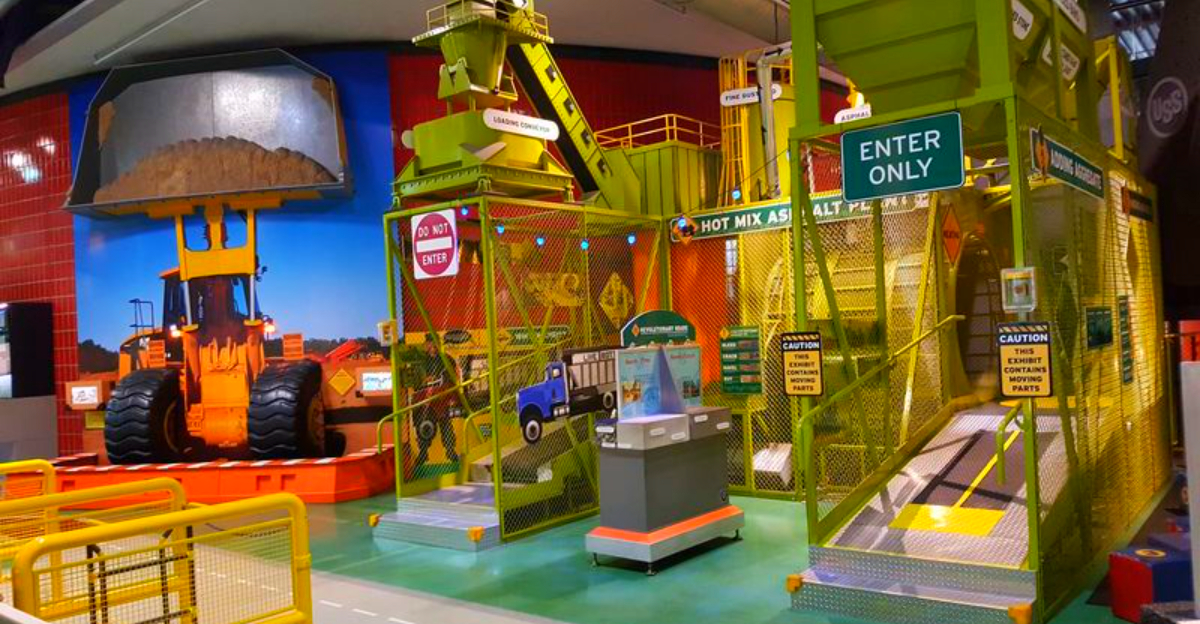
Some places ask you to look quietly from behind a rope, but this one practically dares you to press the button, spin the wheel, and see what happens next. I spent hours here grinning at experiments, chasing colorful lights, and watching kids and grownups get equally competitive over hands-on displays, which is my kind of science lesson.
The fun part is that the play never feels empty, because every gallery sneaks real ideas into the action, from weather systems to motion, space, and engineering. Keep reading and I will show you why this Detroit favorite works so well for families, curious adults, school groups, and anyone who likes a museum that feels more like a full day of discovery than a slow march past glass cases.
Where the adventure begins
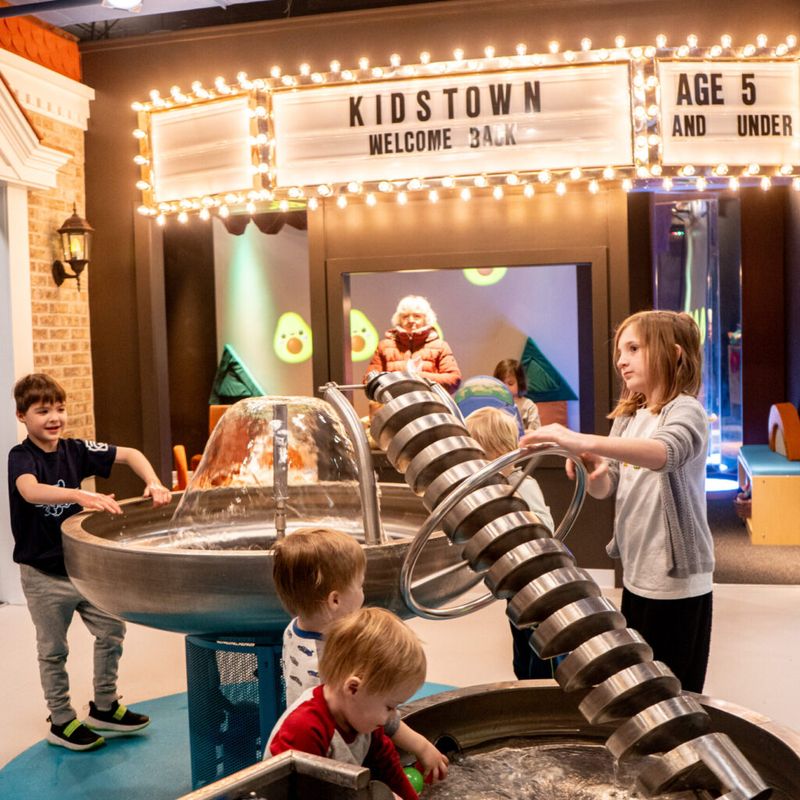
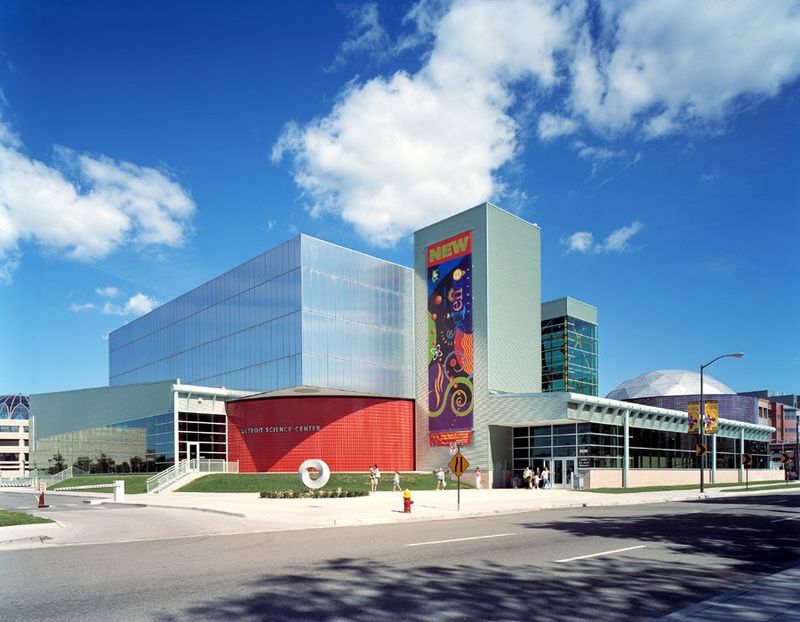
My visit started at the Michigan Science Center, 5020 John R St, Detroit, MI 48202, in the United States, right in Detroit’s Midtown area where culture and curiosity seem to share the sidewalk. The building already hints that this will not be a hushed museum day, and that is a promise it keeps almost immediately.
Inside, the mood felt lively rather than stiff, with families mapping routes, kids pointing at everything, and adults pretending they were only supervising. I liked that I never had to wonder what kind of place it wanted to be, because it clearly leans into hands-on science instead of asking you to admire learning from a polite distance.
That approach matters because the center is big enough to reward wandering, yet friendly enough that it does not feel overwhelming at the door. Before I reached my second exhibit, I already had that rare museum feeling that says clear your schedule, because this stop is going to steal your afternoon in the best way.
A museum built for movement
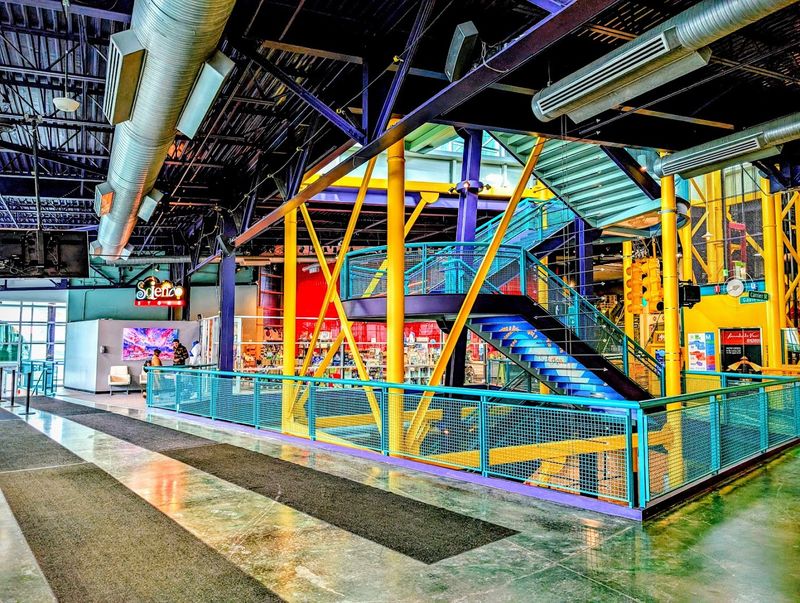
What grabbed me first was the pace of the place, because almost every corner invites motion, testing, or a quick burst of curiosity. Instead of long stretches of reading panels, I found stations where people were building, pushing, listening, balancing, and trying things twice after the first result surprised them.
That design makes the Michigan Science Center feel less like a formal institution and more like a giant indoor playground with a very smart brain. I could see why school groups love it, but I also noticed plenty of adults leaning in with real interest instead of standing back and checking their phones.
There are more than 220 hands-on exhibits, and that number feels believable once you start roaming across levels and galleries. Even when a few displays may need a tune-up on a busy day, the overall experience still lands because there is so much to try, so much to watch, and so little pressure to do everything in perfect order.
Why kids settle in fast
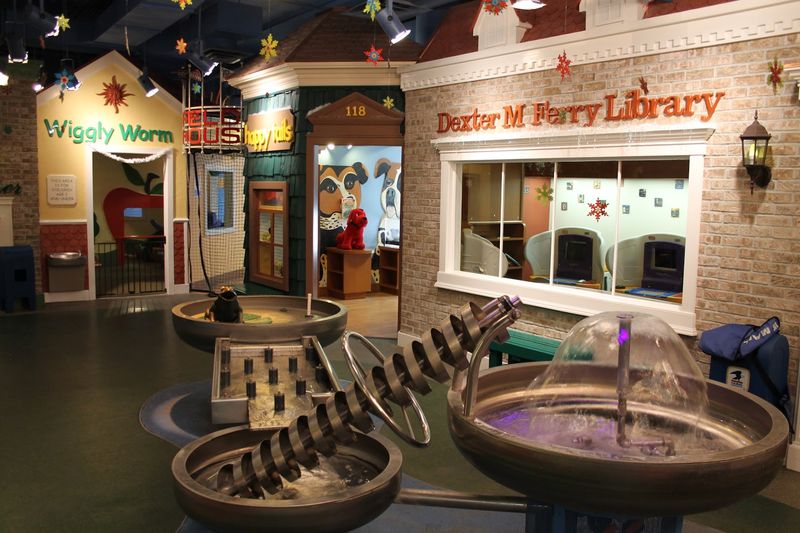
Families with little kids get a real gift here, because the center does not treat younger visitors like an afterthought. I spent time watching children settle into spaces made for their size and attention span, and the result was less meltdown energy and more happy, focused play.
Kids Town is especially smart for children ages five and under, with an interactive market, café, vet clinic, sports area, and small-scale activities that let them move with purpose. It feels playful first, but underneath the fun are lessons about roles, systems, coordination, and problem solving that sneak in while everyone is busy pretending to run the world.
I appreciated how this lower-age zone gives families a place to slow down without feeling separated from the larger mission of the museum. When a destination understands that tiny scientists need room to explore on their own terms, the whole day gets smoother, and parents get something close to a vacation-level win.
Level Up and playful competition

A little friendly competition can turn a science outing into a memory, and the Level Up exhibit knows exactly how to use that trick. This large interactive space mixes classic arcade energy with digital play in a way that pulls people in before they even decide to participate.
I liked how the exhibit balances nostalgia and novelty, because one moment you are spotting familiar game influences and the next you are stepping through projected environments that react overhead and underfoot. The Ames Room adds another layer of fun by turning perspective into a visual puzzle, which means people start laughing first and asking how it works a second later.
That sequence is part of the charm here, since the center understands that curiosity often starts with delight rather than discipline. By the time I left this gallery, I had watched kids, teens, and adults negotiate turns, compare scores, and accidentally learn about perception, motion, and design while pretending they were just here to play.
Weather that fights back
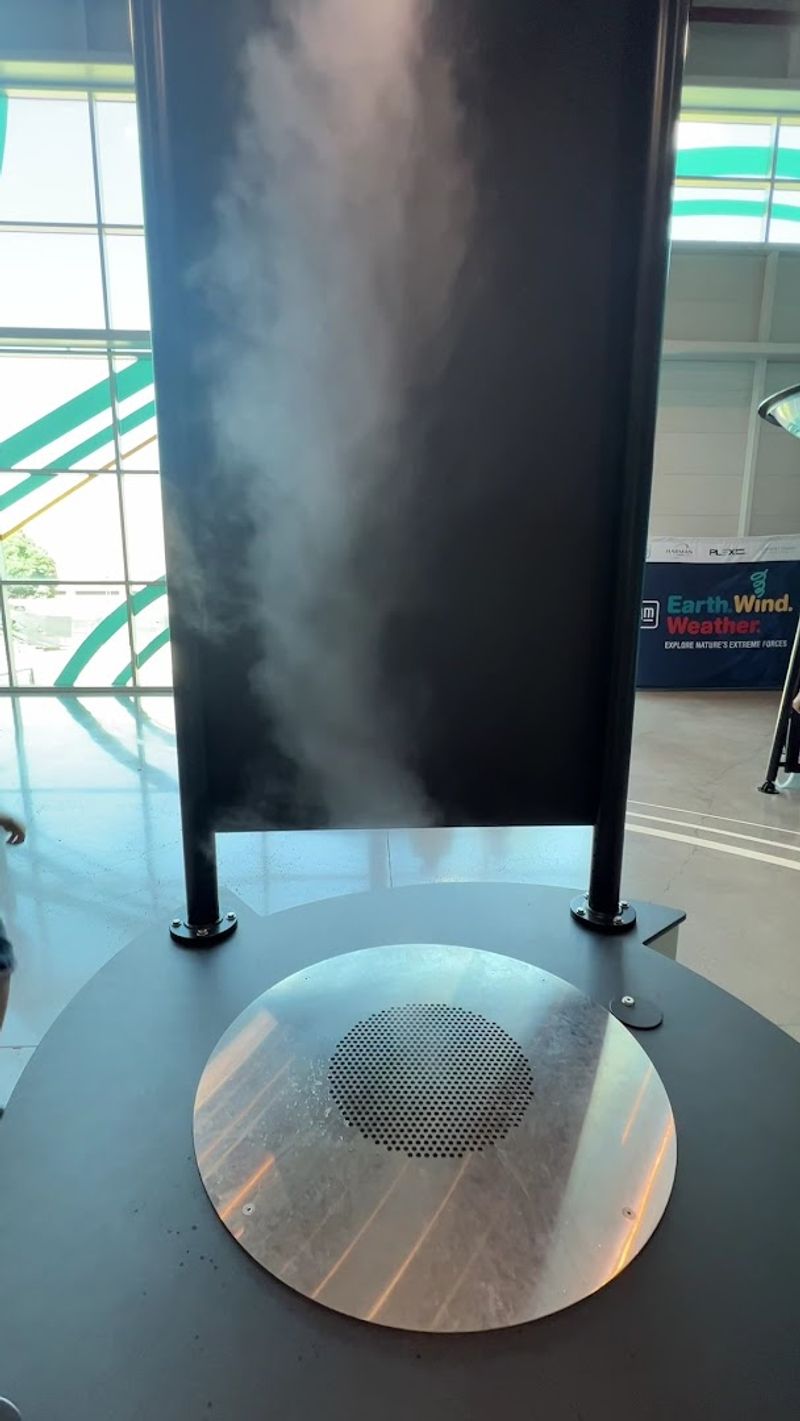
Some galleries whisper information, but this one has a bit more dramatic flair and I was fully on board for it. The Earth, Wind, Weather exhibit turns big natural forces into something you can test, trigger, and experience without needing a forecast app or a field expedition.
I watched visitors create avalanches, experiment with ocean waves, and explore atmospheric ideas in ways that felt immediate instead of abstract. The tornado feature is a standout because it gives the room a burst of energy, yet the science stays clear enough that you leave with more than a cool photo and windblown hair.
What impressed me most was how the exhibit makes large systems understandable without shrinking their complexity into kiddie talk. It respects the audience, invites questions, and gives enough sensory punch to keep even distracted visitors engaged, which is harder than it sounds when you are competing with the natural human urge to run toward the next flashing button.
Engineering that feels approachable
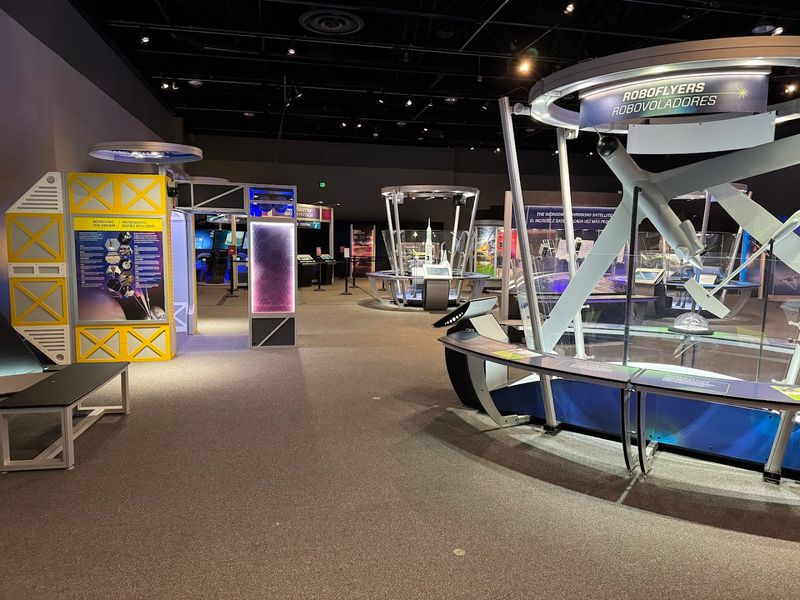
I always enjoy museums most when they make complicated ideas feel welcoming, and the STEM Playground does that with impressive ease. Instead of presenting engineering as something reserved for experts with tool belts and advanced degrees, this area invites you to test concepts with your own hands.
Here, I found stations that explain forces on an airplane, how sail position affects movement, and why foundations matter when building anything meant to stay upright. Those topics could easily become dry, but the interactive format keeps them grounded in trial, error, and small moments of success that make people want one more attempt.
The beauty of this gallery is that it treats mistakes like part of the fun rather than proof that you are bad at science. You tweak a design, watch the result, try again, and suddenly engineering starts to feel less intimidating and more like a conversation between your curiosity and the laws of physics, with gravity playing a very firm referee.
The pull of the planetarium
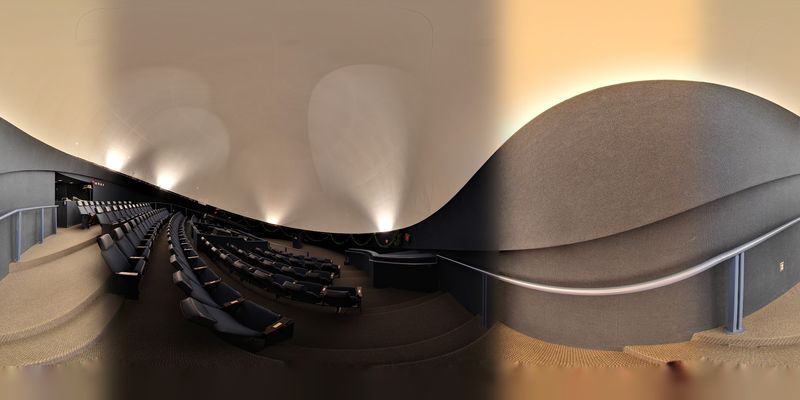
Then the lights dim, the dome takes over, and the entire day changes tempo in the best possible way. The planetarium gives the Michigan Science Center one of its strongest contrasts, because after all that active experimenting, you suddenly get a chance to lean back and let the universe do the heavy lifting.
I found that shift refreshing. The experience feels immersive without becoming confusing, and the giant overhead visuals create the kind of shared silence that only happens when everyone in the room is genuinely paying attention.
Families should note that showtimes can fill and younger children may need a little preparation for the darker setting, so planning ahead helps. Still, this is one of those features that broadens the center beyond a standard exhibit hall, giving the visit a cinematic layer that makes the building feel bigger, smarter, and a touch more cosmic than its address might suggest at first glance.
Live demos keep the energy high

No matter how strong the exhibits are, a great live demonstration can rescue a drifting afternoon, and this place understands that beautifully. During my visit, the stage programming gave the building a pulse, with staff turning scientific principles into something social, memorable, and genuinely fun to watch.
The presenters are a major part of the charm because they help translate curiosity into confidence. I saw kids asking questions, adults leaning forward, and entire groups paying attention in a way that felt natural rather than forced, which is not easy when you are competing with an entire museum full of distractions.
That human element matters as much as the hardware, since interactive spaces work best when someone helps connect the dots. Even if you arrive planning to wander freely, I would still make time for a live demo because it breaks up the visit, adds variety, and reminds you that science is not just a set of displays, but also a conversation happening right in front of you.
Traveling exhibits add surprise

A repeat visit here does not have to feel like a rerun, because traveling exhibitions give the center fresh angles throughout the year. That flexibility keeps the museum from getting too comfortable, and it rewards people who return with kids, classes, or their own unfinished curiosity.
One strong example is Leonardo da Vinci: Machines in Motion, which brings interactive versions of his imagined devices into the building. I like exhibits like this because they connect science, art, engineering, and history without forcing those subjects into separate boxes, and the hands-on approach keeps the material active instead of overly reverent.
Special exhibitions also help widen the audience, since they can attract visitors who might not realize how much this museum already offers. If you are planning a visit, checking the current lineup before you go is a smart move, because a temporary exhibit can become the extra reason that turns a good family outing into the kind of day people talk about all week.
Practical tips for a smoother visit
A little planning goes a long way here, especially because the center is popular with school groups and weekend families. I found it helpful to think of the visit as a half-day or longer outing rather than a quick stop, since rushing this place would miss the whole point.
The museum is generally open Tuesday through Sunday from 10 AM to 4 PM, and arriving earlier can make the first hour feel easier to manage. Parking may take a bit of attention depending on the day, and popular extras like the planetarium are worth checking in advance so you are not improvising when everyone is already excited.
I would also bring water, comfortable shoes, and a little patience for high-energy moments, because hands-on spaces naturally come with happy noise and occasional bottlenecks. If a favorite exhibit is busy or temporarily unavailable, the best strategy is simple: pivot, explore somewhere else, and circle back later, since this museum rewards flexibility almost as much as it rewards curiosity.
A playful Detroit standout
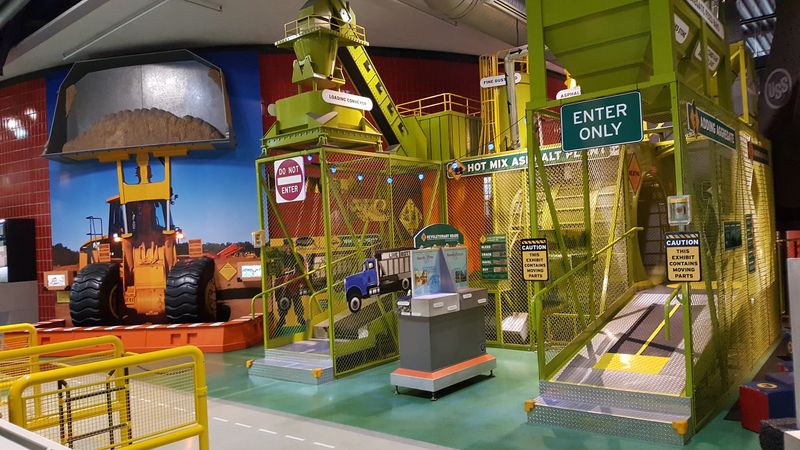
By the end of my visit, what stayed with me was not just a single exhibit but the overall mood of the place. The Michigan Science Center manages to be energetic, educational, and approachable at the same time, which is a harder balance than many museums make it look.
It works because the center gives science a human scale. You can touch ideas, test them, laugh at them a little, and then understand them better without feeling like you sat through a lecture in disguise.
Detroit has no shortage of culture, but this stop offers something distinct: a space where curiosity gets to move around freely and learning feels active from start to finish. I left with tired feet, a fuller brain, and that satisfying sense that a great attraction does not just entertain you for an afternoon, it sends you home looking at ordinary things with sharper, more interested eyes.



