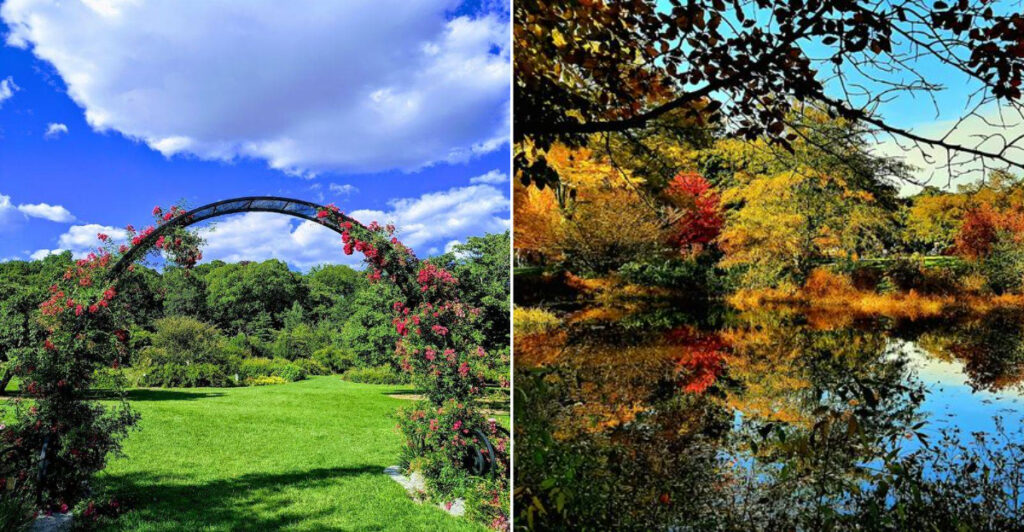
There is a place in Boston where the trees are labeled like museum exhibits, the paths wind through landscapes that shift with every season, and the whole experience feels less like a city park and more like a living painting. Tucked into the Jamaica Plain neighborhood, this Harvard-managed arboretum spans 281 acres and holds one of the most significant plant collections in North America.
It is free to enter, open every day of the year, and yet somehow still feels like a well-kept secret. Whether the cherry blossoms are at peak bloom in May or the oaks are turning gold in October, this place has a way of making even the most hurried Bostonian stop and actually look at a tree.
The sections below break down everything worth knowing before a first visit or a long-overdue return trip.
281 Acres of Living History
Founded in 1872, the Arnold Arboretum is the oldest public arboretum in North America, and its history is woven into both Harvard University’s academic legacy and Boston’s relationship with green space. The land was originally bequeathed by James Arnold, a New Bedford merchant, and the arboretum grew from that single donation into a world-class institution.
Frederick Law Olmsted, the landscape architect behind Central Park in New York, helped design the arboretum’s layout in the 1880s. His vision shaped the curving roads and open meadows that still define the grounds today.
The design was built to function as both a scientific research station and a public park, two goals that remain equally important more than 150 years later.
Harvard’s botanical department manages the collections and conducts ongoing research into plant science, conservation, and horticulture. That academic backbone gives every tree and shrub on the grounds a documented history that most city parks simply cannot match.
A Plant Collection That Spans the Globe
The arboretum holds more than 15,000 individual plants representing over 2,000 different taxa, gathered from temperate regions across North America, Asia, and Europe. Every plant is documented, labeled, and tracked as part of Harvard’s living scientific collection.
Visitors who take time to read the small metal tags on each tree discover that the collection includes species from China, Japan, Korea, and North America that would otherwise never share the same landscape. That global reach is part of what makes a walk here feel genuinely educational rather than just recreational.
The collections are organized taxonomically, meaning related plant families are grouped together, which gives the grounds a logical flow that rewards curious walkers. There are dedicated sections for conifers, beeches, oaks, maples, and many more.
The hemlock section alone is worth seeking out, with towering trees that create a noticeably different atmosphere from the open meadows elsewhere on the property.
Lilac Sunday: Boston’s Most Fragrant Annual Tradition
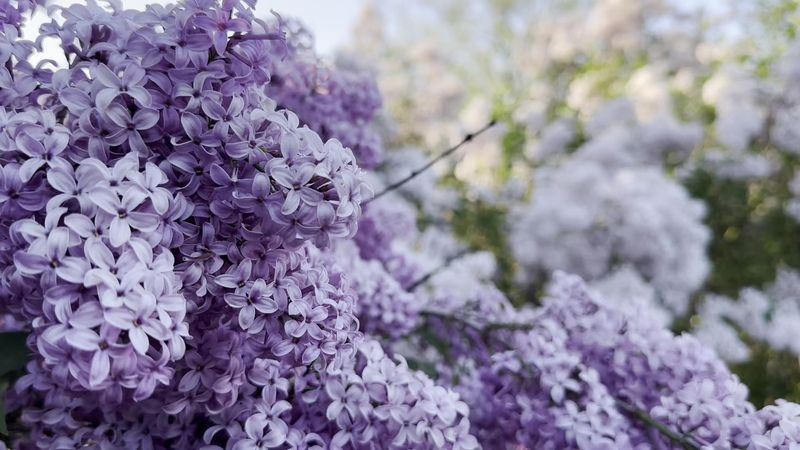
Every year on the second Sunday of May, the Arnold Arboretum hosts Lilac Sunday, the only day of the year when picnicking is officially permitted on the grounds. The event draws tens of thousands of people to see the arboretum’s famous lilac collection, which includes more than 400 lilac plants representing dozens of varieties.
The lilac collection is one of the largest and most diverse in the United States, with colors ranging from deep purple to soft white and every shade in between. Peak bloom timing varies slightly from year to year depending on spring temperatures, but the arboretum monitors conditions closely and communicates updates through its website and social media channels.
Lilac Sunday has been a Boston tradition since 1908, making it one of the longest-running public events associated with any American arboretum. Families, photographers, and longtime Boston residents all show up, turning the hillside into one of the city’s most genuinely festive outdoor gatherings of the entire year.
Cherry Blossom Season That Rivals Any Garden in the Country
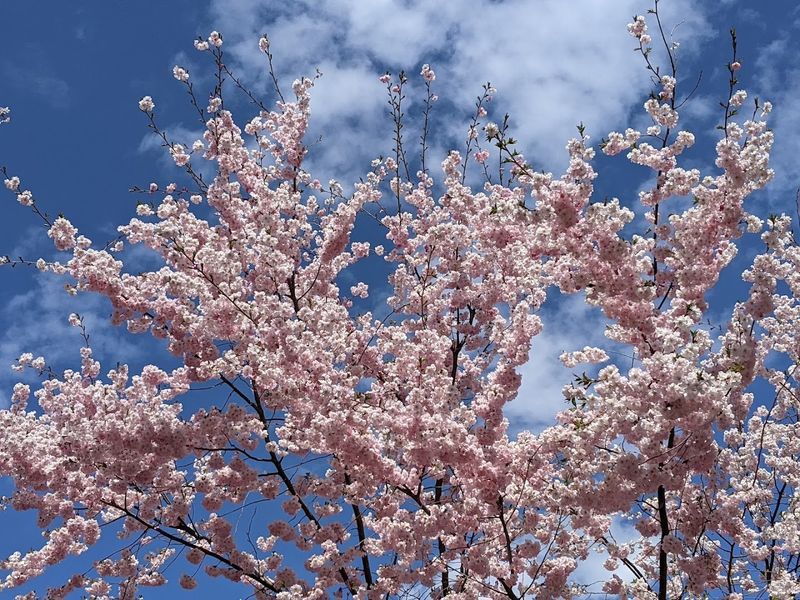
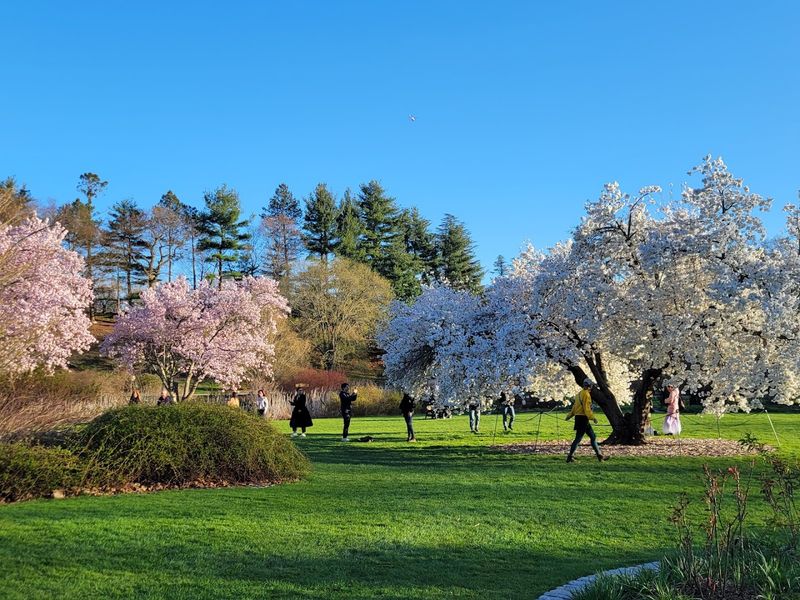
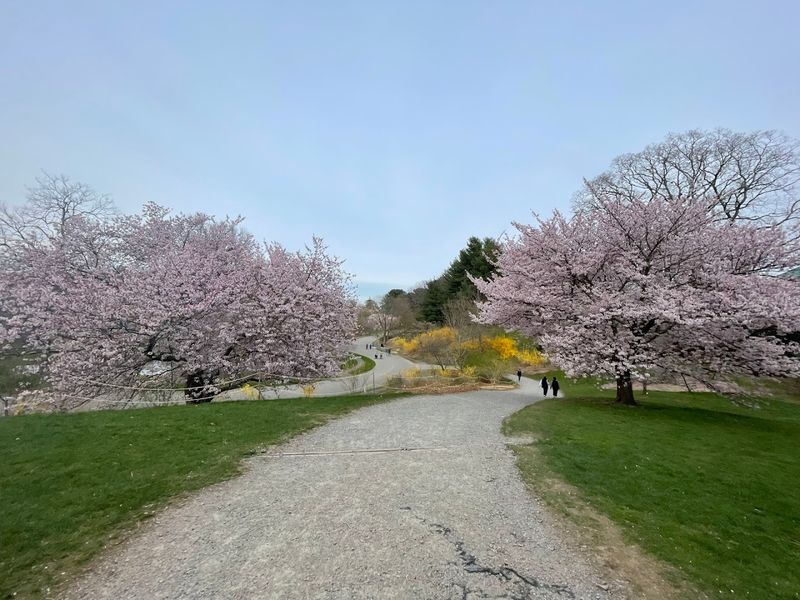
Before the lilacs arrive, the cherry trees put on a display that stops people mid-stride. The arboretum holds a significant collection of ornamental cherries, including several varieties that bloom in succession, extending the overall season rather than concentrating it into a single week.
The Bussey Hill area is particularly known for its cherry trees, and on a clear May morning the hillside turns shades of pink and white that photograph beautifully from nearly every angle. Wedding photographers have long favored this location for portrait sessions, and it is easy to understand why once the blossoms are at their peak.
Unlike some urban cherry blossom spots that get overwhelmingly crowded, the arboretum’s 281 acres spread visitors out enough that the experience still feels relatively calm even during peak bloom. Arriving early on weekday mornings gives the best chance of enjoying the trees without large crowds, and the morning light tends to work in favor of anyone carrying a camera.
The Bonsai Collection: Centuries in a Small Container
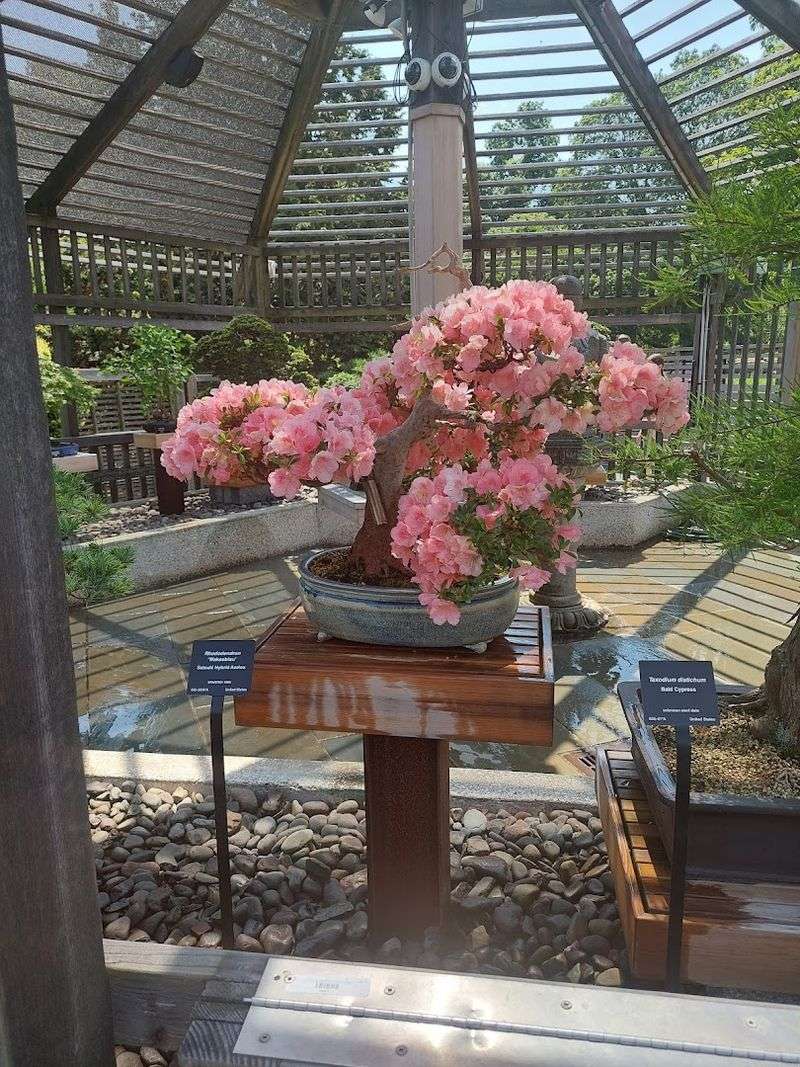
Tucked within the arboretum grounds is a bonsai collection that consistently catches first-time visitors off guard. The display includes trees that are decades, and in some cases more than a century, old, cultivated in the traditional Japanese bonsai style and maintained by trained horticulturists.
Bonsai as an art form requires an extraordinary amount of patience and technical skill, and seeing a tree that has been shaped and tended for over 100 years puts the concept of long-term care into a new perspective entirely. Each specimen in the collection has its own documented history, including its country of origin and the year it entered the arboretum’s care.
The collection is displayed outdoors during warmer months, allowing visitors to walk around the individual trees and observe the details up close. The scale of the trees relative to their age is what tends to hold people in place the longest.
It is one of those exhibits that rewards slow, patient observation rather than a quick glance on the way to the next section.
Fall Foliage That Turns the Whole Park Into a Color Study
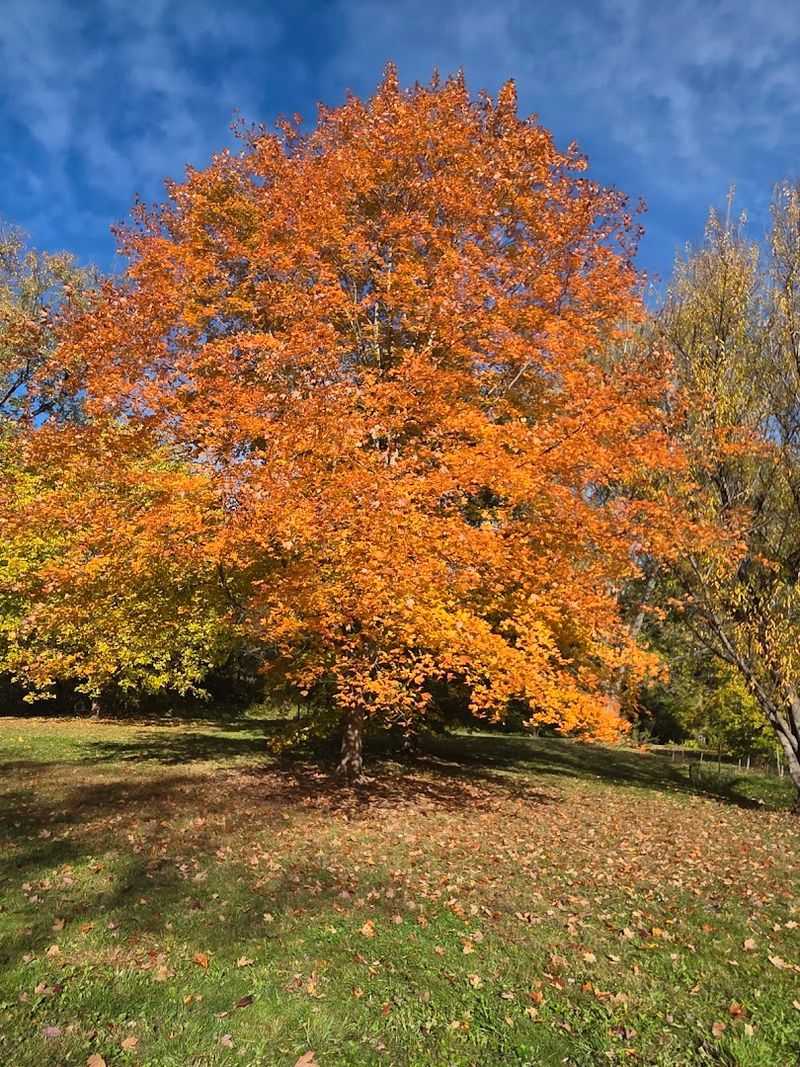
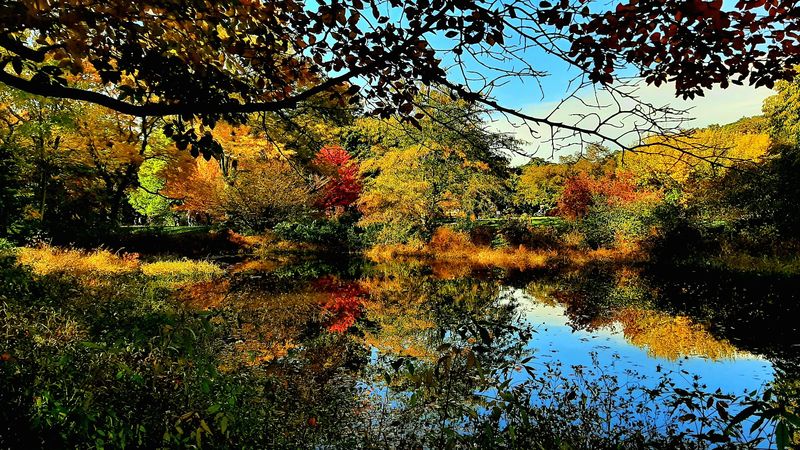
October at the arboretum is an entirely different experience from May, and longtime regulars often cite autumn as their favorite season to visit. The diversity of the tree collection means that fall color arrives in waves rather than all at once, with different species peaking at different points through September and October.
Maples tend to lead the way with their reds and oranges, followed by oaks, beeches, and ginkgos, each adding its own distinct color to the overall picture. The ginkgo trees in particular are worth tracking down in late October, when their leaves turn a uniform bright yellow and drop almost simultaneously, carpeting the ground beneath them.
The elevated sections of the arboretum, particularly around Bussey Hill, offer views across the canopy that show the full range of fall color at once. On a clear October afternoon, those views extend toward the Boston skyline, creating a contrast between the natural landscape of the park and the urban environment just beyond its borders.
Paths, Trails, and Roads Built for Every Kind of Visitor
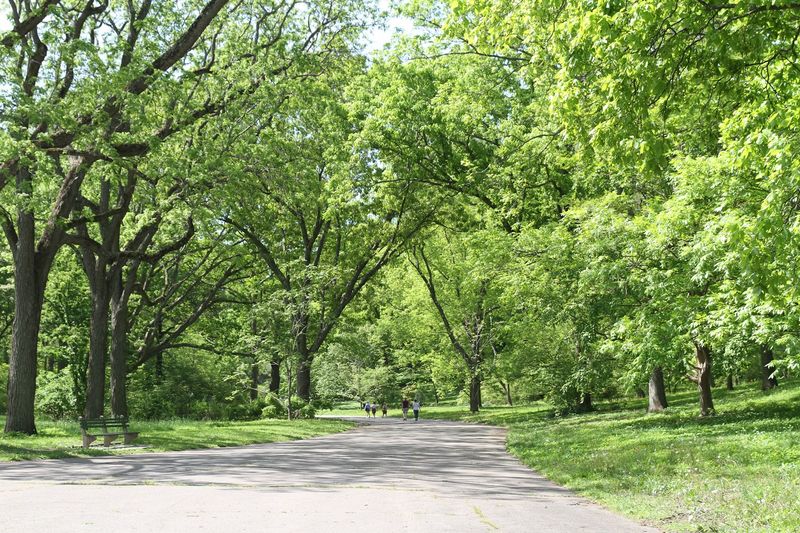
The arboretum’s network of paths includes paved carriage roads, gravel trails, mulch footpaths, and dirt tracks that wind through different sections of the grounds. The variety means that the same visit can feel completely different depending on which routes a person chooses to follow.
The main paved roads are wide enough for cyclists and are popular with runners who appreciate a car-free route through a green landscape. Several off-road trails branch away from the main paths and lead into quieter corners of the arboretum where foot traffic is lighter and the plant collections feel more enclosed and exploratory.
The grounds include a few gentle hills that add mild elevation changes to any walk or run without making the terrain difficult for most people. The Conifer Path and Beech Path are consistently mentioned as favorites among regular visitors for their tall, canopy-forming trees that create a noticeably different atmosphere from the open meadow areas.
A full loop of the arboretum typically takes between 90 minutes and two hours at a comfortable pace.
Dog-Friendly and Family-Ready Grounds

Dogs are welcome at the Arnold Arboretum on a leash, and the park has developed a reputation as one of the better on-leash dog walking destinations in the entire city of Boston. The wide roads and varied terrain make it easy to cover real distance without retracing steps, which keeps both dogs and their owners more engaged than a simple loop around a neighborhood block.
Families with young children also find the arboretum well-suited to an afternoon outing. The grounds are car-free except for maintenance vehicles, which removes the main hazard that makes so many urban parks less relaxing for parents.
Children who might not normally show much interest in trees tend to respond differently when they can read the labels and discover that a particular tree came from a mountain range in China.
Restroom facilities are available on the grounds, and several open lawn areas provide space for a picnic on most days of the year. The combination of practical amenities and a genuinely interesting landscape makes it a reliable destination for groups of all sizes and ages.
Photography Opportunities Around Every Corner
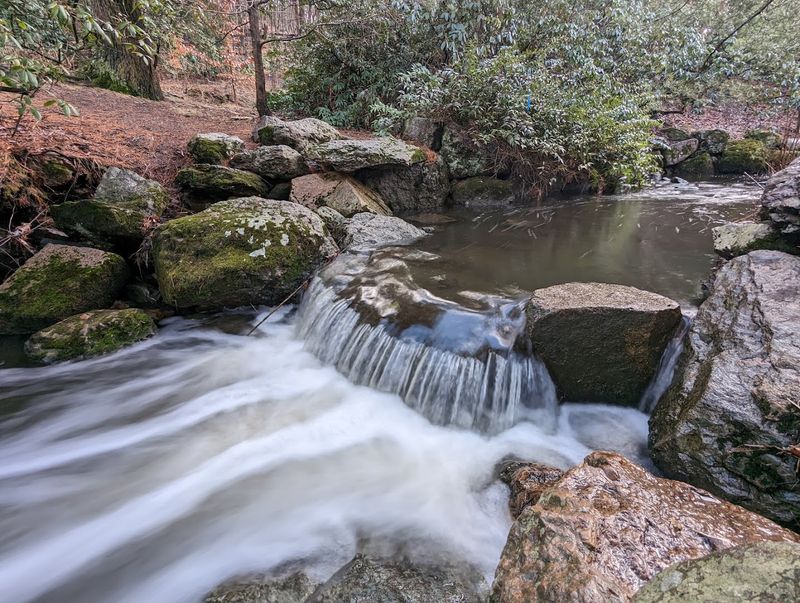
The arboretum has become a favored location for photographers of all skill levels, from smartphone users documenting a Sunday walk to professional photographers booking the grounds for portrait and wedding sessions. The variety of backdrops available within a single visit is genuinely unusual for an urban park.
Open meadows, dense woodland paths, flowering trees, ancient bonsai, city skyline views, and reflective pond surfaces all exist within the same 281-acre property. That range means a photographer can work through multiple completely different compositions without ever leaving the grounds.
Seasonal variety adds another dimension to the arboretum’s photographic appeal. The same tree photographed in May, July, October, and February produces four entirely different images, which is part of why so many people return multiple times throughout the year.
Early morning visits tend to offer the most favorable conditions, with lower foot traffic and light that works well across most of the park’s open and wooded sections alike.
Educational Placards and Guided Tours for Curious Minds
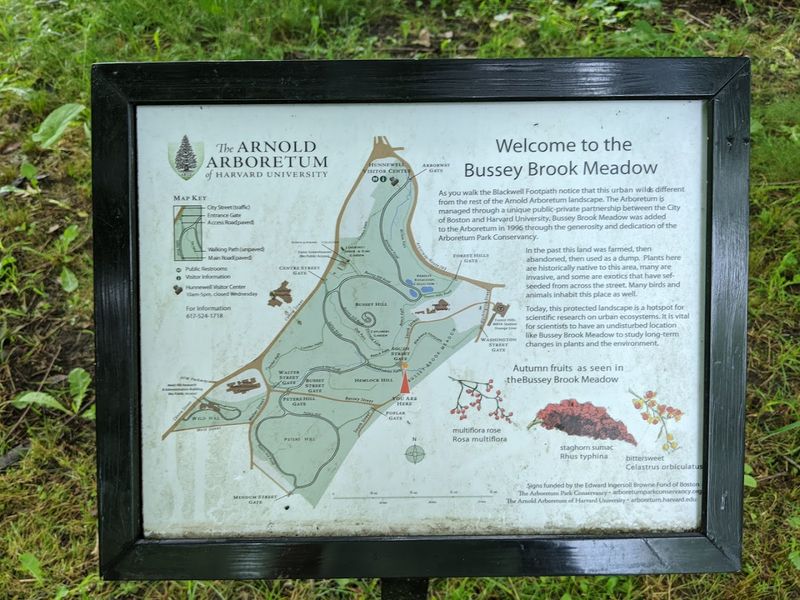
Every plant in the arboretum’s collection carries an identification tag with its common name, scientific name, family, and geographic origin. Those small metal labels transform an ordinary walk into something closer to a self-guided museum tour, and they reward the kind of visitor who is genuinely curious about what they are looking at.
Harvard’s arboretum staff and trained volunteers offer guided walking tours throughout the year, focusing on different themes depending on the season. Spring tours naturally emphasize flowering trees and early bloomers, while autumn tours focus on fall color and the science of leaf change.
Specialty tours covering topics like bonsai care, tree identification, and the history of the Olmsted design are also offered periodically.
The arboretum’s website maintains a current schedule of tours and educational events, and many programs are free or low-cost in keeping with the institution’s commitment to public access. School groups visit regularly, and the staff is accustomed to working with audiences ranging from young children to graduate-level researchers.
The Emerald Necklace Connection
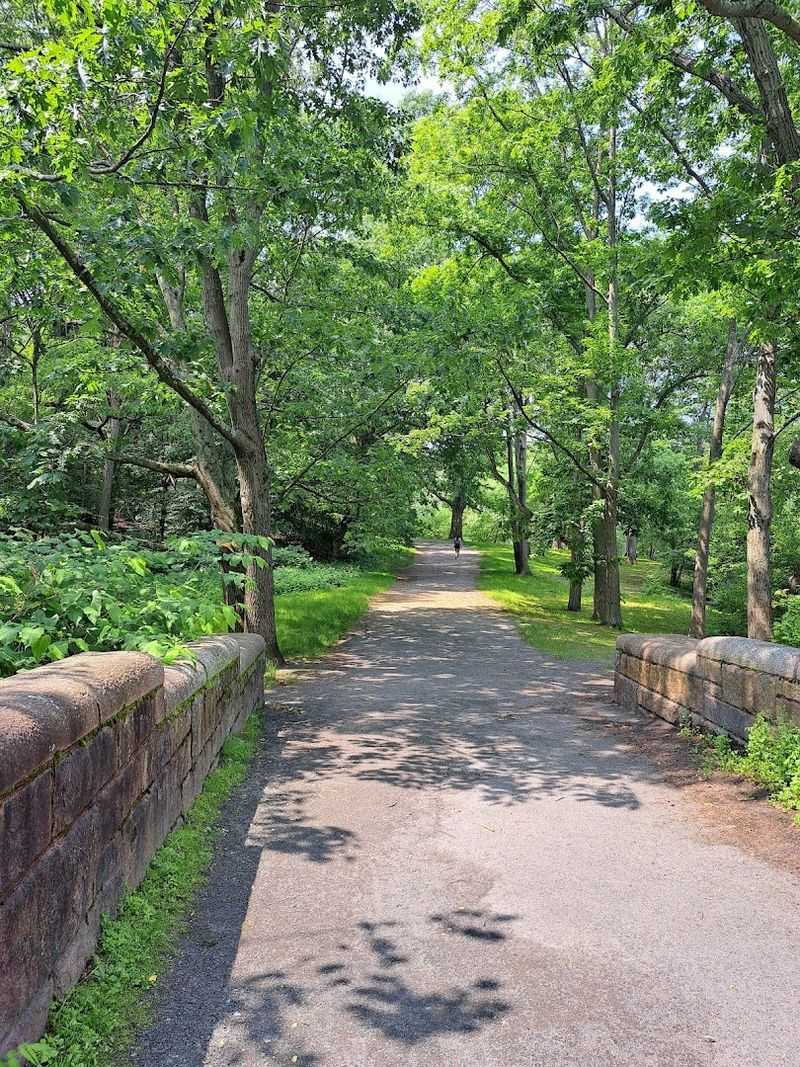
The Arnold Arboretum is one of the key links in Boston’s Emerald Necklace, a roughly nine-mile chain of parks and parkways designed by Frederick Law Olmsted in the 1870s and 1880s. The Necklace connects Franklin Park, the arboretum, Jamaica Pond, the Back Bay Fens, and several other green spaces in a continuous corridor through the city.
That connectivity means a visitor with enough time and energy can walk or cycle from the arboretum through to other significant Boston parks without ever navigating heavy traffic. The Arborway, which runs along the arboretum’s edge, serves as one of the main links in that chain and is part of what gives the park its street address.
Understanding the arboretum as part of a larger designed landscape system adds a layer of meaning to the visit. Olmsted’s intention was to give Boston residents access to connected natural space throughout the city, and more than 140 years later that vision still functions essentially as he intended it to.
Free Admission and What That Actually Means
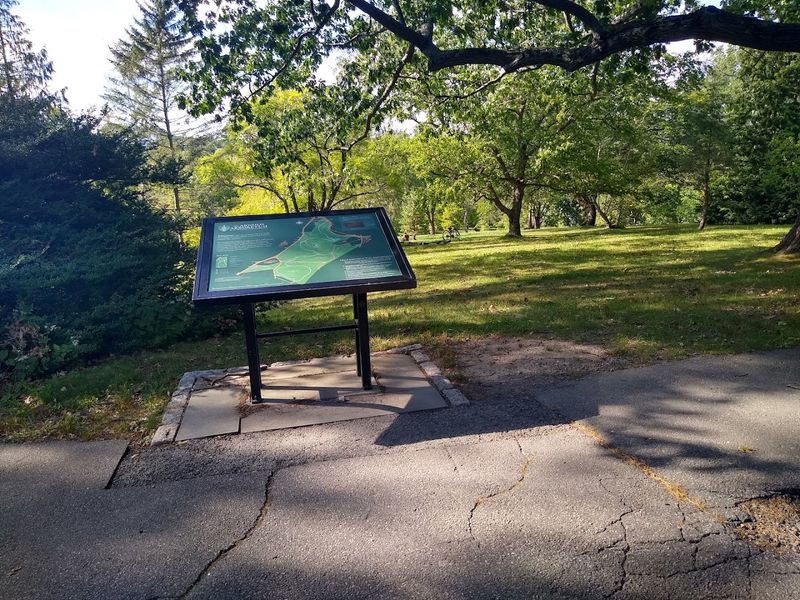
The arboretum is entirely free to enter every day of the year, which is a genuinely unusual feature for a world-class botanical collection managed by a major research university. There are no timed entry tickets, no reservation requirements, and no membership fees needed to access the grounds.
That open-access model reflects Harvard’s long-standing commitment to making the arboretum a public resource rather than an exclusive institution. The grounds are funded through a combination of Harvard University support, private donations, and grants, which allows the free admission policy to remain in place regardless of how many people visit.
Street parking along the Arborway is free but limited, particularly on weekends and during the busy spring season. The MBTA Orange Line’s Forest Hills station provides a reliable alternative that avoids parking stress entirely.
Bicycle access is also straightforward, with bike racks available near the main entrance. The combination of free admission and multiple transit options makes the arboretum one of the most accessible major green spaces in the entire Boston metropolitan area.
A Year-Round Destination That Never Repeats Itself
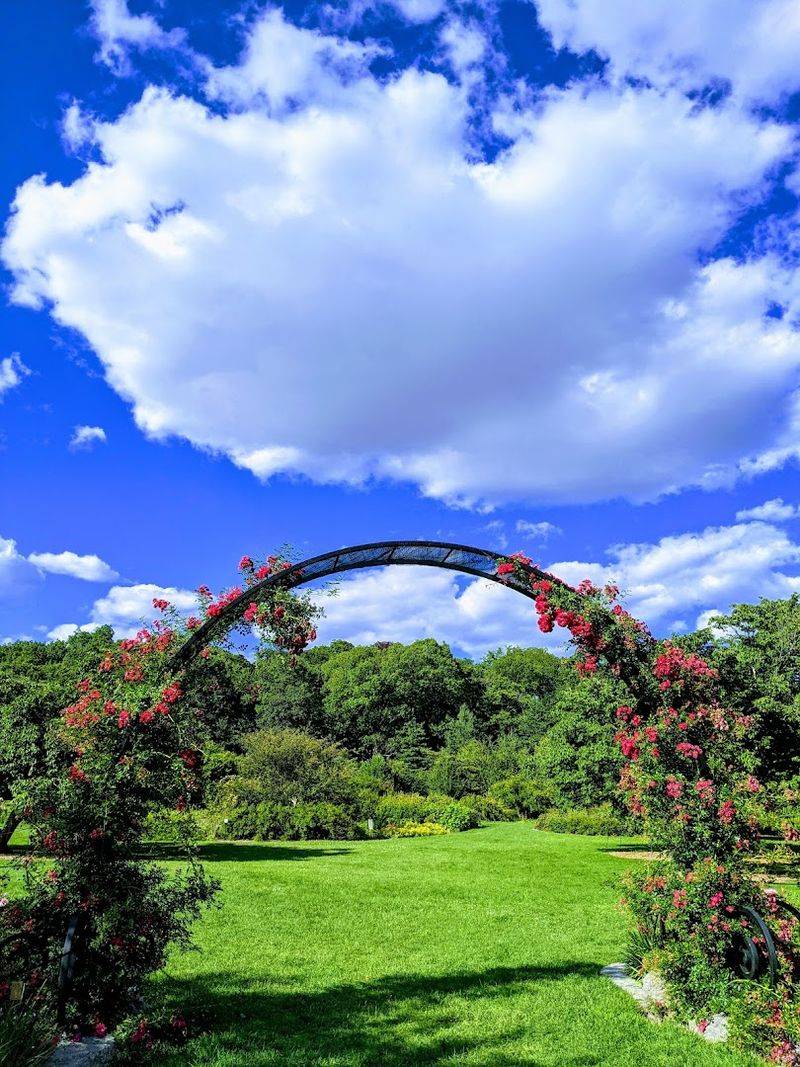
One of the most consistent things people discover after their first visit to the arboretum is that a single trip does not come close to covering everything the grounds have to offer. The combination of seasonal change, the sheer size of the property, and the diversity of the plant collections means that each return visit produces a genuinely different experience.
May brings the cherry blossoms and lilacs. Summer offers deep green canopy and long evening light.
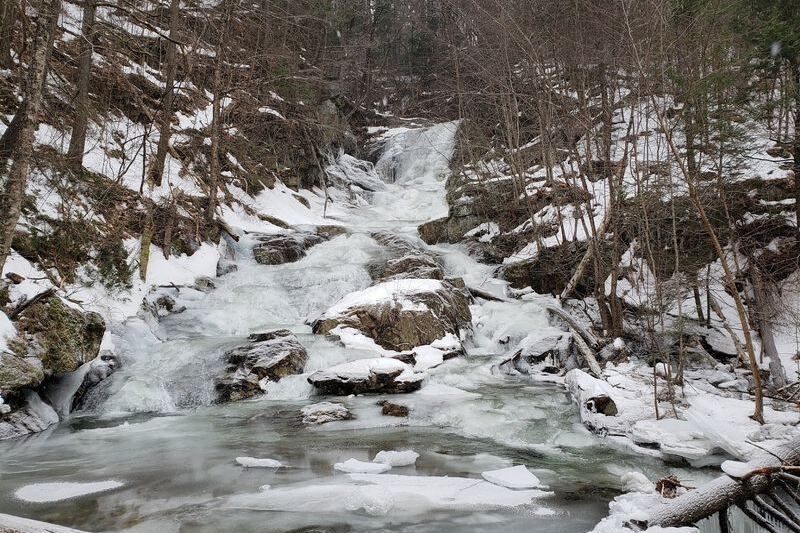
October delivers the fall foliage display. Winter strips the deciduous trees bare and reveals the architectural structure of trunks and branches that the leaves hide for most of the year.
The conifer sections remain lush through the cold months and give the grounds a different kind of presence in snow.
Regular visitors often develop personal favorite routes, trees, and seasonal moments that they return to year after year. That kind of repeated, evolving relationship with a single place is exactly what the arboretum’s founders had in mind when they built a living collection designed to last for centuries.
Where It All Begins: Address and Getting There
Right at 125 Arborway, Boston, MA 02130, the Arnold Arboretum of Harvard University sits in the Jamaica Plain neighborhood, accessible via the MBTA Orange Line at the Forest Hills station, which puts visitors just a short walk from the main entrance.
Street parking is available along the Arborway, though spaces fill up quickly on weekends and during peak bloom season in May. Weekday visits tend to offer a much easier parking experience, and the neighborhood itself is easy to navigate by bicycle as well.
The arboretum is part of Boston’s Emerald Necklace, a chain of connected parks designed by Frederick Law Olmsted, which means it links naturally to other green spaces across the city. Multiple gates provide entry points, so arriving from different directions is straightforward.
The grounds are open every single day of the year from sunrise to sunset, making it one of Boston’s most reliably accessible outdoor destinations.
Share this story