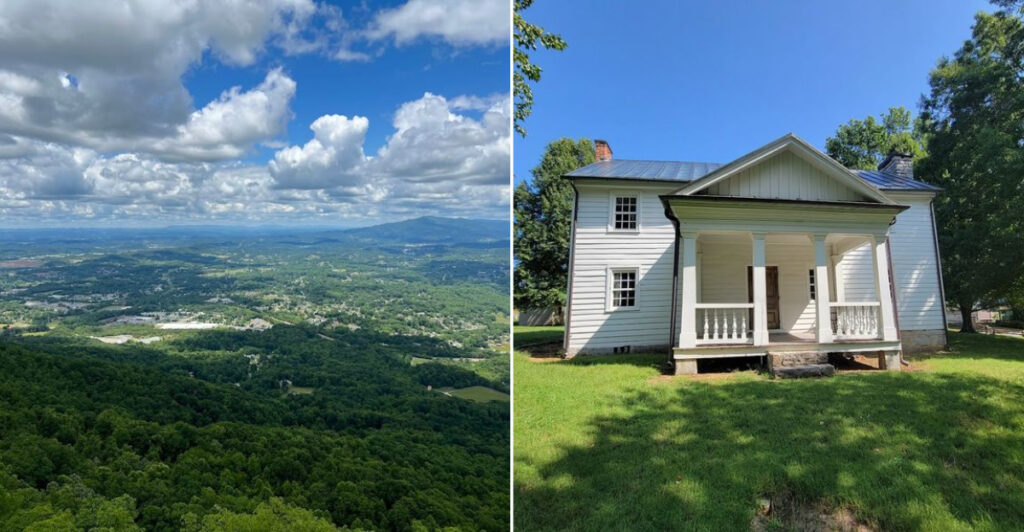
Johnson City, Tennessee sits in the heart of the Appalachian Highlands, where mountain ridges, railroad history, and a revitalized downtown all meet in one surprisingly compact place. Most people passing through Northeast Tennessee have no idea how much this city offers beyond the interstate.
From a fossil site that rewrites regional prehistory to trails built on old railroad beds, Johnson City keeps revealing new layers the longer you look. Whether you are planning a weekend road trip or a longer stay, this list covers the places that make Johnson City genuinely worth your time.
Downtown Johnson City Turned Flood Control Into a Gathering Place
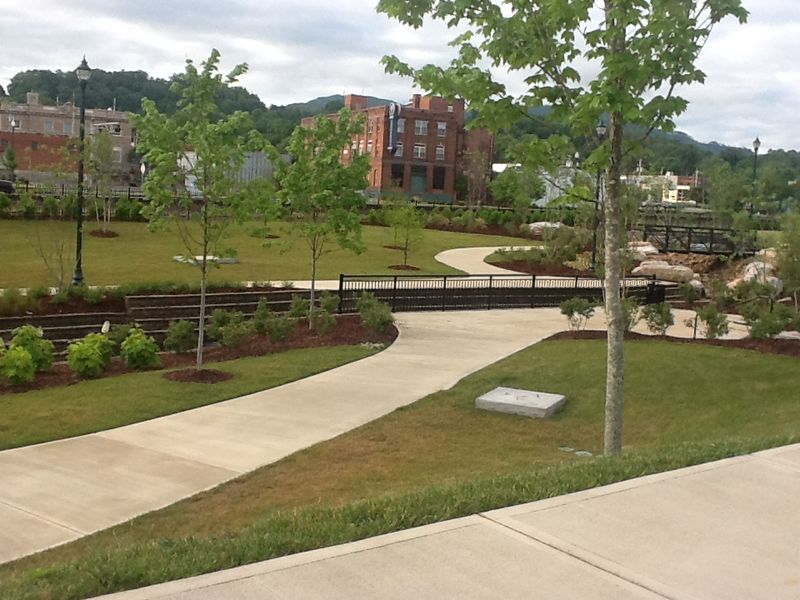
Not many cities can say their most popular downtown park started as a stormwater management project, but Johnson City can. Founders Park, a five-acre green space at the heart of the revitalized district, was created to address flooding that had long troubled the downtown corridor.
The result is one of the most thoughtfully designed public spaces in Northeast Tennessee.
The park features a creek, walking paths, sculptures, an open-air pavilion, and an amphitheater used for concerts, markets, and seasonal festivals. Surrounding streets hold restaurants, coffee shops, boutiques, galleries, and music venues, all within easy walking distance.
Public art appears on sidewalk corners, building walls, and quiet side streets throughout the district. Visitors can spend a full afternoon moving between the park and the surrounding blocks without needing a car.
Downtown Johnson City shows how a former railroad-centered commercial district can grow into something livelier without losing its Appalachian identity.
The Tweetsie Trail Follows an Old Mountain Railroad
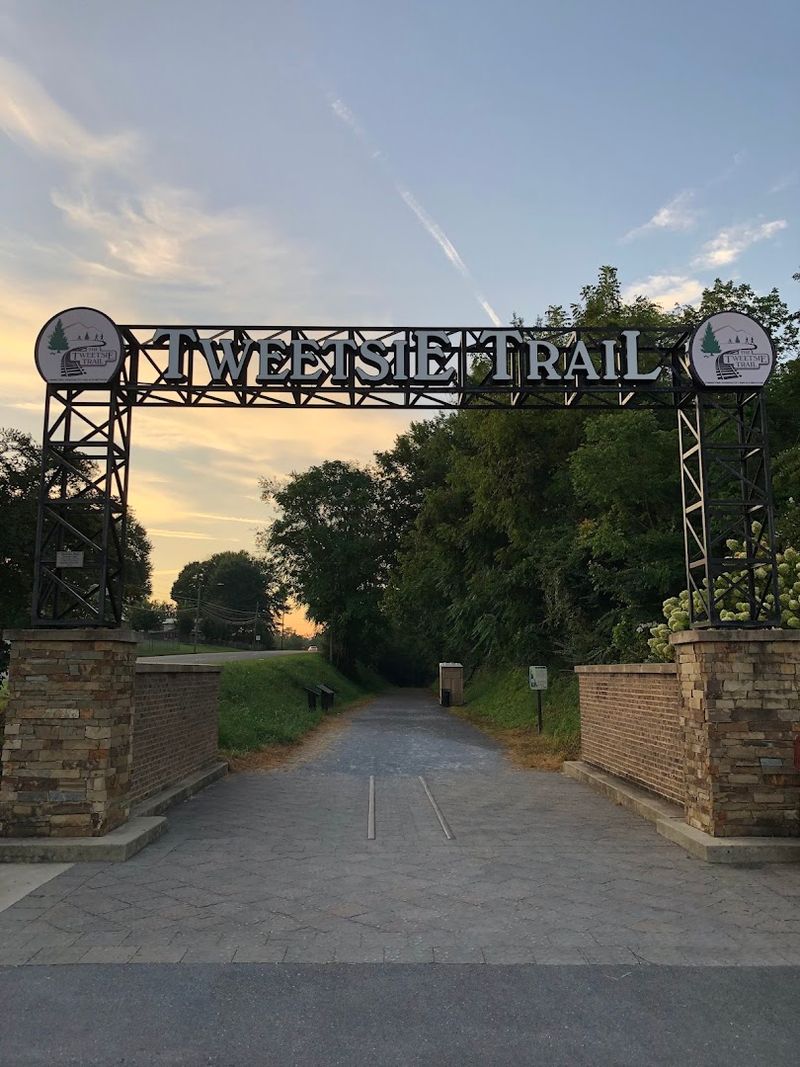
The nickname alone is worth knowing. The East Tennessee and Western North Carolina Railroad earned the name “Tweetsie” from the high-pitched whistle its narrow-gauge engines made while climbing through mountain terrain.
Today, that same rail corridor has been transformed into one of the most accessible outdoor trails in the region.
Starting near Alabama Street in Johnson City, the compacted-stone path stretches roughly 9.5 to 10 miles toward Elizabethton, crossing seven bridges and maintaining a gentle grade throughout. Walkers, runners, cyclists, and families use it regularly because the terrain never becomes punishing.
Interpretive signs along the route explain railroad history and regional context, while wooded stretches and open views create a gradual shift from city to rural East Tennessee. Riders and walkers can turn around at any point, making this trail equally useful for a quick morning outing or a longer afternoon ride.
The history embedded in every mile is a genuine bonus.
Buffalo Mountain Park Rises Above the City
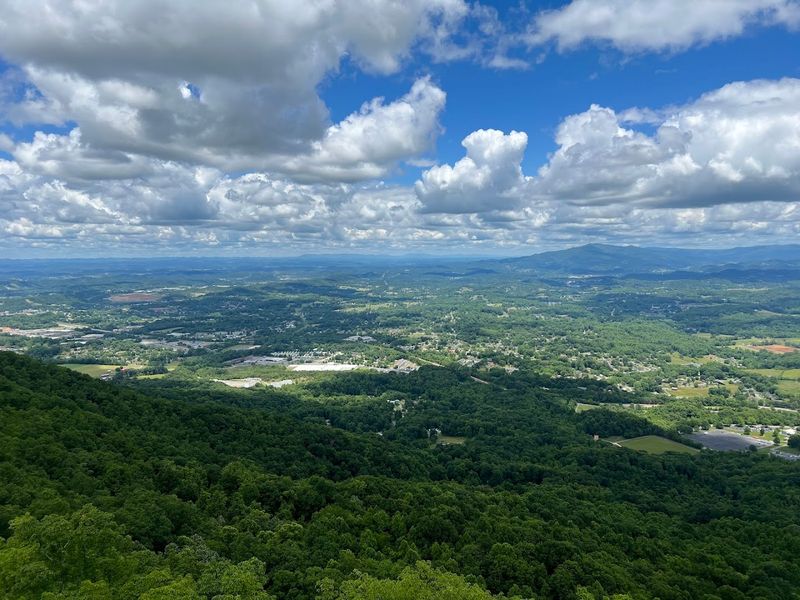
Most cities this size do not have a 725-acre mountain natural area sitting just outside downtown, but Johnson City does. Buffalo Mountain Park covers the north slope of Buffalo Mountain, where steep trails, dense hardwood forest, and rocky outcrops create a setting that feels genuinely remote despite its location.
The park draws hikers looking for overlooks, with White Rock being a popular destination for its broad views across the city and the surrounding Appalachian ridges. The climb earns its reward, so sturdy footwear and water are both worth packing before you start.
Spring brings blooming rhododendrons to the forest understory, and autumn turns the hillsides into a patchwork of orange, red, and gold. Buffalo Mountain Park is managed for hiking, picnicking, and nature programming, which keeps the atmosphere quiet and unhurried.
For anyone wondering why Johnson City calls itself a mountain town, this park answers that question more clearly than any sign could.
Winged Deer Park Has Bluebells, Lake Views, and Show-Horse History
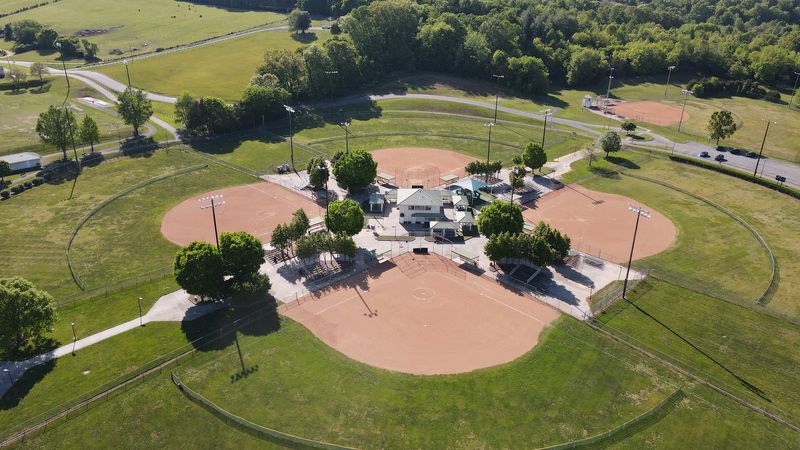
Before this land became a public park, the J. Norton Arney family raised and trained show horses along the shores of what is now Boone Lake.
That agricultural and equestrian past gives Winged Deer Park a history that most visitors never expect from a city recreation area.
Spread across 200 acres, the park now includes walking paths, athletic fields, picnic areas, playgrounds, disc golf, boating access, and fishing spots. Its most photographed seasonal feature is the naturalized bluebell collection, which the city describes as one of the largest in Northeast Tennessee.
In early spring, thousands of cobalt-blue blooms spread beneath the tree canopy, drawing guided walks and photographers from across the region.
Outside flower season, the lake views remain a strong reason to visit, particularly around late afternoon when the light reflects across the water. Winged Deer Park handles a wide range of visitors well, from active families and sports groups to casual walkers looking for a quiet waterside afternoon.
Tannery Knobs Puts Mountain Biking Beside Downtown
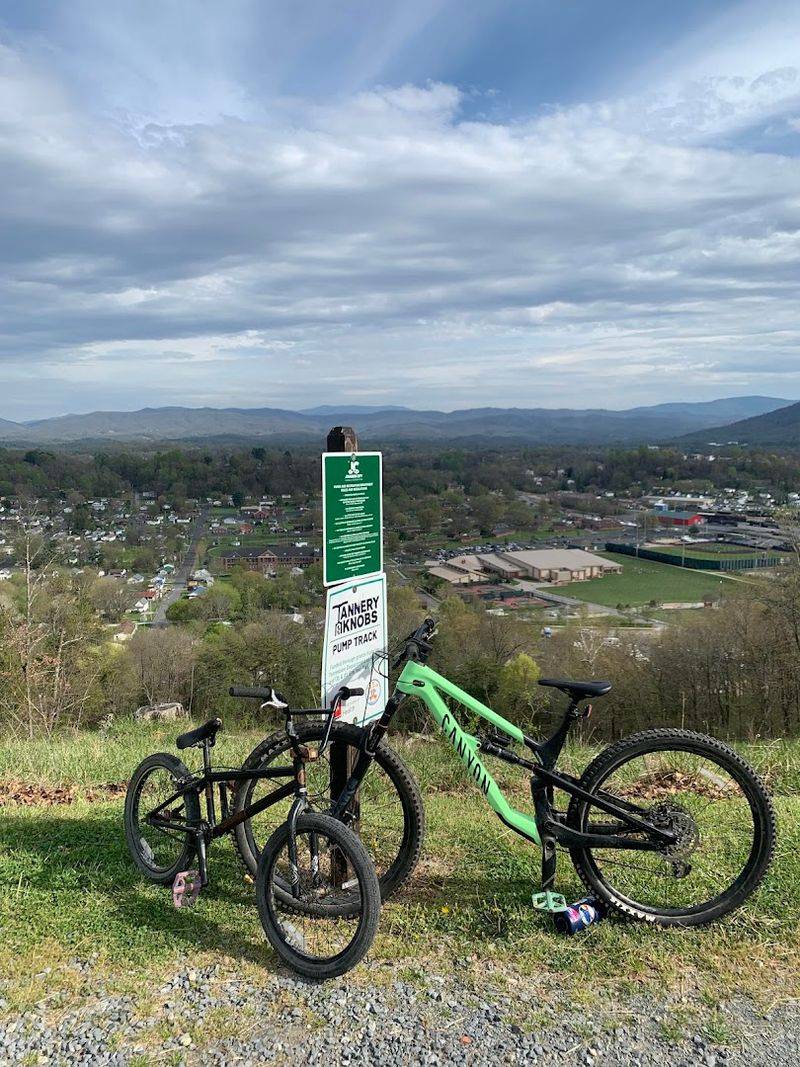
It takes a particular kind of city planning to place a dedicated mountain bike park within minutes of a downtown business district, and Johnson City pulled it off. Tannery Knobs Mountain Bike Park is built into a wooded hilltop, with purpose-designed trails across multiple ability levels ranging from accessible beginner routes to technical lines with berms, rock features, steeper descents, and jumps.
Riders can choose trails that match their skill level rather than committing to one long backcountry route, which makes the park genuinely useful for both newer cyclists and more experienced riders looking for a faster, technical session.
The elevated setting also delivers something unexpected: city and mountain views that contrast downtown rooftops against rugged Appalachian terrain. Even visitors who do not ride can appreciate the overlook.
Cyclists should arrive with proper gear and check trail conditions before starting. Tannery Knobs represents a broader shift in how Johnson City thinks about outdoor recreation and urban identity simultaneously.
Tipton-Haynes Tells the Story of a Forgotten American State
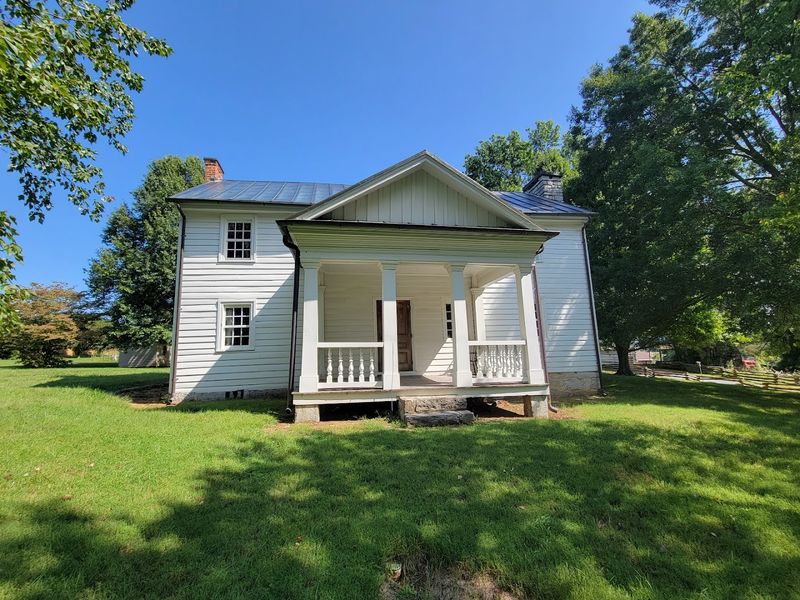
Most Americans have never heard of the State of Franklin, but it was a real political movement, and Johnson City sits at the center of its story. Tipton-Haynes State Historic Site preserves 45 acres connected to Colonel John Tipton, a key rival of John Sevier during the short-lived push to establish Franklin as a separate state west of the Appalachian Mountains before Tennessee existed.
Eleven historic structures stand on the property, including cabins, outbuildings, the main residence, a natural spring, and a cemetery. Interpretation covers early settlement, agriculture, family life, enslavement, and the Civil War era, giving the site a layered historical scope rather than a single-period focus.
Visitors can walk among the buildings and see how the property evolved across two centuries and multiple family ownerships. For travelers who know Johnson City mainly through its trails and breweries, Tipton-Haynes offers a much older and more contested story that puts the entire region in clearer perspective.
The Gray Fossil Site Reveals Tennessee’s Prehistoric Past
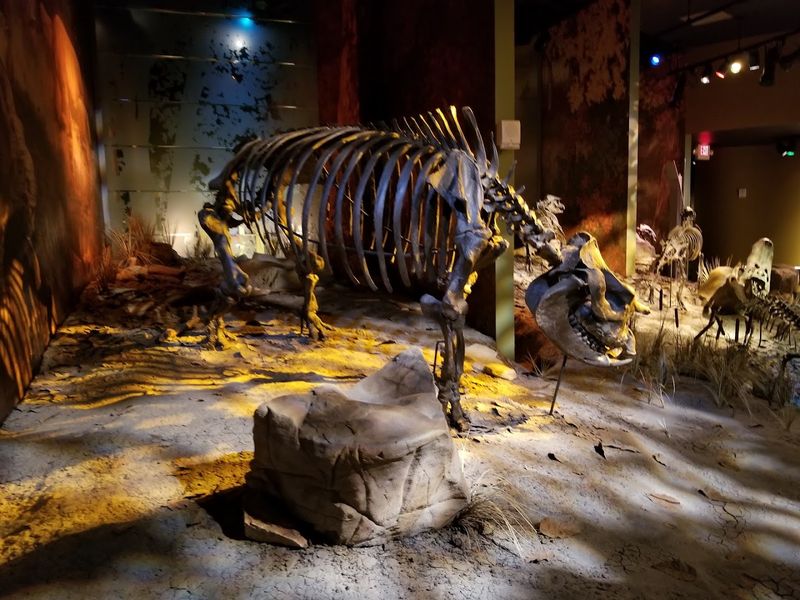
Road construction crews in 2000 were not expecting to uncover one of the most significant fossil deposits in North America, but that is exactly what happened near Gray, just outside Johnson City. Workers broke ground and exposed a rich prehistoric sinkhole filled with remains from species that lived in the Appalachian Highlands roughly five million years ago.
The Gray Fossil Site and Museum now operates as both an active research location and a public attraction. Fossils recovered here include tapirs, rhinoceroses, a red panda relative, a giant flying squirrel, mastodons, and other animals that seem completely out of place in modern Tennessee.
Viewing areas and windows may offer glimpses of ongoing laboratory or excavation work, while exhibits explain geology, evolution, and the science behind fossil recovery.
The site is connected to the Hands On! Discovery Center, making it an engaging stop for families.
Few destinations in the Southeast let visitors watch real paleontological research while also exploring five million years of regional natural history.
The Reece Museum Holds More Than 23,000 Appalachian Artifacts
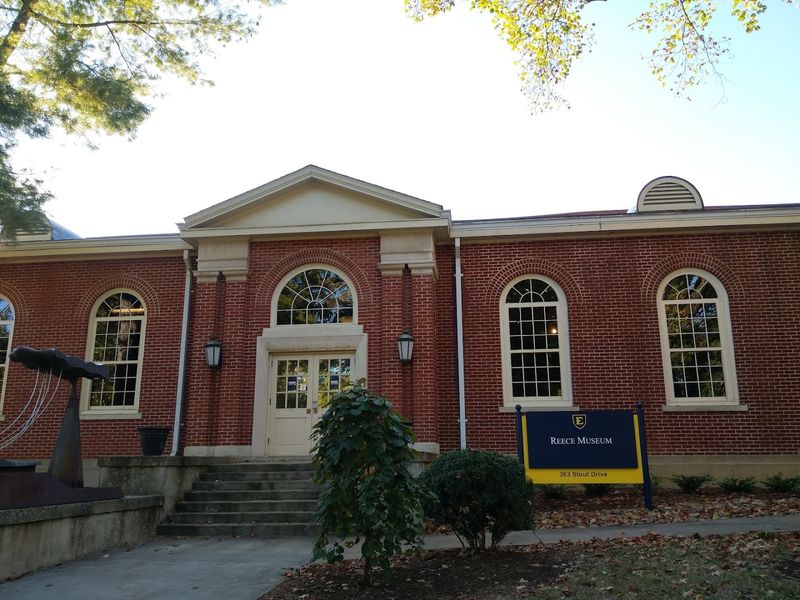
Free admission and more than 23,000 artifacts make the Reece Museum one of the most accessible cultural stops in Johnson City. Located on the East Tennessee State University campus, the museum has served the region for over five decades and was among the first institutions in Tennessee to earn accreditation from the American Alliance of Museums.
Three galleries host rotating art and history exhibitions focused on Appalachian life, identity, and creativity. Because the shows change, a return visit often offers a noticeably different experience.
The permanent collection spans fine art, historical objects, and materials connected to everyday regional life across multiple time periods.
The museum connects visitors with Johnson City’s academic and creative community in a way that outdoor attractions simply cannot replicate. For travelers moving through Northeast Tennessee and trying to understand the region more deeply, the Reece Museum provides context for the landscapes, crafts, music traditions, and historical sites they encounter elsewhere on the trip.
It rewards a slower, thoughtful visit.
King Commons Mixes Wildlife Art With 150 Years of History
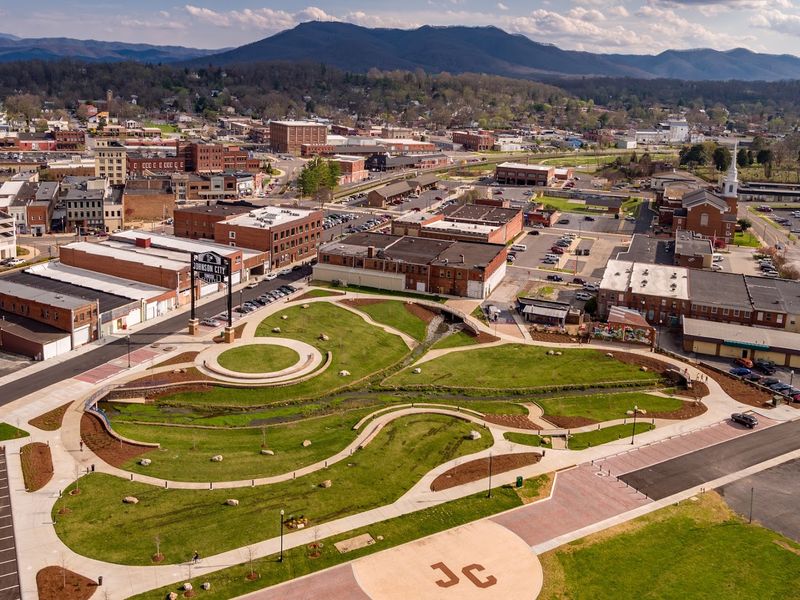
King Commons Park handles several things at once, which is part of what makes it worth a stop. Located in the heart of downtown Johnson City, the park includes walking paths, an amphitheater for performances and events, and a playground built with natural design elements that give it a slightly different feel from standard city playgrounds.
The standout visual feature is the large Wildabout mural, which celebrates animals native to the Appalachian region and gives the park a distinctly local identity. A history circle embedded in the park marks key dates from Johnson City’s first 150 years, turning an ordinary walk into a brief introduction to how the city developed over time.
King Commons sits close to Founders Park and several restaurants and shops, making it a natural part of any self-guided downtown walking day. During the holiday season, it has also joined Johnson City’s Candy Land Christmas display, when decorated trees spread across the central blocks.
Compact but genuinely full of character.
Yee-Haw Brewing Revived an Old Railroad-Side Industrial Space
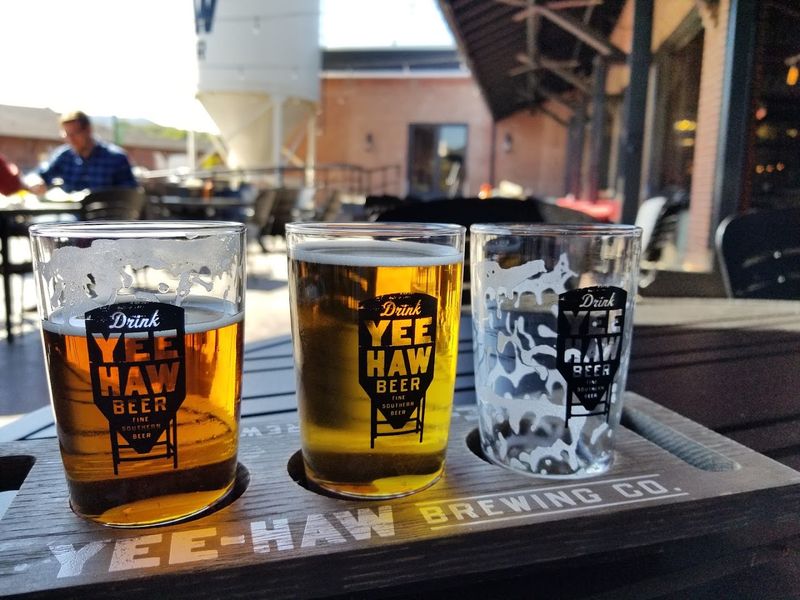
The building itself tells part of the story. Yee-Haw Brewing Company took a former industrial space near the railroad and turned it into one of Johnson City’s most recognizable social destinations.
The surrounding architecture still carries traces of the city’s manufacturing and transportation history, which gives the taproom a setting that feels earned rather than manufactured.
The Johnson City location is known for locally brewed beer, a casual courtyard atmosphere, lawn games, and live entertainment. Food comes through the connected White Duck Taco Shop, whose menu makes the complex a practical stop for a full meal rather than just drinks.
Travelers who prefer non-alcoholic options can still enjoy the food, outdoor seating, and event energy.
Yee-Haw Brewing represents a broader pattern in Johnson City, where old commercial and industrial properties near the railroad have found new life as restaurants, gathering spaces, and creative venues. For many visitors, this is where the city’s Appalachian roots and its revitalized downtown personality feel most visible in the same place.
Share this story