There is a lake in the Oklahoma panhandle that was built with grand ambitions, a massive federal budget, and the full confidence of engineers and lawmakers. Then nature had other plans.
The reservoir never filled. The dam stands, the shoreline sits mostly dry, and wild turkeys now roam what was supposed to be a boater’s paradise.
Optima Lake is one of those places that makes you stop and think about how boldly humans plan and how quietly the earth can push back. This article walks you through everything that makes this strange, fascinating spot worth knowing about, from its troubled history to what you can actually experience there today.
Where Exactly This Ghost Lake Sits
The address tied to Optima Lake places it in the zip code 73944, near the small town of Hardesty in Texas County, Oklahoma. The GPS coordinates put you at approximately 36.6583601 latitude and -101.1371042 longitude, deep in the Oklahoma panhandle where the land stretches flat and wide in every direction.
Getting there requires some patience. The roads leading out to the site are rural, and the landscape shifts from modest farmland to open prairie the closer you get.
There are no large signs announcing your arrival, no gift shops, and no crowds waiting at the entrance.
The Army Corps of Engineers manages the property, and the site covers thousands of acres even though the water never arrived in the volume anyone hoped for. The Beaver River runs through the area, but its flow has dwindled significantly over the decades.
Texas County is one of the least densely populated areas in Oklahoma, which means the silence out here is the real kind. No traffic noise, no background hum of a city.
Just wind, birds, and the occasional rustle of something moving through the brush.
The Big Promise That Started It All
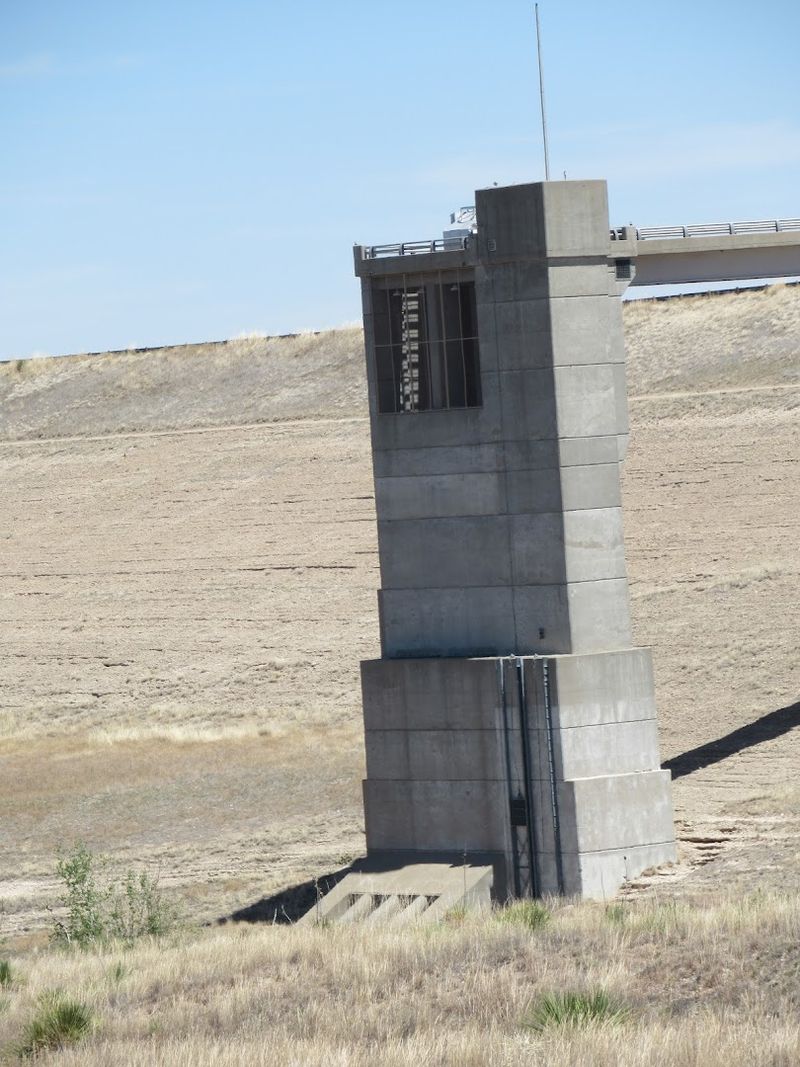
Back in the 1960s and 1970s, the federal government had a vision for the Oklahoma panhandle. The plan was to build a large reservoir on the Beaver River that would supply water for agriculture, support recreation, and bring economic energy to a remote region that had long been overlooked.
Congress authorized the project, and the Army Corps of Engineers got to work. The Optima Dam was completed in 1978 after years of construction and a price tag of approximately 46.1 million dollars.
That was serious money, and people in the region had real hope that this project would change things for the better.
Farmers anticipated reliable irrigation water. Families looked forward to a new lake for fishing and boating.
Local businesses expected an uptick in visitors and spending. The whole thing was sold as a practical solution to a dry region’s water challenges.
What nobody fully accounted for was the condition of the Ogallala Aquifer, the underground water source that feeds the Beaver River. By the time the dam was finished, decades of agricultural pumping had already lowered the aquifer dramatically, and the river’s flow had dropped to a trickle that could not fill a lake of this scale.
How the Aquifer Quietly Pulled the Plug
The Ogallala Aquifer is one of the largest underground water reserves in the world, stretching beneath eight states including Oklahoma, Kansas, and Texas. For much of the twentieth century, farmers in the region pumped from it heavily to irrigate crops in an area that does not get nearly enough rainfall to farm without help.
The aquifer does not recharge quickly. Rainwater takes hundreds or even thousands of years to seep down and replenish what has been removed.
Decades of aggressive pumping pulled the water table down at a rate that far outpaced any natural recovery.
By the time Optima Dam was completed, the Beaver River had lost much of its flow because its springs and tributaries were no longer being fed by a healthy aquifer. The river that was supposed to fill the reservoir had become a shadow of what it once was.
This is one of the clearest real-world demonstrations of how underground water depletion can reshape surface conditions in ways that catch planners off guard. The lake never filled not because of a construction failure, but because the water source itself had been quietly diminished long before the first shovel hit the ground.
Standing at the Dam Today
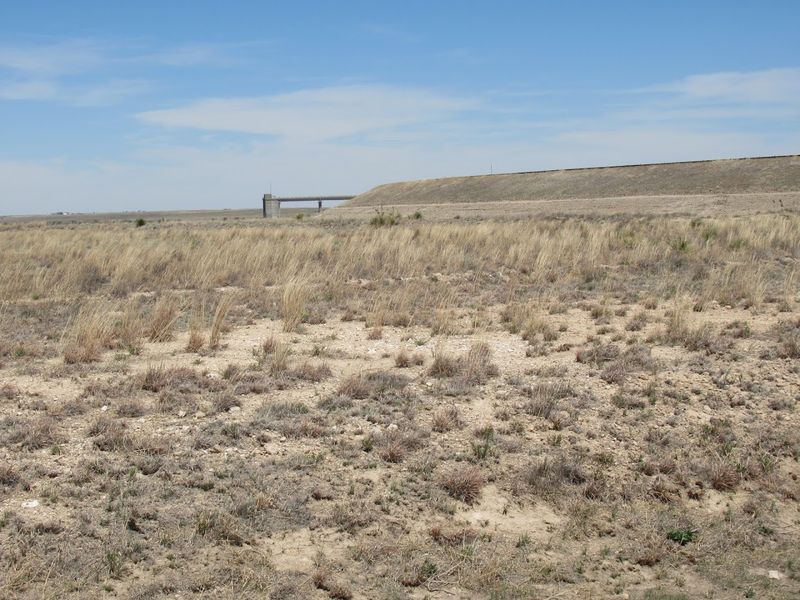
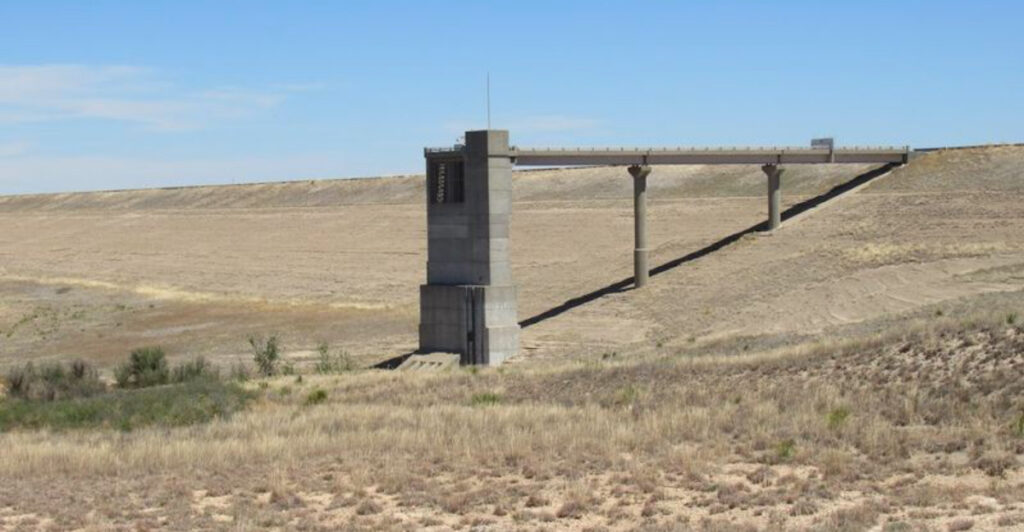
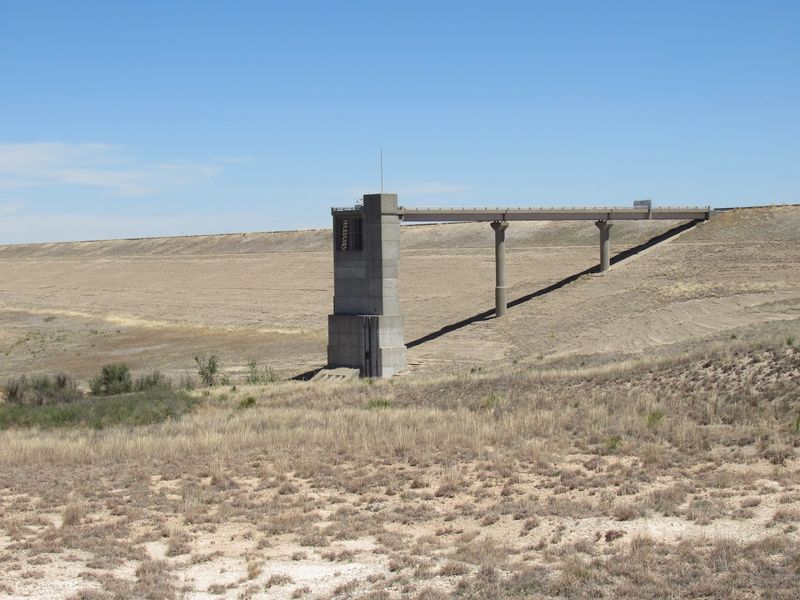
The dam itself is still standing. That fact alone makes a visit feel surreal.
You can walk up near the structure and see this large, functional piece of civil engineering sitting in a landscape that simply never cooperated with the plan it was built for.
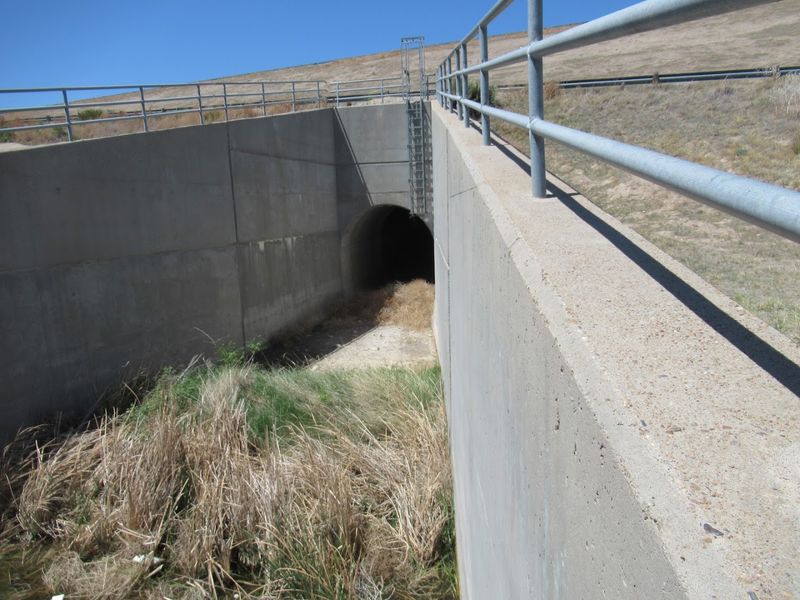
The concrete is weathered but intact. The spillways are dry.
There is no roar of water, no spray misting the air around you. The only sounds are the wind and whatever birds happen to be passing through that day.
Most people who visit Oklahoma state parks expect water. Here, the absence of water is the whole point.
The dam becomes a kind of monument to ambition, a structure that did everything it was designed to do except hold back a lake that never arrived.
The scale of the dam gives you a sense of how confident the original planners were. This was not a small earthen berm.
It was a serious federal infrastructure project built to last. Seeing it sit dry and largely forgotten out in the Oklahoma panhandle creates a feeling that is hard to put into words but easy to feel the moment you arrive.
The Wildlife That Moved In Instead
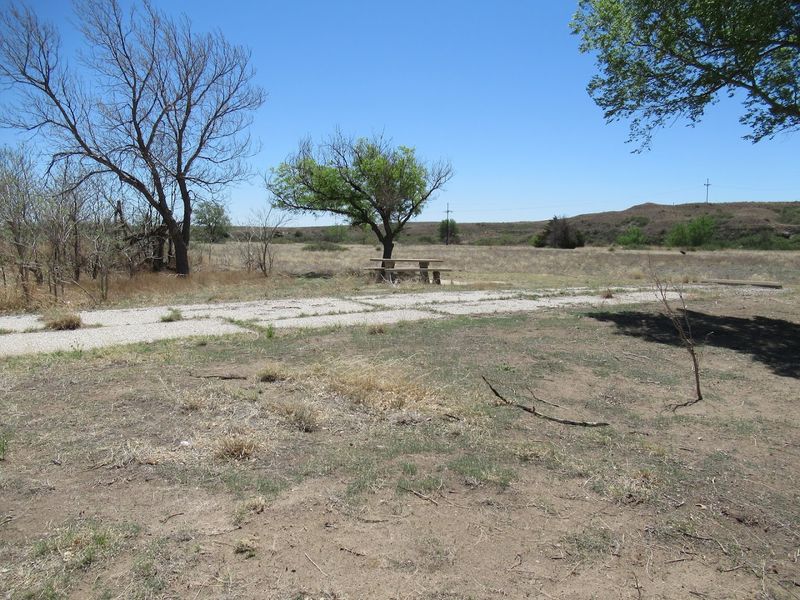
When the water did not come, something else did. Wildlife found the open, undisturbed land around Optima Lake and claimed it.
The area now supports a surprisingly robust population of wild turkeys, which roam the property in groups that can catch you completely off guard if you are not expecting them.
Deer also use the property regularly. The combination of open grassland, scattered brush, and the thin ribbon of the Beaver River corridor creates habitat that suits several species well.
Birdwatchers have found the area productive, particularly during migration seasons when the panhandle serves as a corridor for species moving between wintering and breeding grounds.
Coyotes are active in the area, and their calls at dusk add to the atmosphere of the place in a way that feels genuinely wild. This is not a manicured park with tidy trails and interpretive signs.
It is raw, open land that wildlife has repurposed on its own terms.
For hunters, the wild turkey population is a genuine draw. Oklahoma allows turkey hunting on portions of the Optima wildlife management area, and the birds here are numerous enough to make a trip worthwhile even for experienced hunters who have seen plenty of public land.
Camping in One of Oklahoma’s Quietest Corners
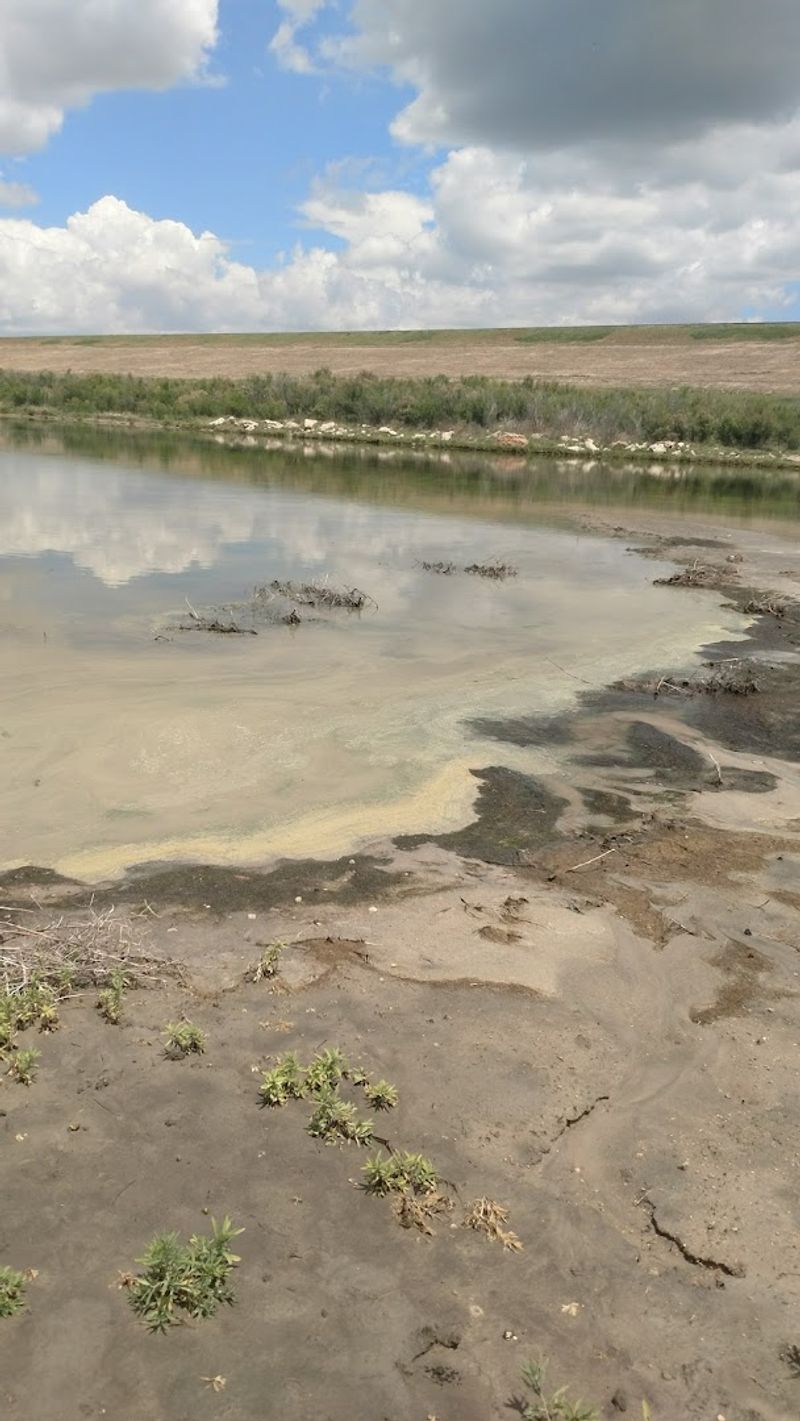
Quiet is not just a feature here. It is the entire experience.
Campers who make the trip out to Optima Lake often describe it as one of the most genuinely peaceful spots they have found in Oklahoma, and that reputation is well earned.
Primitive camping is available on the property. There are no hookups, no camp store, and no ranger station nearby handing out maps.
You bring what you need, set up where it is permitted, and settle in for a night that belongs entirely to you and whatever wildlife decides to investigate your campfire.
The sky out in the panhandle is extraordinary after dark. Light pollution is minimal this far from any city, and on a clear night the stars are dense enough to feel almost three-dimensional.
Sleeping under that kind of sky resets something in you that busy daily life tends to scramble.
Early mornings bring mist along the Beaver River corridor and the sounds of turkeys moving through the brush before the sun gets high. If your idea of a good camping trip involves solitude and genuinely undisturbed nature rather than amenities and neighbors, Optima Lake delivers that without compromise.
Fishing in a Lake That Barely Exists
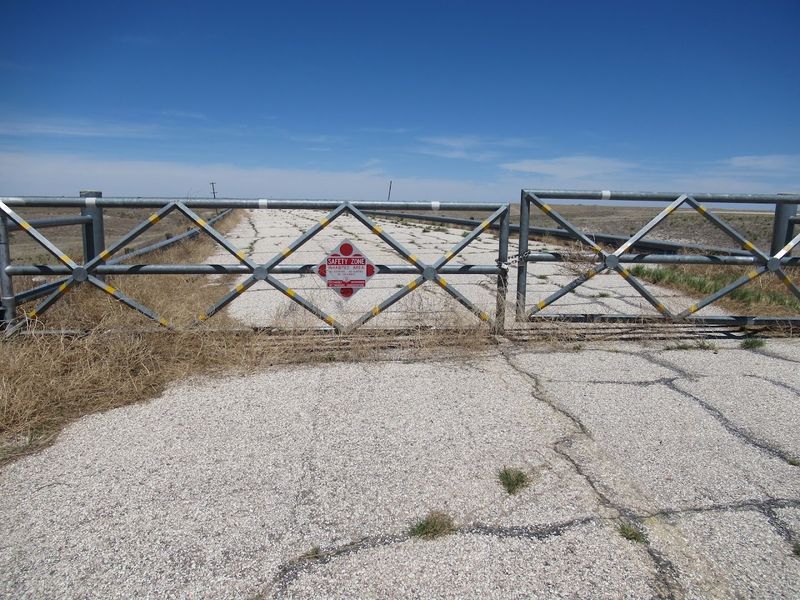
The water situation at Optima Lake is complicated, but not entirely hopeless for anglers. The Beaver River still flows through the property, and where there is moving water in Oklahoma, there are usually fish.
The river holds channel catfish, and patient anglers who know how to work a slow, shallow stream can find success here.
The experience is nothing like fishing a full reservoir. You are working a river corridor rather than casting across open water.
The banks are accessible in many spots, and the lack of other anglers means you are never competing for position along the shore.
Some areas of the property do hold shallow water depending on recent rainfall and seasonal conditions. These pools and backwaters can attract fish and make the fishing feel more varied than the dry landscape initially suggests.
Managing your expectations is part of the deal at Optima Lake. Anglers who arrive hoping for a classic Oklahoma reservoir experience will find something different.
Those who come ready to explore a unique, off-the-beaten-path stretch of river in one of the state’s most remote corners tend to leave with a good story and sometimes a cooler with catfish in it.
Share this story