 Unearth The Voyage
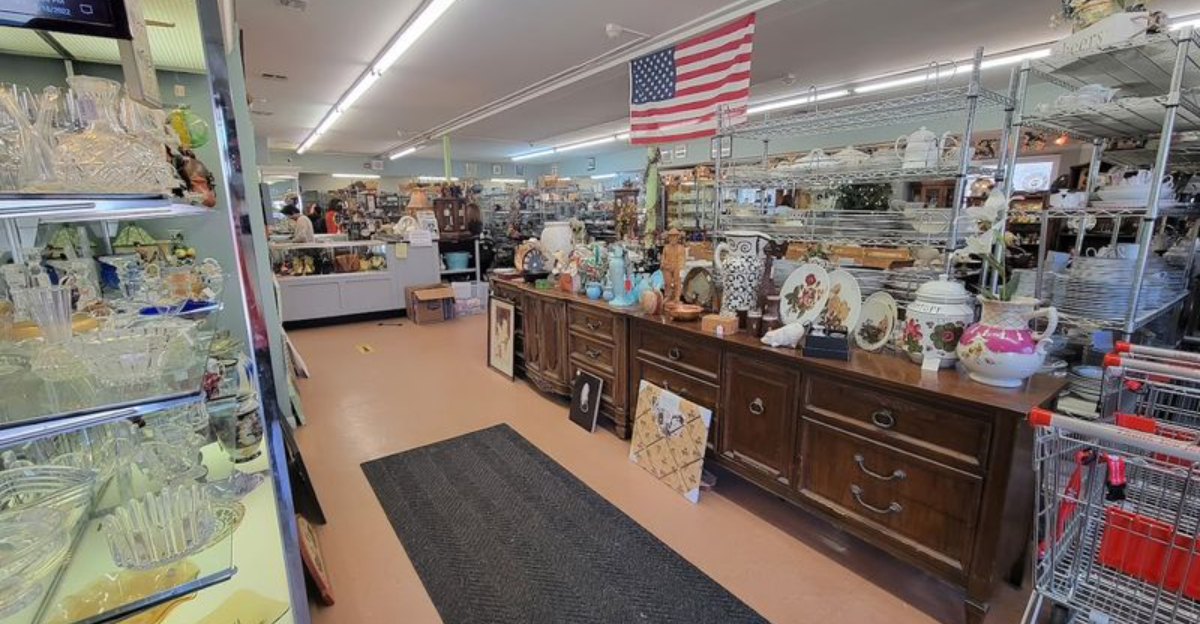
There is a thrift store in Morristown, New Jersey, that locals have been quietly visiting for years, and the secret is finally out. The place spans two full floors, stocks everything from vintage clothing to antique furniture, and prices things so reasonably that you will walk out carrying more than you planned.
It is not a pop-up or a boutique resale shop with curated shelves and mood lighting. This is the real deal, a sprawling, constantly rotating treasure hunt where a Queen double record goes for a dollar and designer pieces turn up between everyday finds.
If you have ever doubted that serious bargains still exist, one visit here will change your mind completely.
Where to Find It and What to Expect at the Door
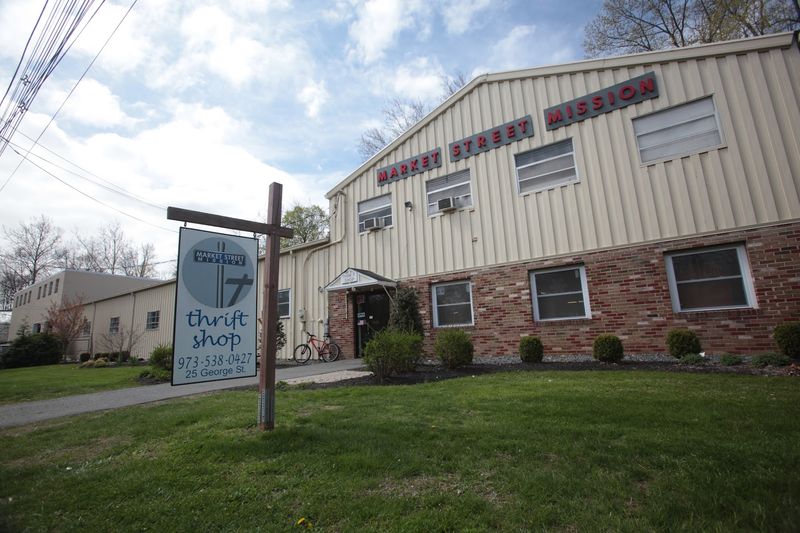
The Market Street Mission Thrift Store sits at 25 George St, Morristown, NJ 07960, right in the heart of Morris County. The location is easy to reach whether you are driving in from a nearby town or already exploring downtown Morristown on foot.
The store is open Tuesday through Saturday from 9 AM to 4:30 PM, and also Monday from 9 AM to 4:30 PM. It is closed on Sundays, so plan your trip accordingly to avoid a wasted drive.
First-timers are often surprised by the sheer size of the building from the outside. There is nothing flashy about the entrance, but once you step through the door, the scale of the inventory hits you immediately.
The store holds a rating of 4.4 stars from nearly 200 reviews, which tells you this is not a casual operation. Regulars sometimes arrive early enough to line up before opening time.
The Mission Behind Every Purchase
Every dollar you spend at this store goes directly toward supporting the Market Street Mission, a nonprofit organization based in Morristown that provides meals, shelter, and recovery programs to people in need in Morris County.
The thrift store is one of the primary funding arms of the mission, which means your bargain find on a Tuesday morning is also helping someone get back on their feet. That context gives the whole shopping experience a different kind of weight.
Some of the staff working in the store are men in recovery programs, which the mission runs on-site. The retail director, Gordon, is actively involved in the day-to-day operations and has been known to personally respond to customer feedback and even offer behind-the-scenes tours of the facility.
Shopping here is not just a transaction, it is participation in something that genuinely matters to the local community.
Two Floors of Inventory That Never Quits
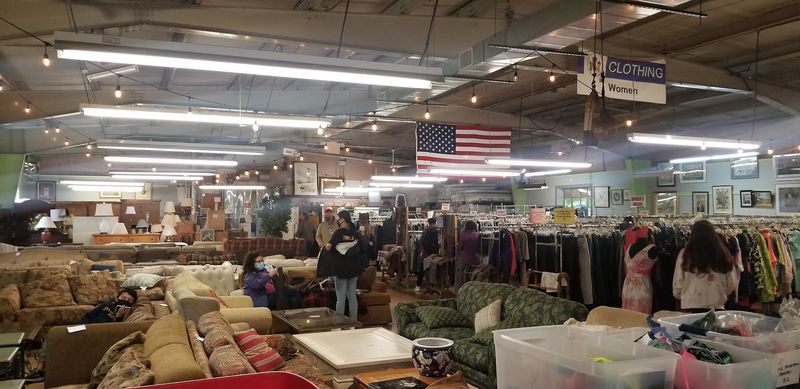
Most thrift stores give you one floor and call it a day. This one gives you two, and both levels are packed with merchandise that turns over regularly, so repeat visits almost always yield something new.
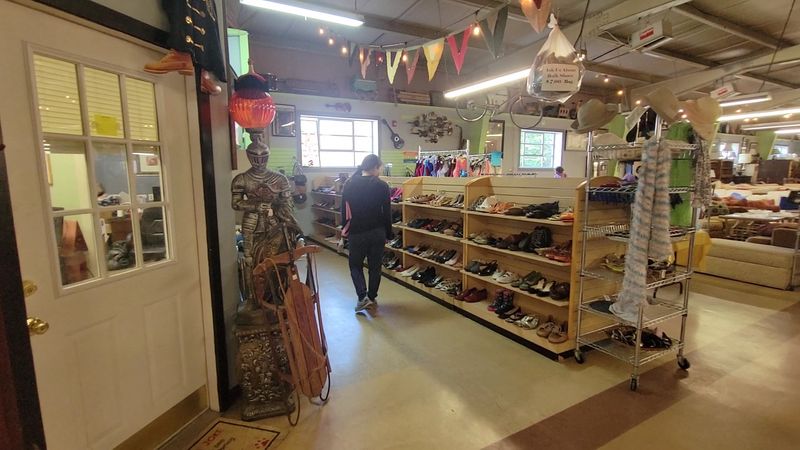
The ground floor handles the bulk of the everyday inventory, including clothing racks organized by category, housewares, kitchenware, shoes, and furniture pieces arranged throughout the space. It is a lot to cover in a single pass, and most shoppers end up circling back more than once.
The second floor is where things get particularly interesting for collectors and vintage hunters. Vintage clothing, including furs and specialty garments, tends to land up there, along with antiques and unique decorative pieces that would not look out of place in a proper antique shop.
More than one shopper has mentioned that the second floor alone is worth the trip, and that assessment holds up on a busy Saturday afternoon.
Clothing Deals That Actually Make Sense
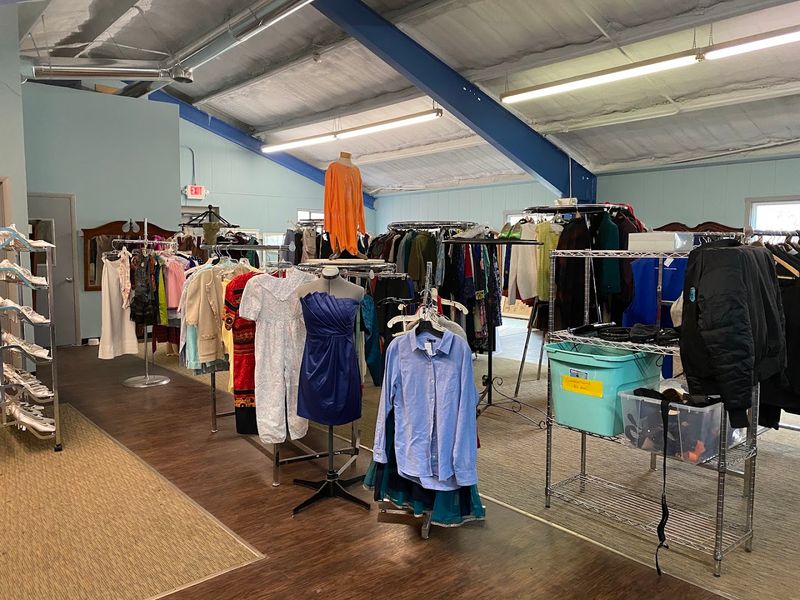
The clothing section here is one of the strongest arguments for skipping the mall entirely. Shirts for four dollars, slacks at three dollars per pair, and brand-name kids clothes in solid condition for prices that feel almost accidental are all part of the regular rotation.
One shopper picked up five pairs of dress slacks for fifteen dollars total on a single visit. Another found a linen jumpsuit in great shape for four dollars.
Back-to-school shopping here can completely reframe what a clothing budget needs to look like.
The selection runs across a wide range of styles, sizes, and eras. Everyday basics sit next to more distinctive vintage pieces, and the racks are organized well enough that browsing does not feel chaotic.
For anyone shopping for a trip, a costume, or just a wardrobe refresh without a big price tag, the clothing section delivers more options than most shoppers expect to find under one roof.
Furniture and Home Goods Worth Hauling Home
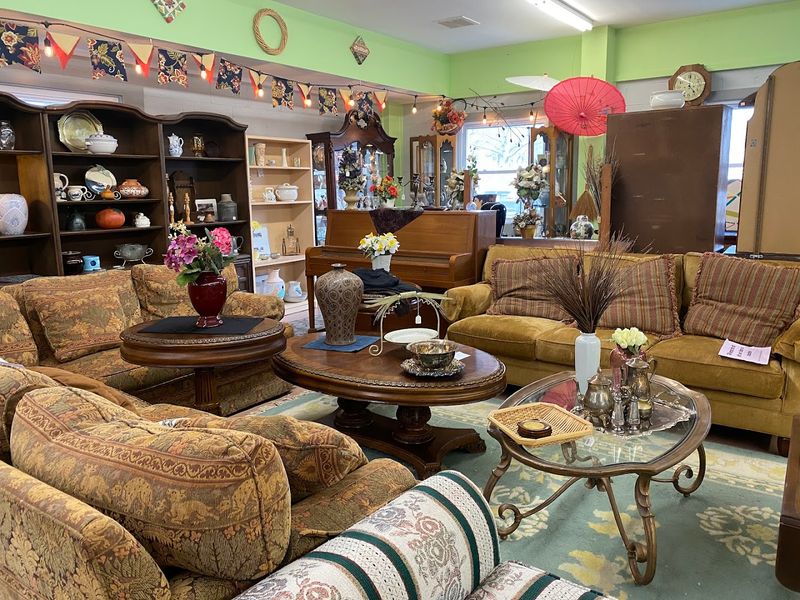
Furnishing an apartment or refreshing a room does not have to cost a fortune, and this store makes that case convincingly. The furniture section carries a rotating mix of chairs, tables, shelving, and decorative pieces, with prices that reflect the thrift store model rather than the antique shop markup.
Housewares are equally well-stocked. Kitchenware, glassware, dishes, and serving sets all show up regularly, and the glassware section in particular has drawn consistent praise from shoppers who know what they are looking at.
Full silverware sets are available, and staff members have been known to walk customers over to show them options they might have missed.
Larger items like furniture do move quickly, so the inventory in that section changes more often than in clothing. Checking in regularly is the best strategy if you are hunting for something specific.
The variety is broad enough that patience usually pays off with a find worth bringing home.
Antiques and Vintage Finds at Thrift Store Prices
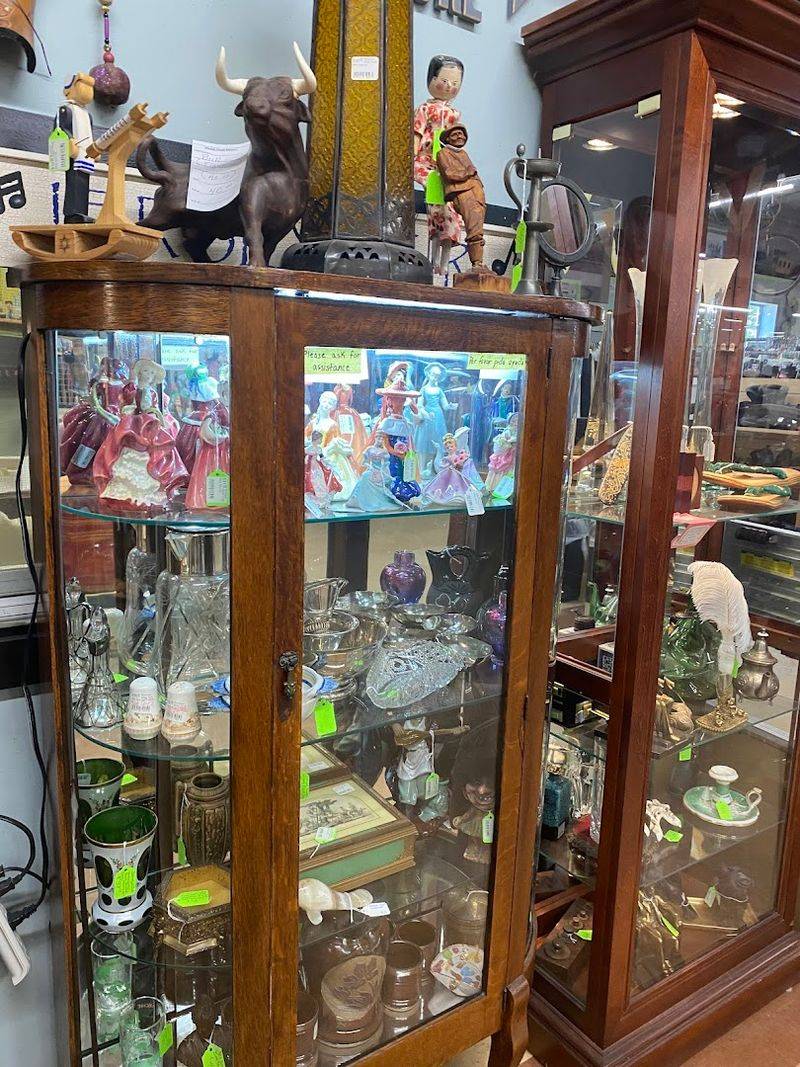
The antique and vintage inventory here operates on a tiered system that is worth understanding before you start browsing. Most items are priced as standard thrift store finds, but a separate boutique-style category covers pieces that are genuinely rare or in exceptional condition.
Green tags identify these higher-end items, which can include antique trays, candelabras, and decorative objects priced closer to what you would see in a specialty shop. The distinction is fair once you know the system, and the store director has explained it publicly in response to customer questions about pricing.
Outside of the boutique category, antique and vintage items are priced very competitively. Original artwork, antique household pieces, and vintage collectibles turn up regularly at prices that reward the patient shopper.
One visitor found a double Queen record for a dollar. Another landed an onyx ashtray for four dollars.
The inventory is unpredictable in the best possible way.
Designer Pieces Mixed Into the Regular Racks
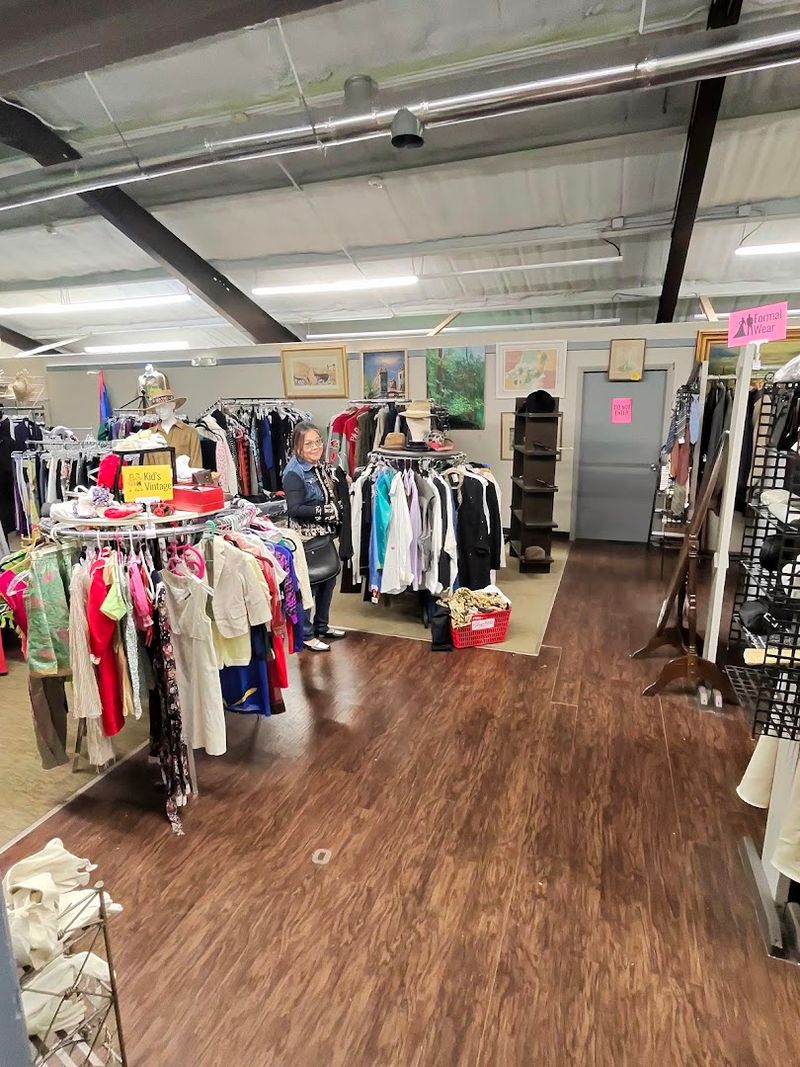
One of the more surprising aspects of this store is how often designer and luxury items appear alongside everyday donations. The inventory reflects what the surrounding Morris County community donates, and that community donates well.
Sorted racks of luxury designer clothing have been noted by multiple shoppers, with one describing the experience as something close to a consignment shop and a thrift store operating in the same space. Vintage furs, quality outerwear, and brand-name pieces in solid condition turn up with enough regularity that dedicated shoppers check back often.
A pink turkey feather mini crop coat sold for fifty dollars, which is a fraction of what something like that would cost anywhere else. The key is that these pieces are not always displayed separately or highlighted with special signage, so they reward the shopper who takes time to work through the racks carefully.
The finds are there, and they are genuinely good.
The Price Range Is Wider Than You Think
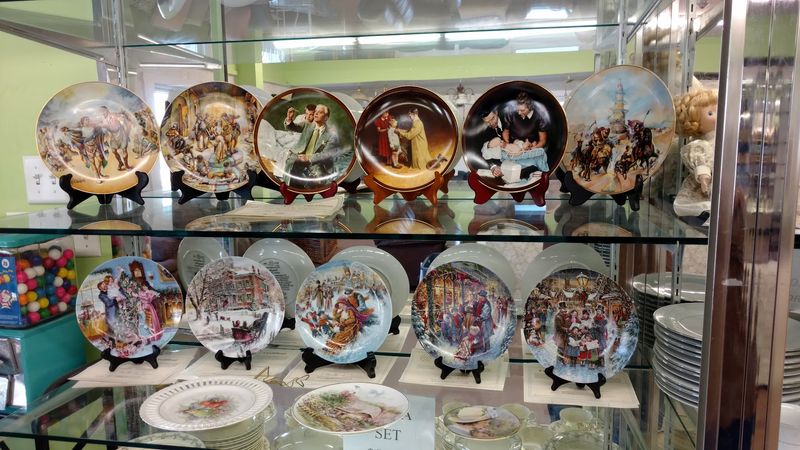
Pricing at this store covers a wide spectrum, which is something worth knowing before you go in with fixed expectations. The majority of items fall into the genuinely affordable range, with clothing starting as low as one to four dollars and household items priced similarly.
The store uses a color-coded tag system to differentiate standard inventory from boutique-tier antiques and vintage pieces. Green tags signal the higher-end category, and those items are priced accordingly.
Everything else follows typical thrift store logic, where condition and demand drive the number on the tag.
Some shoppers have noted that certain individual items feel priced higher than expected, and the store management has acknowledged that pricing is an ongoing process. The director has pointed out that even items that seem expensive at a thrift store are often still significantly cheaper than retail.
A one-gallon Ball mason jar priced at ten dollars, for example, retails new for nearly thirty-eight dollars online.
Music Playing Through the Store All Day
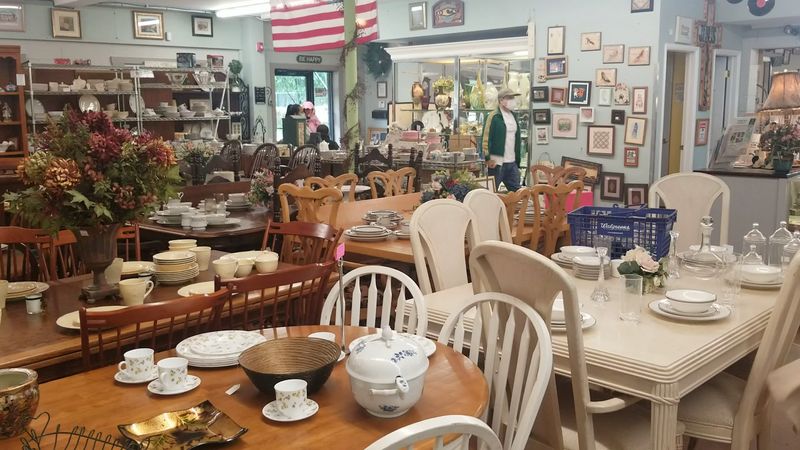
There is something worth mentioning about the atmosphere inside this store that goes beyond the inventory. Music plays throughout the day, and it is the kind of selection that gets both staff and customers singing along while they browse.
James Brown has been specifically noted as part of the rotation, which gives you a sense of the energy level. The music is not background noise meant to fill silence, it is part of what makes the shopping experience feel lively rather than like a chore.
Several shoppers have called out the music as one of their favorite things about the place, which is a detail that says something about how the store is managed. A thrift store that gets the atmosphere right alongside the inventory and the pricing is doing more than most.
The combination of good finds, fair prices, and a genuinely upbeat environment keeps people coming back on a regular basis.
What the Second Floor Is Hiding
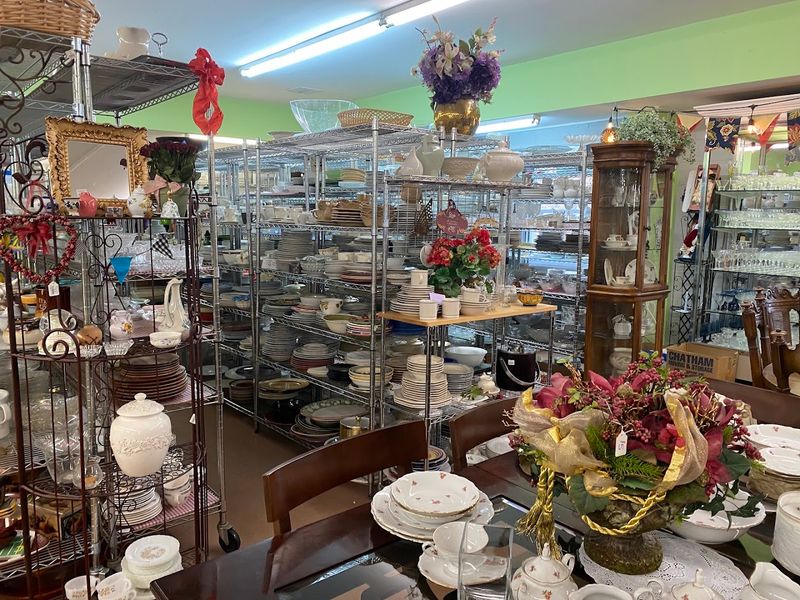
The second floor of this store deserves its own conversation because it operates almost like a separate department. Vintage clothing concentrates up there, and the selection includes pieces that would draw serious attention at a dedicated vintage shop.
Antiques and decorative objects also tend to cluster on the upper level, giving it a different character from the more practical inventory on the ground floor. Shoppers who skip the second floor are missing the part of the store that generates the most memorable finds.
Original artwork also appears in the mix, which is not something you see at every thrift store. Paintings, prints, and decorative pieces rotate through with enough variety that art hunters have reason to check in periodically.
The second floor rewards the kind of shopper who is not in a hurry and is willing to look at everything before deciding what to take home. That patience tends to pay off in a meaningful way.
The Donation Side of the Operation
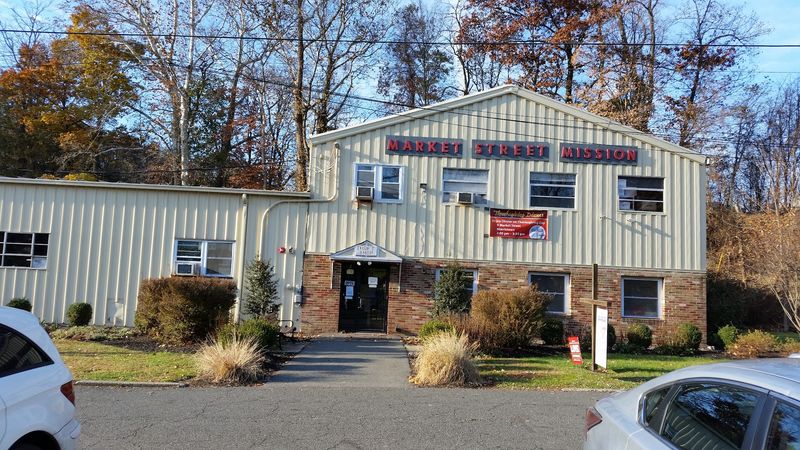
The store accepts donations, which is how the inventory stays as full and varied as it does. The donation dock is located separately from the main shopping entrance, and the process is fairly straightforward on most days.
It is worth calling ahead before making a trip specifically to donate, because storage capacity in the warehouse fluctuates. There have been occasions where donors arrived with items they had been told were acceptable, only to be turned away due to space constraints.
The store has acknowledged these situations and encouraged donors to contact the store directly if issues arise.
Feedback from donors has prompted management to address how the donation dock operates, particularly around customer service at that entry point. The director has been transparent about the fact that some staff members there are in recovery programs, and that improving the experience is an ongoing priority.
Donating here is still one of the most direct ways to support the mission’s work in Morris County.
Unusual and One-of-a-Kind Finds
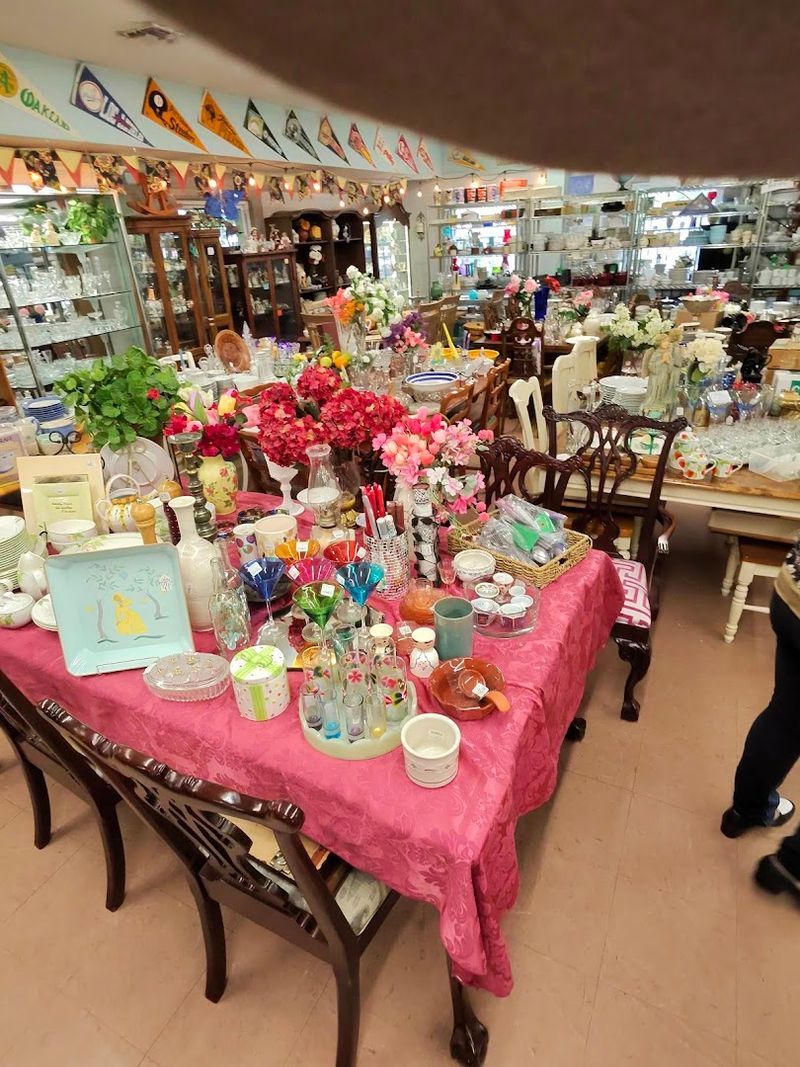
Part of what keeps this store interesting is the sheer unpredictability of what shows up on any given day. The inventory reflects the full range of what people in Morris County decide to donate, and that range is genuinely wide.
A Dolly Parton-style wig turned up on the shelves and found a buyer who had specifically been hoping to find one. A decorative birdhouse sold for twelve dollars.
A pink turkey feather crop coat came in at fifty. These are not items you can plan for, and that is precisely the point.
The element of surprise is built into every visit, which is why regular shoppers describe the experience as a hunt rather than a shopping trip. You might find exactly what you came for, or you might leave with something you never would have thought to look for.
Either outcome tends to feel like a win when the prices are this reasonable.
Tips for Getting the Most Out of Your Visit
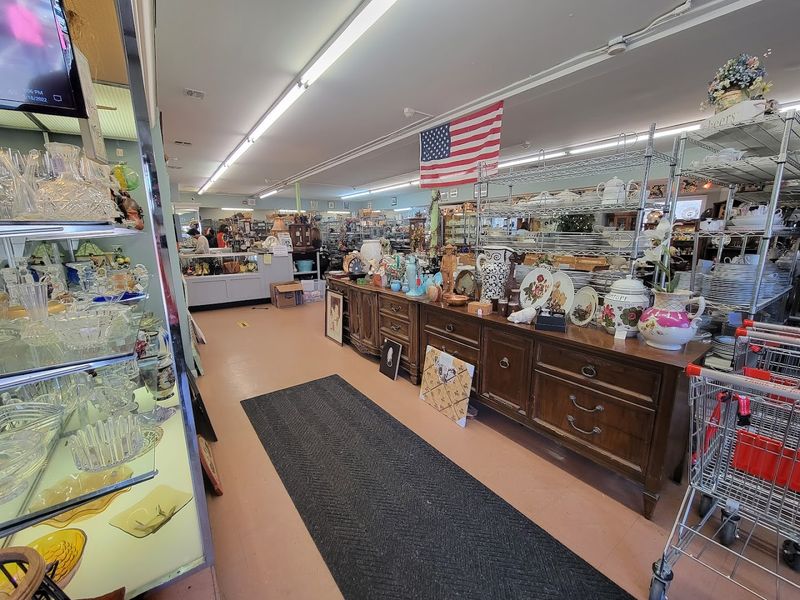
A few practical notes can make your visit here significantly more productive. The store opens at 9 AM Monday through Saturday and closes at 4:30 PM, so arriving with at least two hours to spare is a good idea given how much there is to cover across two floors.
Go with an open mind rather than a strict list. The inventory does not follow a predictable pattern, and the best finds tend to appear when you are not specifically hunting for them.
That said, if you are looking for something specific like furniture or full kitchenware sets, it is worth asking a staff member directly since they know what is currently in stock.
Check the tag colors before assuming an item is priced like standard thrift store inventory. Green tags indicate the boutique antique category, which carries higher prices.
Everything else follows the standard thrift model. The website at marketstreet.org/thrift-store has additional information about the store and the mission it supports.



