Tired of fighting for a selfie spot in front of the Eiffel Tower or elbowing your way through Venice? Europe has a whole other side that most tourists completely miss.
These 15 destinations offer real history, stunning scenery, and local charm without the endless queues and overpriced gelato. Pack your bags and get ready to feel like you actually discovered something.
Albarracín, Spain
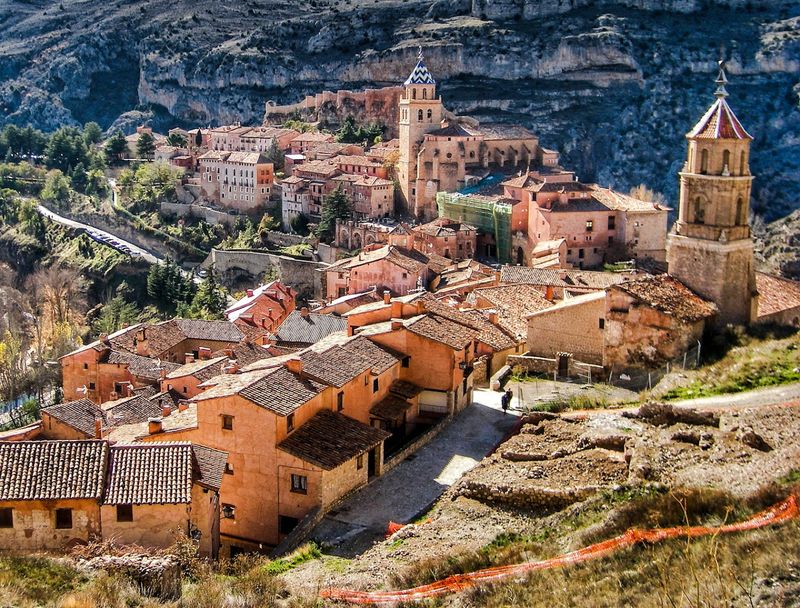
Albarracín looks like someone built a fairy-tale town and then forgot to tell the world about it. Perched on a hilltop in Aragón, its pinkish walls and fortified skyline make it look almost too good to be real.
I once stood at the edge of the old town and genuinely questioned whether I had walked into a movie set.
The medieval streets are narrow, winding, and wonderfully chaotic in the best possible way. Spain’s official tourism site highlights its historic center and imposing fortifications as major draws.
Unlike Barcelona or Seville, you can actually hear yourself think here.
Albarracín is a strong pick for anyone who wants dramatic architecture without the shoulder-to-shoulder crowds. The town is small enough to explore on foot in a day but layered enough to reward an overnight stay.
Bring comfortable shoes and zero agenda.
Setenil de las Bodegas, Spain
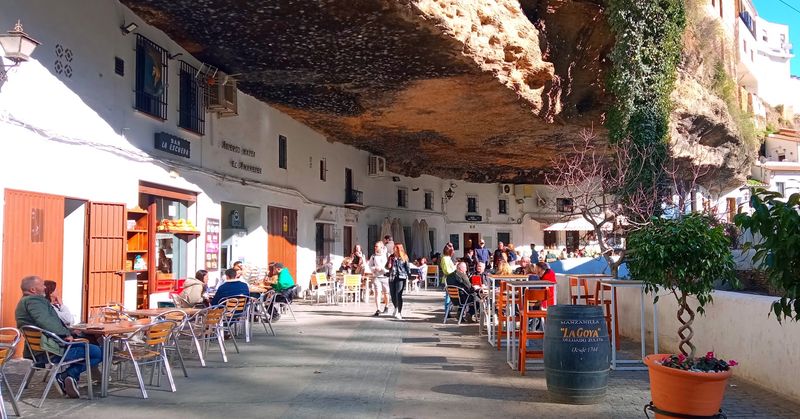
Some towns have a gimmick. Setenil de las Bodegas has a geological situation.
Parts of this Andalusian town are literally built into and beneath overhanging rock, which means residents have been using cliffs as roofs for centuries.
Andalucía’s official tourism pages point to its cave-like streets, fortress, and church as highlights. But honestly, walking under a rock that is also someone’s ceiling is highlight enough.
It is one of those places that makes you rethink what “home” can look like.
Setenil works brilliantly as a day trip from Ronda, which is already a less-crowded alternative to Spain’s biggest cities. The town has good local restaurants tucked into the rock faces, which adds a genuinely fun dining experience.
Grab a coffee, look up at the cliff above your head, and appreciate the sheer audacity of the town’s original builders.
Vipava Valley, Slovenia
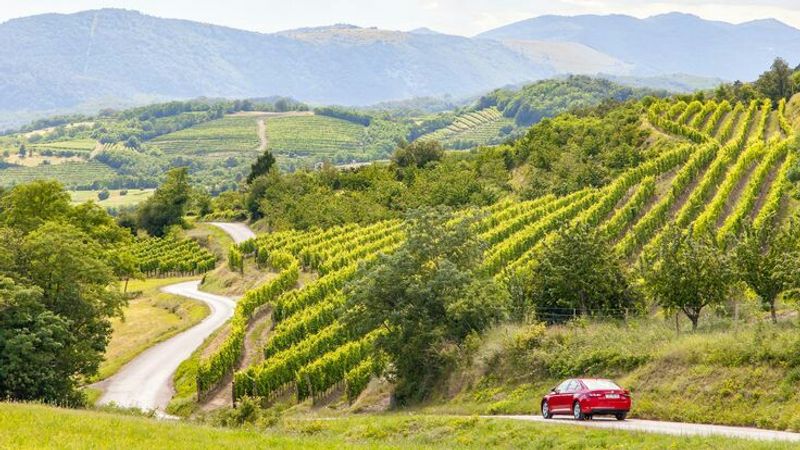
Not every great European trip needs to be a sprint between famous landmarks. Vipava Valley in Slovenia is built for a slower pace, and that is precisely its appeal.
Slovenia’s official tourism portal describes it as a green wine-growing region shaped by sun and the bora wind, known for gastronomy, local wines, and outdoor activities.
The valley produces some seriously underrated wines that rarely make it onto international menus. That is either a tragedy or a happy secret, depending on how you look at it.
Either way, you get to drink well without paying tourist-trap prices.
Cycling through the valley is a popular option, and the routes are manageable without needing to be a professional athlete. Villages are small, welcoming, and refreshingly free of souvenir shops selling mass-produced trinkets.
Vipava Valley is the kind of place that makes you genuinely reconsider your relationship with overhyped destinations.
Ptuj, Slovenia
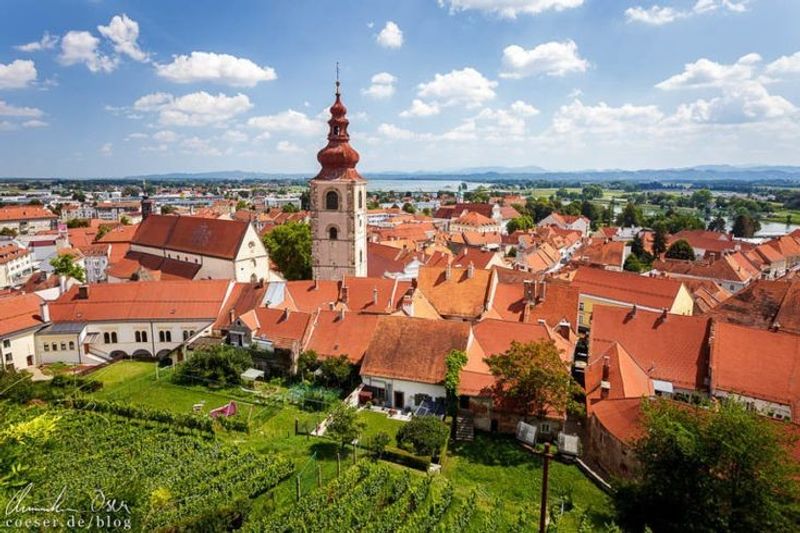
Ptuj holds the title of Slovenia’s oldest town, and it wears that badge with quiet confidence rather than loud marketing. Slovenia’s official tourism site presents it as a heritage destination surrounded by wine country, with castle views and nearby hills that reward exploration.
It is the kind of place that serious travelers mention and casual tourists overlook.
The castle sits above the town and offers views that genuinely justify the climb. Below it, the old town is walkable, compact, and full of architectural details that reward slow wandering.
Ptuj also hosts one of Slovenia’s most famous carnival festivals, Kurentovanje, which involves elaborate costumes and a whole lot of local enthusiasm.
Wine lovers will find the surrounding Haloze and Jeruzalem wine regions worth a detour. Ptuj pairs well with a visit to Maribor for a fuller picture of eastern Slovenia.
It is understated, charming, and completely worth the trip.
Piódão, Portugal
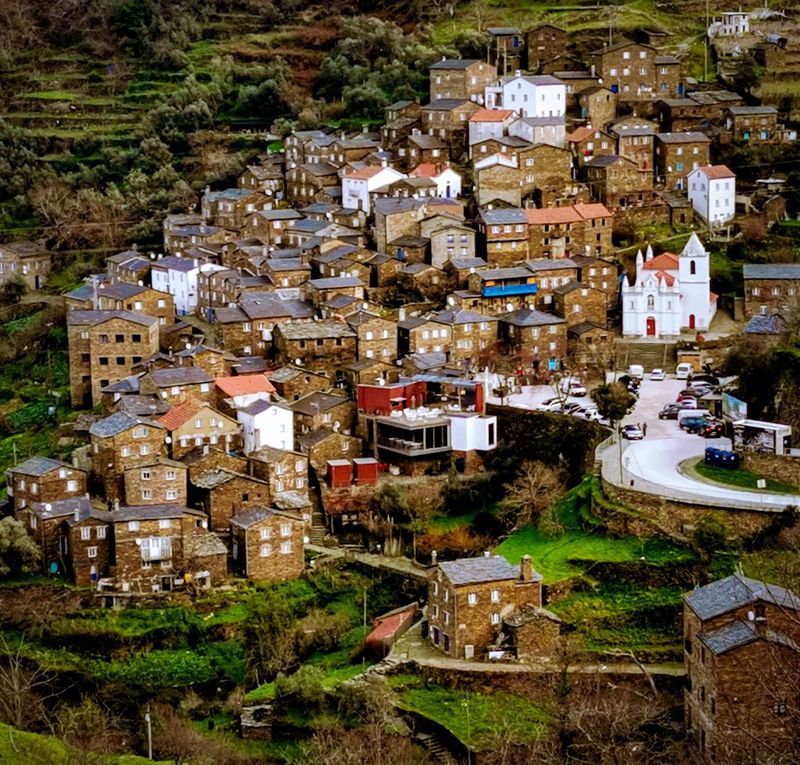
Piódão looks fictional. Tucked deep in the Serra do Açor mountains, this Portuguese village is built almost entirely from dark schist stone, giving it a moody, storybook quality that photographs struggle to fully capture.
Portugal’s official tourism site describes its amphitheater-like arrangement of schist houses within a protected landscape area.
The village is tiny, which is part of the charm. There are no chains, no corporate hotels, and no lines snaking around the block.
What you get instead is quiet, mountain air, and a handful of local guesthouses run by people who actually live there.
Getting to Piódão requires a drive through winding mountain roads, which is either a mild adventure or a mild inconvenience depending on your disposition. The journey is genuinely worth it.
Schist villages like Piódão are part of Portugal’s “Aldeias do Xisto” network, so nearby villages like Figueira de Castelo Rodrigo make easy and rewarding additions to the trip.
Dinant, Belgium
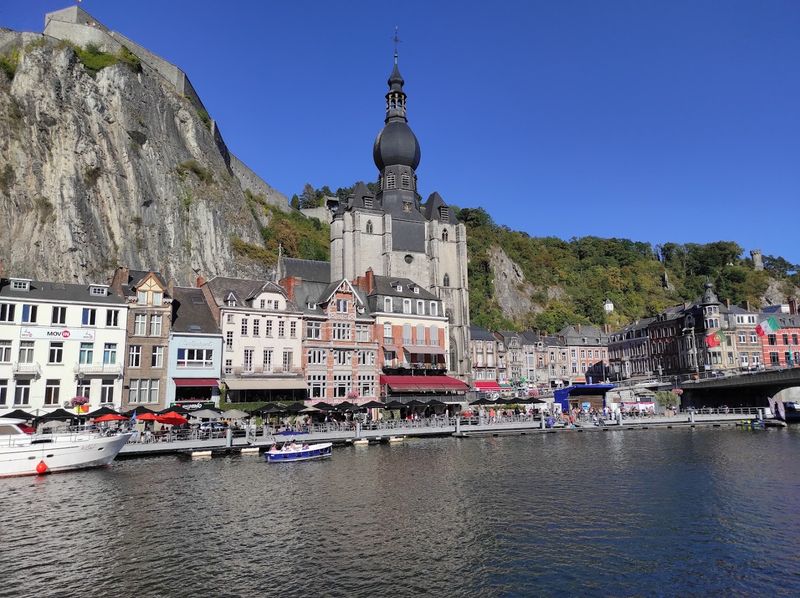
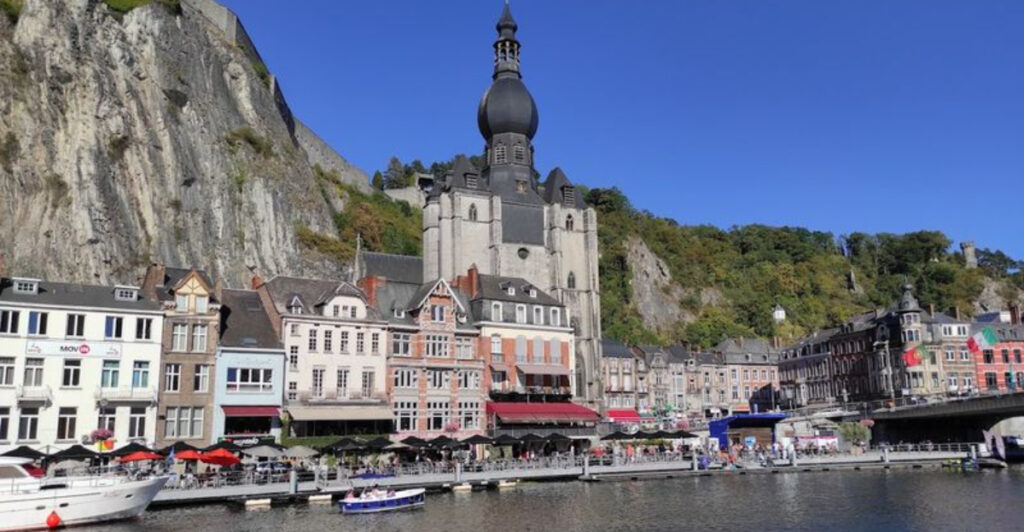
Dinant has the kind of backdrop that makes you check whether someone has enhanced the photo. Wedged between towering limestone cliffs and the Meuse River, the town looks cinematic before you even step off the train.
Wallonia’s official tourism site highlights the cable car, the hilltop fortress, and the town’s dramatic position as its main draws.
The citadel offers sweeping river views and a surprisingly engaging history, including a dark chapter from World War One that the town addresses honestly. Dinant was also the birthplace of Adolphe Sax, the inventor of the saxophone.
Giant colorful saxophones are scattered around town, which is either charming or surreal, and possibly both.
Dinant works as a day trip from Brussels or Namur, but staying overnight gives you the town after the day-trippers leave. The riverside cafes are genuinely relaxing in the late afternoon.
Belgium has more to offer than waffles and chocolate, and Dinant proves it.
Banská Štiavnica, Slovakia
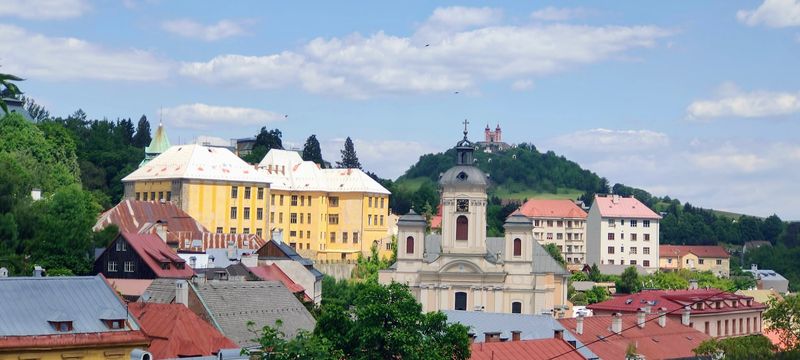
Banská Štiavnica is what happens when a medieval mining boom produces a genuinely beautiful town and then history quietly moves on. Slovakia’s official tourism portal notes its UNESCO World Heritage status, its mountain setting, and its major historical role in mining education and development.
That is a lot of substance packed into one small Slovak town.
The Old Castle and New Castle sit above the town and offer views worth the uphill walk. The baroque architecture throughout the historic center reflects the wealth the silver and gold mines once produced.
It is the kind of layered history that makes a place feel genuinely interesting rather than just old.
Slovakia is one of Europe’s most underrated countries for city breaks, and Banská Štiavnica makes a strong case for exploring beyond Bratislava. The town also has a charming artificial lake system, built in the 18th century to support the mines.
That engineering feat alone earns it a mention.
Kuldīga, Latvia
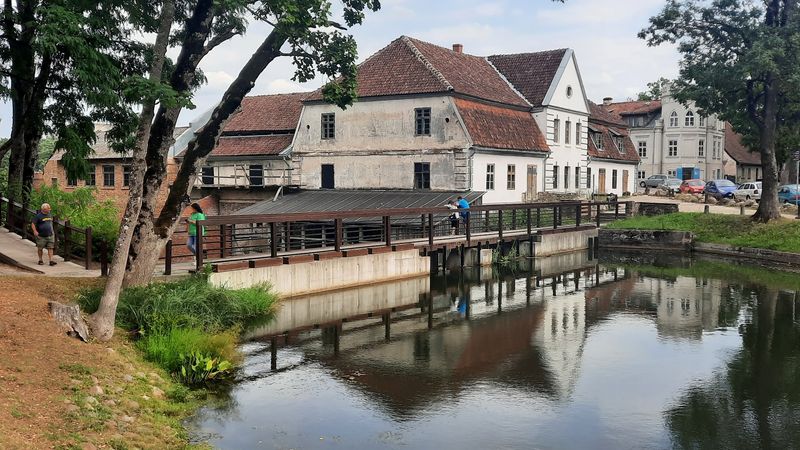
Kuldīga does not try to impress you, and that is exactly why it does. Latvia’s official tourism site describes it as a walkable city on the Venta River with a tidy historic setting and a distinctive old-town atmosphere.
The town has an easy, unhurried quality that feels increasingly rare in European travel.
One of its most unusual features is Ventas Rumba, claimed to be the widest waterfall in Europe. It is not the tallest, not the most thunderous, but it has a flat, broad charm that is oddly satisfying to watch.
Every spring, vimba fish leap upstream over it, which is one of those nature spectacles that sounds made up but is completely real.
The old town has well-preserved wooden architecture and a genuinely lived-in feel. It is not a museum piece.
People actually live and work here, which gives the streets an authenticity that staged tourist zones cannot replicate. Kuldīga is a quiet gem in the best possible sense.
Cēsis, Latvia
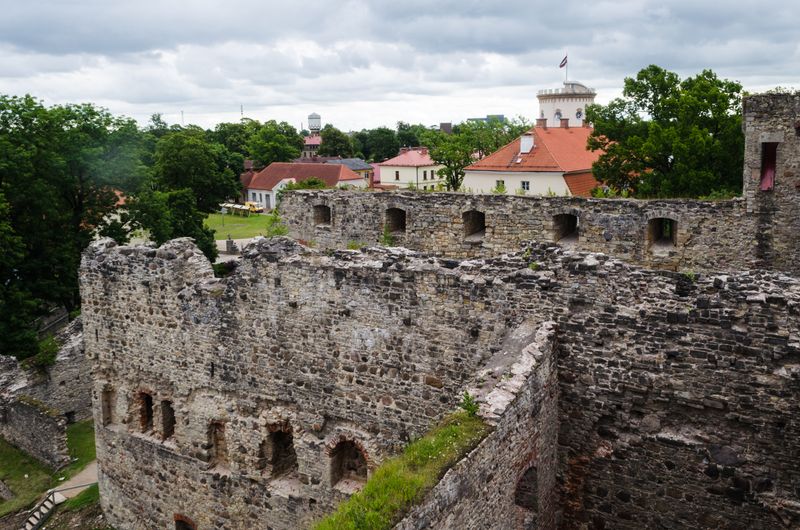
Over 800 years of history and Cēsis still does not make most people’s Latvia itinerary. That is a genuine shame.
Latvia’s official tourism portal calls it one of the best-preserved medieval cities in the Baltics, with its castle complex serving as the centerpiece of a town that rewards slow exploration.
The castle ruins are atmospheric in a way that polished tourist attractions rarely manage. Visitors carry lanterns through parts of the underground sections, which adds a theatrical touch without feeling gimmicky.
The surrounding parkland is pleasant for a post-castle walk.
Cēsis is only about 90 kilometers from Riga, making it an easy day trip or a comfortable overnight stop. The town also has a growing craft beer scene, with the Cēsu Alus brewery being one of Latvia’s most respected.
History, medieval ruins, and good local beer in one small Latvian town is, frankly, an excellent value proposition for any traveler.
Klaipėda, Lithuania
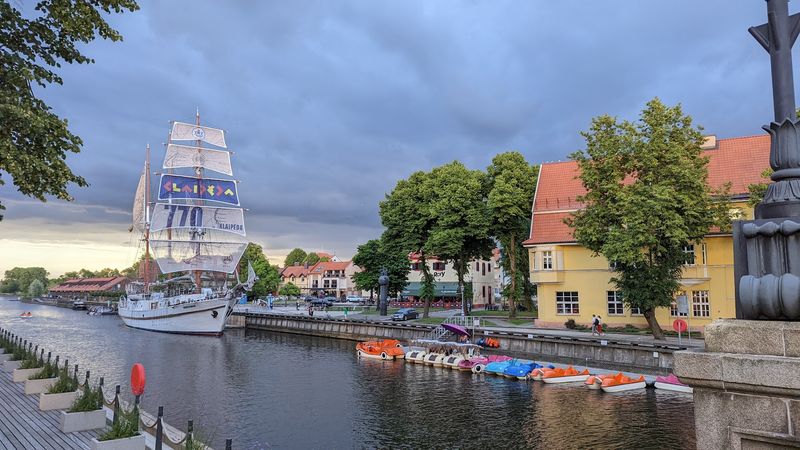
Klaipėda is Lithuania’s only seaport, and it carries that maritime identity with real personality. Lithuania Travel describes it as a city with a historic center, coastal setting, and a lively festival culture that gives it a different energy from Vilnius or Kaunas.
It is a port city with a proper old town, which is a combination that always works.
The old town has a German architectural influence from its time as Memel, which gives the streets a slightly different character from the rest of Lithuania. Sculptures and street art pop up throughout the city, making it fun to explore without a fixed plan.
The Theatre Square is a good anchor point for wandering.
From Klaipėda, you can take a short ferry to the Curonian Spit, a UNESCO-listed sand dune peninsula shared with Russia. That alone makes Klaipėda worth including in any Baltic itinerary.
Beaches, dunes, history, and a functioning port city in one stop is hard to beat.
Nafplio, Greece
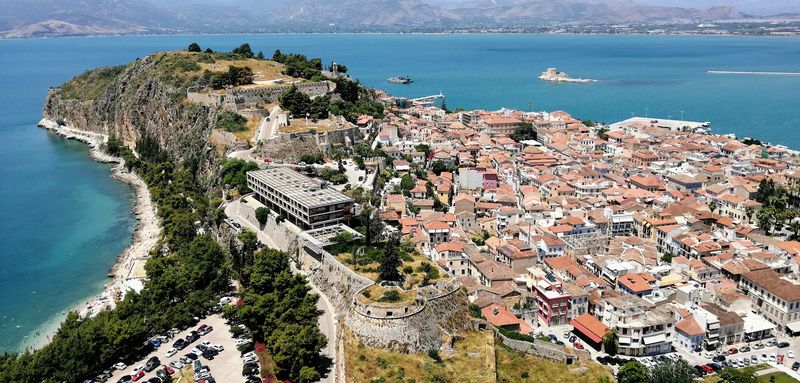
Greece’s first modern capital tends to get overshadowed by Athens and the islands, which is a genuine oversight. Nafplio has sea views, neoclassical architecture, and a polished old-town atmosphere that makes it one of the most elegant small cities in the country.
Greece’s official tourism site describes it as one of the most beautiful towns in Argolis.
The Palamidi fortress sits above the town and requires climbing around 999 steps, a fact that locals mention with suspicious cheerfulness. The views from the top are worth every step, though your legs may file a formal complaint.
The Bourtzi, a small fortress on an island in the bay, adds to the cinematic quality of the setting.
Nafplio is also an excellent base for exploring the wider Peloponnese, including Mycenae, Epidaurus, and Tiryns. Those ancient sites are within easy driving distance.
For travelers who want Greece with more depth and fewer beach clubs, Nafplio delivers consistently.
Monemvasia, Greece
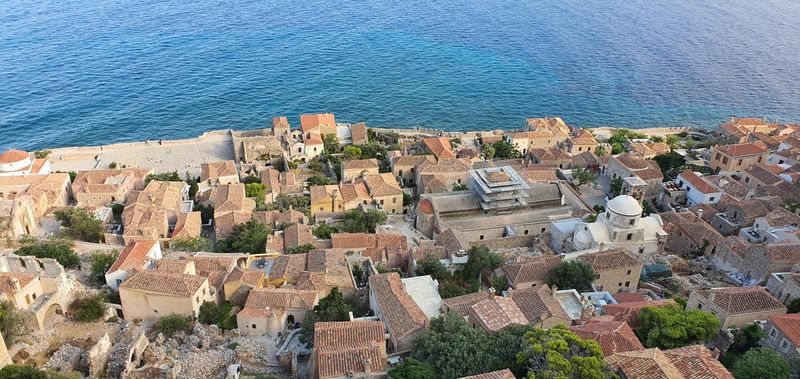
Monemvasia is built on a rock. Not metaphorically.
An actual enormous rock jutting out of the sea on the southeastern Peloponnese, connected to the mainland by a single narrow causeway. Greece’s official tourism site describes it as a Byzantine-founded medieval town with centuries of layered history packed into its stone walls.
The lower town is a maze of Byzantine and Venetian architecture, with churches, cobblestone lanes, and clifftop views that feel genuinely earned. Cars are not allowed inside the walled town, which immediately improves the atmosphere by about 80 percent.
The upper town is ruined but atmospheric and worth the scramble up.
Monemvasia works best as an overnight stay rather than a rushed day trip. The town transforms after the day visitors leave, and the evening light on the stone buildings is particularly good.
It is the kind of place that makes you understand why people write travel articles in the first place.
Orta San Giulio, Italy
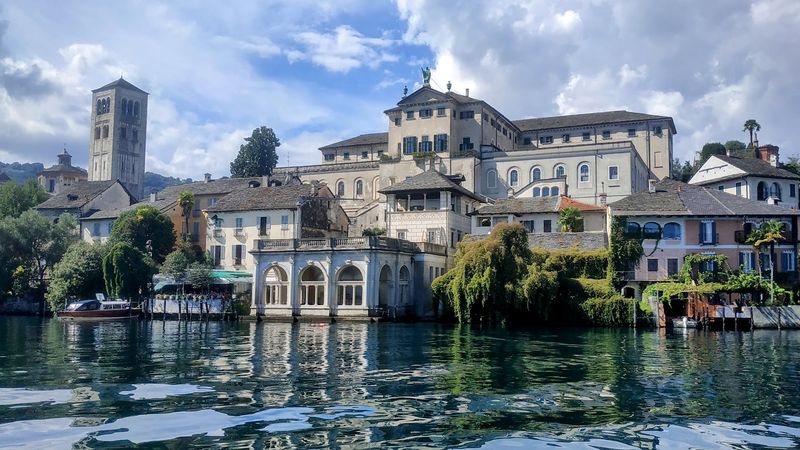
Lake Orta does not get the same marketing budget as Lake Como or Lake Garda, and that is entirely your advantage. Orta San Giulio sits on its western shore, a compact village of narrow streets, old houses, and baroque details that Italia.it describes as a beautiful destination facing San Giulio Island.
San Giulio Island is reachable by a short boat ride and hosts a 12th-century basilica along with a monastery that still functions today. The island is small enough to walk around in 20 minutes, but the architecture and lake views make it feel like a much bigger experience.
Silence is encouraged near the monastery, which is a refreshing change of pace.
Orta San Giulio is about 90 minutes from Milan, making it a realistic day trip or weekend escape. Accommodation options include lovely lakeside hotels that would cost significantly more on Como.
It is elegant, slightly secret, and very much worth the detour from the more famous Italian lakes.
Castelsardo, Italy
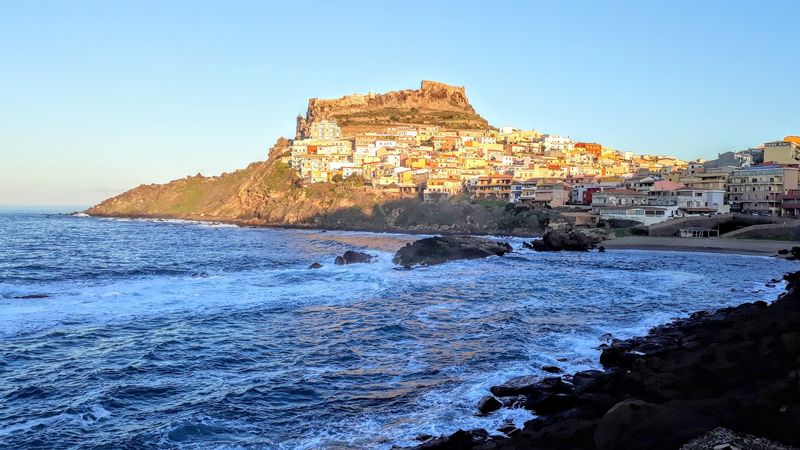
Sardinia has beaches that regularly top European rankings, but Castelsardo proves the island offers more than just coastline. Italy’s official tourism site presents it as a beautiful hilltop village with sea-facing views, a historic port, and a strong sense of place that sets it apart from Sardinia’s more resort-heavy destinations.
The old town climbs steeply toward a medieval castle that once belonged to the Doria family, a Genoese dynasty with a talent for choosing dramatic real estate. The castle now houses a museum of Sardinian weaving traditions, which sounds niche but is genuinely interesting.
The views from the top over the Gulf of Asinara are hard to argue with.
Castelsardo is in the northwestern corner of Sardinia, making it a natural stop on a road trip around the island. The local market sells handmade baskets and woven goods that are specific to this area.
It is the kind of authentic craft tradition that is increasingly rare and worth supporting directly.
Maramureș, Romania
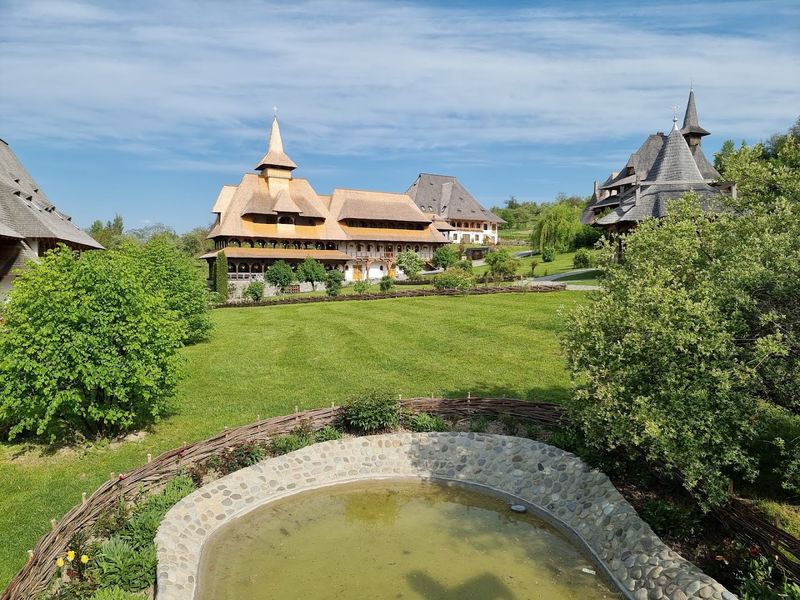
Maramureș is not just a destination. It is an entire world that operates at its own pace, largely unbothered by trends in European tourism.
Romania Travel describes it as a region of mountains, wooded areas, waterfalls, lakes, mineral springs, caves, and nature reserves. That is not a destination description so much as a full geographical argument.
The region is famous for its wooden churches, eight of which are UNESCO World Heritage Sites. They are tall, dark, and extraordinary, built without nails using centuries-old carpentry techniques.
The craftsmanship is the kind that makes you genuinely wonder how it was done.
Traditional village life in Maramureș is still visible in ways that feel organic rather than performed for tourists. Horse-drawn carts share roads with modern cars.
Locals wear traditional dress at festivals without it being a tourist display. Maramureș is the strongest argument for looking beyond Europe’s famous urban stops and spending time somewhere that genuinely rewards curiosity.
Share this story