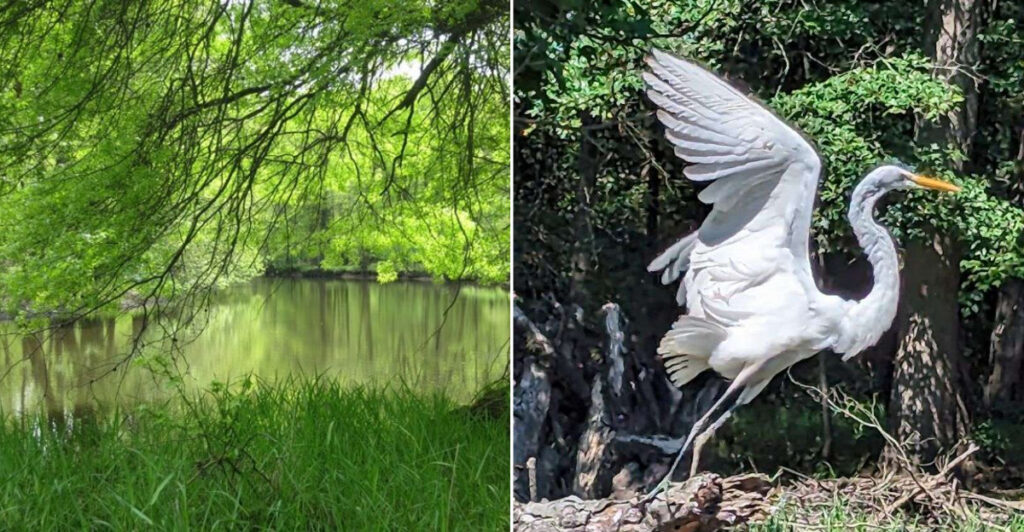
New Jersey has a reputation for highways and suburbs, but tucked inside Essex and Morris counties, there is a stretch of wild wetland that most people drive past without a second thought. This place in Fairfield sits right off I-80, yet it feels worlds away from the traffic rushing by.
The Passaic River winds through the preserve, and the landscape opens up into a broad, unbroken expanse of freshwater wetland that is rare this close to a major metro area. For birders, kayakers, hikers, and anyone who just wants to stand somewhere quiet and wide, this place delivers in a way that few spots in the Garden State can match.
The article below breaks down everything worth knowing before a visit, from what to bring and when to go, to the wildlife that calls this overlooked corner of New Jersey home.
Where Exactly This Wild Place Sits
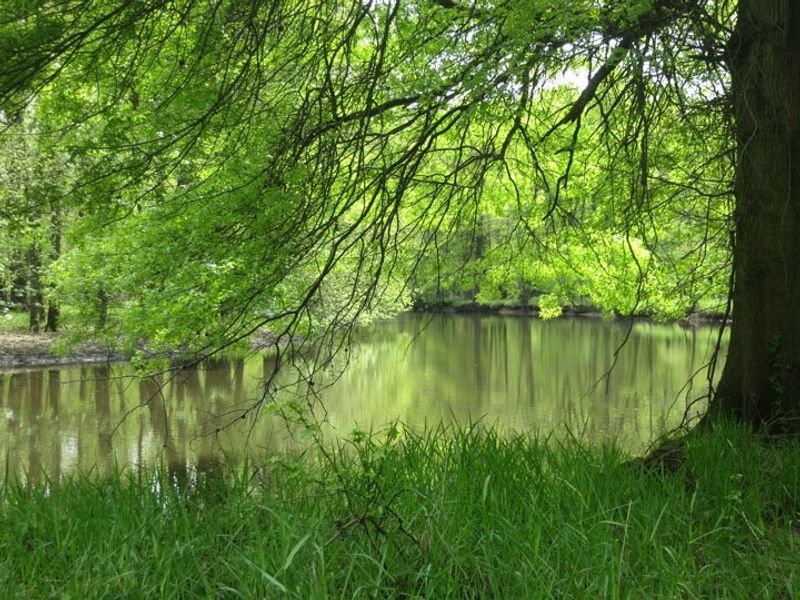
Great Piece Meadows is a freshwater wetland preserve located in Fairfield, NJ 07004, sitting within both Essex and Morris counties in northern New Jersey. The preserve borders the Passaic River and is accessible from several side streets off Pine Brook Road, with additional entry points reachable from the I-80 corridor.
The address and entry points are not always clearly marked, which is part of what keeps the crowds thin. Most people access the area by turning off Pine Brook Road onto one of the quieter residential side streets that dead-end near the preserve’s edge.
The New Jersey Division of Fish and Wildlife manages the land, and the official resource page can be found at nj.gov/dep/njnlt/greatpiecemeadows.htm. The preserve is open 24 hours a day, every day of the week, making it flexible for early risers and late-afternoon wanderers alike.
No entry fee is required.
The Scale Of The Wetland Will Catch You Off Guard
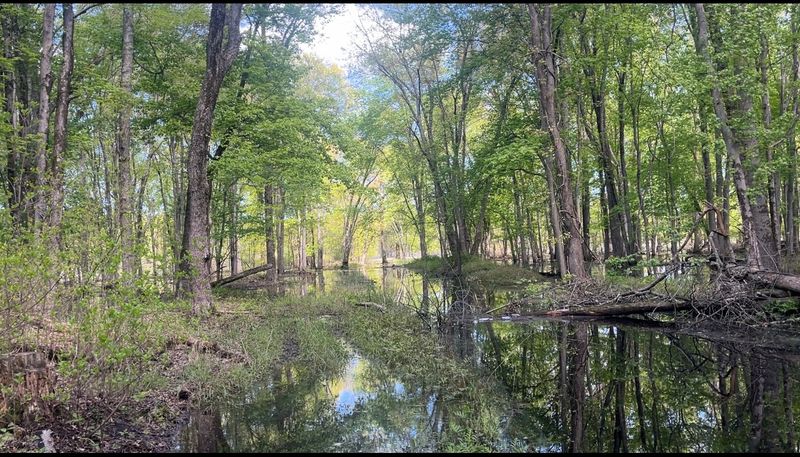
On a standard New Jersey road map, Great Piece Meadows appears as a surprisingly large blank space surrounded by developed towns. That blank space is not an error.
The preserve covers thousands of acres of freshwater wetland, making it one of the most substantial undeveloped tracts in the entire northern part of the state.
The sheer size of the area is what sets it apart from smaller county parks and manicured nature trails. There are no pavilions, no paved paths, and no interpretive signs every fifty feet.
What exists instead is a broad, open landscape of marsh grass, swamp forest, and meandering waterways that stretch farther than most people expect.
The Passaic River serves as the main artery running through the preserve, connecting pockets of open water with dense thickets of vegetation. That combination of open marsh and forested swamp creates a layered habitat that supports a remarkable variety of wildlife year-round.
Kayaking Here Is The Main Event

The Passaic River access points scattered around Great Piece Meadows make this one of the more convenient kayaking spots in northern New Jersey. Several launch areas are close to roadside pull-offs, which means getting a kayak in the water does not require a long carry through difficult terrain.
The river moves slowly through this section of the preserve, which makes it manageable for paddlers at most skill levels. The wide channel opens up at certain points to reveal broad views across the marsh, and narrower side channels offer a more enclosed, exploratory experience for those willing to push deeper into the wetland.
Planning a trip in spring or early fall tends to work best. Water levels are more predictable during those seasons, and the preserve is at its most navigable.
Summer trips are possible, but insect activity picks up considerably during warmer months, so preparation matters more than timing alone.
Birding At This Preserve Is Genuinely Impressive
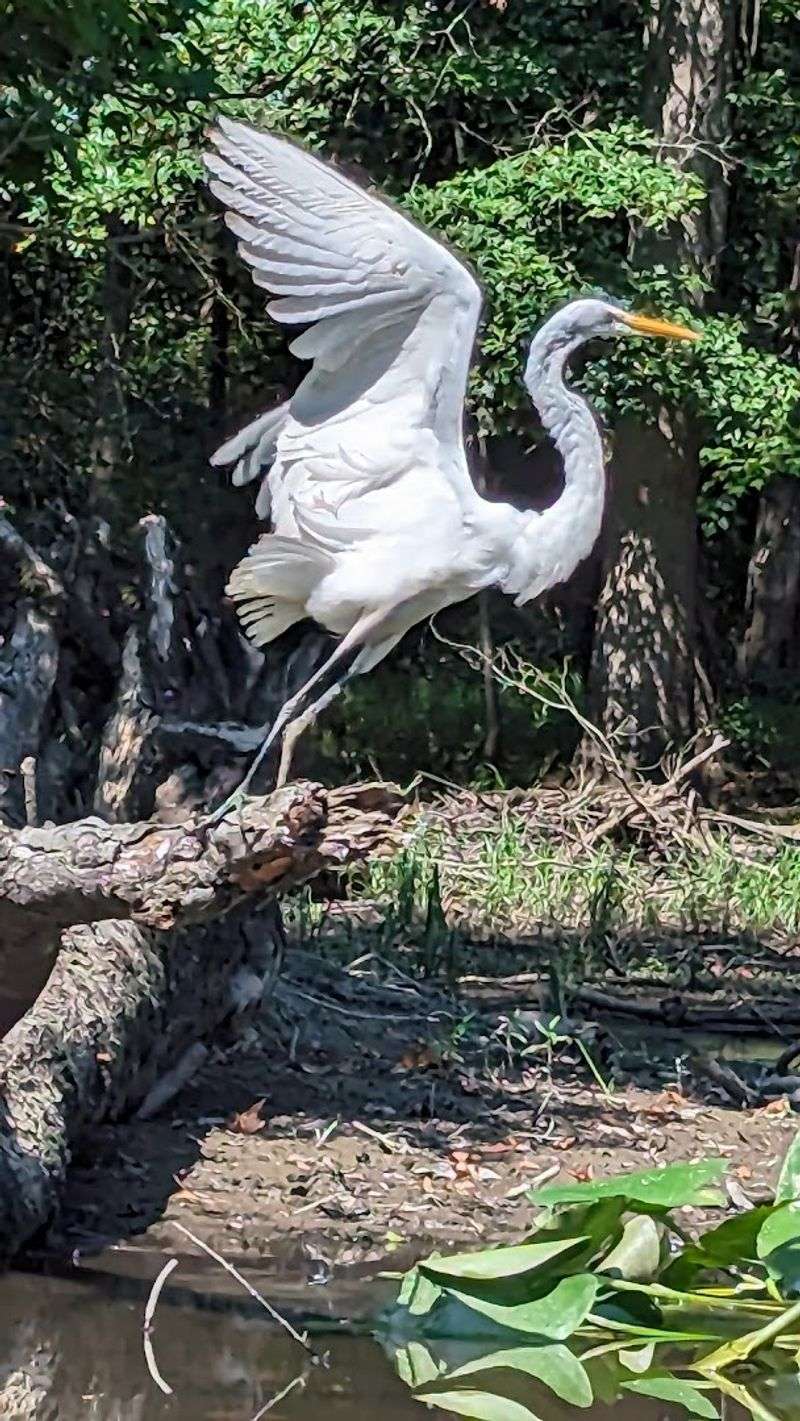
For anyone who keeps a life list, Great Piece Meadows punches well above its profile. The mix of open water, marsh edge, and swamp forest creates the kind of layered habitat that draws a wide variety of bird species across different seasons.
Herons are a reliable presence, often spotted standing still in the shallows along the river. Kingfishers work the water with quick, focused efficiency.
Hawks circle above the open marsh, and during migration periods, shorebirds and waterfowl move through in numbers that can surprise even experienced birders.
Plover have been spotted here, along with muskrat and fox moving along the preserve’s edges. The lack of heavy foot traffic means wildlife is less disturbed than at more popular parks, and patient observers tend to be rewarded.
Bringing binoculars is a straightforward upgrade that makes the whole experience more productive, especially in the early morning hours when activity peaks.
Fishing Along The Passaic River
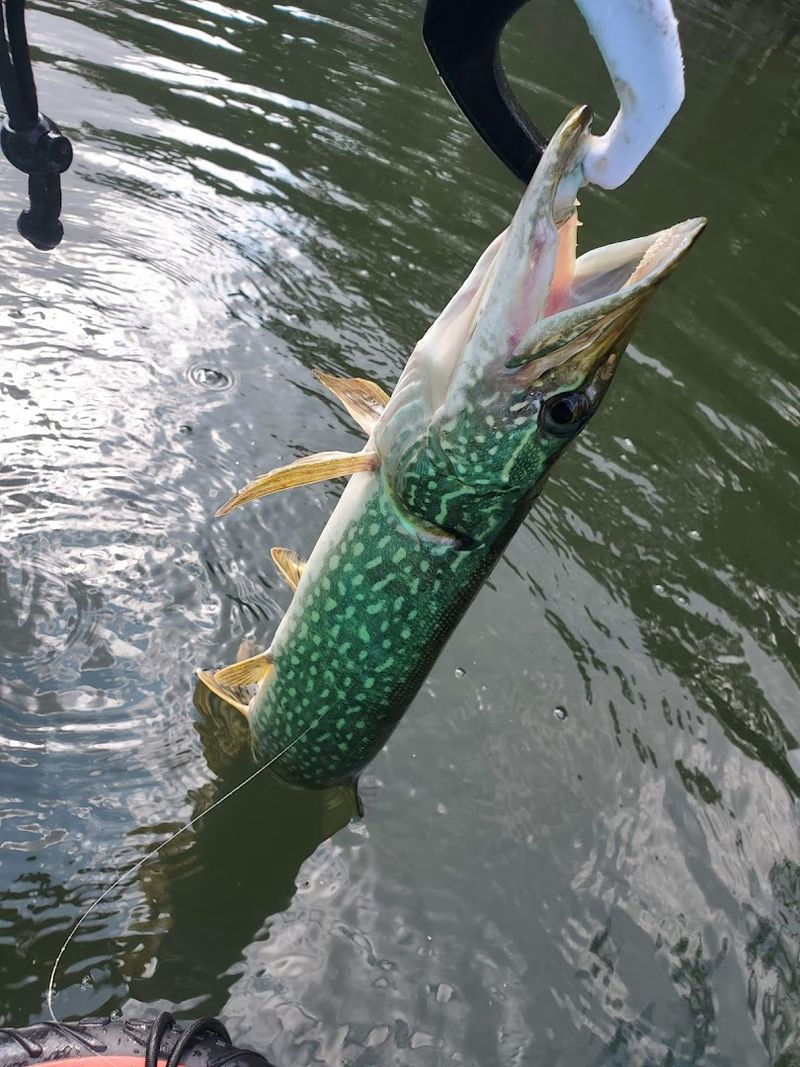
Fishing at Great Piece Meadows draws a steady stream of anglers who know the Passaic River well. The river access points within the preserve make it easy to find a spot along the bank, and the fishing itself is considered strong by those familiar with this stretch of water.
The river does collect debris over time, particularly after heavy rain events push material downstream. That is a practical reality to keep in mind, and it can affect certain spots more than others depending on the season and recent weather patterns.
Despite that, the fishing quality holds up, and the surrounding marsh environment adds a backdrop that most river fishing spots in the region simply cannot match. Early morning visits tend to be the most productive, both for fish activity and for avoiding the limited parking congestion that can develop on weekends.
Bringing the right gear for slow-moving freshwater river conditions is the smartest starting point.
Trails Here Are Not What Most People Expect
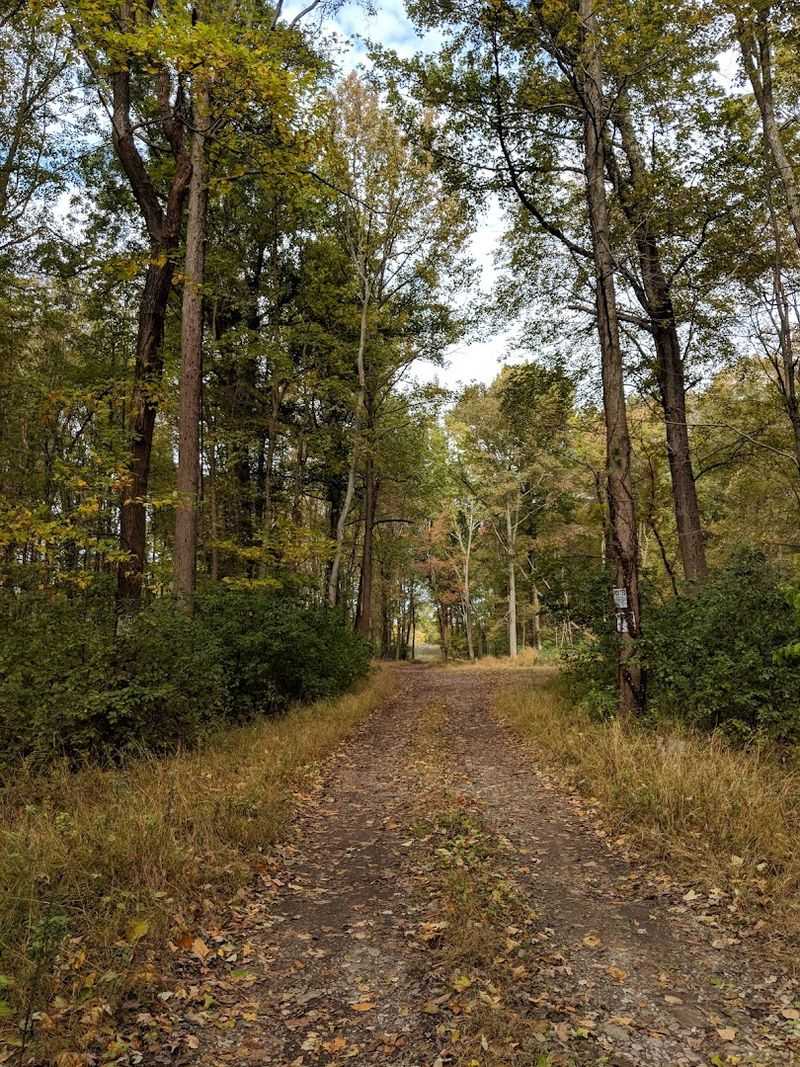
The trail situation at Great Piece Meadows is something worth understanding before arrival, because it does not match the typical park experience. There are no marked, maintained hiking trails in the traditional sense.
What exists instead is a network of informal paths, old access roads, and open terrain that requires a bit of exploration to navigate.
Some entry points offer better walking conditions than others. Certain access paths are firm enough for a comfortable walk, while others lead quickly into wet, muddy ground that becomes impassable depending on recent rainfall.
The preserve floods regularly, and low-lying areas can hold standing water long after a storm.
That unpredictability is part of the character of the place. Wearing waterproof footwear is not optional here; it is a basic requirement for anyone planning to move more than a short distance from the road.
Those who embrace the unstructured nature of the terrain tend to find the experience more rewarding than those expecting a clearly marked loop trail.
What The Flooding Actually Means For Visitors
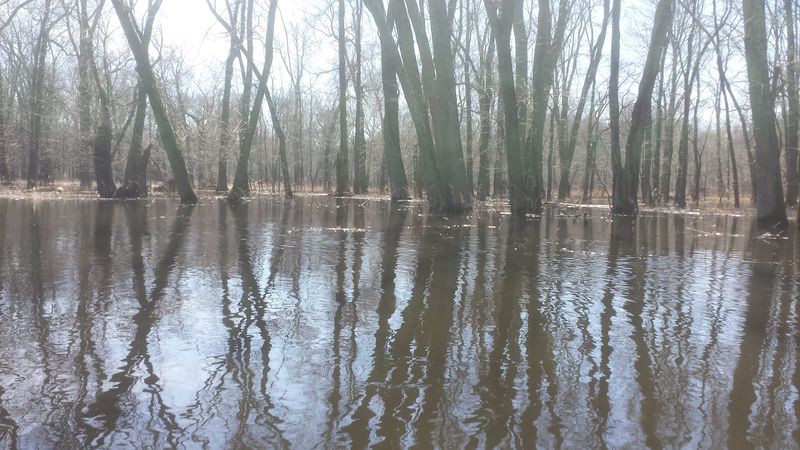
Flooding is not an occasional inconvenience at Great Piece Meadows; it is a defining feature of the landscape. The preserve sits within the Passaic River floodplain, which means that after significant rainfall, large portions of the area become submerged or saturated for extended periods.
That flooding cycle is actually what makes the ecosystem function the way it does. Freshwater wetlands depend on periodic inundation to support the plant communities, fish populations, and wildlife that rely on this habitat.
The flooding is natural, managed by geography rather than infrastructure.
For practical planning purposes, checking recent weather before a visit is a smart habit. A dry stretch of several days will make the terrain considerably more accessible than a visit following a week of heavy rain.
The Passaic River watershed is prone to rapid rises after storms, so water levels can change faster than expected. Flexibility in timing makes a real difference in what the preserve looks like on any given day.
Winter Visits Have Their Own Quiet Appeal
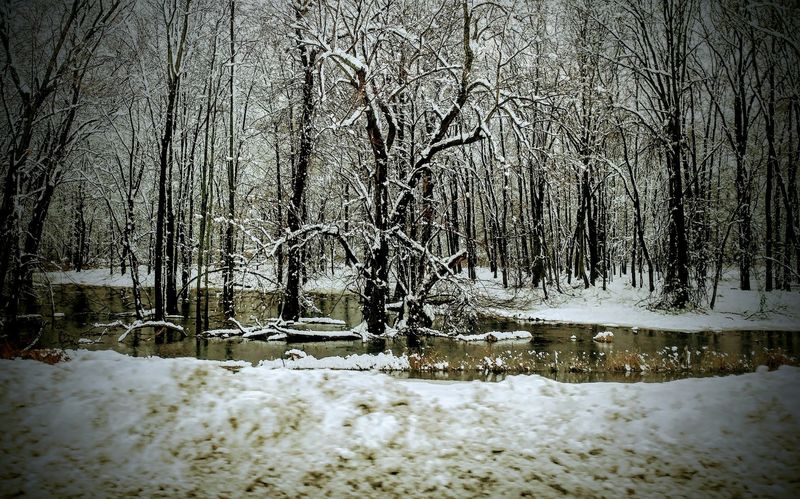
Most people assume that a wetland preserve shuts down as a worthwhile destination once temperatures drop. Great Piece Meadows challenges that assumption.
Winter strips the vegetation back, and what remains is a spare, open landscape that reads differently than the lush green months.
The bare trees and flattened marsh grass allow longer sight lines across the preserve, which actually improves wildlife spotting in certain ways. Hawks and other raptors become easier to track against a grey winter sky, and the absence of foliage reveals the structure of the swamp forest in a way that warmer months conceal.
Trail conditions can be firmer in winter when the ground freezes, making some areas that are muddy in spring and fall more navigable on a cold day. Layering up properly and keeping an eye on daylight hours are the two most relevant preparations for a winter outing here.
The preserve is open year-round, and the quieter months bring a different kind of reward.
The Wildlife Beyond The Birds
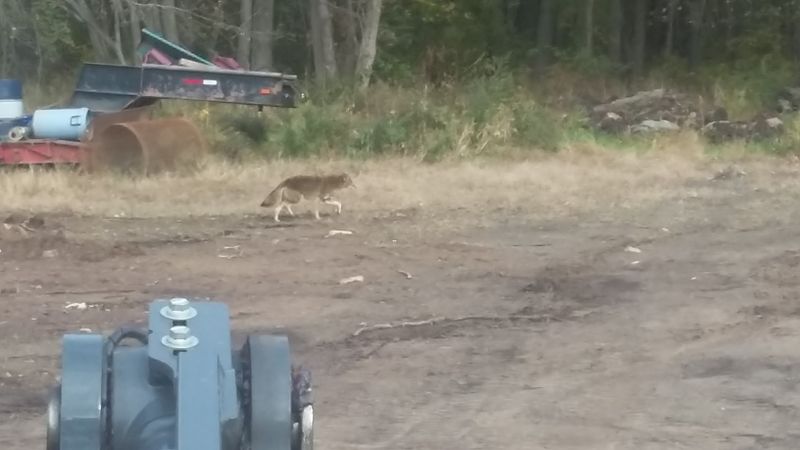
Birds get most of the attention at Great Piece Meadows, but the mammal activity across the preserve is worth its own mention. Fox move along the preserve’s edges, particularly in the transitional zones where upland forest meets the open marsh.
Muskrat are common in the waterways, and deer are a regular presence throughout the preserve.
The relatively low level of human foot traffic means that wildlife encounters happen more naturally here than at heavily visited parks. Animals are less conditioned to human presence, which makes sightings feel more genuine and less like a managed wildlife experience.
The Passaic River corridor acts as a travel route for many of these species, connecting the preserve to surrounding green spaces and allowing wildlife to move through the region. That connectivity is part of what keeps the animal population diverse.
Quiet mornings and late afternoons near the water’s edge are the most reliable windows for seeing mammals active in the open areas of the preserve.
Dogs And Dog Walkers Know This Spot Well
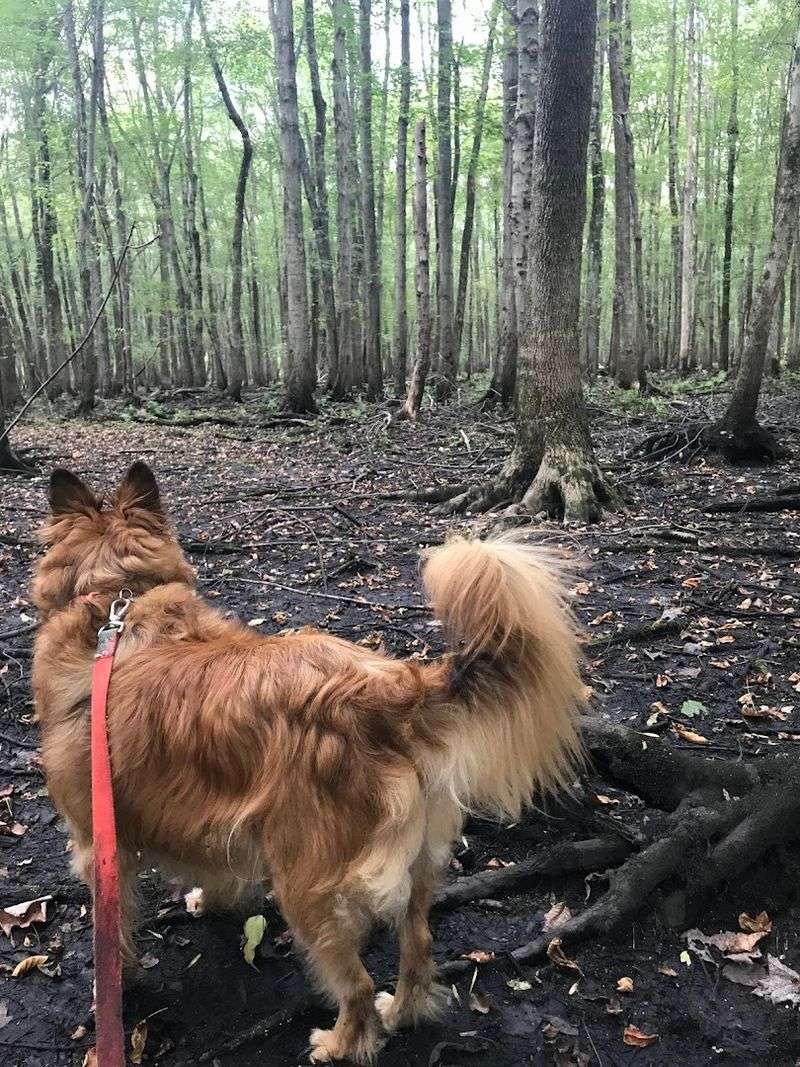
Among the local community in Fairfield and the surrounding towns, Great Piece Meadows has earned a quiet reputation as a reliable dog walking destination. The open terrain, minimal crowds, and lack of strict trail boundaries give dogs room to move in a way that smaller, more structured parks do not allow.
The flat topography works in favor of both dogs and their owners. There are no steep climbs or technical terrain to navigate, and the wide-open spaces near the marsh edge are easy to monitor from a distance.
That visibility is reassuring for owners whose dogs tend to range ahead on a walk.
Keeping dogs on a leash is the responsible approach given the wildlife activity in the preserve. The same fox and deer that make the area interesting for wildlife watchers are also the kinds of animals that can trigger a chase response in an off-leash dog.
A long leash rather than a short one tends to be the practical middle ground that works well here.
Why This Place Stays Under The Radar
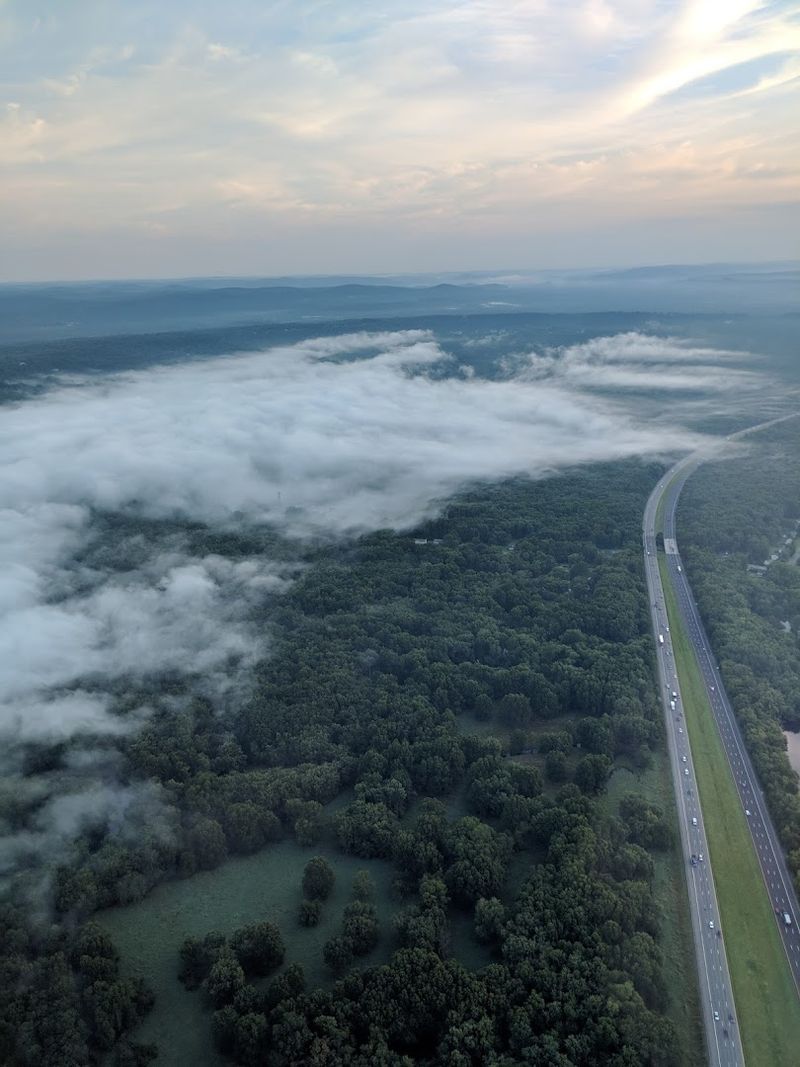
There is a specific kind of place that exists just outside the edge of public awareness, known to locals but absent from most travel guides. Great Piece Meadows fits that description with unusual precision.
It sits adjacent to one of the busiest highway corridors in the northeastern United States, yet it operates in near-total obscurity from a tourism standpoint.
The absence of formal infrastructure is the main reason. No visitor center, no ranger station, no interpretive trail system, and no organized programming means that the preserve does not appear in the same searches that pull up more developed parks.
It requires a degree of self-directed curiosity to find and navigate.
That barrier to entry is also what preserves the character of the place. The people who show up here tend to have a specific reason for being there, whether that is kayaking, birding, fishing, or simply wanting open space without the managed park experience.
That self-selecting quality keeps the atmosphere unhurried and the wildlife undisturbed.
What To Know Before The First Visit
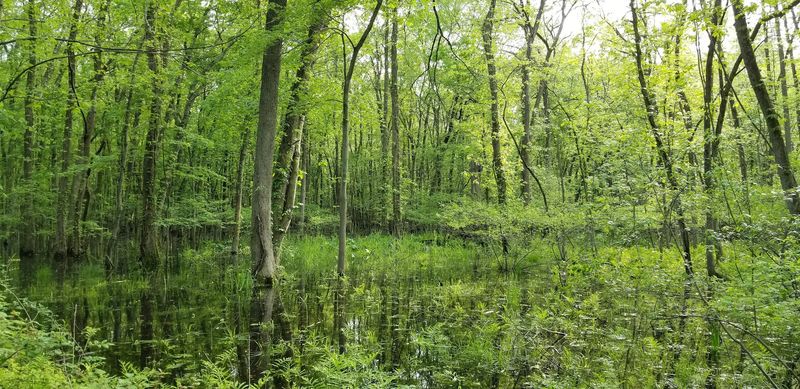
A first visit to Great Piece Meadows goes more smoothly with a short list of preparations in place. Waterproof footwear is the single most important item, full stop.
The terrain shifts between firm ground and saturated marsh quickly, and standard sneakers will not hold up in the wetter sections of the preserve.
Insect repellent becomes essential from late spring through early fall. The wetland environment supports a dense mosquito population during warmer months, and being underprepared on that front will cut a visit short faster than almost anything else.
Bringing enough repellent for reapplication during a longer outing is the practical approach.
Binoculars, a charged phone with a downloaded map of the area, and a basic first-aid kit round out the essentials. Cell service can be inconsistent in parts of the preserve, so downloading an offline map before arrival removes a potential frustration.
The preserve rewards those who show up ready, and the preparation required is modest compared to the access it provides to a genuinely wild corner of New Jersey.
Share this story