 Unearth The Voyage
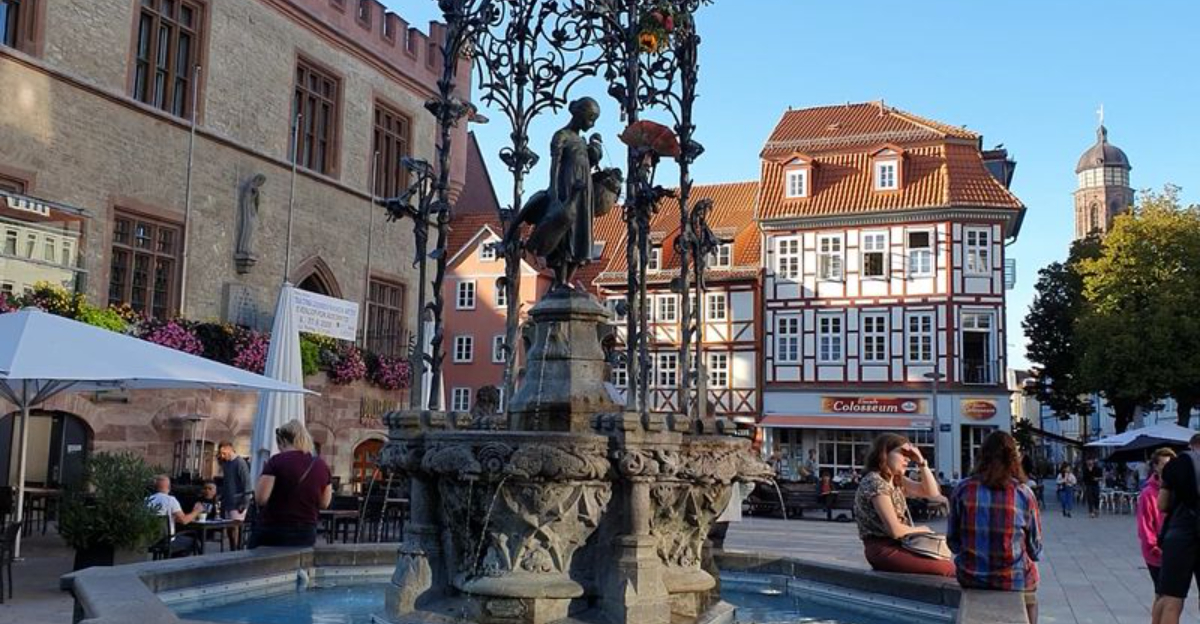
There is a small bronze statue in a German university town that has been kissed more times than most celebrities will ever dream of. She stands in the middle of a bustling market square, holding a goose, completely unbothered by the thousands of lips that have pressed against her cheeks over the decades.
Her story is so wild that the city actually passed a law because of her. From a quirky academic tradition to a genuine cultural landmark, the Gänseliesel fountain in Göttingen, Germany, is one of those places that sounds almost too good to be true until you show up and see the flowers piling up around her feet yourself.
The Statue That Started It All
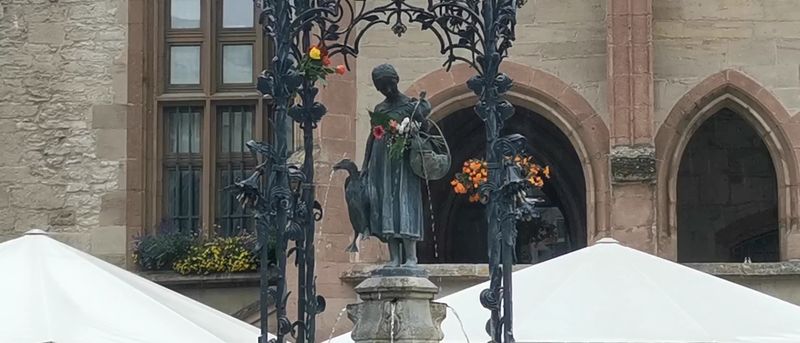
Most famous statues sit quietly behind velvet ropes. This one gets kissed on a regular basis, which already tells you everything you need to know about how special she is.
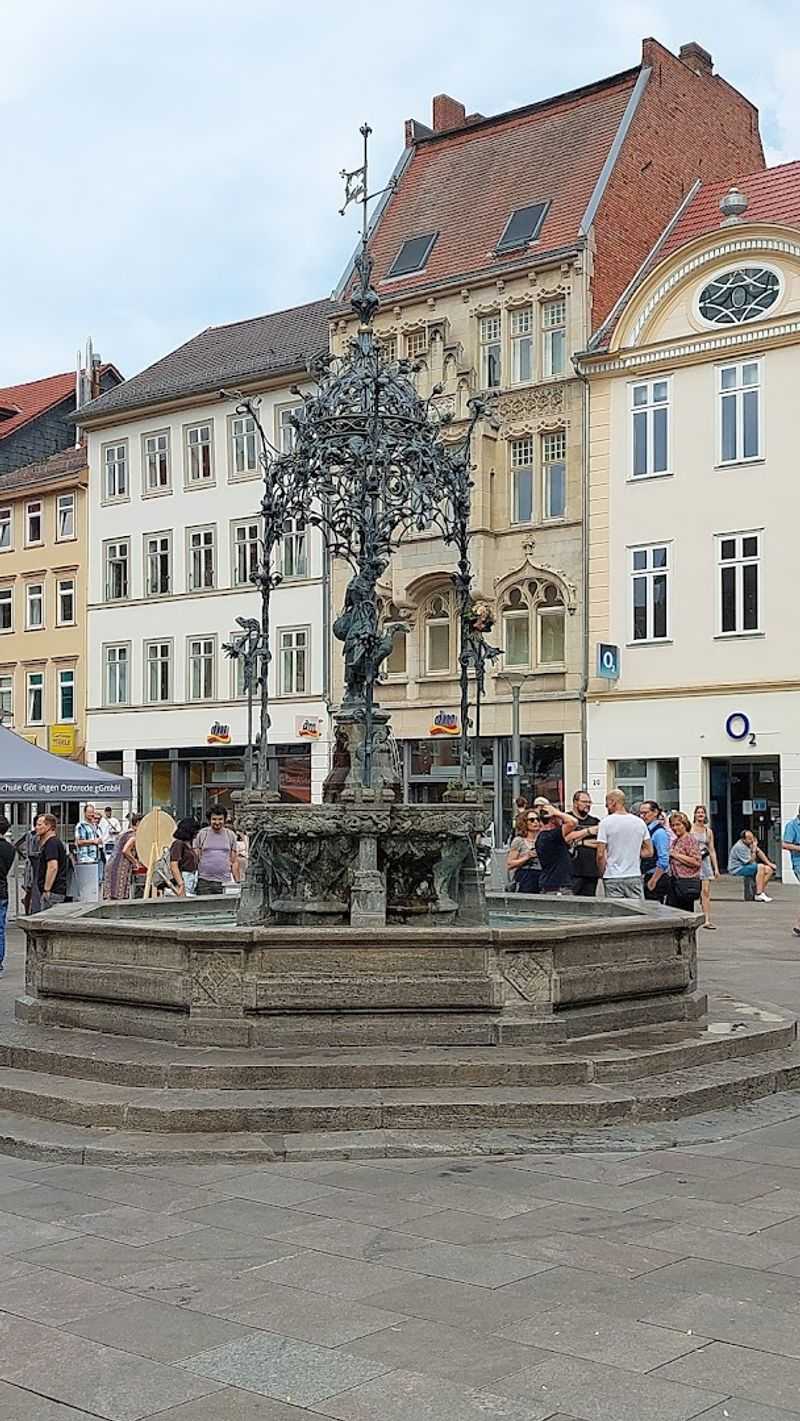
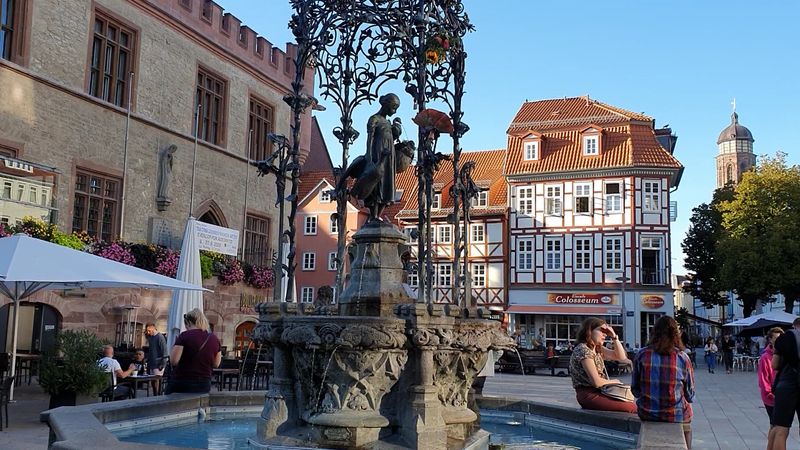
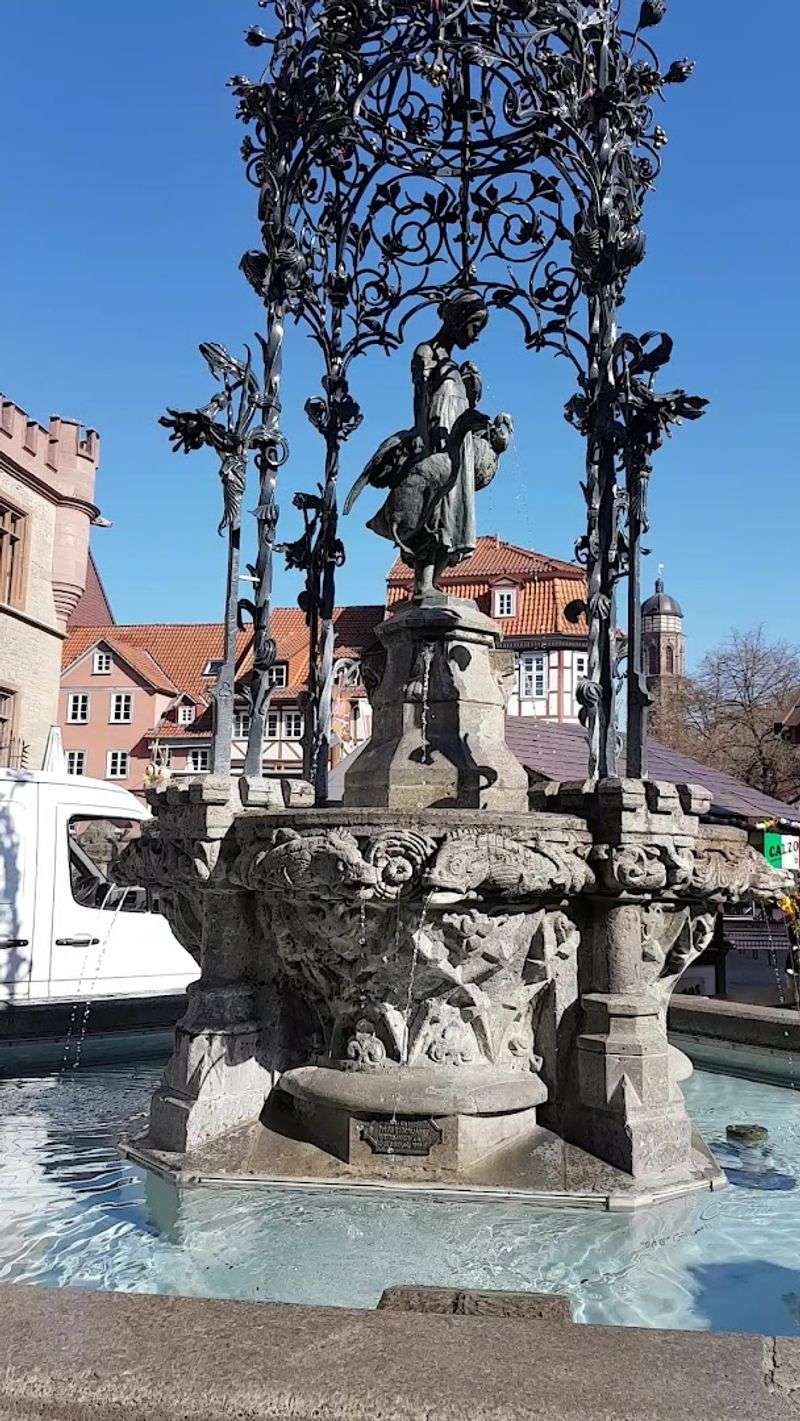
The Gänseliesel, which translates to “Goose Girl” in German, is a bronze fountain statue standing at the center of Göttingen’s historic Marktplatz, at Markt, 37073 Göttingen, Germany. She depicts a young girl in traditional folk clothing, cradling a goose under her arm with a calm, almost knowing expression on her face.
The original statue was created by sculptor Paul Nisse and unveiled in 1901. That version now lives safely inside a local museum, while a faithful copy takes her place at the fountain and faces the daily attention of visitors and graduates alike.
She is open to visit around the clock, every day of the year, rain or shine.
A Sculptor’s Vision Frozen in Bronze
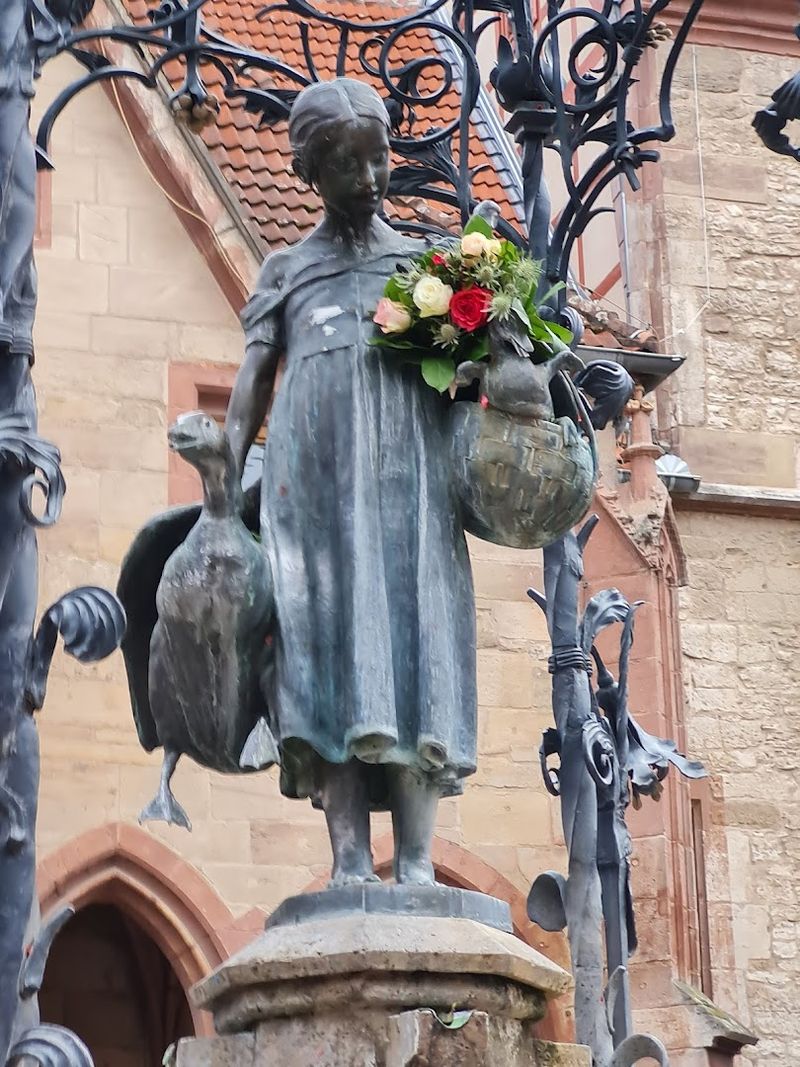
Paul Nisse was a German sculptor working at the turn of the twentieth century, and his creation of the Gänseliesel gave Göttingen something it did not even know it needed: an icon.
The figure draws from the Brothers Grimm fairy tale of the same name, in which a princess is forced to work as a goose girl after losing her royal identity. Nisse captured that story in a way that feels approachable rather than grand, giving the statue a warmth that larger monuments often lack.
The original bronze casting showed remarkable attention to detail, from the folds of the girl’s dress to the texture of the goose’s feathers. When the original was moved to the Städtisches Museum Göttingen for preservation, the city commissioned a high-quality copy so the tradition and the setting could continue without interruption.
Art and practicality working together is a rare thing.
The Kissing Tradition That Defines Göttingen
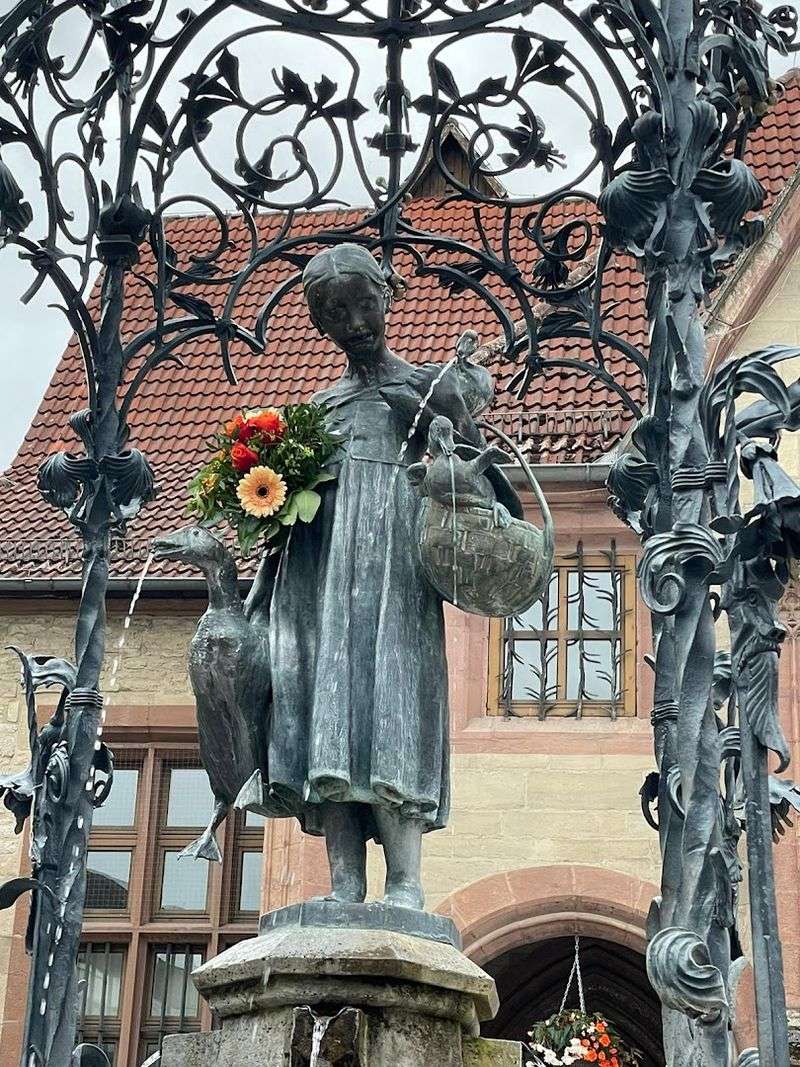
Every year, hundreds of newly minted doctoral graduates from the University of Göttingen make their way to the Marktplatz with one mission: to climb the fountain and plant a kiss on the Gänseliesel’s cheek.
The tradition began informally in the early twentieth century and grew so popular that it became a fully expected part of the graduation experience. Graduates typically arrive in decorated cars or on bicycles, surrounded by friends and family who cheer them on as they climb the stone base and reach up to kiss the statue.
They also leave behind bouquets of flowers, which pile up around the fountain in colorful, fragrant heaps. The whole scene is genuinely joyful to witness, even if you have no personal connection to the university.
Catching a graduation celebration at the fountain is one of those unplanned travel moments that ends up being the highlight of an entire trip.
The Law That Came Because of Her
Here is the part of the story that most visitors do not know until someone tells them, and it tends to produce a very satisfying double-take.
In the early 1900s, the kissing tradition grew so enthusiastic and so public that city officials reportedly became concerned about the spectacle. At some point, climbing on public monuments was officially prohibited in Göttingen, a rule that was widely understood to be aimed directly at the behavior around the Gänseliesel.
The ban, however, never really worked. Graduates kept climbing, kept kissing, and kept leaving flowers, and enforcement turned out to be more trouble than it was worth.
The city eventually embraced the tradition rather than fighting it, and today the Gänseliesel is officially celebrated as a beloved symbol of academic achievement and local identity. Sometimes a rule exists mainly to be cheerfully ignored by an entire university town.
The Most Kissed Woman in the World
The title sounds like something from a novelty record book, and it basically is. The Gänseliesel is frequently referred to as the most kissed woman in the world, a claim that is hard to verify but very easy to believe once you understand how long the tradition has been running.
The University of Göttingen has been producing doctoral graduates since 1737, and the kissing custom has been going strong for well over a century. With hundreds of PhD completions each year, the numbers add up fast.
That is a remarkable amount of affection directed at one bronze figure standing in one German market square.
What makes the title feel genuinely earned is that the kisses are not random tourist gestures. Each one represents years of academic work, personal sacrifice, and the relief of finally crossing the finish line.
The statue collects not just kisses but also real human milestones.
The University That Keeps the Tradition Alive
The Georg-August-Universität Göttingen is one of Germany’s oldest and most respected research universities, founded in 1737 by King George II of Great Britain, who was also the Elector of Hanover at the time.
Over its long history, the university has produced an extraordinary number of notable alumni and faculty, including multiple Nobel Prize winners across the sciences, literature, and economics. That legacy of academic excellence is precisely what gives the Gänseliesel tradition its emotional weight.
Reaching the level of doctoral graduate at this institution is a genuine achievement, and the fountain visit is a way of marking that moment with something personal and memorable.
The university continues to draw students from around the world, which means the graduation processions heading to the Marktplatz include people from dozens of different countries and cultures. The Gänseliesel has become a shared ritual that crosses national boundaries without losing any of its local character.
What the Marktplatz Looks Like Around Her
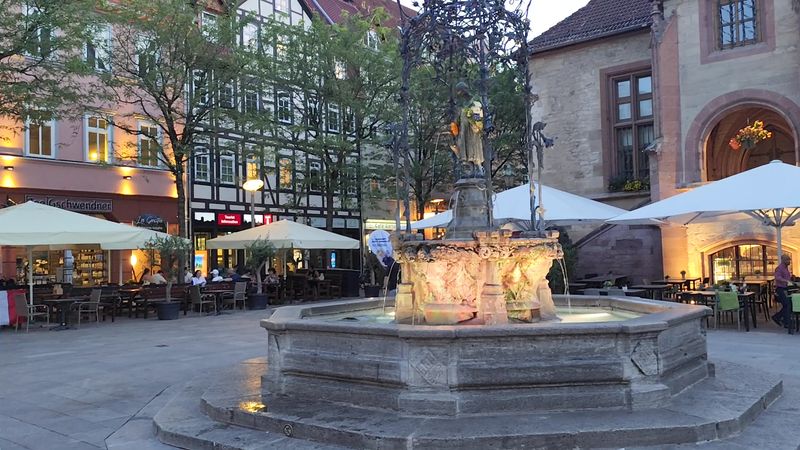
The setting around the Gänseliesel is just as worth your attention as the statue herself. The Marktplatz is framed by the Altes Rathaus, Göttingen’s historic Old Town Hall, a striking medieval building with a painted facade that dates back to the fourteenth century.
Outdoor cafes and restaurants line the square, and on warm afternoons the whole area fills with students, locals, and visitors sitting at small tables, watching the world pass by. The cobblestone paving underfoot and the mix of half-timbered buildings nearby give the square a texture that feels genuinely old rather than reconstructed for tourism.
Street musicians sometimes perform nearby, and the energy shifts pleasantly depending on the time of day. Morning brings quiet coffee drinkers and market stalls, while evenings bring a livelier crowd.
The square works as a complete experience on its own, with the Gänseliesel standing at its center as the natural focal point.
Seasonal Decorations That Transform the Fountain
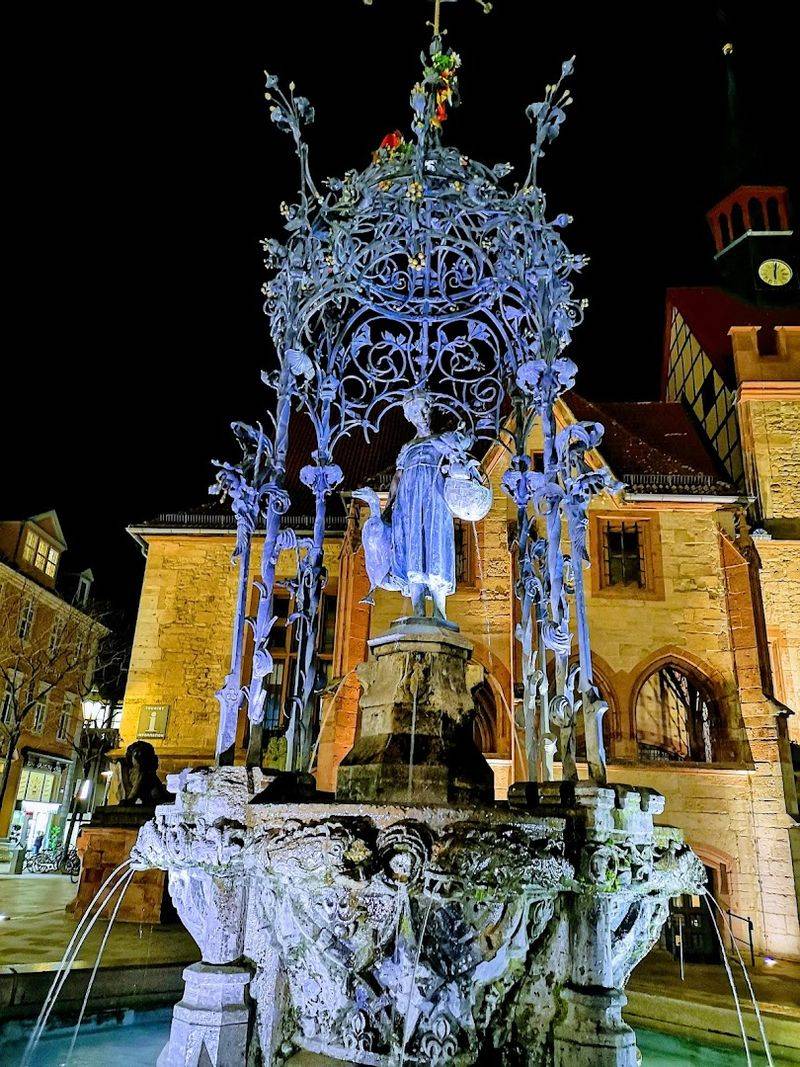
One of the quieter delights of the Gänseliesel is that she does not look the same year-round. The fountain gets dressed up for different seasons and holidays, and each transformation adds a fresh reason to visit even if you have already seen her before.
At Easter, the statue is traditionally decorated with painted eggs and spring flowers, turning the fountain into a cheerful seasonal display that draws families and photographers in equal measure. The contrast of bright egg colors against the dark bronze of the statue is genuinely eye-catching.
During December, the Marktplatz hosts a Christmas market, known locally as the Weihnachtsmarkt, and the Gänseliesel stands at the center of it all, surrounded by wooden stalls, warm lights, and the smell of roasted nuts and spiced treats drifting through the cold air. Seasonal visits reveal a different personality in the same beloved landmark.
The Original Statue and Its Museum Home
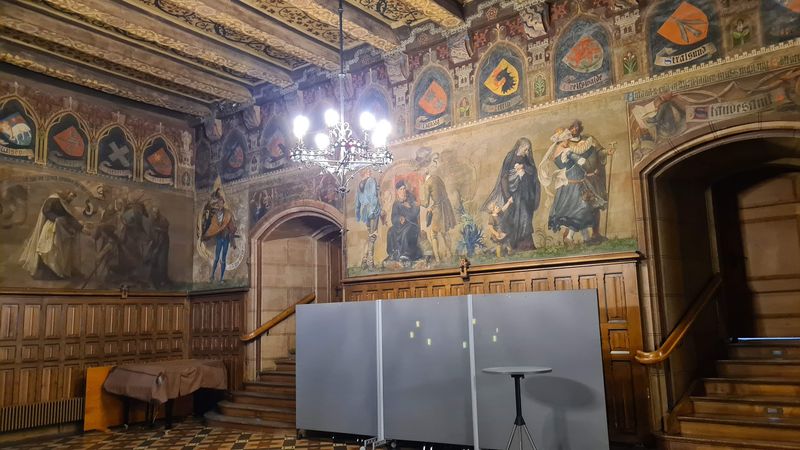
The copy that stands in the Marktplatz does the daily work, but the original 1901 bronze by Paul Nisse lives in a quieter, more protected setting. The Städtisches Museum Göttingen houses the authentic statue, which was moved indoors to protect it from weather damage and the wear of decades.
Seeing the original up close in a museum context is a genuinely different experience from standing beside the outdoor copy. The lighting allows you to notice finer details in the casting, and the museum setting gives you space to study the craftsmanship without the distraction of passing crowds or graduation celebrations happening around you.
The museum itself covers local history and culture more broadly, so a visit pairs well with a stop at the Marktplatz fountain for anyone who wants the full picture. The original and the copy together tell a more complete story than either one could manage alone.
Practical Tips for Your Visit
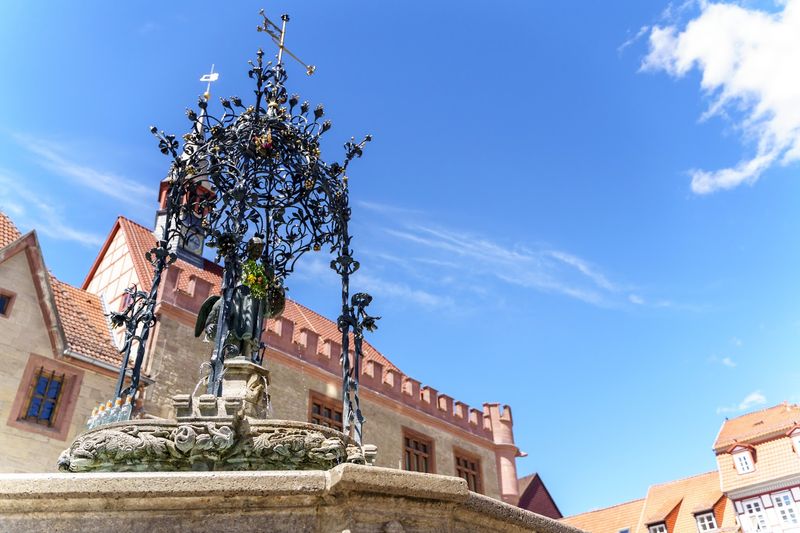
The fountain is open around the clock every day of the week, so there is no wrong time to visit in terms of access. That said, the experience changes considerably depending on when you show up.
Weekday mornings tend to be calm, which is ideal if you want a clear view of the statue without navigating around large groups. Afternoons in good weather bring more foot traffic, more outdoor seating activity, and a better chance of stumbling onto a graduation celebration.
Weekends attract more tourists and local families enjoying the square.
Bringing cash is a practical tip worth taking seriously, since many of the nearby cafes and market stalls operate on a cash-only basis. The nearest parking areas are a short walk from the Marktplatz, and the square itself is pedestrian-friendly.
A comfortable pair of shoes and a bit of extra time to sit and soak in the atmosphere will serve you well here.
Göttingen’s Fairy Tale Connection
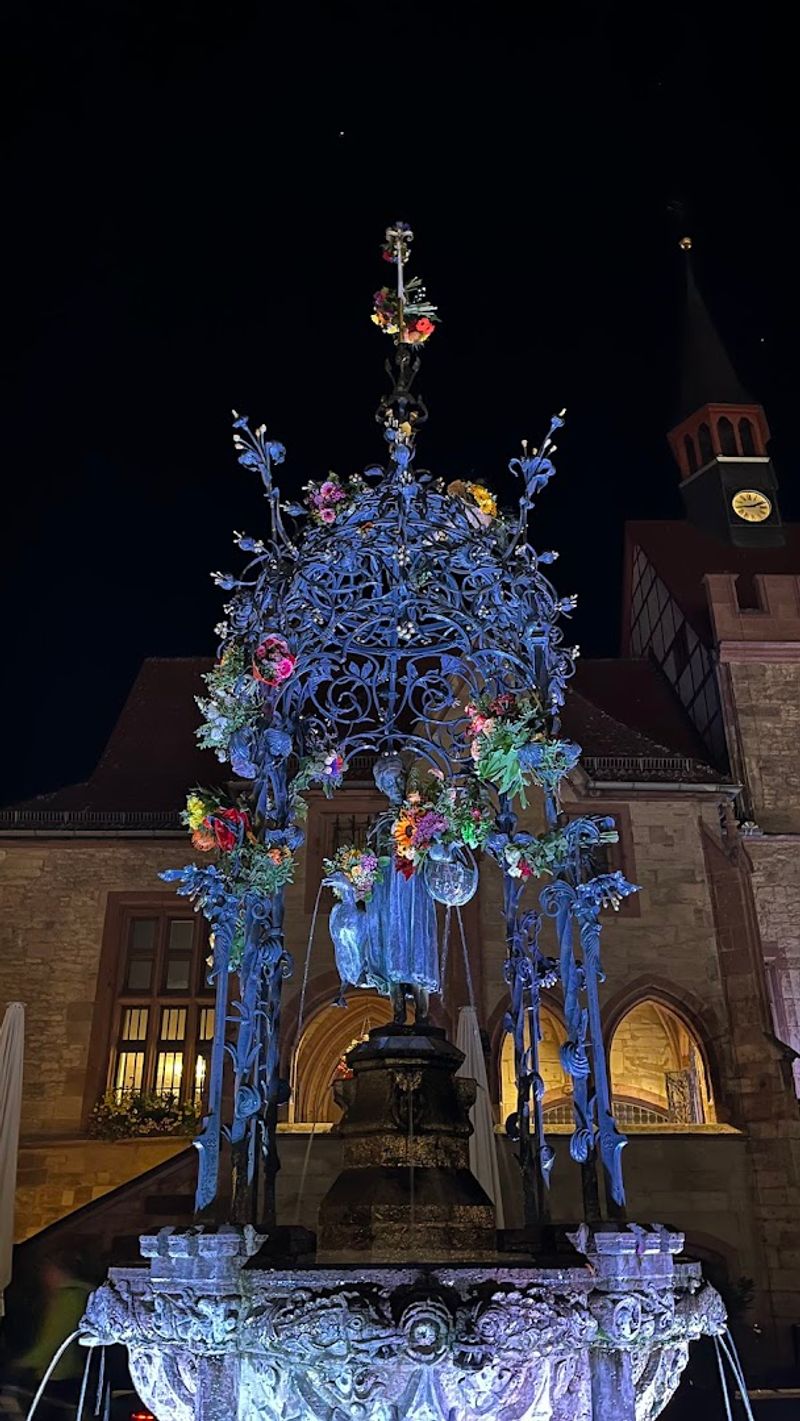
The Brothers Grimm fairy tale called “The Goose Girl” tells the story of a princess who loses her identity and is made to tend geese until the truth is finally revealed. It is a story about perseverance, patience, and the eventual recognition of true worth, which makes it a surprisingly fitting symbol for the long road of doctoral study.
Göttingen sits in a region of Germany deeply connected to the Brothers Grimm legacy. The Grimm brothers spent years in this part of central Germany, and their influence on local culture is still visible in place names, festivals, and storytelling traditions throughout the area.
Choosing the Goose Girl as the subject of the city’s most famous fountain was not accidental. She carries the weight of a familiar story while also standing for something very local and very specific to the university town identity that Göttingen has cultivated for centuries.



