 Unearth The Voyage
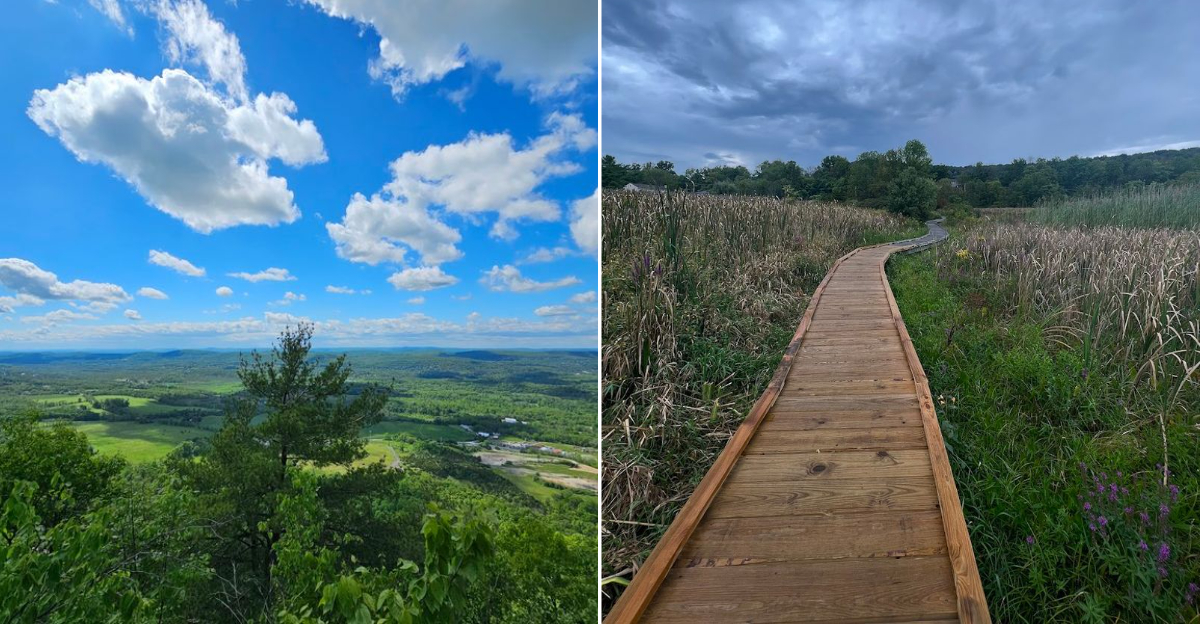
Northwestern New Jersey has a hike with a name so dramatic it almost sounds like a dare, and the route absolutely earns it. In Vernon Township, this trail packs boardwalks, open stretches, a serious uphill push, and a summit view that keeps showing up on short lists of the state’s best outdoor rewards.
It is not a lazy afternoon stroll, but it also is not some secret test designed only for elite hikers with superhero calves. Keep reading for the practical details that matter most, from where the trail begins and how the climb unfolds to parking, timing, trail markings, and the small choices that can make this famous outing feel a lot smoother.
The trailhead details
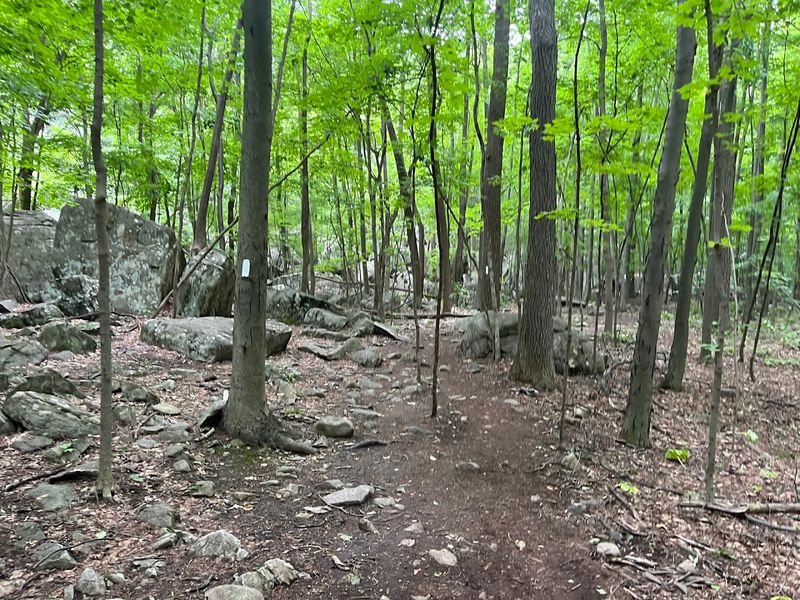
Here is the key starting point: Stairway To Heaven, 443 Vernon Warwick Rd, Vernon Township, NJ 07462, United States. This hiking area in Sussex County is open 24 hours, and it serves as one of the best known access points to a memorable section of the Appalachian Trail in New Jersey.
The name gets attention, but the setting is practical from the start. Hikers arrive to a clearly recognized trailhead near farms, local roads, and a route that quickly shows its split personality, with one direction staying comparatively level and the other heading into a much more demanding climb.
That mix is part of the appeal. A visit here can be shaped into a shorter outing focused on the overlook, or stretched into a longer day that includes the boardwalk section and more miles on the Appalachian Trail, which is how this place turns one simple hike into several different adventures.
A route with two moods
Not every famous hike offers such a clear choice right away. Near this trailhead, hikers can head toward the flatter boardwalk and meadow sections or tackle the mountain route that gives Stairway To Heaven its reputation for making legs file a formal complaint.
That contrast is one of the smartest things about the destination. The easier terrain lets people enjoy part of the landscape without committing to the steepest section, while the climbing route delivers the workout and the payoff that most visitors came for in the first place.
Because of that setup, the area works well for mixed groups with different goals. Some people keep things casual on the gentler path, while others continue toward the rocky ascent and overlook, and nobody has to pretend those are the same experience, because this trail politely tells the truth from the beginning.
The boardwalk approach
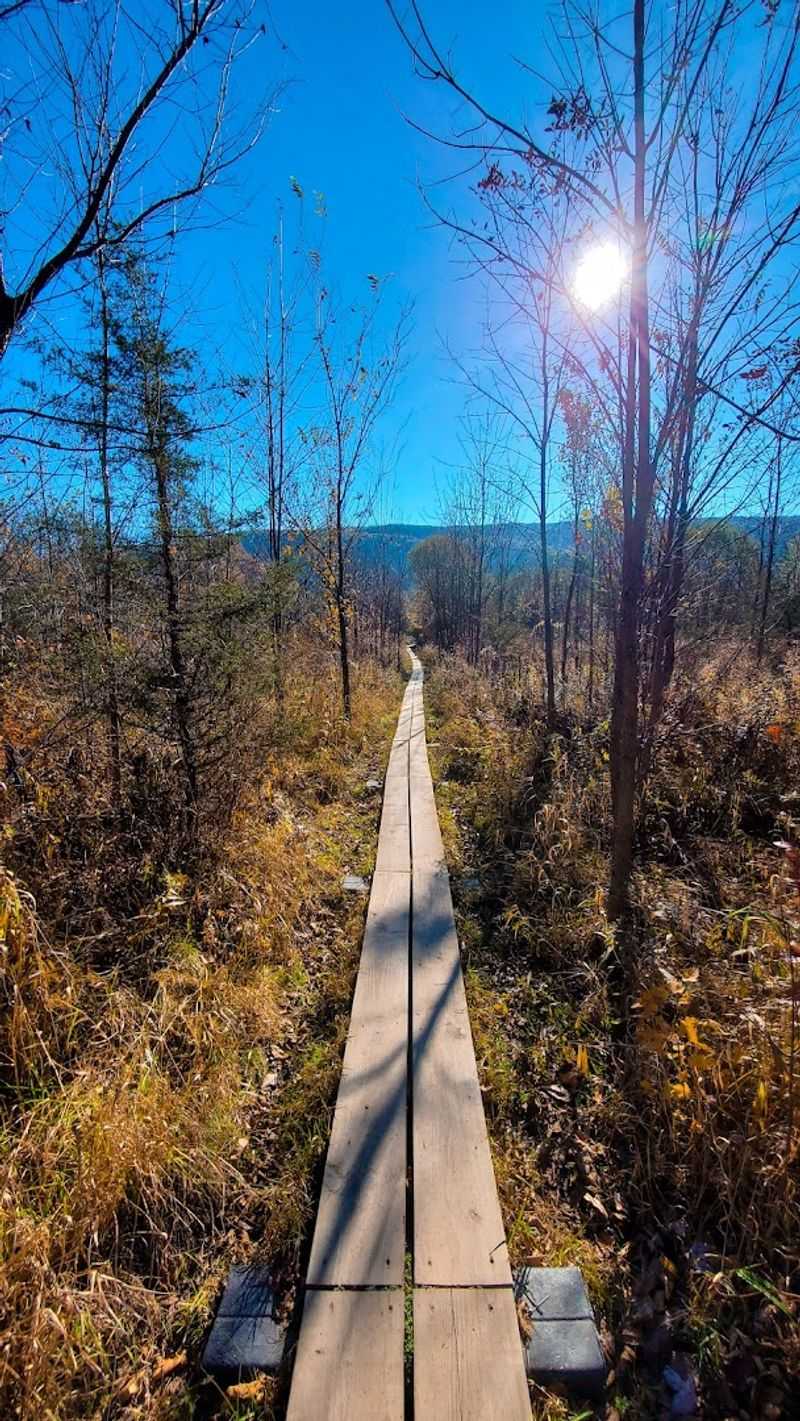
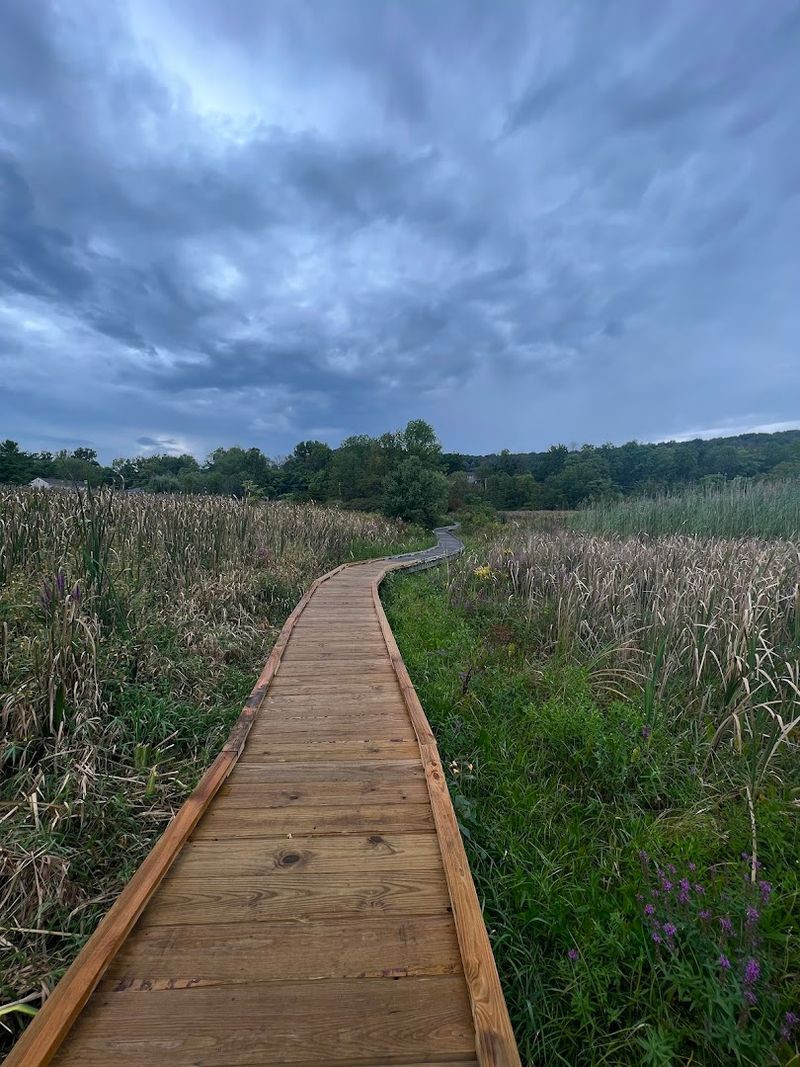
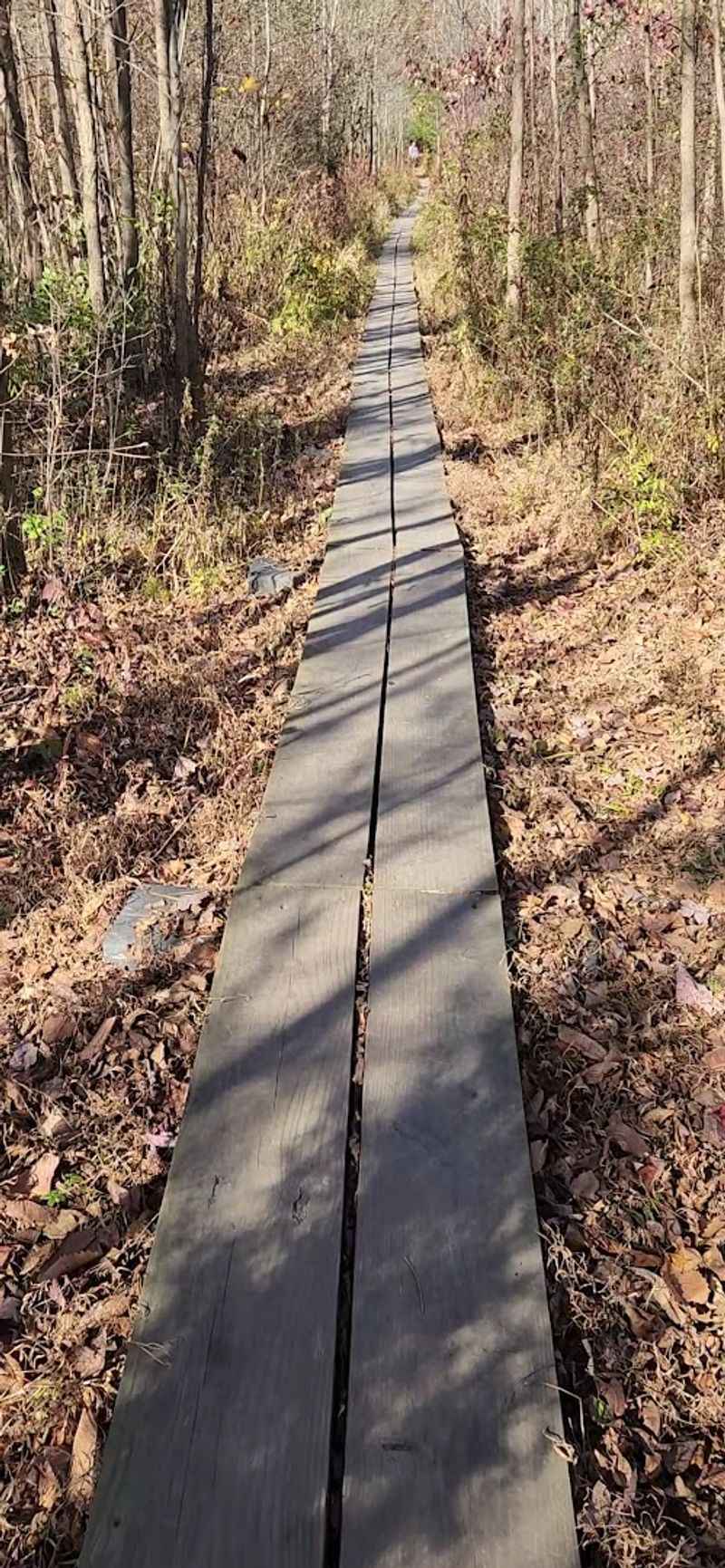
Before the climb starts, the gentler approach gives this destination a different rhythm. Reviews consistently mention flat or mostly flat stretches, including a boardwalk section that helps hikers cover ground comfortably before the route changes character and starts asking for stronger footing and a steadier pace.
This portion matters because it balances the outing. Instead of launching straight into rock and elevation gain, the trail gives people room to settle in, organize their pace, and decide whether the day is about a relaxed walk, a summit push, or a longer route with extra mileage.
That also helps explain why Stairway To Heaven has such wide appeal. A hike can begin with an accessible, straightforward section and then turn more demanding later, which makes the place feel welcoming without pretending the mountain portion is easy, a refreshingly honest move by any trail with this much fame.
Why the climb gets respect
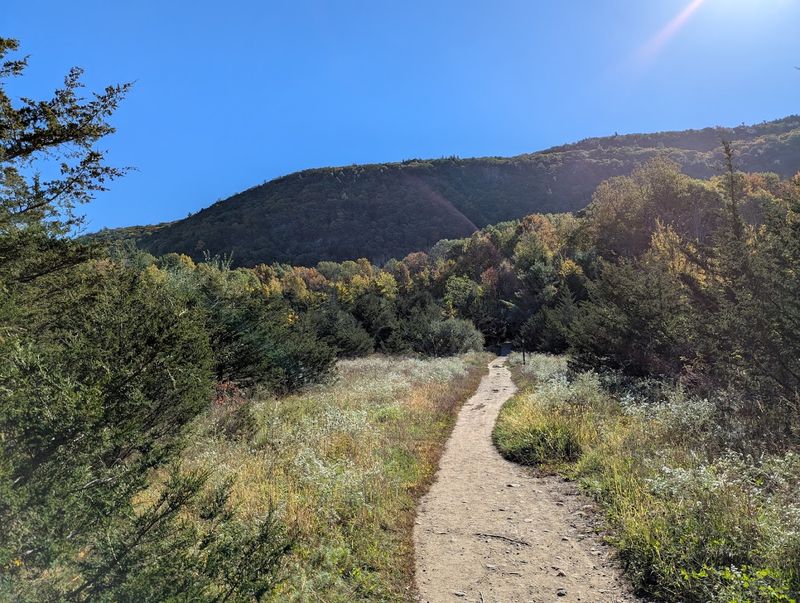
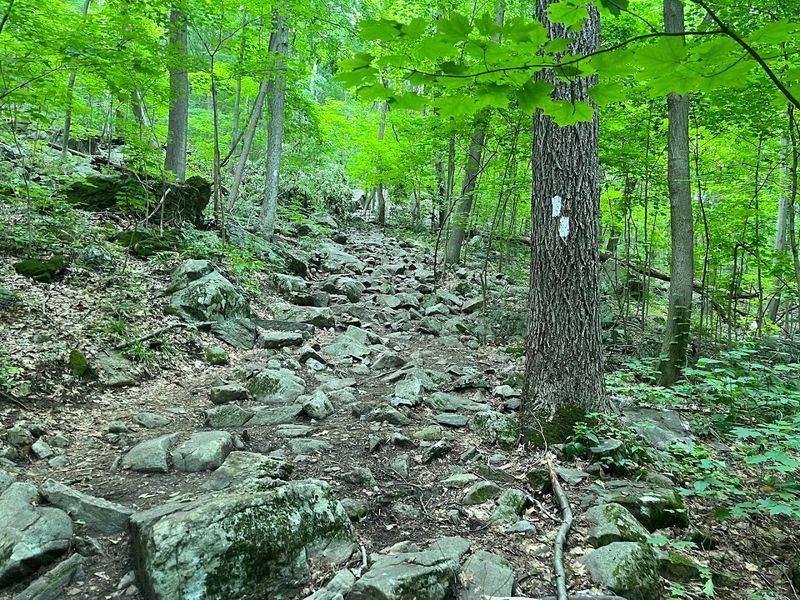
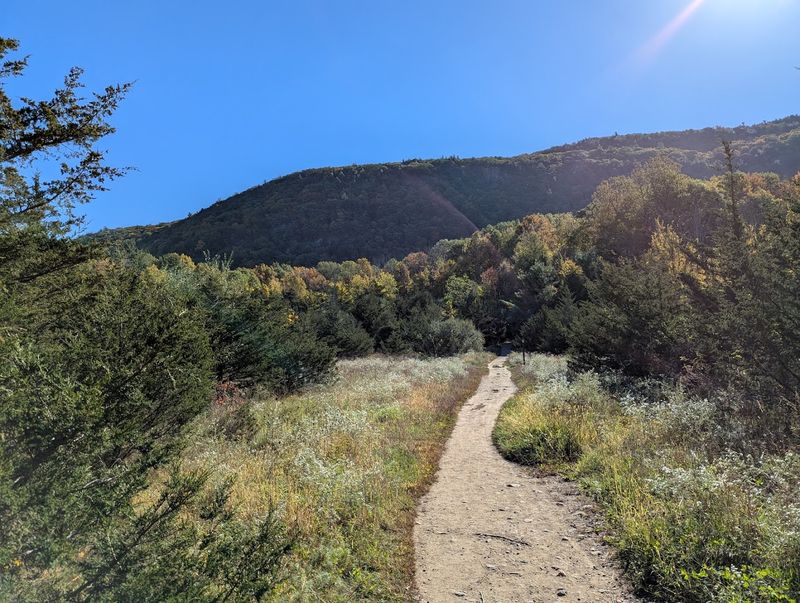
Then the mountain gets serious. Hikers regularly describe the climb as moderate to hard, with rocky footing, steep sections, and a steady upward push that can take roughly an hour to an hour and a half each way depending on pace, conditions, and how often people stop.
The nickname is not decorative. Much of the ascent involves natural rock steps and uneven terrain, so the route demands attention on the way up and even more care on the way down, when tired legs and loose footing can turn confidence into a very bad strategy.
That said, the challenge stays in the realm of achievable for many reasonably prepared hikers. Good footwear, water, patience, and realistic expectations do a lot of heavy lifting here, and the trail tends to reward persistence rather than speed, which is fortunate, because nobody wins a medal for sprinting up a mountain named after stairs.
The overlook payoff
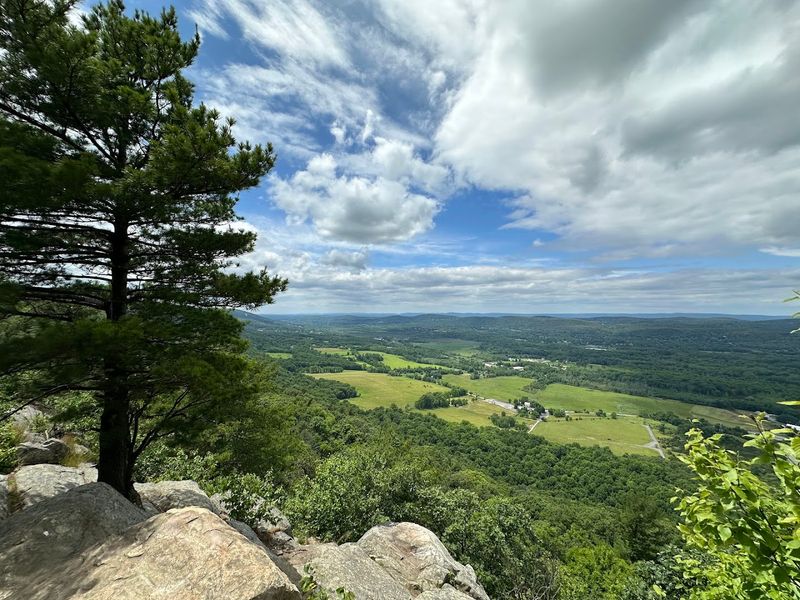
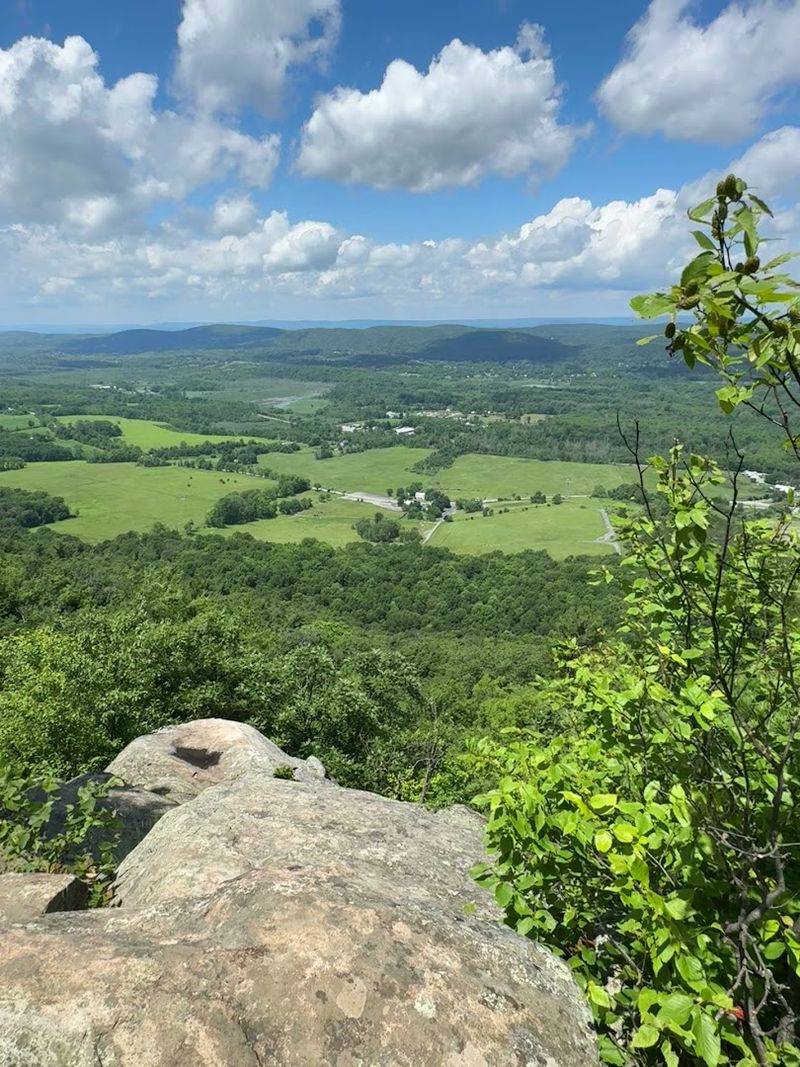
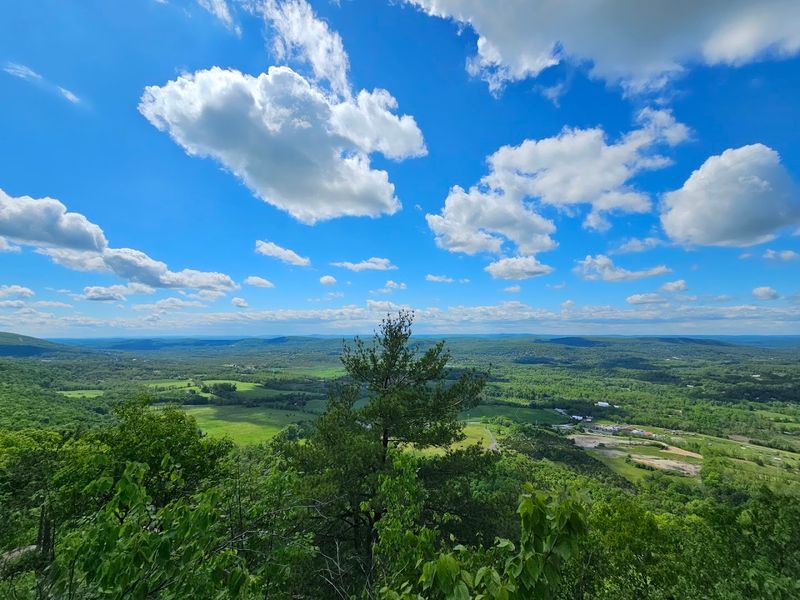
The reason this hike keeps earning repeat visits is simple: the overlook delivers. The route to Pinwheel Vista opens to a broad view over the Vernon area, and that wide perspective is the moment most people have in mind when they commit to the uphill work.
Nothing about that reward is accidental. The climb builds steadily, the final stretch feels earned, and the lookout creates a natural stopping point where hikers can reset before heading back down or continuing farther along the Appalachian Trail if the day still has miles left in it.
Season matters here too, especially in autumn, when the surrounding valley draws extra attention for its changing foliage. Even without seasonal color as the headline act, the viewpoint remains the signature finish for this route, the kind of place that quietly settles the question every hiker asks halfway uphill: was this really worth it, and yes, it usually is.
A link to the Appalachian Trail
Fame aside, this is not just a local walk with a catchy name. Stairway To Heaven connects directly with the Appalachian Trail, and that connection gives the hike a bigger role in New Jersey outdoor culture than a simple overlook trail would have on its own.
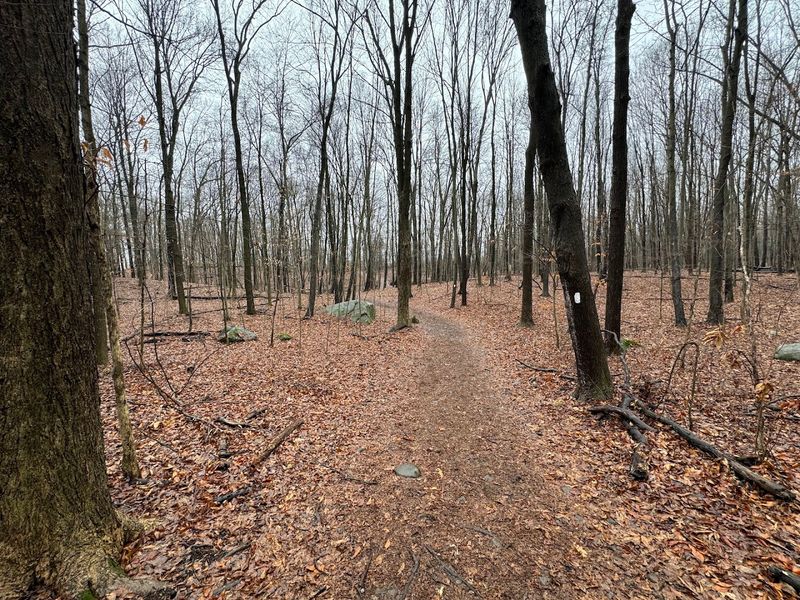
White blazes guide hikers on the main route, and several visitor notes point out that the blue marked spur leads to the viewpoint. That detail is useful because the destination functions both as a standalone climb and as part of a much longer footpath that stretches far beyond Vernon Township.
The Appalachian Trail link also shapes the atmosphere. Hikers may encounter day visitors, dog walkers, and longer distance backpackers using the same corridor, which adds variety without changing the basic appeal of the place: a trail that feels iconic, practical, and just difficult enough to keep people humble while they follow some very famous white paint.
Parking and arrival strategy
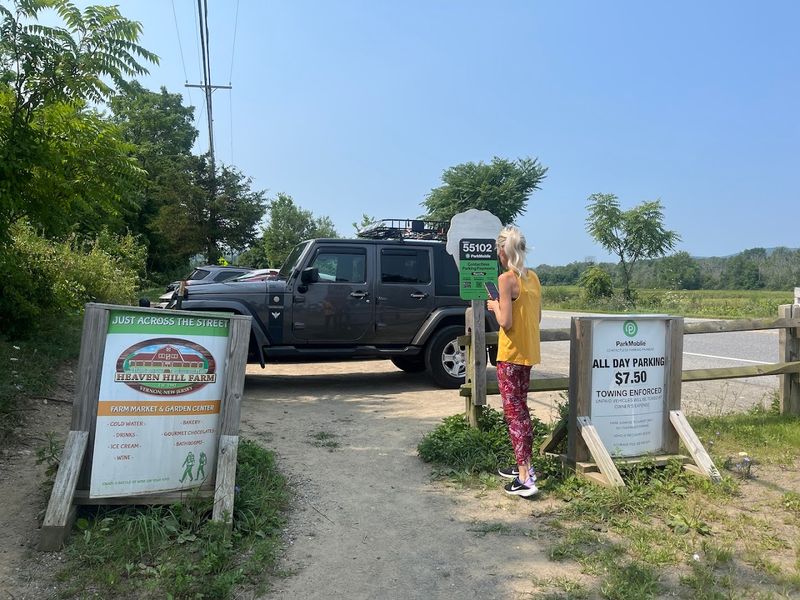
Parking can shape the day before the first step even lands on the trail. Visitors frequently mention limited free spaces near the entrance, additional paid parking nearby, and the importance of arriving early, especially on popular weekends when this hike attracts a steady stream of people.
That advice is not overdramatic. Several reviews describe a small free lot, nearby paid options, and extra roadside or adjacent lot choices, with costs varying by location, so the simplest strategy is to expect parking limits and treat an early start as part of the plan rather than a bonus.
Logistics matter more here because the hike is so well known. A smooth arrival means less circling, less frustration, and more time on the trail, and this is one of those places where beating the crowd is almost as satisfying as reaching the overlook, especially since nobody wants their mountain warmup to be a parking lot negotiation.
When to go
Timing changes the experience more than many first time visitors expect. Fall gets the most attention because the valley view becomes especially striking during foliage season, but the trail remains popular across much of the year thanks to its flexible length, recognizable route, and all day access.
Early starts are often the smartest choice. They improve parking odds, help hikers avoid the heaviest traffic on narrow rocky sections, and leave extra room in the schedule for rest breaks, slower descents, or a longer outing that includes more of the surrounding Appalachian Trail corridor.
Conditions also deserve respect after rain or during periods when rocks and muddy patches can complicate footing. Since the route is open 24 hours, the temptation to stretch the day is real, but most practical planning still points toward daylight, steady weather, and enough time to come down carefully instead of racing a clock that never cares about anyone’s hiking goals.
A dog friendly favorite
Dogs show up often on this trail, and that says something useful about the place. Visitors regularly mention bringing their pets along, especially on the climb and the flatter approach, which suggests the route is popular with people looking for a more energetic outing than the average neighborhood loop.
That does not mean every dog will find it easy. Rocky sections, elevation gain, and longer round trips require owners to judge their pet’s fitness honestly, carry water, and stay alert to trail conditions, wildlife concerns, and the physical demands of a route that can wear out humans just fine on its own.
Handled responsibly, dogs fit naturally into the flow here. They add to the social feel of the trail without changing its basic challenge, and their presence reinforces a simple truth about Stairway To Heaven: this hike may have a dramatic name, but it still works best when everyone, two legged or four, shows up prepared and behaves like a decent trail citizen.
Wildlife and awareness

Outdoor appeal here comes with a practical side, and wildlife awareness belongs on the checklist. Visitor accounts mention black bears and snakes in the area, including the possibility of copperheads, which is a reminder to stay on trail, pay attention near rocky and brushy sections, and avoid careless detours.
This is not a reason to skip the hike. It is simply part of treating the route like a real outdoor environment rather than an amusement attraction with prettier views and fewer guardrails, especially in a place where people sometimes focus so much on the overlook that they forget the trail itself deserves respect.
Good habits go a long way. Keep pets close, watch footing, avoid reaching where visibility is poor, and give wildlife space if encountered, then continue with common sense rather than drama, because the best version of this hike is the one where the only thing people bring home is a tired set of legs and a strong opinion about their boots.
Trail markings that matter
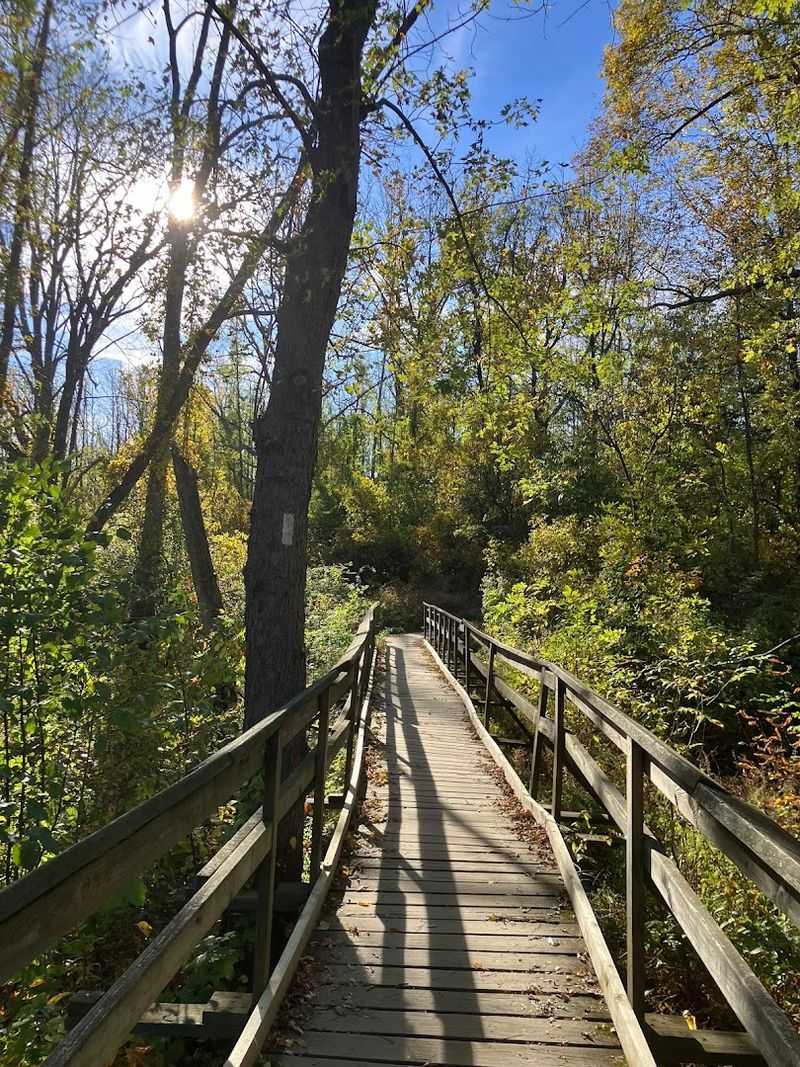
Navigation here is generally straightforward, but small details matter. Hikers often note that the main route follows white Appalachian Trail blazes, while the spur to the overlook uses blue markers, and knowing that in advance can save time, second guessing, and a little unnecessary trail side debate.
The trail is known for being fairly well marked, which helps on a route that includes varied terrain and a climb where attention is often pulled toward footing. On a busy day, other hikers make the way feel even clearer, though relying on crowds alone is never the smartest plan in any outdoor setting.
That simple marker system supports the hike’s broad appeal. Beginners get a route that feels manageable to follow, experienced hikers appreciate the efficiency, and everyone benefits from the reminder that not all heroic journeys require mystical clues, because sometimes a famous mountain path just asks people to watch for white paint, turn at the blue, and keep moving.
Who this hike suits best
Despite the grand title, this hike works best for people with realistic expectations rather than dramatic ambitions. Reviews place it in the moderate range, sometimes edging harder because of the rocks and steady incline, so it suits hikers who want a challenge without turning the day into an expedition.
That makes it a strong pick for active adults, prepared teens, experienced families, and casual hikers ready to step up a level. The flatter opening sections give less intense options, but the climb itself is better approached as a genuine workout, not a quick detour done on a whim between errands.
Visitors who enjoy a tangible reward for effort will likely understand the trail’s popularity almost immediately. It offers enough difficulty to feel memorable, enough access to remain approachable, and enough variety to keep the route interesting, which is a very efficient combination for a place that manages to welcome first timers while quietly reminding them that mountains do not hand out free shortcuts.
Why it stays so popular
Popularity at Stairway To Heaven is not a mystery. The route combines a famous name, a credible challenge, broad views, Appalachian Trail prestige, and a trailhead that is straightforward enough for day trippers, which is basically the recipe for a hike that keeps landing on must do lists.
Just as important, the experience feels earned without becoming inaccessible. Visitors get a real climb, not a staged shortcut to a lookout, yet the outing remains short enough for a day hike and flexible enough to be tailored into different lengths depending on energy, weather, and how ambitious the group feels.
That balance is hard to beat. Some trails are easy but forgettable, others are impressive but difficult to plan, and this one sits neatly in the middle with enough challenge to feel substantial and enough structure to stay welcoming, which may be the most New Jersey thing about it: efficient, direct, and not especially interested in pretending the uphill part will handle itself.
A fitting finish
By the end of the return trip, Stairway To Heaven has usually made its point. This Vernon Township hike offers more than a dramatic title, combining a useful boardwalk approach, a demanding rocky ascent, reliable trail markings, and a viewpoint that gives the whole outing a clear purpose.
It also succeeds because it feels honest. The route does not pretend to be effortless, visitors consistently confirm the need for good footwear and patience, and the trail rewards preparation in practical ways that make the day feel smoother from parking lot to overlook and back again.
For hikers looking for one New Jersey adventure that captures challenge, scenery, and bragging rights without requiring a full expedition plan, this place makes a very strong case. The climb asks for work, the summit answers with perspective, and the descent leaves many people with the same thought: those stairs were rude, but the mountain knew exactly what it was doing.



