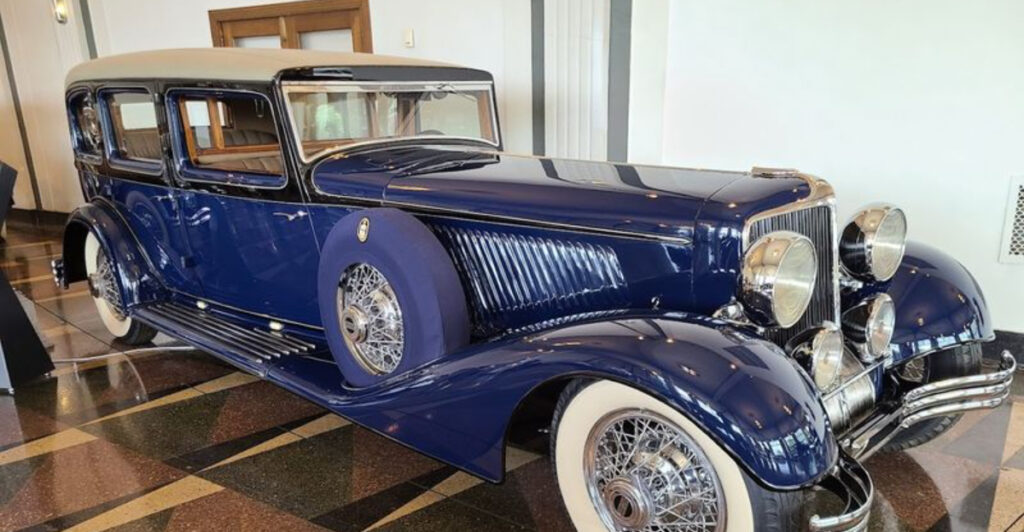
Tucked away in a small Indiana city, there is a museum that stops car lovers dead in their tracks and keeps everyone else rooted to the spot long after they planned to leave. Over 120 classic automobiles are packed across multiple floors of a stunning Art Deco building that once served as the actual headquarters and showroom for one of America’s most celebrated automakers.
The cars here are not replicas or rough restorations. Many are the real deal, representing a golden era of American engineering that most people only read about in history books.
From sleek Cord models to jaw-dropping Duesenbergs, this place tells a story that is equal parts business drama, design brilliance, and pure American ambition. Auburn, Indiana may be a quiet town, but this museum gives it a very loud and very impressive reputation.
The Art Deco Building That Steals the Show
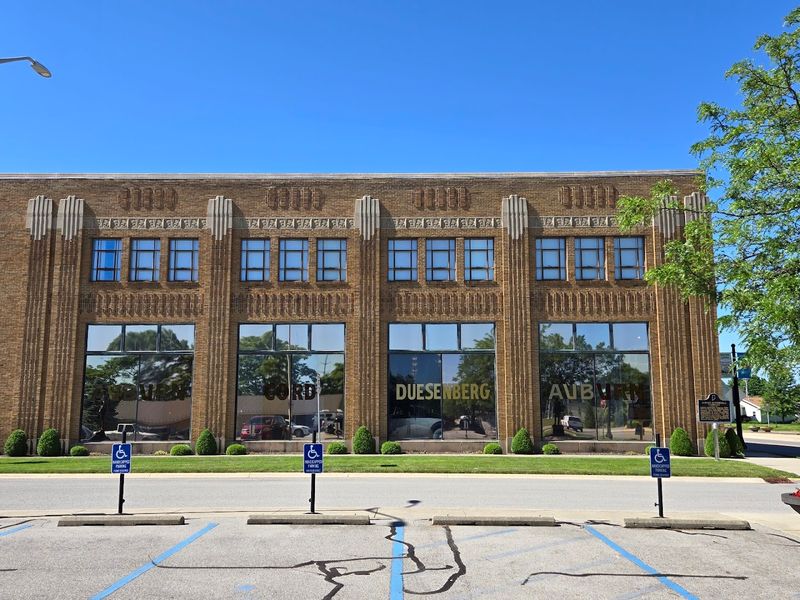
Before a single car catches your eye, the building itself demands attention. The Art Deco architecture here is not a reconstruction or a tribute.
This is the original structure, preserved and restored to reflect exactly how it looked during the height of the Auburn Automobile Company’s glory days in the late 1920s and early 1930s.
Art Deco design is known for bold geometric shapes, polished surfaces, and a certain confidence that everything it touches should look important. This building delivers on all of that.
The original showroom floor on the ground level still carries the kind of presence that makes it easy to understand why buyers would have been impressed the moment they walked through the door.
The building itself has been recognized on the National Register of Historic Places, which means it is not just a backdrop for the cars. It is a landmark in its own right, worth the trip on its own terms.
The Story Behind the Auburn Automobile Company
The Auburn Automobile Company started in Auburn, Indiana in 1900, making it one of the earlier entries into what was then a very new industry. For years, the company struggled to find its footing and went through several ownership changes before Errett Lobban Cord took control in the mid-1920s and transformed it into something remarkable.
Under Cord’s direction, Auburn became known for producing stylish, high-performance cars at prices that undercut many of its competitors. That combination of affordability and elegance was unusual for the era and gave the brand a loyal following.
The company also controlled the Cord and Duesenberg brands, creating a trio of names that represented different price points and purposes but shared a commitment to bold design. The whole operation collapsed by 1937, a casualty of the Great Depression and shifting market conditions.
The museum preserves that full arc of ambition, innovation, and eventual closure with remarkable detail and care.
More Than 120 Cars Under One Roof
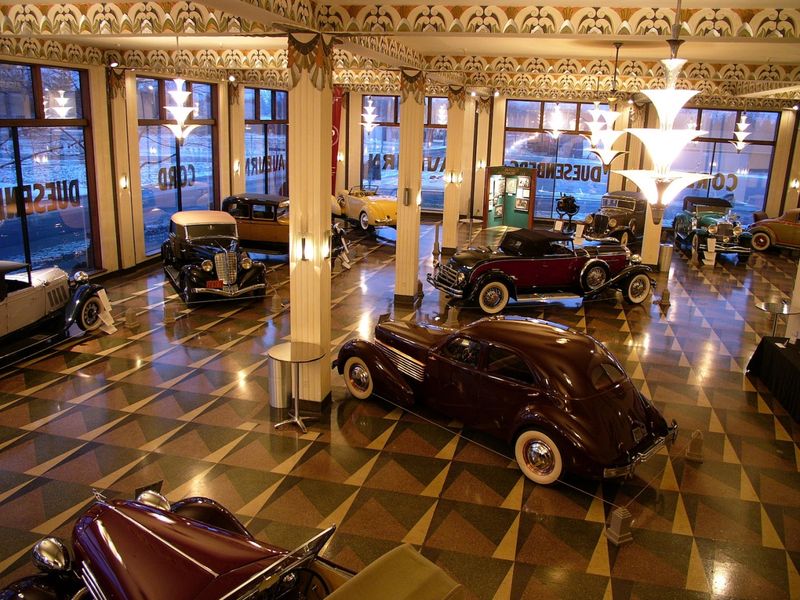
The sheer number of cars in this museum is one of the first things that catches people off guard. Over 120 vehicles are spread across multiple floors, and the collection keeps growing as new acquisitions are added.
The variety within that number is just as impressive as the total count.
Auburn models from different production years sit alongside Cord automobiles and the larger, more imposing Duesenberg machines. Beyond the core trio of brands, the museum also features other classic and rare vehicles that add context to the broader story of American automotive history.
What makes the collection especially meaningful is that many of these cars are originals, not showroom-quality restorations built from scratch. Getting this close to vehicles that are nearly a century old, with their original components intact, is an experience that photographs simply cannot replicate.
The museum floor feels less like an exhibit and more like a time capsule that someone left unlocked.
The Cord: A Car That Broke the Mold
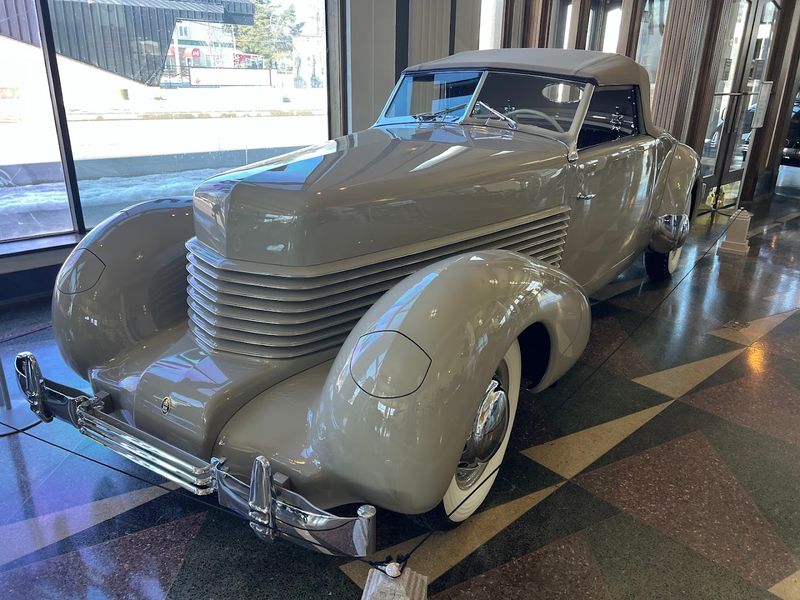
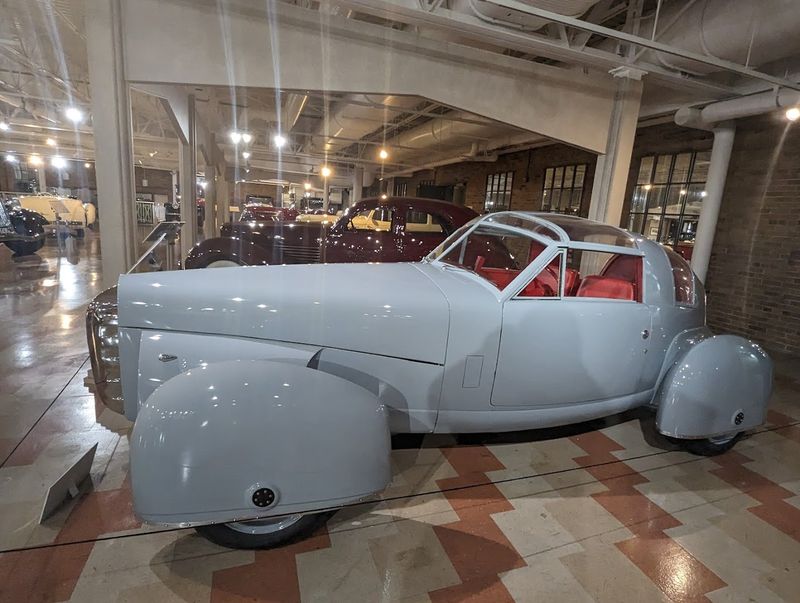
Of all the vehicles in the collection, the Cord models tend to draw the longest stares. The Cord 810 and 812, produced in 1936 and 1937, were unlike anything else on American roads at the time.
The front-wheel-drive layout, retractable headlights, and the distinctive coffin-nose hood made these cars look like they had arrived from a decade further in the future.
The design was the work of Gordon Buehrig, and it earned the Cord 810 a permanent place in the Museum of Modern Art’s design collection. That kind of recognition tells you everything about how far ahead of its time this car was.
At the Auburn Cord Duesenberg Museum, these models are displayed with enough space around them to appreciate every angle. The flowing body lines and the unusual proportions are easier to process in person than in any photo.
These cars were not just transportation. They were statements.
The Duesenberg: America’s Answer to European Luxury
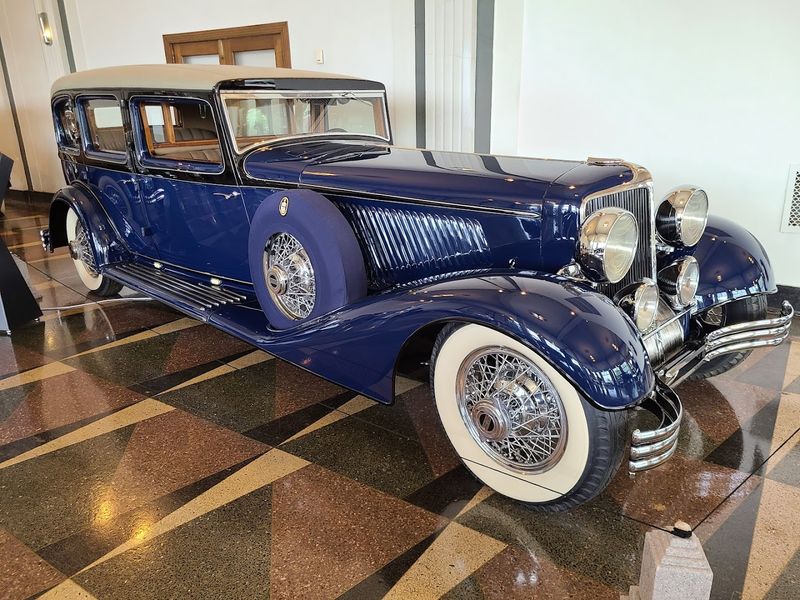
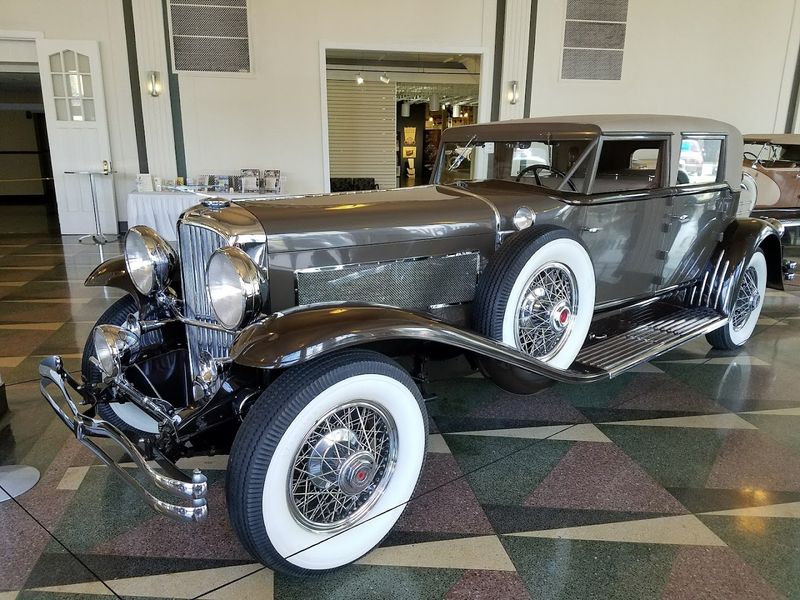
The Duesenberg name carries a weight that is hard to overstate. During the late 1920s and early 1930s, the Duesenberg Model J was widely considered the finest automobile built anywhere in the world.
Its supercharged engine, custom coachwork, and astronomical price tag placed it in a category that even Rolls-Royce had to acknowledge.
Customers who ordered a Duesenberg did not pick from a standard catalog. They worked with coachbuilders to create one-of-a-kind bodies fitted to the chassis, which means that almost every Model J in existence is technically unique.
The museum holds examples that showcase this diversity, with different body styles representing the full range of what was possible.
Fred and August Duesenberg were engineers first, and that mechanical precision runs through every car that bears their name. Seeing a Model J in person makes it clear why the phrase “it’s a Duesy” entered the American language as shorthand for anything truly exceptional.
The Gallery of Excellence on the Third Floor
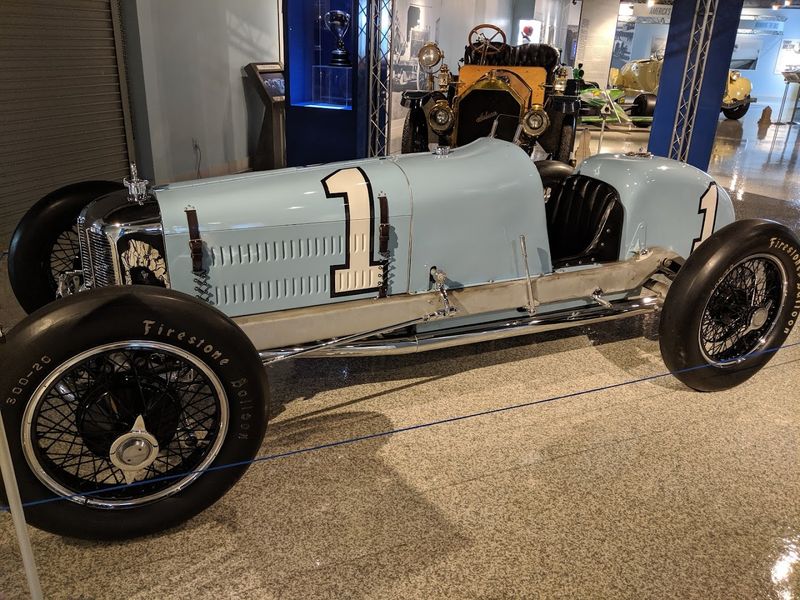
The third floor of the museum houses what is known as the Gallery of Excellence, a rotating collection of rare and unusual vehicles that expands the story beyond the Auburn, Cord, and Duesenberg brands. This section focuses on cars that were built in Indiana, a state with a much richer automotive manufacturing history than most people realize.
Indiana was once home to dozens of automobile manufacturers, many of which have been largely forgotten by mainstream history. The Gallery of Excellence brings some of those forgotten names back into focus with well-preserved examples and detailed historical context.
The rotating nature of the gallery means that repeat visitors are likely to find something different from their last trip. That element of change keeps the museum feeling current even though its subject matter is firmly rooted in the past.
For anyone who thought they already knew everything about early American car-making, this floor tends to deliver a few surprises worth lingering over.
Airplanes and a Boat Join the Collection
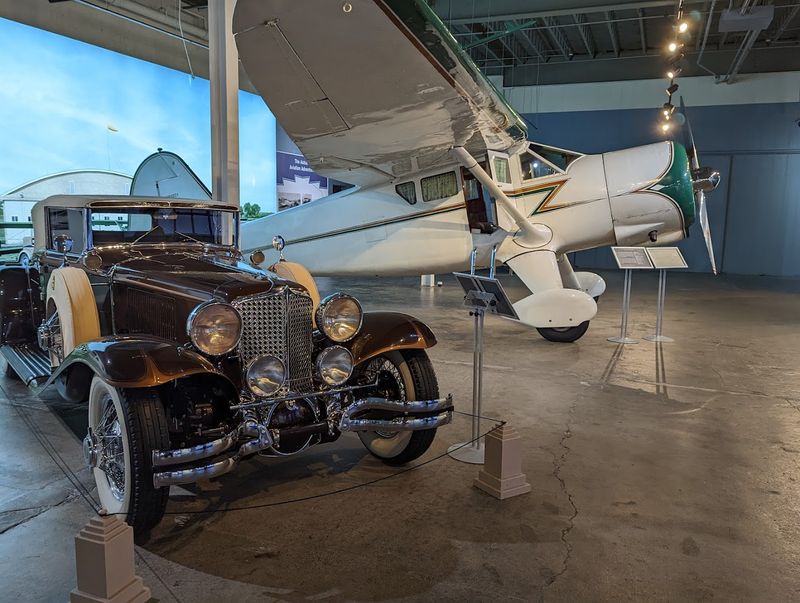
Cars are the main event, but the museum has expanded its collection in ways that catch first-time visitors completely off guard. Two full-size airplanes and a large boat are now part of the display, adding a transportation dimension that goes well beyond four wheels and a road.
The addition of these pieces reflects the broader ambition of the museum to tell the story of American engineering and design across multiple modes of travel, not just the automobile. These are not small decorative props tucked into corners.
They are substantial vehicles that hold their own among the cars surrounding them.
For families with younger visitors, the planes and the boat add an extra layer of discovery to the tour. Kids who might not yet have strong opinions about a 1930 Duesenberg tend to have very clear feelings about airplanes.
The result is a museum that works well across a wider age range than a pure automobile collection might otherwise attract.
The National Auto and Truck Museum Next Door

Right behind the main museum sits the National Auto and Truck Museum, a separate institution housed in the original Auburn Automobile Company factory building. The two museums are distinct operations, but their proximity makes visiting both on the same day a natural choice that most people who make the trip end up doing.
The National Auto and Truck Museum leans toward muscle cars, trucks, and a broader cross-section of American automotive history, including International vehicles and other commercial models that rarely get dedicated museum space. Together, the two collections cover an enormous range of what American manufacturers produced across more than a century of output.
Budget a full day if both museums are on the agenda. Three to six hours is a realistic range depending on how closely each display gets examined.
The factory building that houses the second museum is itself a piece of history, adding another layer of architectural interest to what is already a destination-worthy stop in northeastern Indiana.
Accessibility and Family-Friendly Features
The museum is fully handicap accessible, which is not always a given in historic buildings that predate modern accessibility standards. The fact that the original structure has been adapted to accommodate wheelchairs and mobility aids without sacrificing its architectural character is a meaningful achievement.
Families with young children will find the museum more manageable than many comparable institutions. The layout is open enough that kids can move through the space without feeling crowded, and the variety of vehicles, including the planes and the boat, gives younger guests plenty of focal points beyond the cars themselves.
Children have been allowed to sit inside certain classic cars during special events, which tends to be the kind of hands-on moment that turns a museum visit into a lasting memory. The museum also accepts EBT cards for free admission, a policy that reflects a genuine commitment to making the collection accessible to everyone, not just those with disposable income for leisure activities.
The Gift Shop and Nonprofit Mission
Near the end of the museum tour, the gift shop offers a well-stocked selection of automotive memorabilia, books, scale model cars, branded merchandise, and other items tied to the Auburn, Cord, and Duesenberg legacy. It is the kind of shop where it is genuinely easy to spend more time than planned.
What makes the gift shop more meaningful than a typical souvenir stop is where the money goes. The museum operates as a nonprofit institution, and proceeds from the shop contribute directly to the maintenance and preservation of the collection.
Every purchase is effectively a small act of support for keeping these cars in the condition they deserve.
Nonprofit status also shapes how the museum approaches its broader mission. The focus is on education, preservation, and public access rather than profit, and that orientation shows up in the quality of the interpretive displays, the depth of the historical information provided, and the overall care taken with every exhibit throughout the building.
A Destination Worth Planning Around
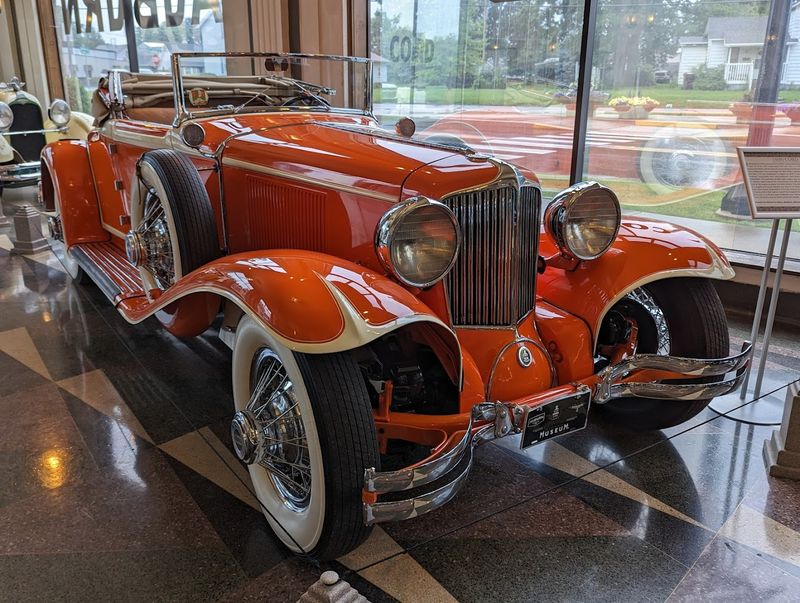
Auburn is not a major metropolitan destination, but the museum gives it a pull that draws visitors from well outside the region. People who have put this museum on their bucket list for years and finally make the trip consistently report that the reality exceeded what they had built up in their minds, which is a rare outcome for any long-anticipated experience.
The town of Auburn itself is worth a little extra time. Its small-city character and the surrounding DeKalb County landscape offer a quieter pace that contrasts nicely with the high-octane history packed inside the museum walls.
Combining the two museums into a full-day itinerary is the most efficient approach for out-of-town visitors.
For anyone within a few hours of northeastern Indiana, the Auburn Cord Duesenberg Automobile Museum is the kind of place that earns a firm spot on the calendar rather than a vague someday promise. The collection, the building, and the story behind it all are too good to keep postponing.
Why This Museum Stands Apart From the Rest
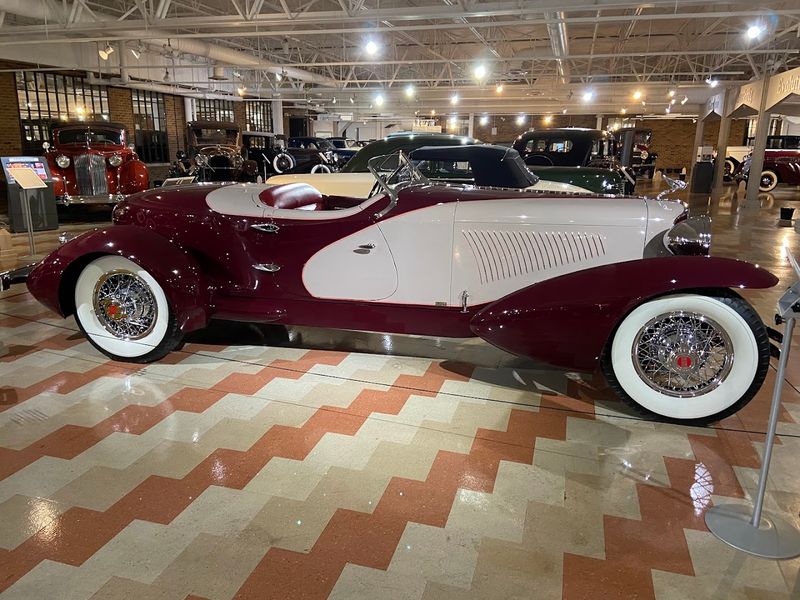
A lot of car museums exist across the United States, but very few can claim the combination of factors that make this one genuinely special. The original building, the depth of the collection, the historical focus on a specific and fascinating chapter of American manufacturing, and the quality of the preservation all work together in a way that is hard to find elsewhere.
The museum consistently earns some of the highest marks of any attraction in Indiana, and the enthusiasm behind those responses reflects something real rather than polished marketing. The cars here are not just old vehicles behind ropes.
They are physical evidence of a period when American designers and engineers were producing work that rivaled anything being made anywhere in the world.
Whether the draw is history, design, engineering, architecture, or simply a great day out in an unexpected location, the Auburn Cord Duesenberg Automobile Museum delivers on every front. Auburn, Indiana turns out to be exactly the right place for a collection this good.
Where the Museum Calls Home

The Auburn Cord Duesenberg Automobile Museum sits at 1600 Wayne St, Auburn, IN 46706, right in the heart of DeKalb County in northeastern Indiana. The address itself is not just a location on a map.
It is the original site where the Auburn Automobile Company operated its headquarters and showroom during the 1920s and 1930s.
Auburn is a small city, but this museum has put it firmly on the national radar for history buffs and classic car fans alike. The drive into town feels ordinary right up until the moment the building comes into view and everything changes.
The museum is open every day of the week from 9 AM to 5 PM, making it easy to plan a visit no matter what day works best. That kind of consistent schedule is a small but welcome detail that shows how seriously the museum takes public access.
Share this story