There is a small town in New Jersey that helped hold America together, quite literally. The steel wire cables that support the Brooklyn Bridge, the George Washington Bridge, and the Golden Gate Bridge all trace back to one remarkable company and one visionary family.
Most people drive past without a second thought, but those who stop discover a museum that tells one of the most important industrial stories this country has ever produced. Tucked into a former factory gatehouse along the Delaware River, this destination in Burlington County packs an extraordinary amount of history into a compact but carefully curated space.
The exhibits connect engineering breakthroughs, worker culture, and American ambition in a way that feels genuinely alive. Whether you are a history enthusiast, an engineering fan, or simply someone who appreciates a well-told story, this place will leave a lasting mark on how you think about the bridges you cross every day.
Where History Lives: The Museum’s Address and Setting
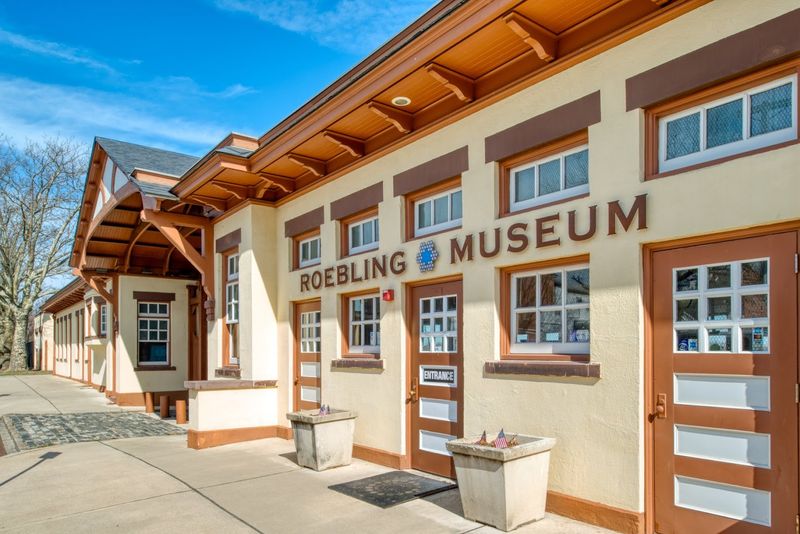
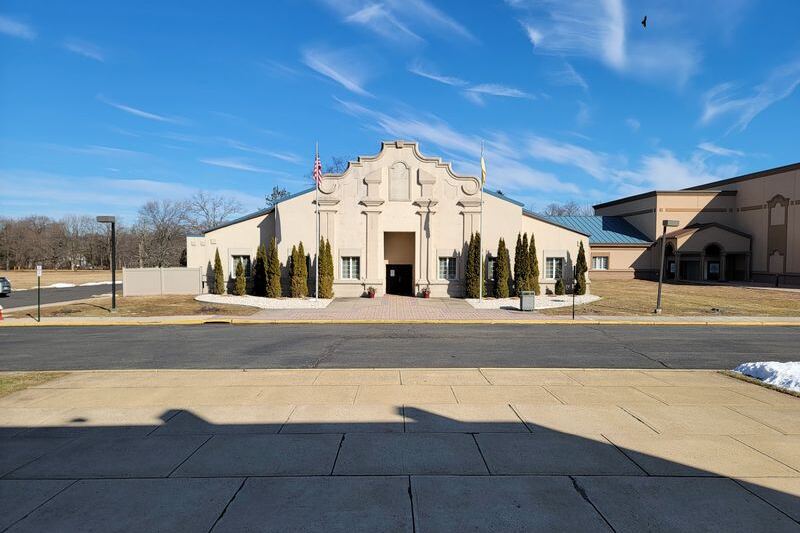
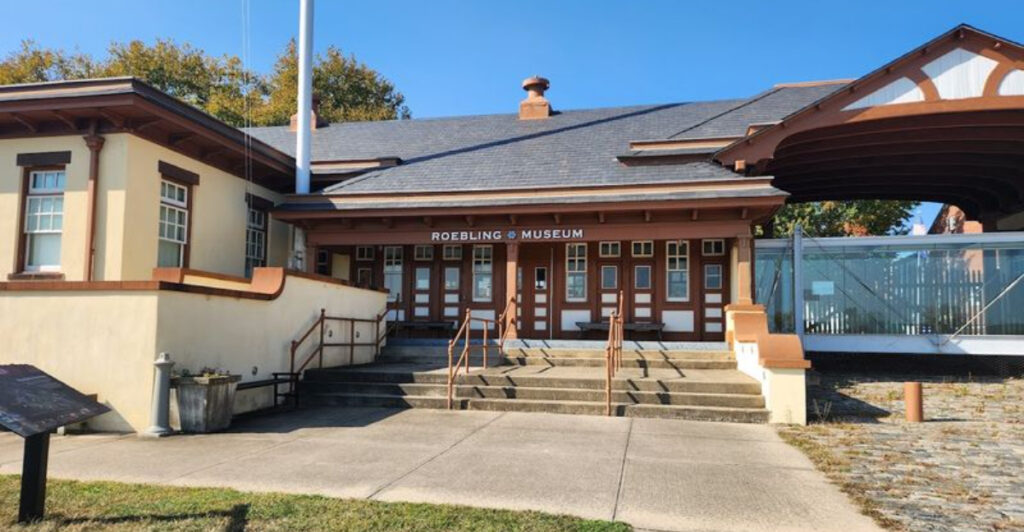
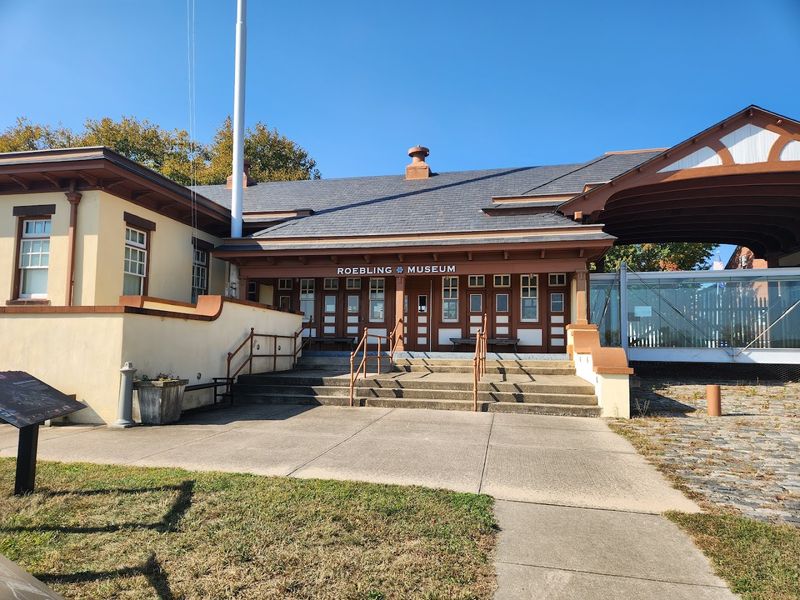
At 100 2nd Ave in Roebling, New Jersey 08554, the Roebling Museum occupies the former gatehouse of what was once one of the most productive wire rope manufacturing plants in American history.
The building itself carries the weight of that legacy in its brick walls and sturdy construction, which reflect the same no-nonsense durability that defined everything the Roebling company produced.
Burlington County, New Jersey, is not typically the first stop on a history lover’s itinerary, but that might be exactly why this place feels like such a discovery.
The museum sits within a walkable historic district, and the surrounding streets of company-built worker housing add an extra layer of context before you even walk through the front door.
The River Line light rail stops directly across the street, making it accessible without a car. The museum is open Thursday through Saturday from 11 AM to 4 PM.
The Family Behind the Wire: Who Were the Roeblings?
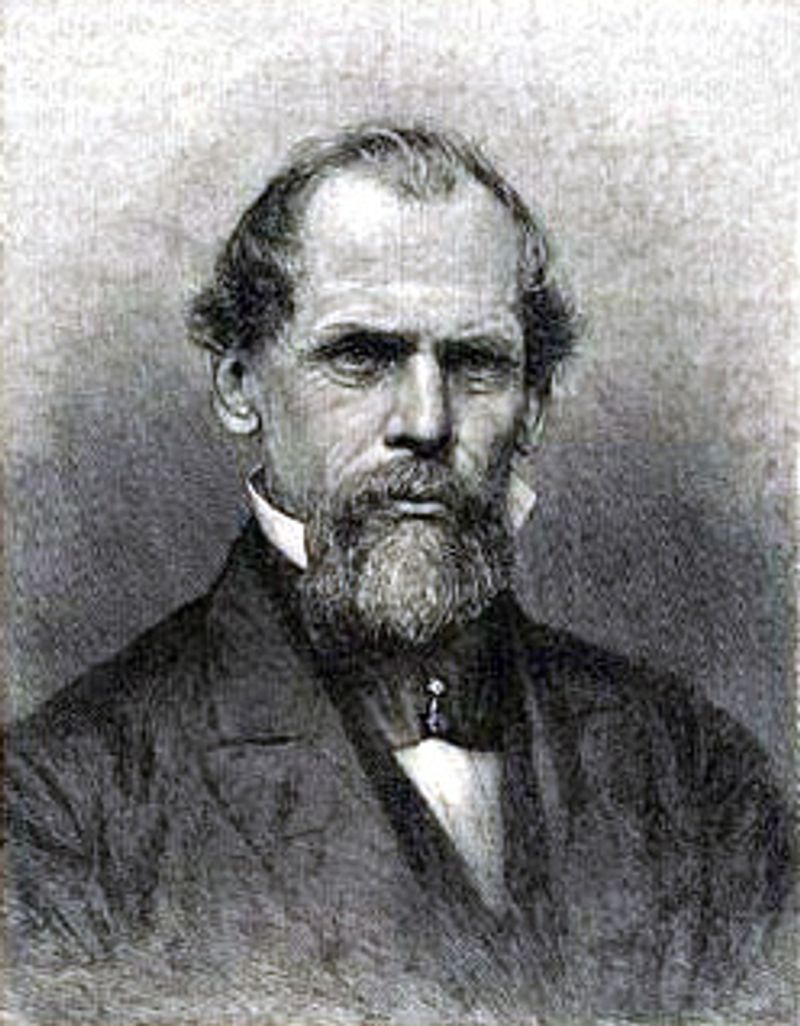
The Roebling story begins with Johann August Roebling, a German-born engineer who emigrated to the United States in 1831 and quickly developed a revolutionary idea: twisted wire rope as a stronger, safer alternative to hemp rope for industrial use.
His innovation changed construction forever. Before long, wire rope was being used in suspension bridges, mines, and railways across the country.
When Johann passed, his son Washington Roebling took over the family business and oversaw the completion of the Brooklyn Bridge, even after an accident left him unable to visit the construction site.
Washington’s wife, Emily Warren Roebling, stepped in as the primary communicator between her husband and the construction crews, making her one of the most quietly influential figures in American engineering history.
The museum presents all three generations with clarity and respect, giving each member of the family the recognition they earned through decades of remarkable work.
The Introductory Film That Sets the Stage
Every visit to the Roebling Museum begins with an 18-minute documentary film that lays out the full arc of the Roebling family’s story, from Johann’s early wire rope experiments to the construction of iconic American bridges.
The film does something that dry exhibit panels often cannot: it brings the human element forward. Workers, engineers, and community members all figure into the narrative, making it clear that this was never just a corporate success story.
Some have noted that the pacing could move a bit faster, but the content more than compensates for any slow stretches.
By the time the credits roll, most visitors feel oriented enough to appreciate the exhibits that follow with a sharper eye and a fuller understanding of what they are looking at.
The film serves as a strong foundation for the rest of the experience, and skipping it would mean missing the connective tissue that holds the entire museum together.
Inside the Exhibits: A Story Told in Steel and Sweat
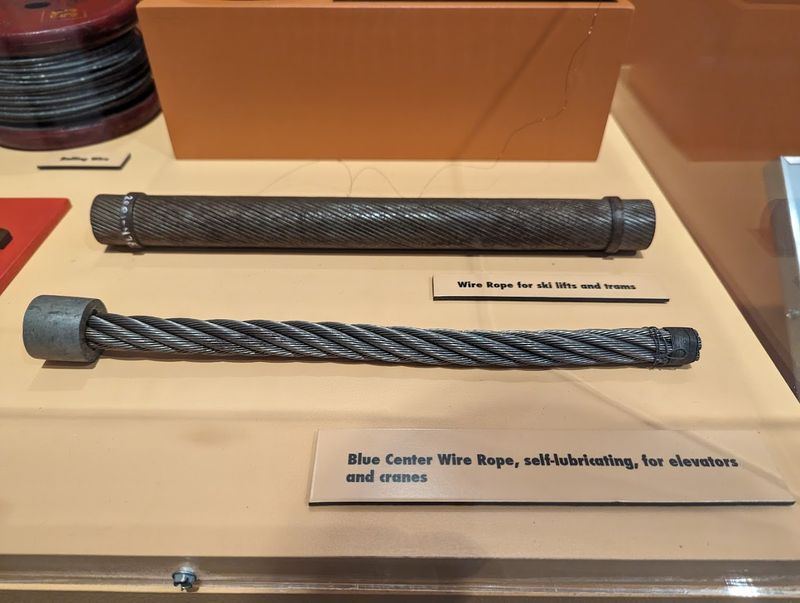
The interior exhibits at the Roebling Museum are organized with a clear sense of purpose, guiding visitors through the technical, social, and economic dimensions of what the Roebling company built and why it mattered.
Displays cover the wire rope manufacturing process in enough detail to make the engineering genuinely understandable, even for those without a technical background.
Historical photographs show the factory floor at full operation, the workers who ran the machines, and the finished cables being loaded for shipment to construction sites across the country.
Artifacts on display include tools, machinery components, and personal items from workers and the Roebling family alike, which helps bridge the gap between industrial history and human experience.
The exhibits are well-maintained and presented with a level of care that signals genuine institutional pride. Every display feels intentional rather than incidental, and the overall layout makes it easy to follow the story from beginning to end without losing your place.
The Brooklyn Bridge Connection That Changes Everything
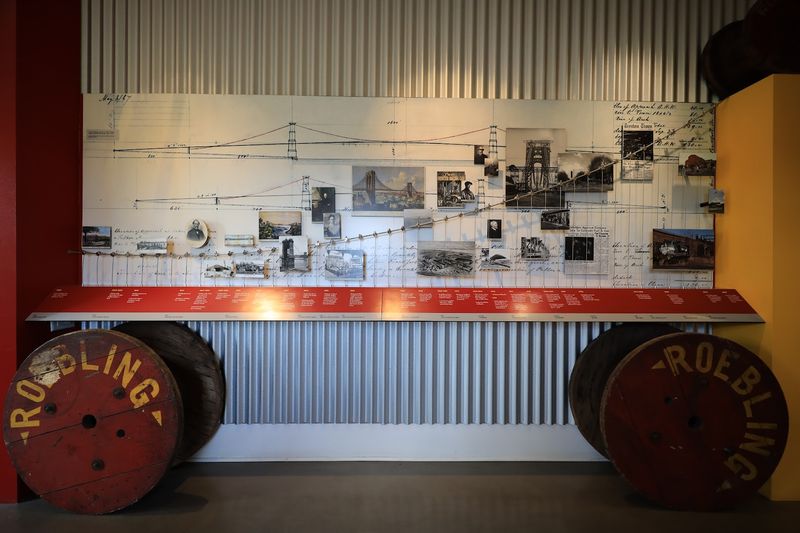
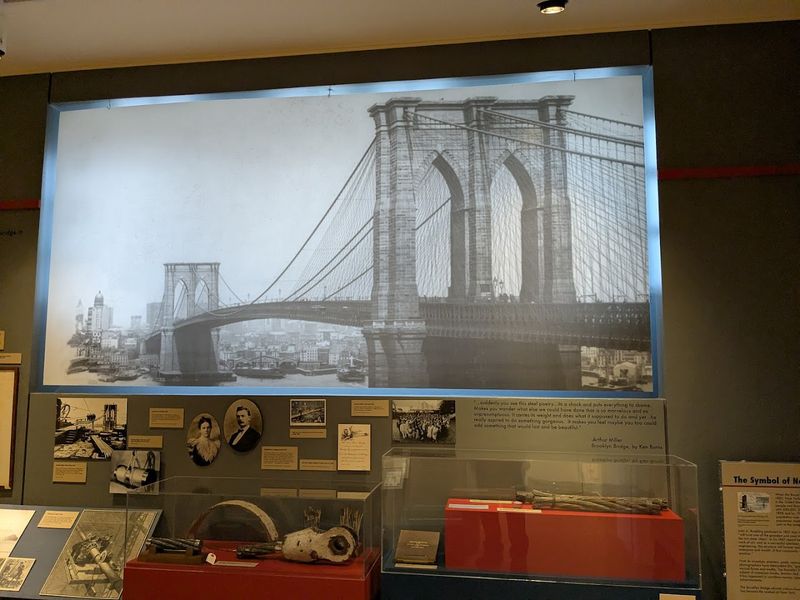
The Brooklyn Bridge is one of the most recognized structures in the world, and the steel wire cables that hold it up were manufactured right here in Roebling, New Jersey.
That fact alone is enough to stop most visitors in their tracks. The bridge opened in 1883 and required more than 14,000 miles of wire to complete its main cables, all produced by the Roebling company.
What makes this connection even more remarkable is that the original cables on the George Washington Bridge are still in service today, still made in New Jersey, still holding.
The museum presents this legacy not as a footnote but as the central achievement it truly is, giving visitors a clear understanding of how one company’s output shaped the physical infrastructure of an entire nation.
Standing in front of a cross-section display of actual bridge cable is one of those moments where the scale of the achievement suddenly becomes very real and very hard to dismiss.
The Company Town That Roebling Built for His Workers
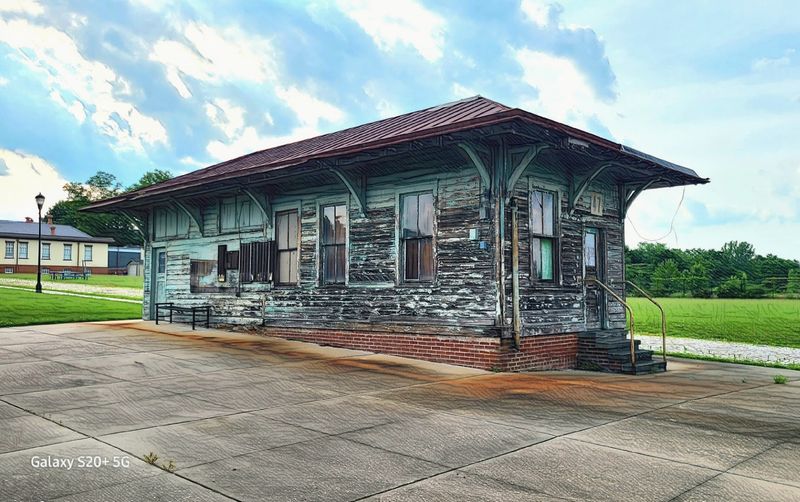
Charles Roebling, who took over management of the factory after Washington, did something unusual for the era: he built an entire town for his workforce.
The company town of Roebling, New Jersey, was constructed starting in the 1890s and included housing, a school, a church, a bank, and recreational facilities, all designed and owned by the company.
What set Roebling apart from many other company towns of the period was the quality of the housing. Workers were paid in cash rather than company scrip, and the homes were built to last, which is evident in the fact that many of them are still standing and occupied today.
The streets surrounding the museum still carry the grid-like uniformity of their original planned layout, giving the neighborhood an almost time-capsule quality.
Walking through those blocks after leaving the museum adds a tangible dimension to the story told inside, turning a history lesson into something you can actually observe and move through.
The Exterior Displays: Giant Machines Under Open Sky
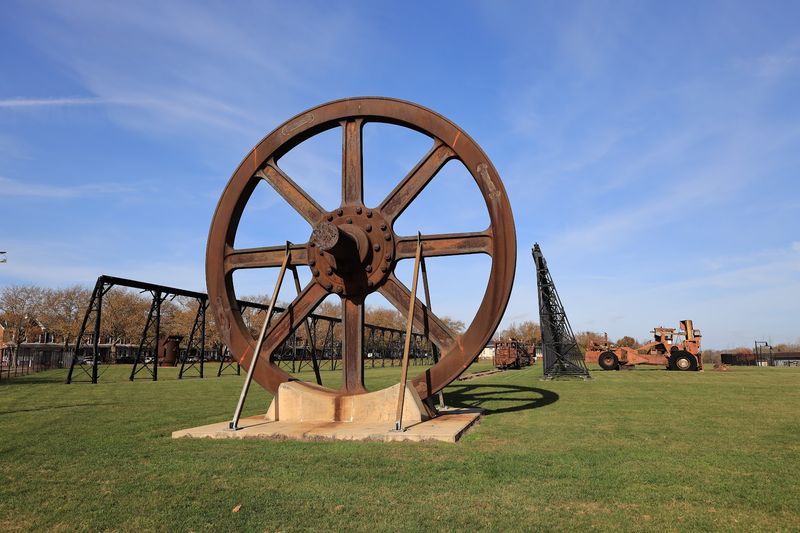
Before or after touring the interior galleries, the exterior grounds of the Roebling Museum offer a different kind of encounter with the company’s industrial past.
A collection of large-scale factory equipment is displayed in the open air, including massive steel wheels, slag buckets, and other heavy machinery that once played active roles in the wire rope manufacturing process.
The sheer physical scale of these objects communicates something that photographs and text panels simply cannot: the factory was enormous, the machines were enormous, and the work required to operate them was equally formidable.
A rusted switcher engine also sits on the grounds, a reminder that the factory had its own internal rail system to move materials across the sprawling production facility.
The exterior displays are visible from the street even when the museum is closed, which means that curious passersby can get a taste of what awaits inside before they ever check the hours or plan a formal visit.
Bridges Beyond Brooklyn: A Portfolio That Spans the Nation
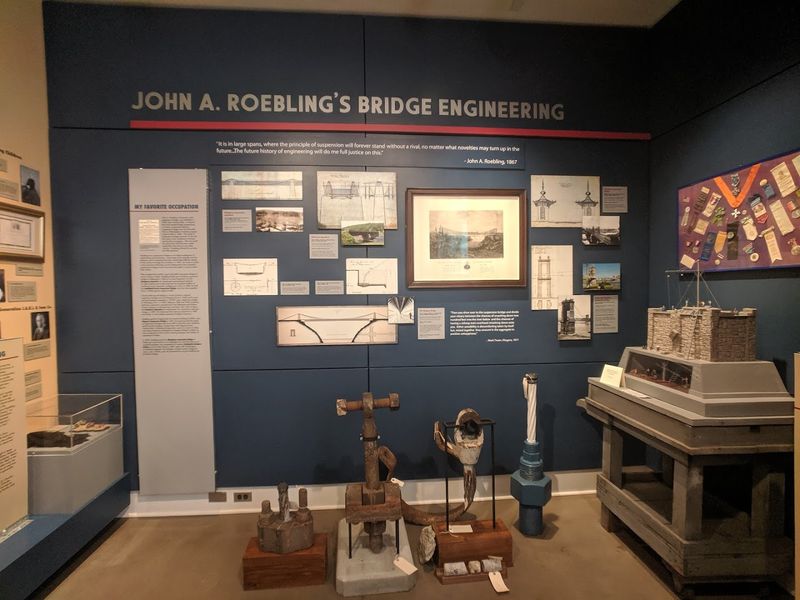
The Brooklyn Bridge gets most of the headlines, but the Roebling company’s portfolio of bridge projects extends far beyond New York Harbor.
The Golden Gate Bridge in San Francisco, one of the most photographed structures on earth, also relied on Roebling wire rope for its construction.
The George Washington Bridge, the Niagara Falls railway suspension bridge, and dozens of other significant structures across the country all carry the fingerprints of this New Jersey operation.
The museum maps out this national reach with exhibits that connect specific projects to the wire rope produced in Roebling, helping visitors understand just how pervasive the company’s influence was on American infrastructure development.
By the time most visitors reach this section of the gallery, the cumulative weight of the Roebling legacy has had time to settle in. It is one thing to know that a company built famous bridges; it is another to see the full list laid out in sequence and realize how consistently they showed up at the defining moments of American construction history.
The Worker’s Perspective: More Than Just a Factory
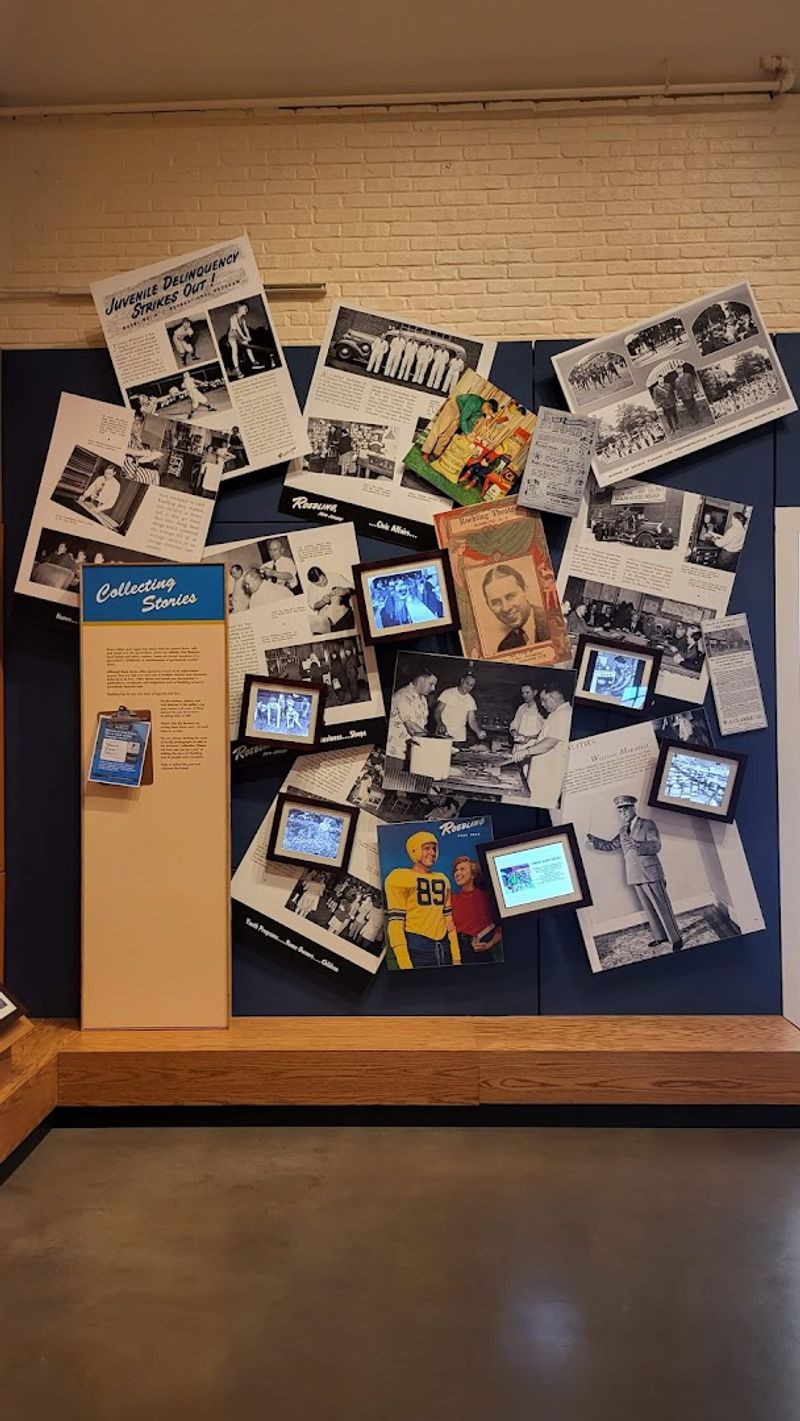
One of the more striking aspects of the Roebling Museum is how deliberately it centers the experiences of the workers alongside the achievements of the Roebling family.
Exhibits explore the daily routines, working conditions, wages, and community life of the men and women who operated the factory over the course of nearly a century.
The workforce was notably diverse for its era, drawing immigrants from across Europe and reflecting the broader demographic shifts happening in American industrial cities during the late 19th and early 20th centuries.
Personal artifacts, photographs, and oral history recordings give individual faces and voices to what could otherwise remain an abstract mass of labor statistics.
The result is a portrait of a community that was genuinely invested in the company’s success, not out of compulsion, but because the company had made a real effort to invest in them first.
That reciprocal relationship between employer and employee is presented as one of the defining characteristics of the Roebling operation, and it stands in notable contrast to many of its industrial-era contemporaries.
Accessibility and Practical Details Worth Knowing
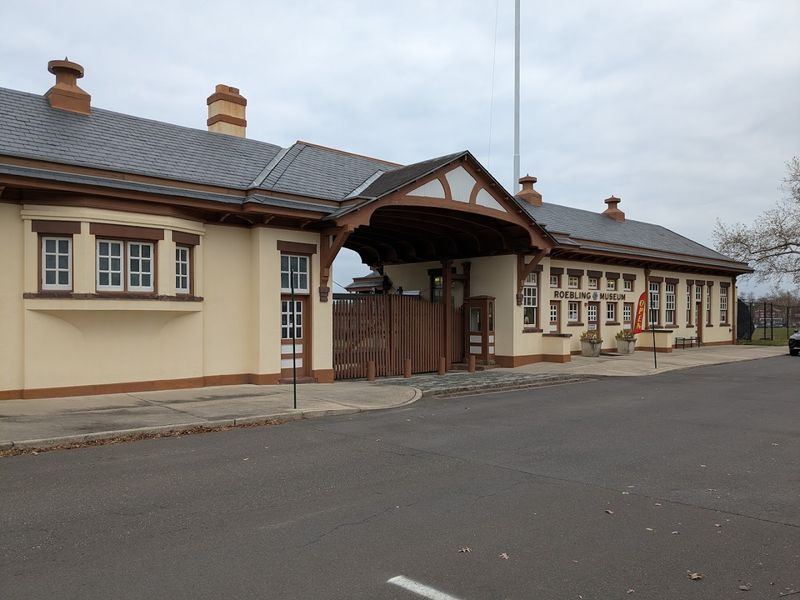
Planning a visit to the Roebling Museum is straightforward, but a few practical details are worth knowing before you go.
The museum is open Thursday through Saturday from 11 AM to 4 PM and is closed Sunday through Wednesday, so timing matters if you are making a special trip.
Parking is available on-site and described as convenient, which is a genuine bonus for a destination that draws visitors who may be traveling from a distance.
The River Line light rail stops directly across the street, connecting the museum to Trenton and Camden and making it reachable by public transit without much effort.
The interior of the museum is well-maintained and designed for easy navigation, with clear sightlines and accessible pathways that work for visitors with mobility considerations.
Groups, including those with special needs, have found the staff particularly accommodating, with tours customized to match the specific needs and interests of whoever walks through the door on any given day.
Annual Events and Community Programming
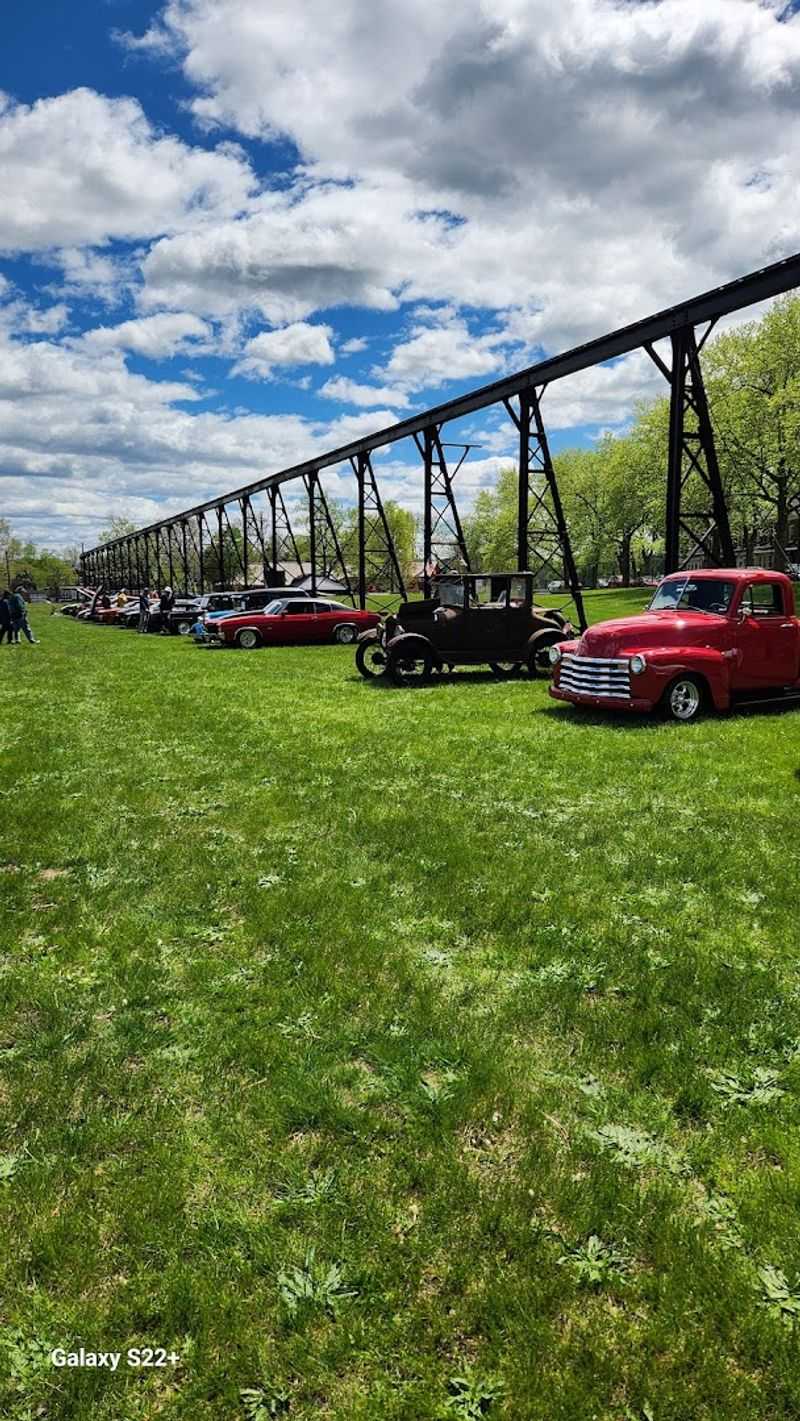
Beyond the regular Thursday-through-Saturday schedule, the Roebling Museum hosts a rotating calendar of community events that draw visitors who might not otherwise make the trip for a standard museum tour.
Classic car shows have been held on the museum grounds, drawing crowds from across the region and occasionally pairing free admission with the festivities, which makes the event even more accessible for families.
Touch-a-truck events have brought out young families, giving children a hands-on encounter with large vehicles while parents explore the museum’s exhibits at their own pace.
Food drives and other community-oriented programming reflect the museum’s commitment to remaining an active civic institution rather than a purely historical one.
Bike tours of the historic town have also been offered, giving participants a chance to cover more ground and see the full extent of the company town layout that surrounds the museum.
These events keep the museum embedded in the life of the local community while also expanding its reach to audiences who connect more readily with activities than with traditional gallery visits.
Why This Museum Deserves a Spot on Your Travel List
There are plenty of museums in New Jersey, but very few that tell a story with this much national reach packed into such a compact and focused space.
The Roebling Museum earns its place on any serious history itinerary by doing something many larger institutions struggle with: it connects individual human effort to enormous historical outcomes in a way that feels clear, honest, and earned.
The staff bring genuine enthusiasm to every tour, the exhibits are well-curated and regularly maintained, and the surrounding historic district extends the experience well beyond the museum walls.
For travelers passing through Burlington County on their way to or from Philadelphia, Trenton, or the Jersey Shore, a stop here adds real depth to the drive without requiring more than a few hours.
The Roebling Museum is the kind of place that sneaks up on you. You arrive expecting a modest local history exhibit and leave with a fundamentally different understanding of how the physical framework of modern America was actually assembled, one steel wire at a time.
Share this story