Florida has a lot going on below the surface, and I mean that in the most historical sense possible. Tucked away in the heart of Big Cypress Seminole Indian Reservation, there is a museum that tells the story of one of the most resilient Native American tribes in United States history.
The Seminole people never signed a peace treaty with the federal government, which makes their story unlike any other in this country. From an 18-minute film that sets the tone before you even enter the exhibits, to a mile-long boardwalk winding through cypress wetlands, every part of this experience feels intentional, respectful, and genuinely fascinating.
I visited on a quiet weekday afternoon and left knowing I had just experienced something truly rare in Florida.
Finding the Museum: Address and Location Details
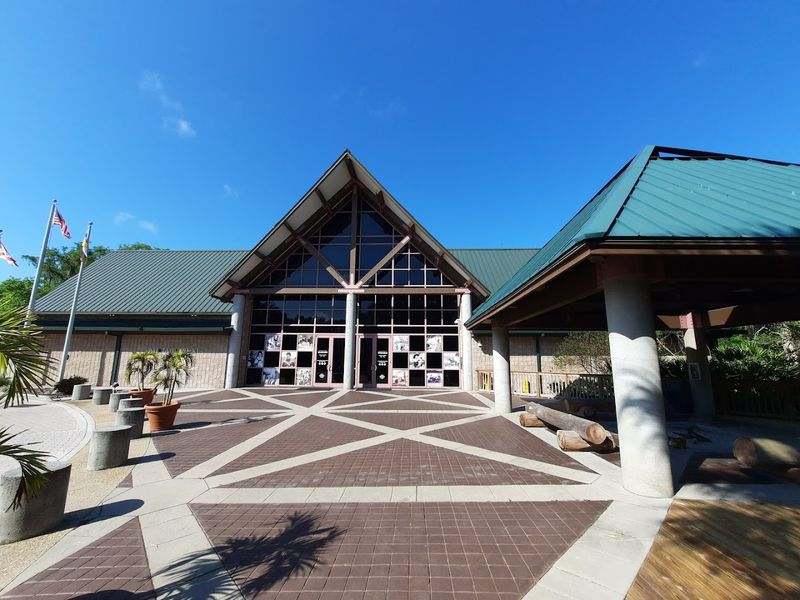
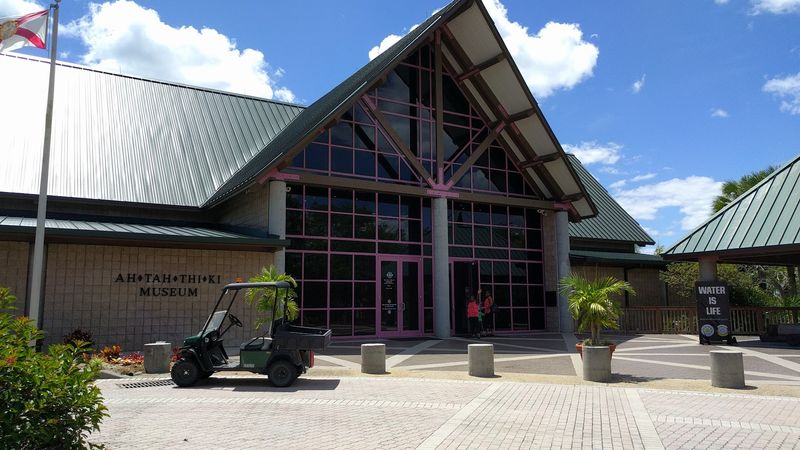
Not every great destination is easy to find, and that is part of what makes this one feel like a real discovery. The Ah-Tah-Thi-Ki Museum sits at 34725 West Boundary Road, Clewiston, right on the Big Cypress Seminole Indian Reservation in South Florida.
Getting there requires a drive through open Everglades country, which honestly sets the mood perfectly before you even arrive. The road is straightforward from major highways, and the museum is clearly marked once you reach the reservation.
The museum is open seven days a week from 9 AM to 5 PM, which makes it easy to plan around a road trip.
What the Name Actually Means
The name “Ah-Tah-Thi-Ki” translates to “a place to learn” in the Mikasuki language spoken by the Seminole people, and that translation could not be more accurate. From the moment you walk through the front doors, the entire experience is built around education delivered with deep cultural respect.
The name itself signals that this is not just a collection of artifacts behind glass. It is a living, breathing tribute to a people who have called Florida home for centuries and who continue to thrive today on their own terms.
Learning that the museum was established by the Seminole Tribe of Florida adds another layer of meaning to every exhibit you encounter. This is their story, told in their own words, on their own land, which gives the whole experience a kind of authenticity that is hard to find anywhere else in the state.
The Introductory Film That Sets the Stage
Before you set foot in the main exhibit halls, the museum guides you into a large auditorium-style room where an 18-minute film plays across four wide screens simultaneously. The format is a little unconventional since each screen shows different footage at the same time, but the overall effect is immersive and memorable.
The film covers the origins and history of the Seminole people in Florida, their conflicts with the United States government, and how the tribe ultimately persevered without ever formally surrendering. It is the kind of historical context that makes everything you see afterward hit a lot harder.
I found myself leaning forward in my seat by the second half, genuinely caught up in the story being told. Giving yourself those 18 minutes before exploring the exhibits is absolutely the right call, and skipping it would mean missing the backbone of the whole experience.
Exhibit Halls That Bring Seminole Life to the Present
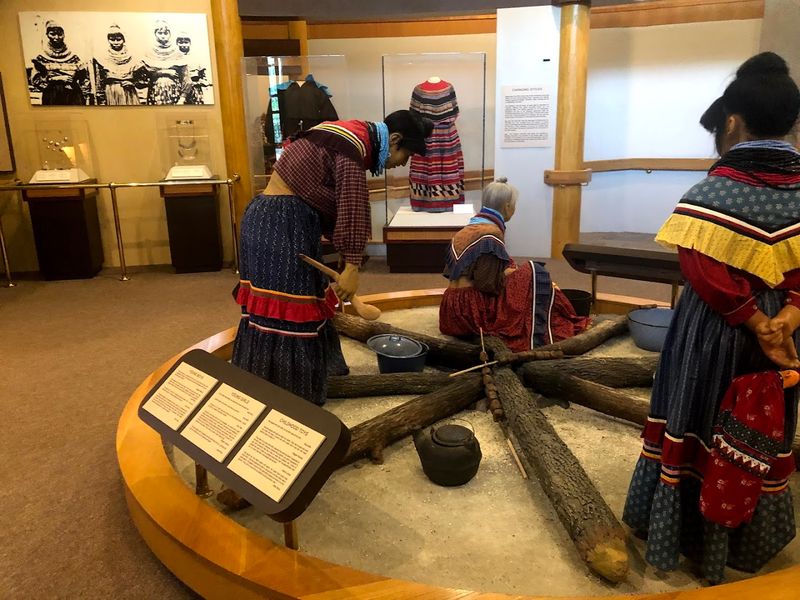
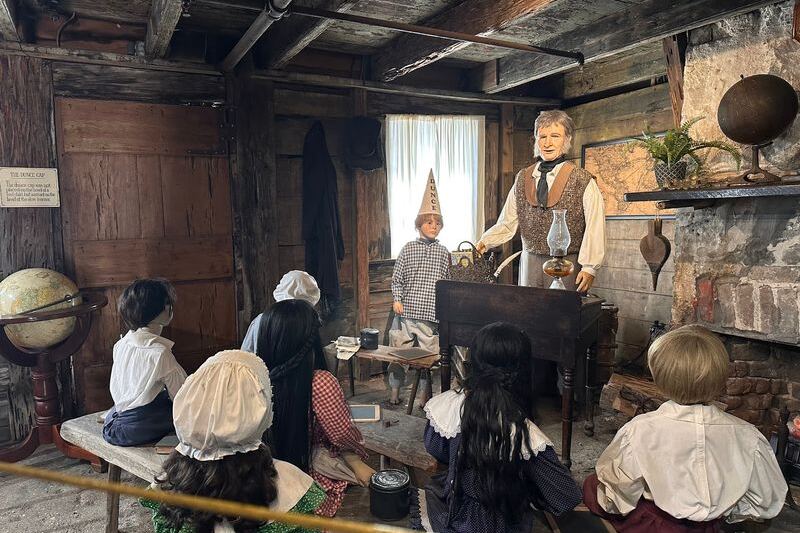
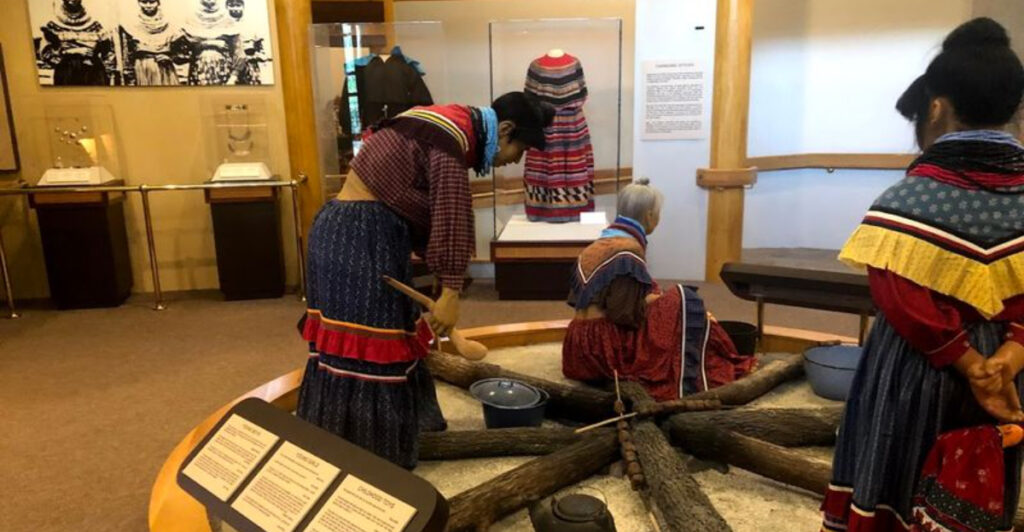
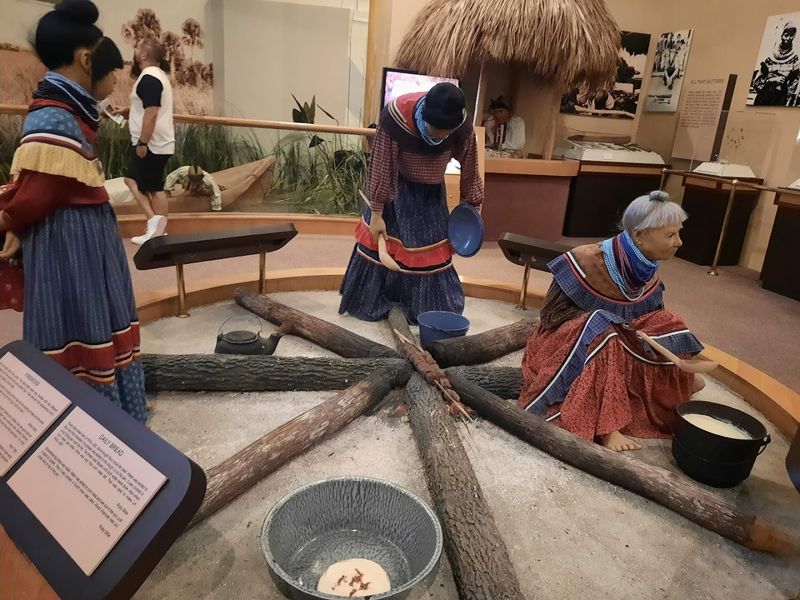
The indoor exhibit halls are where the history becomes visual in a way that textbooks simply cannot replicate. Realistic mannequins dressed in traditional Seminole clothing are arranged in scenes that recreate daily village life, from cooking and crafting to community gatherings.
The displays are thoughtfully curated and cover a wide range of topics including the Seminole Wars, traditional foods, spiritual practices, and the tribe’s relationship with the Florida landscape. Information panels are written clearly enough for younger visitors to follow while still offering depth for adults.
One thing I noticed right away was how the exhibits avoid presenting the Seminole people as a relic of the past. The narrative consistently connects historical traditions to the living culture that exists today on the reservation.
That forward-looking approach makes the museum feel less like a history lesson and more like a genuine cultural conversation worth having.
Tribal Artwork and Clothing on Display
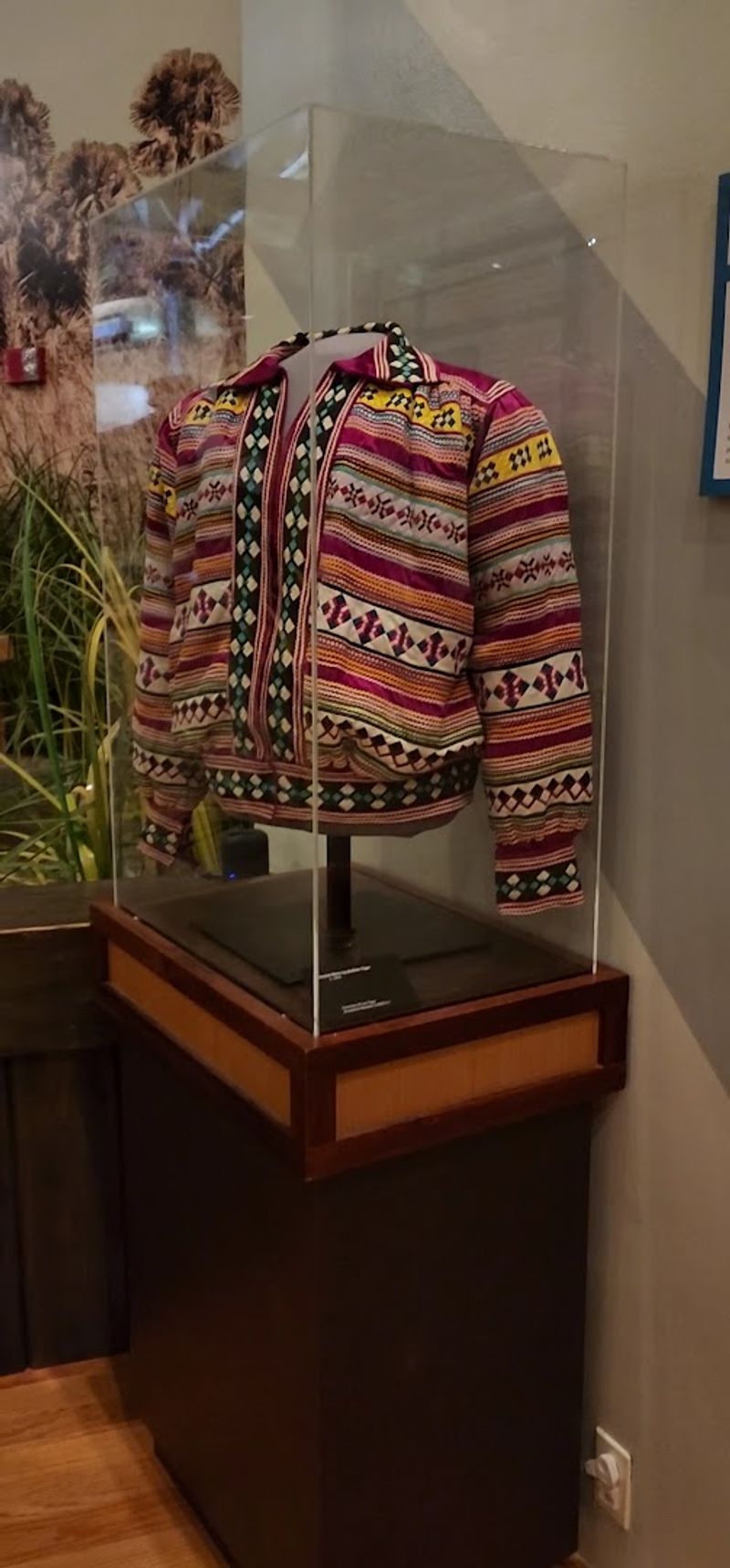
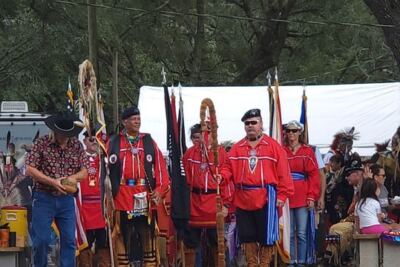
Few things in the museum stopped me in my tracks quite like the clothing and artwork displays. Seminole patchwork is a textile tradition that developed in the late 1800s after sewing machines became available on the reservation, and the results are stunning in their geometric complexity and color.
Rows of patchwork garments, beaded jewelry, and woven baskets fill the cases with a kind of artistry that demands a slow look rather than a quick glance. Each piece tells its own small story about the person who made it and the cultural values it represents.
The museum also displays traditional tools, ceremonial items, and everyday objects that give a rounded picture of Seminole life across different time periods. Art lovers and history enthusiasts alike will find plenty to study here, and the sheer craftsmanship on display makes it clear why Seminole artwork is recognized and respected far beyond Florida.
The Mile-Long Boardwalk Through Cypress Wetlands
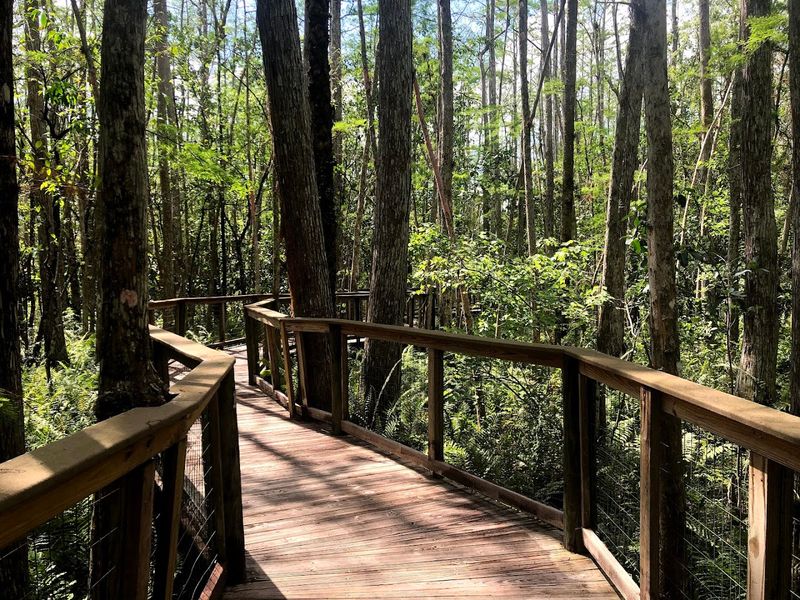
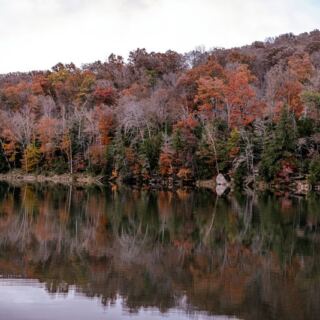
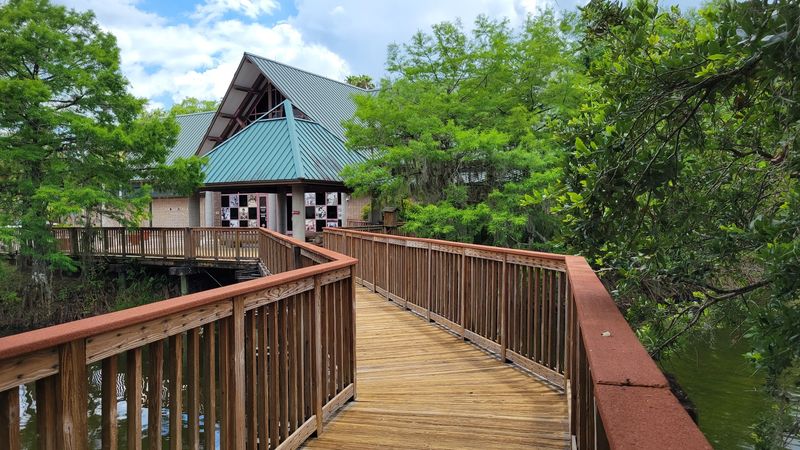
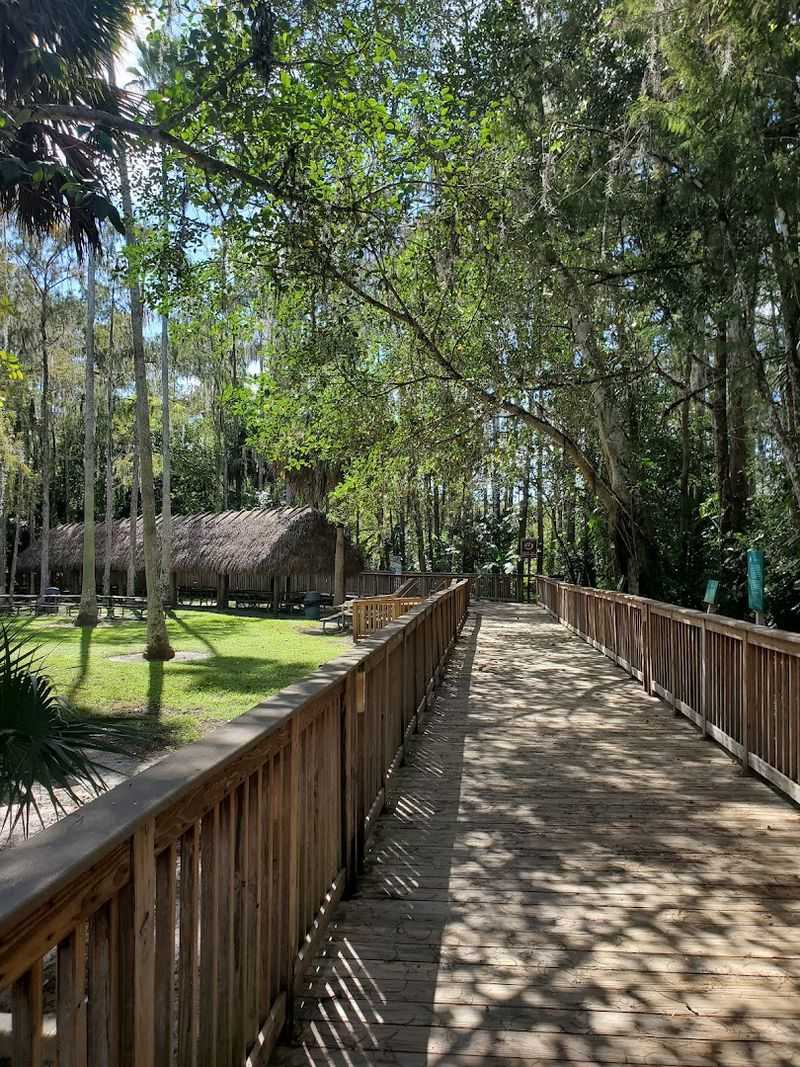
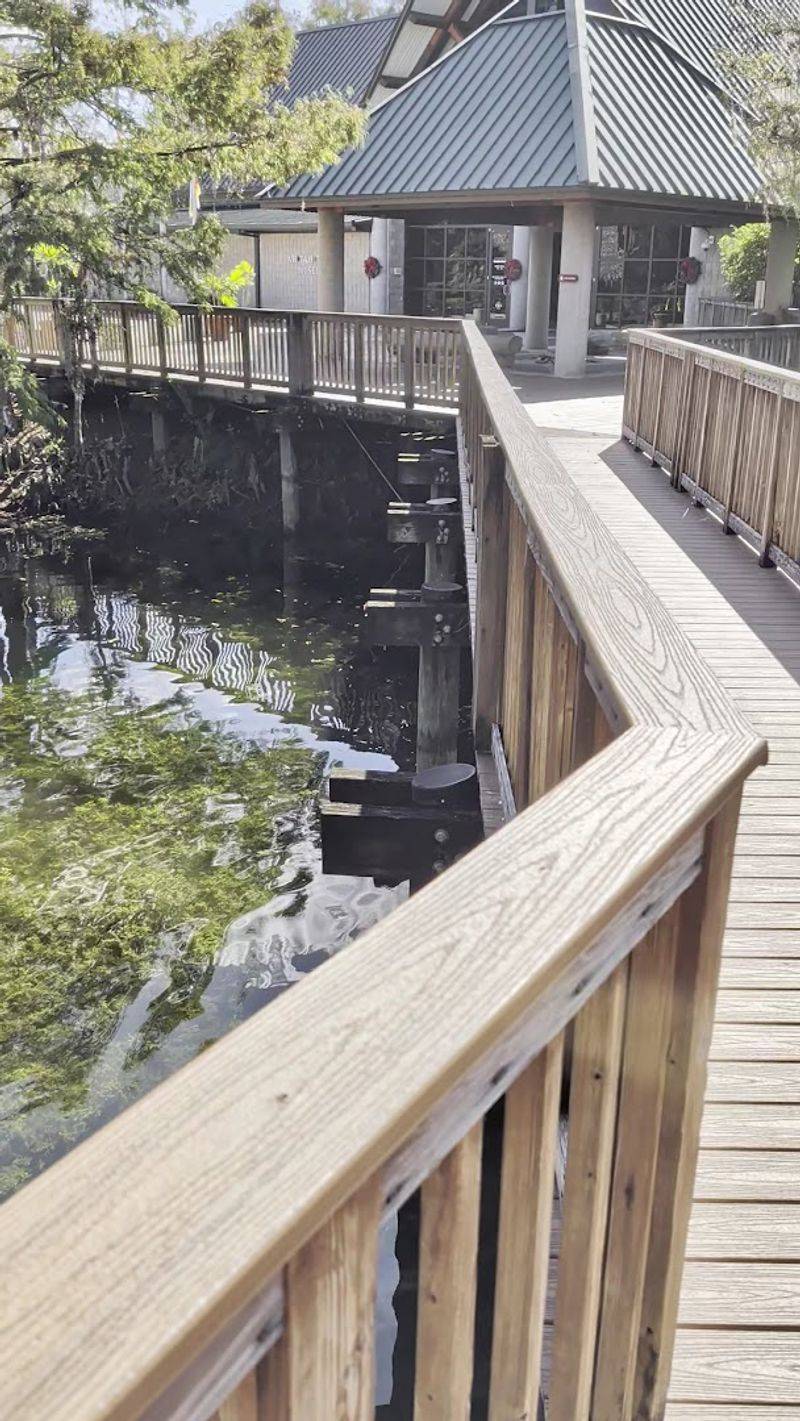
Once you finish the indoor portion of the museum, you step outside into something that feels almost like a different world. A mile-long elevated wooden boardwalk cuts through a cypress dome, offering a peaceful and genuinely beautiful walk through one of Florida’s most distinctive ecosystems.
The boardwalk is well-maintained and wide enough to feel comfortable even when other visitors are present. Along the way, detailed signage explains the plants, animals, and birds native to the cypress wetlands, turning the walk into an outdoor classroom that never feels forced or lecture-heavy.
I spent close to 45 minutes out there, partly because I kept stopping to read the signs and partly because the atmosphere was so calm that I was in no hurry to leave. The combination of filtered light through the canopy and the sounds of the surrounding wetlands makes this boardwalk one of the most relaxing outdoor experiences I have had in South Florida.
The Living Seminole Village Along the Trail
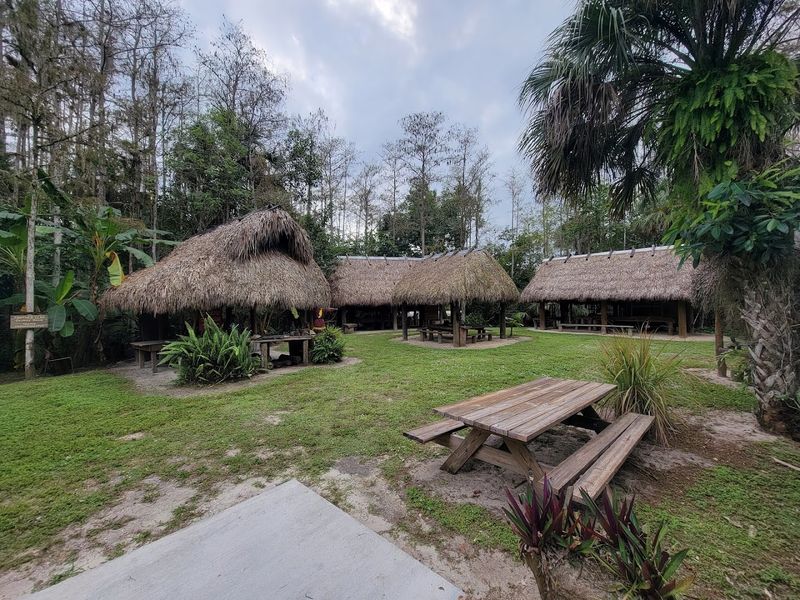
Midway through the boardwalk, the trail opens up to a ceremonial ground and a living Seminole village that gives the outdoor experience a whole new dimension. Chickee huts with their distinctive open-air, thatched-roof construction are arranged in a way that reflects how a traditional village would have been set up.
A hunting camp is also part of the outdoor display, complete with contextual information about how the Seminole people used the surrounding landscape for food, medicine, and shelter. The scale of the outdoor village is modest, but the authenticity of the setting makes it feel significant.
There is something quietly powerful about standing in the middle of a cypress wetland, surrounded by the same kind of landscape the Seminole people have navigated for generations. The village section of the boardwalk is the point where the museum stops feeling like a visit and starts feeling like a genuine connection to something much older and deeper.
The Annual Art Festival and Cultural Events
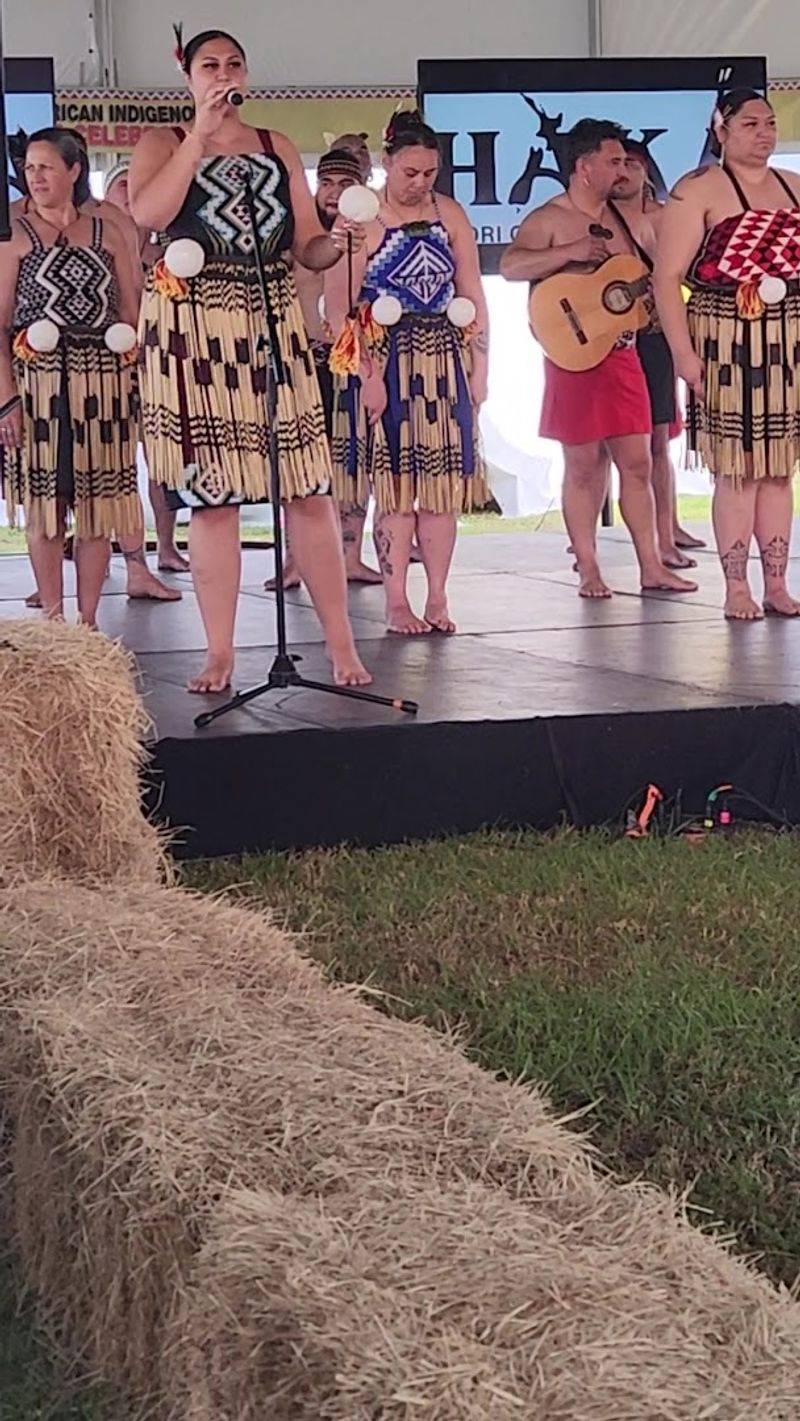
The museum is not just a static collection of exhibits. Throughout the year, it hosts cultural events that bring the Seminole community together and invite the public to participate in something genuinely alive.
The annual American Indian arts celebration is one of the most talked-about events on the calendar.
During the festival, Seminole artists and craftspeople share their work directly with visitors, and the opportunity to hear tribal members tell their own stories in person is something no exhibit panel can fully replicate. The energy during these events shifts the whole atmosphere of the museum grounds from educational to celebratory.
Checking the museum’s event calendar before your visit is worth the extra step, because arriving during a cultural event adds a completely different layer to the experience. Even visitors who came without expecting much have walked away from these events with a deep respect for the Seminole people and their ongoing cultural pride.
The Gift Shop and Authentic Seminole Souvenirs
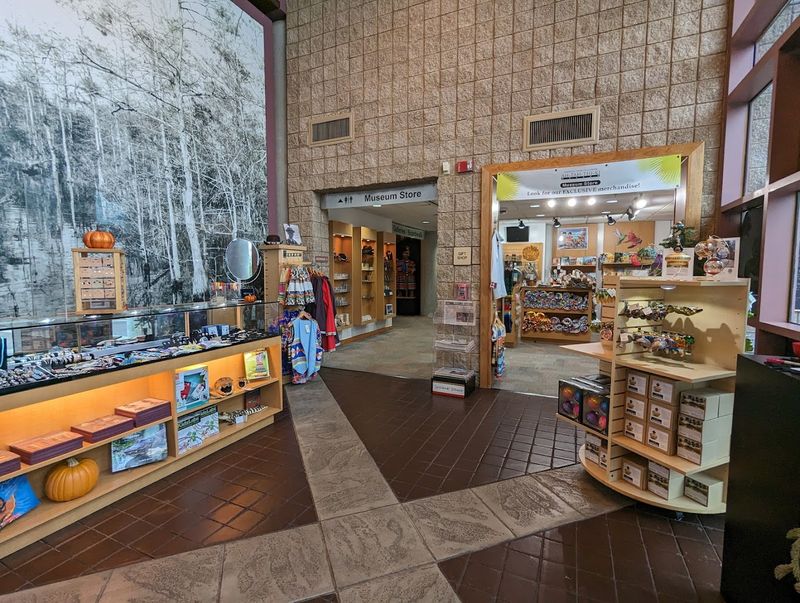
The gift shop at this museum is not an afterthought tacked on near the exit. It is a carefully curated space where authentic Seminole artwork, handmade crafts, and culturally significant items are displayed with the same care as the exhibits themselves.
Patchwork items, hand-carved pieces, traditional jewelry, and a solid selection of books covering Seminole history and Native American culture are all available for purchase. The book section in particular stands out, with options suited for readers of all ages from young children to serious history enthusiasts.
Buying something from the gift shop feels like a meaningful act here rather than just a tourist reflex, because the proceeds support the tribe and the continued operation of the museum. I picked up a small patchwork piece and a book on Seminole history, and both have stayed with me as reminders of a visit that left a real impression.
Admission Price and What You Get for It
At around ten dollars for general admission, the Ah-Tah-Thi-Ki Museum offers one of the better value-for-experience ratios of any museum I have visited in Florida. For that price, you get the introductory film, access to all four indoor exhibit halls, and the full mile-long boardwalk experience.
The museum has also offered free admission on special occasions in the past, such as during the 2024 solar eclipse, which speaks to the community-minded approach the Seminole Tribe brings to running this institution. Purchasing tickets online in advance through the museum’s website is the smoothest option and helps you avoid any surprises at the door.
For families, the low admission cost means you can enjoy a full half-day of genuinely educational content without the kind of budget stress that comes with many Florida attractions. The value here is real, and it is the kind of place that earns its reputation through substance rather than spectacle.
Wildlife and Plant Life Along the Boardwalk
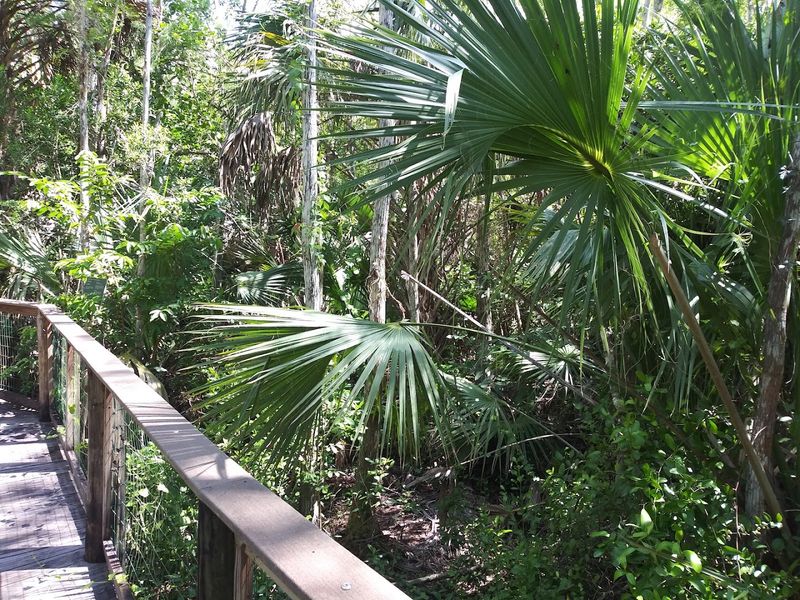
The boardwalk through the cypress dome is not just a pretty walk. It is a guided introduction to the specific plants and animals that share this ecosystem with the Seminole people, presented through detailed informational placards spaced throughout the trail.
Native birds including herons and anhingas are common sights along the water’s edge, and the dense canopy overhead creates a habitat that feels genuinely wild even though you are on a maintained path. The signs explain how the Seminole people used specific plants for food, medicine, and building materials, which adds a layer of cultural context to what would otherwise be a straightforward nature walk.
Florida has no shortage of nature trails, but this one earns its place among the most interesting because of how it weaves ecological information together with cultural history. By the time you finish the loop, you have learned about the land and the people who have lived on it in the same breath.
Why This Museum Deserves More Visitors Than It Gets
For a museum of this quality, it is surprisingly uncrowded on most days. Visitors who have stumbled across it while crossing the state have described the experience of walking in with low expectations and leaving genuinely moved, which is the best kind of discovery a traveler can make.
The museum sits off the main tourist trail, which means it misses out on the foot traffic that more commercially positioned Florida attractions enjoy. That is their loss and your gain, because a quieter crowd means more room to linger, more time to ask questions, and a more personal experience overall.
Florida has plenty of theme parks and beach resorts competing for your attention, but very few places that offer this kind of honest, meaningful cultural encounter. The Ah-Tah-Thi-Ki Museum earns every bit of the reputation it has built quietly over the years, and it is exactly the kind of place that deserves a spot on more Florida itineraries.
Planning Your Visit: Tips for the Best Experience
A few practical notes can make a real difference in how much you enjoy your time here. Wearing comfortable walking shoes is a smart move since the boardwalk is a full mile and the terrain, while accessible, is best enjoyed without pinched toes.
Arriving in the morning gives you the best light for the outdoor portion and the coolest temperatures for the walk.
The museum is open every day from 9 AM to 5 PM, so scheduling flexibility is on your side. Weekday visits tend to be quieter, which is ideal if you want a more relaxed pace through the exhibits.
Checking the event calendar at ahtahthiki.com before you go can also reveal festivals or special programming that might align with your trip.
A few miles from the museum, local dining options are available for a post-visit meal, making it easy to extend the outing into a full afternoon worth remembering for a long time.
Share this story