 Unearth The Voyage
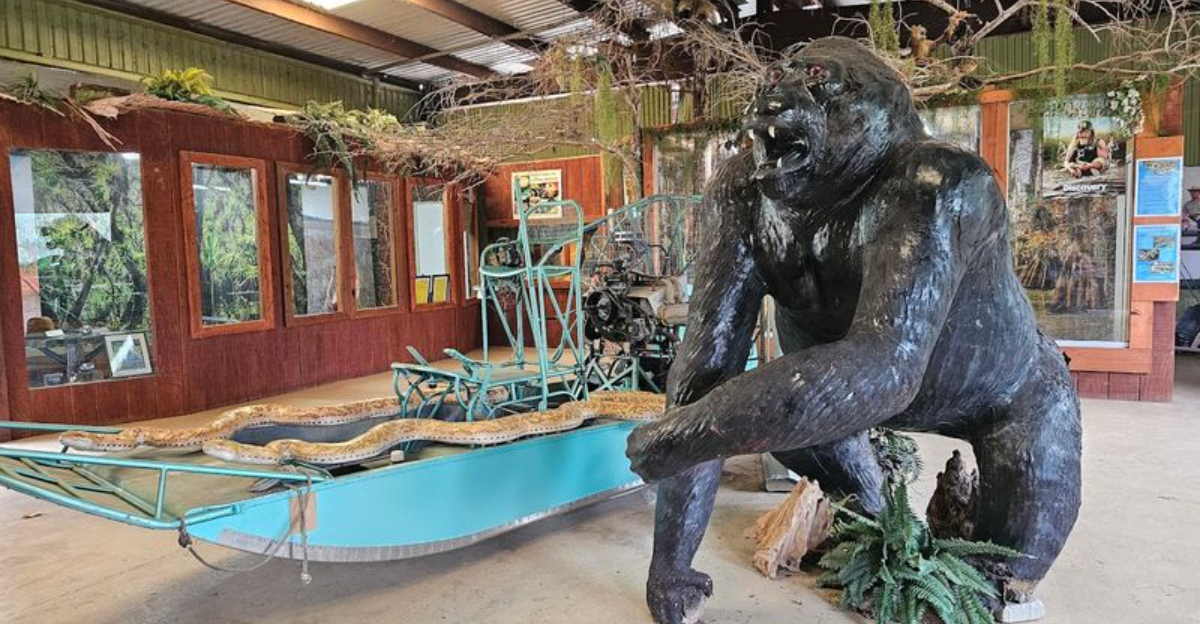
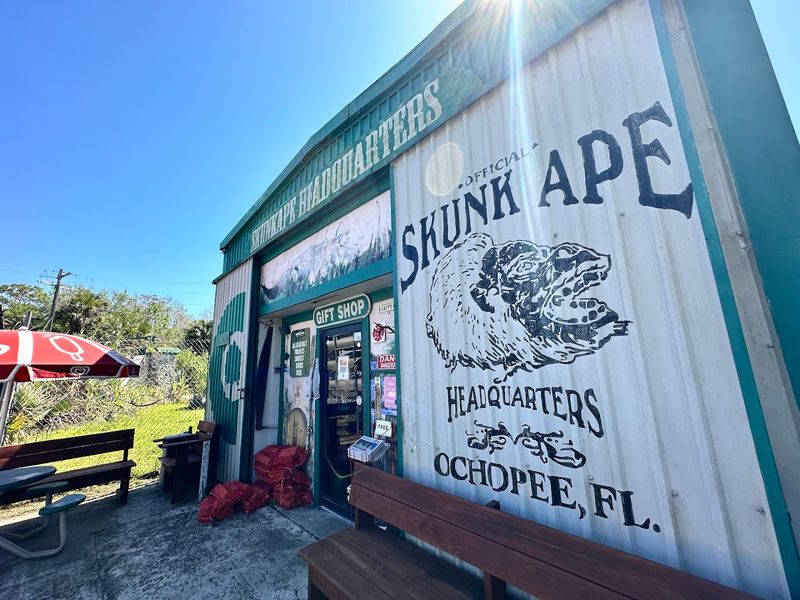
There is a small roadside building in the middle of the Florida Everglades with a hand-painted sign, a giant hairy creature statue out front, and a mailbox that probably gets the most unusual letters in the entire state. Most people drive past it and laugh.
A few curious ones actually stop, and those are the people who walk away with stories worth telling. This is my account of what happens when you pull off Tamiami Trail and take the Skunk Ape Research Headquarters seriously, even just for an afternoon.
Where in the World Is Ochopee, Florida
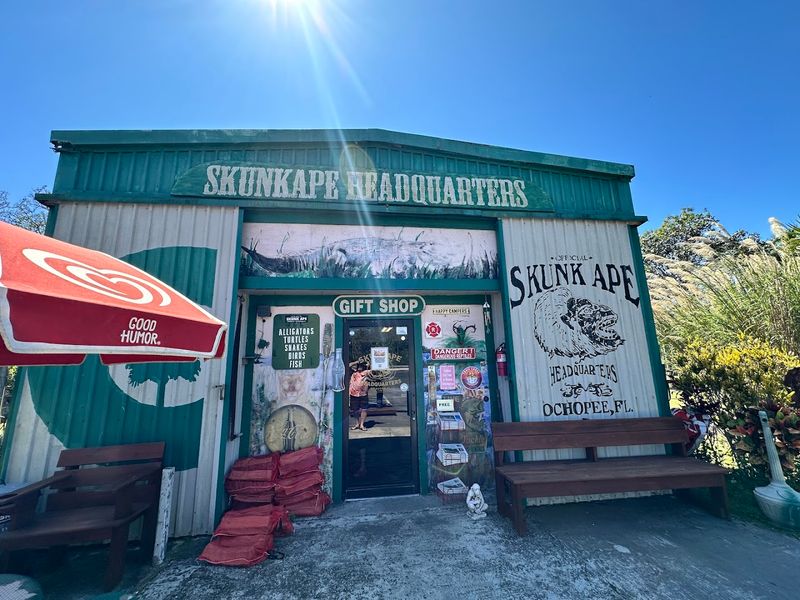
The address is 40904 Tamiami Trail East, Ochopee, and if you have never heard of Ochopee, that is completely understandable. It is one of the smallest communities in Florida, sitting right along the edge of Big Cypress National Preserve in Collier County.
The town is most famous for having the smallest post office in the United States, a tiny shed-sized building that has been operating since 1953. So when you add a Skunk Ape research facility to the same zip code, the whole place starts to feel like it was designed specifically to make you do a double take.
Getting there from Miami takes roughly an hour and a half heading west on US-41. From Naples, you are looking at about 40 minutes heading east.
The road itself is flat, straight, and flanked by sawgrass and swamp on both sides, which sets the mood perfectly before you even arrive.
The Legend That Started It All
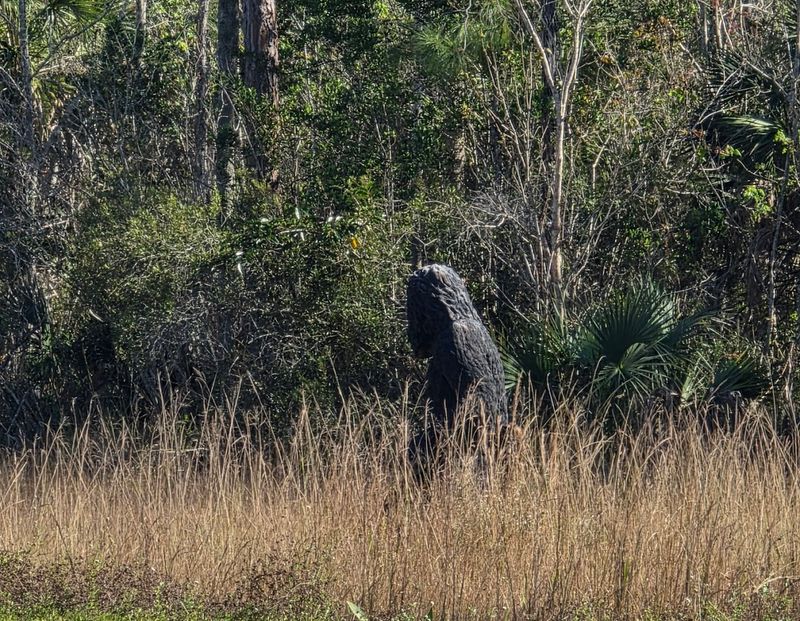
Long before there was a headquarters, there was a legend. The Skunk Ape is Florida’s answer to Bigfoot, a large, hairy, bipedal creature that supposedly roams the swamps of South Florida and earns its name from the powerful, unpleasant odor witnesses often report alongside sightings.
Reports go back decades, with the most concentrated cluster of sightings coming from Collier, Sarasota, and Highlands counties. The creature has been described as standing anywhere from five to seven feet tall, covered in reddish-brown fur, and moving quickly through dense vegetation.
One of the most famous pieces of evidence is a set of photographs taken in 2000 by an anonymous woman in Sarasota who claimed a creature was raiding her backyard for apples. Those photos made national news and gave the legend a serious boost in credibility, at least among people who were already leaning toward believing.
Dave Shealy and the Family Behind the Mission
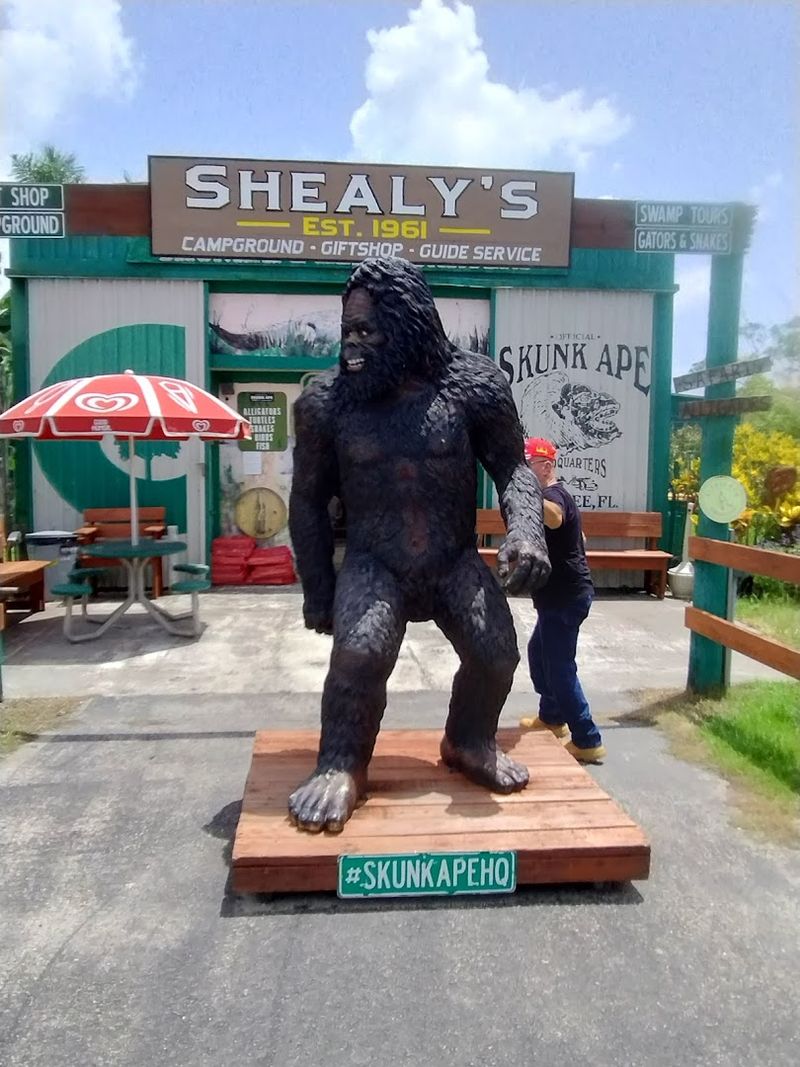
The man most closely associated with the Skunk Ape is Dave Shealy, who grew up in the Everglades and claims to have seen the creature three times in his life, with his first sighting happening when he was just ten years old.
Dave turned that childhood encounter into a lifelong pursuit, eventually establishing the Skunk Ape Research Headquarters as both a research base and a roadside attraction. His family has lived in the Big Cypress area for multiple generations, and that deep local connection gives the whole operation a genuine authenticity that you do not find at most tourist stops.
The staff carries that same energy. Every person I spoke with during my visit knew the history, the folklore, and the local ecosystem in detail.
Whether you are a true believer or just there for the novelty, the people running this place make it feel worth your time.
First Impressions at the Gift Shop
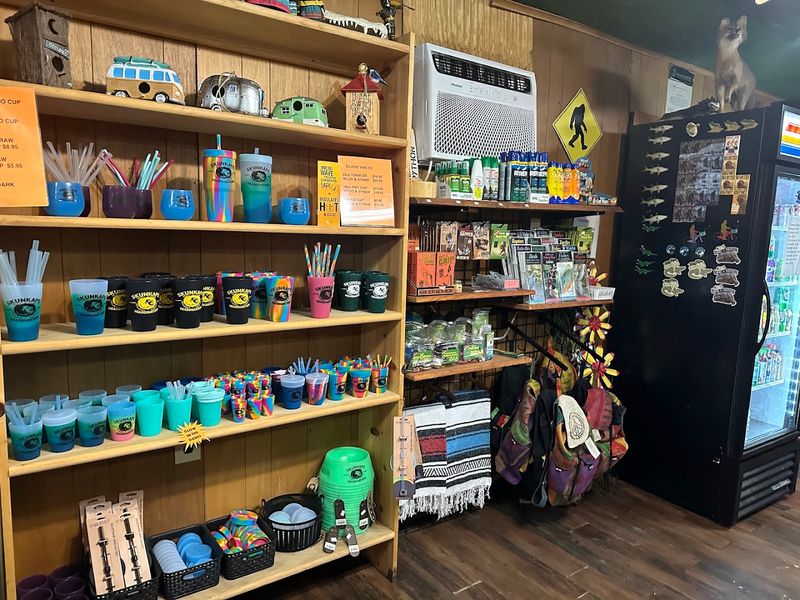
The first thing you walk into is the gift shop, and it is genuinely one of the better ones I have encountered at any roadside attraction in Florida. The selection of stickers alone is impressive, covering everything from the Skunk Ape itself to Everglades wildlife, local humor, and old Florida nostalgia.
T-shirts, hats, keychains, plush toys, and novelty items fill the shelves without feeling chaotic. The merchandise has real personality, and the designs feel original rather than generic tourist filler.
I picked up a shirt and a handful of stickers, and I have zero regrets about either purchase.
Snacks and cold drinks are also available, which matters more than you might think when you are an hour from the nearest grocery store. The shop is well-organized, clean, and staffed by people who are happy to chat, answer questions, or point you toward whatever you are looking for.
The Reptile Exhibit Out Back
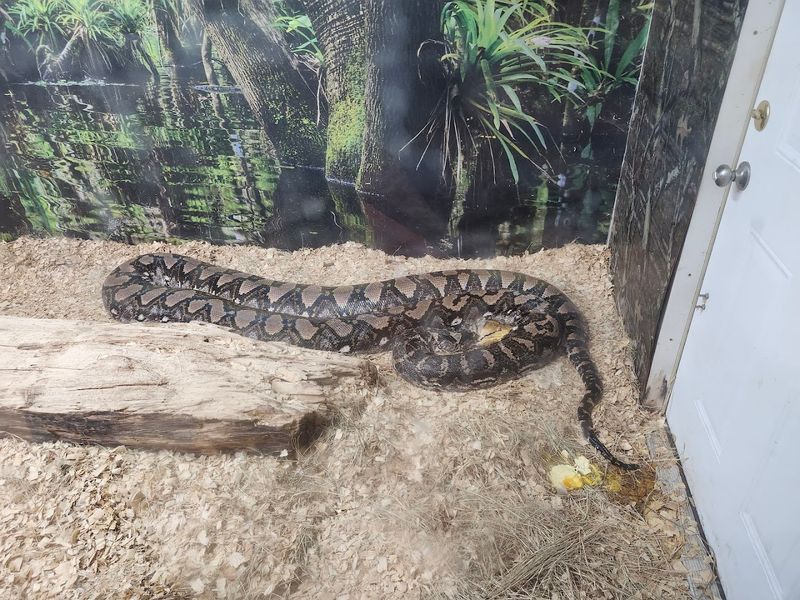
Behind the gift shop, a small admission fee gets you into the reptile exhibit, and this is where the property starts to feel like more than just a souvenir stop. Alligators, snakes, turtles, and other native and invasive species are kept in enclosures that allow for close-up viewing without any barriers between you and genuine Everglades wildlife energy.
The alligators are the crowd favorite, and rightfully so. Watching them hold completely still in the water and then suddenly shift position is the kind of thing that reminds you these animals have been around since the dinosaurs and have not needed to change much since.
The exhibit also includes some of Florida’s most well-known invasive species, which adds an educational layer to the visit. Seeing a Burmese python in person, even through a fence, gives you a very different perspective on the ongoing ecological challenges facing the Everglades ecosystem.
Goldie the Reticulated Python
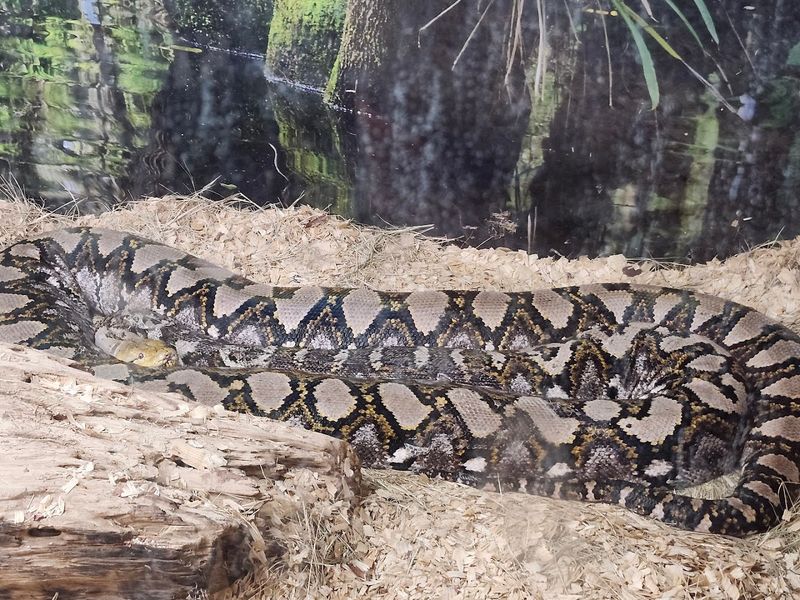
One of the true highlights of the reptile exhibit is Goldie, a reticulated python that holds the distinction of being one of the largest snakes in captivity in the world. The property has housed what is reportedly the second largest reticulated python in captivity, and seeing a snake of that scale in person is genuinely difficult to process.
Reticulated pythons are native to Southeast Asia but have become a significant invasive presence in South Florida after being released or escaping from private ownership. The specimen on display at the headquarters puts the scale of the problem into sharp physical perspective in a way that no documentary ever quite manages.
During my visit, a preserved python skin measuring somewhere between 12 and 13 feet was also on display in the gift shop area, and even that was enough to make most visitors stop and stare. Goldie, however, is the main event.
The Skunk Ape Evidence on Display
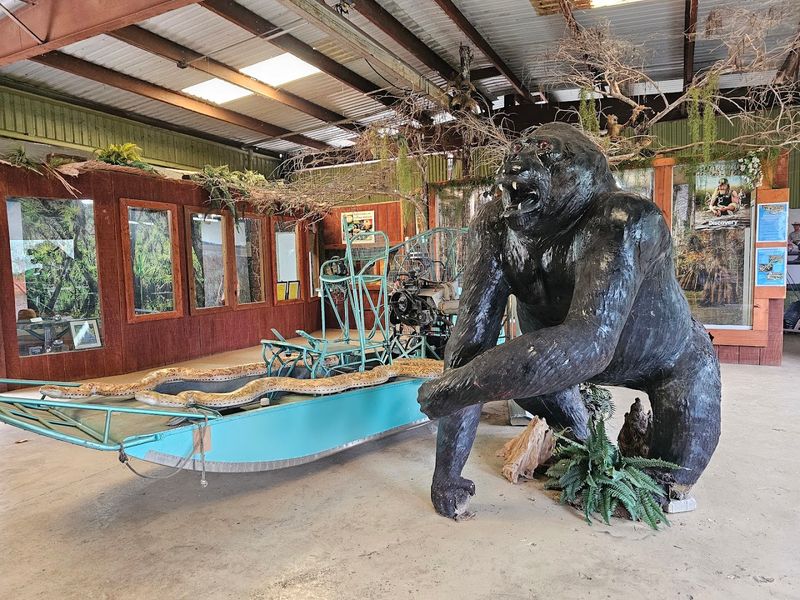
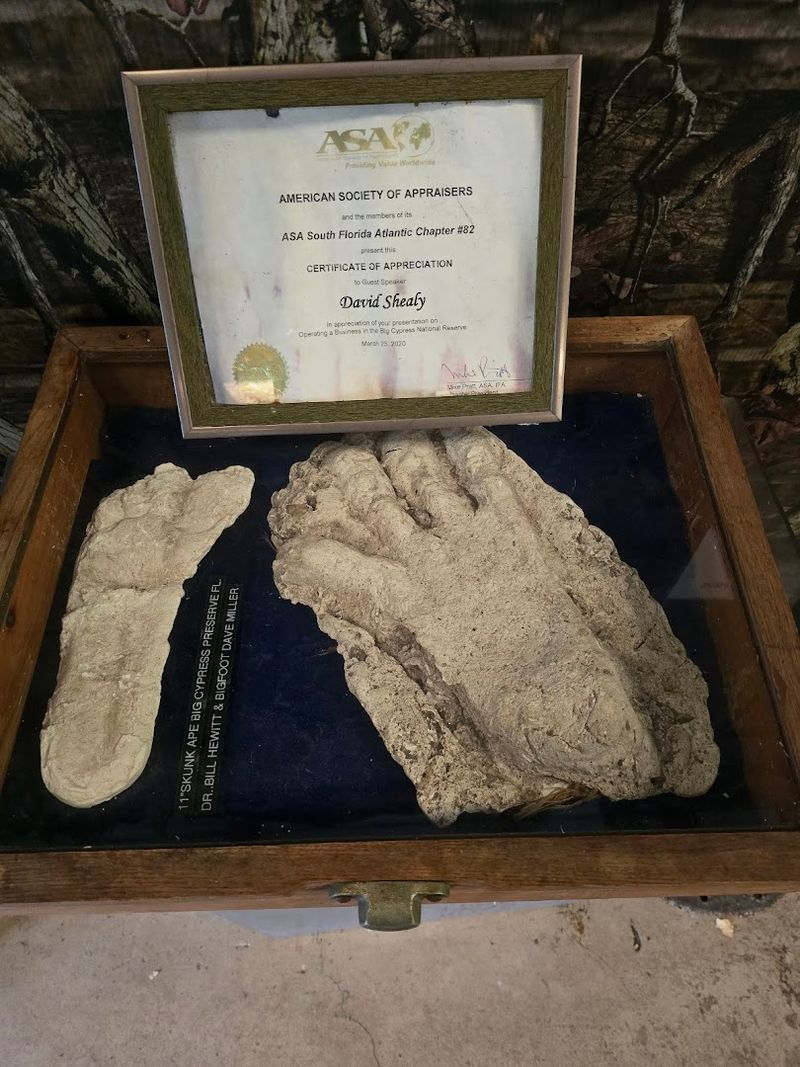
Fair warning: if you are coming specifically for an elaborate Skunk Ape museum filled with eyewitness photos, extensive exhibits, and dramatic dioramas, you may need to adjust your expectations before walking through the door. The actual Skunk Ape evidence on display is modest, consisting mainly of two plaster footprint castings and some informational materials explaining the legend.
That said, the footprint castings are genuinely interesting, and the staff is where the real knowledge lives. Ask a question and you will get a detailed, enthusiastic answer rooted in local history and personal experience rather than a rehearsed script.
The letters inside the building are perhaps the most quietly compelling part of the experience. Over the years, people from across the country have written to the headquarters sharing their own Skunk Ape encounters, and reading through those accounts gives the legend a texture and weight that no single exhibit piece could replicate on its own.
Kayaking Through the Everglades
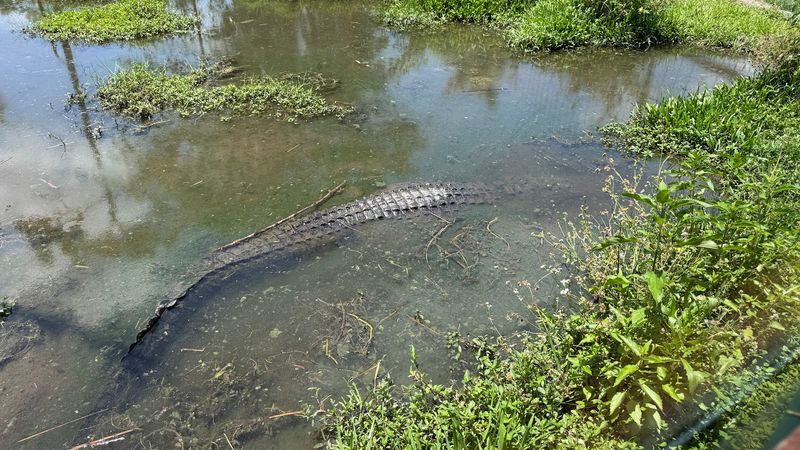
One activity that genuinely surprised me with its quality is the kayak rental program. The staff maps out a route through the surrounding waterways that takes you directly into the kind of Everglades scenery most tourists only see from a distance on an airboat tour.
The route passes through a stretch that regular visitors have started calling the Hall of Bromeliads, a section of the waterway where bromeliads grow so densely on the cypress trees that the whole corridor feels otherworldly. I had no idea bromeliads grew in Southwest Florida before this trip, and that single discovery made the kayak rental worth every dollar.
Wildlife encounters along the water are common, including birds, turtles, and the occasional alligator resting on a bank. The pace is slow, the scenery is dense, and the whole experience feels far removed from the roadside attraction vibe of the main building, in the best possible way.
Camping Under the Everglades Sky
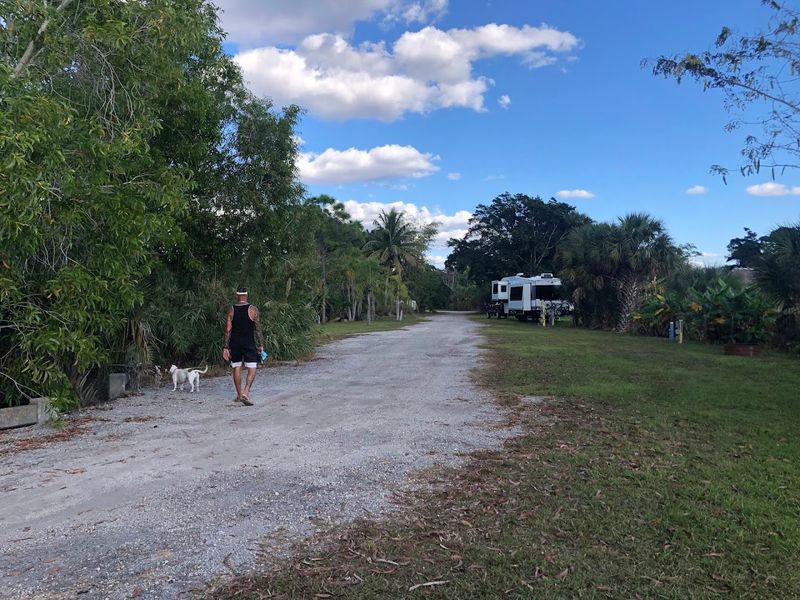
The Skunk Ape Research Headquarters doubles as a full campground, and the setup is more comfortable than the roadside exterior might suggest. Pull-through RV sites come with 50-amp electric and water hookups, a maintained grassy area, a picnic table, and a fire ring, all for around $75 per night.
The laundry facilities are a genuine convenience for longer trips, with two washers and two dryers available at $2 per load. The bathhouse is described honestly by the property as rustic, which sets the right expectations for what you will find, but everything is functional and maintained.
One practical note worth passing along: the mosquitoes in this part of the Everglades are not a small inconvenience. They are a significant presence, especially at dusk.
Long sleeves, long pants, a strong fan at your door, and citronella candles will make a real difference in your overall enjoyment of the overnight experience.
Cabins, Chickee Huts, and Alternative Lodging
Beyond traditional tent and RV camping, the property offers cabins and chickee huts for guests who want a more sheltered experience without booking a conventional hotel. Chickee huts are open-air structures built in the traditional style of the Seminole people, and spending a night in one puts you directly in contact with the sounds, smells, and rhythms of the surrounding swamp.
The combination of lodging options makes the headquarters a viable base camp for anyone planning to spend multiple days exploring Big Cypress National Preserve, the nearby Ten Thousand Islands, or the broader Everglades ecosystem.
One visitor liked the property enough to get married there, which tells you something about the atmosphere the place creates when you spend more than a quick stop’s worth of time with it. The grounds are well-maintained, the staff is consistently described as welcoming, and the setting is unlike anything else in South Florida.
Live Music and Community Events
On certain visits, the property transforms into something closer to a community gathering spot than a tourist attraction. Live music events bring locals and travelers together in the outdoor space behind the gift shop, and the atmosphere during those occasions is relaxed, friendly, and genuinely fun.
The community that has formed around the headquarters reflects the broader culture of the people who live and work in this remote stretch of South Florida. There is a warmth and openness to the regulars here that feels earned rather than performed, and newcomers are welcomed without any of the cliquishness that can make tight-knit communities feel exclusionary.
Checking the property’s website or social media before your visit is a smart move if you want to time your trip around one of these events. The regular hours run Tuesday through Sunday from 9 AM to 5 PM, but event schedules can extend the experience well into the evening.
Old Florida Roadside Charm in a Modern World
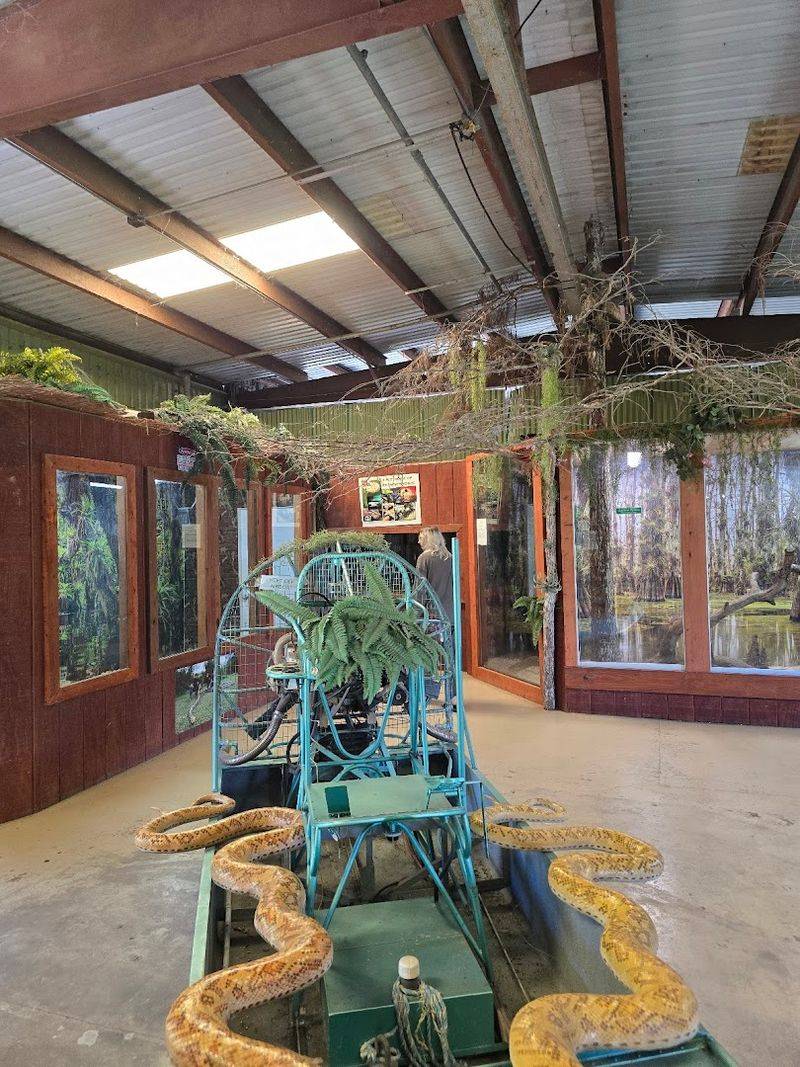
There is a specific kind of Florida that most people under 40 have never experienced, the Florida of hand-painted signs, family-run roadside stops, and attractions that exist because someone genuinely cared about the subject rather than because a focus group approved the concept.
The Skunk Ape Research Headquarters is one of the last surviving examples of that tradition in South Florida. Multiple visitors have noted that the place triggers a specific kind of nostalgia for road trips taken with parents and grandparents through the old backroads of the state, a time when every few miles brought something unexpected and weird and worth stopping for.
That quality is genuinely rare now. Chain restaurants and branded experiences have replaced most of what made Florida road travel feel like an adventure.
Finding a place that still operates on personality, local knowledge, and a healthy obsession with a swamp creature is something worth supporting while it still exists.
Who Should Actually Visit and Why
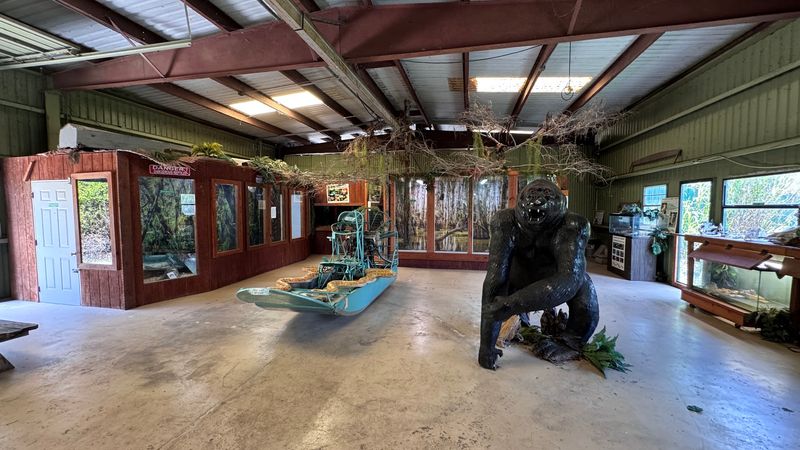
The honest answer is that this place works best for people who arrive with the right frame of mind. If you treat it as a quirky, educational, genuinely Florida experience with a small reptile exhibit, a well-stocked gift shop, and a staff that knows their local history cold, you will have a great time.
Families with kids do particularly well here. The animals are close enough to be exciting without being overwhelming, the gift shop has plenty of affordable options, and the overall vibe is relaxed and unhurried.
Solo travelers and couples who enjoy offbeat stops also consistently rate it highly.
The one group that may leave slightly underwhelmed are visitors expecting a full-scale cryptid museum with extensive exhibits and dramatic presentations. The Skunk Ape experience here is more conversational and personal than theatrical, and adjusting for that expectation before arrival makes a significant difference in how you experience the whole stop.
Practical Tips Before You Go
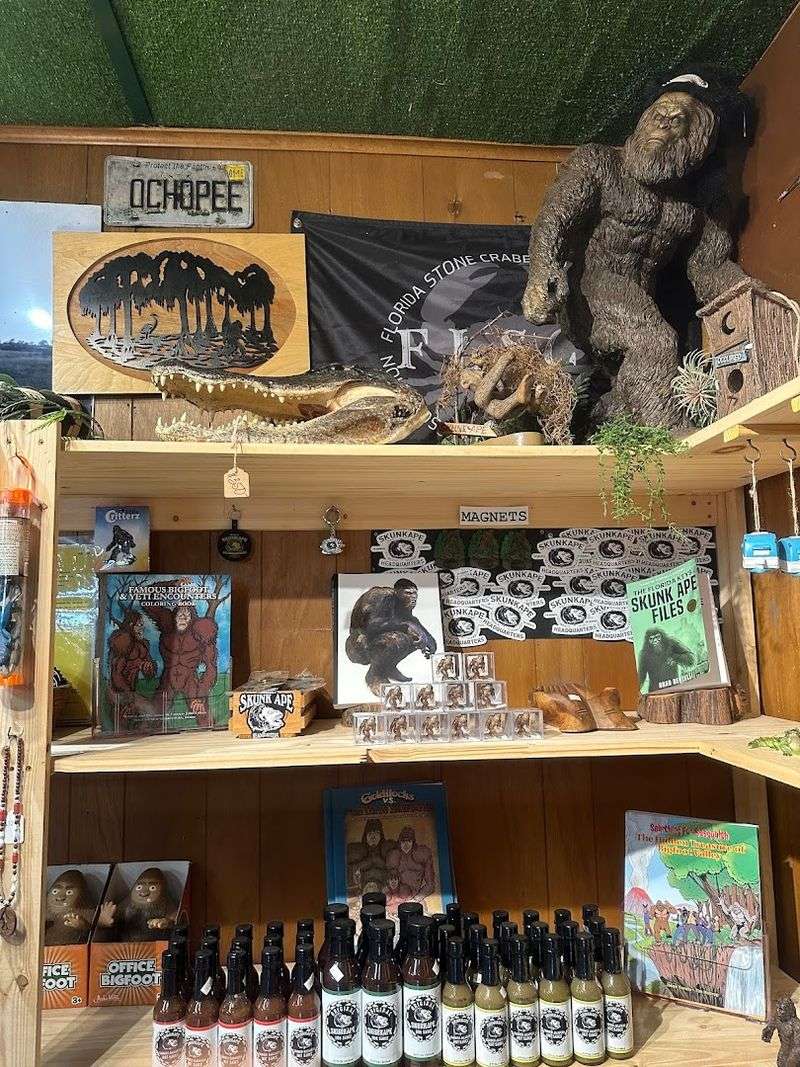
The headquarters is open seven days a week from 9 AM to 5 PM, so timing your visit is straightforward. The admission fee for the reptile exhibit is nominal, and the gift shop is free to browse.
Bringing cash is a good idea, as rural Florida businesses do not always have reliable card processing infrastructure.
Bug spray is not optional in this part of the Everglades, particularly in the warmer months. Long, loose-fitting clothing will also help significantly if you plan to spend time outside near the animal enclosures or on the kayak route.
The website at skunkape.info has current information on camping availability, event schedules, and tour options. Cell service along Tamiami Trail can be spotty, so downloading directions and any relevant information before you leave a populated area is a practical step that will save you a frustrating roadside moment.



