 Unearth The Voyage
There is a place tucked away in rural Florida where the hum of modern life fades fast, and something older, more grounded, and genuinely surprising takes over. Old wooden buildings stand in clusters, peacocks wander freely, and the smell of a blacksmith forge drifts through the air on a Saturday morning.
It is not a theme park or a movie set. The Barberville Pioneer Settlement is a real, working slice of early 1900s Florida history, preserved by passionate volunteers and open to curious visitors almost every day of the week.
Whether you are a history fan, a family looking for a hands-on day trip, or someone who just wants to understand what Florida looked like before the highways and strip malls arrived, this place will genuinely surprise you. Keep reading, because there is a lot more going on here than meets the eye.
Where the Past Has a Street Address
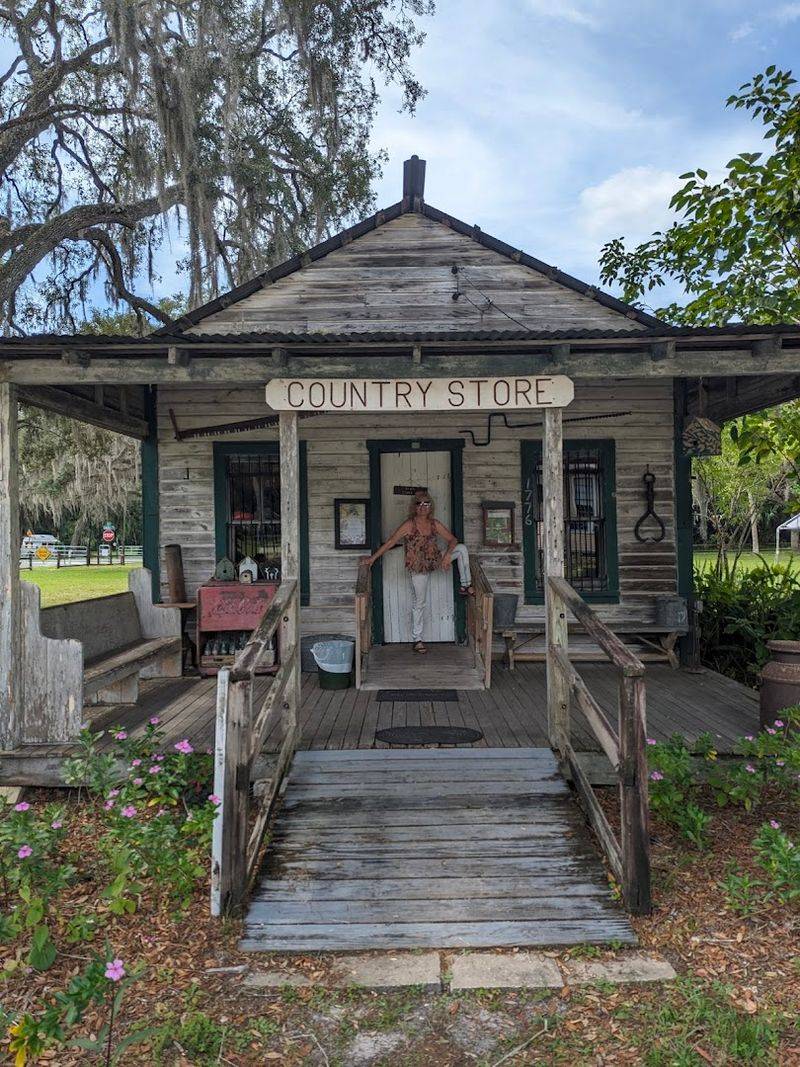
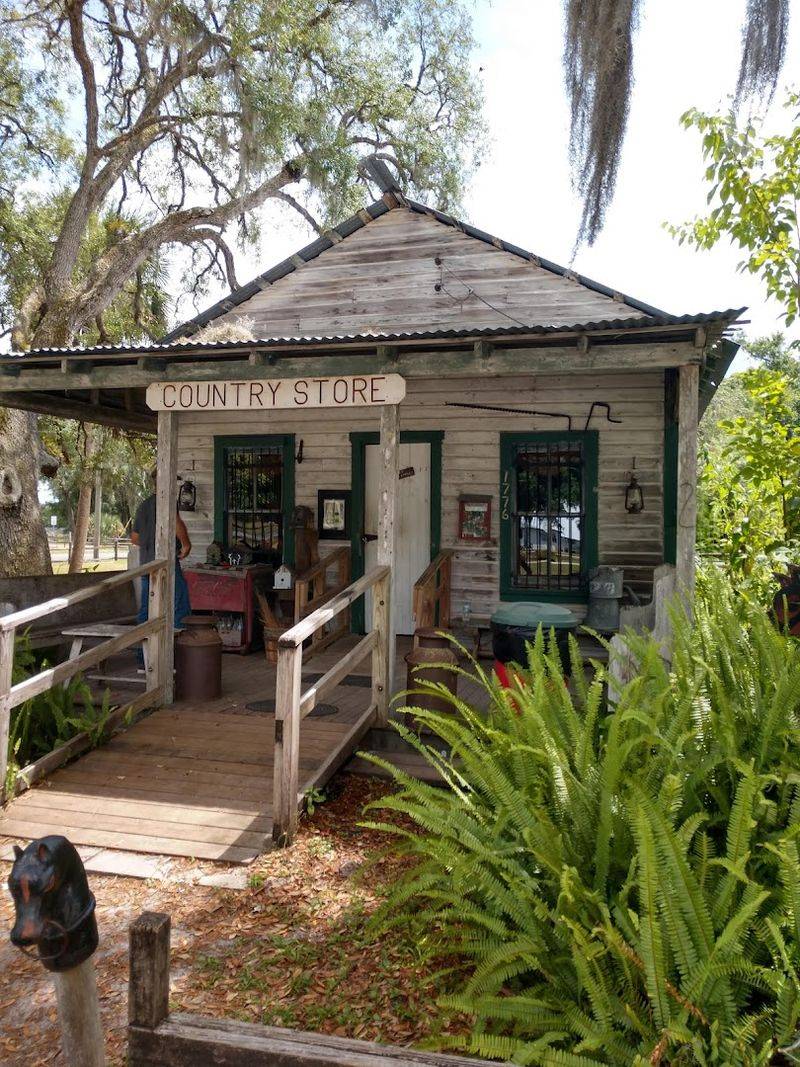
The Barberville Pioneer Settlement sits at 1776 Lightfoot Lane, Barberville, and that address alone feels fitting for a place dedicated to American roots and heritage. Barberville is a small community in Volusia County, tucked between Daytona Beach and Palatka, far enough from the tourist corridors to feel genuinely off the beaten path.
The settlement is a registered non-profit organization, which means every admission dollar goes right back into preserving the buildings, animals, and programs on the grounds. The property spans a generous stretch of land, and during my visit, I was struck by how naturally everything is arranged.
Nothing feels forced or staged.
Hours run Monday through Saturday from 9 AM to 4 PM, and Sunday from noon to 4 PM.
A Timeline Told Through Buildings
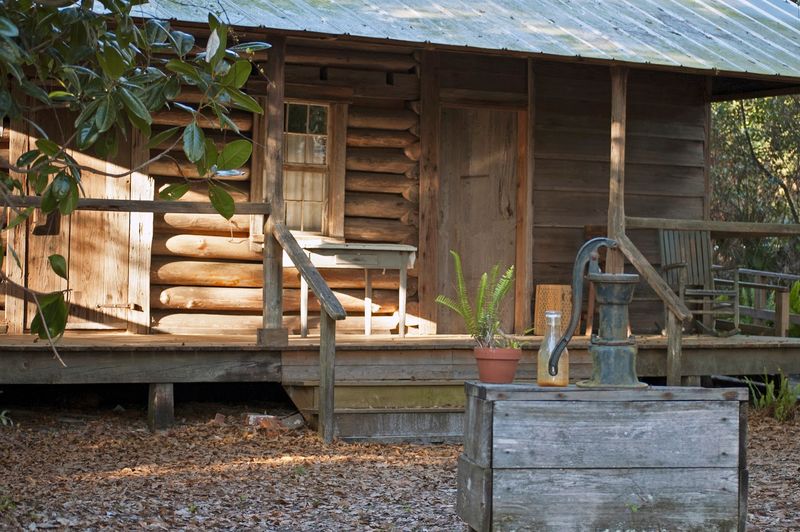
One of the first things that hits you when you walk the grounds is just how many original structures are still standing. There is a one-room schoolhouse, a church, a post office, a blacksmith shop, a print shop, a pottery house, a barn, and several cabins, including a beautiful log cabin set back in the trees that feels like it belongs in a different world entirely.
Each building tells a chapter of early Florida life, and the layout makes it easy to move from one to the next without backtracking. A visitor with a Fitbit once clocked the full loop at about three-quarters of a mile, which is a comfortable walk even for younger kids.
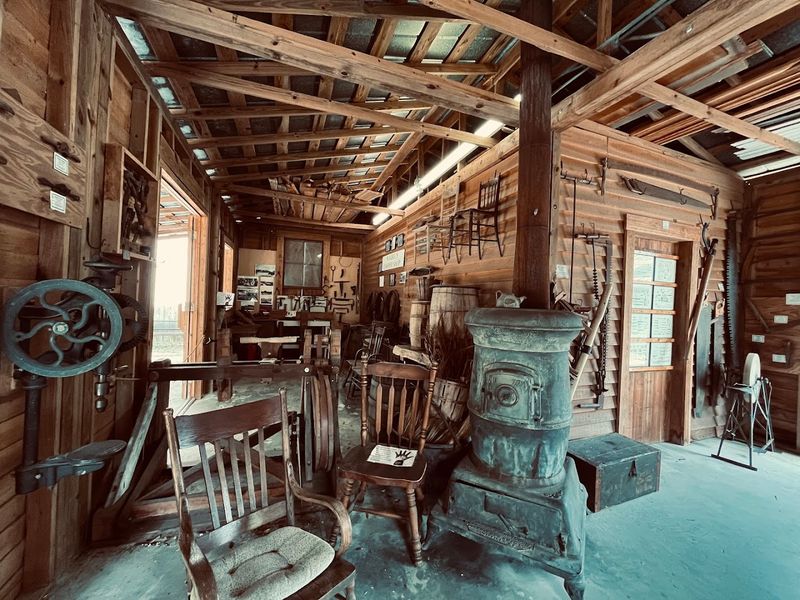
The structures are kept in remarkable condition, and most still contain period-appropriate tools, furniture, and everyday objects that give each space a lived-in feeling rather than a museum-display vibe.
Candles, Weaving, and Getting Your Hands Dirty
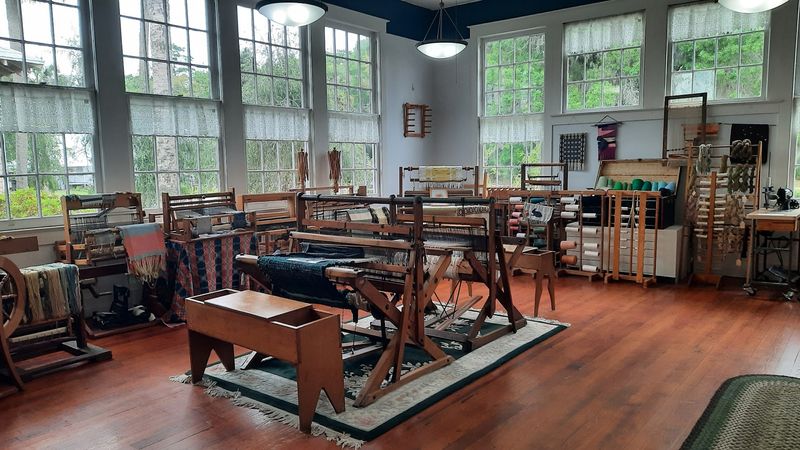
Hands-on learning is the heartbeat of this place. Candle making, weaving demonstrations, and pottery displays are set up throughout the settlement, and the staff genuinely encourages visitors to try things rather than just observe from a distance.
During school field trips, students rotate through activity stations where they learn what different jobs kept a settlement running. From dipping candles to working the loom, each station connects a physical task to a real piece of Florida’s past.
The kids I watched during my visit were completely absorbed, and the educators running each station had a knack for making history feel urgent and relevant.
Even on a regular self-guided visit, the displays are set up so that the process is clear and the tools are visible. It is the kind of place where curiosity is rewarded, and where you leave knowing something you did not know before.
The Blacksmithing Classes That People Keep Coming Back For
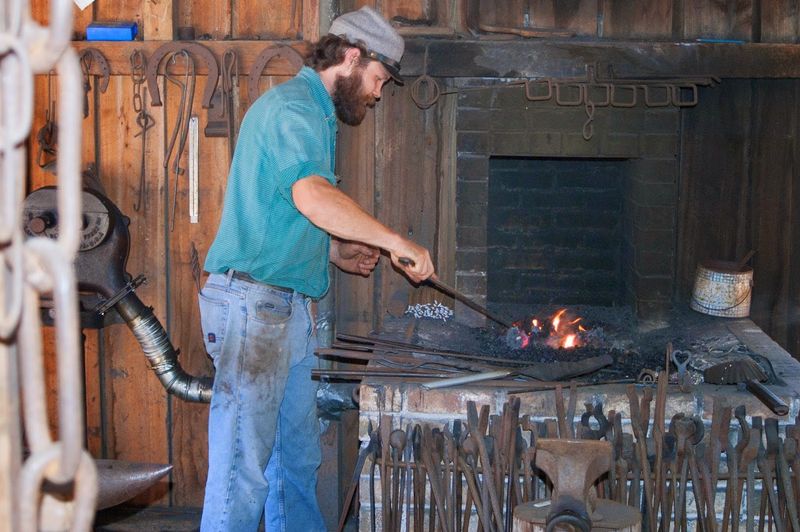
Saturday blacksmithing classes have built a loyal following at the settlement, and it is not hard to understand why. You show up, learn from a knowledgeable instructor, work with real fire and real metal, and walk away with a small handmade object you actually forged yourself.
That is a hard experience to replicate anywhere else in Florida.
The classes are well-organized and reasonably priced, and the instructors bring both technical skill and genuine enthusiasm to the sessions. The forge itself sits inside one of the original blacksmith buildings, which adds a layer of authenticity that a modern workshop simply cannot match.
For anyone who has ever been curious about traditional metalworking but never had the chance to try it, this is a low-pressure and genuinely enjoyable entry point. The combination of a historic setting and a skilled teacher makes these sessions a standout feature of the settlement.
Peacocks, Goats, and a Donkey Named Nobody Warned Me
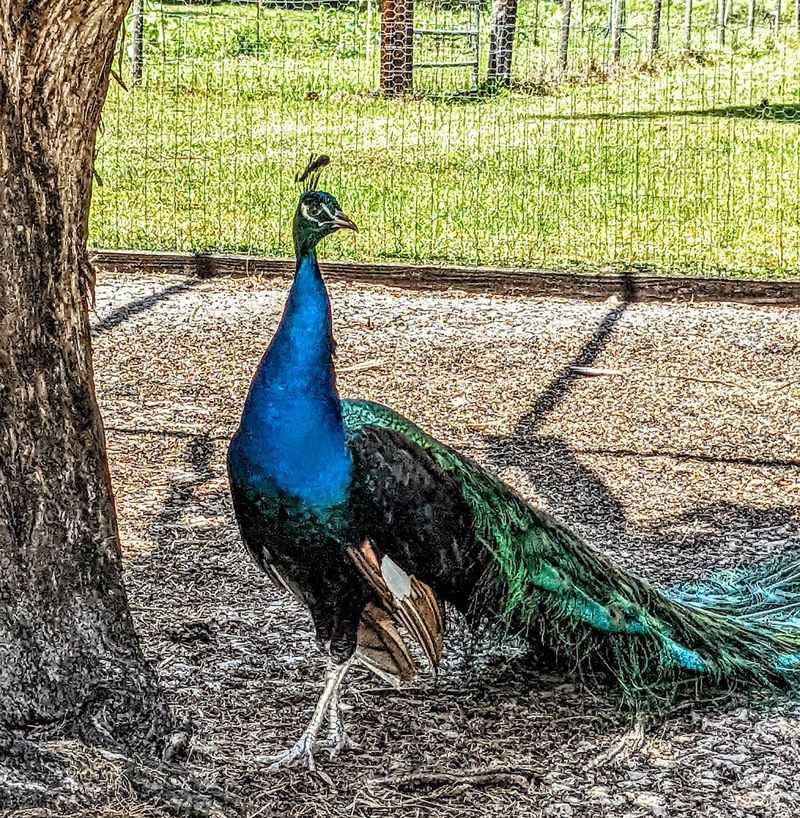
The animal residents of the settlement are a genuine delight, and they roam with a confidence that suggests they know exactly who runs the place. Peacocks wander the property freely, and their sudden appearances around corners have startled more than a few unsuspecting visitors.
The small farm area includes Nigerian Dwarf and LaMancha goats, a donkey, ducks, and chickens. For young children, this is often the highlight of the visit, and the animals are calm and accustomed to people stopping to say hello.
The farm animals add a layer of warmth and life to the grounds that purely architectural sites sometimes lack.
There is something unexpectedly grounding about watching a goat nibble grass beside a 100-year-old cabin while a peacock struts past in the background. The settlement manages to feel both educational and genuinely alive, and the animals are a big part of that energy.
The Music Festivals That Bring the Whole Settlement to Life
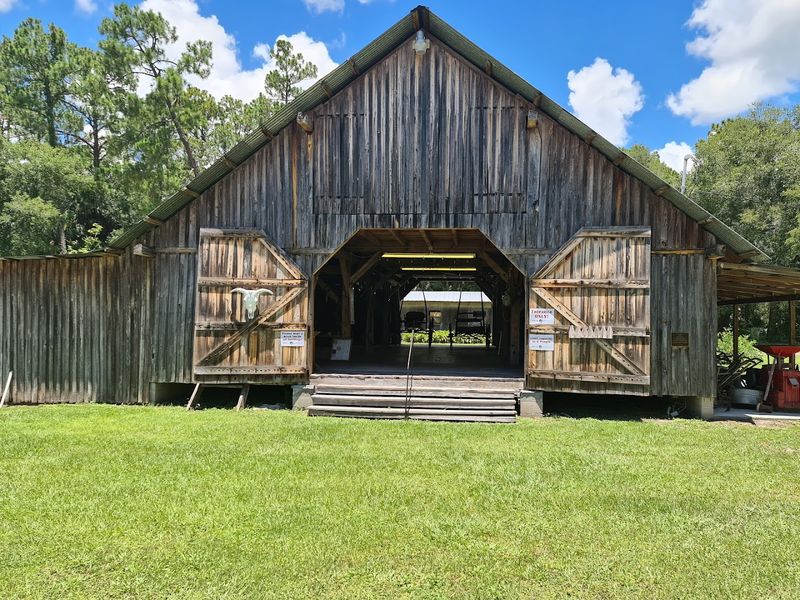
Twice a year, the settlement transforms into a full-scale music festival, drawing musicians, food vendors, artists, and crowds from across the region. The Spring Frolic and the Fall Jamboree are the two signature events, typically held on the first Saturday of April and November respectively.
During these festivals, music tents are spread across the grounds, and visitors can weave between performances while also exploring the historic buildings and trying their hand at traditional crafts like weaving. The atmosphere is festive but never chaotic, and the historic setting gives the whole event a character that a standard fairground simply cannot provide.
The Fall Jamboree features square dancing, live musicians across multiple stages, food vendors selling everything from frozen custard to handmade goods, and a general sense of community that feels genuinely old-fashioned in the best possible way. These events are worth planning a trip around.
First Mondays and the Porches That Come Alive
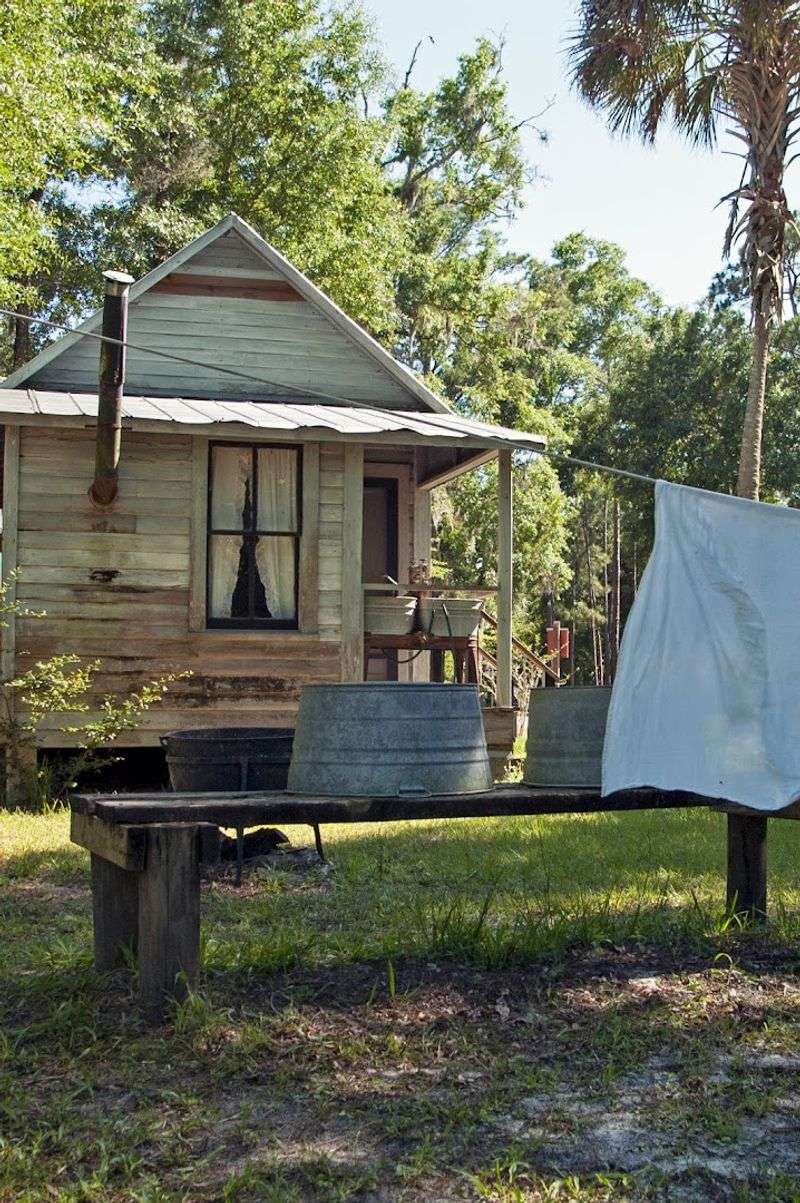
Beyond the big festivals, the settlement hosts Music on the Porches on the first Monday of every month. Local musicians gather on the porches of the historic buildings, and the result is something that feels both spontaneous and deeply rooted in the region’s folk traditions.
Square dancing and contra dancing also take place on a regular basis at the settlement, giving visitors a reason to return throughout the year rather than treating it as a one-time stop. The combination of music, movement, and a historic setting creates an atmosphere that is hard to find anywhere else in Central Florida.
For families, retirees, or anyone looking for a community-centered evening that does not involve a screen, these recurring events are a real find. The settlement functions as a living cultural hub, not just a place to look at old things, and the monthly programming reflects that mission clearly.
What the Self-Guided Tour Actually Looks Like
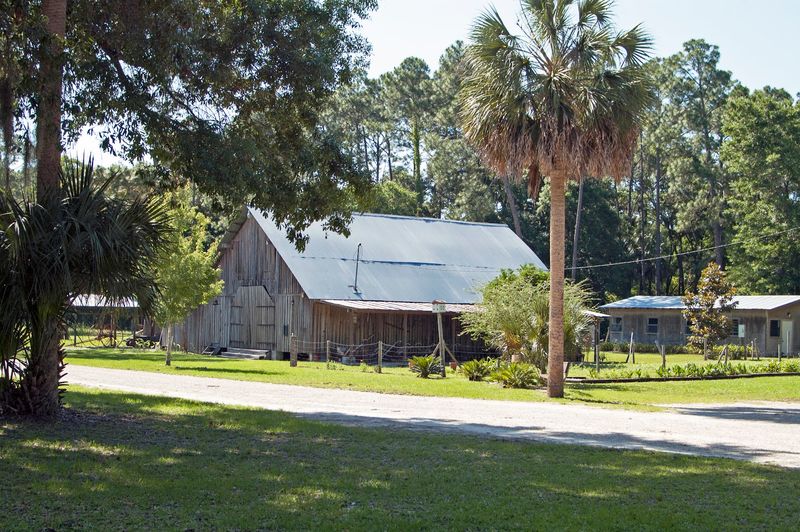
The self-guided tour costs ten dollars for adults and four dollars for children twelve and under, which makes it one of the most affordable full-day activities in Volusia County. A map helps orient you at the entrance, and from there, you set your own pace through the grounds.
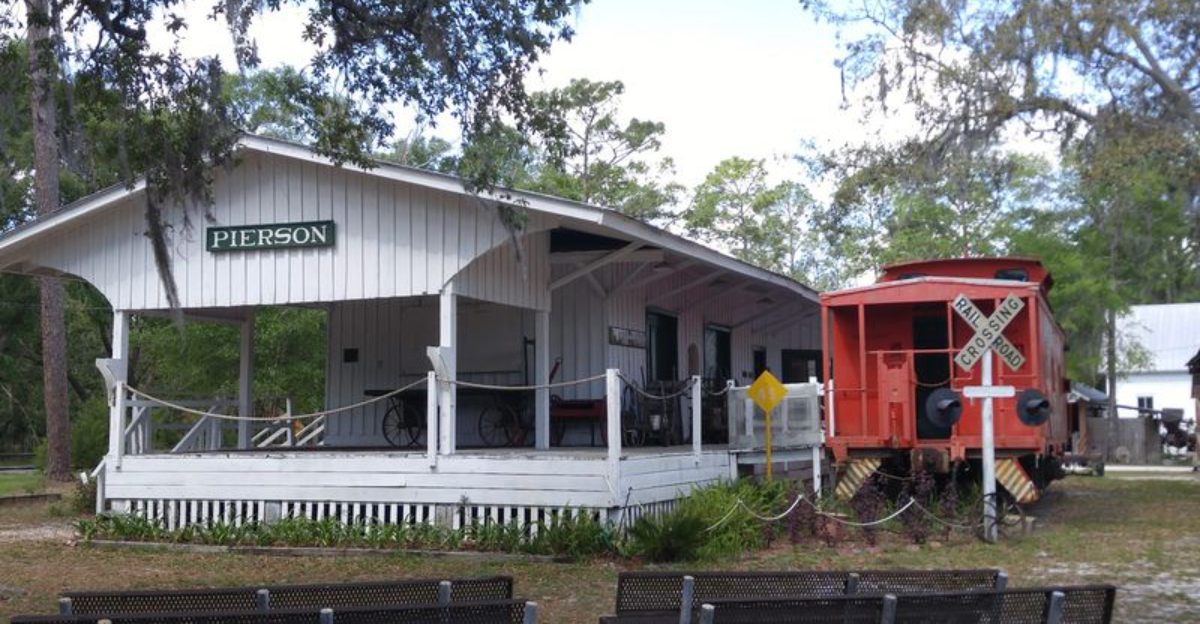
The tour covers the full spread of buildings, from the train depot and caboose to the general store and the model train display. Some buildings are staffed by knowledgeable volunteers who are eager to share context, while others are open for self-exploration.
The quality of your experience can vary depending on the day and whether events are scheduled, so checking the calendar before you go is a smart move.
On a quiet weekday, the grounds have a peaceful, unhurried quality that is genuinely refreshing. On an event day, the energy is completely different and equally worthwhile, just plan accordingly.
The Train Depot, the Caboose, and the Unexpected Finds
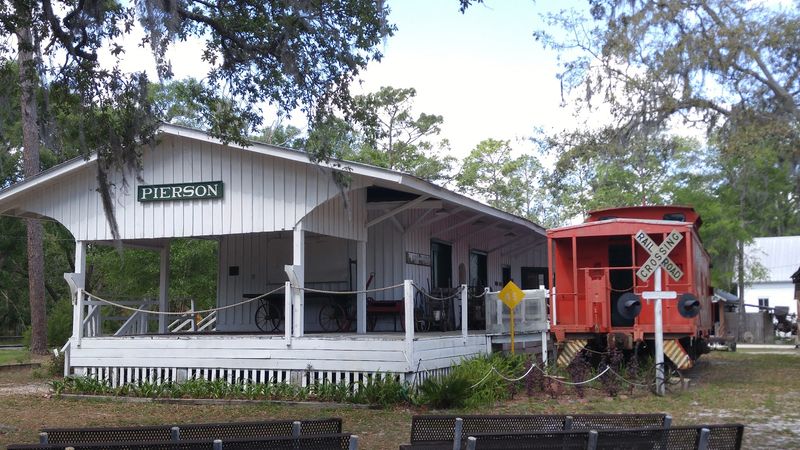
One of the more unexpected highlights of the settlement is the train depot and caboose, which sit on the property as a reminder of how rail travel shaped early Florida communities. The depot is well-preserved, and standing inside it gives you a concrete sense of how goods and people moved through rural Florida in the early 1900s.
Nearby, the model train display is a quieter but charming feature that tends to capture the attention of visitors of all ages. There is also an old car garage on the grounds, complete with vintage vehicles and tools that feel frozen in time.
The settlement has a way of rewarding slow walkers. The visitors who spend time in each building and let their eyes adjust to the details tend to find the most interesting objects.
A rusted tool, a faded sign, a hand-stitched quilt, each one is a small story waiting to be noticed.
RV Camping on the Grounds
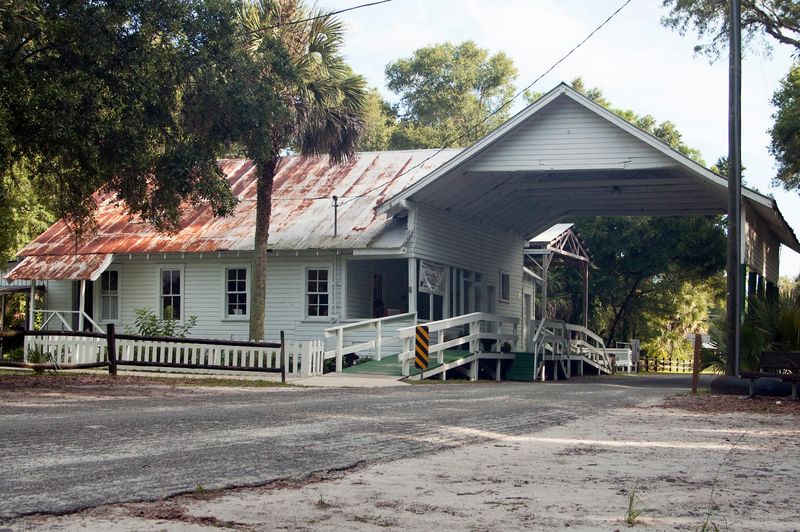
Not many historical sites let you sleep on the property, but the Barberville Pioneer Settlement does. RV camping is available on the grounds, and the experience of waking up surrounded by century-old buildings and Spanish moss-draped oaks is genuinely unlike anything you will find at a standard campground.
The grounds are quiet in the evenings, and the setting has a natural beauty that complements the historical character of the place. There are no food vendors on-site on most regular days, so bringing your own provisions is essential if you plan to stay overnight or spend a full day exploring.
For history enthusiasts who want to extend their visit, camping here is a way to experience the settlement at a pace that a day trip simply cannot match. The early morning light on those old wooden buildings is something worth setting an alarm for.
Field Trips That Teachers Actually Love
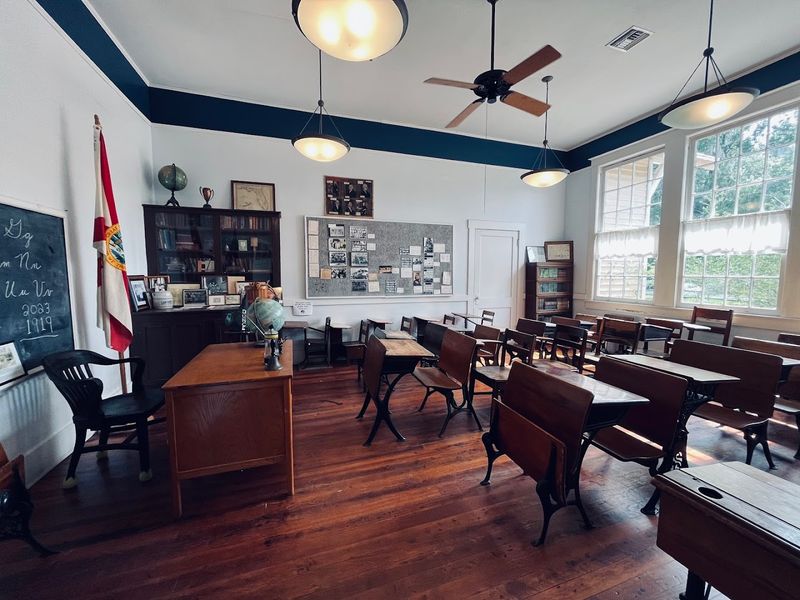
The settlement has built a strong reputation as a field trip destination, and the structured group experience is genuinely well-designed. School groups are met at the entrance, oriented with clear instructions, and then guided through a series of activity stations that cover different aspects of pioneer life.
Each station is staffed by an engaged educator or volunteer who adapts the content to the age group, keeping younger children active and curious while giving older students more detailed historical context. The visit typically runs from around 10 AM to 12:30 PM for school groups, often wrapping up with lunch on the grounds.
Group rates are available, and the settlement also accommodates private tours for families or organizations who want a more personalized experience. For teachers looking for a field trip that connects directly to Florida history standards while keeping students genuinely entertained, this is one of the stronger options in the region.
Weddings in a Place That Feels Like It Has Always Been There
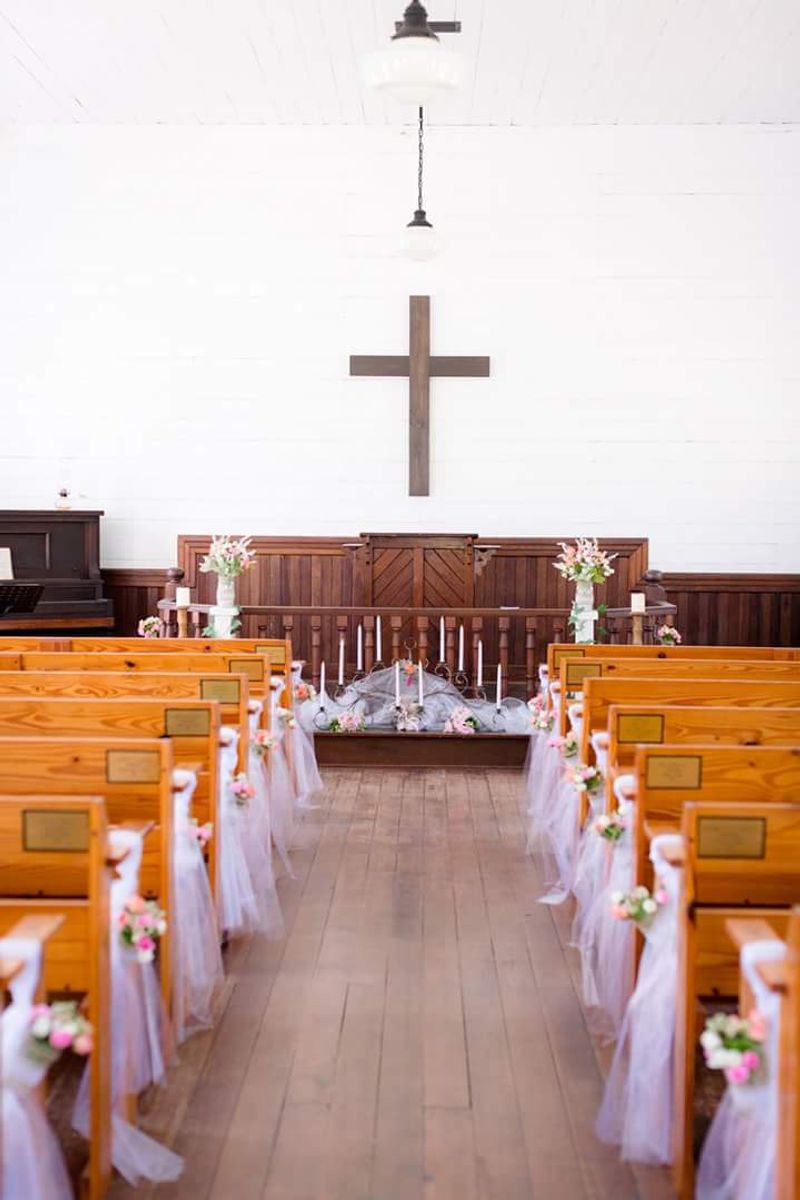
The settlement is also available as a wedding venue, and the combination of historic architecture, open grounds, and natural Florida landscape makes it an unusually atmospheric choice for couples who want something outside the typical ballroom experience.
The buildings, the oak canopy, and the general character of the property create a backdrop that no decorator could fully replicate. Ceremonies held here carry a sense of place and history that feels earned rather than manufactured, which is increasingly rare in the wedding venue market.
Practical details like capacity, catering arrangements, and event logistics would need to be confirmed directly with the settlement staff, but the bones of the venue are genuinely impressive. For couples who care about authenticity and want their wedding to feel rooted in something real, the Barberville Pioneer Settlement offers a setting that is both beautiful and meaningfully distinct from anything else in the area.
The Volunteers Who Make the Whole Thing Work
Behind every well-maintained building, every informative station, and every engaging demonstration is a team of volunteers who genuinely care about this place. The settlement runs as a non-profit, and the volunteer corps is the engine that keeps it functioning at a high level year-round.
The volunteers tend to be deeply knowledgeable, not just about the objects and buildings they oversee, but about the broader history of early Florida settlement. Conversations with them often turn into mini-history lessons that are far more engaging than any posted sign could be.
The warmth of the people here is one of the things that visitors mention most consistently. There is a sense that everyone on the grounds, whether staff or volunteer, wants you to leave knowing more than you arrived with.
That kind of genuine investment in the visitor experience is something that no marketing budget can manufacture, and it shows.
Tips for Getting the Most Out of Your Visit
A few practical notes can make a real difference in how much you enjoy the settlement. Checking the event calendar at pioneersettlement.org before you go is strongly recommended, because the experience on a regular self-guided day differs significantly from a festival or class day.
Wear comfortable walking shoes, since the grounds are unpaved in many areas and the three-quarter-mile loop involves a mix of grass, gravel, and dirt paths. There is no food available on-site on most standard days, so packing snacks and water is a smart call, especially if you are visiting with children.
Arriving early, especially on weekends, gives you the best chance of catching knowledgeable volunteers at their stations before group tours fill the space. The settlement opens at 9 AM Monday through Saturday, and at noon on Sundays.
A morning visit on a clear Florida day, with the light coming through the oaks, is hard to beat.



