 Unearth The Voyage
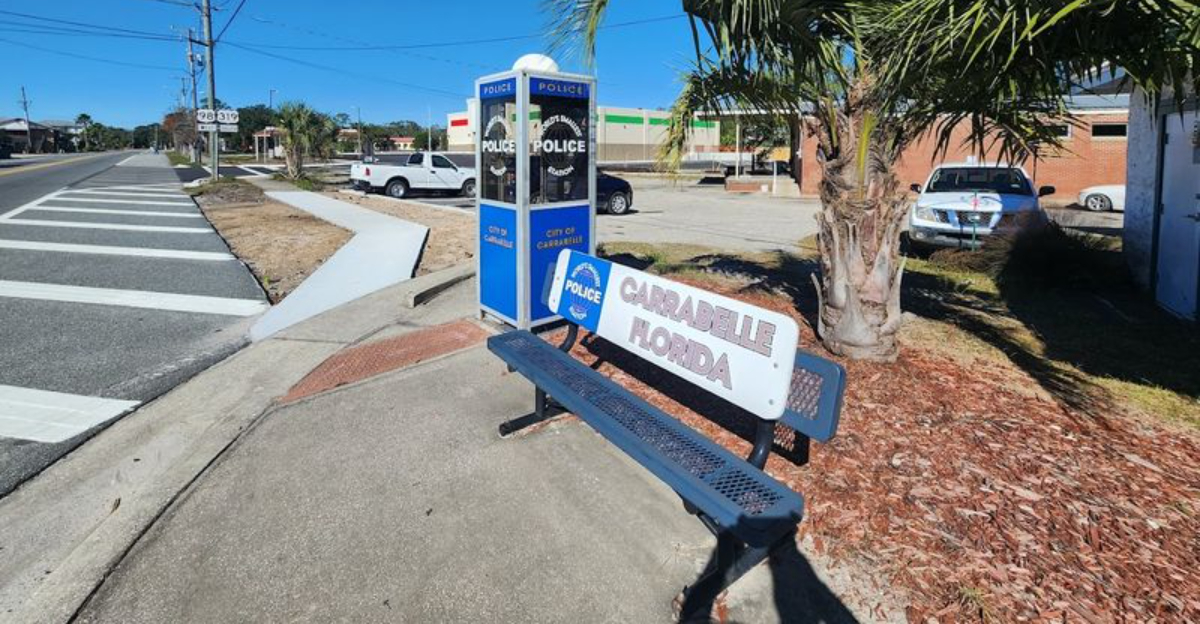
There is a police station in Florida so small that most people walk right past it before realizing what they are looking at. It is not a toy, not a prop, and definitely not a prank.
The whole thing fits inside what looks like a vintage phone booth, and yet it has a real badge of honor: it has been featured on national television and in Ripley’s Believe It or Not. The story behind why this tiny booth became an official police station is equal parts practical thinking and small-town charm, and it says a lot about the creative spirit of the community that built it.
Keep reading to find out how a Florida fishing village turned a phone booth into one of the most photographed roadside attractions on the Gulf Coast.
Where Exactly You Will Find This Tiny Station
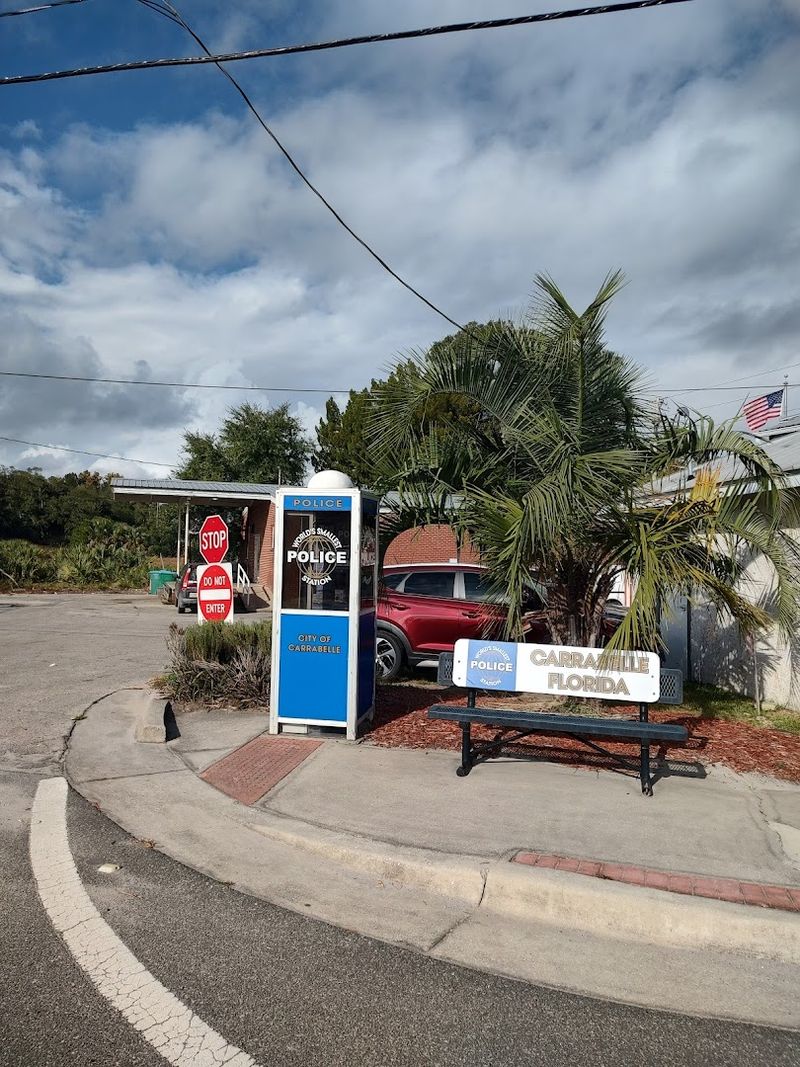
Right on the corner of 102 Ave A N in Carrabelle, this pint-sized landmark sits in plain sight along the coastal route through the Florida Panhandle. Carrabelle is a small fishing village tucked along the Gulf Coast, roughly an hour southwest of Tallahassee, in Franklin County.
The town has a laid-back, old-Florida feel that makes it the kind of place you slow down in without anyone asking you to. The station is open 24 hours a day, every day of the week, which is fitting for a police station even if it cannot fit more than one officer at a time.
Parking is easy to find about a block away, and the Visitor Center sits directly across the street for anyone who wants more context. The phone number on record is +1 850-697-3691 if you want to call ahead, though the booth does not exactly have a waiting room.
How a Phone Booth Became a Police Station
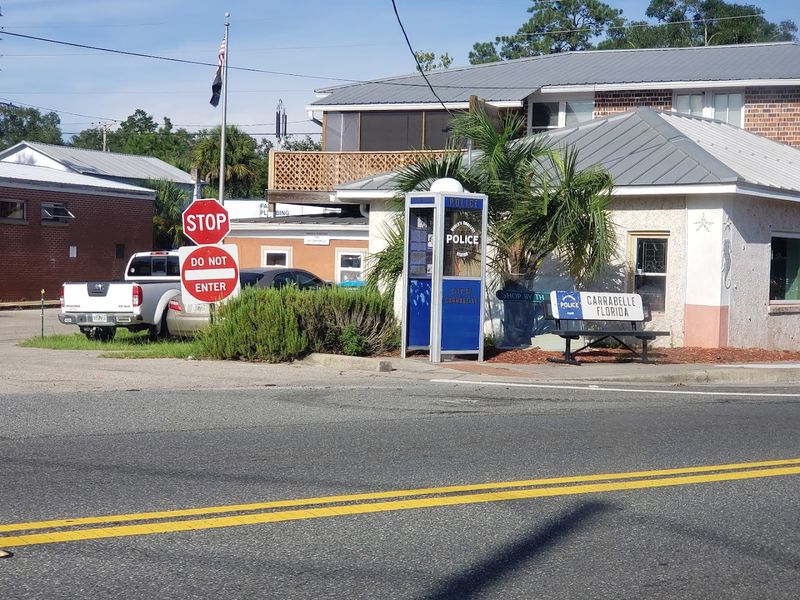
Back in 1963, the town of Carrabelle had a problem: officers needed a place to take calls and stay in contact with the public, but the budget did not stretch far enough for a proper building. The solution was as creative as it was compact.
A telephone booth was converted into an official police station, complete with a phone line so citizens could reach law enforcement directly. It was not meant to be a novelty at first; it was a genuine, working answer to a real logistical challenge.
Over time, as the story spread, the booth became more famous for its size than its function. A small sign inside the booth explains the history, and visitors are welcome to step inside and read it for themselves.
That little plaque has probably been photographed more times than most Florida historical markers ever will be.
The Johnny Carson Connection That Put It on the Map
Not many roadside attractions can say they were mentioned on The Tonight Show, but this one can. Johnny Carson reportedly brought up the World’s Smallest Police Station during one of his broadcasts, and that single mention sent curious travelers hunting for the booth along the Forgotten Coast.
National exposure like that is hard to come by, especially for a small town that most road maps barely acknowledge. Carrabelle leaned into the fame rather than away from it, and the booth became a point of local pride instead of a punchline.
Ripley’s Believe It or Not also featured the station, which added another layer of credibility to its oddball charm. For a town built on fishing and quiet coastal living, having a connection to two of America’s most recognized entertainment brands is genuinely remarkable.
The Carson mention alone probably brought more visitors to Carrabelle than any tourism campaign ever could have.
What the Booth Actually Looks Like Up Close
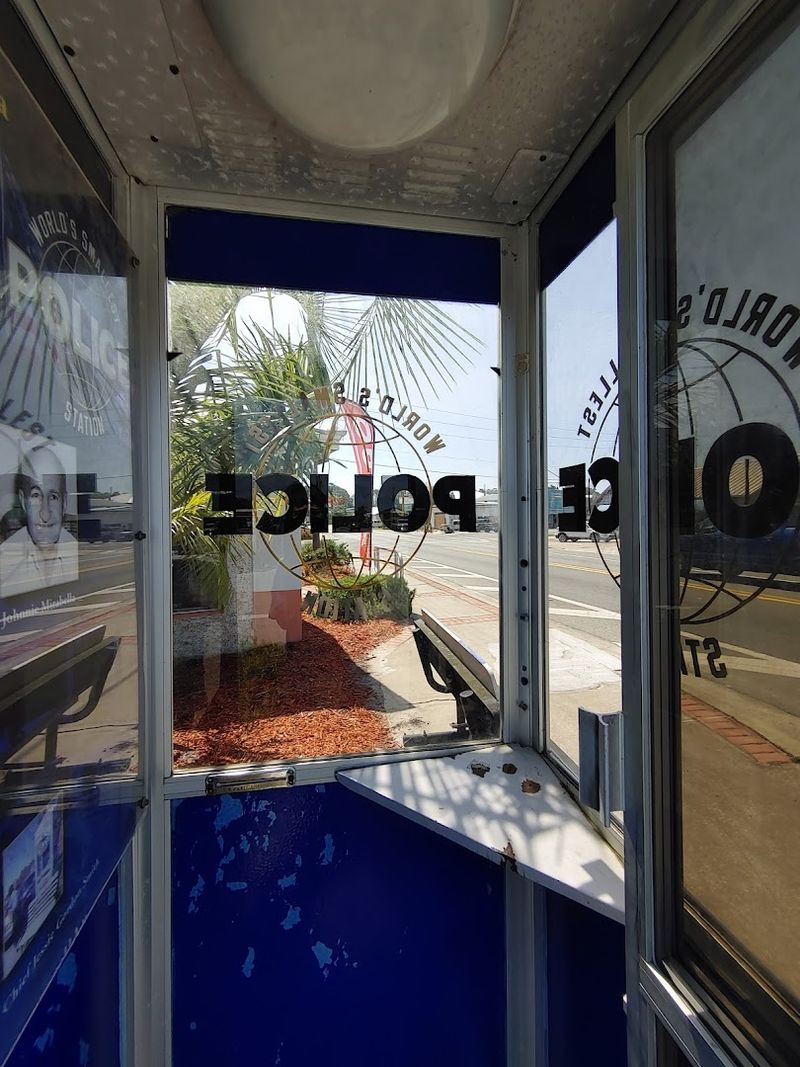
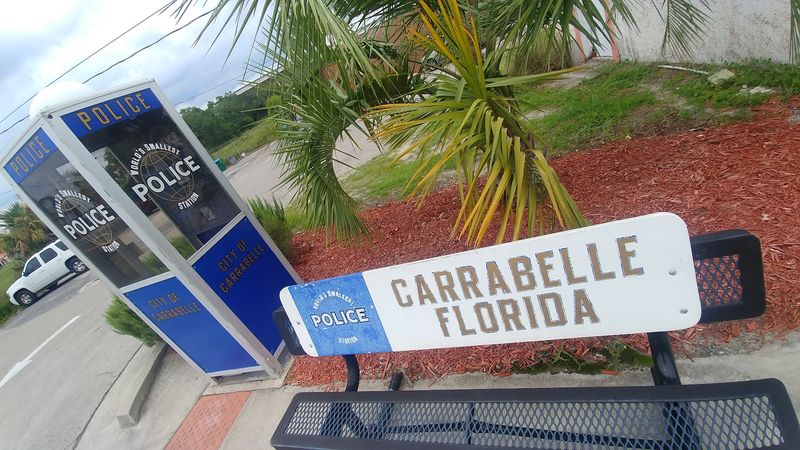
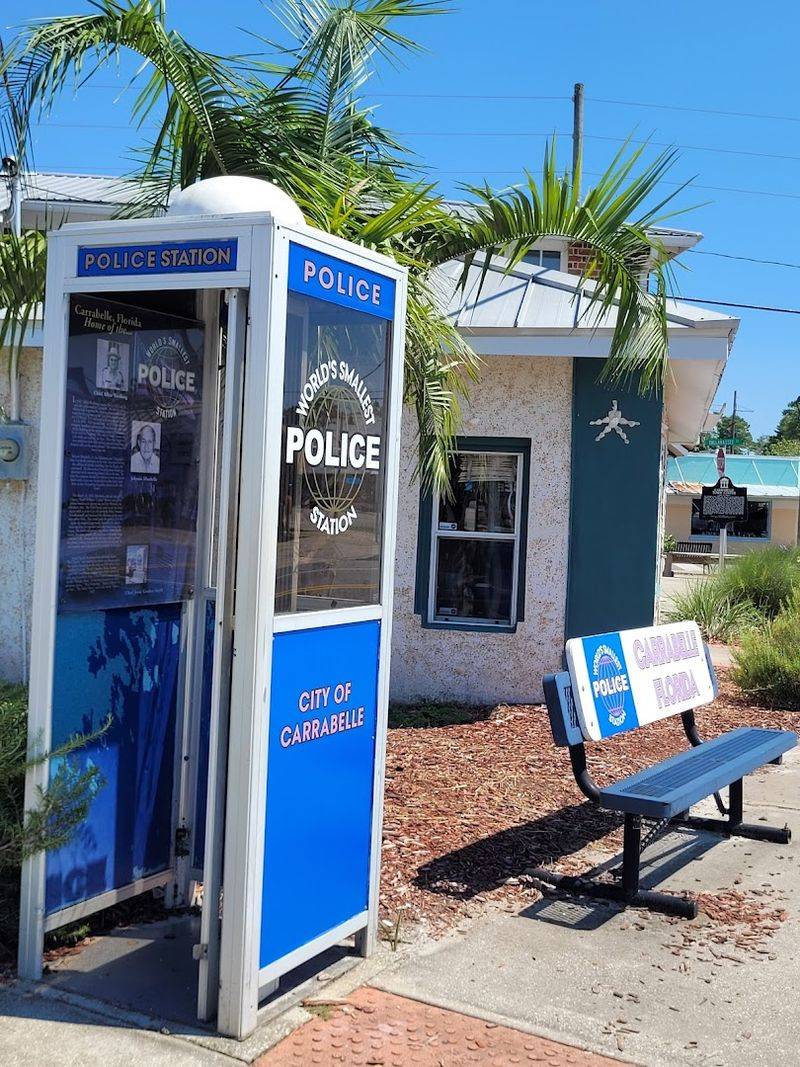
The first thing most people notice is just how literal the whole thing is. This is not a miniature building designed to look like a police station; it is an actual telephone booth with official police signage attached to it.
The structure stands at roughly the size of a standard phone booth, offering maybe eight square feet of interior space on a generous estimate. There is a bench just outside where you can sit and take it all in, which gives the whole scene a surprisingly relaxed, neighborly quality.
The booth is well-maintained and clearly cared for by the community. The signage is clean, the information inside is legible, and the overall presentation feels respectful of both the history and the visitors who come to see it.
Up close, it is genuinely charming in a way that photographs only partially capture, because you have to stand next to it to truly appreciate the scale.
It Is Completely Free to Visit
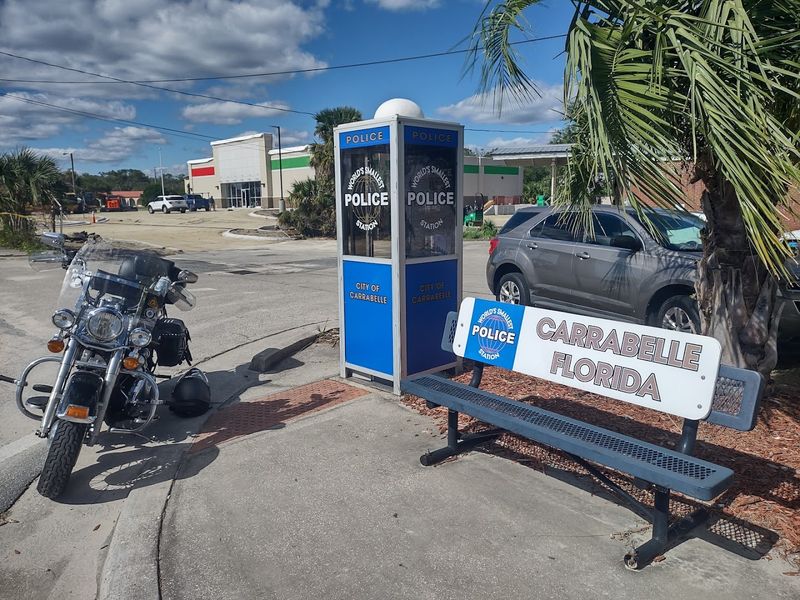
There is no ticket booth, no entry fee, and no timed reservation required to see the World’s Smallest Police Station. You simply walk up, look around, read the sign inside, and take as many photos as you like.
For families on a road trip budget, free attractions carry a lot of weight. This one delivers genuine entertainment and a good story without costing a single dollar, which makes it easy to justify a stop even on a tight schedule.
The no-cost access also means there is no pressure to rush through or feel like you need to spend more time than you actually want to. Most visitors spend anywhere from five to twenty minutes, depending on how many photos they take and whether they wander across the street to the Visitor Center.
Free, low-pressure, and genuinely interesting is a combination that is harder to find than it sounds.
The Forgotten Coast Setting That Surrounds It
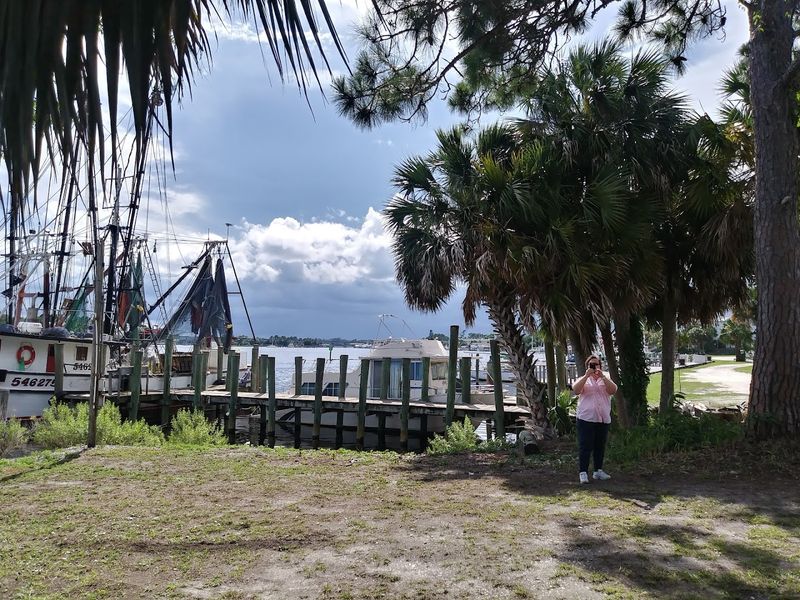
Carrabelle sits along what locals and travel writers call the Forgotten Coast, a stretch of Gulf shoreline in the Florida Panhandle that has largely avoided the heavy commercial development seen in other parts of the state. The nickname is not a complaint; it is a badge of honor for people who love old Florida the way it used to be.
The town has held onto its fishing village identity for decades, and that atmosphere is immediately noticeable when you arrive. The streets are quiet, the pace is slow, and the waterfront still smells like salt and nets rather than sunscreen and souvenir shops.
Visiting the police booth feels even more special in this context because the whole town has a story worth telling. The booth is not out of place here; it fits right into a community that has always done things its own way, on its own terms, without asking for permission.
The Carrabelle History Museum Just Around the Corner
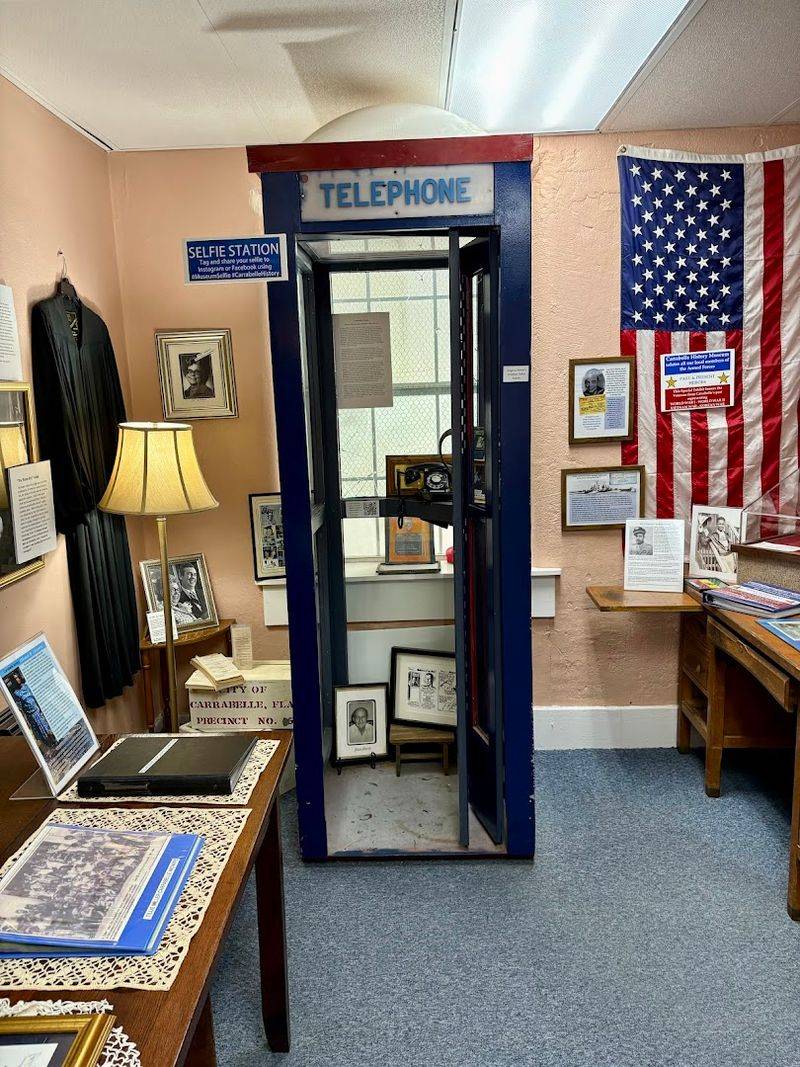
One of the best-kept secrets about visiting the World’s Smallest Police Station is that the full story does not live inside the booth itself. The Carrabelle History Museum, located nearby, holds a much deeper version of the tale and is well worth the short walk.
Staff at the museum are known for being genuinely enthusiastic about sharing local history, and the police station story is one of their favorites to tell. A visit there adds real depth to what might otherwise feel like a quick photo stop.
The museum’s website, carrabellehistorymuseum.org, also has a dedicated page about the station if you want to do some reading before or after your visit. Pairing the two stops together turns a five-minute curiosity into a half-hour experience that actually teaches you something.
That combination of quirky attraction and real historical context is exactly what makes small-town Florida road trips so rewarding.
Perfect for Road Trippers and RV Travelers
The World’s Smallest Police Station has become a natural waypoint for people doing longer drives through the Florida Panhandle. Whether you are heading toward Apalachicola, St. George Island, or making your way along the Gulf Coast, Carrabelle sits in a convenient spot on the route.
RV travelers will find adequate parking about a block from the station, which is a practical detail worth knowing before you arrive with a full rig in tow. The surrounding streets are manageable, and the downtown area is compact enough to explore on foot once you are parked.
Road trips thrive on moments like this one: a completely unplanned stop that ends up being one of the highlights of the whole journey. The booth is easy to spot, quick to enjoy, and leaves you with a story that holds up well at dinner that night.
Some of the best travel memories come from the smallest detours.
What Visitors Are Saying About the Experience
The response from visitors has been consistently warm, with the attraction holding a 4.6-star rating across more than 400 reviews. That is a strong score for something that costs nothing and takes less than half an hour to experience fully.
People tend to mention three things repeatedly: the surprising size, the interesting history, and how much fun it is to photograph. The combination of visual novelty and genuine backstory gives it more staying power than a typical roadside oddity that is just weird without being meaningful.
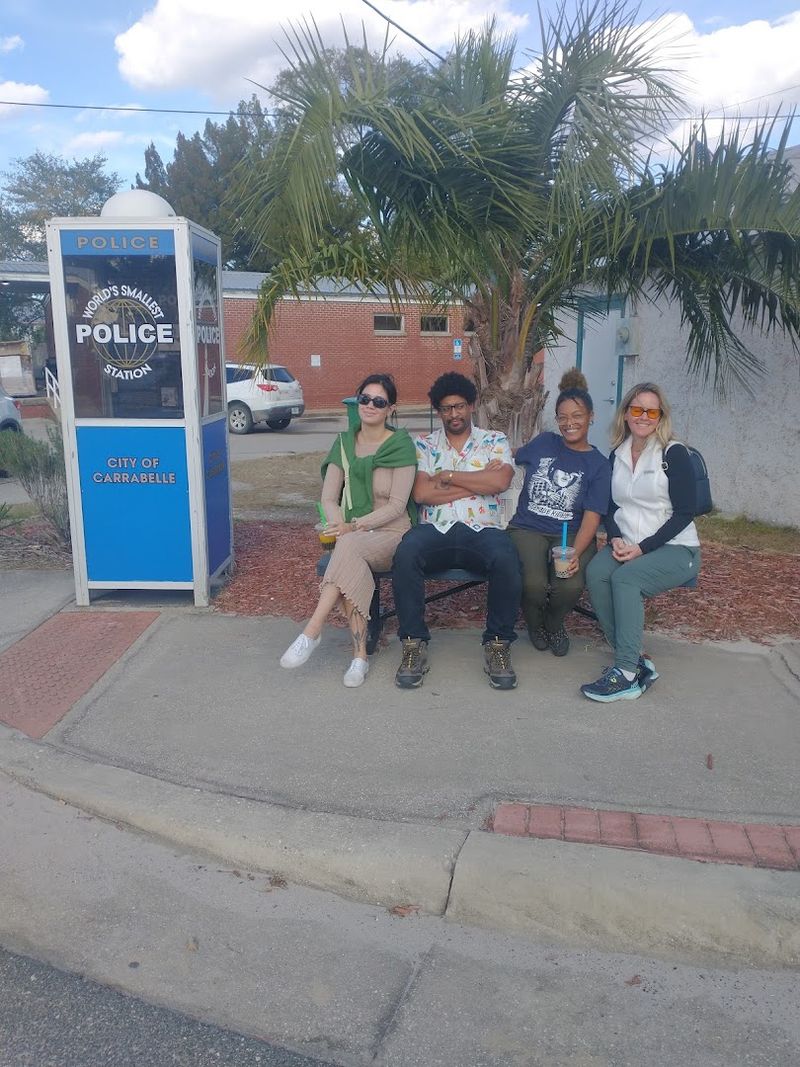
Families with children especially seem to enjoy the stop, partly because kids find the scale genuinely funny and partly because the story is easy to explain in a way that makes sense to younger travelers. The bench outside the booth invites people to sit for a moment, which slows things down just enough for the experience to feel like more than a quick snap-and-go.
Nearby Shops, Cafes, and Things to Do
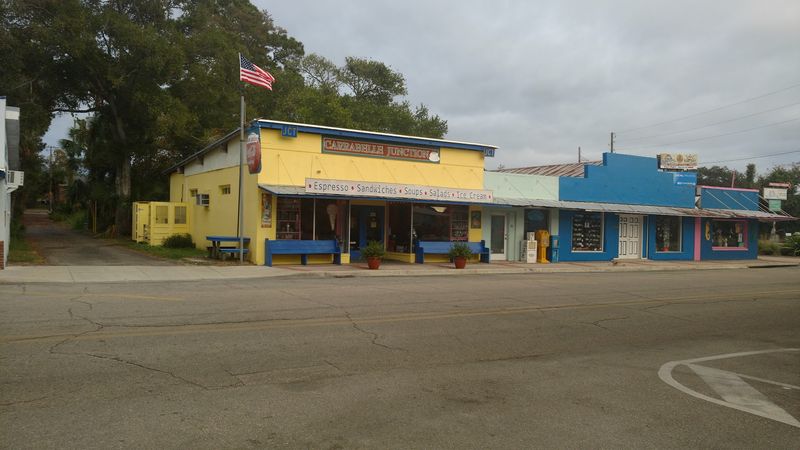
One of the pleasant surprises about stopping in Carrabelle is that the area around the police booth has more to offer than just the booth itself. A handful of interesting shops, local cafes, and a visitor center sit within easy walking distance, making it simple to turn one stop into a broader exploration.
The seafood options in the area are worth noting, since Carrabelle is a working fishing community and fresh Gulf catch is genuinely available rather than just advertised. A meal in town pairs well with the relaxed pace that the whole area encourages.
The Visitor Center directly across the street from the station is a good first stop for anyone who wants a map or a broader overview of what the town has to offer. Carrabelle rewards the curious traveler who takes an extra thirty minutes to poke around, because the town has texture that reveals itself slowly and generously.
Best Times to Visit and Practical Tips
The station is open around the clock, every day of the year, so timing your visit is really about personal preference rather than operating hours. That said, early mornings tend to offer the best light for photography and the fewest other visitors competing for the shot.
Spring and fall are generally the most comfortable seasons in this part of the Florida Panhandle, with mild temperatures and lower humidity than the peak summer months. Summer visits are absolutely doable, but the heat along the Gulf Coast in July and August can make even a short outdoor stop feel more intense than expected.
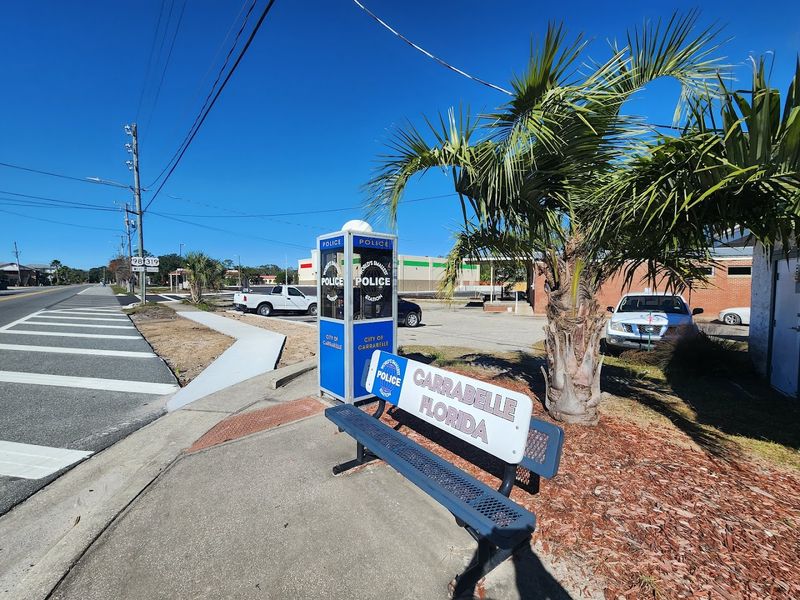
Wearing comfortable shoes is a good idea since the area is best explored on foot once you park. Bringing a camera rather than relying solely on a phone will help you capture the scale of the booth more effectively, since the contrast between the tiny structure and the surrounding street is part of what makes the photo worth taking.



