 Unearth The Voyage
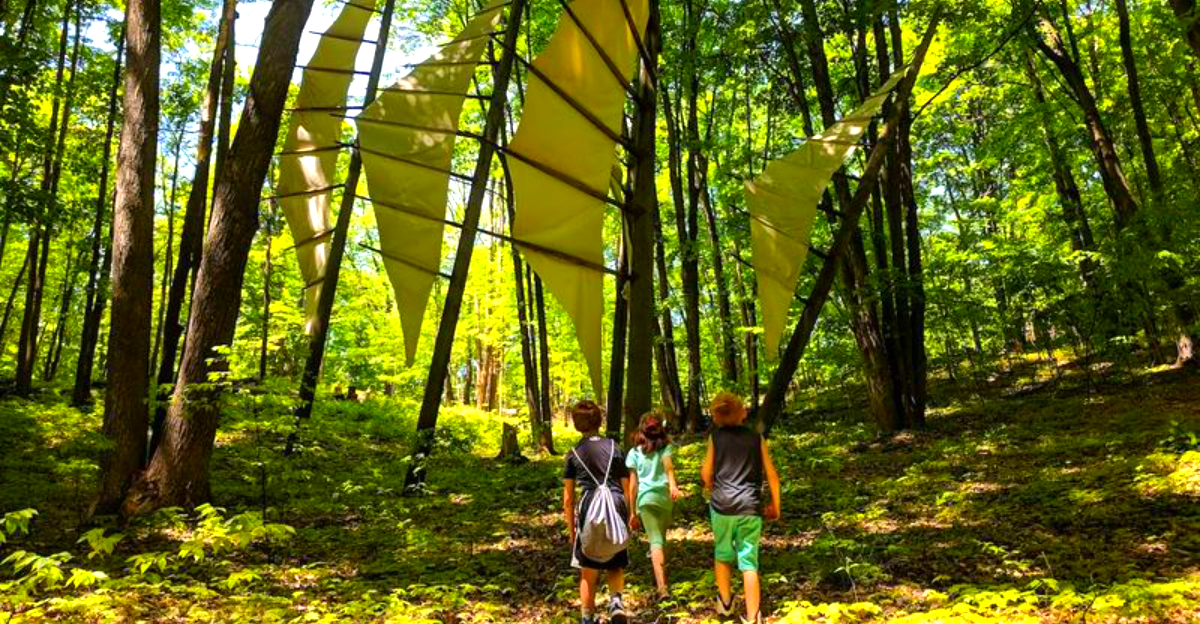
Northern Michigan has a talent for surprising you, and this place does it with trees, trails, poetry, and sculpture all at once. I came expecting a pleasant walk in the woods and left feeling like I had wandered through a living scrapbook of Michigan history, with every bend in the path offering something unexpected to study, photograph, or quietly sit with for a minute.
The best part is that it never feels stiff or museum-like, even though the art is serious, thoughtful, and often deeply rooted in the state around it. Keep reading, because this is the kind of destination that rewards curiosity, sturdy shoes, and anyone who likes their outdoor time with a side of creativity.
Where the trail begins
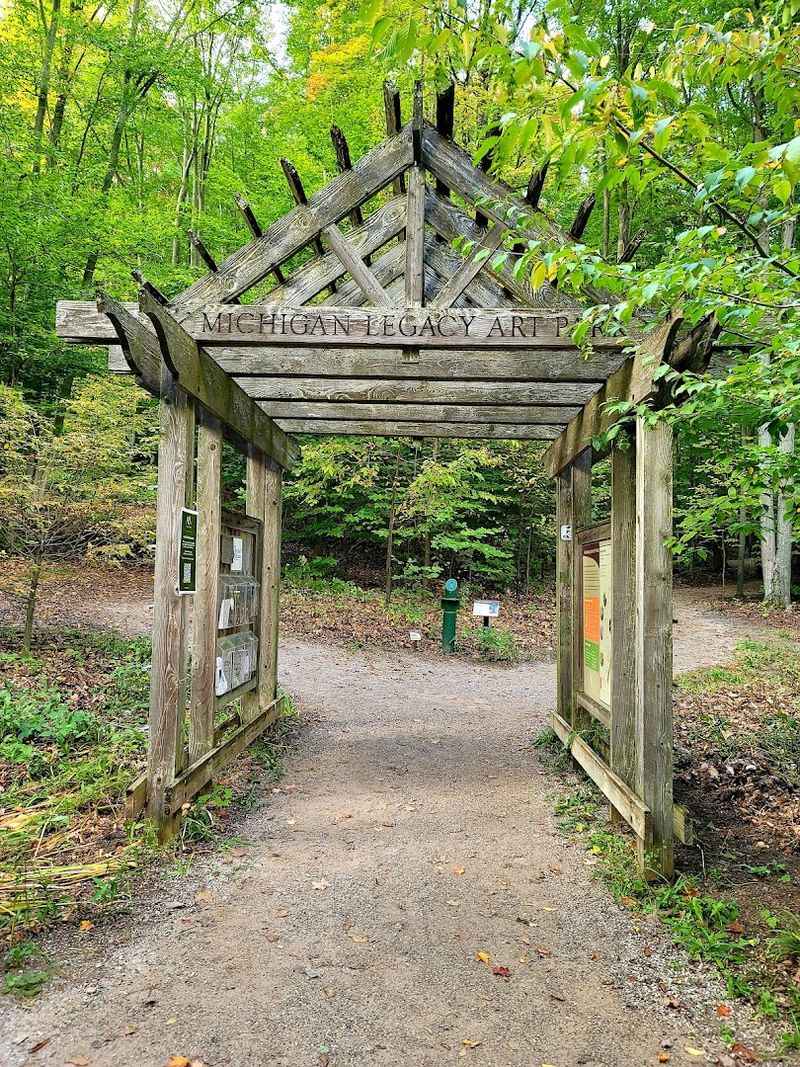
My first clue that this would be more than a simple walk came at 12500 Crystal Mountain Dr, Thompsonville, MI 49683, where Michigan Legacy Art Park begins on the grounds of Crystal Mountain in northern Michigan. The setting feels tucked into the forest, yet it is easy to find once you reach the resort area.
This is a 30 acre sculpture park with nearly two miles of interconnected trails, and that combination matters because the experience is equal parts hike, gallery, and quiet history lesson. I liked that the entrance did not oversell anything, because the woods do the convincing for you almost immediately.
The park is open daily from dawn to dusk, and current place information lists hours from 7 AM to 9 PM. There is a modest admission fee, children under five enter free, and the whole setup feels refreshingly unfussy, like Michigan decided art deserved hiking boots.
Art tucked into the woods
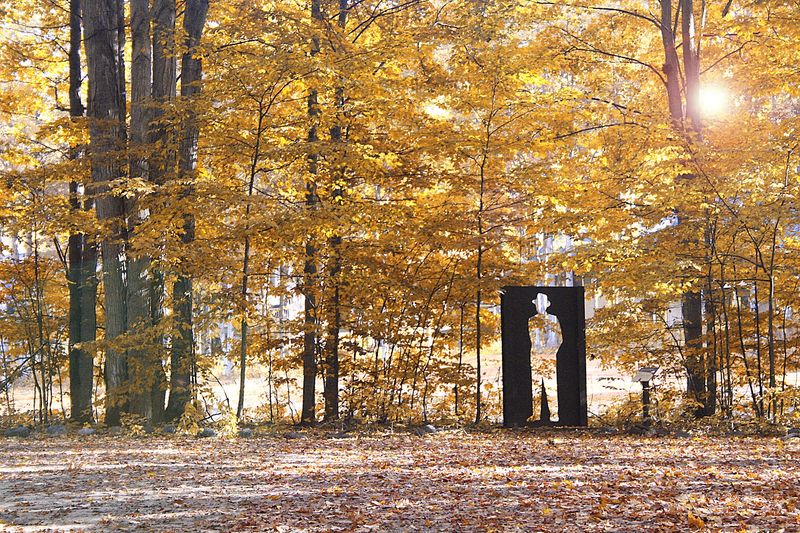
The woods take the lead here, and the artwork knows how to share the stage. Instead of lining pieces up in a tidy garden, the park spreads more than 50 sculptures and around 30 poetry stones through the preserve so every discovery feels earned.
I loved that nothing rushed me. A tall structure might appear between trunks, then a carved stone with text would slow me down again, then the trail would bend and offer a fresh perspective that made the last piece feel completely different.
That rhythm is what makes the park memorable. You are not staring at art under perfect gallery lighting with a bench ten feet away, but meeting it in changing weather, shifting shadows, birdsong, and a little trail dust, which gives the whole place a personality that feels bright, thoughtful, and wonderfully unpolished in the best possible way.
A walk with some attitude
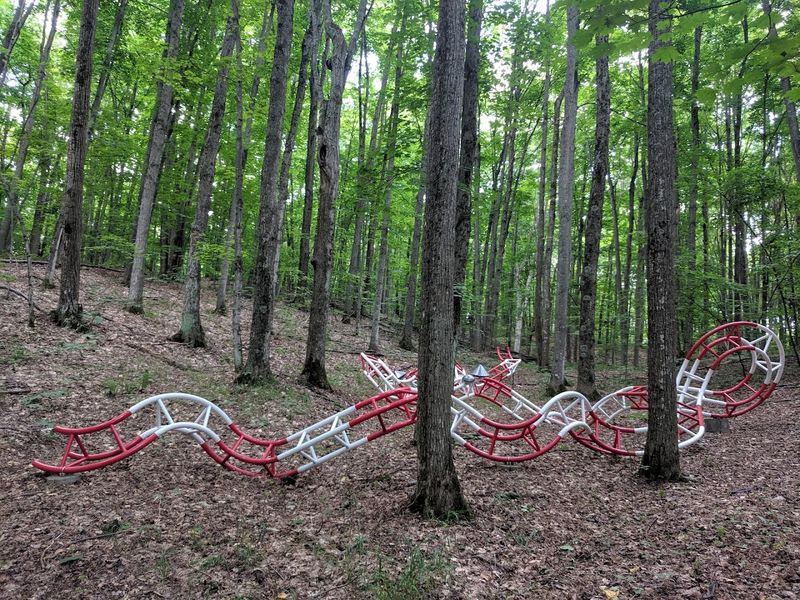
Do not let the word park trick you into imagining a flat little stroll with a bench every few feet. This trail system has hills, roots, and enough up and down movement to remind you that art appreciation can absolutely count as leg day.
I found the paths well maintained, but I still paid attention to my footing, especially on steeper sections and after damp weather. Comfortable shoes, water, and a realistic sense of your own hiking mood make a big difference here, because some stretches ask a bit more from you than a typical sculpture garden would.
That extra effort is part of the fun. The terrain adds anticipation to each turn, and the park rewards it with views, installations, and those little pauses where you pretend you stopped for reflection when really you needed to catch your breath for a second.
Michigan stories in sculpture
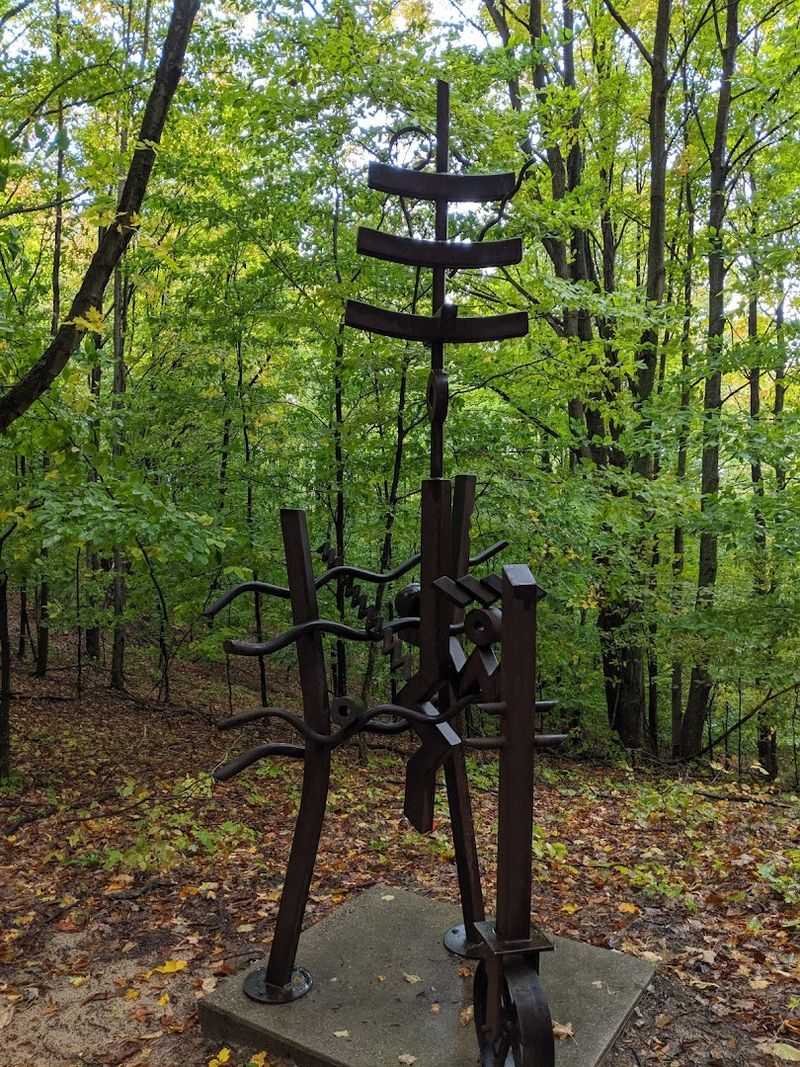
What stayed with me most was how strongly the art is tied to Michigan itself. The pieces are not random decorations dropped into the woods, but works that reflect the state’s cultural memory, natural landscape, and the people and forces that shaped it.
That focus gives the park more depth than a scenic walk with interesting objects along the route. I kept finding myself reading, looking again, and connecting what I saw to the larger story of the region, which made the experience feel layered without becoming heavy or overly academic.
The poetry stones deepen that effect in a quieter way. A few lines of text in the middle of the trees can change the pace of the whole outing, and I appreciated how the park trusts visitors to think, notice, and make connections instead of blasting every idea through a giant sign and a metaphorical megaphone.
The atmosphere changes with the weather
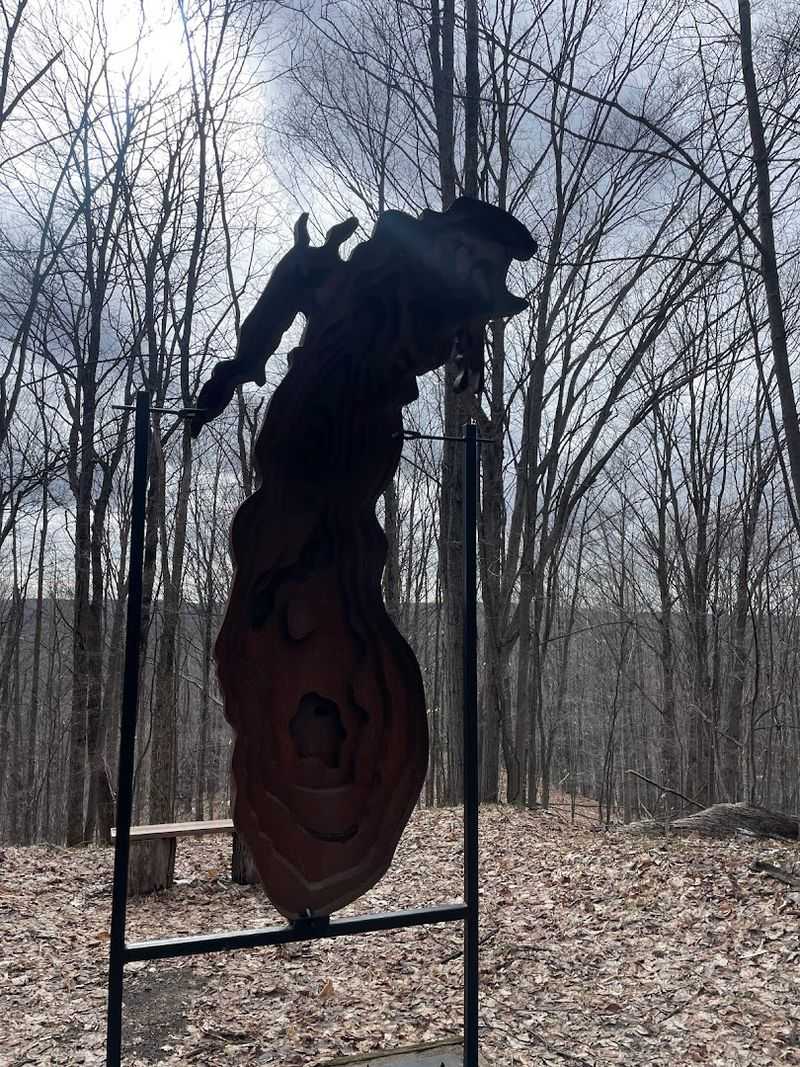
Some places are best only in perfect sunshine, but this one has range. I can easily imagine why visitors love it in fall color, after a light rain, or even in winter conditions, because the artwork changes character with the forest around it.
On a gray day, the park feels more reflective and intimate. In bright weather, the sculptures stand out sharply against the greens and browns, while autumn leaves add so much color that every section of trail starts looking suspiciously photogenic, as if the woods are trying a little too hard and getting away with it.
That seasonal flexibility is a huge part of the appeal in northern Michigan. You are not getting a sealed off experience with controlled temperature and perfect walls, but something alive and responsive, where weather, light, and texture keep rewriting the same trail into a slightly different story each time.
Why it works for families
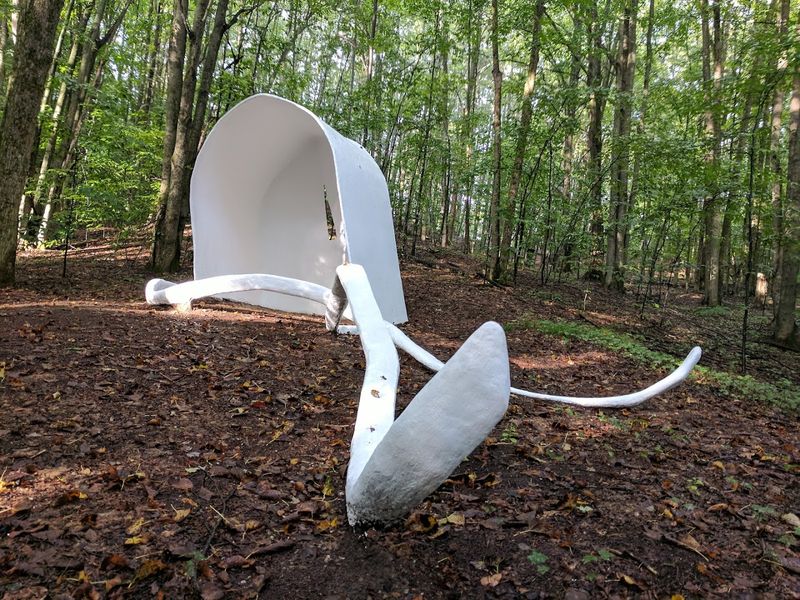
Kids do not need to be tiny art critics to enjoy this place, and that is one of its smartest qualities. The trail offers enough variety, scale, and surprise to keep younger visitors engaged, while adults get the deeper historical and artistic layers without feeling like they are on two separate trips.
I noticed how naturally the park invites curiosity. One minute you are looking at a large structure that feels almost like a landmark in the woods, and the next you are pausing at a poem, a smaller sculptural detail, or an open area that gives everyone a chance to reset.
Families should still come prepared for a real walk, especially with hills in the mix, but the payoff is strong. It is the rare outing where children can burn off energy, grownups can actually enjoy themselves, and nobody has to pretend a screen would have made the afternoon better.
Practical details that matter
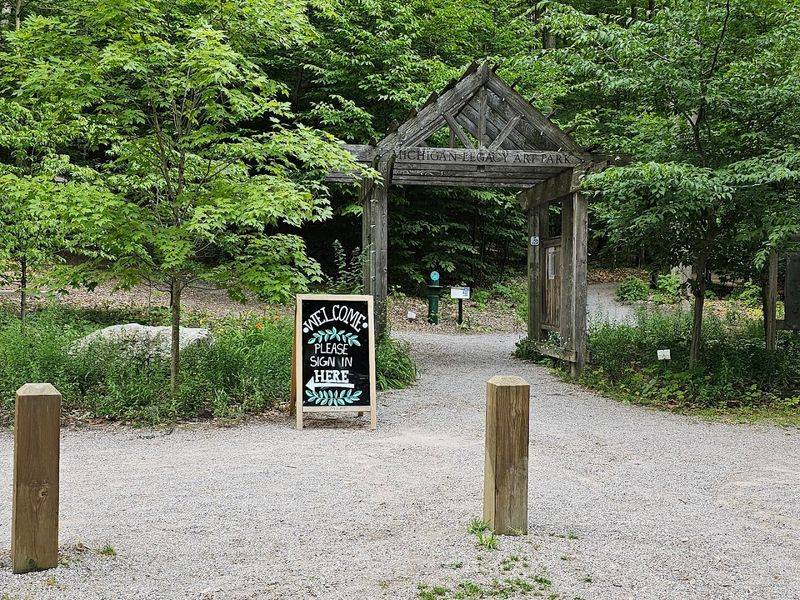
Useful details can make or break a visit, and this park keeps things pretty straightforward. Admission is modest, dogs are welcome on leashes, and picnics are encouraged at the trailhead or in the amphitheater area, which gives the whole outing a pleasantly low stress feel.
I would absolutely bring water, especially on warmer days, because the hills can sneak up on you. A restroom is available near the beginning, and another stop farther in has been noted by visitors, so you are not totally at the mercy of the wilderness, which I appreciate more than my dignity wants to admit.
Parking can feel limited near the immediate area during busy resort moments, but under normal conditions it is usually manageable. In short, a little preparation goes a long way here, and the reward is an outing that feels organized enough to be easy without losing its woods-first charm.
The amphitheater and quiet pauses
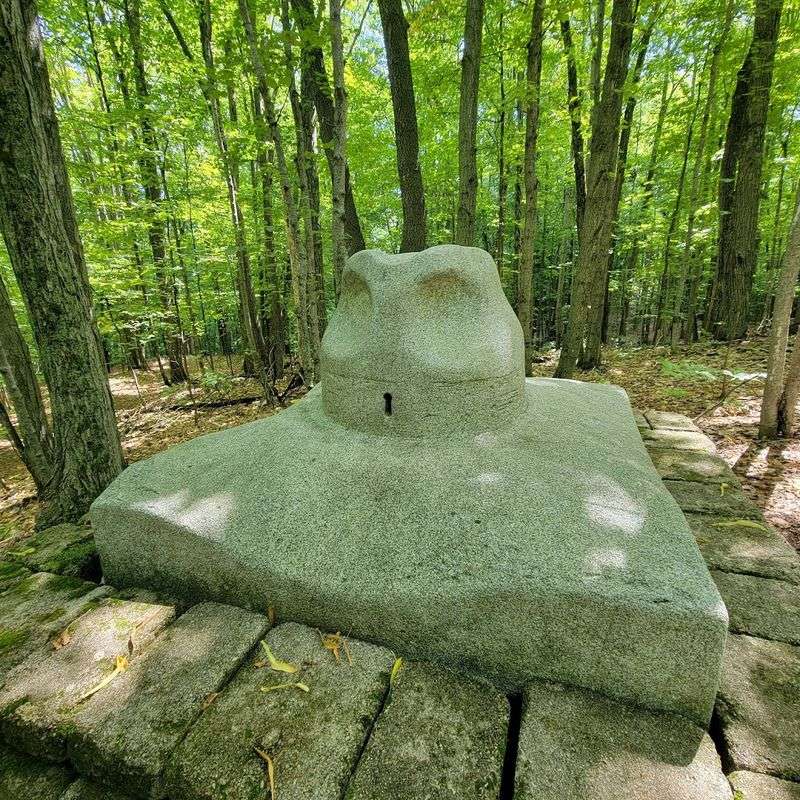
Not every memorable moment here comes from a big sculpture looming between the trees. I found the quieter spaces just as important, especially the amphitheater area and the small openings in the forest where the pace softens and the park feels more reflective than active.
Those pauses give your eyes and mind a chance to reset. After a steeper section or a stretch packed with visual detail, it feels good to sit, listen to the woods, and let the place settle in rather than rushing ahead in search of the next photo.
That balance is one reason the park feels carefully composed instead of random. It knows when to present something bold, when to add text through poetry stones, and when to step back so the forest can do its own work, which is impressive because trees are excellent scene stealers.
A good stop for photographers
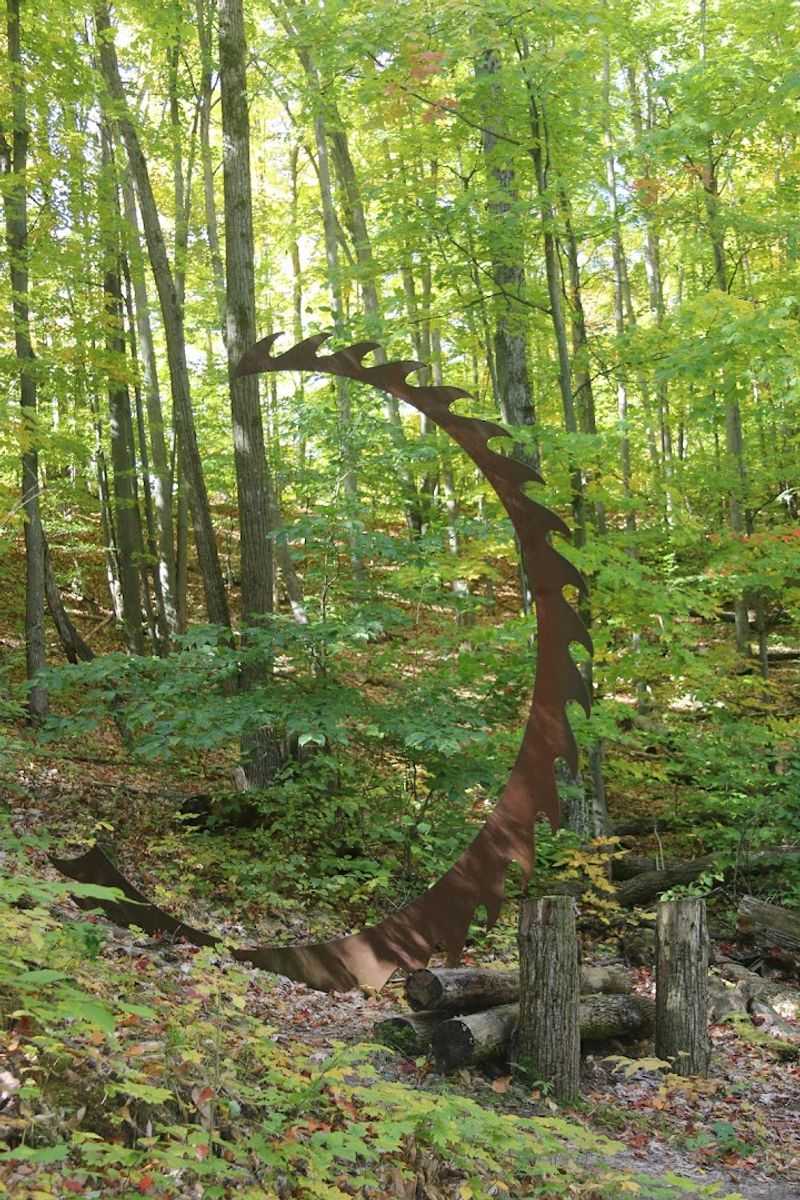
Cameras get plenty to do on this trail, though the park is more interesting than simply pretty. The challenge is not finding something to photograph, but deciding how to frame artwork that changes depending on angle, season, light, and how much of the forest you want in the shot.
I liked photographing the pieces from farther back first, letting the trees explain the setting before moving in for details. Large works feel more dramatic when you show their relationship to the path, while smaller elements and poetry stones reward close attention and a slower eye.
The hilly terrain also gives you some natural variation in perspective. You can look up at structures, catch them half hidden by trunks, or find a clearing where the composition suddenly snaps into place, which makes the whole visit feel less like ticking off sights and more like collaborating with the landscape.
Best time to go
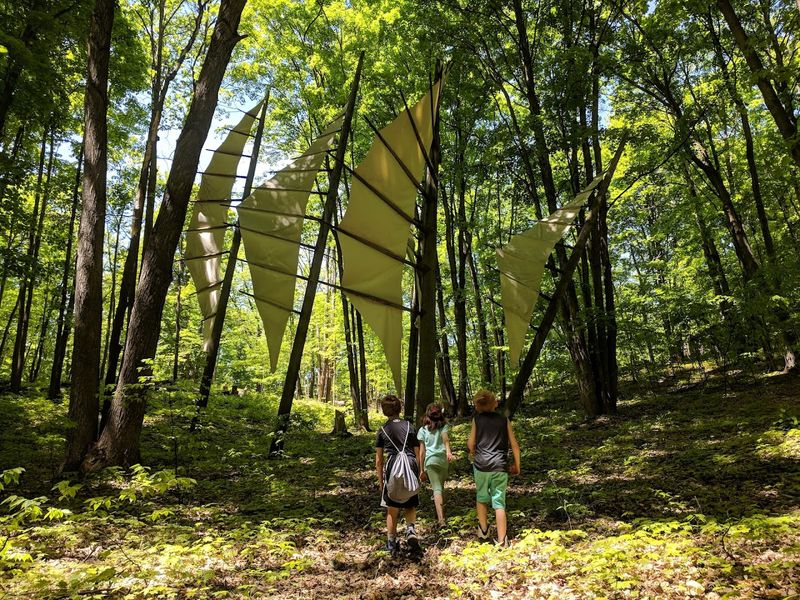
Timing shapes the experience more here than at many attractions, because the park lives outdoors and answers to the season. I would aim for a cooler morning or late afternoon if I wanted softer light, fewer people, and enough energy left for the hills.
Fall is the obvious crowd pleaser, and for good reason, but I would not ignore spring or summer. Fresh greenery makes the sculptures feel hidden and surprising, while autumn gives the trail a richer palette and winter can open the door to snowshoe outings when conditions allow and sections are accessible.
The key is to check current conditions before you go, especially if weather has shifted or certain trail areas are affected by other seasonal use nearby. Choose your day with a little care, and the park has a knack for making even an ordinary afternoon feel thoughtfully arranged.
More than a resort side trip
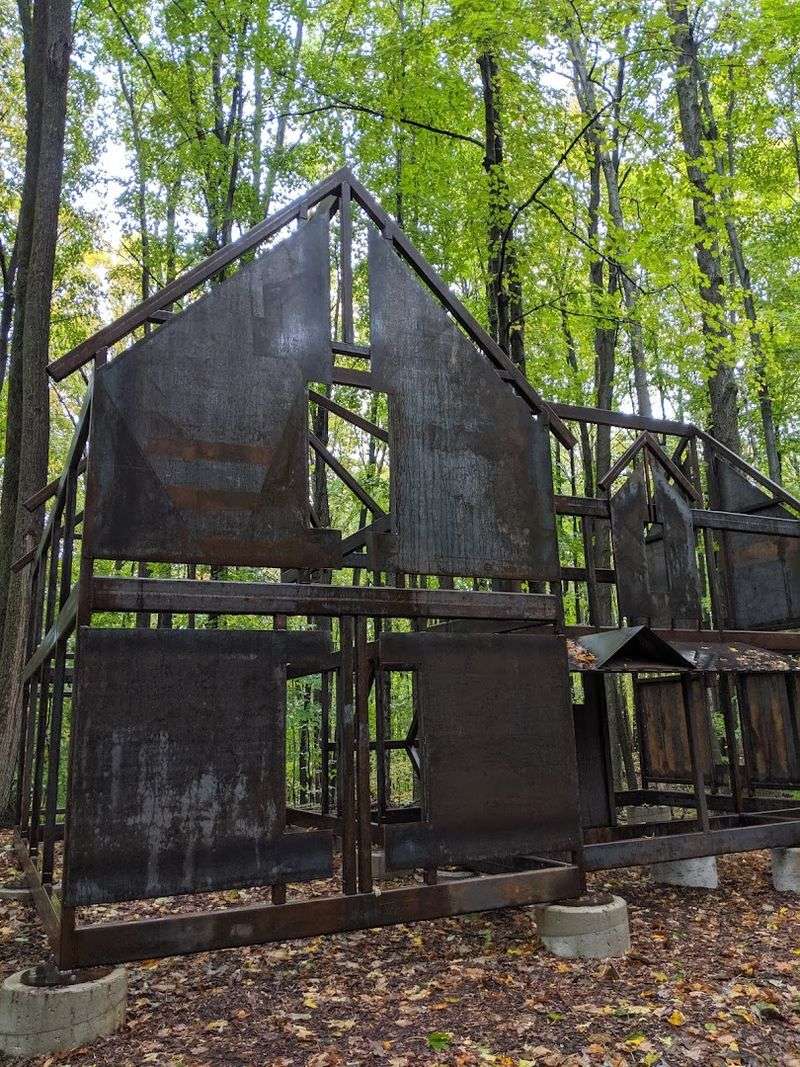
Because the park sits on the grounds of Crystal Mountain, it would be easy to assume it is just a pleasant extra for people already staying nearby. After visiting, I think that undersells it quite a bit, because this is a destination in its own right, not a decorative side note.
The art has real substance, the trail has enough range to feel immersive, and the setting gives the whole place an identity beyond resort convenience. Even if you arrive curious but slightly skeptical, the combination of forest, sculpture, poetry, and Michigan history quickly starts to feel like a complete experience.
That distinction matters when you are planning a day in northern Michigan. I would gladly build an outing around this park alone, then add other plans afterward, rather than squeezing it into leftover time and pretending two rushed glances at a sculpture count as cultural enrichment.
The kind of place that lingers
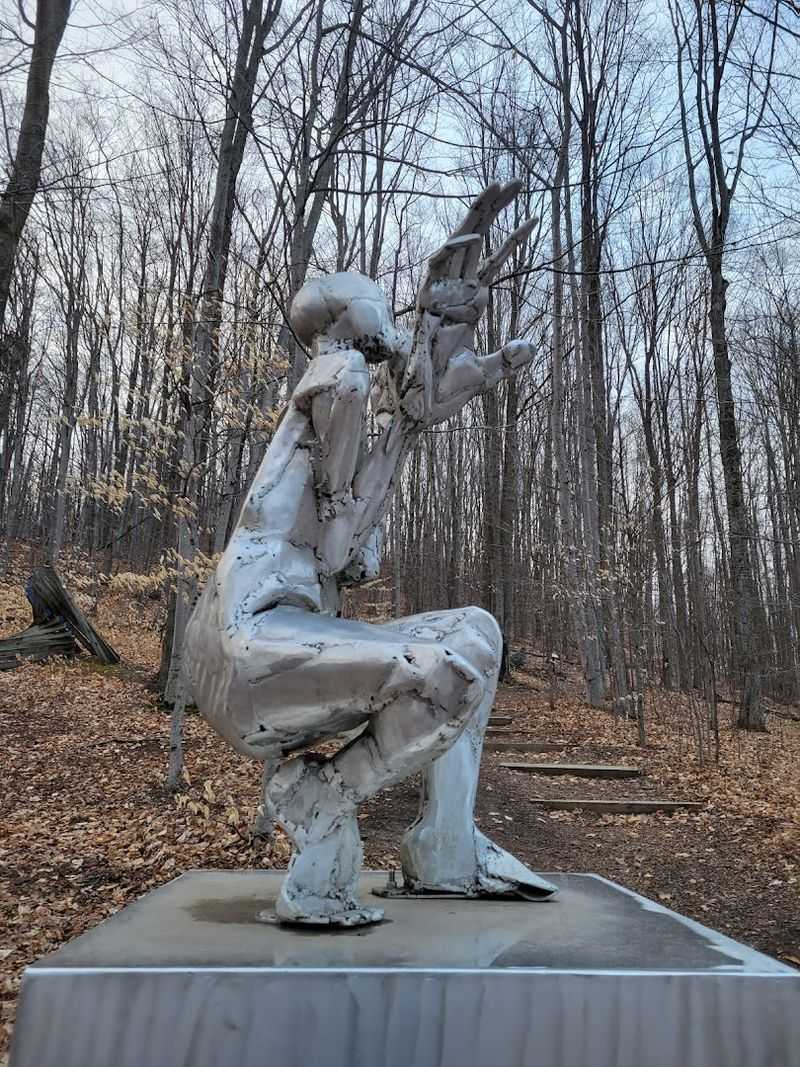
Hours after I left, this trail was still bouncing around in my head, which is usually the sign that a place did something right. Michigan Legacy Art Park in Thompsonville manages to be scenic, thoughtful, active, and accessible without flattening itself into just one kind of outing.
I came for a walk and ended up with a fuller sense of place, not only because of the sculptures, but because the forest keeps every piece connected to the region around it. That mix of movement and meaning is rare, and it gives the park a calm confidence that never needs flashy tricks.
If you enjoy destinations that reward attention instead of rushing you along, put this one on your list. Bring good shoes, a little curiosity, and enough time to wander, because some trails are only trails, and this one clearly decided that was not nearly interesting enough.



