 Unearth The Voyage
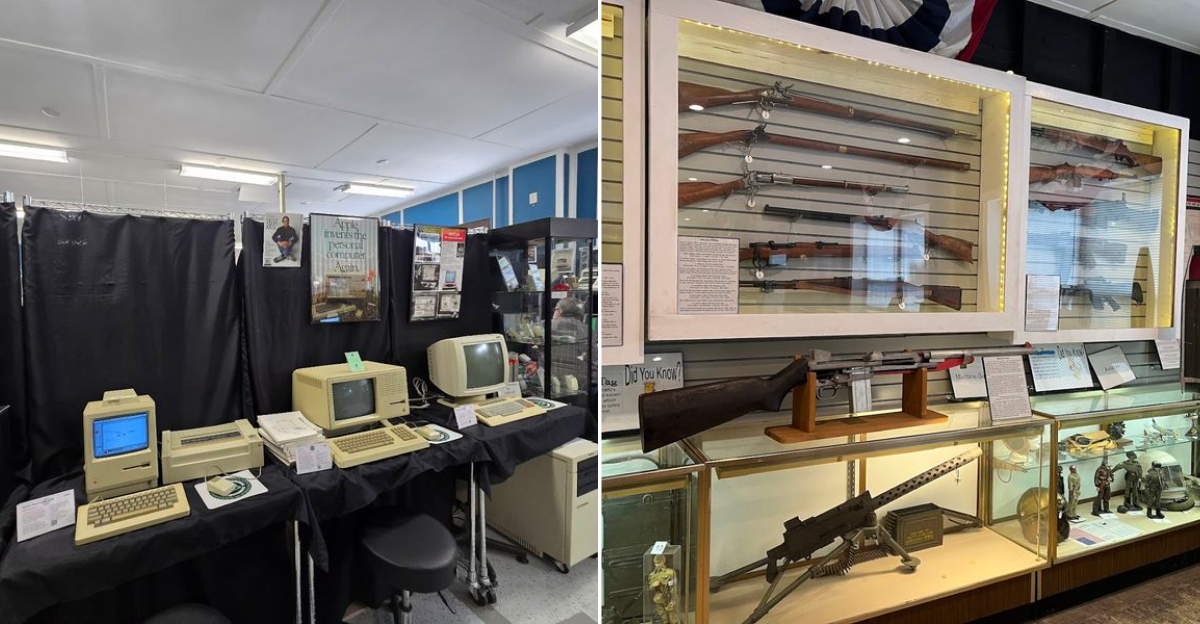
There is a place in Wall Township, New Jersey, that most people drive right past without a second thought. It sits on the grounds of a former military base, tucked behind unassuming buildings and modest signs, yet inside it holds one of the most surprising collections of science, military history, and technology in the entire state.
This is not a polished, corporate museum with velvet ropes and hands-off exhibits. At this place, the history is real, the exhibits are often touchable, and the stories go back further than most people expect, stretching from the 1600s all the way to the digital age.
Whether you are a history enthusiast, a tech lover, or simply someone looking for a genuinely unexpected afternoon, this place delivers in a way that few destinations in New Jersey can match.
Where It All Began: The Address and Setting
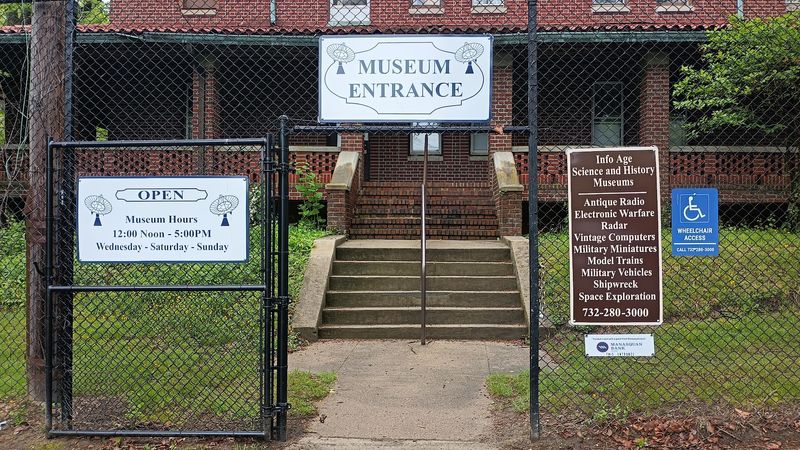
Sitting at 2201 Marconi Rd, Building 9010-A, Wall Township, NJ 07719, InfoAge Science and History Museums occupies a sprawling former military base that carries decades of national significance on its grounds.
The site was originally known as Camp Evans, a research station tied to some of the most important technological developments of the 20th century, including radar work during World War II.
The campus itself is large, spread across multiple buildings, each housing a different collection or exhibit theme. There is no single entrance that reveals everything at once.
Part of what makes this place so compelling is the setting itself. The old military architecture, the wide open grounds, and the mix of indoor and outdoor exhibits create an atmosphere unlike anything you will find in a typical museum.
The museum is open Wednesday, Saturday, and Sunday from 12 to 5 PM, making midweek or weekend visits equally accessible for most schedules.
A Military Past That Shaped Modern Technology
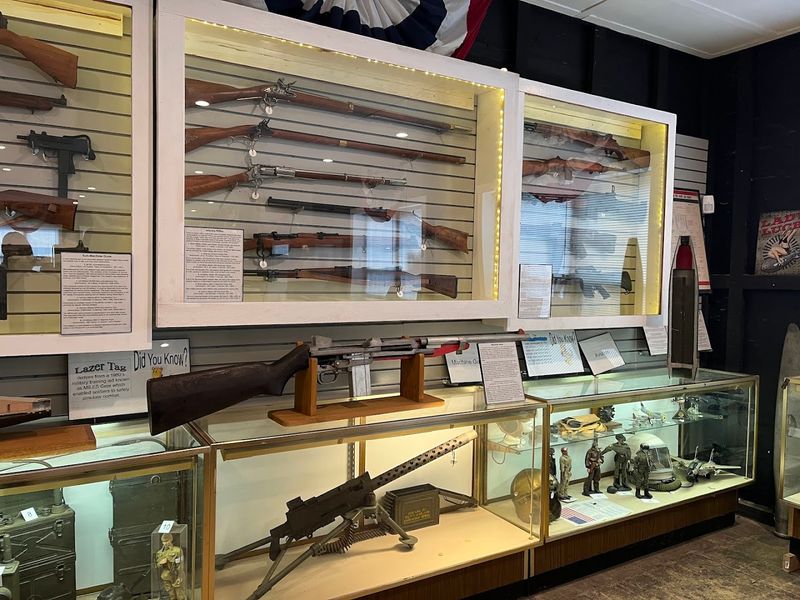
Camp Evans, the land where InfoAge now stands, played a central role in radar development during World War II, making it one of the most historically significant research sites on the East Coast.
The location was used by the U.S. Army Signal Corps, and the scientific work carried out here contributed directly to wartime communications and defense technology.
After the war, the site continued as a research hub under various government programs, including work connected to early satellite communications. The first transatlantic radio signal received in the United States was picked up in this general region, tying the location to the very birth of long-distance wireless communication.
These are not just plaques on a wall. The museum preserves actual equipment, documents, and artifacts from these eras, giving visitors a direct connection to history that textbooks rarely capture with this level of detail.
Few places in New Jersey carry this kind of layered, verifiable scientific legacy.
The Radio Museum That Will Rewrite What You Know
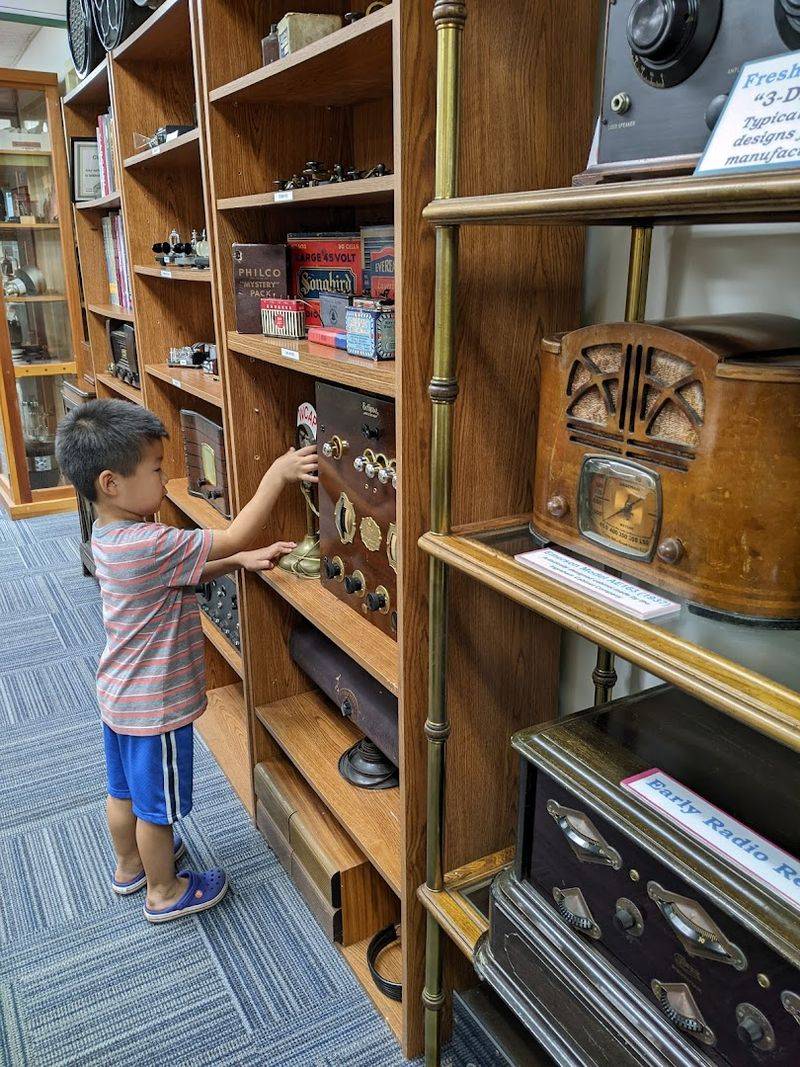
The radio history exhibit at InfoAge is one of the most thorough collections of its kind on the East Coast, and that is not an overstatement.
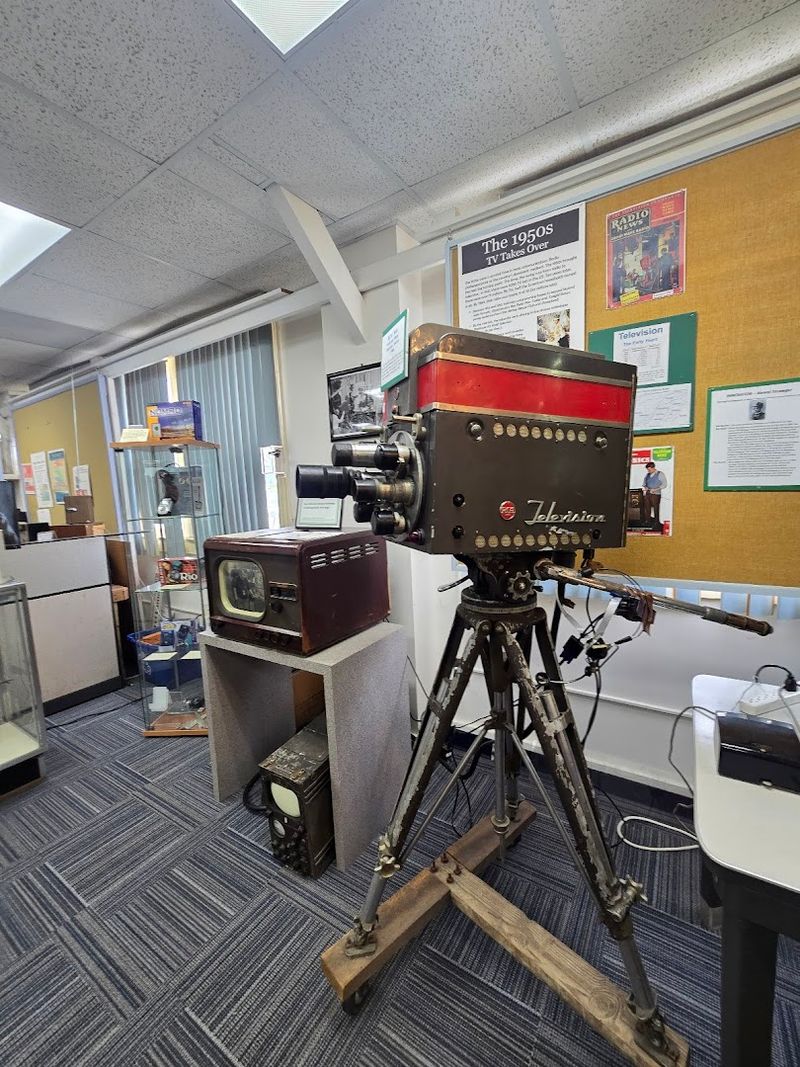
Rows of vintage radios, early broadcast equipment, telegraph systems, and wireless communication devices fill the space, organized in a way that traces the full arc of radio technology from its earliest experimental days to the modern era.
What sets this exhibit apart is that many of the items are operational. Guests can interact with working telegraph lines, try hands-on demonstrations, and in some cases, actually use the equipment.
A working Tesla coil sits in a side room alongside a hand-powered generator that demonstrates the difference in efficiency between LED and incandescent lighting. These are not props.
The depth of knowledge that the volunteer staff brings to this exhibit transforms a walk through old equipment into something closer to a masterclass in the history of human communication.
Vintage Computers You Can Actually Use
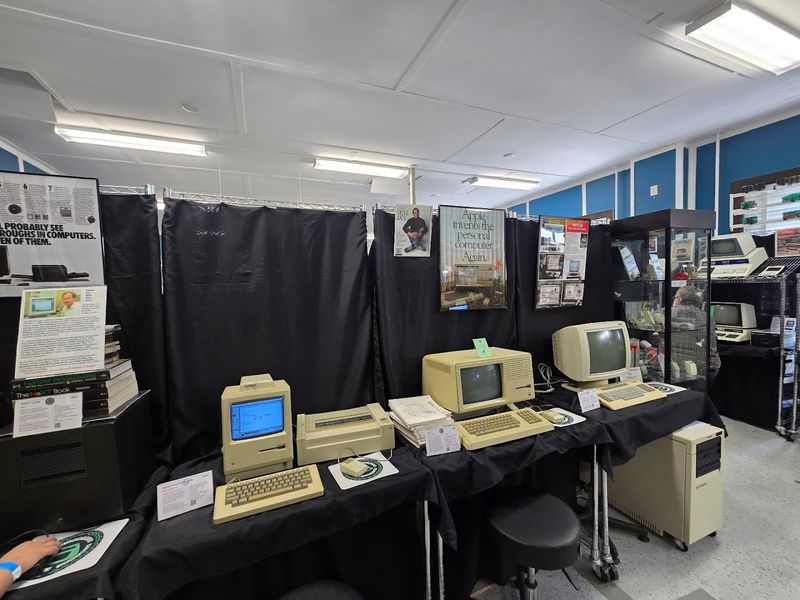
For anyone who grew up with technology, or who is just curious about where modern computing came from, the vintage computer collection at InfoAge is genuinely jaw-dropping.
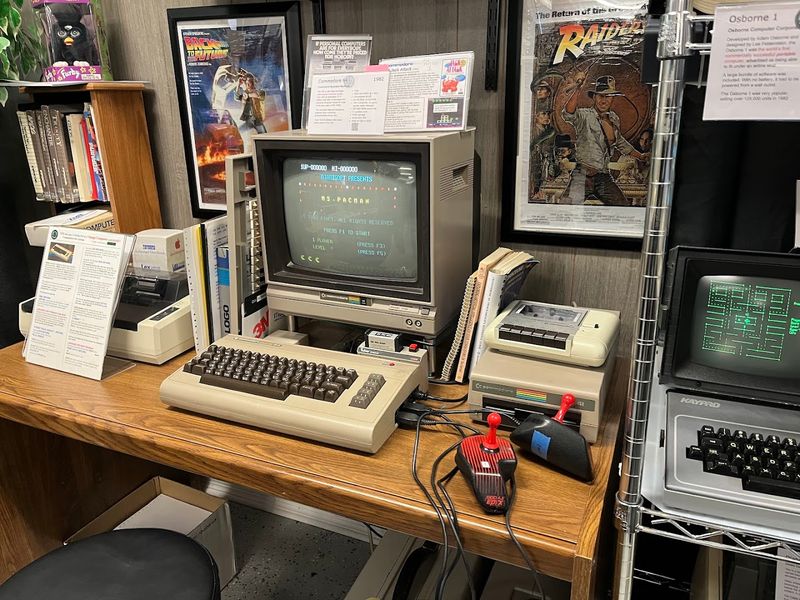
The museum houses an extraordinary range of machines, from rare minicomputers and mainframes to iconic personal computers like the original Macintosh, the Apple Lisa II, a Xerox Star, and a NeXT Cube. There is even a BeBox in the collection, a machine that most tech historians would struggle to find anywhere else.
What makes this collection truly remarkable is that the machines are turned on and available for visitors to use. This is not a behind-glass display situation.
A PDP-8 and a UNIVAC 1219 are among the operational machines, with knowledgeable staff on hand to walk visitors through how they work. Some of the volunteers have personal histories with these machines, having worked on them professionally decades ago.
That kind of living history is nearly impossible to replicate anywhere else.
Military Vehicles and Wartime Exhibits
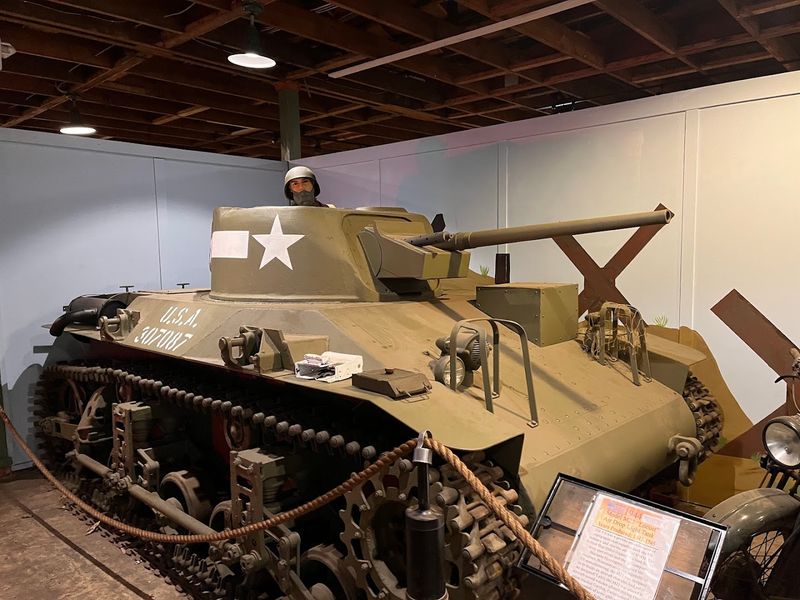
Beyond the technology exhibits, InfoAge holds an impressive collection of military vehicles and wartime artifacts that give the campus a rugged, outdoor museum quality all its own.
A wide range of World War II vehicles, including jeeps and larger military machines, are part of the collection. Some are displayed outdoors on the grounds, while others are housed in dedicated buildings.
The dioramas and models inside the museum cover conflicts ranging from World War I through World War II and beyond, including a 9/11 tribute exhibit that many visitors find particularly moving.
Detailed displays of military figures, equipment, and period-accurate settings bring these historical moments to life in a way that photographs simply cannot. The attention to detail in these setups reflects years of careful curation by people who clearly care deeply about preserving this history.
For families with kids who are drawn to large vehicles and military history, this section alone can fill an hour or more of genuinely engaged exploration.
The Radio Telescope and Its Remarkable Story
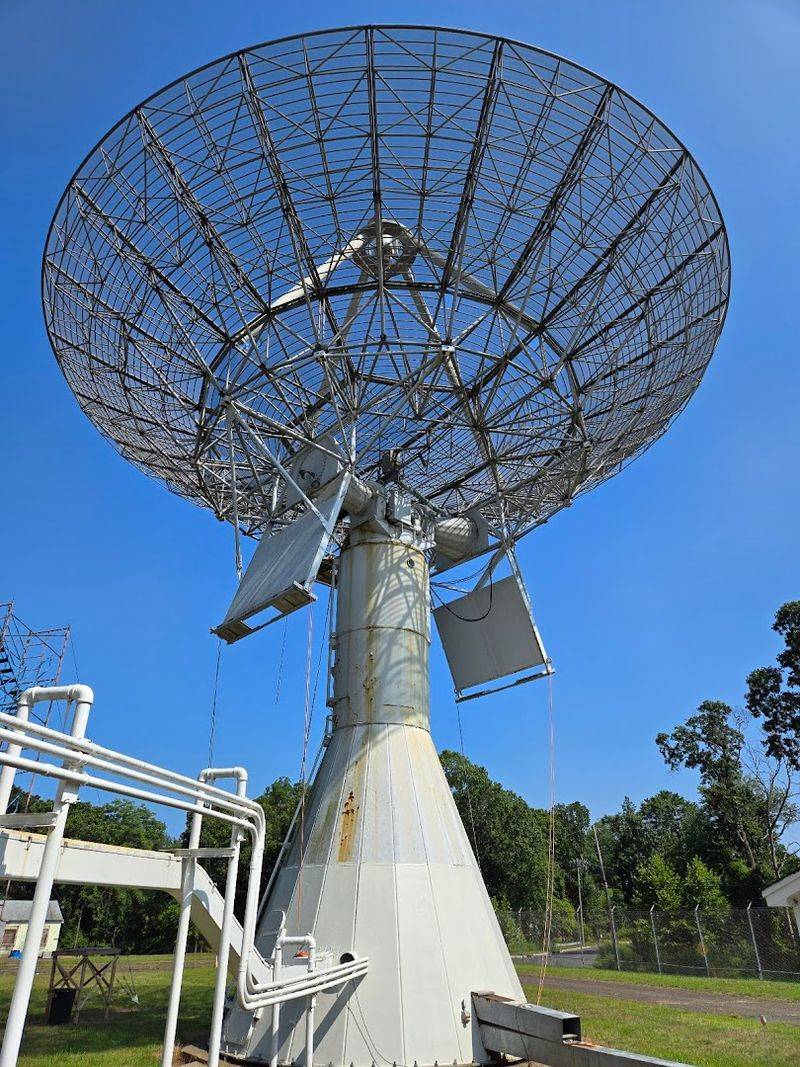
On the grounds of InfoAge stands a radio telescope with a history that connects directly to some of the most significant moments in 20th-century science and space exploration.
This is the same location where radar technology was developed and tested during World War II, and the telescope represents the next chapter in the site’s scientific evolution.
Tours of the telescope are available, and guides bring deep expertise to the experience. The telescope ties the site to early satellite communications research, including work connected to the first communications satellites.
Replicas and artifacts related to this era are on display nearby, including a model V2 rocket used in radar experiments and a replica of the first communications satellite. Parts from the Apollo guidance computer are also part of the collection.
This is the kind of exhibit that puts Wall Township, New Jersey, on the same historical map as sites in Cape Canaveral or Houston, and it does so with quiet, well-documented confidence.
Vintage Trains and the Holiday Season Magic
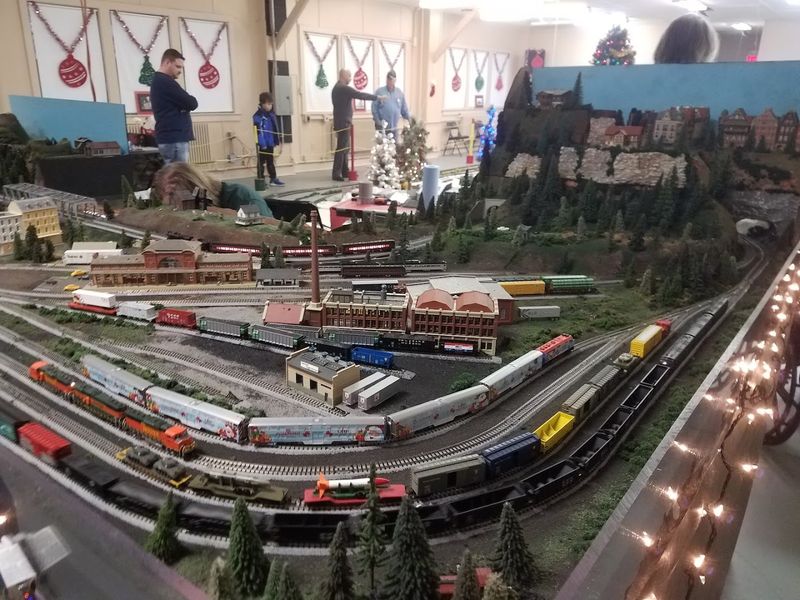
Among the many collections spread across the InfoAge campus, the vintage train exhibits hold a special place, particularly during the holiday season when the museum hosts its popular train shows.
The displays feature detailed model train setups that attract both dedicated hobbyists and families looking for a fun, educational outing. The level of craftsmanship in some of these setups reflects serious dedication from the collectors and volunteers who maintain them.
During the holiday train show period, the museum draws larger crowds, and the energy on campus shifts noticeably. Kids who might breeze past a radio exhibit stop and stare at the trains, and that engagement is exactly what InfoAge is built for.
The train collection sits alongside the museum’s broader transportation and technology history theme, connecting neatly to the site’s overall narrative about how humans have moved information, people, and goods across distances.
It is a quieter corner of the campus, but one that consistently earns its place as a crowd favorite.
Hands-On Learning That Kids Actually Remember
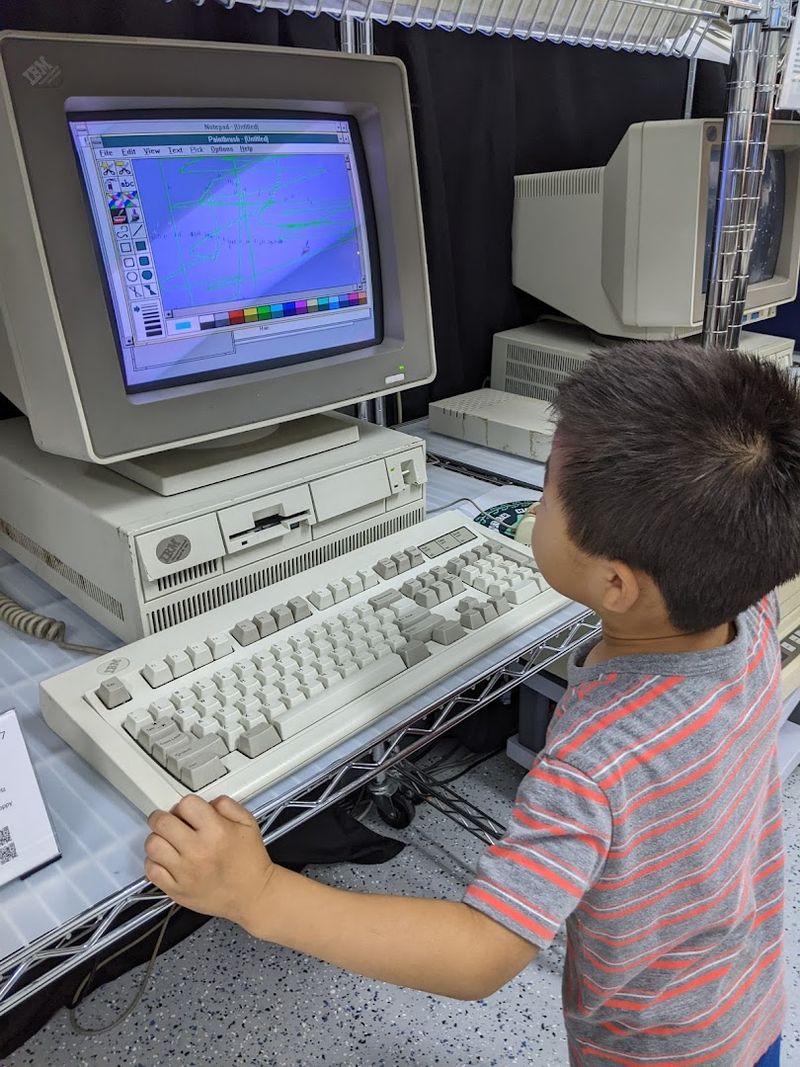
Most museums post signs that say “do not touch.” InfoAge seems to operate on the opposite philosophy, and that makes all the difference for younger visitors.
Throughout the various buildings, kids can pick up old phones that are actually connected to each other and make calls within the museum. They can play games on vintage computers, handle period-accurate objects, and participate in demonstrations that explain concepts through direct experience rather than passive reading.
The hands-on approach extends to the science exhibits as well, where interactive stations cover electricity, static experiments, and communication technology in ways that connect abstract ideas to real, physical results.
Families who visit regularly note that kids retain far more from this kind of active engagement than from traditional museum formats. The museum’s structure naturally encourages curiosity and follow-up questions.
With so much to touch, try, and explore, a single visit rarely feels like enough, and many families end up planning return trips before they even leave the parking lot.
The Volunteers Who Bring It All to Life
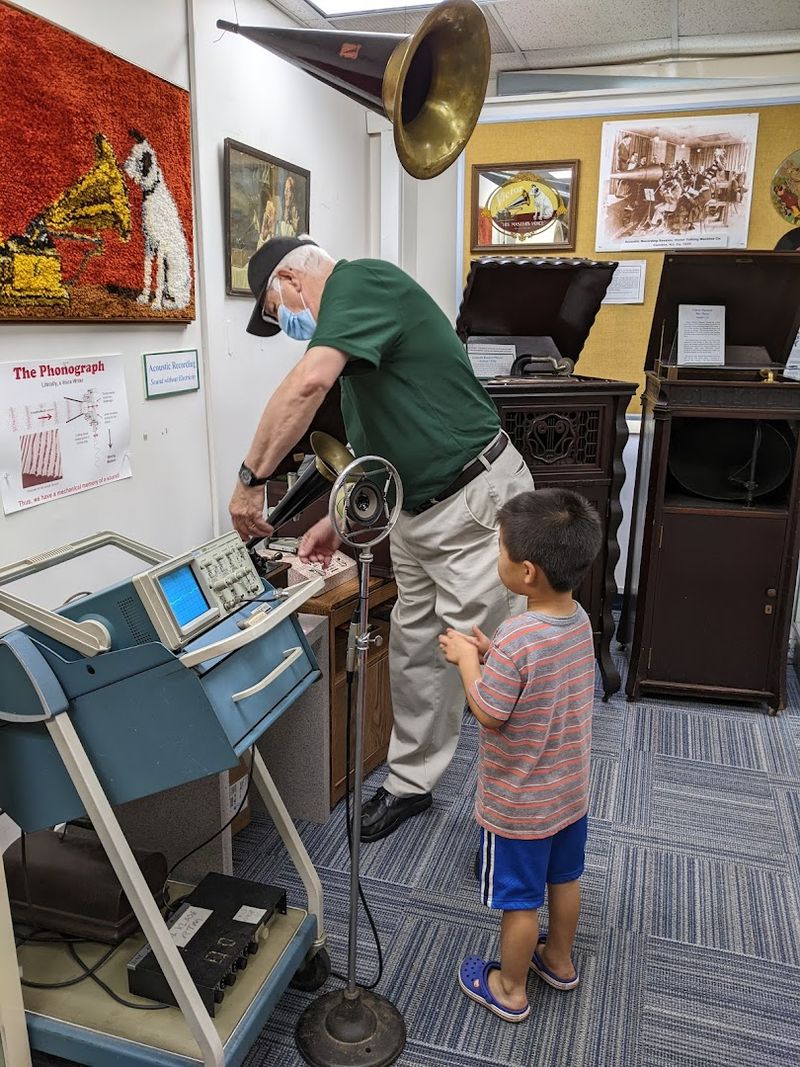
No article about InfoAge is complete without talking about the people who keep it running, because the volunteer staff here are genuinely one of the museum’s greatest assets.
Many of the guides have personal, professional, or academic backgrounds in the subjects they cover. Some worked directly with the equipment now on display.
Others have spent years researching the history behind specific exhibits and can answer questions at a level that surprises even well-informed visitors.
The enthusiasm these volunteers bring is consistent and noticeable. They engage with kids, field technical questions from adults, and adapt their explanations based on who is in front of them.
During special events like the Vintage Computer Festival, the concentration of expertise on the campus becomes remarkable, with speakers and demonstrators covering subjects from analog computing to early personal computer history.
This kind of volunteer-driven, knowledge-rich environment is increasingly rare in the museum world, and it is a core reason why so many visitors leave planning their next trip back.
Special Events That Transform the Campus
Beyond its regular Wednesday, Saturday, and Sunday hours, InfoAge hosts a rotating calendar of special events that draw enthusiasts from across the region and beyond.
The Vintage Computer Festival is among the most well-known, bringing together collectors, historians, and technology fans for a concentrated celebration of computing history that includes working demonstrations, rare machines, and expert presentations.
Holiday train shows, amateur radio events, and themed history days also appear throughout the year, each one drawing a slightly different crowd and showcasing a different corner of the museum’s vast collection.
Special event days tend to bring out additional volunteers and guest demonstrators, which means the depth of available knowledge on campus increases significantly on those occasions.
Checking the museum’s website at infoage.org before a visit is always worth the extra minute, since the event calendar can turn a standard afternoon into something considerably more memorable.
The campus has a way of rewarding repeat visitors with entirely new experiences each time.
Plan Your Visit and What to Expect
A few practical things are worth knowing before heading out to InfoAge for the first time, because this is not a museum you can fully absorb in a single hour.
Most visitors who explore the campus thoroughly spend three to four hours, and many still feel they missed sections on their first trip. The site is large, spread across multiple buildings, and each one contains its own distinct world of artifacts and exhibits.
Admission is very affordable, and donations are welcomed and put directly toward maintaining the collections. The museum runs largely on volunteer effort, so every dollar contributed goes toward keeping these irreplaceable artifacts preserved and accessible.
Parking is available on site, and the grounds are accessible for most mobility needs, though the multi-building layout does require some walking between exhibits.
Arriving close to opening time gives visitors the best chance of getting personal attention from staff before the afternoon crowds build. This is the kind of place that rewards those who show up ready to explore.



