 Unearth The Voyage
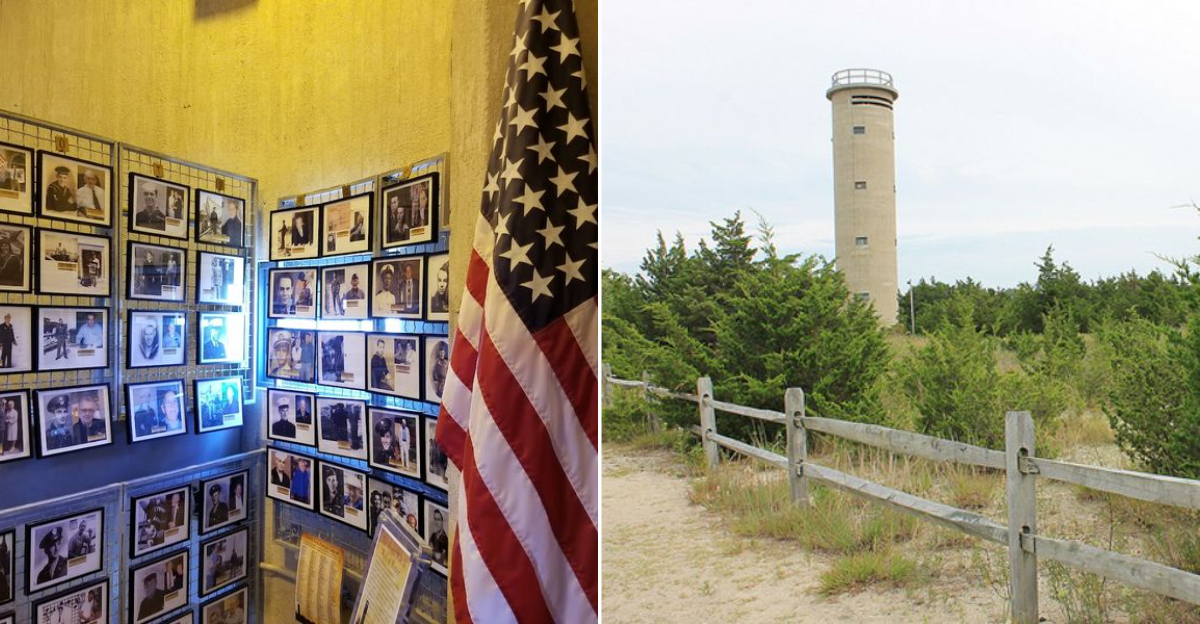
Cape May has a talent for luring people toward beaches, Victorian streets, and lighthouse photos, then quietly slipping in a history lesson when nobody expects it. Just beyond the usual vacation checklist stands a wartime structure that still looks ready to clock the horizon, as if the calendar never fully convinced it to relax.
It is compact, practical, and a little stubborn, which is part of the appeal, because this is not a place built for fluff or fancy storytelling. Keep reading and the full picture comes into focus: why this tower was built, how it helped guard the Delaware Bay, what visitors actually find on the climb, and why this one preserved lookout says more about Cape May than a stack of brochures ever could.
First Look
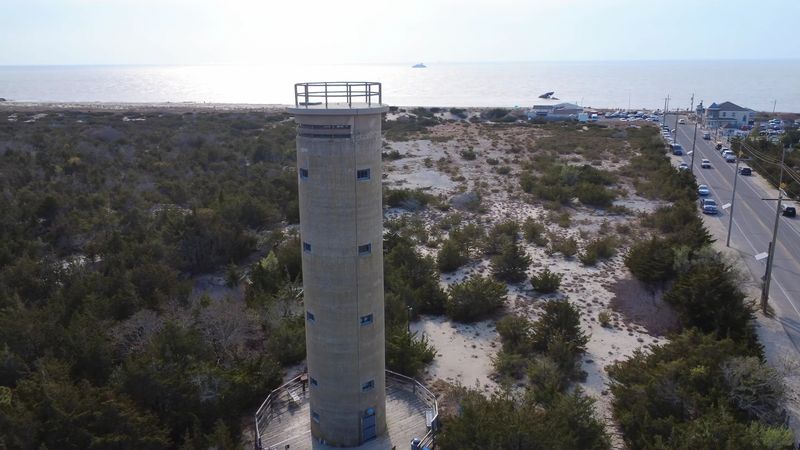
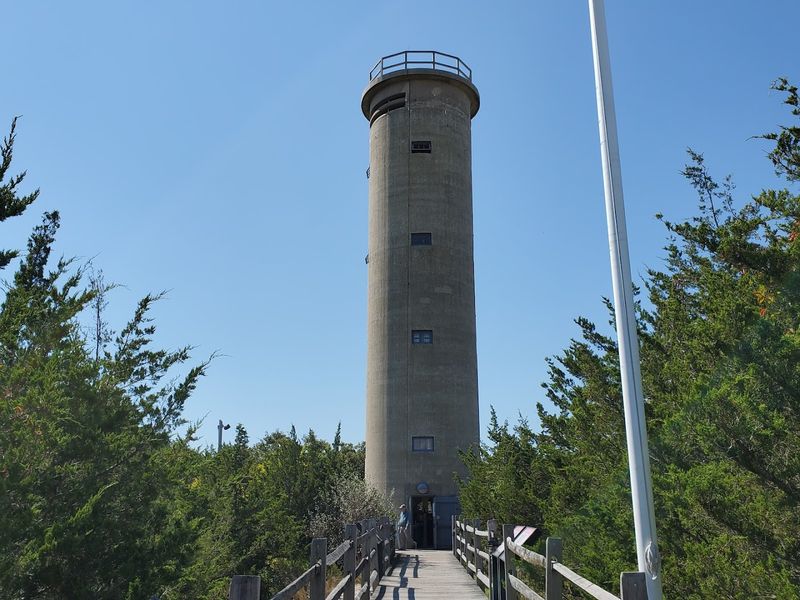
At 536 Sunset Blvd, Cape May, NJ 08204, the World War II Lookout Tower stands near the shoreline as one of the most direct history stops in Cape May, New Jersey, United States. The address sounds ordinary, but the building itself makes a sharper point, because this former military lookout still carries the plain, purposeful shape of its original job.
Visitors arrive at a historical landmark rather than a polished theme stop, and that distinction matters. The site includes the restored tower and an outdoor boardwalk lined with interpretive panels, so the story starts before anyone heads upward.
Its position near Sunset Beach gives the tower a setting that feels tied to strategy, not decoration. Cape May often gets filed under vacation plans and postcard material, yet this stop reminds people that the coast also had defensive importance.
That quiet correction may be the tower’s best trick: it changes the conversation before the stairs even begin. For a building made to watch, it still knows how to get attention.
Why It Was Built
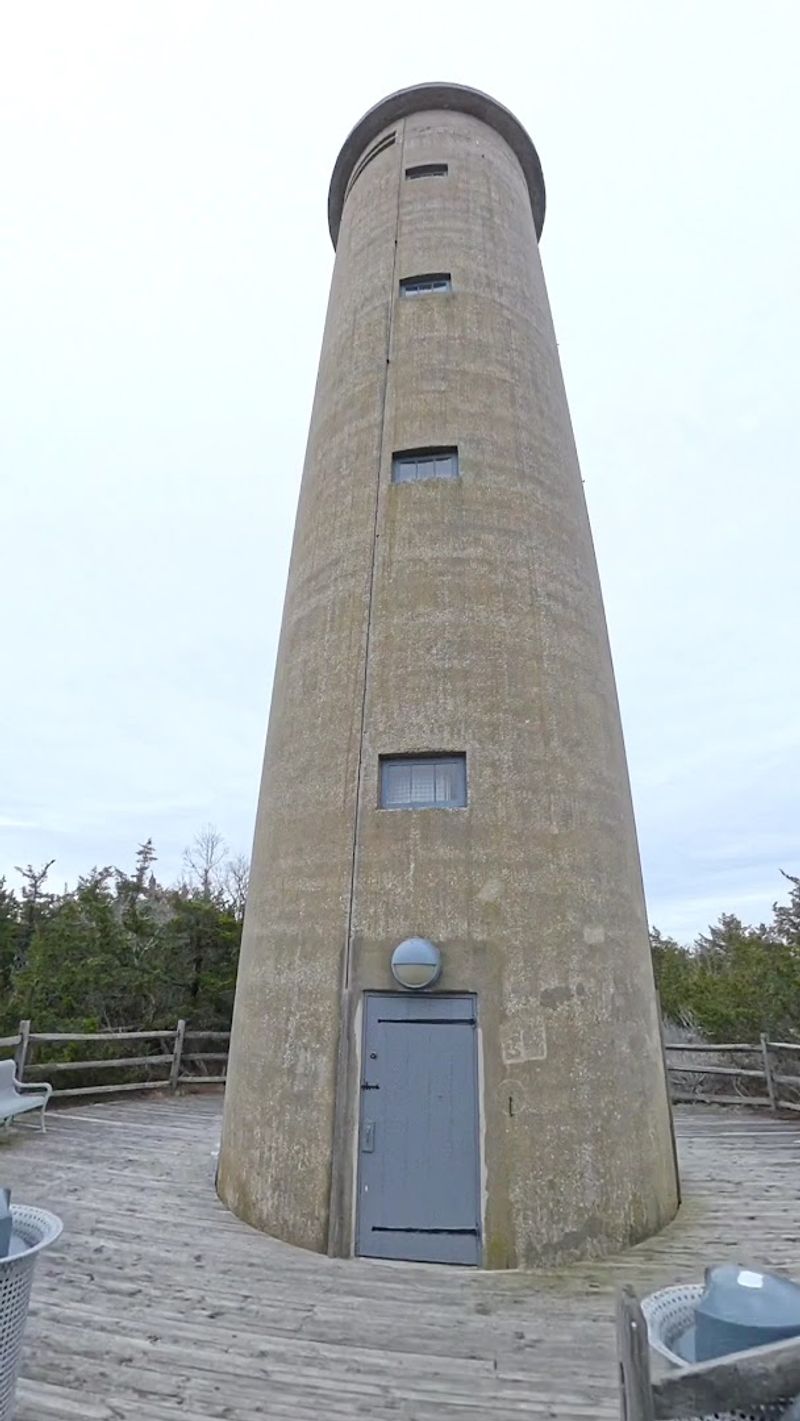
This concrete tower was built during World War II as part of the coastal defense network guarding the Delaware Bay and nearby shoreline. It served as an observation post in a chain of towers created when military planners treated this stretch of coast as a serious strategic zone, not just a leisure destination.
Several preserved details and on site exhibits explain that the tower worked with larger defense operations aimed at protecting the bay entrance. In plain terms, observers watched the water and sky, gathered information, and supported artillery positioning across a wider system.
That function gives the site real weight without needing dramatic packaging. A visit here helps connect Cape May to the broader wartime map of the East Coast, where vigilance shaped ordinary landscapes in ways many travelers never realize.
The building also shows how quickly practical military construction could become part of local identity. More than eighty years later, the tower still stands like a blunt sentence at the edge of town, short on ornament and long on purpose.
A Survivor of the Coast
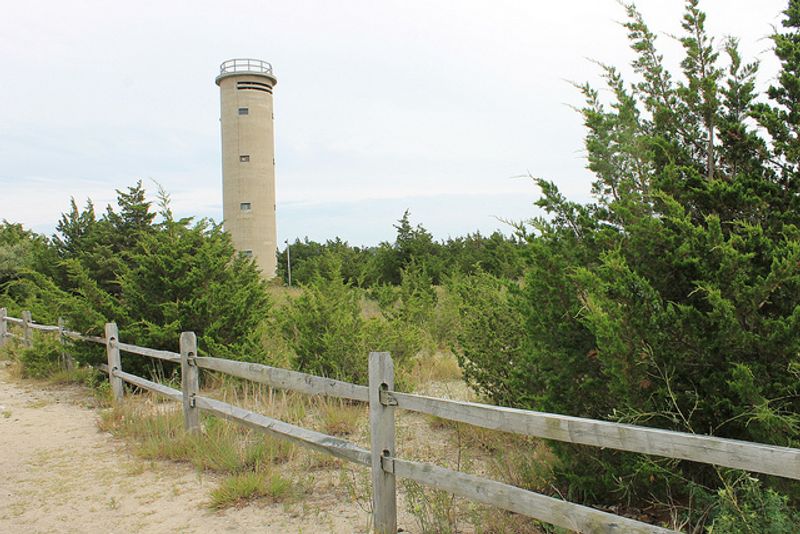
Age has not turned this tower into a ruin or a prop, which is part of what makes it impressive. Built quickly in wartime and exposed to decades of coastal weather, it remains standing as a sturdy reminder that functional engineering can outlast plenty of fashionable architecture.
That durability becomes more meaningful once visitors learn the structure was restored and reopened in 2009. Preservation here did not sand away the site’s seriousness, but instead gave the public a chance to enter a building that once had a strictly practical mission.
The result feels honest rather than staged. The tower still looks like a military structure first, and that unvarnished identity is exactly what gives the place its authority.
In Cape May, where charm often arrives in neat rows and decorative details, this building wins attention by refusing to play that game. Its appeal comes from endurance, and endurance is a persuasive travel companion when a destination has real history to back it up.
The Climb Inside
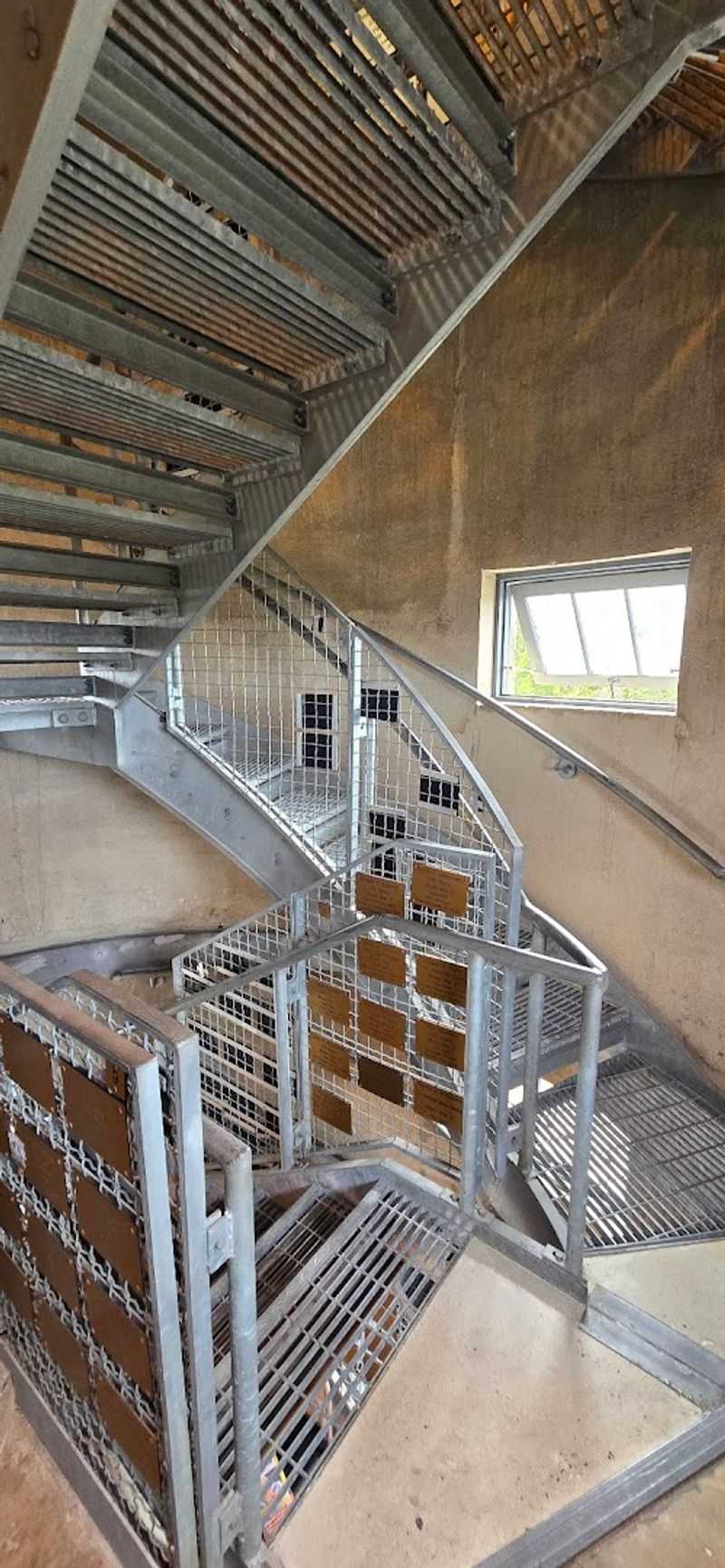
Stairs shape the visit, but not in a punishing way. Many travelers note that the climb is manageable, especially compared with the nearby Cape May Lighthouse, and that makes this tower appealing to people who want the payoff of elevation without committing to a full stair marathon.
The interior keeps the military mood intact with steel steps, concrete walls, and a straightforward layout. Nothing about the ascent tries to soften the building’s original purpose, which actually helps the place feel more convincing as a preserved historic site.
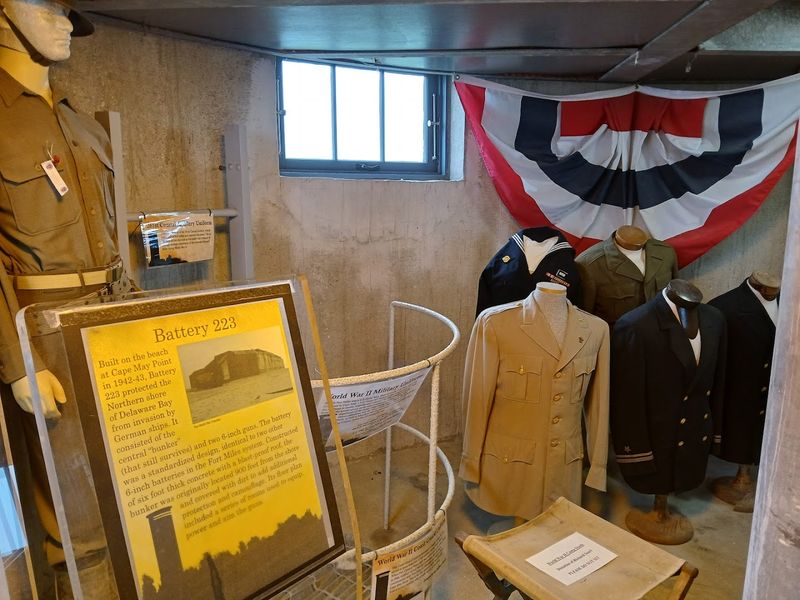
Along the way, exhibits and posted information break up the climb with context rather than clutter. That pacing works well because visitors are not just heading to the top, they are moving through the story one landing at a time.
For some people, towers are tests of nerves, and this one still asks for a little cooperation. Still, the route feels practical and fair, which is exactly the kind of design a wartime lookout tower would probably appreciate.
What the Top Reveals
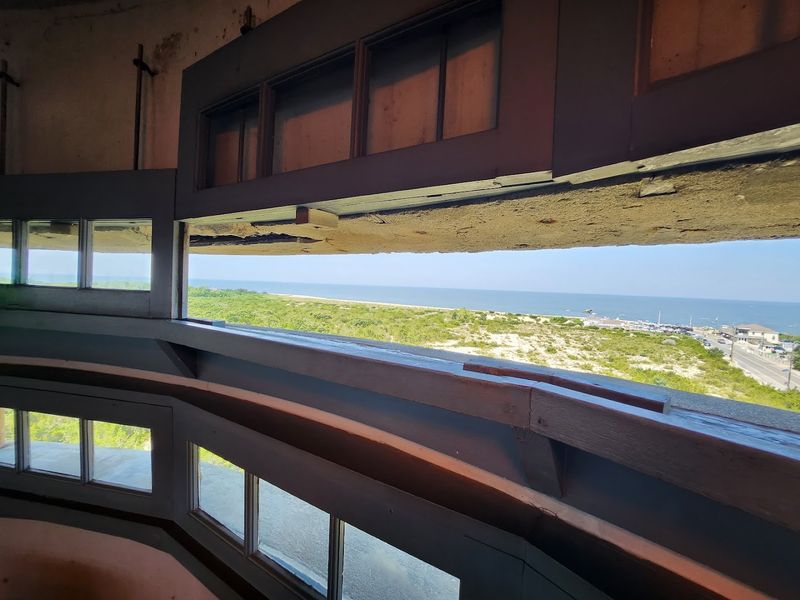
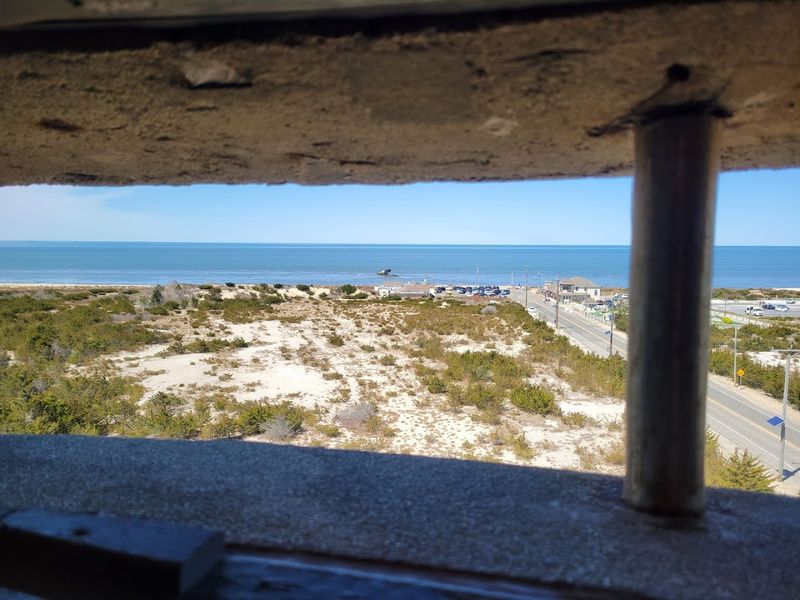
Reaching the top clarifies why this structure mattered. The elevated outlook makes the surrounding coastline, the water, and nearby landmarks easier to understand as parts of a strategic landscape rather than separate attractions scattered around Cape May.
Visitors often mention the broad outlook from above, including views toward the Cape May Lighthouse and the area around Sunset Beach. Those lines of sight turn history from an abstract topic into something geographic and immediate, because the tower’s purpose finally reads in the terrain itself.
This is the point where the visit usually clicks. The tower stops feeling like a compact museum piece and starts reading as a working tool from another era, preserved just enough to remain legible.
There is also a nice bit of local irony here: a place built for watchfulness now rewards curiosity instead. By the time visitors look back down, the building has already done its job twice, first as defense infrastructure and now as a history lesson with a very good vantage point.
Stories on the Walls

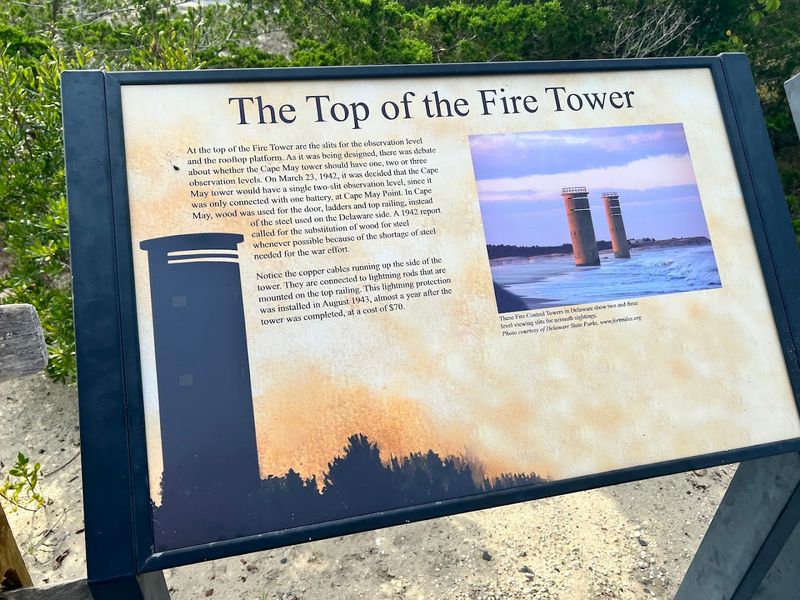
Much of the tower’s value comes from the information layered through the site. Historical panels, period images, wartime posters, and explanatory displays help visitors understand not only what the tower is, but also how it fit into the daily routines of coastal defense.
The boardwalk outside extends that educational thread beyond the building itself. Instead of rushing people in and out, the site invites a slower read of the landscape, the era, and the role this lookout played within a larger network.
That approach makes the attraction work even for travelers who do not climb every stair. A shorter stop can still deliver a strong sense of place, because the interpretation is spread across the grounds rather than locked behind the tower entrance.
There is a refreshing lack of gimmicks in how the history is presented. The material trusts visitors to care about maps, military context, and practical details, which turns out to be a smart bet when the building behind those facts is already doing half the talking.
More Than a Beach Detour
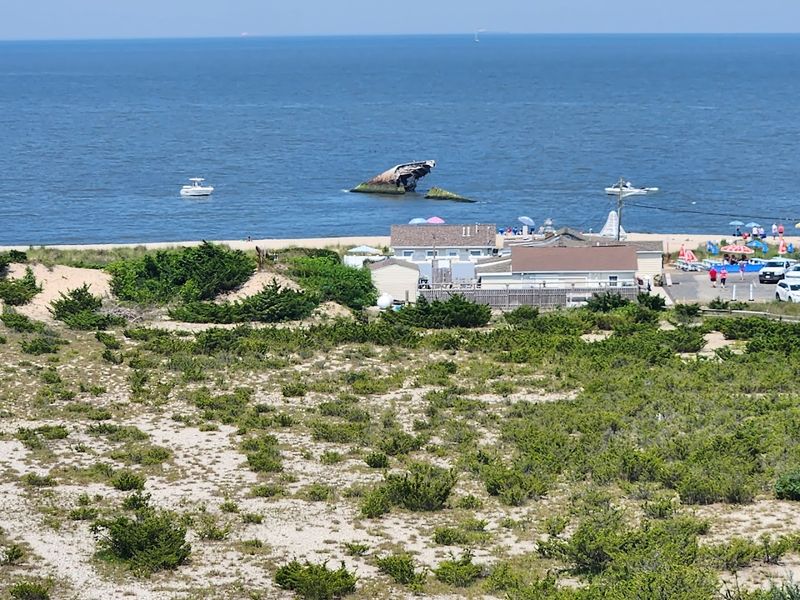
Cape May is often marketed through its better known coastal attractions, so this tower benefits from surprising people. It offers a strong alternative for travelers who want a break from the usual beach centered schedule without leaving the shoreline story behind.
That mix is one reason the site works so well for families, history fans, and anyone trying to add substance to a casual day out. The visit is focused and approachable, with enough material to feel worthwhile but not so much that it becomes an academic marathon in vacation shoes.
Even on days when beach plans lose momentum, the tower keeps the outing anchored in place and purpose. It connects the coast to wartime preparedness, local geography, and preservation in a way that broadens what Cape May can mean to visitors.
In other words, this is the rare stop that can rescue an itinerary and improve it at the same time. Sand may get the headlines, but the tower slips in and steals a little editorial space for history.
Helpful Guides and Human Context
Another strength of the visit comes from the people who interpret the place. Visitors regularly note that staff and volunteers share useful background, answer questions clearly, and add context that turns a preserved structure into a more complete public history experience.
That matters because military sites can feel distant when they rely only on dates and technical language. Here, the human layer helps explain how the tower functioned, why the region mattered, and what visitors should notice as they move through the building and look across the surrounding area.
The result is a stop that feels informed without becoming overly formal. Good interpretation keeps the tower accessible to newcomers while still giving history minded travelers enough substance to justify a dedicated visit.
It also gives the site a bit of conversational energy, which is useful in a concrete tower built for vigilance rather than charm. When the guides are on form, the history does not just sit on the walls and wait politely for attention.
Practical Things to Know

Planning a stop here is fairly simple, and simplicity is one of the site’s advantages. Reviews mention roadside parking and a visit length that fits neatly into a broader Cape May outing, making the tower easy to pair with nearby historic attractions on the same side of town.
Admission has been described as modest, with reduced pricing available for children and occasional package options tied to the Cape May Lighthouse. That kind of practical flexibility makes the tower easier to add for travelers balancing budgets, time, and the attention spans that can drift on vacation.
Accessibility deserves a realistic note, though, because the main experience includes stairs. Visitors uncomfortable with heights or open steel steps may prefer to spend more time with the ground level exhibits and outdoor interpretation, which still offer substantial value.
The good news is that the site does not demand an all or nothing commitment. Even a partial visit leaves plenty to absorb, and the tower never behaves like a place that punishes sensible limits.
A Link in a Bigger Chain
The tower becomes even more interesting when viewed as part of a regional defense network rather than a standalone oddity. It was one of multiple observation towers associated with protecting the Delaware Bay, and that wider system gives this single structure a much larger story to carry.
Understanding that network changes the visit from local trivia into a lesson about how the coast was organized during wartime. The tower was not built to be symbolic, and that lack of ceremony is exactly what makes the surviving site so useful now.
It shows how ordinary landscapes can be folded into national priorities without advertising the fact for future tourists. Cape May’s shoreline, roads, and nearby landmarks all read differently once the tower reveals that hidden layer of planning and preparedness.
That regional context also saves the site from feeling small. A single building may stand in front of visitors, but it points outward to a whole chain of observation, coordination, and coastal defense stretching far beyond one Cape May stop.
Why It Still Matters
Preserved places earn their keep when they explain something that would otherwise fade into background scenery. This tower does exactly that by showing how World War II touched the New Jersey coast in concrete, local, and highly practical ways that still make sense on site.
It also counters the easy habit of treating history as something that happened only in famous capitals, battlefields, or large museums. Cape May’s lookout tower proves that smaller structures can carry major stories, especially when they remain in the landscape that originally gave them purpose.
For local history, that is a significant contribution. For travelers, it means the visit delivers more than a checklist stop, because the building leaves behind a clearer understanding of the coast and the people who once watched over it.
Not every landmark needs grandeur to stay important. Sometimes a narrow tower near the road, doing its quiet concrete best decade after decade, is enough to remind visitors that the past was organized by watchfulness, routine, and a lot fewer decorative flourishes.
The Lasting Impression
By the end of a visit, the World War II Lookout Tower feels less like a roadside curiosity and more like one of Cape May’s sharpest historical statements. It is compact, credible, and unusually good at showing how one preserved structure can deepen an entire destination.
The appeal is not built on spectacle. It comes from the plain force of a wartime lookout still standing where it was needed, now helping modern visitors read the coast through history instead of just passing by on the way to something else.
That makes the tower easy to recommend to almost anyone with an interest in American history, New Jersey landmarks, or practical preservation done well. A short stop can be enough, but the place tends to stay in mind longer than its size might suggest.
Cape May has no shortage of memorable stops, yet this one holds its ground with unusual confidence. For a structure designed to keep watch, it remains remarkably effective at making people look closer.



