Somewhere in the rolling hills of Sullivan County, Indiana, a former coal mining site has been completely transformed into one of the most exciting off-road destinations in the Midwest. The land that once powered industrial operations now powers something far more thrilling: mud-covered machines, hill climbs, and trails that test every level of driver.
At 1,450 acres, this place is big enough to keep even seasoned off-roaders busy for a full weekend. What makes it even more remarkable is that this transformation happened through the Indiana Department of Natural Resources, turning reclaimed land into a publicly accessible adventure park that costs just $15 per vehicle to enter.
Whether someone rolls up in a dirt bike, an ATV, a side-by-side, or a full-size Jeep, there is something waiting on the trails.
From Coal to Chaos: The History Behind the Trails
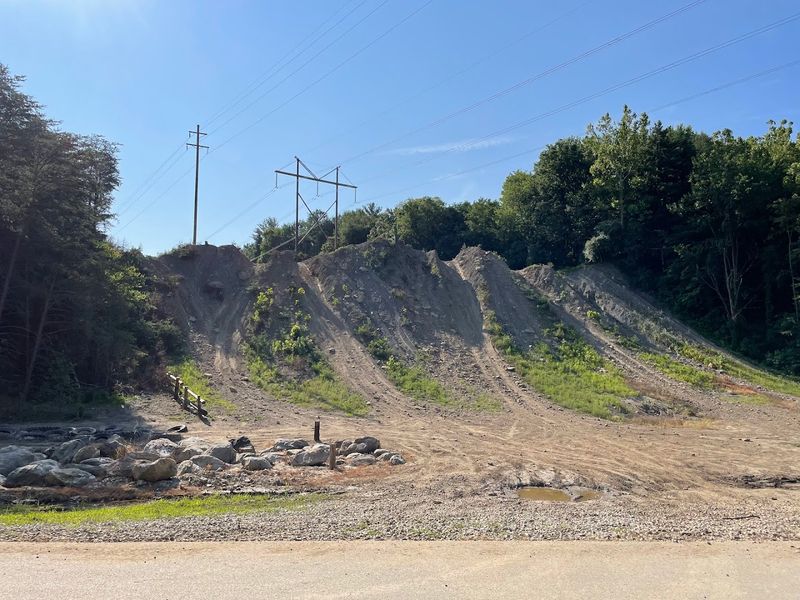
Not many off-road parks carry the kind of backstory that Redbird does. The land was previously used for coal mining operations, and when those activities ended, the site went through a reclamation process that reshaped the terrain entirely.
Indiana’s Department of Natural Resources took over the land and developed it into a state recreation area, opening it to the public as a dedicated off-road destination. The reclaimed landscape left behind a naturally rugged surface, complete with hills, berms, ruts, and uneven ground that happens to be ideal for off-road use.
That industrial past is part of what makes the terrain so unique. The land was not engineered to be an off-road park from scratch; it was adapted from something that already had character built into its bones.
That history gives Redbird a raw, honest feel that purpose-built parks sometimes lack. The 1,450 acres carry decades of transformation, and every trail reflects that layered past in its own way.
Trail Ratings That Actually Mean Something
One of the first things off-roaders notice at Redbird is that the trail difficulty ratings are accurate, which is not something every park can claim. Trails are marked using a color system: green for beginner, blue for intermediate, black for advanced, and red for the most challenging runs on the property.
Green trails are genuinely beginner-friendly, making them a solid starting point for first-timers or those driving stock vehicles. Blue trails step up the challenge with more technical terrain, though some riders note that certain green trails feel more demanding than expected, suggesting the overall bar is set with real off-road conditions in mind.
The jump from blue to black and red is significant. Those upper-tier trails feature tighter lines, steeper climbs, deeper ruts, and obstacles that demand both vehicle capability and driver experience.
The honest rating system means riders can plan their day with confidence, knowing the trail ahead matches the difficulty level posted at the trailhead.
Mud, Hills, and Everything In Between
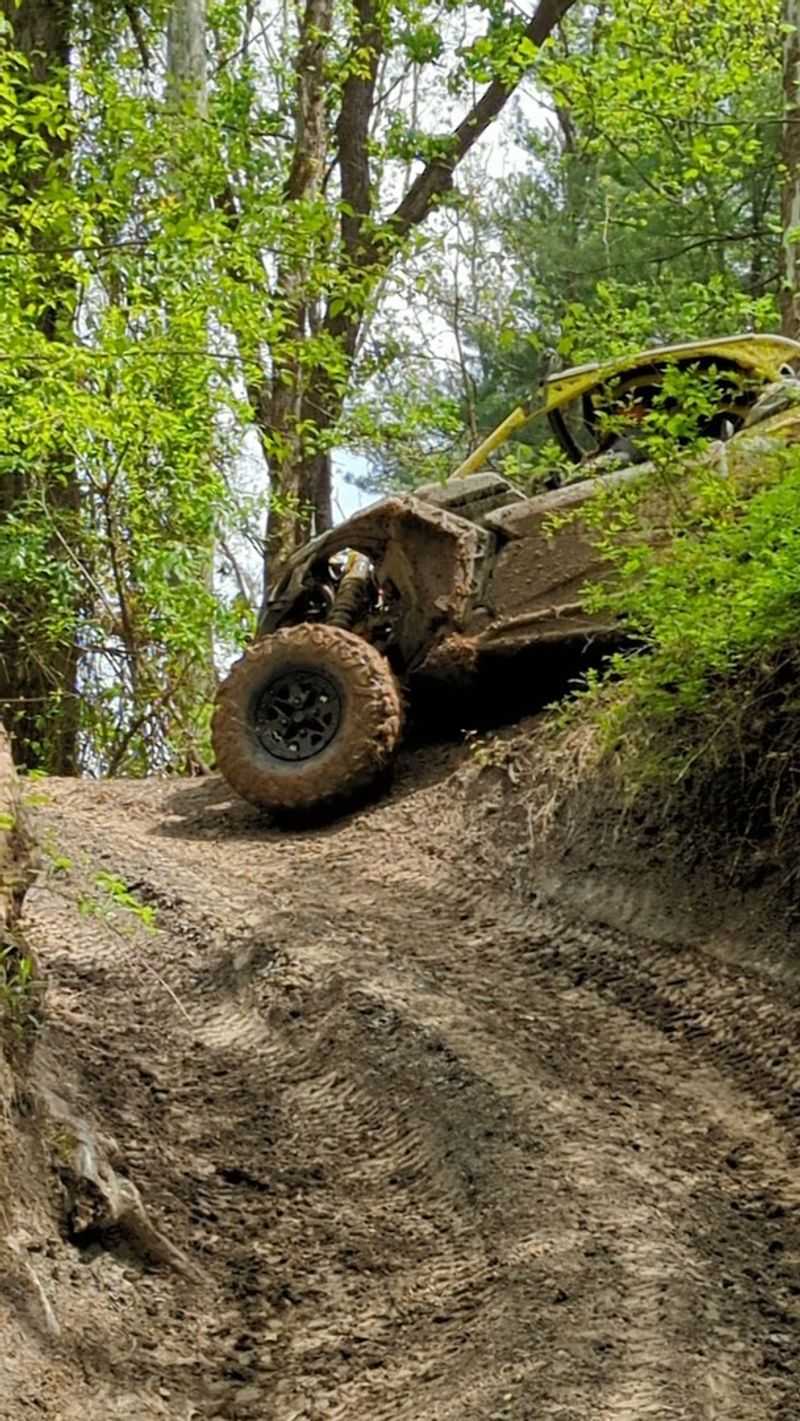
Mud is not a side effect at Redbird; it is a feature. The terrain across the property holds moisture well, meaning trails can stay muddy long after rain has stopped, and after a storm, the mud holes become deep enough to require a winch to get through.
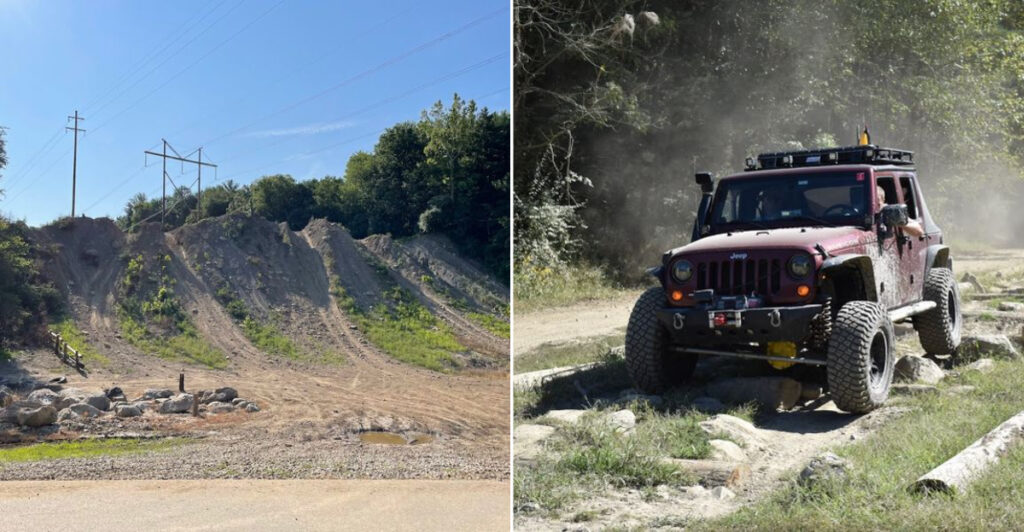
Hill climbs are another consistent highlight across the trail system. The reclaimed mining land created natural elevation changes throughout the property, and the trails take full advantage of those grades.
Some climbs are steep and straight, while others involve off-camber lines that shift the challenge from pure power to precision driving.
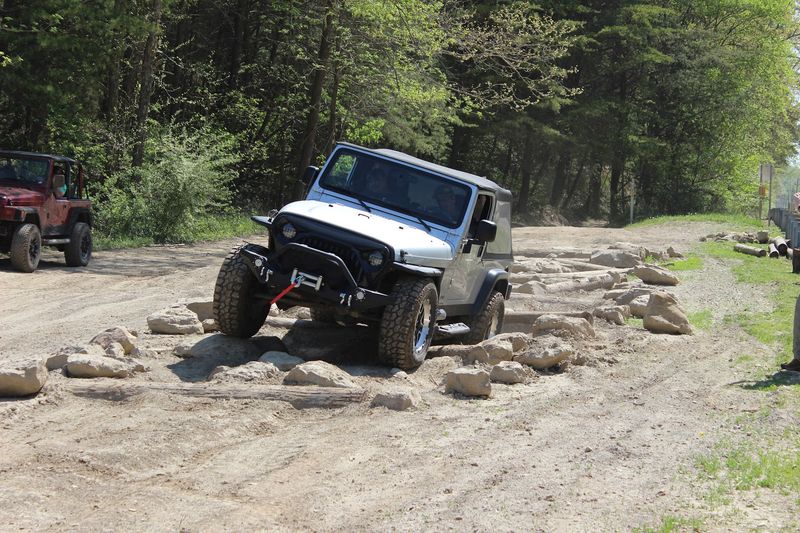
Rock lines and tire stack obstacles have also been added to specific trails, giving the park a more structured challenge zone feel in certain areas. Trail 3 has developed a reputation among Jeep drivers as one of the standout runs on the property, known for its combination of technical demands and rewarding payoff.
The terrain variety keeps things from feeling repetitive across a full day of riding.
What Vehicles Are Welcome Here
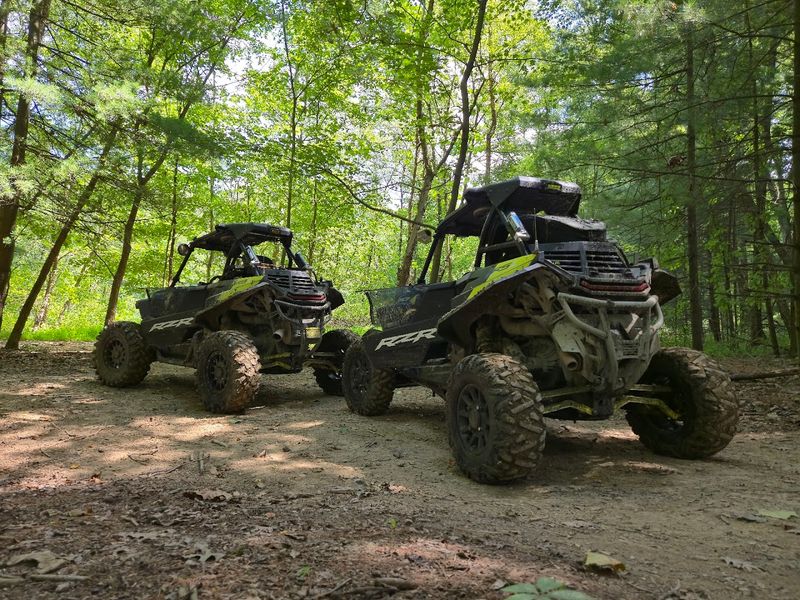
Redbird is built to accommodate a wide range of off-road vehicles, though the trail system is most naturally suited to smaller machines. Dirt bikes, ATVs, and side-by-sides are the primary audience, and the trail widths reflect that design priority.
Full-size vehicles like Jeeps and Broncos can access the park and find real entertainment, but drivers should be prepared for tighter trail corridors that can challenge wider rigs. Overgrowth on some trails further narrows the usable width, which can make navigating a four-seat RZR or a full-size truck a more deliberate exercise.
That said, full-size vehicle owners consistently report having a good time, especially on trails that open up into wider terrain. The key is going in with accurate expectations and ideally not going alone.
Having a second vehicle along provides both practical backup and a better overall experience, especially for larger rigs tackling the more technical sections of the property. The park welcomes all legal off-road vehicles at the gate.
The Case for Not Going Solo
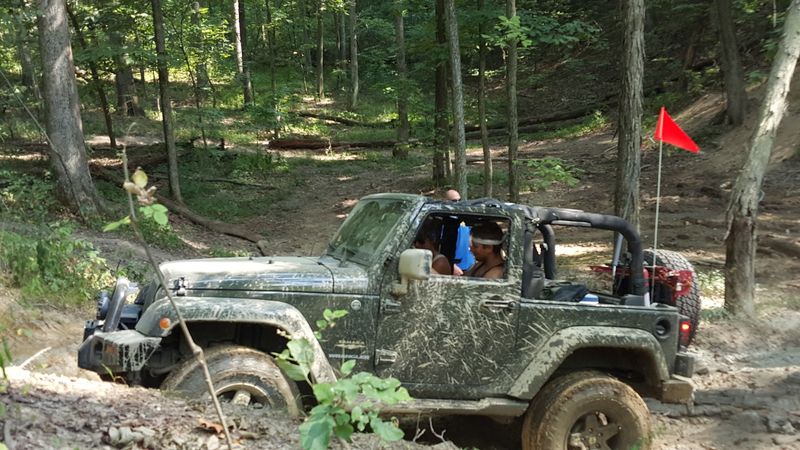
There is a reason experienced off-roaders at Redbird consistently recommend bringing a second vehicle. The trails can put you in situations that are genuinely hard to get out of alone, and that is not an exaggeration.
Deep mud holes, steep off-camber descents, and tight technical sections all carry a real chance of getting stuck.
Having a buddy vehicle means having a recovery option on the spot. A winch is also a strongly recommended piece of gear, and after a rain event, it can go from optional to essential very quickly.
The community atmosphere at the park means fellow riders are generally willing to help out, but counting on that is a risk not worth taking.
Going with a group also simply makes the experience more enjoyable. Riding with others adds a social layer to the day, turns recovery situations into shared stories, and keeps the energy up across a long session on the trails.
The park is more fun as a group activity than a solo mission.
Beginner-Friendly Without Being Boring
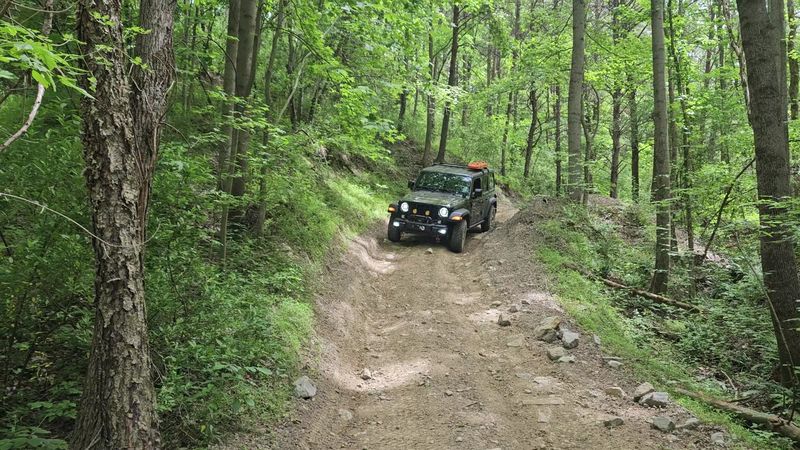
First-timers at Redbird often arrive with uncertainty and leave with a new hobby. The green trails are designed to introduce new drivers to off-road terrain without throwing them into conditions they cannot handle, and they deliver on that promise consistently.
A stock Jeep or entry-level ATV can handle the green trail system without modifications, which lowers the barrier to entry significantly. New drivers get the experience of navigating uneven terrain, mild hill climbs, and light mud without the risk of serious mechanical trouble or getting hopelessly stuck.
That approachability does not mean the green trails are dull. There is enough variation in the terrain to keep first-time riders engaged and give them a real taste of what off-roading involves.
The facilities are newer and well-maintained, the staff at the entrance are helpful and patient with newcomers, and the overall layout of the park makes it easy to start small and gradually explore more challenging sections as confidence builds throughout the day.
Facilities That Actually Work

Outdoor recreation areas do not always prioritize clean, functional facilities, which makes Redbird stand out in a practical way. The park maintains pit toilets across the property, and they are kept in clean condition.
The guard shack at the main entrance has an actual restroom with running water, which is a small but appreciated upgrade.
Picnic areas and shelters are positioned along the trails, giving riders a place to take a break without heading all the way back to the parking lot. The main parking areas are paved, well-organized, and equipped with loading ramps for vehicles arriving on trailers.
One useful detail for Jeep and larger vehicle owners: there is no air available on-site for re-inflating tires after airing down for the trails. A Casey’s gas station located nearby offers free air, which is worth knowing before heading out for the day.
The buildings and outbuildings across the park are newer in construction and maintained to a standard that keeps the overall experience comfortable and well-supported.
What the $15 Entry Fee Gets You
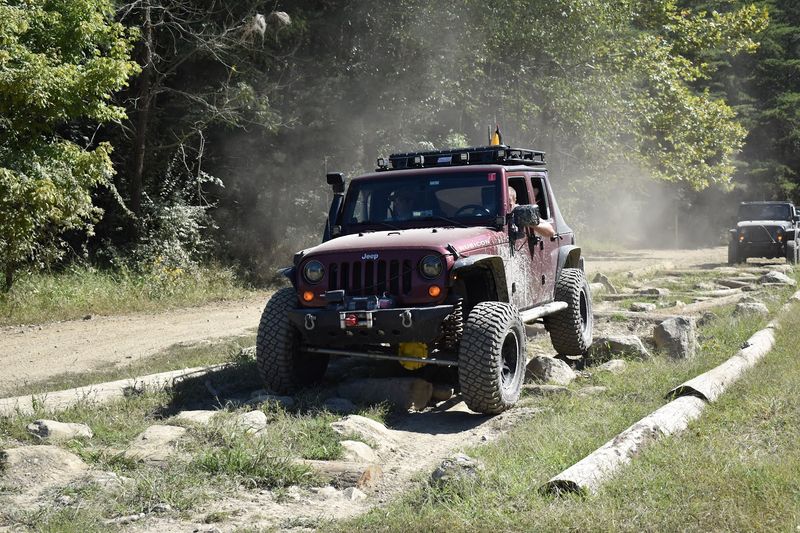
At $15 per vehicle, Redbird Off-road State Recreation Area delivers one of the better value propositions in Midwestern off-roading. That flat daily fee covers access to all trails across the 1,450-acre property, regardless of vehicle type or difficulty level chosen.
The pass also holds a bonus that many riders do not immediately realize: it is valid at both Redbird and Interlake State Recreation Area, another Indiana DNR off-road destination located roughly an hour away. For anyone purchasing a two-day pass, that flexibility means splitting time between two different properties without paying twice.
That combined access deal is particularly appealing for riders who want more trail variety or who finish Redbird’s trail system in a single day and are ready for a change of scenery. For groups traveling from a distance, the dual-park pass turns a weekend trip into a two-destination adventure at a price point that does not require serious budget planning.
The value holds up even for casual riders making a one-time visit.
Reading the Trail Map Takes Practice
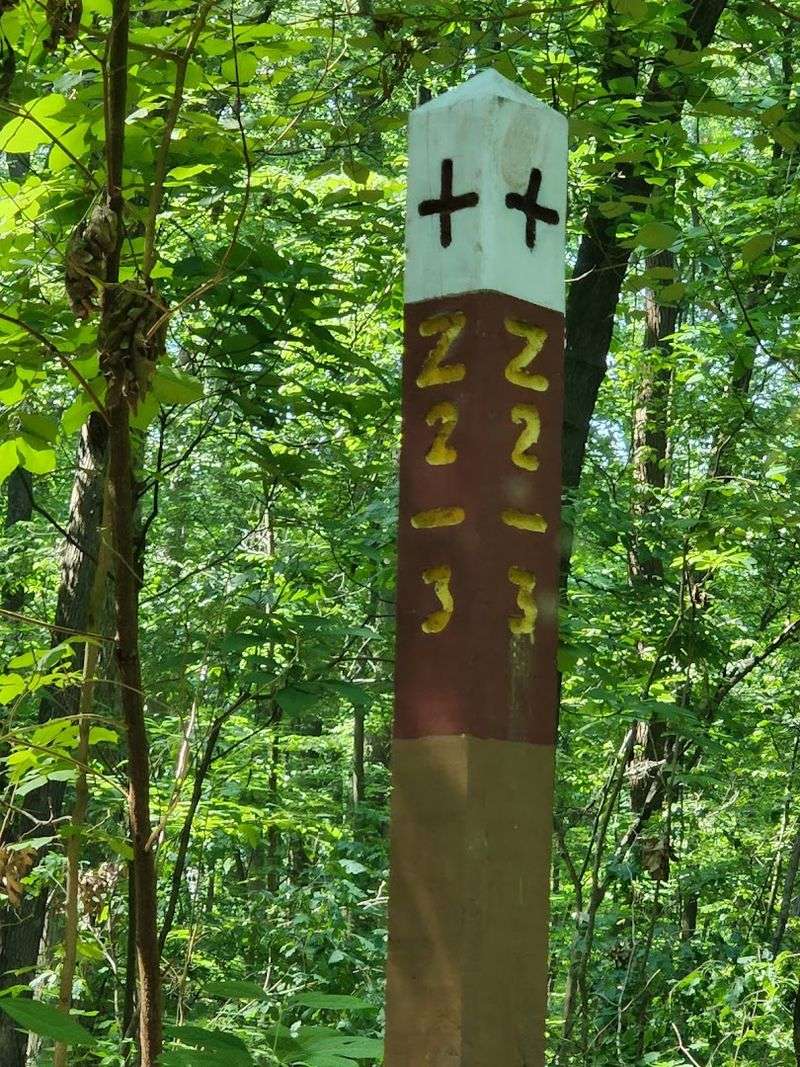
The trail map at Redbird is functional, but it comes with a learning curve. First-time visitors frequently note that the map can be difficult to follow in the field, and trail markings on the ground do not always make navigation straightforward, especially when exploring unfamiliar sections of the property.
That challenge is part of the experience for many riders, who treat getting briefly turned around as part of the adventure. However, for those who prefer a more structured approach, spending time at the trailhead studying the map before heading out is a worthwhile investment.
The trail system includes connector paths and play areas between main trails, which adds to the complexity of navigation but also adds to the overall riding time. Understanding the layout on paper first helps riders make better decisions in the field.
The park staff at the entrance are helpful for orientation, and asking questions before heading out is always a smart move, particularly for anyone visiting for the first time.
The Rock Line and Obstacle Areas
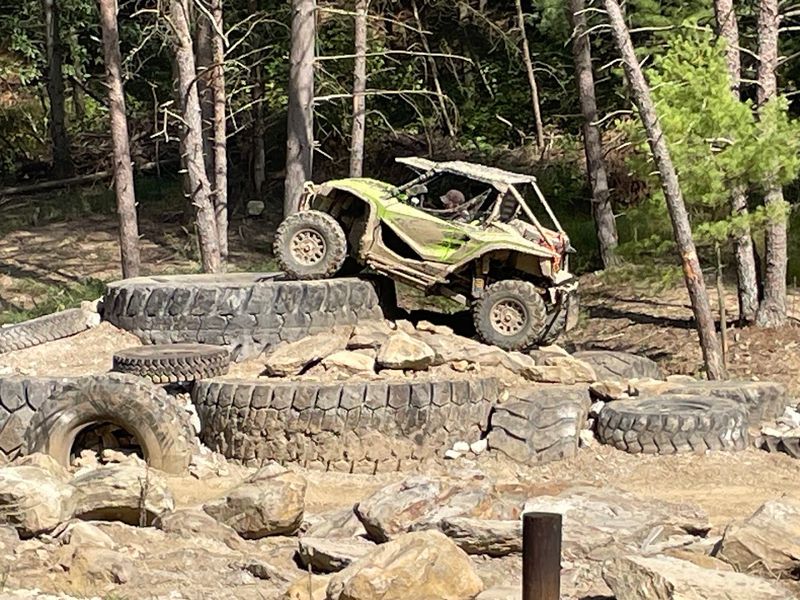
Beyond the natural terrain challenges, Redbird has been actively developing constructed obstacles to expand the riding experience. A rock line and tire stack obstacles have been added to the property, giving riders a more structured challenge that goes beyond mud and hill climbs.
These additions signal an ongoing investment in the park’s development, which is notable for a government-managed recreation area. The rock line in particular has become a talked-about feature among Jeep owners, offering a technical crawling challenge that rewards slow, deliberate driving over horsepower and speed.
The obstacle areas are positioned within the broader trail system rather than isolated from it, meaning riders encounter them naturally during a full-day session rather than having to seek them out separately. That integration keeps the riding experience cohesive and prevents the park from feeling like a collection of disconnected features.
As the park continues to grow, these constructed elements add replay value for regular visitors who have already covered the natural trail system multiple times.
Best Times to Visit and What to Expect
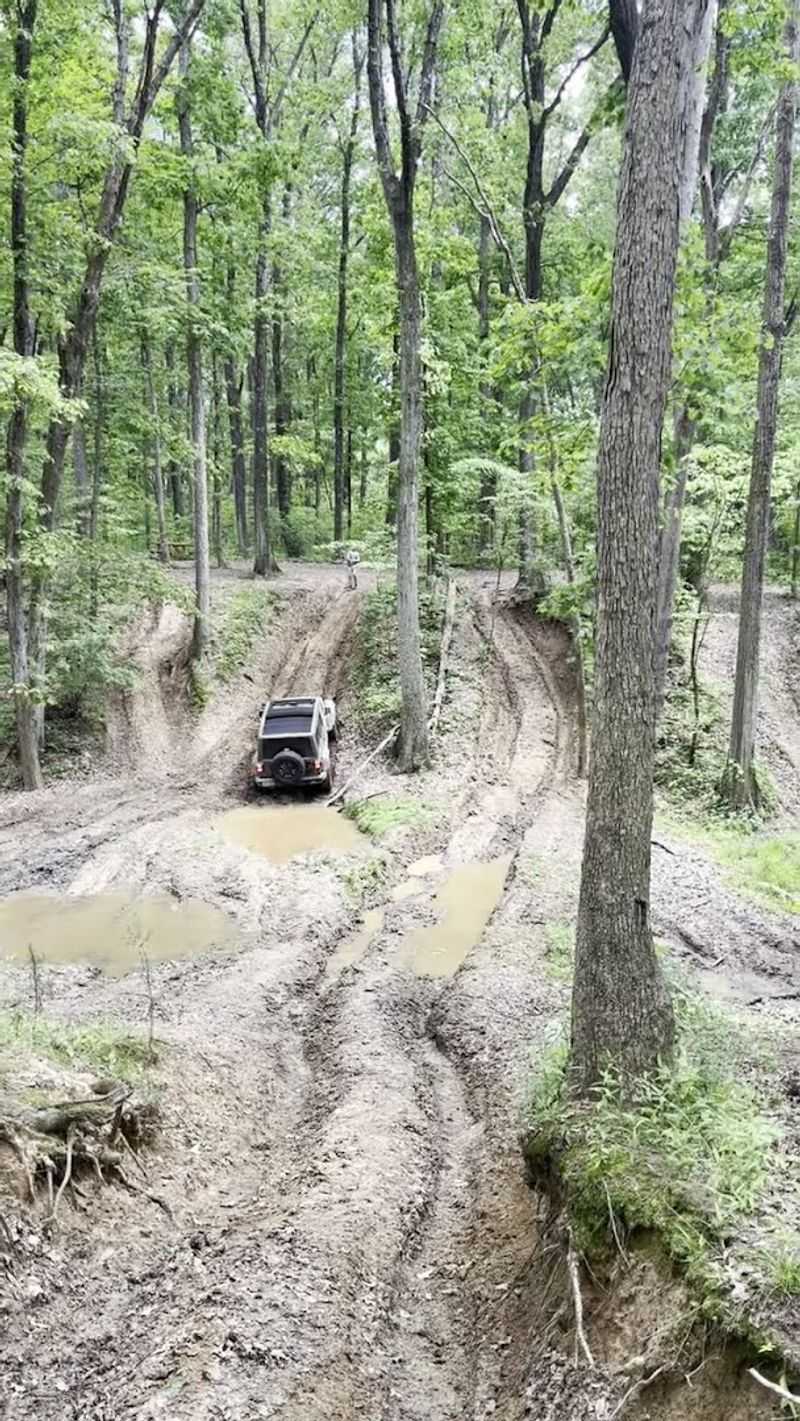
Timing a visit to Redbird affects the experience significantly. Dry conditions make the trails more accessible for larger vehicles and allow riders to cover more ground without spending extended time on recovery.
After rain, the mud deepens considerably, which creates a different kind of challenge that some riders specifically seek out.
The park stays open year-round, but peak enjoyment tends to come in the spring and fall when temperatures are comfortable and the terrain offers a mix of conditions. Summer visits are popular, though heat and humidity can make a long day on the trails more demanding physically.
Weekdays tend to be quieter than weekends, which means less trail traffic and a more open riding experience. Sunset visits have drawn their own following, as the landscape takes on a different character in the late afternoon light.
Checking conditions before arrival is always a good practice, particularly after significant rainfall, since trail conditions at Redbird can shift quickly depending on recent weather patterns in Sullivan County.
How Redbird Compares to Interlake
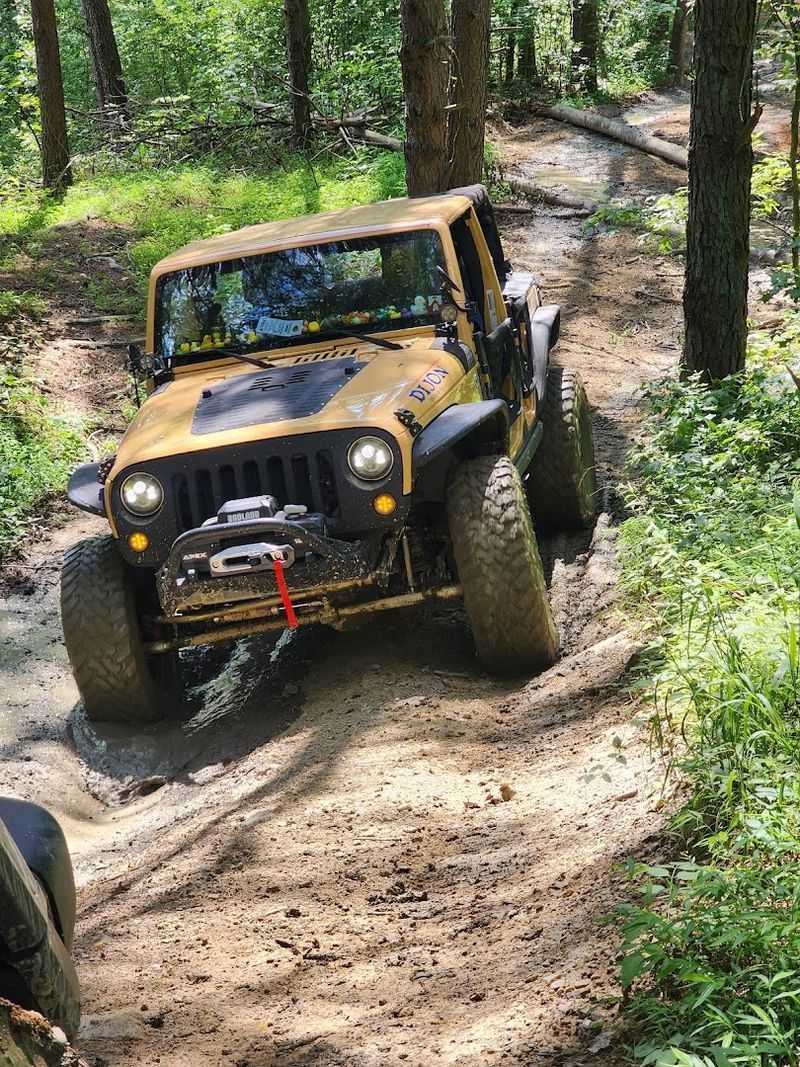
Indiana off-roaders often debate which of the two DNR-operated off-road parks offers the better experience, and the honest answer is that they complement each other more than they compete. Redbird and Interlake State Recreation Area share a combined pass, which signals that the DNR itself sees them as a pair worth exploring together.
Redbird is generally considered the more varied of the two in terms of terrain type, with its mining-reclaimed landscape creating natural elevation changes and obstacle variety that feel distinct. Interlake, located about an hour away, offers its own trail character and provides a worthwhile change of pace for riders who have covered Redbird thoroughly.
For a weekend trip from out of state, combining both parks into a two-day itinerary is a popular approach that maximizes the value of the combined pass. Each park has its own strengths, and riders who have visited both tend to develop a preference based on their vehicle type and riding style rather than any clear quality difference between the two.
Planning Your First Trip: Practical Tips
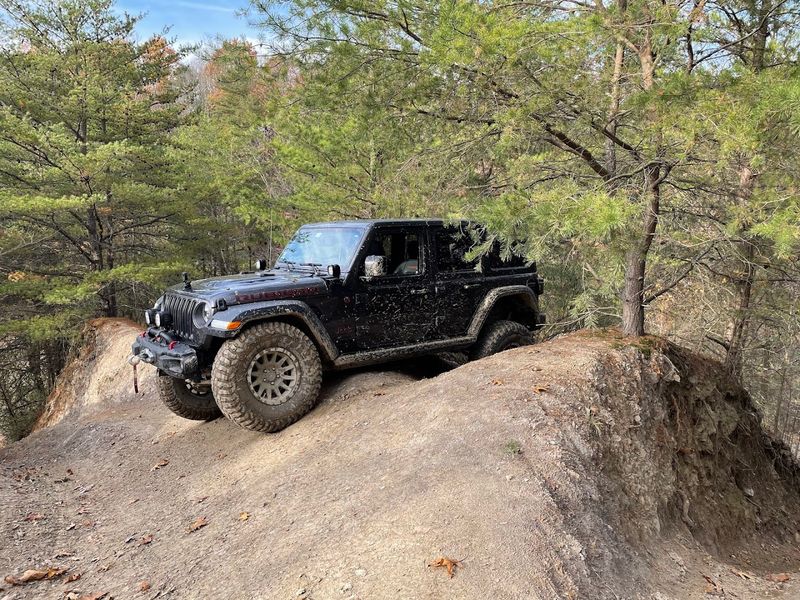
A few practical details can make a first trip to Redbird significantly smoother. Bringing a winch or tow strap is strongly recommended regardless of vehicle type, since trail conditions can change quickly and recovery situations happen even on easier trails.
A second vehicle is ideal, but a quality recovery kit is the minimum preparation.
Airing down tires before hitting the trails improves traction considerably, and knowing the location of the nearby Casey’s gas station for re-inflation on the way out is worth remembering. Water, snacks, and basic tools round out the practical checklist for a full day at the park.
Downloading or printing the trail map before arrival helps with navigation, and spending a few minutes at the trailhead studying the layout pays off once riding begins. The $15 vehicle fee is paid at the entrance gate, and the staff there can answer questions about current trail conditions.
Arriving early on weekends secures better parking and more open trails before the crowd builds through midday.
Where It All Starts: Location and Access
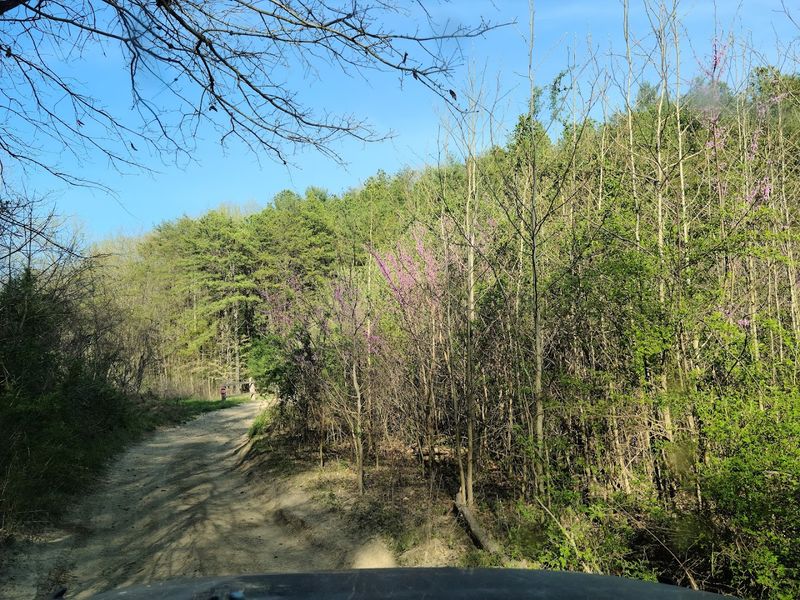
The address alone tells you this place is off the beaten path, and that is exactly the point. Redbird Off-road State Recreation Area sits at 15470 County Rd 350 N, Dugger, IN 47848, tucked into Sullivan County in southwestern Indiana.
Getting there requires navigating rural roads, but the drive itself sets the tone for what is ahead. The surrounding landscape is open, green, and unmistakably Midwestern, with farmland giving way to the reclaimed terrain of the old coal mining site.
The main entrance features a guard shack where staff check passes and hand out trail maps. There are two parking lots accessible through the main gate, plus a large gravel lot just down the road with its own facilities and direct trail access.
Loading ramps are available for pickup trucks, making the unloading process straightforward for those hauling trailers. The setup is practical, well-organized, and built with off-roaders in mind from the moment they arrive.
Share this story