There is a quiet stretch of road in Allentown, New Jersey, where a former nursery warehouse holds something unexpected inside its walls. What was once used to store plants and gardening supplies has been transformed into one of the most compelling firefighting history collections in the entire state.
This museum is a volunteer-run nonprofit that preserves decades of fire service equipment, uniforms, memorabilia, and machinery that would otherwise be lost to time. From antique hand-pump wagons to towering ladder trucks, the collection tells a story about the people who protected New Jersey communities long before modern technology changed everything.
Whether you are a firefighting enthusiast, a history lover, or just someone looking for an off-the-beaten-path Saturday outing, this place has a way of pulling you in and holding your attention much longer than you might expect.
Where History Found a New Home
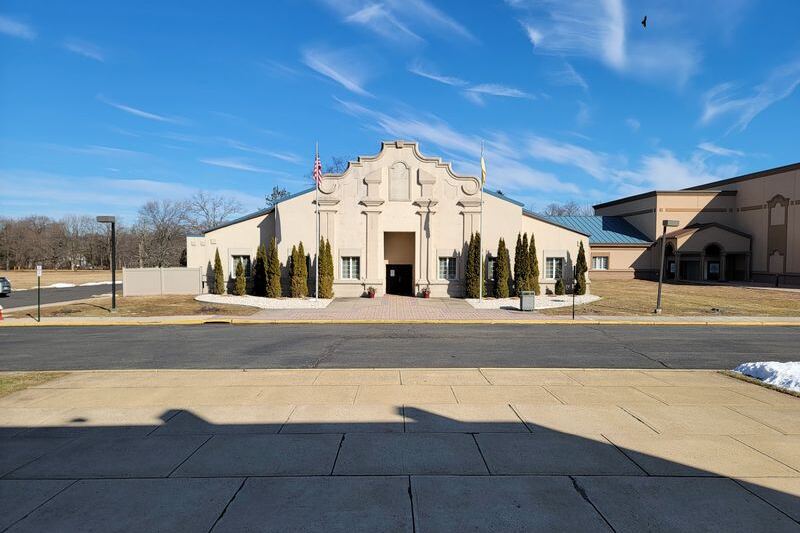
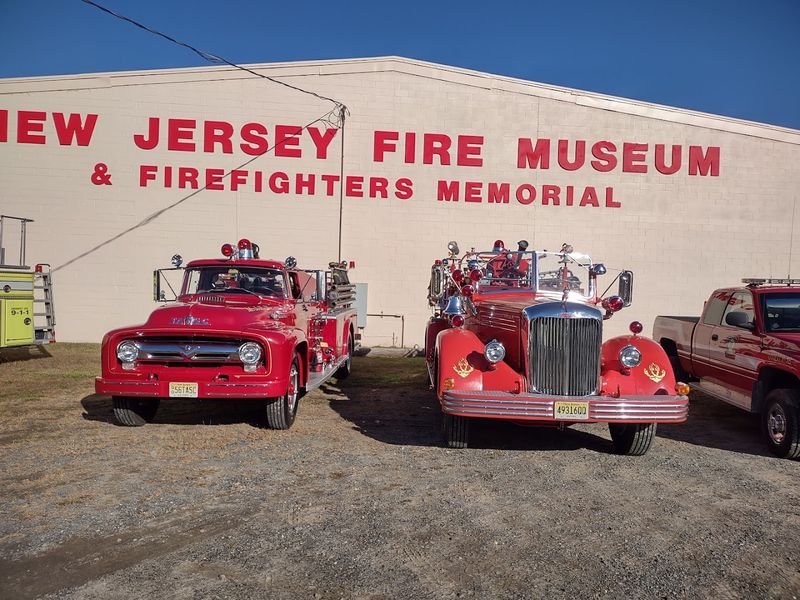
The NJ Fire Museum is located at 4 Polhemustown Rd, Allentown, NJ 08501, tucked into a quiet rural corner of Monmouth County that most people drive past without a second thought.
The property was originally a nursery warehouse, which means the buildings were built to store large items in wide-open floor plans. That layout turned out to be perfect for housing oversized fire trucks and antique equipment that would never fit inside a traditional museum space.
The transition from plant storage to firefighting archive was not an overnight project. It took years of volunteer effort, community donations, and careful planning to turn this agricultural building into a functioning museum.
The grounds have a working-class, no-frills character that actually adds to the authenticity of the experience.
Knowing that the space itself has a history makes the visit feel layered in a way that polished, purpose-built museums sometimes do not deliver.
A Collection That Covers Decades of Fire Service
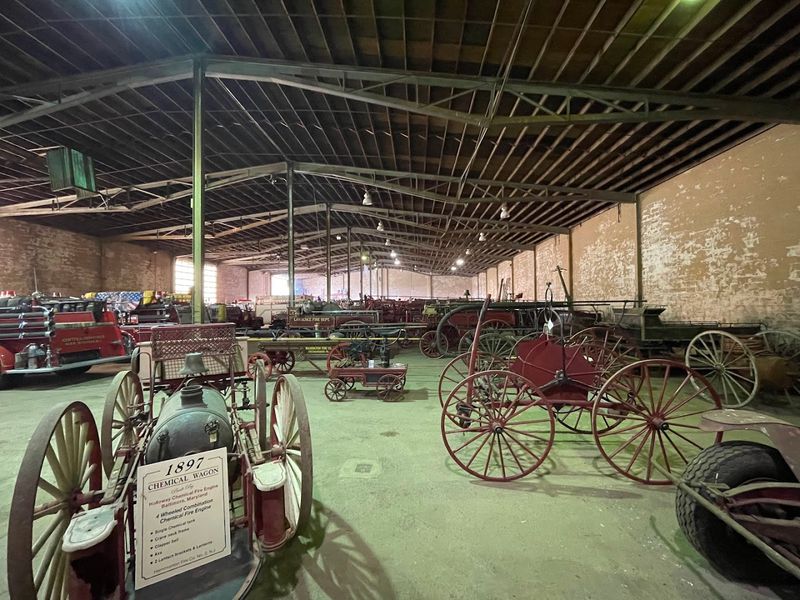
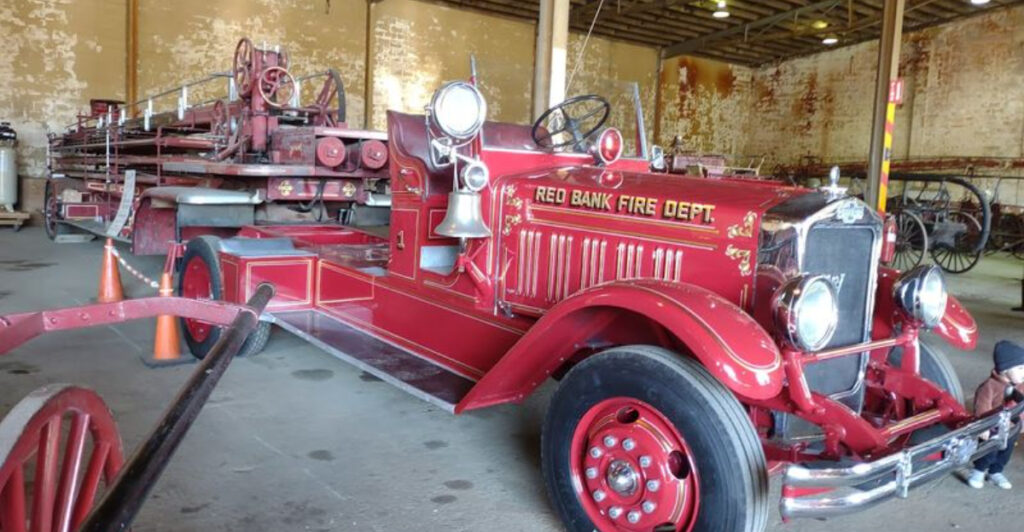
The sheer number of fire engines on display at the NJ Fire Museum tends to catch first-time visitors completely off guard. Most people arrive expecting a couple of trucks and a few display cases, and what they find instead is a sprawling collection that spans multiple generations of firefighting equipment.
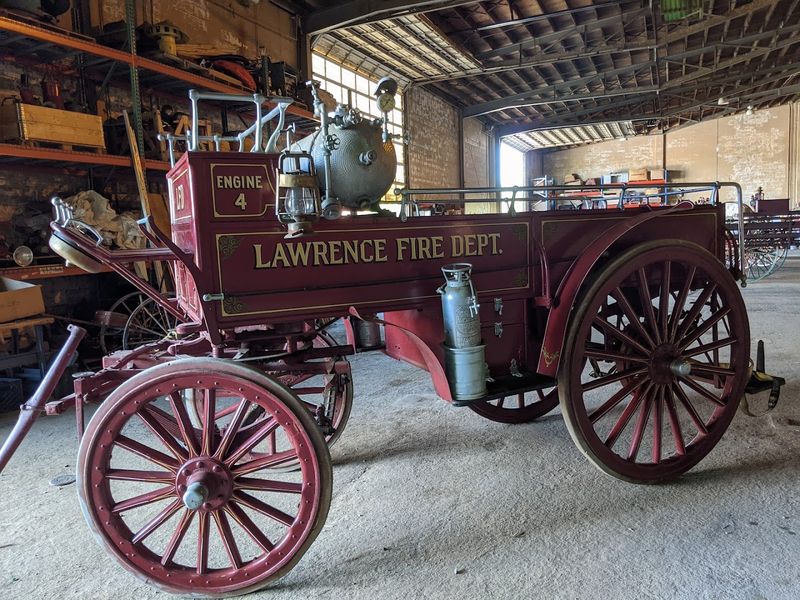
Hand-pump wagons from the early days of organized fire response sit alongside motorized engines from the mid-twentieth century. Ladder trucks with impressive height clearances share floor space with smaller utility vehicles that served specific roles in fire departments across New Jersey.
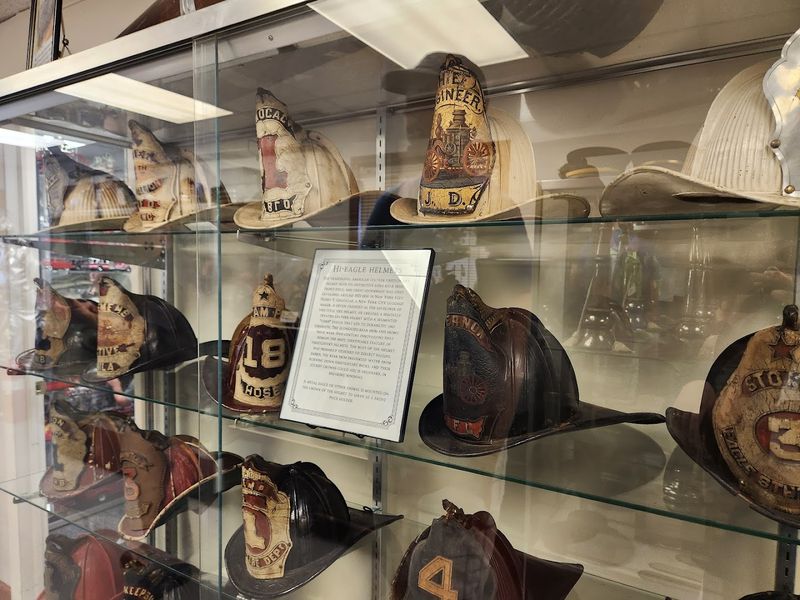
The collection is especially strong in New Jersey-specific equipment and memorabilia, which gives it a regional identity that broader national museums cannot match. Accessories, tools, uniforms, and historical records fill display cases throughout the space, rounding out the mechanical exhibits with human context.
Each piece represents a chapter in the evolution of how communities organized themselves to protect property and lives from fire.
The Fallen Firefighters Memorial
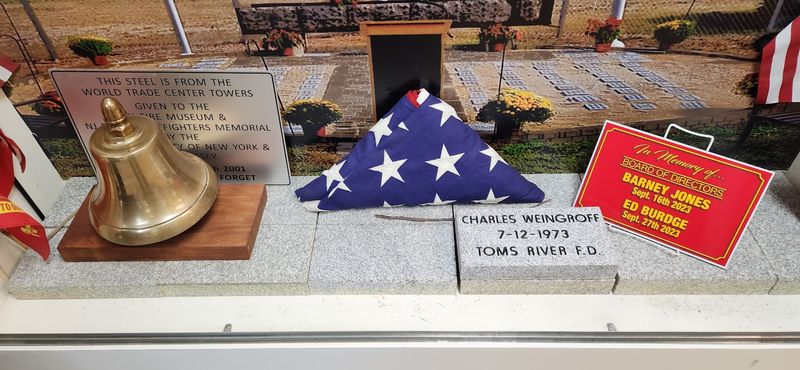
Beyond the equipment and the historical artifacts, the NJ Fire Museum carries a deeper purpose that sets it apart from a simple vehicle collection. The full official name of the institution is the Charles Hart New Jersey Fire Museum and Fallen Firefighters Memorial.
That second part of the name matters. The museum serves as a place of remembrance for New Jersey firefighters who gave their lives in service to their communities.
This memorial dimension gives the space a gravity and emotional weight that transforms a visit from a casual outing into something more meaningful.
The inclusion of a tribute to fallen firefighters also reflects the museum’s commitment to honoring the human side of the fire service, not just the machinery. It connects the antique trucks and tools to the real people who operated them under dangerous conditions.
That connection between object and person is what keeps the collection from feeling like a simple warehouse of old vehicles gathering dust.
Saturday is the Only Day That Counts
One thing that every potential visitor needs to know before making the trip is that the NJ Fire Museum is only open on Saturdays, from 10 AM to 2 PM. The museum is closed every other day of the week, which reflects the reality of operating a volunteer-run nonprofit with limited staffing resources.
Planning around that single weekly window is essential. Arriving close to the 2 PM closing time does not leave enough space to appreciate everything the collection has to offer, and the staff have mentioned that a full visit can take close to two hours when you factor in the main building, the additional storage areas, and the gift shop.
Checking the museum’s website at njfiremuseum.org before visiting is always a good idea, since special events and open houses sometimes adjust the regular schedule. The museum also hosts occasional events tied to fire prevention awareness, which can bring additional exhibits and demonstrations to the property.
Kids and the Joy of Climbing Aboard
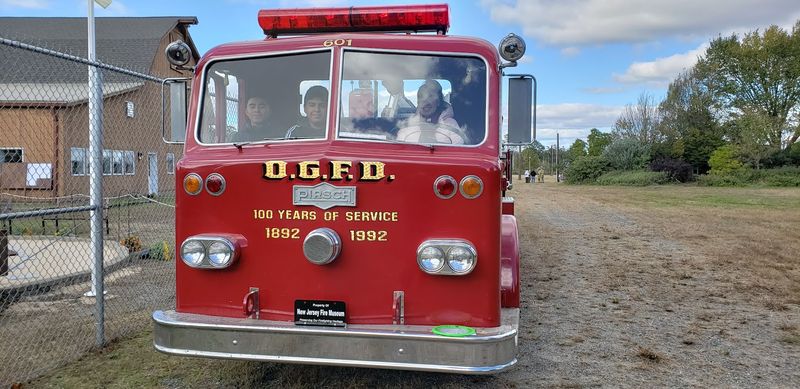
Not every history museum manages to hold a child’s attention for more than fifteen minutes, but the NJ Fire Museum has a built-in advantage that most cannot match: guests are allowed to sit inside the trucks. That single detail changes the dynamic of a visit entirely for younger guests.
There is also a dedicated room featuring a collection of toy fire truck cars aimed at younger children, which has become a genuine highlight for families who visit. The combination of interactive access to real equipment and a kid-focused display area makes the museum genuinely family-friendly rather than just technically open to all ages.
Parents who have brought children report that the experience holds attention in ways that purely visual exhibits do not. Being able to touch, climb, and explore transforms the abstract concept of firefighting history into something concrete and exciting for a younger audience.
It is the kind of hands-on access that turns a good museum trip into a memorable one.
Free to Enter, Priceless to Experience
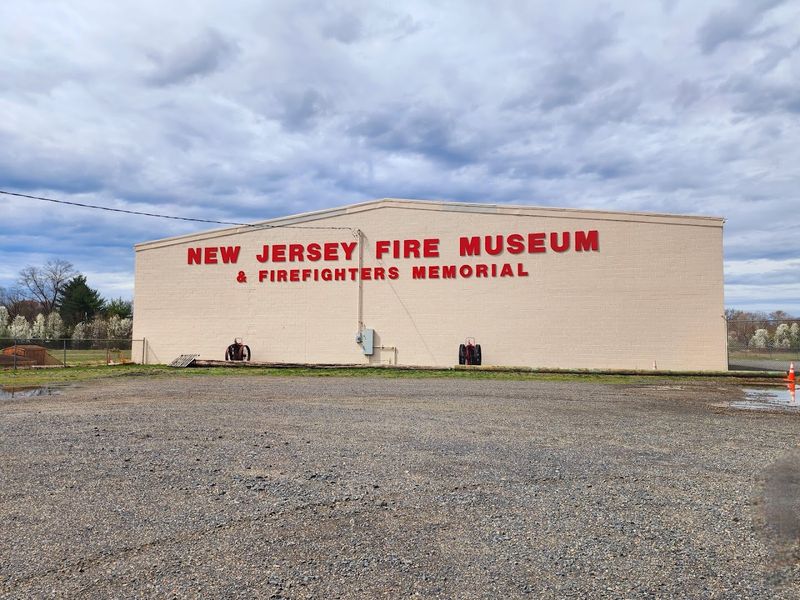
Admission to the NJ Fire Museum is free, which makes it one of the more accessible cultural destinations in central New Jersey. Donations are accepted and genuinely appreciated, since the museum operates without ticket revenue and relies on community support to cover basic operating costs.
The free admission model also reflects the museum’s nonprofit philosophy, which prioritizes access over profit. The goal is to preserve New Jersey firefighting history and share it with as many people as possible, not to generate income from the collection.
For families looking for a meaningful and affordable Saturday activity, the museum offers strong value. An hour or two spent walking through decades of fire service history, interacting with staff, and exploring equipment costs nothing but time and a willingness to show up before 2 PM.
Dropping a few dollars in the donation box on the way out is a small gesture that directly supports the ongoing preservation work happening at the property.
The Gift Shop and Collectibles Corner
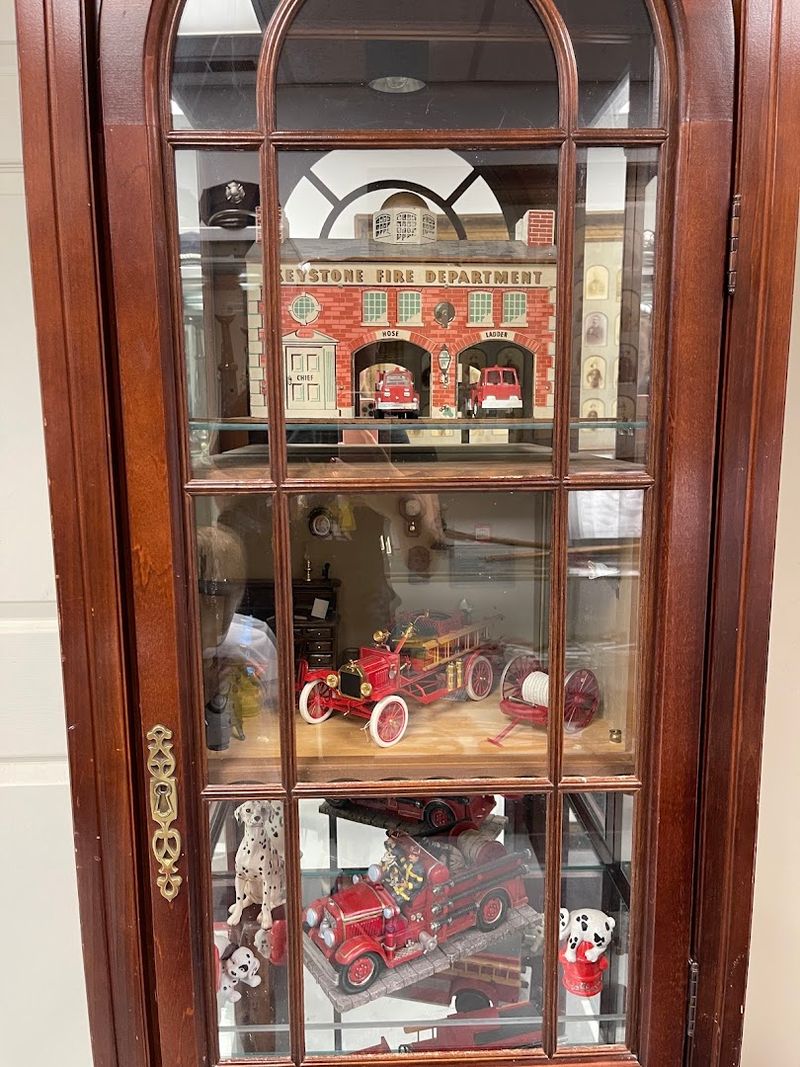
Tucked inside the main building alongside the primary exhibits is a gift shop and collectibles area that rounds out the visit in a satisfying way. The space carries firefighting-themed merchandise, historical items, and memorabilia that connects to the broader collection on display throughout the museum.
The gift shop is not a corporate merchandise stand filled with generic souvenirs. It reflects the same community-driven, history-focused character as the rest of the museum, with items that tend to appeal to people who have a genuine interest in fire service history rather than casual tourists looking for a magnet.
Additional historical items and collectibles are also displayed inside the office area adjacent to the gift shop, giving guests another layer of material to explore beyond the main truck exhibits. These smaller artifacts, documents, and accessories often contain details that contextualize the larger equipment in the warehouse.
Browsing the gift shop is a natural way to close out a visit before heading back to the parking area.
A Property in Progress
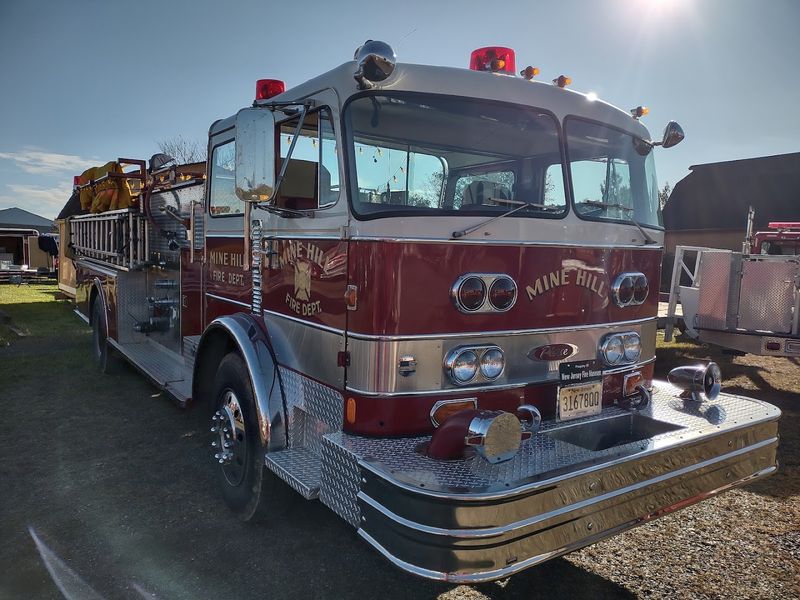
The NJ Fire Museum is honest about the fact that it is a work in progress. Some buildings on the property have required safety evaluations, and portions of the collection have been temporarily relocated or made less accessible while restoration planning moves forward.
That transparency is actually refreshing. Rather than pretending everything is polished and finished, the museum acknowledges the challenges that come with maintaining a large collection of aging equipment in older structures.
Preservation work takes time, funding, and careful coordination, especially for a volunteer-run organization without a large institutional budget.
The museum’s response to feedback about these limitations has been direct and informative, explaining that safety measures for artifacts and guests take priority over convenience. Exhibit layouts shift periodically as the team balances space, safety, and the ongoing need to protect irreplaceable equipment.
Visiting now means seeing the collection at a particular moment in its evolution, and future visits will likely reveal changes as restoration efforts continue to move forward.
Deep Roots in New Jersey Fire History
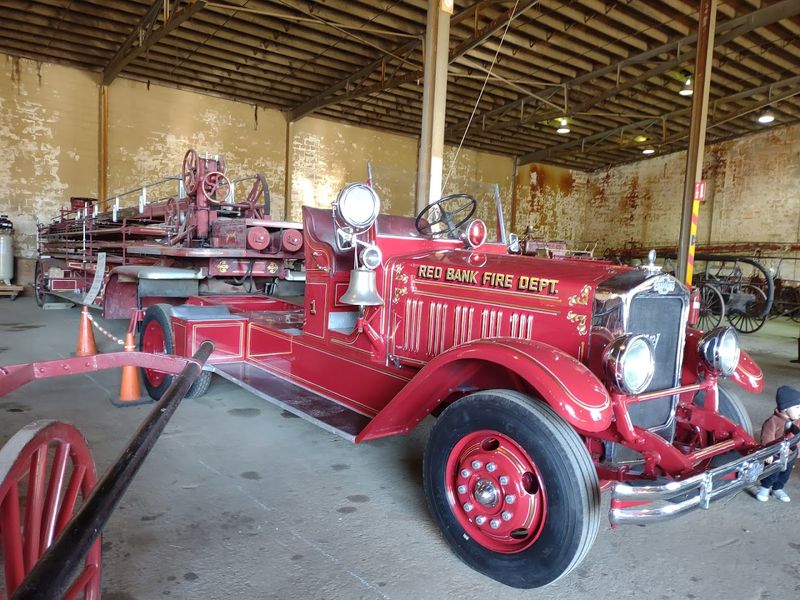
The NJ Fire Museum has a specific regional focus that makes it distinct from general firefighting museums found elsewhere in the country. The collection prioritizes New Jersey fire service history, which means the equipment, memorabilia, and records on display reflect the particular evolution of fire departments across the state.
That regional specificity is meaningful for New Jersey residents who may have personal or family connections to local fire departments. Seeing equipment from communities across the state creates a different kind of connection than viewing generic national exhibits.
The museum’s roots go back to early conversations about the need for a dedicated New Jersey fire history institution, a discussion that reportedly began decades ago in the fire service community. The fact that it exists today as a functioning collection is the result of persistent community effort over a long period of time.
For anyone with ties to the New Jersey fire service, the museum functions as both an archive and a tribute to the people who built that tradition.
Special Events and Open Houses
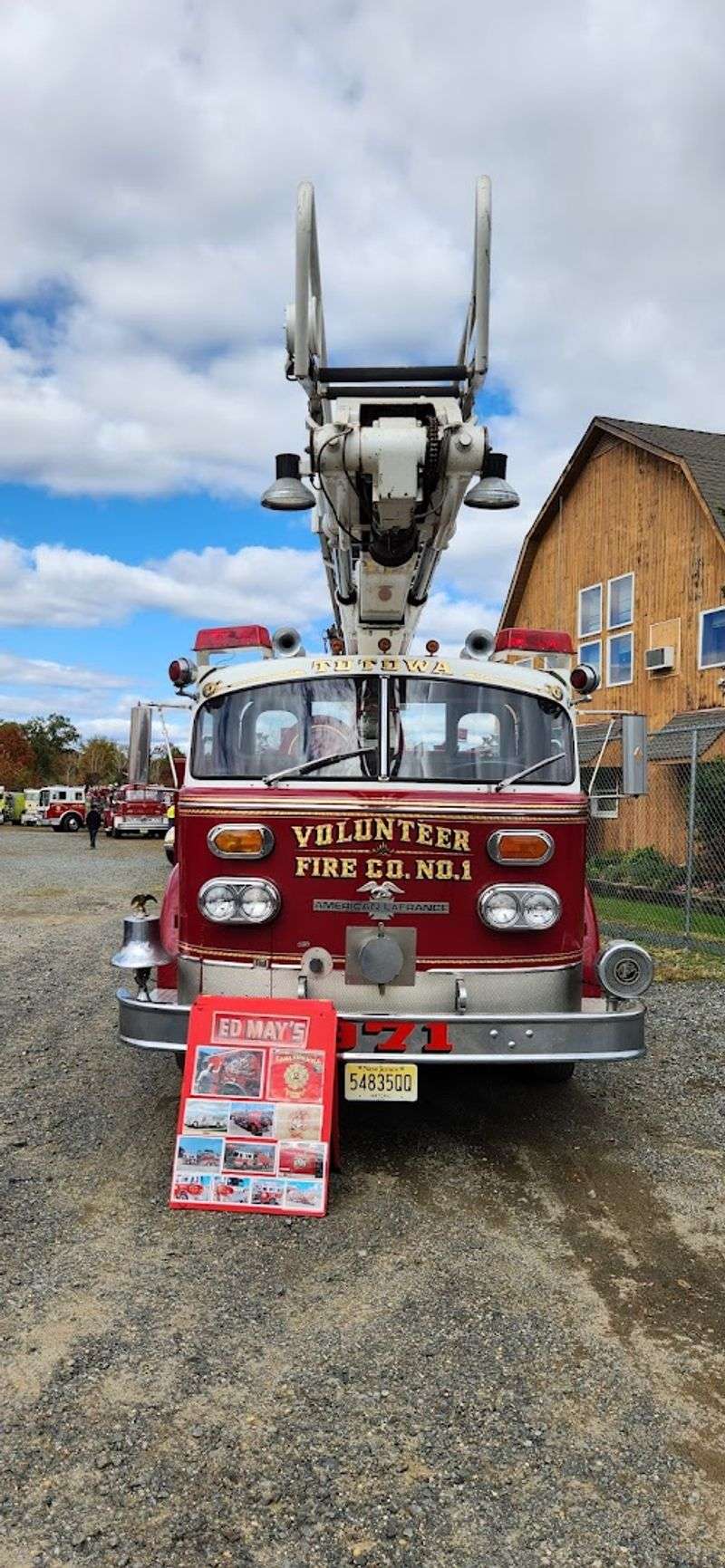
Beyond the regular Saturday hours, the NJ Fire Museum hosts special events and open houses throughout the year that bring additional programming and community energy to the property. These events often align with fire prevention awareness periods and can include demonstrations, special exhibits, and increased access to parts of the collection.
Open house days tend to draw larger groups and can turn the museum visit into a more social experience. Families, fire service veterans, and history enthusiasts gather around equipment that gets extra attention during these occasions, and the volunteer staff often have more time to engage in extended conversations about specific pieces.
Checking the museum’s website at njfiremuseum.org before planning a visit is the best way to find out about upcoming events. The schedule can shift, and catching a special event day rather than a standard Saturday can significantly expand what is available to see and do on the property.
These occasions reflect how community-centered the museum’s mission truly is.
Why This Museum Deserves More Attention
The NJ Fire Museum sits at the intersection of community history, volunteer dedication, and regional identity in a way that is genuinely hard to find elsewhere. It is not a destination with a large marketing budget or a famous location, but what it offers in terms of authentic, hands-on firefighting history is difficult to match.
The combination of free admission, a knowledgeable volunteer staff, a substantial equipment collection, and a memorial tribute to fallen firefighters gives the museum a depth that rewards the effort of seeking it out. It is the kind of place that benefits from word-of-mouth more than any advertising campaign.
For anyone in central or southern New Jersey looking for a Saturday activity that delivers real historical substance without a commercial overlay, 4 Polhemustown Rd in Allentown is worth the drive. The collection continues to grow, the restoration work continues to move forward, and the volunteer community behind it remains committed to keeping New Jersey’s firefighting past alive and accessible for future generations.
Share this story