There is a place in Fort Lauderdale where injured animals get a second chance at life, and the people who work there treat every creature, from a baby raccoon to a red-shouldered hawk, with the same level of care and commitment. South Florida’s native wildlife faces real threats every day, whether from habitat loss, vehicle collisions, or other human-related hazards.
Knowing that a dedicated team is on call to respond makes a genuine difference for both animals and the community members who find them. This article takes you inside one of South Florida’s most trusted wildlife rescue operations, covering everything from how the center works to what you can do to help.
Where It All Happens: The Center’s Location and Setup
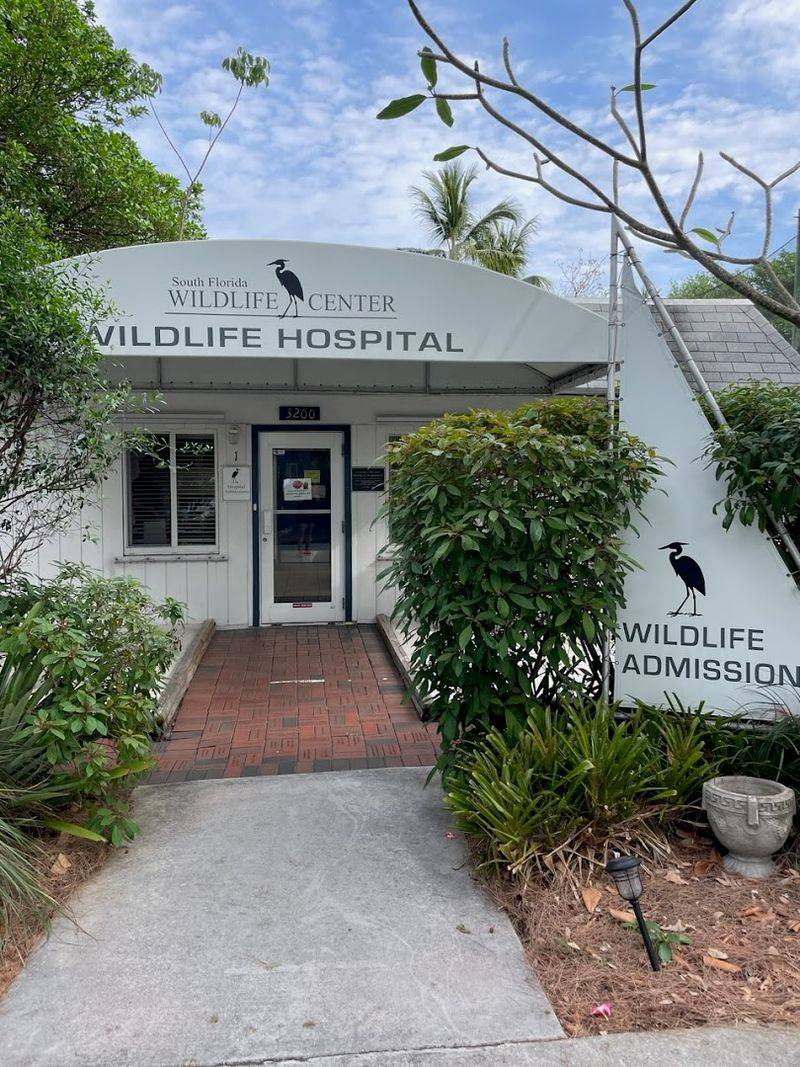
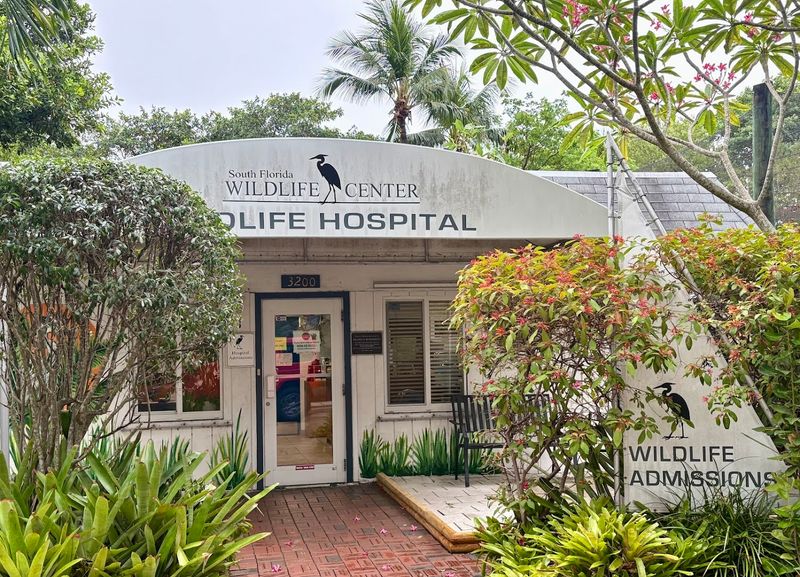
The South Florida Wildlife Center is tucked away at 3200 SW 4th Ave, Fort Lauderdale, and the moment you arrive, you get the sense that this is a place built entirely around purpose rather than appearance.
The facility is open every day of the week from 9 AM to 4:30 PM, which means there is almost always someone available to receive an animal in need. For after-hours drop-offs, cages and crates are set up outside the entry gate so that members of the public can safely leave animals until staff arrive in the morning.
The center operates as a licensed wildlife hospital, meaning it is equipped with medical facilities, not just holding pens. Everything from the intake area to the recovery spaces is kept orderly and clean, reflecting the professionalism that defines how the team approaches every single case that comes through their doors.
A Mission Rooted in Native Wildlife Rescue
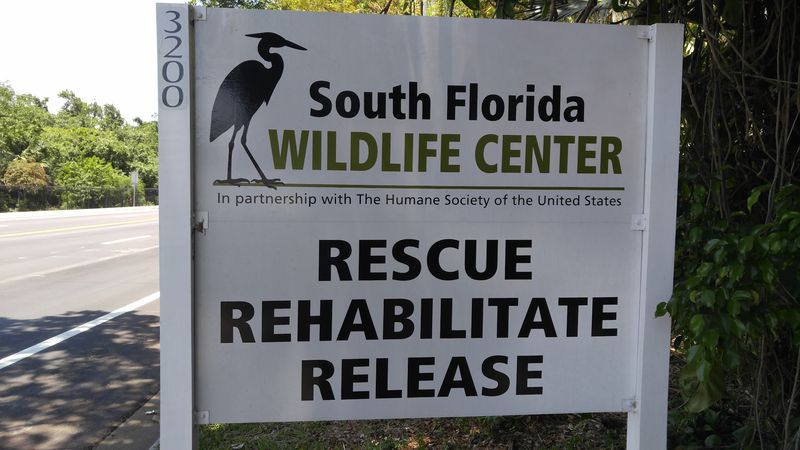
The core mission of the South Florida Wildlife Center is to rescue, rehabilitate, and release native Florida wildlife. That focus on native species shapes every decision the team makes, from which animals they admit to how they design their treatment plans.
The center handles an enormous variety of species, including birds of prey, wading birds, reptiles, opossums, raccoons, squirrels, and much more. Staff members are trained to assess each animal’s condition quickly and determine the best path forward, whether that means intensive medical care or a brief observation period before release.
Being a nonprofit organization means the center runs entirely on community support, including donations, volunteers, and public awareness. Every dollar donated goes directly toward animal care, and every person who brings in an injured animal becomes part of the rescue story.
The work is as community-driven as it is science-based, which makes the whole operation genuinely compelling.
The Medical Care Behind Every Rescue
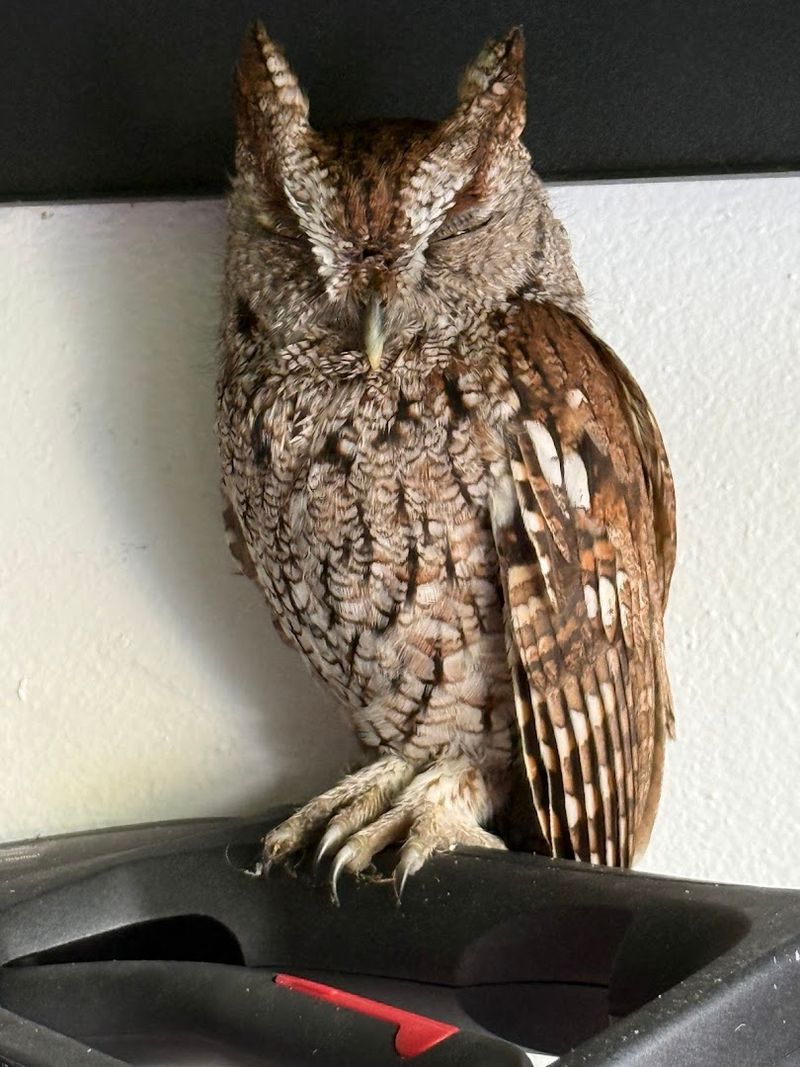
What sets this center apart from a basic animal shelter is the level of medical care it provides. When an Eastern Screech Owl arrived after an injury, the team performed a full medical assessment, administered pain relief, fluids, and antibiotics, and placed the bird in their ICU under constant observation.
Radiographs are conducted when needed, and surgical procedures are performed on-site for more serious cases. One person brought in an injured snake, and the center performed surgery on it before successfully releasing it back into the wild.
That kind of outcome requires both skill and proper equipment.
The medical team evaluates every patient based on the nature of their injuries, their overall prognosis, and their welfare during treatment. Treatment plans are not one-size-fits-all; they are tailored to each species and each individual animal.
The result is a wildlife hospital that operates with the same seriousness as a professional veterinary clinic.
Responding Fast: The Center’s Field Rescue Operations
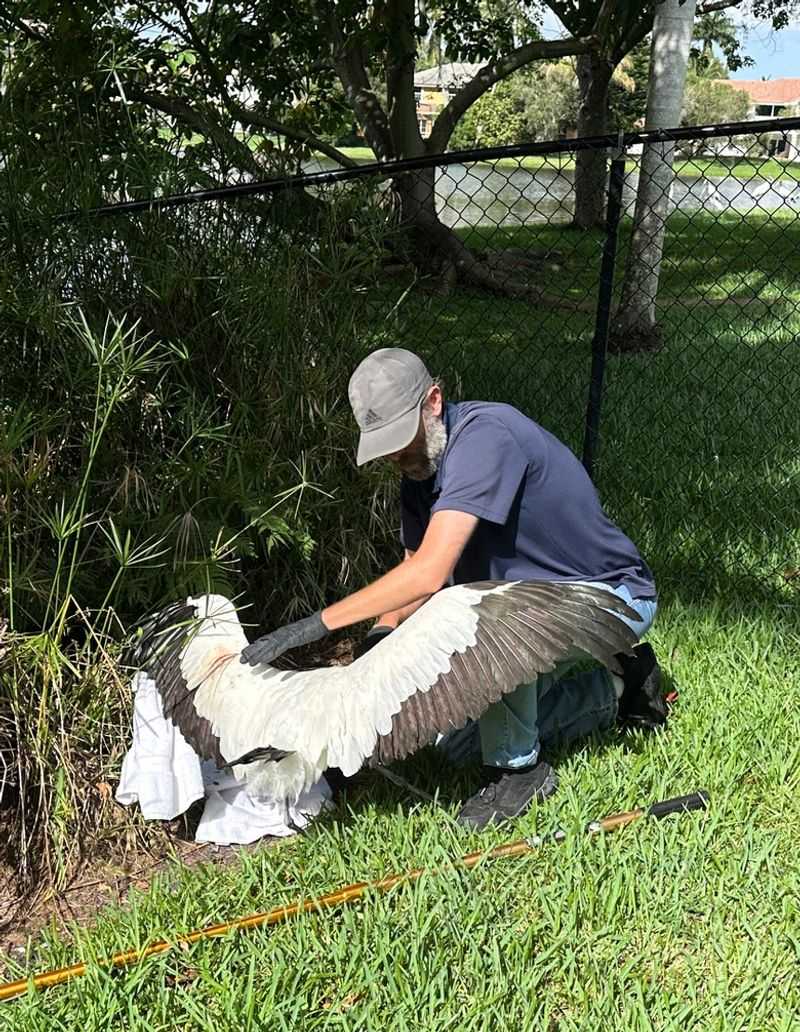
One of the most impressive things about the South Florida Wildlife Center is that they do not just wait for animals to be brought to them. In many cases, they go out into the field to perform rescues themselves, sometimes traveling significant distances to reach an animal in need.
A team member named Maria once drove all the way from Fort Lauderdale to West Boynton to locate and capture an injured Osprey. Another staff member named Nick was dispatched immediately after a call about a Wood Stork that appeared injured in someone’s yard.
These are not isolated examples; they reflect a standard of responsiveness that the organization clearly takes seriously.
For people who find injured wildlife but cannot transport it safely, knowing that a trained responder might come directly to them is a huge relief. That kind of field-ready dedication is rare and worth recognizing as a core strength of this organization.
Raccoons, Opossums, and the Smaller Patients
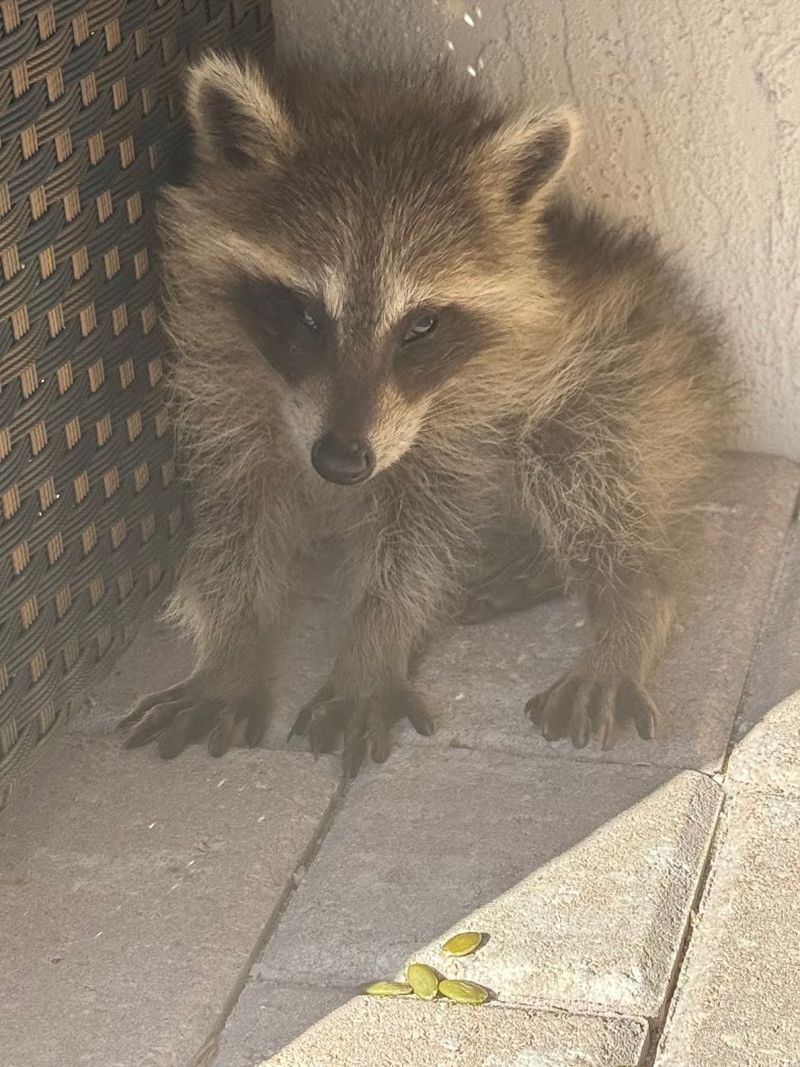
Not every rescue involves a dramatic bird of prey or a rare species. Some of the most heartwarming stories from this center involve small, familiar animals like baby raccoons and orphaned opossums that find their way to the facility through the kindness of everyday people.
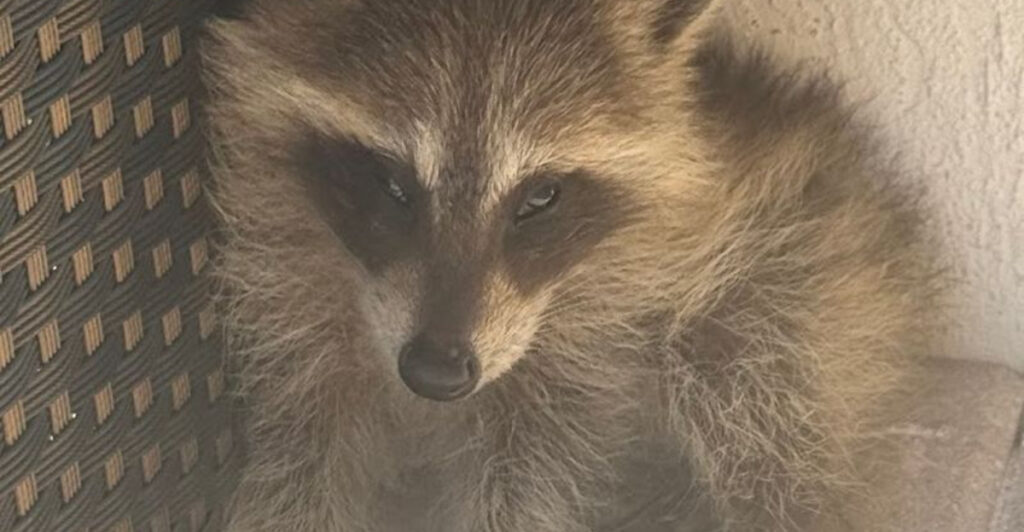
One visitor brought in a baby raccoon with a broken leg after carefully containing it in a small box to keep it calm during the drive. The staff welcomed him warmly, assessed the animal, and provided immediate care.
Another person found an orphaned baby opossum and brought it in, giving it what the center described as a second chance at life.
These smaller mammals are just as important to the center’s mission as any high-profile rescue. The team invests real resources into their care and works toward the same goal for every patient, which is a healthy return to the wild whenever that outcome is possible.
Birds of Every Kind Find Care Here
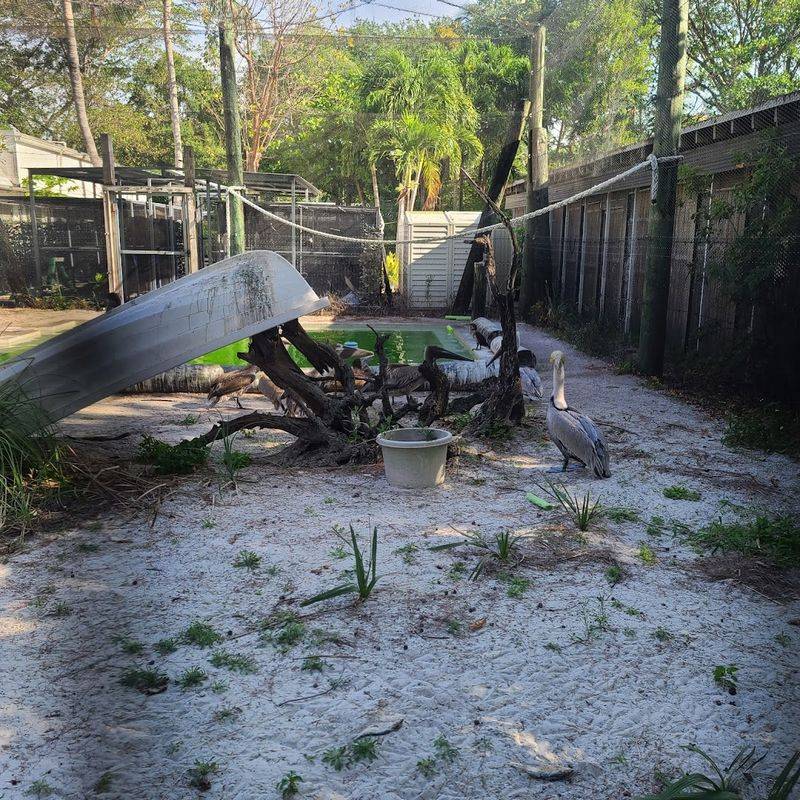
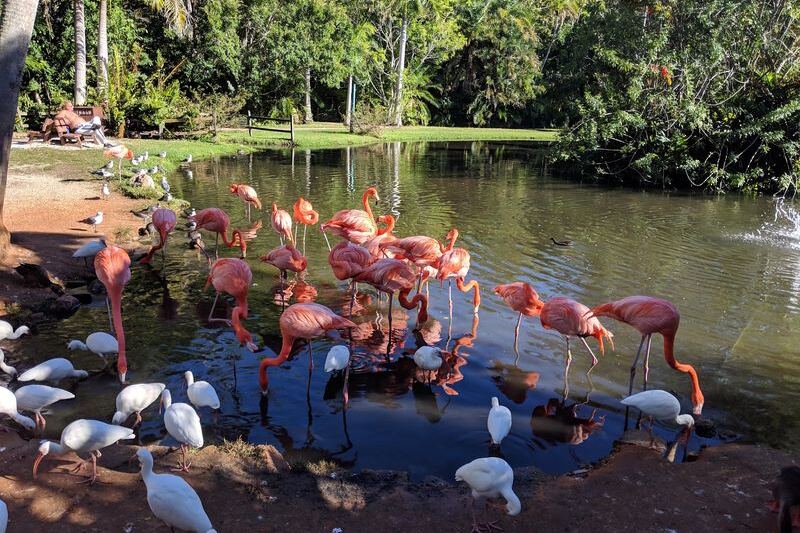
Birds make up a huge portion of the animals treated at the South Florida Wildlife Center, and the range of species is remarkable. Red-shouldered hawks, Eastern Screech Owls, Wood Storks, Ospreys, Egrets, and even a white-tailed tropical bird found rolling in the surf have all received care at this facility.
Each species presents its own set of challenges. A wading bird with botulism requires a very different treatment approach than a raptor with a wing fracture.
The center’s medical team is trained to handle that variety, and their follow-up communication with the people who brought in the birds is consistently praised for being thorough and informative.
For bird lovers in South Florida, the center is an essential resource. Whether you spot a hawk on the side of the road or find a songbird grounded in your backyard, this is the organization with the tools and knowledge to give that bird a real fighting chance.
The Role of the Community in Every Rescue
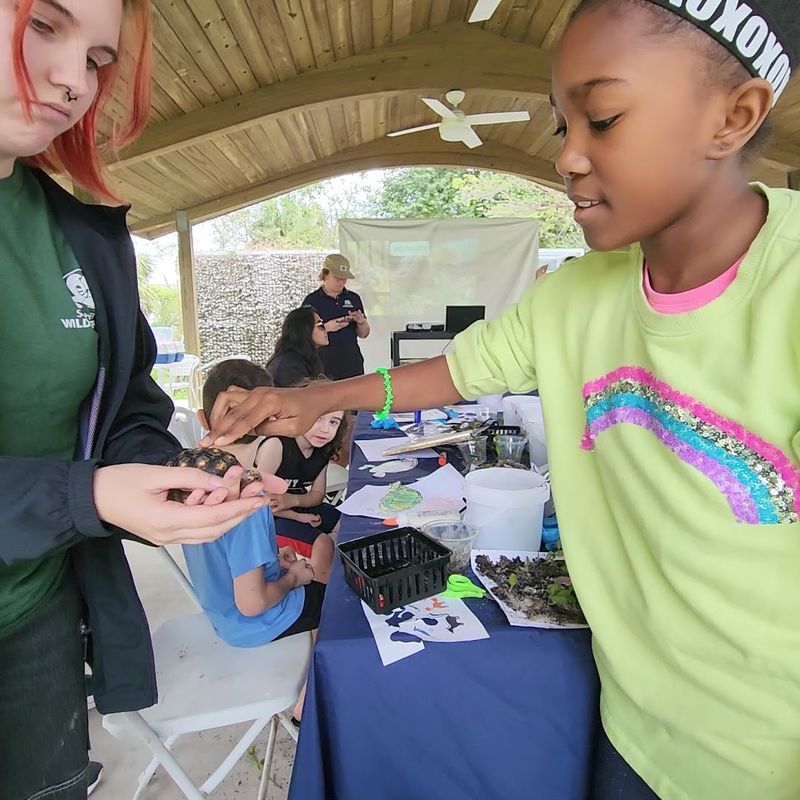
Every rescue at the South Florida Wildlife Center begins with a person who noticed something was wrong and decided to act. The center depends entirely on community members to be its eyes and ears across the region, and the relationship between the public and the staff is genuinely collaborative.
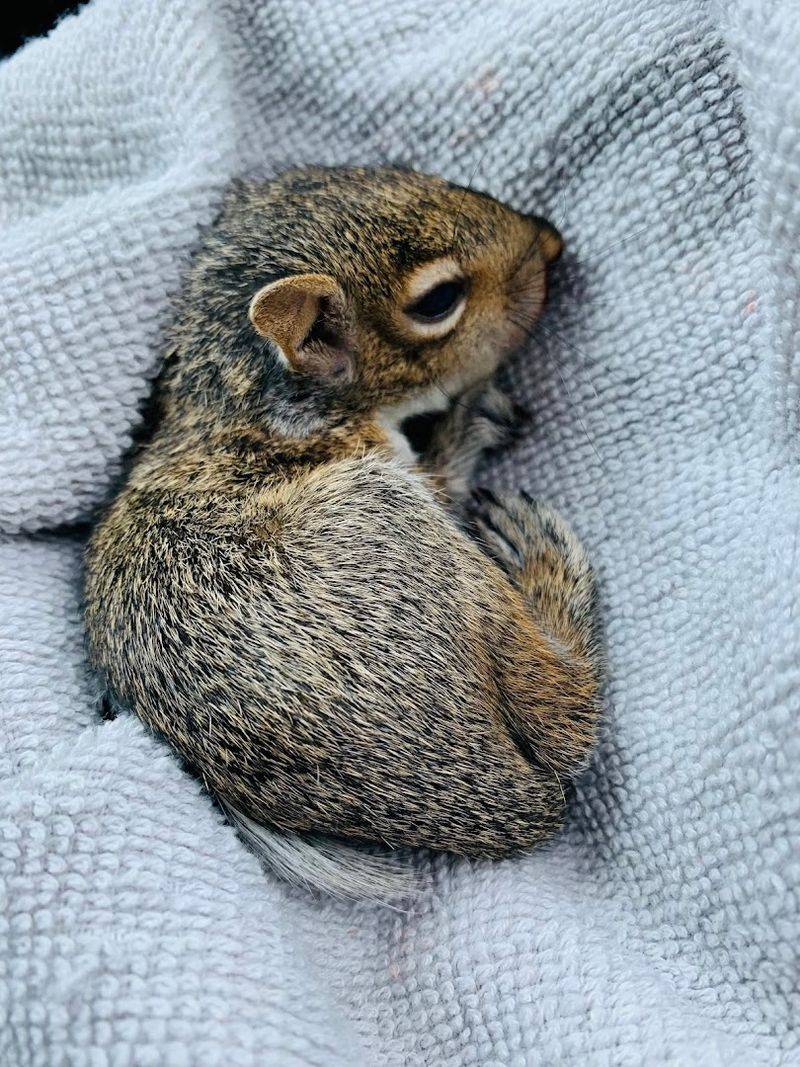
People have called about injured raccoons in their yards, found baby squirrels after failed reunification attempts, and spotted struggling birds near lakes and beaches. In each case, the first step was a phone call or a drive to the facility at 3200 SW 4th Ave. The staff then took it from there, but the person who made that initial effort was essential to the outcome.
The center actively encourages people to reach out before attempting to handle wildlife on their own.
How Donations Keep the Operation Running
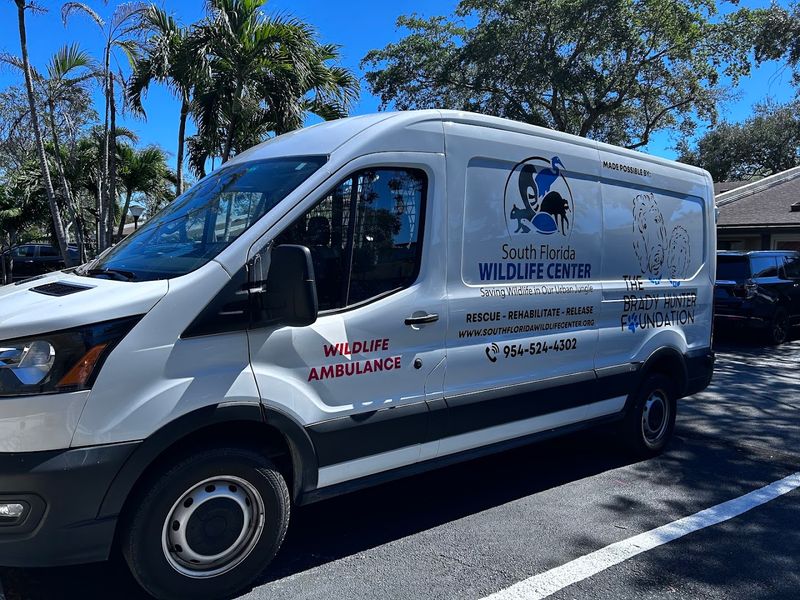
Running a wildlife hospital is expensive, and the South Florida Wildlife Center operates entirely on donations, grants, and community support. There are no government subsidies covering the cost of surgeries, medications, ICU care, or field rescues.
Every procedure performed and every mile driven to reach an injured animal is funded by people who believe in the mission.
Many visitors make a donation when they drop off an animal, which is a simple and direct way to contribute. One person donated twenty-five dollars when bringing in a baby raccoon with a broken leg, and another encouraged wildlife lovers reading their review to consider giving as well.
These small contributions add up and make a real operational difference.
You can donate through the center’s website at southfloridawildlifecenter.org or in person during a visit. If you have ever been moved by a wildlife rescue story, supporting this center is one of the most concrete ways to turn that feeling into action for South Florida’s native animals.
After-Hours Drop-Off: Help Available Around the Clock
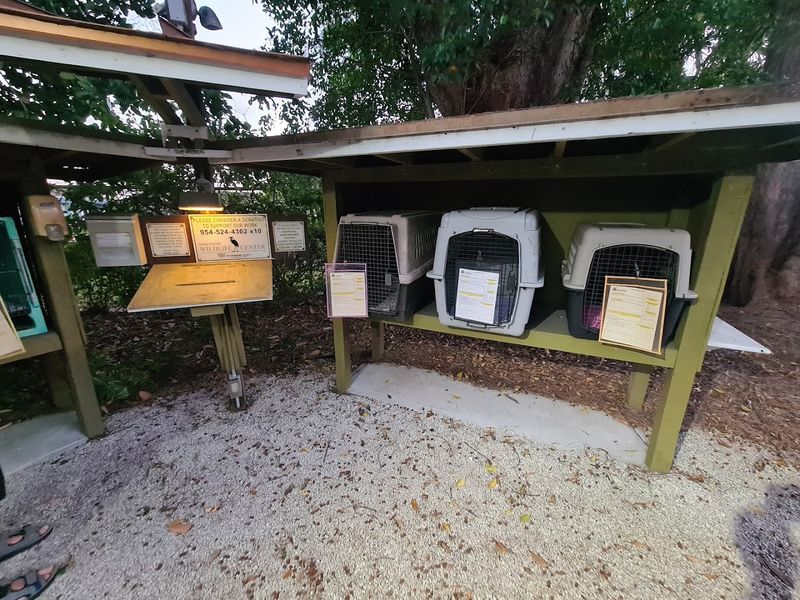
Wildlife emergencies do not follow business hours, and the South Florida Wildlife Center has a practical solution for that reality. Outside the entry gate at their Fort Lauderdale facility, cages and crates are available for after-hours drop-offs, allowing people to safely leave animals in need even when staff are not present on-site.
This setup removes a major barrier for people who find injured animals in the evening or early morning. Instead of keeping a wild animal in a cardboard box overnight and hoping for the best, they can bring it directly to the center and know it will be assessed by trained staff as soon as the facility opens.
This kind of practical accessibility reflects the center’s commitment to being a true community resource rather than just a daytime service. It also demonstrates a level of trust in the public, which is matched by the clear, supportive communication the staff provides once an animal is officially admitted to their care.
Transparent Communication With Animal Finders
One of the most frequently praised aspects of the South Florida Wildlife Center is the way staff communicate with the people who bring animals in. Rather than leaving finders in the dark, the team provides detailed updates about the animal’s condition, the treatment being administered, and the expected outcome whenever possible.
After one person brought in an injured Eastern Screech Owl, the center sent a thorough written update explaining exactly what had been found during the medical assessment and what steps were being taken. Another person who brought in an injured Egret was told to send an email for follow-up information, and the staff responded promptly with a full update on the bird’s condition.
This level of transparency builds real trust between the organization and the public it serves. People who bring animals in are not just handing off a problem; they are partners in the rescue, and the center treats them that way from the very first phone call.
Reptiles and Non-Traditional Patients
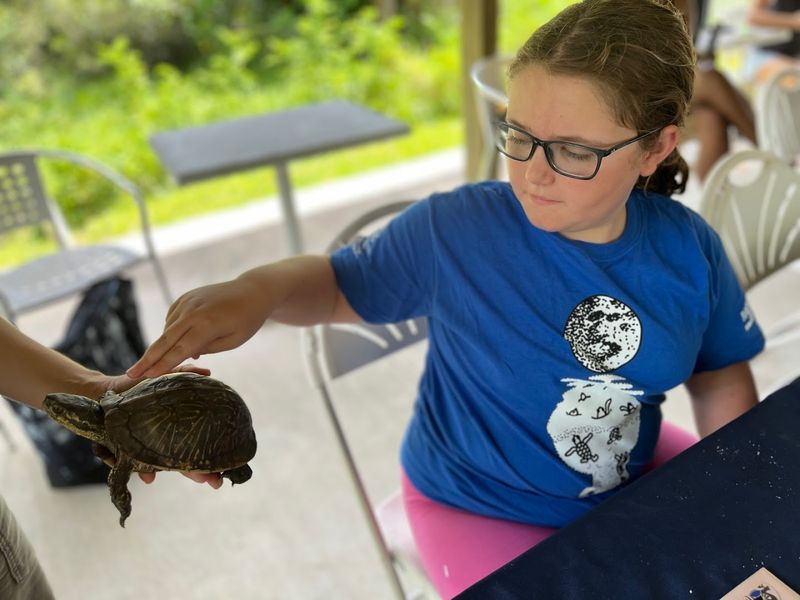
While birds and mammals tend to get the most attention in wildlife rescue stories, the South Florida Wildlife Center also treats reptiles and takes in a broader range of animals than many people might expect. One particularly striking case involved an injured snake that was brought to the center, treated with surgery, and successfully released back into the wild after recovery.
The center’s focus is on native Florida wildlife, which means non-native species like Muscovy ducks fall outside their typical scope due to state regulations. However, the staff still go out of their way to help by providing referrals and lists of other organizations that may be able to assist with non-native animals.
That willingness to help even when an animal falls outside their official mandate says a lot about the team’s character. They are not bureaucratic about it; they are genuinely trying to find the best outcome for every creature that comes to their attention, native or otherwise.
Ambassador Animals and Adoption Opportunities
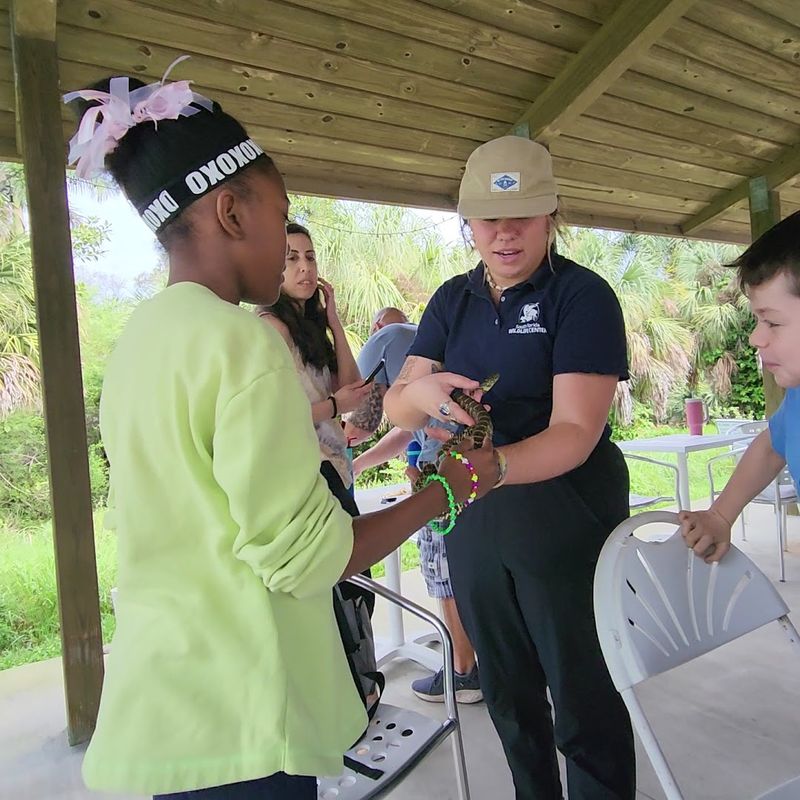
Not every animal that comes through the South Florida Wildlife Center can be returned to the wild. Some arrive with injuries or conditions that make full release impossible, and for those animals, the center offers another path forward through its ambassador animal program.
Ambassador animals are non-releasable wildlife that live at the facility and serve an educational role, helping the public connect with native species in a meaningful way. These animals can also be symbolically adopted by supporters who want to contribute to the center’s work in a more personal and ongoing way.
Symbolic adoption is a great option for families, school groups, or anyone who wants to stay connected to the center’s mission beyond a one-time donation. It is also a thoughtful gift for wildlife enthusiasts of any age.
The ambassador animals essentially become the living face of the center’s commitment to caring for every animal that arrives, regardless of whether release is ever on the table.
What To Do When You Find Injured Wildlife
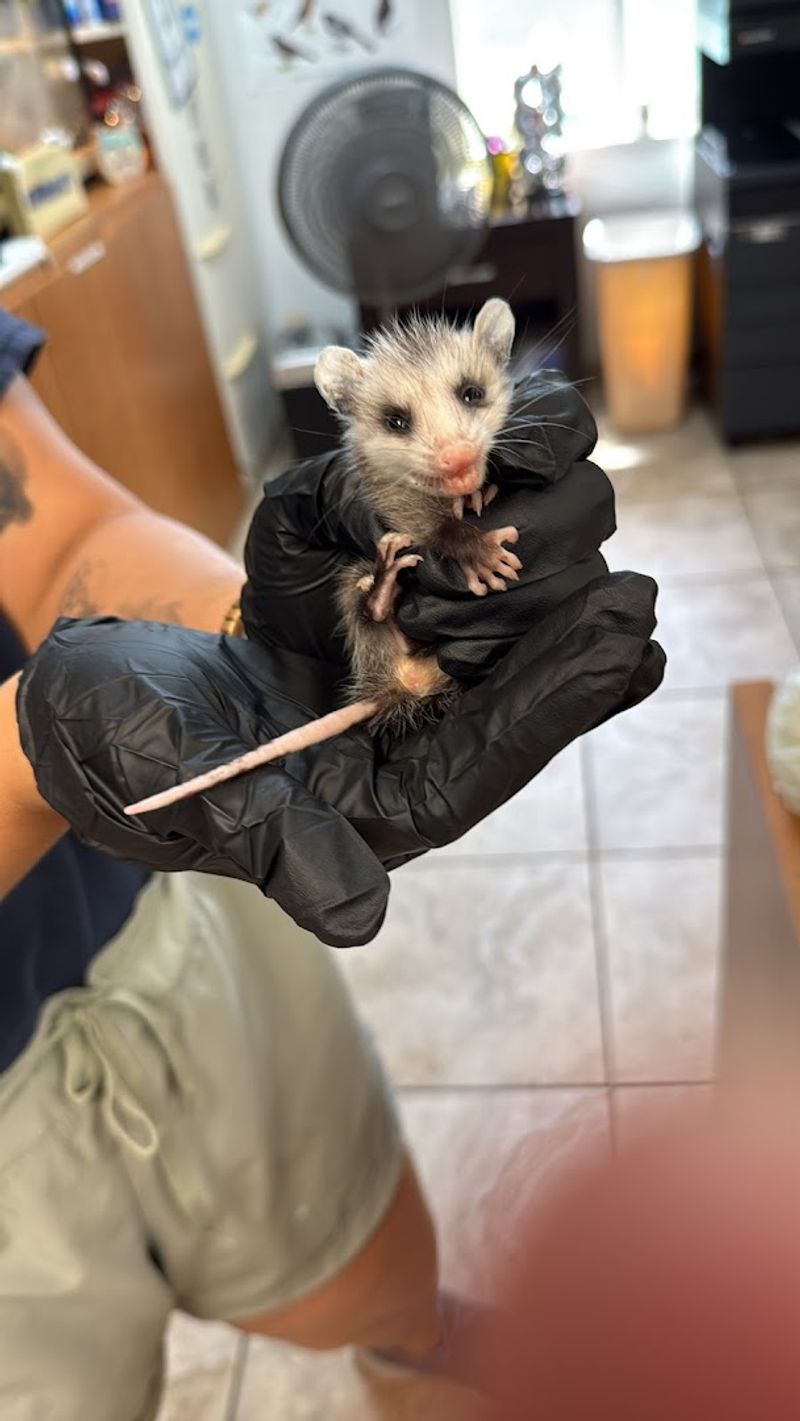
Finding an injured wild animal can feel overwhelming, especially if you have never dealt with one before. The South Florida Wildlife Center offers clear guidance for exactly these situations, and reaching out to them early is always the right first move.
For most animals, the safest approach is to contain them gently in a ventilated box lined with a soft cloth, keep them in a quiet and dark space, and avoid offering food or water until a professional has assessed the situation. Wild animals in distress are already under enormous stress, and well-meaning interventions can sometimes cause more harm than good.
Once the animal is safely contained, call the center at +1 954-524-4302 or visit their website for guidance. Staff can advise you over the phone, arrange a pickup if needed, or prepare for your arrival at the facility.
Acting quickly and calmly gives the animal the best possible start to its recovery journey.
Volunteering and Getting Involved
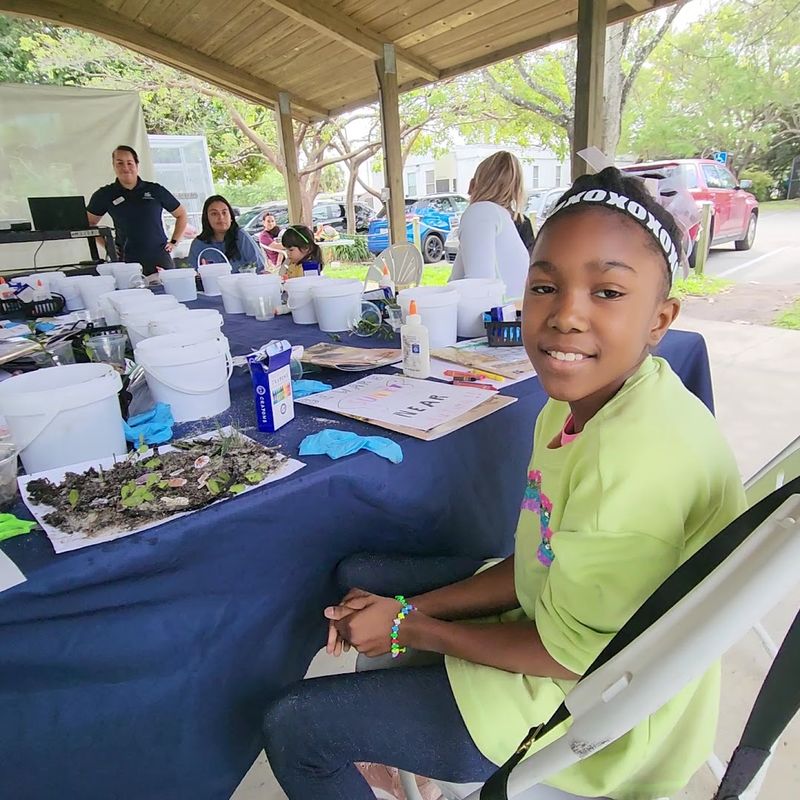
Beyond donating money, one of the most meaningful ways to support the South Florida Wildlife Center is to volunteer your time. The center relies on a dedicated volunteer base to help with daily operations, animal care support, transport assistance, and public education efforts.
Volunteers bring a wide range of skills to the table, and the center finds ways to put all of them to use. Whether you have a background in veterinary care or simply have a free Saturday and a genuine love of animals, there is likely a role that fits your availability and abilities.
Getting involved as a volunteer also gives you an inside look at how a working wildlife hospital operates, which is a genuinely eye-opening experience. You see firsthand how much effort goes into each rescue, each treatment plan, and each successful release.
For anyone who cares about South Florida’s native wildlife, it is hard to think of a more rewarding way to spend your time.
A Resource Worth Knowing About and Supporting
The South Florida Wildlife Center is the kind of organization that makes a region better simply by existing. It fills a gap that would otherwise leave thousands of injured and orphaned animals without any professional care, and it does so with a level of dedication that is hard to overstate.
Whether you are a longtime Florida resident or a first-time visitor who stumbles upon an injured animal on the beach, knowing this center is available changes how you can respond to that situation. A phone call or a short drive can mean the difference between an animal surviving and not, and the team at this facility is ready to take it from there.
The next time you see a bird that cannot fly, a mammal that seems disoriented, or any wild creature that looks like it needs help, remember that 3200 SW 4th Ave in Fort Lauderdale is where South Florida’s native animals go to get a second chance worth taking.
Share this story