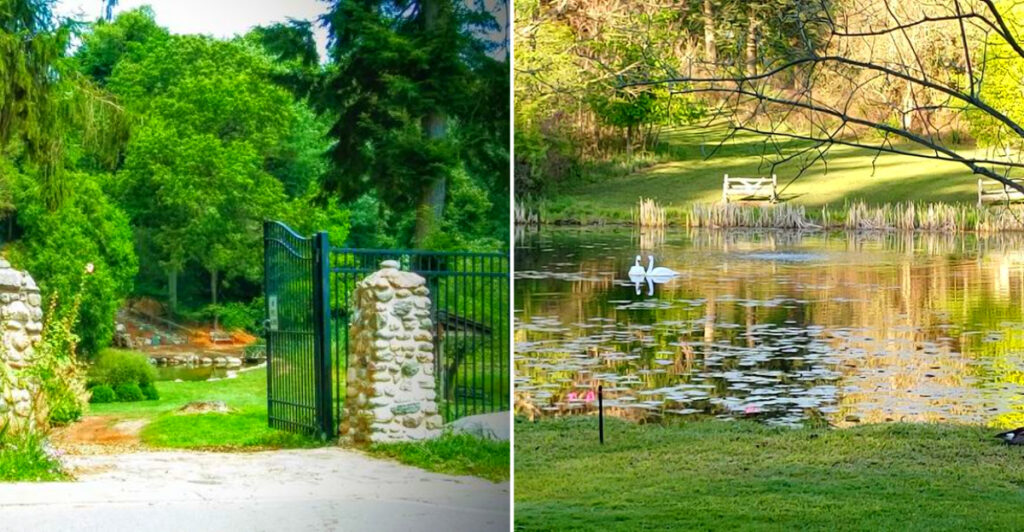
Slayton Arboretum in Hillsdale offers a quiet, free-to-visit space with landscaped gardens, walking paths, and a mix of natural and designed features. Located on a college campus, it is easy to miss but open year-round to the public.
The grounds include ponds, mature trees, and small structures like gazebos, giving visitors multiple areas to explore in a single visit. It works well for short walks, casual visits, or a quick stop during a drive.
What makes it worth seeking out is the setting. It delivers a calm, well-maintained environment without crowds, making it a reliable option for a low-key outdoor break.
Where Exactly You Will Find This Arboretum
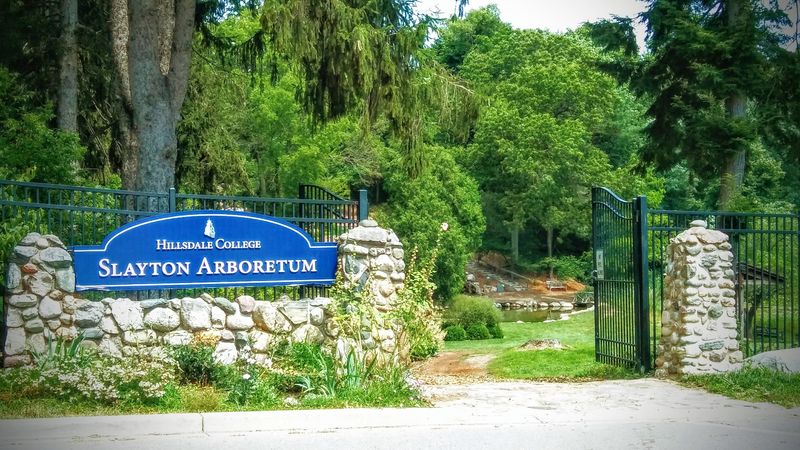
The address alone tells you almost nothing about what waits inside. Slayton Arboretum sits on Barber Drive in Hillsdale, Michigan 49242, right on the edge of the Hillsdale College campus in the southern Lower Peninsula of the state.
Hillsdale is a small college town, the kind where locals know every back road and visitors often feel like they have accidentally found something the rest of the world forgot about. The arboretum is open 24 hours a day, every day of the week, with no admission fee required.
A people gate marks the entrance, and street parking lines Barber Drive just outside. There are no on-site restrooms, and pets are not permitted on the grounds.
The phone number on record is +1 517-437-3311, and the official website through Hillsdale College is hillsdale.edu/outreach/arboretum, where you can find additional details before your visit.
The Story Behind the Slayton Name
Every great place has an origin story, and this one starts with a generous donation. George A.
Slayton donated the original land that would become the arboretum, and his name has been attached to this green sanctuary ever since.
The connection between the Slayton family and this land adds a personal layer to every visit. Knowing that a single act of generosity created a public green space that has been enjoyed by countless families, students, and road-trippers over the decades makes the place feel even more meaningful.
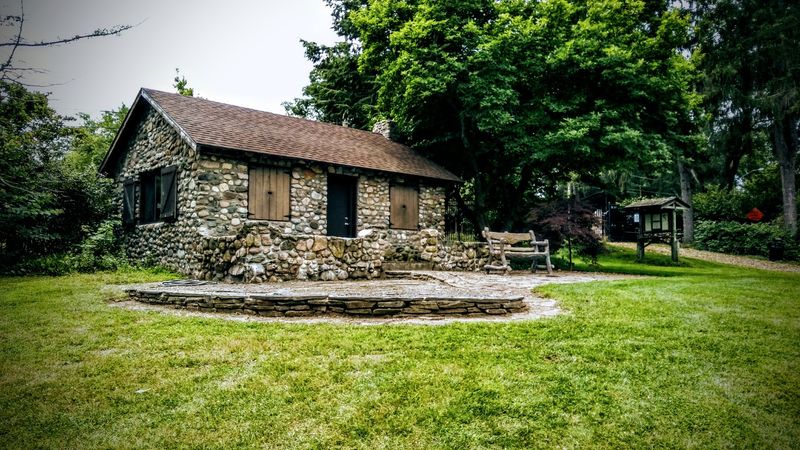
Hillsdale College has maintained and expanded the grounds over the years, keeping the arboretum as both a living educational resource and a community retreat. The stone structures scattered throughout the grounds reflect a craftsmanship and care that suggests this place was always meant to be something more than just a patch of trees on campus property.
That intention still shows today.
The Waterfall That Stops Everyone in Their Tracks
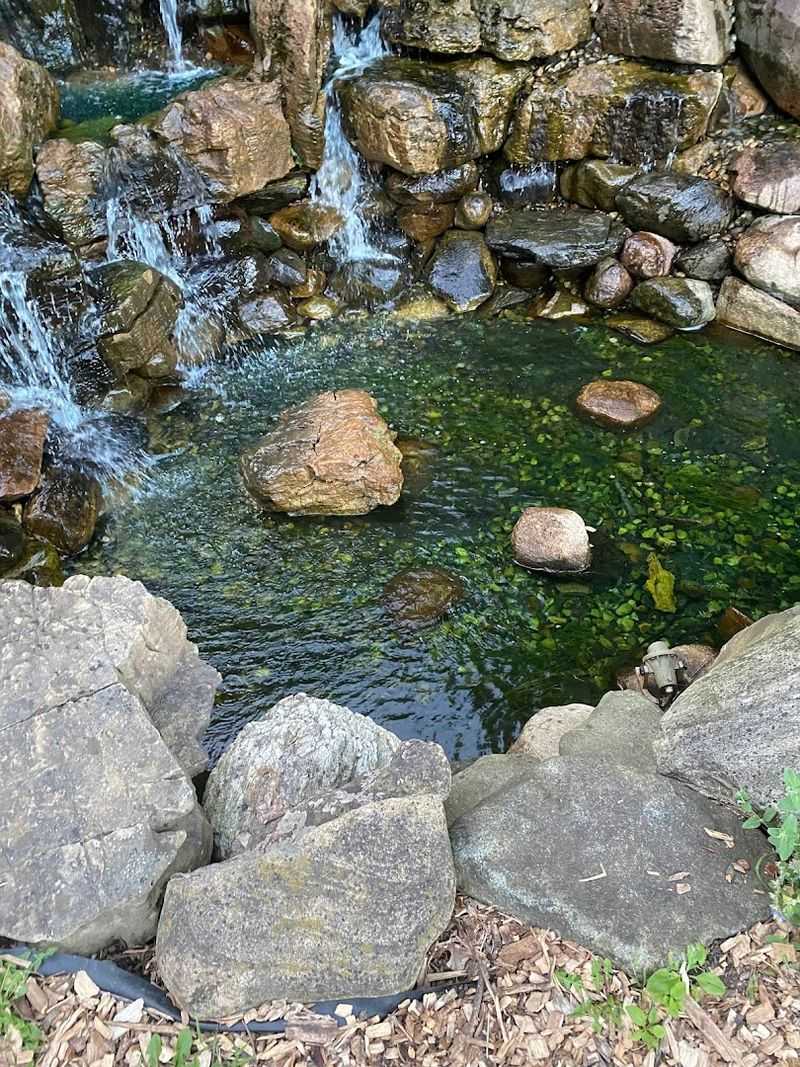
There is a moment on the main path when the sound reaches you before the view does. A soft, steady rush of water grows louder as you round a bend, and then the waterfall appears, a man-made cascade tumbling down a stone-faced hillside into a peaceful pond below.
Stone staircases climb both sides of the waterfall, lined with benches where you can simply sit and watch the water move. The pond at the base catches lily pads in warmer months, and frogs and turtles have been spotted lounging there on quiet afternoons.
At the top of the waterfall sits a stone rotunda that looks out over the entire pond and garden area. The view from up there is genuinely striking, the kind of view that makes you reach for your phone not because you feel obligated to post it, but because you actually want to remember it.
This feature alone is worth the stop.
Stone Gazebos and Architectural Surprises
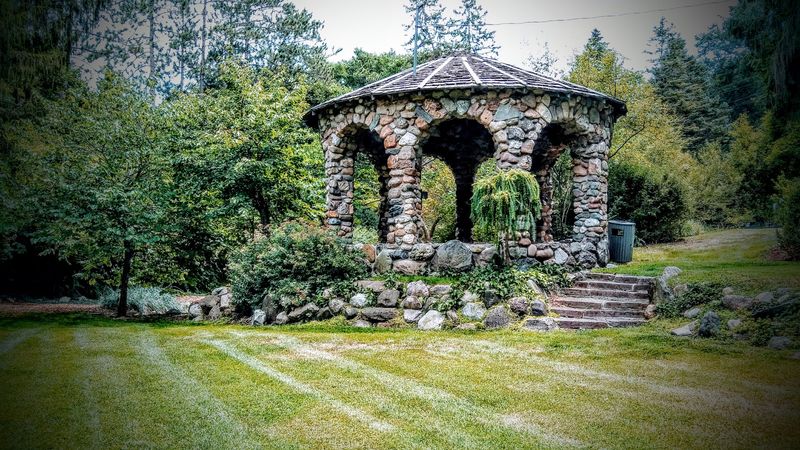
Most arboretums give you trees and trails. Slayton gives you those things plus stone architecture that feels like it was lifted from a European garden and quietly set down in southern Michigan.
The stone gazebo and rotunda structures are genuinely photogenic, with a rugged, aged quality that contrasts beautifully with the surrounding greenery. They are not flashy or overdone.
They simply belong to the landscape in a way that feels completely natural.
One visitor described the arboretum as reminding them of the fantasy realms found in classic literature, and once you see the stone structures framed by old-growth trees, that reaction makes complete sense. Wedding parties have used the arboretum as a photo location, and it is easy to understand why.
Every corner seems to offer a new composition, a new frame of branches and stone and reflected water that feels almost too good to be real. More surprises are waiting further along the path.
Paths That Take You Somewhere New Every Time
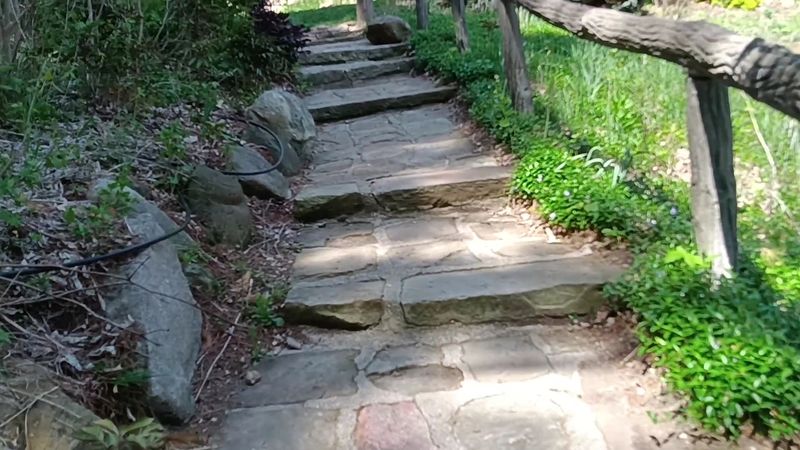
The footpaths at this arboretum are not the kind you walk once and feel finished with. Multiple mulched trails branch off in different directions, leading through garden clearings, along the edge of the pond, into shaded woodland sections, and back around again in loops that feel different depending on the season.
The grounds are compact enough that you will not get lost, but varied enough that each visit reveals something you missed the last time. A tucked-away bench here, a cluster of flowering shrubs there, a patch of ground cover that looks completely different in May than it does in October.
The terrain includes gentle slopes rather than steep climbs, making it accessible for most visitors, though those with limited mobility may find some sections more challenging than others. The combination of groomed garden areas and wilder, more natural patches gives the paths a sense of discovery that keeps the walk interesting from start to finish.
What Spring Looks Like Here
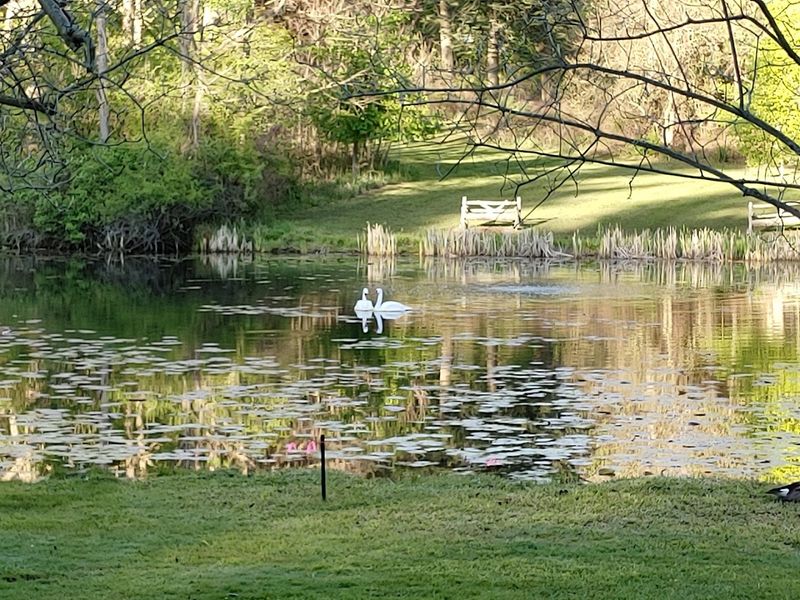
Early June at this arboretum is something worth planning a trip around. The beauty bushes bloom during that window, producing dense clusters of small pink flowers that line the paths in a way that feels almost theatrical.
Spring arrives gradually at this latitude in Michigan, and the arboretum tracks that progression beautifully. Bulbs push through in the earliest weeks, followed by flowering trees and then the fuller leafy canopy that transforms the whole space into something green and layered and alive.
The pond takes on a different quality in spring too, with lily pads beginning to spread across the surface and birds returning to the surrounding trees. Frogs become audible near the water, and the whole sensory experience shifts from the quiet stillness of winter into something more active and buzzing with small life.
If your schedule allows only one season for a visit, late spring offers the most concentrated burst of color and scent the arboretum has to offer.
Fall Colors That Deserve the Drive
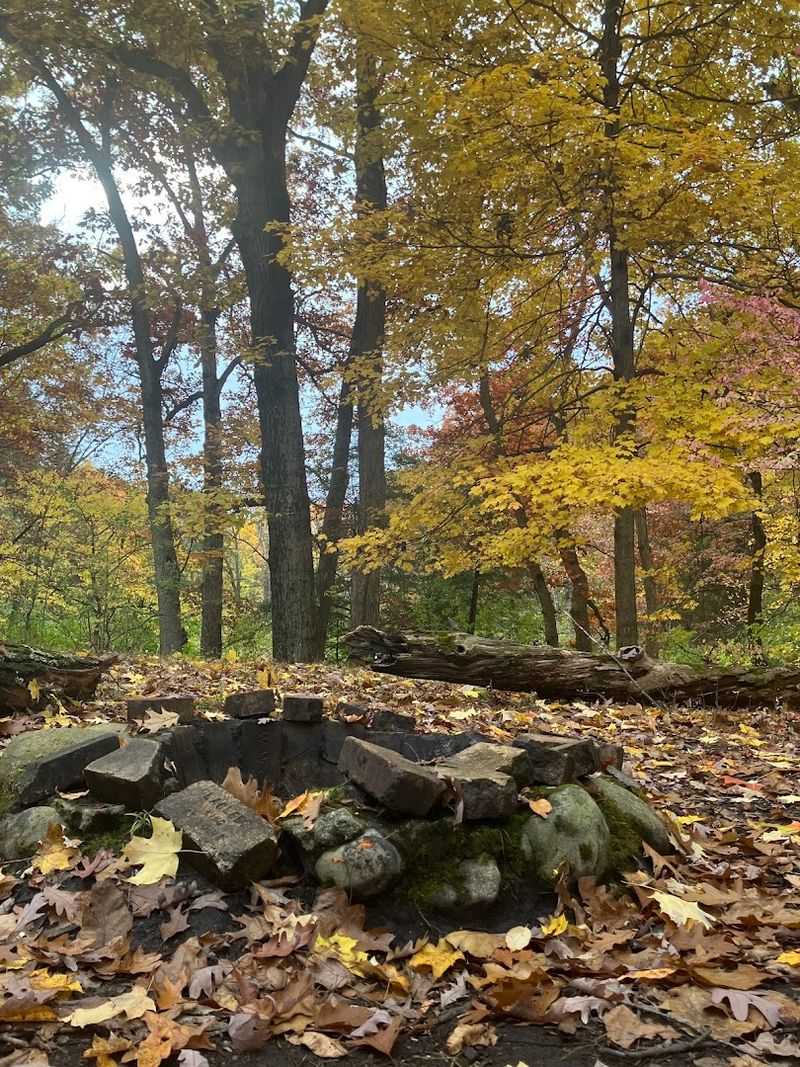
October at this arboretum earns its own category of appreciation. The woodland path in particular transforms during peak fall color, with the canopy overhead shifting through golds, deep reds, and warm oranges that make even a short walk feel like something worth savoring slowly.
Michigan falls are reliably beautiful, but the combination of mature trees, water features, and garden plantings at this arboretum concentrates that color in a way that feels more deliberate than a random forest trail would. The pond picks up reflections of the surrounding foliage, doubling the visual impact without requiring any effort on your part.
Foot traffic stays light even during the peak color weeks, which means you can actually stop in the middle of a path, look up, and just stand there for a minute without anyone rushing past. That kind of unhurried autumn moment is harder to find than it should be, and this arboretum offers it freely, every single year, at no cost to anyone who shows up.
Wildlife That Shows Up Uninvited and Stays Welcome

There is something quietly thrilling about rounding a corner on a garden path and finding a doe and her fawns standing completely still about fifty feet away, watching you with the same mild curiosity you feel toward them.
That kind of encounter happens here with enough regularity that it has become part of the arboretum’s unofficial identity. Deer move through the grounds freely, particularly in the quieter hours of early morning and late afternoon.
Turtles sun themselves on rocks near the pond. Frogs announce themselves from the lily pad sections.
Birds call from the upper canopy throughout the day.
The arboretum does not advertise itself as a wildlife destination, but the variety of habitat it packs into a relatively small space creates the right conditions for animals to pass through and linger. Keeping your phone accessible during a visit is worth it, because the photo opportunities with local wildlife arrive without warning and leave just as quickly.
The stone waterfall section tends to attract the most activity near the water.
Why This Place Works So Well for Photography

Few places in southern Michigan pack as many distinct photographic backdrops into such a small area. Within a single visit, you can photograph a stone waterfall, a lily pad pond, dense woodland paths, formal garden sections, and weathered stone architecture, all within a short walking distance of each other.
The soft, filtered light that comes through the tree canopy during midday makes the grounds especially forgiving for photography. Harsh shadows are rare under a full leaf canopy, and the water features add natural movement and reflection to compositions that might otherwise feel flat.
Wedding parties have discovered this location, and portrait photographers use it regularly for engagement sessions and family photos. The variety of textures, from rough stone to smooth water to layered foliage, gives any photographer a lot to work with regardless of skill level.
Even a smartphone camera produces results here that look considerably better than the effort involved, which is always a satisfying outcome when you are just out for a casual walk.
Picnics, Books, and the Art of Doing Very Little
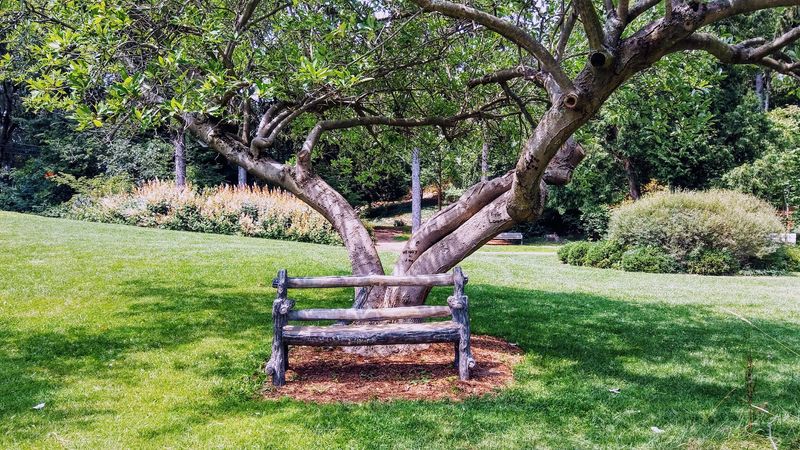
Not every visit to an arboretum needs to be a hike or a photo session. Some of the best moments here happen when you bring a blanket, find a patch of grass near the pond, and simply stay put for an hour.
Families have been coming here for picnics for generations, and the grounds support that kind of unhurried use without complaint. There are no vendors, no amplified music, no scheduled programming competing for your attention.
The experience is entirely self-directed, which is increasingly rare and genuinely refreshing.
Bringing a book is a popular choice, and the bench seating along the waterfall staircase provides a natural reading spot with the sound of moving water in the background. The absence of crowds means you can claim a favorite corner and stay there as long as you like.
For anyone who finds busy parks exhausting rather than relaxing, this arboretum offers something close to a perfect afternoon without requiring much planning at all.
Practical Tips Before You Visit
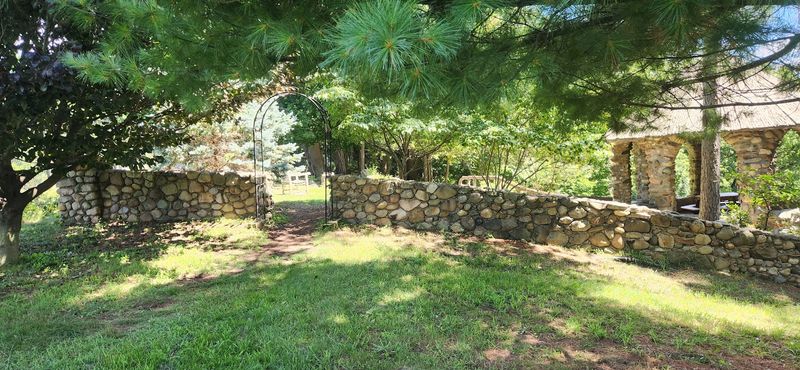
A few practical things will make your visit smoother. Parking is limited to the street along Barber Drive, and it can feel tight during the college’s active academic sessions.
Off-season visits or weekday mornings tend to offer easier access to street spots.
The entrance gate can look closed from the road, but the main gate is open for pedestrian entry. No restrooms are available on the grounds, so plan accordingly before arriving.
Pets are not allowed inside the arboretum, which is worth knowing if you were planning to bring a dog along for the walk.
The arboretum is open around the clock every day of the year, so early morning visits before the campus gets busy are a genuinely good option. Winter visits have their own quiet appeal, with bare branches revealing the full structure of the stone features and the waterfall taking on a different character in cold weather.
Comfortable walking shoes and a willingness to wander slowly are really the only requirements.
A Free Escape That Keeps Earning Its Reputation
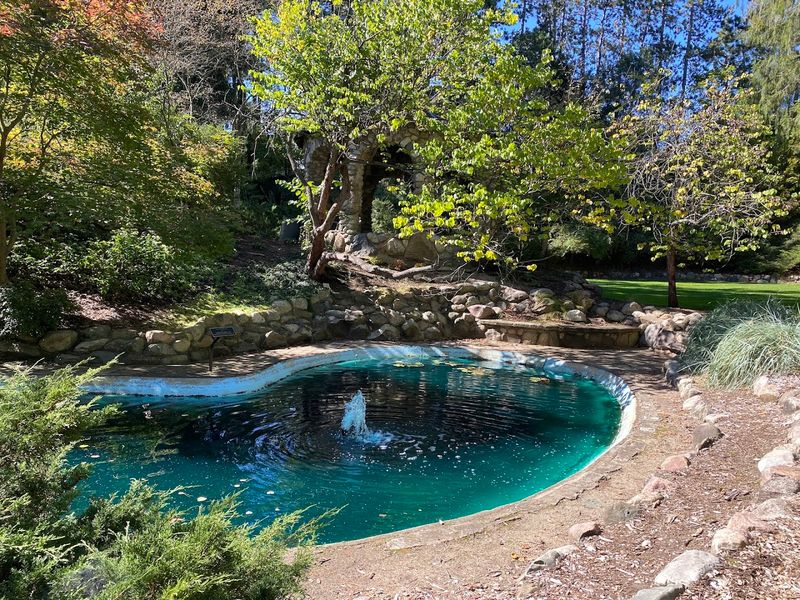
A 4.8-star rating from over 170 reviews is not something a place earns by accident. Slayton Arboretum has been collecting that kind of feedback from visitors who range from long-time locals to first-time road-trippers who stumbled upon it and could not believe it was free.
The combination of thoughtful landscaping, natural beauty, stone architecture, and wildlife access creates an experience that feels like it should cost something. The fact that it does not makes it one of the better-kept secrets in Michigan’s Lower Peninsula, the kind of place that regulars quietly return to for decades without feeling the need to broadcast its existence too loudly.
Coming back in different seasons is genuinely worthwhile because the arboretum changes enough between visits to feel fresh each time. Spring blooms give way to summer shade, fall color follows, and winter strips the scene down to its structural bones.
Each version of this place is worth seeing, and the open-hours policy means you never have to wait for an invitation.
Share this story