There is a place in Minneapolis where you can stand face to face with a 5,000-year-old Egyptian mummy, then turn a corner and find yourself looking at a Rembrandt. No ticket required.
The Minneapolis Institute of Art, known locally as Mia, holds more than 90,000 works spanning virtually every culture and era on earth, and the general collection is completely free to visit. That is not a typo.
From ancient armor to Impressionist paintings, from Japanese woodblock prints to contemporary installations, this museum punches well above its weight for a place that does not charge you at the door. Whether you are a lifelong art lover or someone who has never set foot in a gallery, Mia has a way of pulling you in and keeping you there far longer than you planned.
Read on to find out exactly what makes this place so worth your time.
A Museum That Does Not Charge You a Dime

Free admission to a world-class art museum sounds like the setup to a joke, but Mia is entirely serious about it. The general collection at the Minneapolis Institute of Art is open to the public at no charge, making it one of the most accessible cultural institutions in the entire country.
Donations are welcomed at the entrance, but no one is turned away for skipping the donation box. Special ticketed exhibitions do occasionally run alongside the permanent collection, but the bulk of what you will see costs you nothing beyond the time you spend there.
For families, students, solo visitors, and curious tourists, that open-door policy changes everything. Art stops being a luxury and becomes something anyone can experience on any given Tuesday afternoon.
That kind of access is genuinely rare, and Mia has built its entire identity around it.
Finding the Place: Address and Location Details

The Minneapolis Institute of Art sits at 2400 3rd Ave S, Minneapolis, MN 55404, in the Whittier neighborhood on the south side of the city. Getting there is straightforward whether you are driving, taking the bus, or biking along one of Minneapolis’s many dedicated lanes.
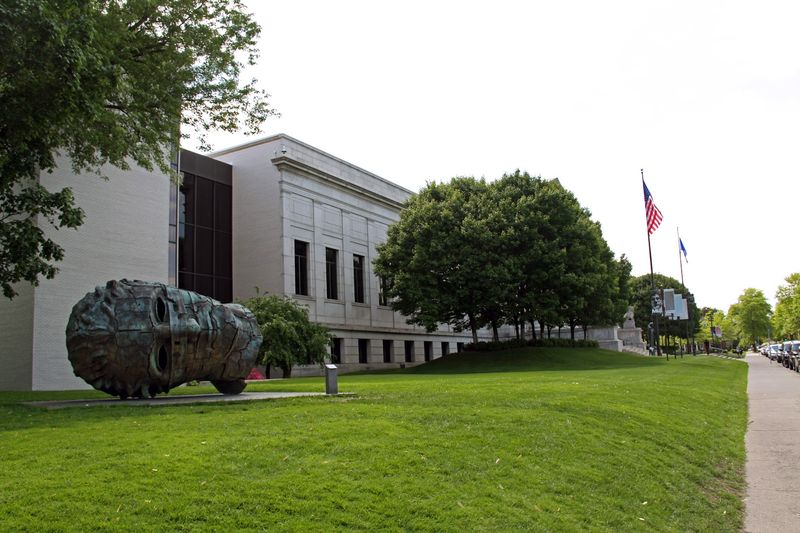
Street parking is available on nearby blocks, and weekday visits tend to offer the easiest spots. The building itself is hard to miss, with its grand neoclassical columns rising up from a wide set of stone steps that feel almost ceremonial before you even walk through the doors.
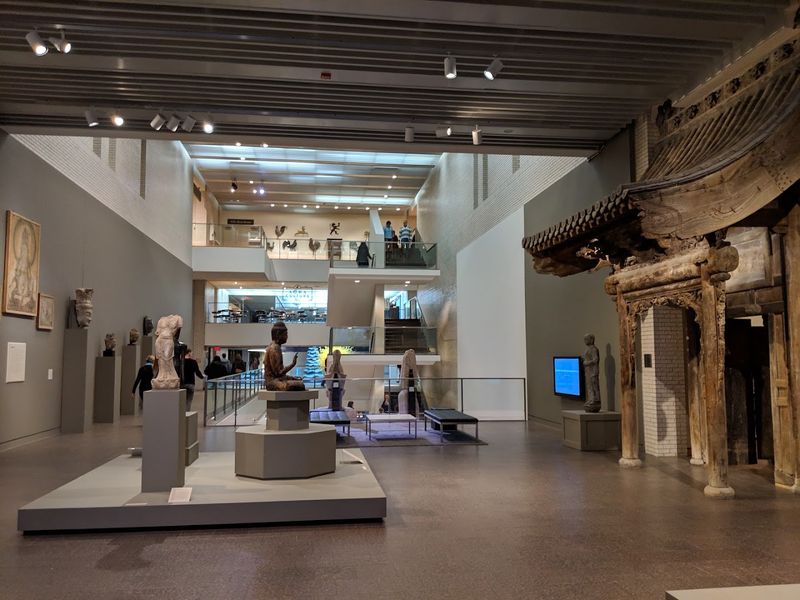
Once inside, the scale of the place becomes clear fast. The museum spans multiple floors and wings, with clearly marked gallery maps available near the entrance.
First-timers are strongly encouraged to grab one, because without it, you will almost certainly get happily lost among the corridors and collections.
Over 90,000 Works and Counting
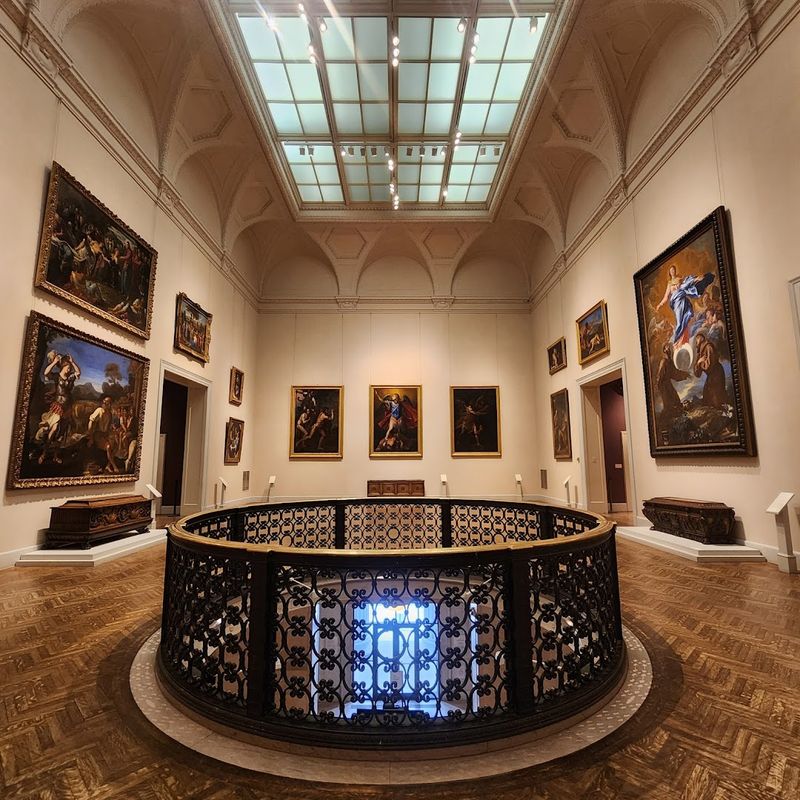
The number 90,000 is almost too large to wrap your head around when you are standing in a single gallery room. Mia’s permanent collection covers more than 5,000 years of human creativity, pulling together fine art, decorative arts, textiles, sculptures, photographs, and artifacts from virtually every corner of the globe.
You will find European Old Masters sharing the building with pre-Columbian ceramics, African masks, and contemporary American paintings. The collection grows regularly through acquisitions, gifts, and loans, meaning repeat visitors almost always encounter something they have not seen before.
Even seasoned museum-goers who visit multiple times report feeling like they have only scratched the surface. That sense of endless discovery is not accidental.
Mia curates its galleries with enough variety and depth that each visit can take a completely different route and still deliver something genuinely surprising and worth pausing over.
The Building Itself Is a Work of Art
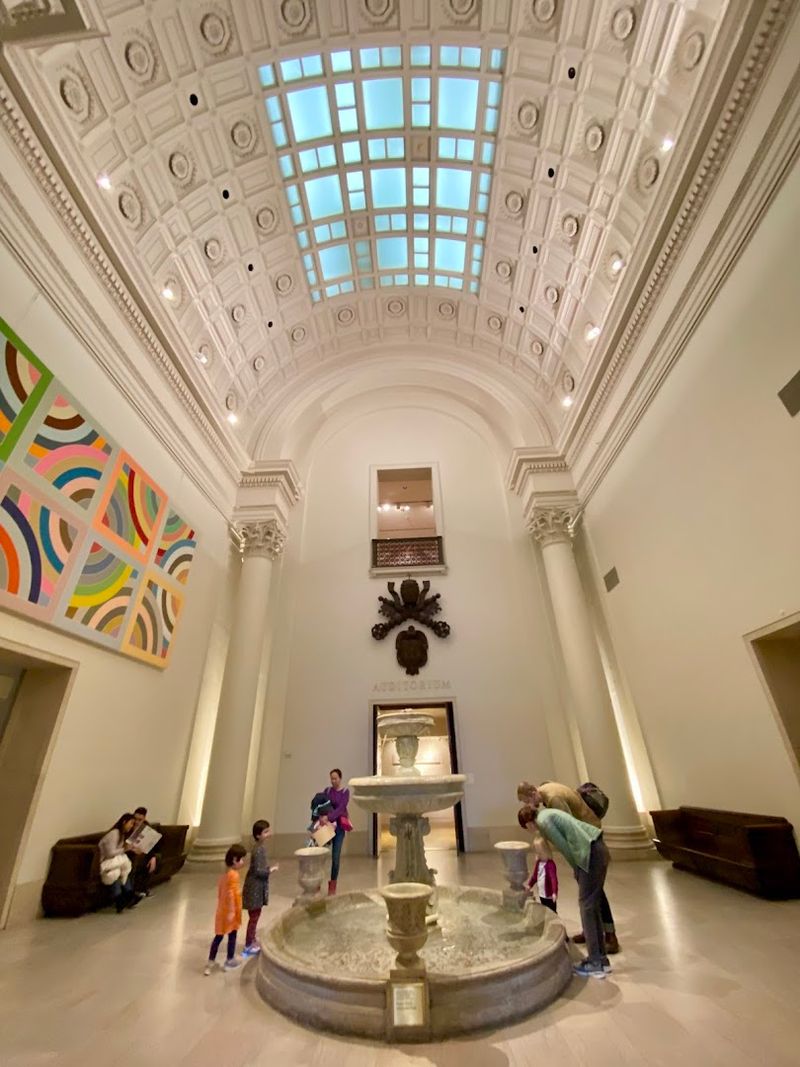
Long before you reach the first painting, the building at Mia earns your attention. The original structure was designed by the prominent New York firm McKim, Mead and White and opened in 1915, with a neoclassical design that gives the whole place a sense of occasion without feeling stuffy.
Subsequent expansions over the decades added modern wings that blend surprisingly well with the original architecture. Natural light flows through tall windows in many of the galleries, giving the art a warmth that artificial lighting alone rarely achieves.
The grand staircases, marble floors, and high ceilings create an atmosphere that feels both impressive and inviting. It is the kind of building that makes you slow down simply because of the way it is put together.
Even on a quick visit, taking a moment to look up at the architecture itself rewards the effort in ways that are easy to overlook.
European Masters That Stop You Mid-Step
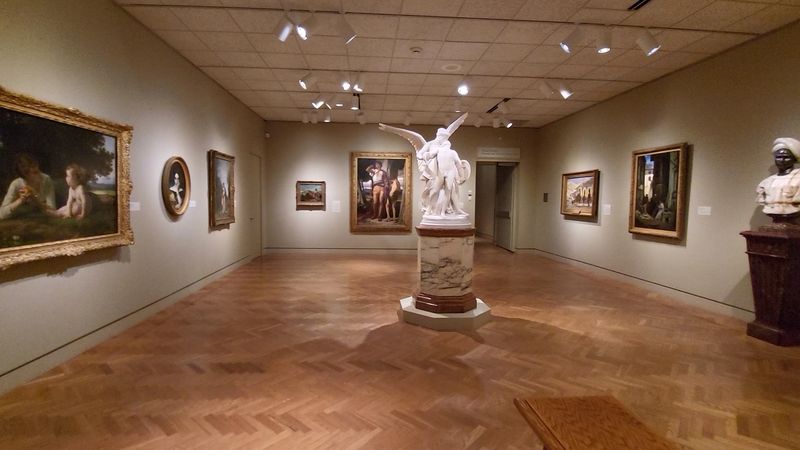
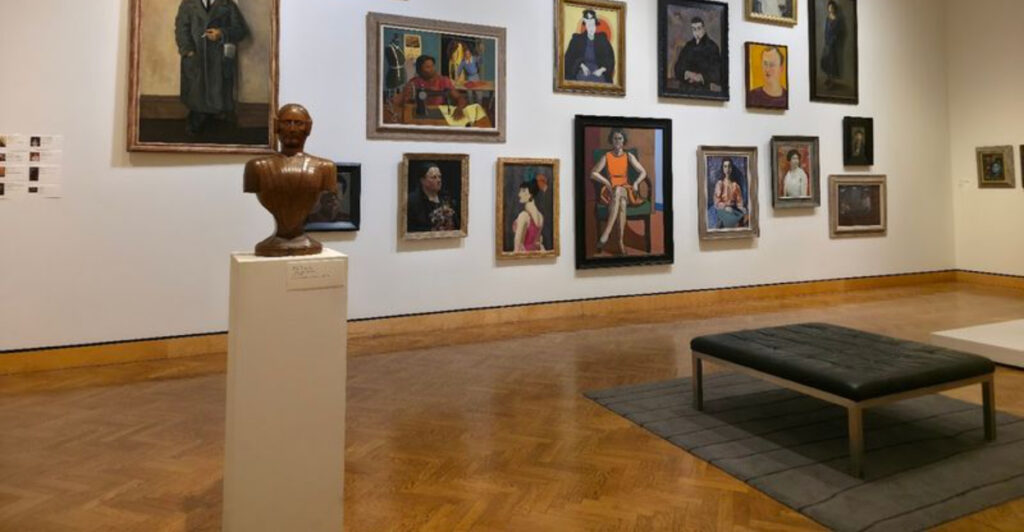
The European art galleries at Mia contain work by some of the most celebrated painters in history. Rembrandt, El Greco, Rubens, and Matisse all have a presence here, and standing in front of their actual canvases rather than reproductions in a textbook is a genuinely different experience.
One Monet and a pair of Pissarros round out the Impressionist offerings, giving visitors a taste of that movement without requiring a trip to Paris. The paintings are hung at comfortable viewing heights, and the galleries are spacious enough that you rarely feel crowded in front of a piece you want to study closely.
For anyone who grew up flipping through art history books wondering what these paintings look like in person, the European wing delivers that answer clearly and without fanfare. The brushwork, the scale, the texture of aged paint on canvas, all of it reads completely differently up close.
Asian Art Collection Worth a Dedicated Visit
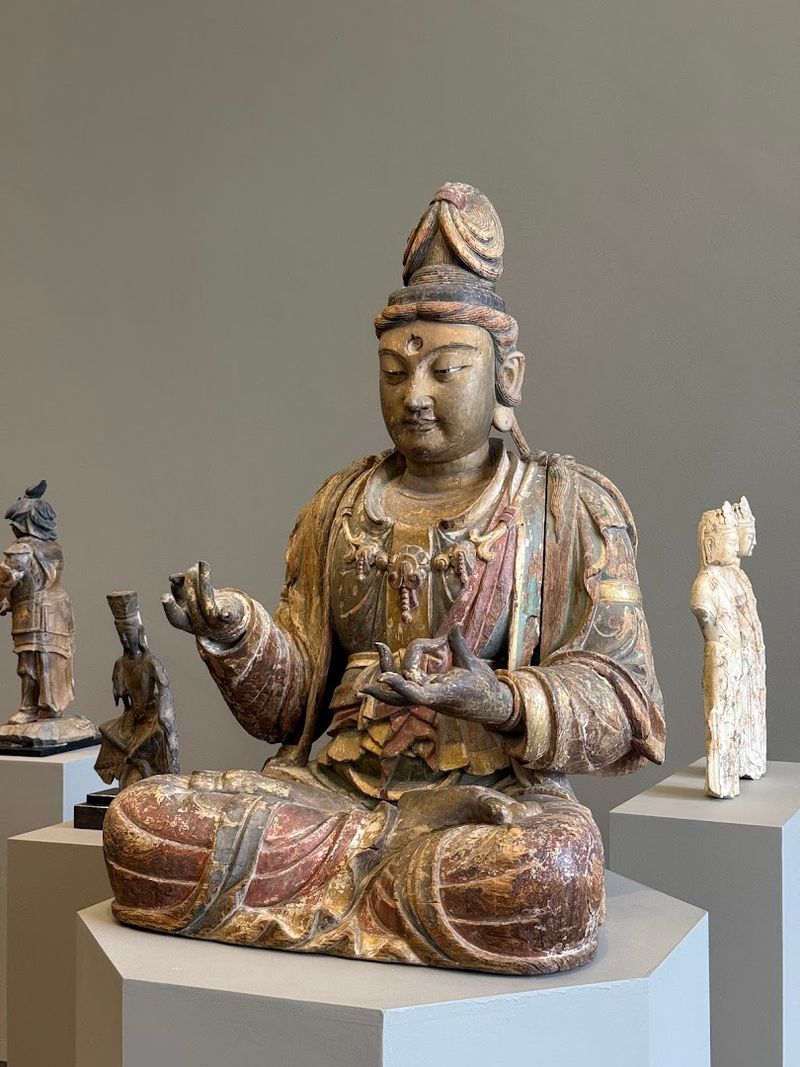
The second floor of Mia is home to one of the most impressive Asian art collections in the American Midwest. Japanese woodblock prints, Chinese ceramics, Korean lacquerware, and South Asian sculptures fill multiple interconnected galleries that feel thoughtfully arranged rather than crammed together.
The depth of the collection is particularly striking for visitors who might expect a token sampling. Mia has been building its Asian holdings for over a century, and the results show in the quality and range of what is on display at any given time.
A rotating special exhibition program means the Asian galleries frequently feature focused presentations that go deeper into a specific culture or period. A past exhibition on Cambodian art of the divine, featuring a colossal sculpture of the Hindu god Vishnu on loan as a Cambodian national treasure, drew considerable attention and showed exactly what Mia is capable of programming at the highest level.
Ancient Artifacts That Reframe History
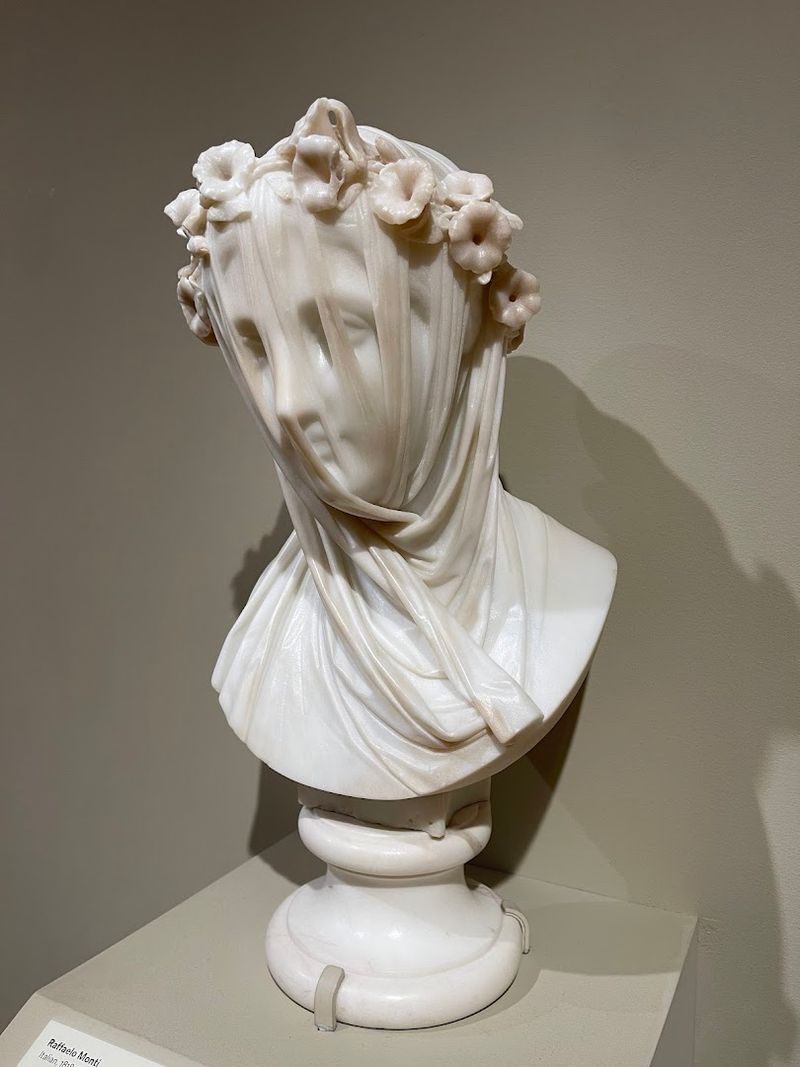
Not every treasure at Mia involves a paint brush. The museum’s collection of ancient artifacts spans civilizations that predate written history, and walking through those galleries feels like a crash course in how much human ingenuity has always existed across cultures.
The Egyptian mummy is probably the most talked-about single object in the collection. It draws visitors of all ages and has a way of making the abstract concept of ancient history feel suddenly very concrete.
Seeing something that old, preserved and present in the same room, is a different kind of experience than reading about it.
Beyond Egypt, the ancient galleries include Greek and Roman objects, Near Eastern artifacts, and pre-Columbian pieces that together trace thousands of years of craft, belief, and daily life. Each display case holds something that somebody made with their hands long before Minneapolis existed as a city or even a concept.
Art in Bloom: The Annual Spring Event
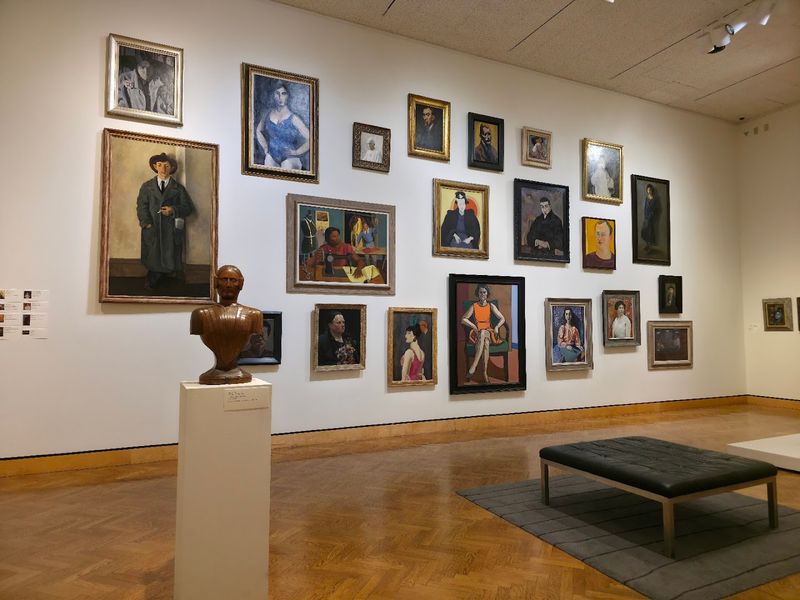
Every spring, Mia hosts Art in Bloom, an event that pairs floral arrangements created by professional florists and artists with specific works from the permanent collection. The result is a museum that smells as good as it looks, with fresh flowers echoing the colors, themes, and moods of the paintings and sculptures beside them.
The event runs for several days and draws some of the largest crowds of the year. Florists interpret the artworks in ways that are sometimes literal and sometimes wildly unexpected, making the familiar galleries feel completely transformed for the duration of the show.
For visitors who have already toured the collection multiple times, Art in Bloom offers a genuinely fresh perspective on works they thought they knew well. First-timers who happen to visit during the event often leave saying it was one of the best museum experiences they have ever had, which is a high bar Mia clears with ease.
Special Exhibitions That Raise the Bar
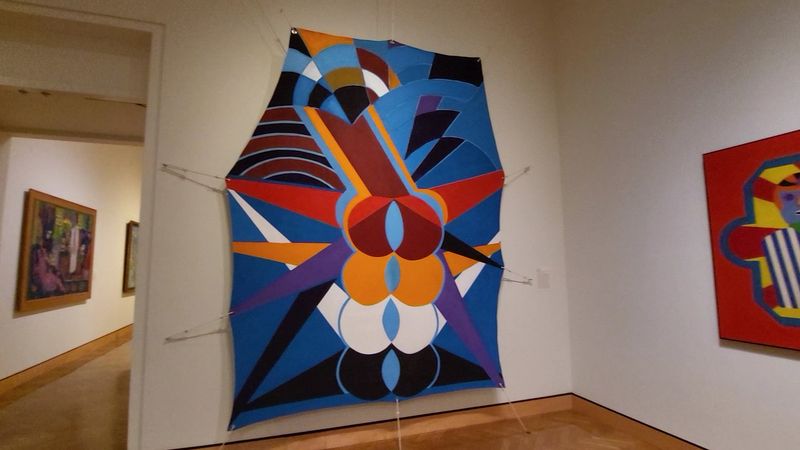
Beyond the permanent collection, Mia regularly programs ticketed special exhibitions that bring major works and focused curatorial concepts to Minneapolis from around the world. These shows tend to be ambitious in scope and draw visitors specifically for a single subject or artist.
Past exhibitions have covered everything from Cambodian sacred sculpture to major retrospectives of individual artists, and the programming reflects a curatorial team that takes both breadth and depth seriously. The special exhibition spaces are designed to handle large-scale installations as well as intimate presentations of works on paper.
Keeping an eye on the Mia website before your visit is genuinely worth the two minutes it takes. Knowing what is currently showing lets you plan your time more effectively, since special exhibitions often require separate tickets and have their own entry points within the building.
The permanent collection alone justifies a trip, but a well-timed special show can make it unforgettable.
Armor, Textiles, and Decorative Arts
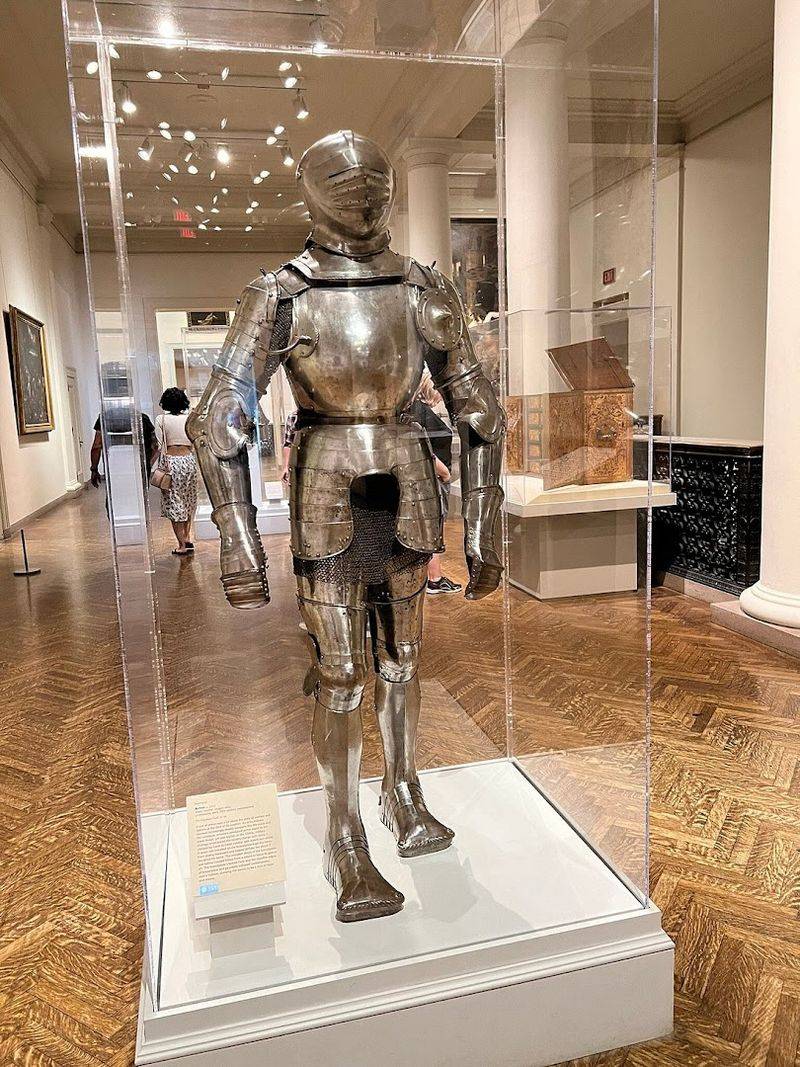
One of the more surprising corners of Mia for first-time visitors is the decorative arts and armor collection. Full suits of European medieval armor stand in dedicated gallery spaces, and the craftsmanship involved in their construction is genuinely astonishing when you see it up close rather than in a photograph.
Textiles from multiple continents and centuries share nearby galleries, including tapestries, embroidered ceremonial garments, and woven pieces that demonstrate how deeply craft and artistry have always been intertwined across human cultures. These are not afterthoughts tucked into a corner.
They occupy serious gallery real estate and are curated with the same care as the paintings upstairs.
Decorative arts furniture from 18th-century France and early American cabinetmaking also appear throughout the collection, bridging the gap between fine art and the objects people actually lived with. It is a reminder that beauty has never been limited to what hangs on a wall.
A Family-Friendly Space That Takes Kids Seriously

Mia has made a deliberate effort to be a place where families with young children feel welcome rather than anxious. A dedicated young kids zone gives smaller visitors a space designed specifically for them, with interactive elements that introduce art concepts through hands-on engagement rather than passive observation.
A nursing room is available for parents with infants, which is a practical detail that makes a real difference for families who might otherwise hesitate to spend a few hours in a large museum. The museum’s free admission policy also removes the financial pressure that can make a family outing feel high-stakes.
School field trips are a regular sight at Mia, and the museum handles them well. Watching a group of first graders react to a giant painting or a suit of armor in person is one of the more entertaining bonuses of visiting on a weekday morning.
Their reactions are completely unfiltered.
The Cafe and Gift Shop Worth Knowing About
After a few hours of gallery-hopping, the cafe on the lower level of Mia becomes a very welcome sight. The space is large, bright, and communal, with enough seating that finding a table is rarely a problem even on busy days.
The menu covers the basics well, with solid options for a mid-visit break.
Remote workers have been known to set up at the cafe tables on quieter days, which speaks to how comfortable and well-designed the space is. It functions as a genuine gathering spot rather than just a place to grab a quick snack before heading back upstairs.
The gift shop carries a well-curated selection of art books, prints, jewelry, and objects inspired by the collection. Prices lean toward the higher end, but the quality reflects it.
Picking up a small print of a work you connected with during your visit is a satisfying way to carry something from the museum home with you.
Hours, Days, and Planning Your Visit
Mia is open Tuesday through Sunday, with hours running from 10 AM to 5 PM on most days. Thursday is the exception, with extended evening hours until 9 PM, which makes it a strong option for visitors who want a quieter, less crowded experience after the standard workday ends.
The museum is closed on Mondays, so planning around that detail saves a wasted trip. Weekday mornings tend to be the calmest times to visit, while weekends and special event days can draw significantly larger crowds, especially during Art in Bloom each spring.
Comfortable shoes are a genuine practical recommendation rather than a throwaway tip. The museum covers a lot of ground across multiple floors, and spending two or three hours on your feet moving between galleries adds up quickly.
Arriving well-rested and ready to walk pays off in how much you actually absorb and enjoy during your time there.
The Sculpture Garden and Outdoor Spaces
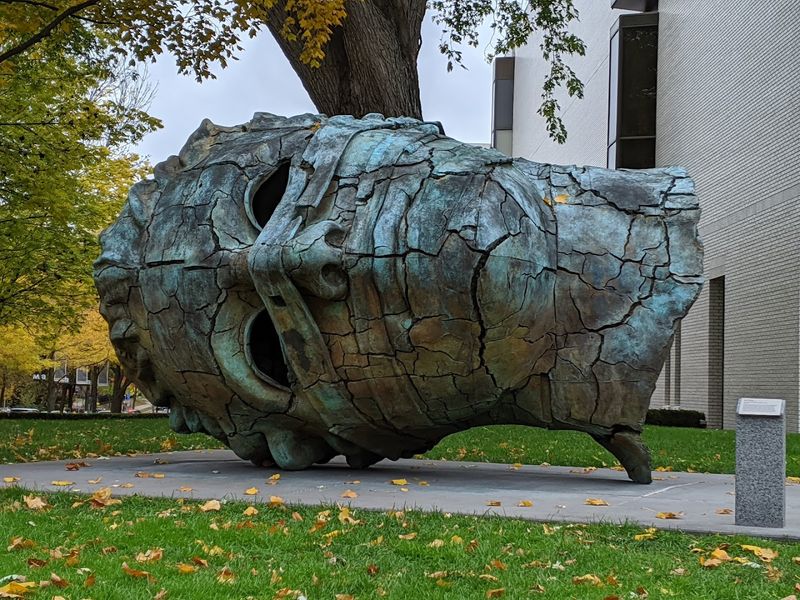
Behind the main building, Mia connects to outdoor spaces that extend the experience beyond the gallery walls. A sculpture garden sits at the rear of the property, offering a pleasant transition between the indoor collection and the open air of the surrounding neighborhood.
The garden features large-scale works that benefit from natural light and open space in ways that indoor galleries simply cannot replicate. On a clear day, walking through it after a long stretch inside the building provides a welcome change of pace without breaking the artistic thread of the visit.
The broader Whittier neighborhood surrounding the museum has its own character worth exploring if you have time after your visit. The area includes parks, local restaurants, and residential streets that give a sense of the Minneapolis community that Mia has served for over a century.
The museum does not exist in isolation from its city, and that connection shows in how it operates.
Why Mia Keeps Drawing People Back
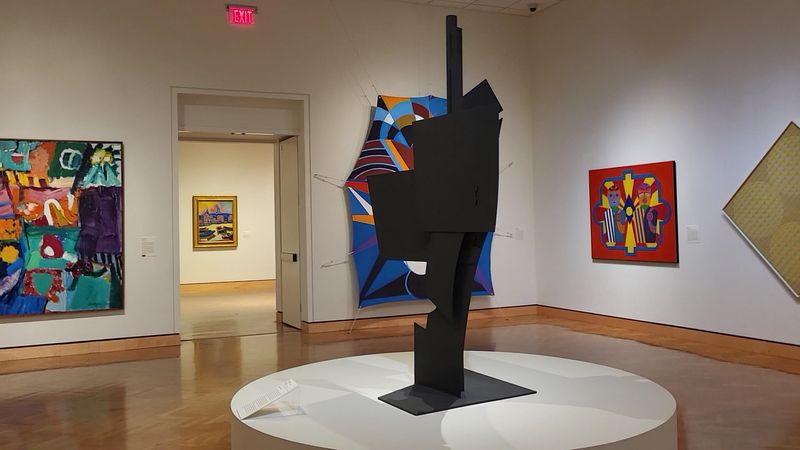
There is a specific quality to a museum that rewards return visits, and Mia has it in abundance. The collection is large enough that even frequent visitors consistently report discovering galleries or individual works they had somehow overlooked on previous trips.
That sense of ongoing discovery is rare and genuinely valuable.
The rotating special exhibitions give the museum a different personality every few months, while the permanent collection provides the kind of continuity that lets you develop real familiarity with specific works over time. Some visitors describe coming back to the same painting repeatedly across years, noticing something new each time.
Free admission removes the psychological barrier that keeps many people from treating a museum like a regular destination rather than a special occasion. At Mia, you can stop in for forty-five minutes on a Thursday evening or spend an entire Saturday working your way through a single floor.
The museum fits around your life rather than demanding a formal commitment, and that flexibility is exactly what keeps people coming back.
Share this story