 Unearth The Voyage
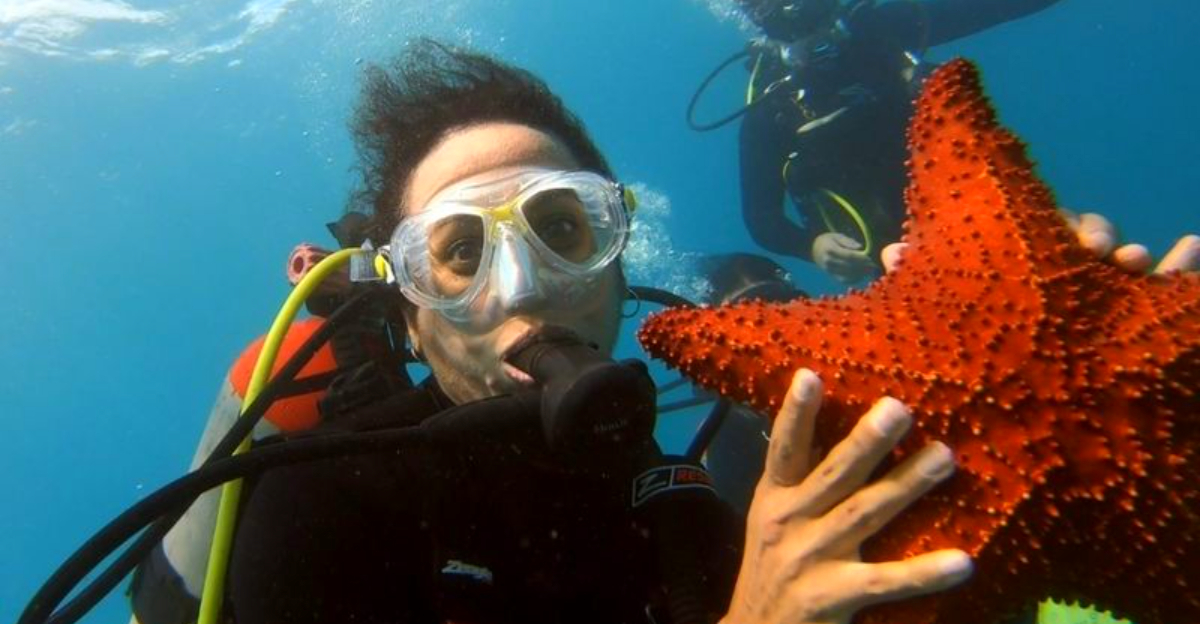
There is a place in South Florida where you can float above a living underwater world, spot manatees, stingrays, and starfish, and pay absolutely nothing to do it. The water is shallow enough for beginners, rich enough to impress seasoned divers, and close enough to shore that you never need a boat.
Tucked beneath a busy bridge in Riviera Beach, this snorkel trail has quietly earned a reputation that rivals Caribbean destinations. This article walks you through everything you need to know before your first visit, from the best time to arrive and what gear to bring, to the creatures you might meet along the way and the hidden corners most visitors never find.
Where It All Starts: Address and Location
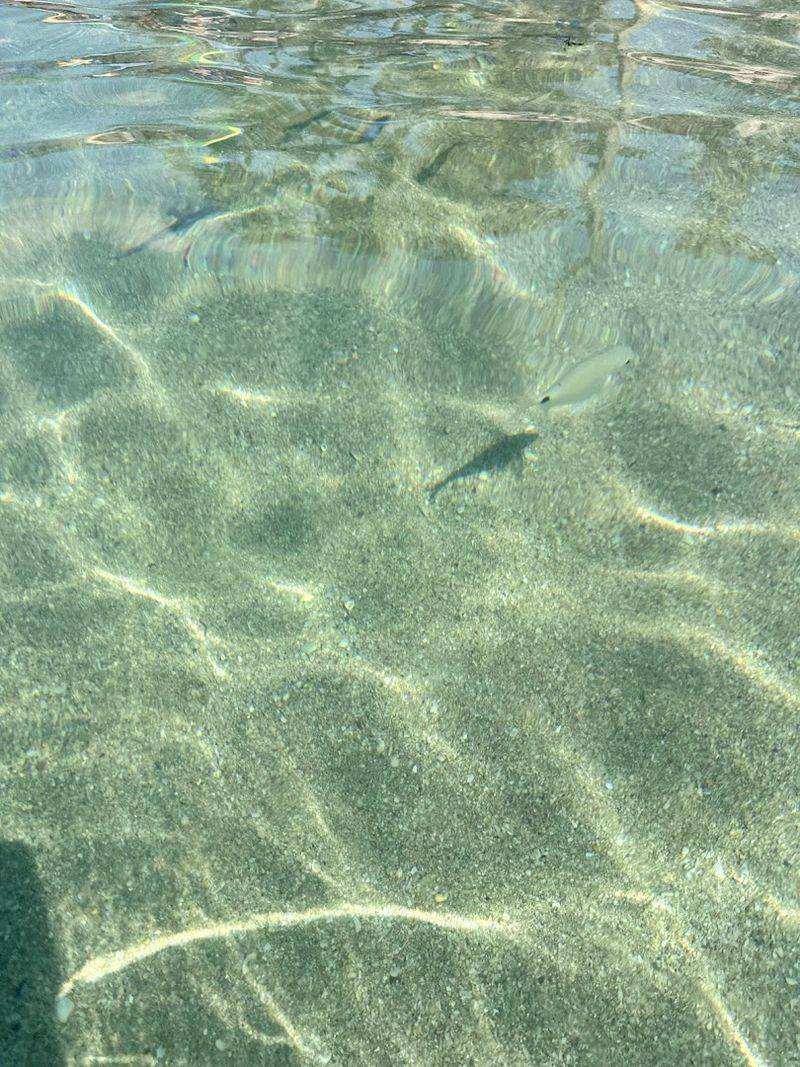
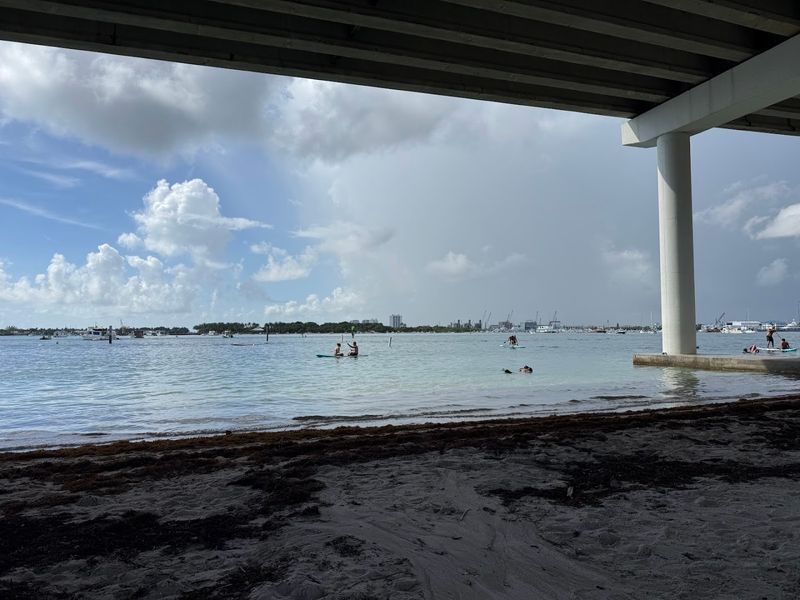
Phil Foster Park sits at the south end of Blue Heron Boulevard in Riviera Beach, Florida, at the address 900 Blue Heron Blvd, Riviera Beach, FL 33404. The park borders the Lake Worth Lagoon, right where the Blue Heron Bridge connects the mainland to Singer Island.
Getting here is straightforward. From Interstate 95, take the Blue Heron Boulevard exit east, and the park entrance appears on your right just before the bridge.
There is a free parking lot, though it fills up fast on weekends.
The snorkel trail itself begins just steps from the parking area, making it one of the most accessible shore-entry dive and snorkel sites in the entire state of Florida. No boat launch, no ferry, and no long hike required.
You park, gear up, and walk right in.
The Story Behind the Trail
The Phil Foster Snorkel Trail was developed as part of a broader effort to introduce the public to the marine ecosystems of the Lake Worth Lagoon. Phil Foster Park itself has been a community gathering spot for decades, but the designated snorkel trail gave the underwater environment an official identity.
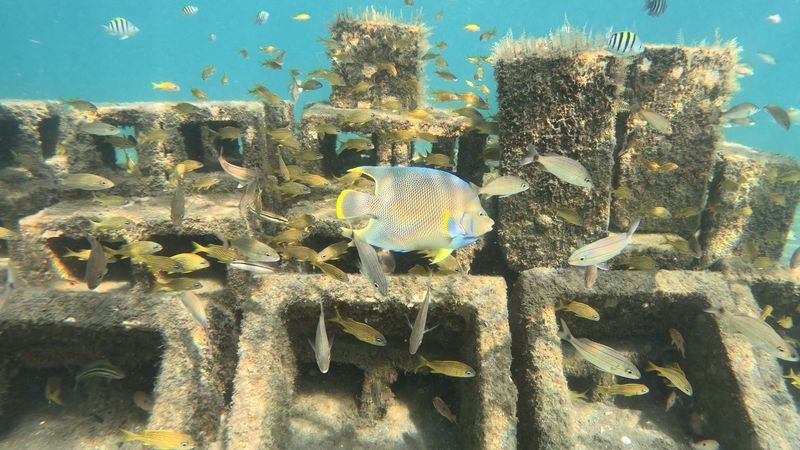
Local dive operators and conservation groups worked together to mark the trail with underwater posts, creating a guided route that snorkelers and divers can follow without getting disoriented. The trail runs through a shallow area with depths ranging from about eight to sixteen feet, making it safe and manageable for most skill levels.
The project also raised awareness about protecting the lagoon’s marine life. Visitors are encouraged to look but not touch, keeping the ecosystem healthy for the next person who shows up with a mask and fins.
Conservation and adventure, working together nicely.
What the Water Actually Looks Like
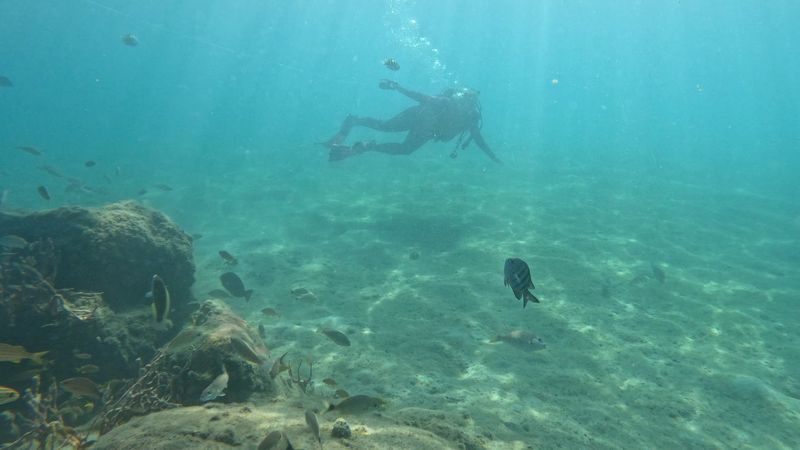
The water here has a quality that surprises first-time visitors. On a calm morning at high tide, visibility can stretch fifteen to twenty feet, revealing a sandy bottom dotted with coral patches, rocks, and the trail’s marker posts standing like small sentinels below the surface.
The color shifts from pale green near the shoreline to a deeper blue-green as you move toward the bridge pilings. Sunlight filters through in long shafts, and the whole scene has a clarity that feels more like a tropical reef than a Florida inlet.
Afternoon visits can bring murkier conditions, especially after boat traffic picks up or when tidal flow stirs the bottom sediment. Morning snorkeling, particularly around high tide, consistently delivers the cleanest water.
The difference between a morning visit and a midday one can genuinely feel like two separate destinations.
Marine Life You Can Expect to Find
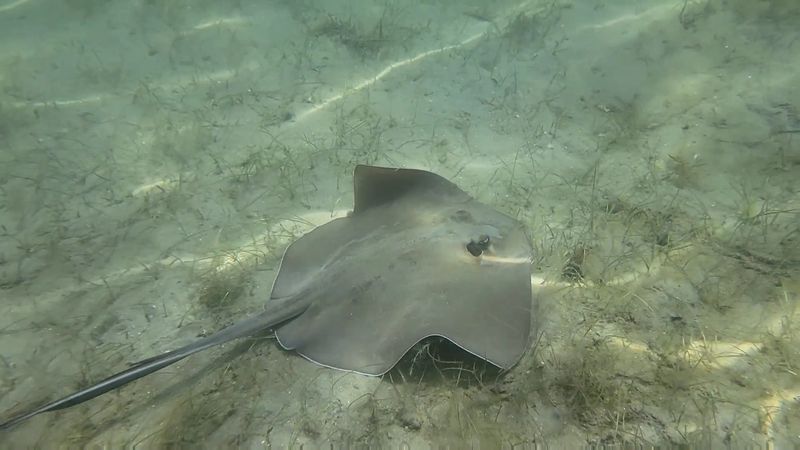
The species list at this snorkel trail reads like something from a nature documentary. Stingrays glide across the sandy bottom, sometimes so close you could almost reach out and feel the current they leave behind.
Parrotfish, angelfish, and snapper weave between the coral and rocks in steady streams of color.
Starfish cling to the bottom in the shallower sections, and conch shells dot the sand in surprising numbers. Octopus sightings are common enough that regulars treat them as expected rather than extraordinary.
Sea turtles pass through on their own schedule, and manatee encounters happen with enough frequency to keep every visit feeling fresh.
Barracuda patrol the deeper sections near the bridge pilings, which sounds alarming but is really just part of the neighborhood dynamic. They tend to mind their own business, and most snorkelers find them thrilling rather than threatening.
Quite the welcoming committee.
Best Time of Day and Tidal Tips
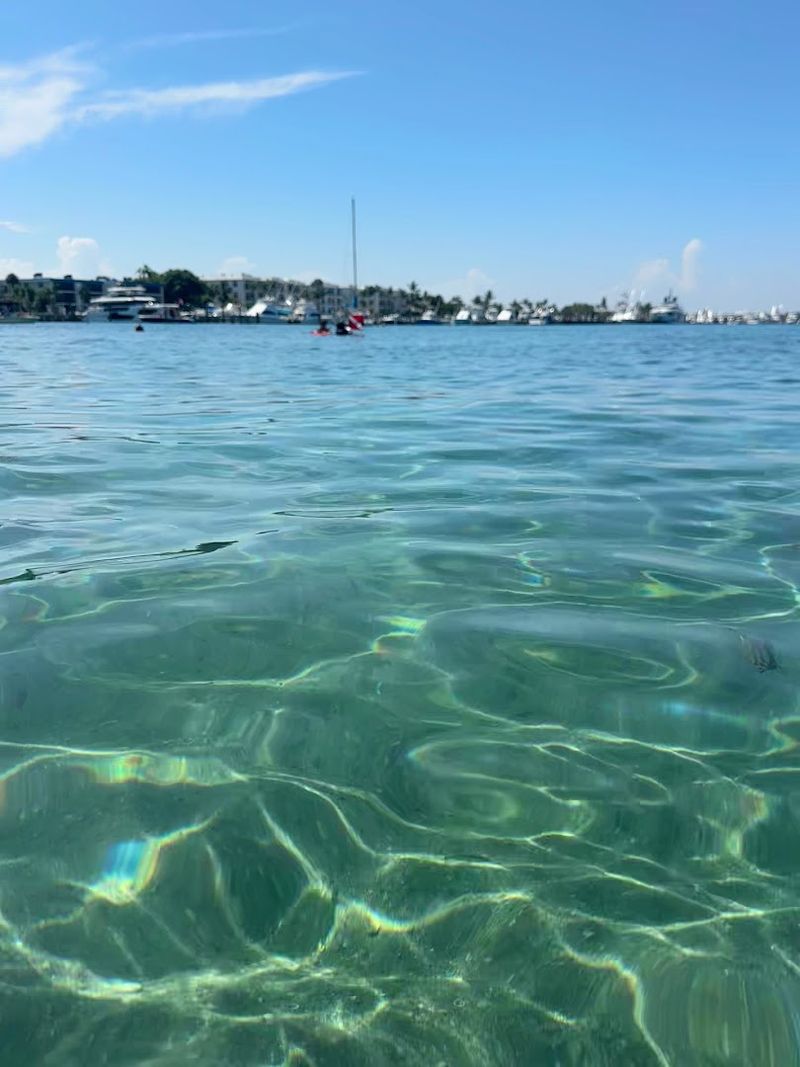
Timing your visit makes a significant difference here. The best snorkeling happens in the morning, ideally between 9 AM and noon, when the water is calmer, clearer, and less crowded.
Afternoon sessions can still be rewarding, but boat traffic and tidal shifts tend to reduce visibility noticeably.
Tidal timing matters just as much as the clock. High tide pushes cleaner ocean water into the lagoon, improving clarity and bringing in more marine life.
Checking a local tide chart before your visit is one of the smartest things you can do, and it takes about thirty seconds on your phone.
Low tide exposes more of the shallow rocky areas and can make navigation trickier, especially for beginners. Weekend mornings fill up fast, so arriving right at the 9 AM opening gives you the best combination of good water conditions and manageable parking.
Early risers are well rewarded.
Gear You Should Bring
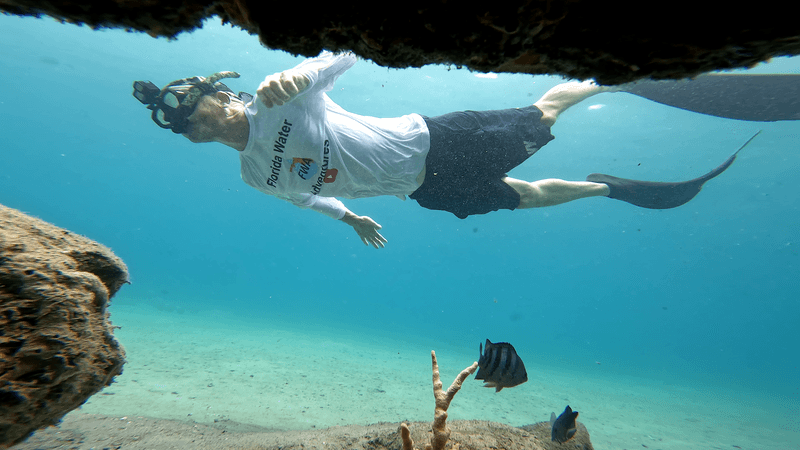
A basic snorkel kit is all you need to have a genuinely outstanding time here. Mask, snorkel, and fins are the essentials, and the water is shallow enough that even an inexpensive setup from a sporting goods store will do the job well.
Bringing your own gear is smarter than renting, especially if you plan to visit more than once.
A life jacket or snorkel vest is worth packing if you plan to swim out toward the deeper trail markers near the bridge. The current near the pilings can be stronger than expected, and having some extra buoyancy lets you relax and focus on what is below rather than on staying afloat.
Experienced snorkelers and scuba divers are advised to carry a small cutting tool, since discarded fishing line accumulates in the area. Water shoes protect your feet on the rocky entry points.
Reef-safe sunscreen keeps both your skin and the marine ecosystem in good shape.
The Blue Heron Bridge Connection
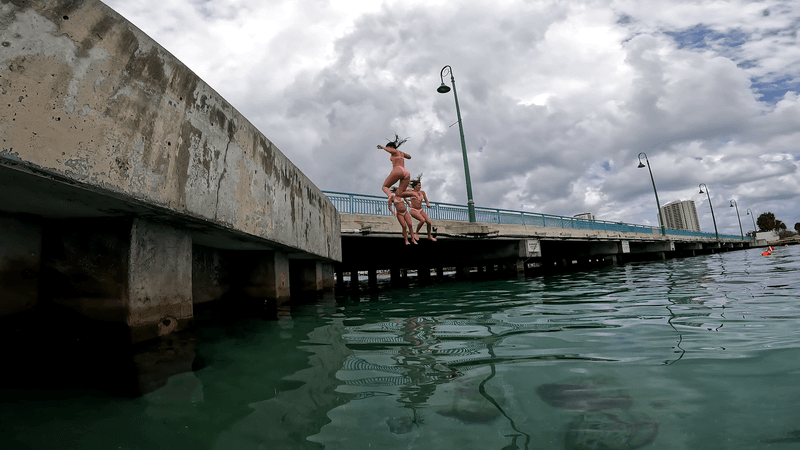
The bridge itself is as much a part of the experience as the trail below it. Blue Heron Bridge spans the Lake Worth Inlet, and its concrete pilings have become artificial reefs over the years, coated in barnacles, soft coral, and algae that attract a dense concentration of fish.
Snorkeling directly beneath the bridge offers a different kind of experience compared to the open sandy trail sections. The light changes under the structure, the fish are more densely packed, and the sense of being in an underwater city rather than an open lagoon becomes very real.
The bridge also provides natural shade, which is a genuine bonus on a blazing Florida afternoon. Fair-skinned visitors especially appreciate being able to duck under the structure and get a break from direct sun without having to exit the water.
The bridge gives, and it keeps on giving.
Night Snorkeling and Its Unique Appeal
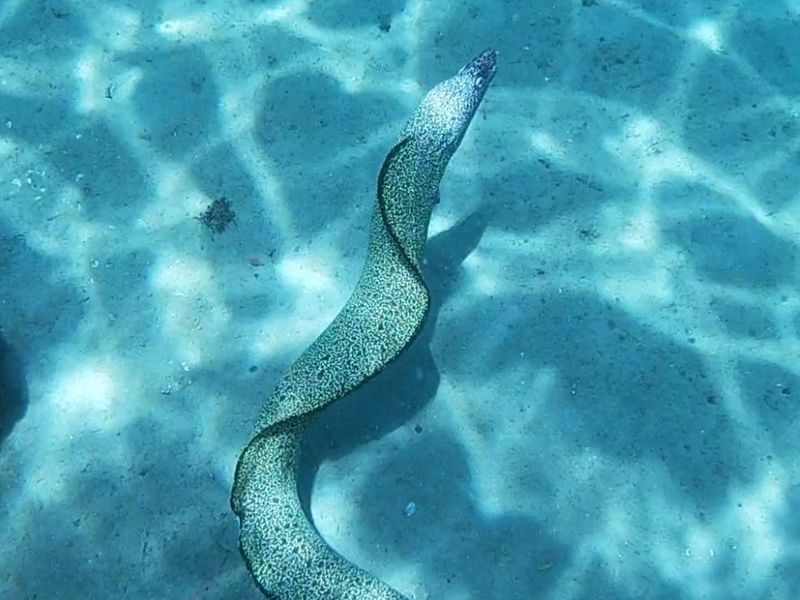
Few people realize that this spot transforms after dark into one of the most memorable night snorkeling experiences in Florida. The bridge lights up the water from above, and the marine life shifts into a completely different set of behaviors once the sun goes down.
Octopus are far more active at night and much easier to spot. Crabs emerge from hiding, eels extend from their rocky dens, and bioluminescent plankton occasionally adds a surreal glow to the water.
The combination of artificial light from the bridge and underwater torch beams creates a vivid, almost theatrical atmosphere.
Night snorkeling here is considered safe and well-suited for people with some experience in the water. Bringing a reliable underwater flashlight is essential, and going with at least one other person is strongly recommended.
Those who have done it tend to describe it as one of the most unforgettable experiences of their Florida trip.
Peanut Island: The Bonus Destination
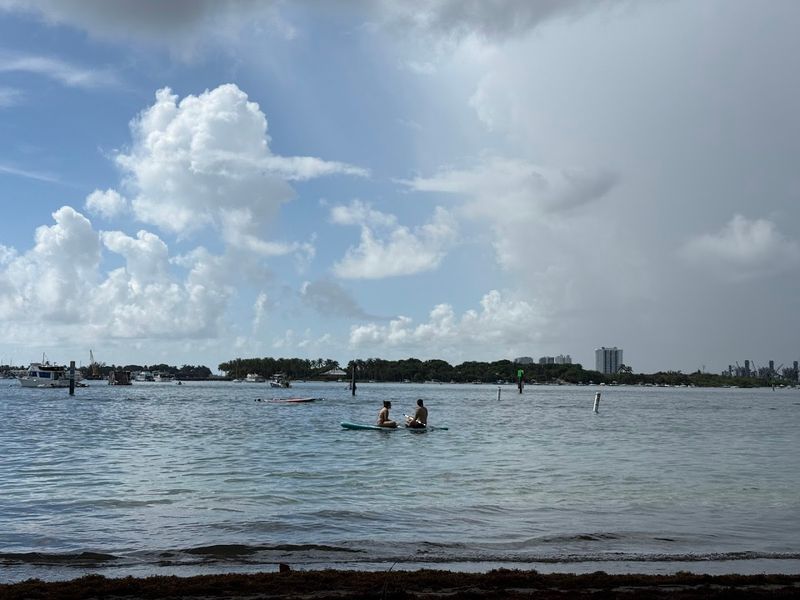
A short paddle from Phil Foster Park sits Peanut Island, a small manmade island that has become one of Palm Beach County’s most popular outdoor destinations. From the snorkel trail, you can rent a paddleboard or kayak and make the crossing in under ten minutes, adding a whole second adventure to your day.
Peanut Island has its own snorkeling area, a sandy beach, picnic tables, and even a historic fallout shelter built for President John F. Kennedy during the Cold War era.
The island is part of the Palm Beach County park system and charges a small entry fee for those arriving by water taxi or personal watercraft.
Combining the snorkel trail with a paddleboard trip to Peanut Island turns a morning outing into a full day on the water. The two spots complement each other well, and the paddle between them offers great views of the inlet and passing boats.
Perfect for Beginners and Families
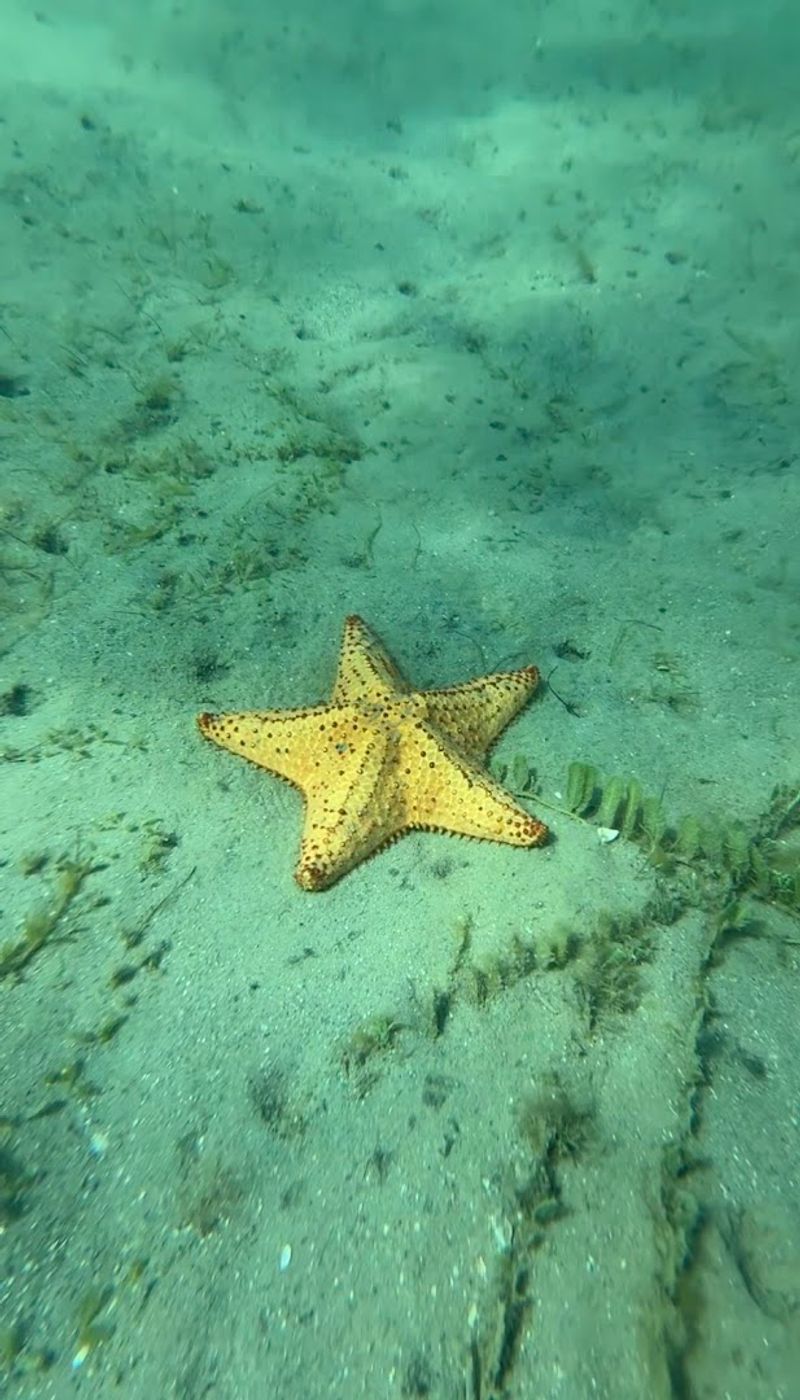
The shallow entry and calm conditions near the shoreline make this one of the best places in Florida to introduce children or beginners to snorkeling. The water starts at knee depth and gradually gets deeper, giving new snorkelers time to get comfortable before venturing further out.
Local dive instructors have used this site for decades as a training ground for scuba certification, which tells you something about how predictable and manageable the conditions tend to be. The bottom is mostly sand and rock rather than sharp coral, reducing the risk of accidental scrapes for those still learning to control their fins.
Kids who visit tend to be completely transfixed by the starfish and small fish in the shallower sections, often spending an entire morning without ever reaching the deeper trail markers. The park surrounding the water has picnic tables and restrooms, making it easy to turn the visit into a full family outing.
Scuba Diving at the Same Spot
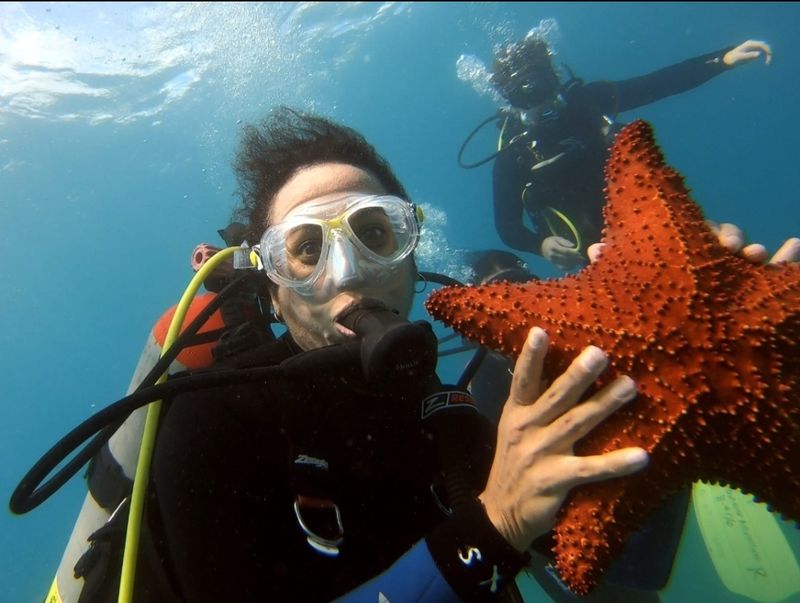
The snorkel trail doubles as one of the most celebrated shore-entry scuba dive sites in the continental United States. With depths maxing out around sixteen feet, it is ideal for newly certified divers who want a real-world experience without the pressure of deep open water.
More experienced divers come specifically for the sheer density of marine life packed into a relatively small area. The muck bottom, which sounds unappealing, is actually a prime habitat for creatures that camouflage themselves in sediment, including flounder, frogfish, and various nudibranch species that would be difficult to find on a typical reef dive.
Dive conditions change with every visit, and regulars describe the unpredictability as part of the appeal. On one dive you might see a massive stingray resting calmly on the bottom; on another, a school of tarpon might pass through the bridge shadow overhead.
Every entry into the water carries genuine potential for something new.
Practical Tips for a Smooth Visit
Arriving before 10 AM on weekends is the single most useful piece of advice for anyone planning a visit. The parking lot fills quickly, and latecomers often have to circle or park on nearby streets.
Weekdays are noticeably quieter, and the water tends to be calmer with less boat traffic stirring things up.
The park is open daily from 9 AM to 8 PM, which means evening visits are possible and can be quite pleasant once the midday crowd thins out. Bringing cash is useful since some nearby vendors and water sports rental operators do not always accept cards.
Staying hydrated matters more than most people expect. The Florida sun is intense even on overcast days, and spending hours in the water can mask how much you are sweating.
Pack water, snacks, and sunscreen, and plan to spend at least a few hours here because leaving early tends to feel like a missed opportunity.



