There are places in America where history does not just sit behind glass. Some spots let you walk through the actual rooms where a president lived, stand beside the tomb where he rests, and flip through records that shaped a nation.
I had no idea one Ohio town held all three in a single visit. What surprised me most was how much I did not know about Rutherford B.
Hayes before I showed up, and how hard it was to leave once I started learning.
The Estate That Started It All
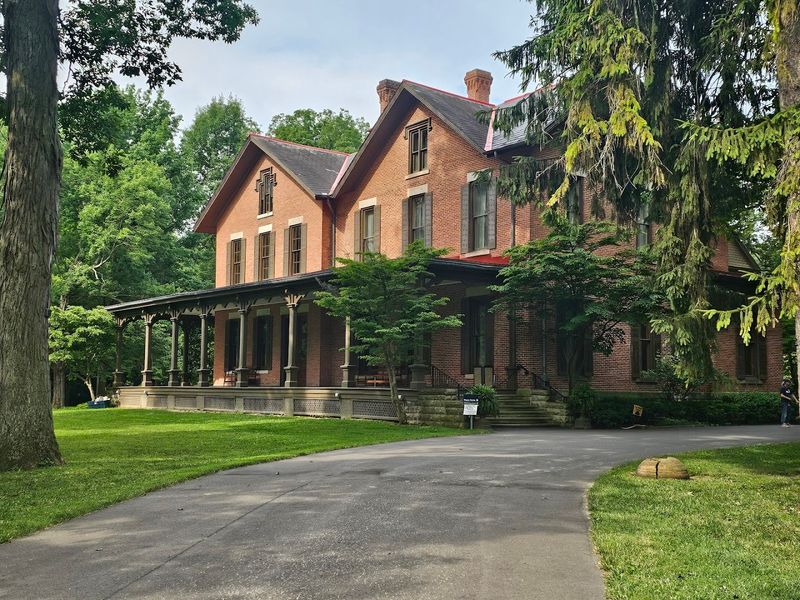
Most people drive through Fremont, Ohio without a second glance. That changed completely for me the moment I turned onto Spiegel Grove and saw the tree-lined grounds of the Rutherford B.
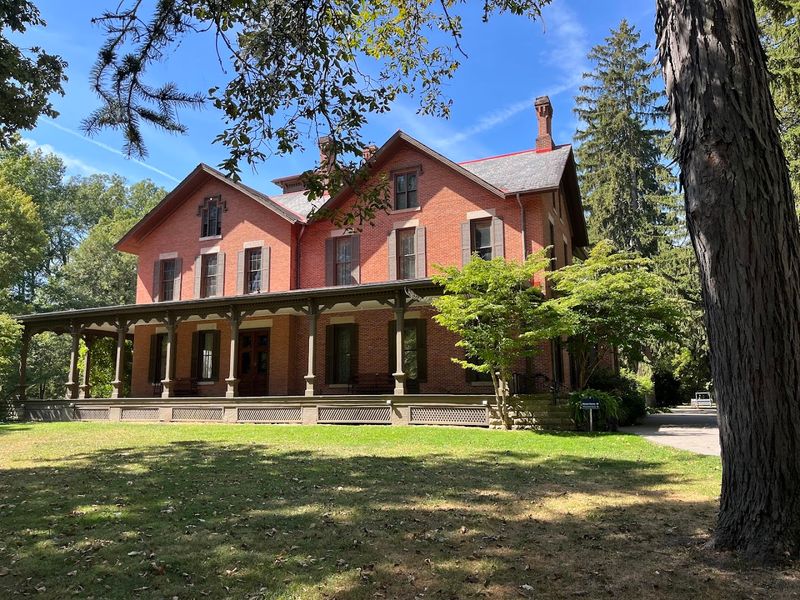
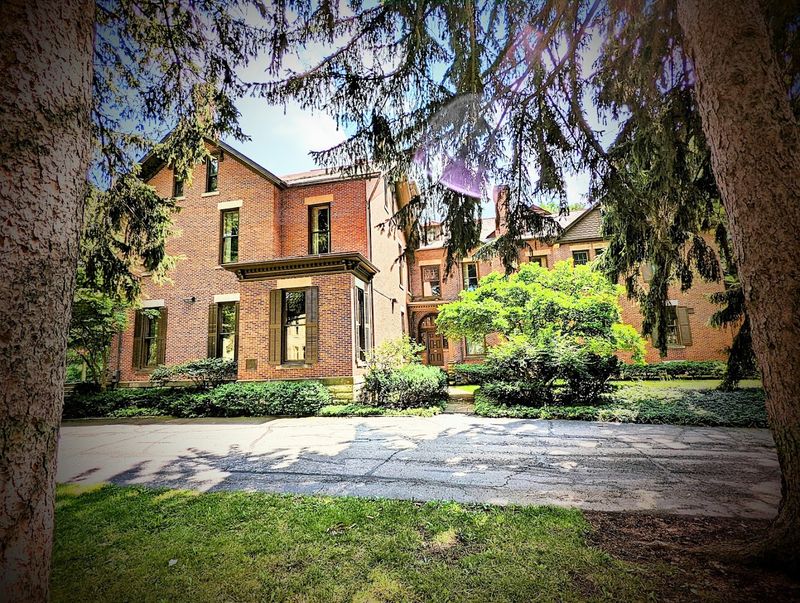
Hayes Presidential Library and Museums spread out ahead. The address is Spiegel Grove, Fremont, OH 43420, and the estate sits on 25 acres of land that once belonged to the Hayes family.
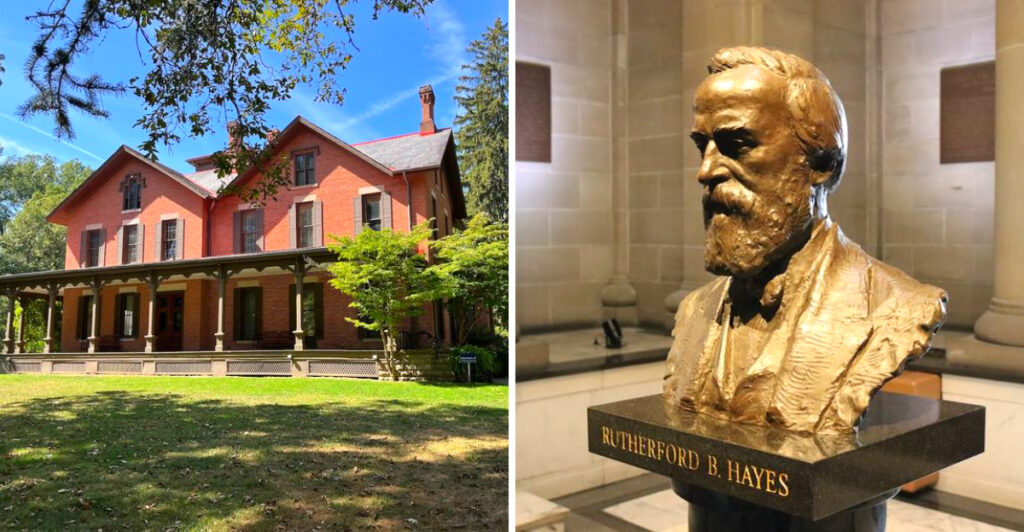
Rutherford B. Hayes was the 19th President of the United States, and this property was his personal home long before it became a public landmark.
The grounds have a mile of paved paths that wind through mature trees, many of which are marked with identification signs.
You can walk the grounds at no charge, which makes this place accessible to anyone passing through. The combination of open green space and historic architecture gives the whole property a character that is genuinely hard to find anywhere else.
A 31-Room Mansion With Stories in Every Corner
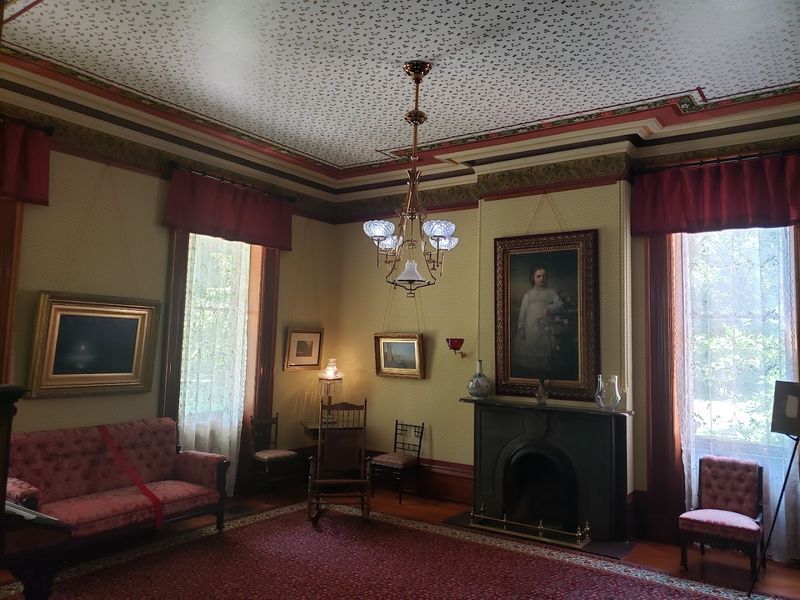
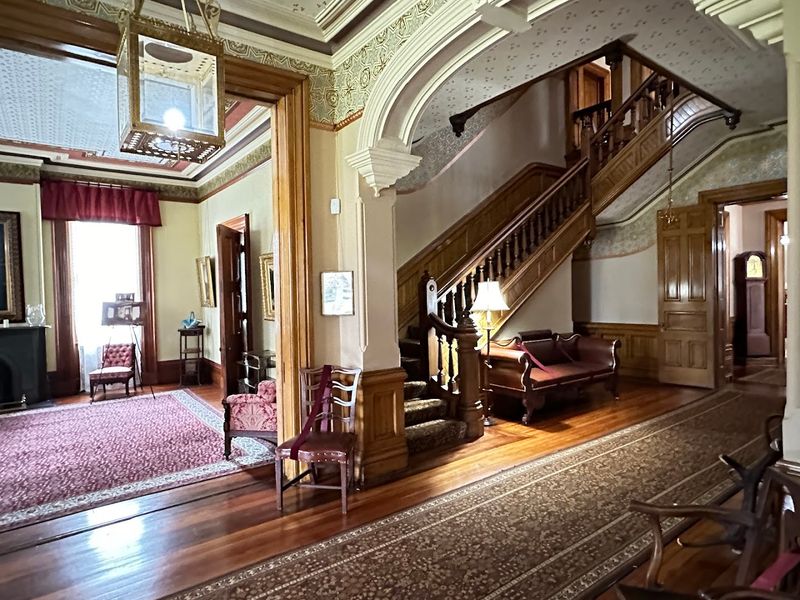
The Hayes home is not a modest cottage. This is a 31-room mansion, and every room carries a different story about the family that lived there across multiple generations.
The house has been carefully restored to reflect the era when the Hayes family occupied it, and the level of detail inside is genuinely impressive.
Guided tours last about an hour and cover both floors of the residence. For guests with mobility needs, the original elevator has been restored so the second floor is fully accessible.
Photography is not permitted inside the home, which actually encourages you to pay closer attention instead of reaching for your phone.
The guides bring the rooms to life with specific details about family routines, personal belongings, and the social customs of the late 19th century. Old photographs displayed alongside the original furnishings make it easy to picture exactly how each space was used day to day.
The First Presidential Library in the United States
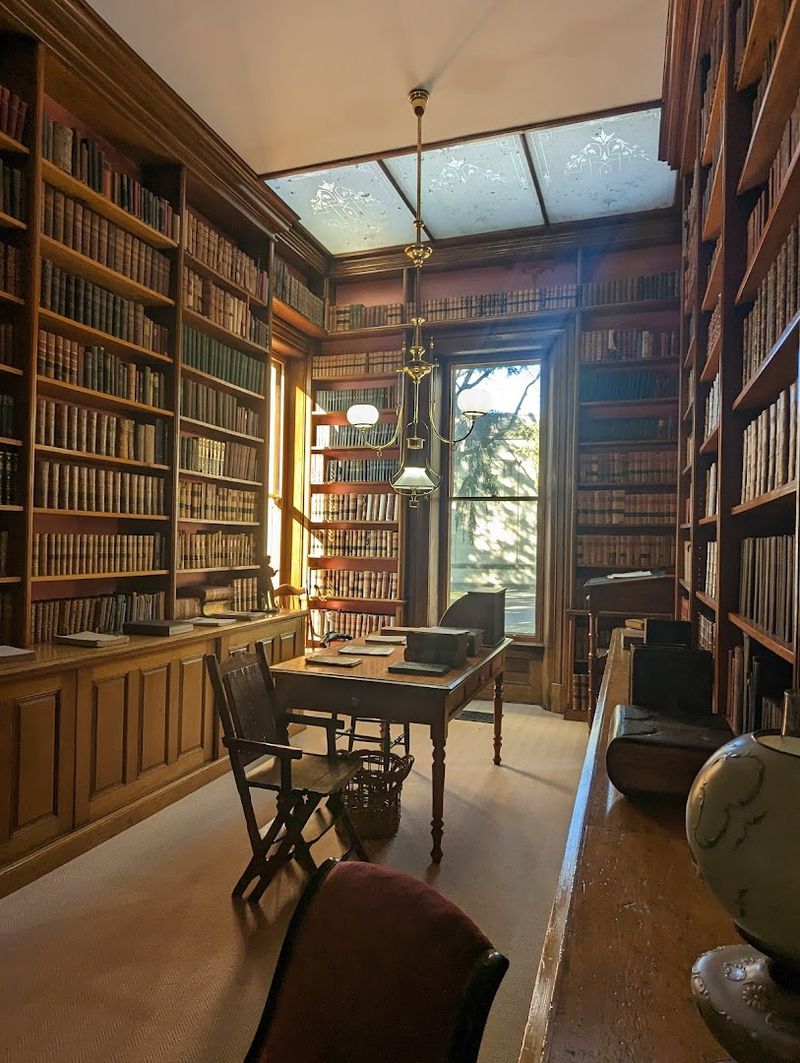
Here is something worth pausing on. The Hayes Presidential Library holds the distinction of being the first presidential library established in the United States.
That alone makes it a landmark in American history, not just Ohio history.
The library houses an enormous collection of documents, letters, photographs, and personal papers related to Hayes and his administration. Researchers and curious visitors alike can explore materials that cover his presidency, his earlier legal career, and his family life in considerable depth.
Unlike the home tour, visitors can take photographs inside the library, so bring your camera or charge your phone before you arrive. The three-floor museum connected to the library holds artifacts from the Hayes family’s personal collection, as well as historical items gathered over the years by the family’s son, who was an avid collector.
The breadth of what is on display genuinely rewards slow, careful exploration.
What the Guided Home Tour Actually Feels Like
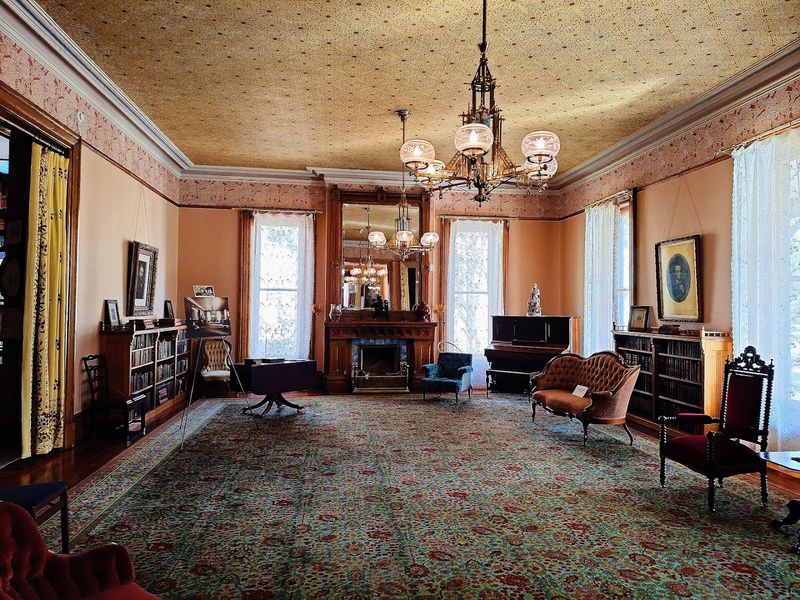
The home tour is the centerpiece of a visit here, and the guides make or break the experience. The ones I encountered were genuinely passionate about the Hayes family, not just reciting facts but sharing details that made the people feel real.
They moved through rooms with purpose, pointing out original furnishings, family portraits, and small personal objects that brought the 19th century into sharp focus.
The tour runs approximately 45 minutes to an hour depending on how many questions the group asks. Some guides carry tablets to look up answers on the spot when visitors ask something outside their immediate knowledge, which shows a refreshing honesty rather than guessing.
One detail that stuck with me was learning how the home evolved across generations, with each family member leaving a slightly different mark on the space. The guides cover not just Rutherford and Lucy Hayes but the entire family lineage that continued to live there after the president passed.
The Presidential Tomb on the Grounds
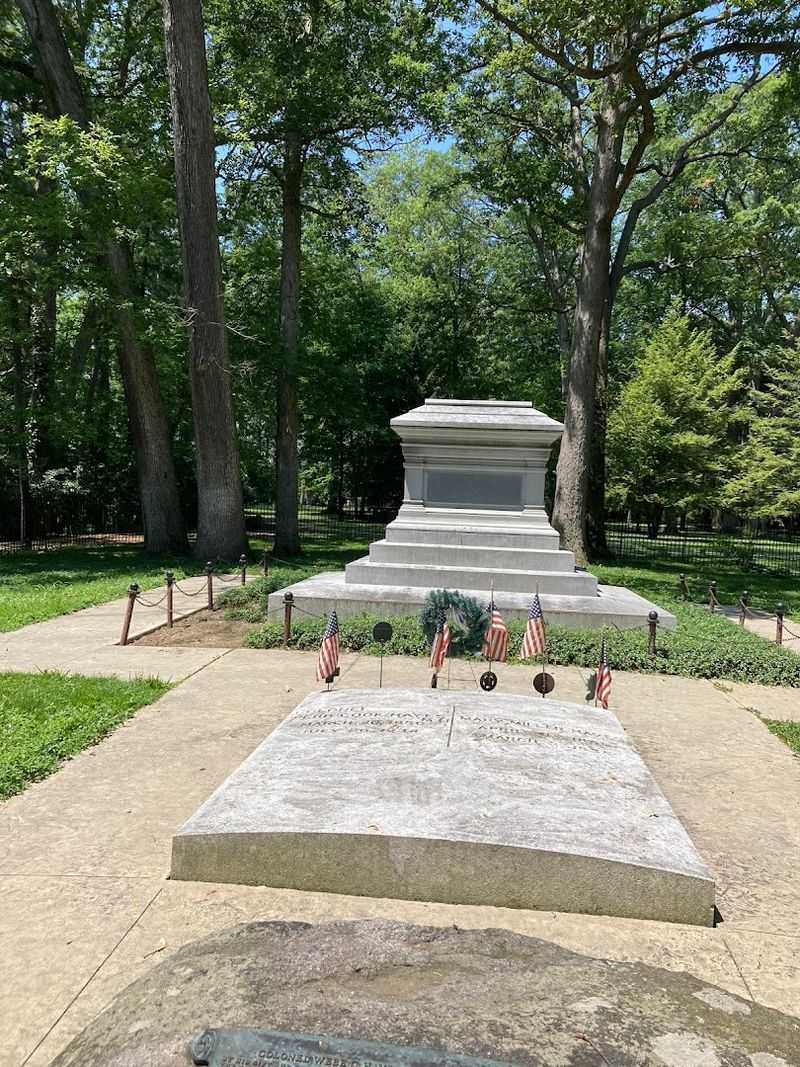
Few historic sites let you visit a president’s grave as part of the same afternoon you tour his home. The tomb at Spiegel Grove holds Rutherford B.
Hayes, his wife Lucy, and their eldest son, who was the last family member to live in the mansion and is credited with shaping the museum’s early structure.
The grave markers are described by many visitors as humble given the grandeur of the surrounding property. There is something quietly striking about that contrast.
The paved path that leads to the tomb winds through tall trees, and the walk itself feels like a natural part of the estate rather than a detour.
Visiting the tomb is included when you walk the grounds, and no ticket is required for this portion of the property. The setting is calm and well-maintained, making it a reflective stop that fits naturally into the larger story the estate tells about the Hayes family across generations.
Three Floors of Museum Artifacts Worth Your Time
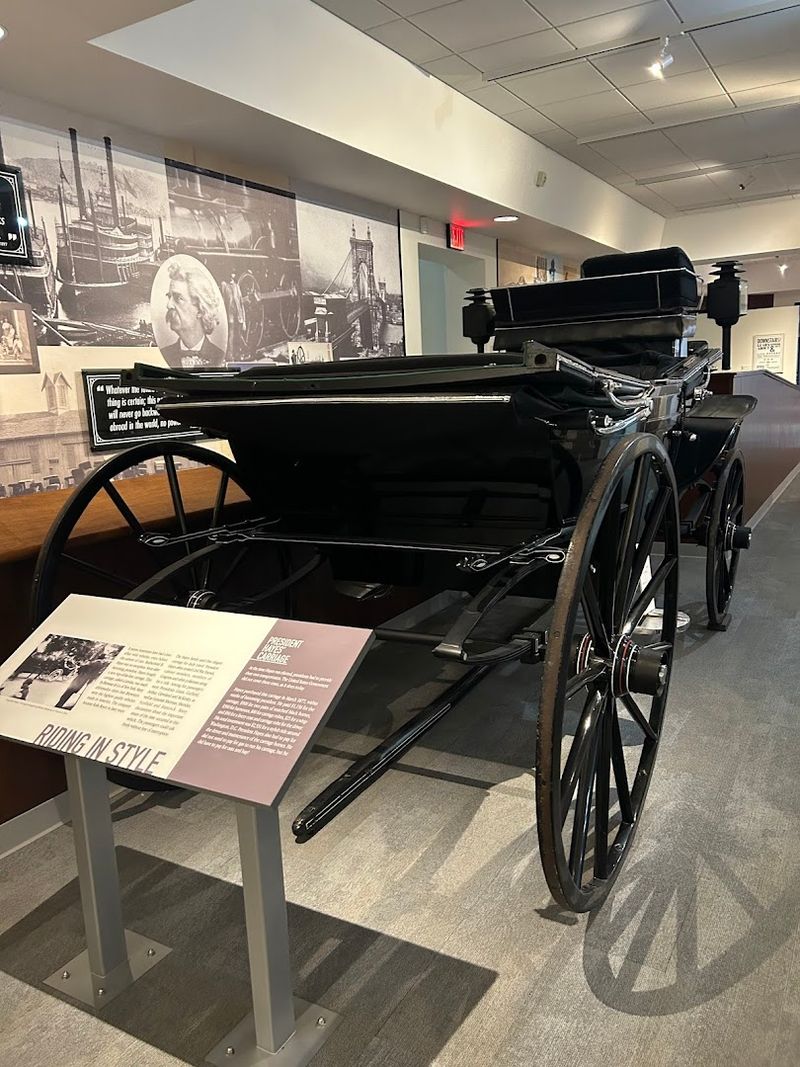
The museum portion of the estate is easy to underestimate if you arrive planning only to see the house. Three full floors hold an impressive range of artifacts, from personal items belonging to the Hayes family to historical objects collected by their son over many decades of dedicated gathering.
To see everything in the right order, it helps to start on the lower floor and work your way up. The layout moves roughly chronologically, and following that path makes the broader story of Hayes and his era much easier to follow.
Several visitors I spoke with mentioned spending two hours or more in the museum alone without feeling rushed. The displays cover not only his presidency but also his earlier life, his service during the Civil War, and his post-presidential years back at Spiegel Grove.
Some Bierstadt artwork displayed in the mansion is considered among the finest examples you can see outside of a major art institution.
Ticket Prices and What They Cover
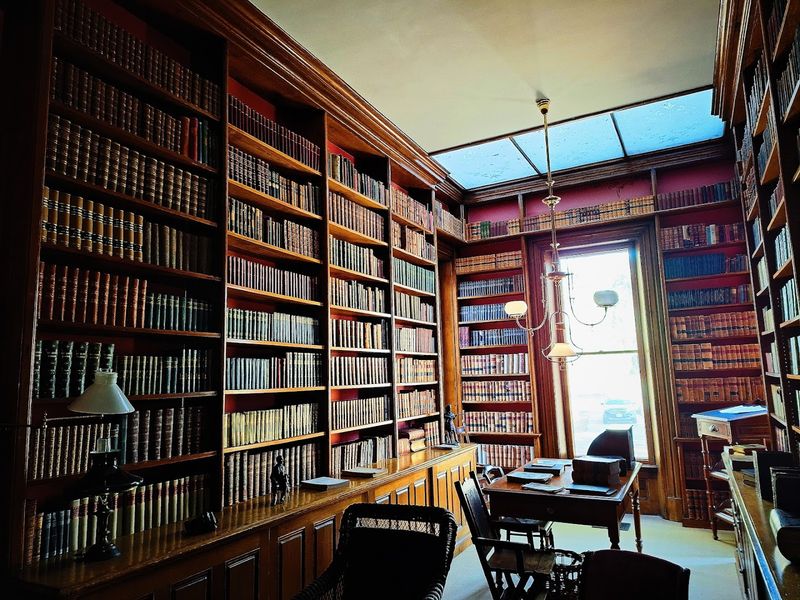
A single adult admission ticket costs $20 and covers quite a bit of ground. That price includes the guided home tour, access to the museum’s three floors, and entry to the library.
AAA members can take $2 off that price, which is worth mentioning before you pay.
The grounds themselves, including the walking paths and the presidential tomb, are free to visit without purchasing a ticket. So if you are passing through Fremont and short on time or budget, you can still walk the mile-long paved loop and see the grave site without spending anything.
Parking is free and plentiful on site, which removes one of the typical headaches of visiting historic sites. The museum is open Monday through Saturday from 9 AM to 5 PM, and Sunday from noon to 5 PM.
Planning to arrive early in the day gives you the best chance of fitting in the home tour, museum, and a walk around the grounds comfortably.
The Grounds That Deserve a Slow Walk
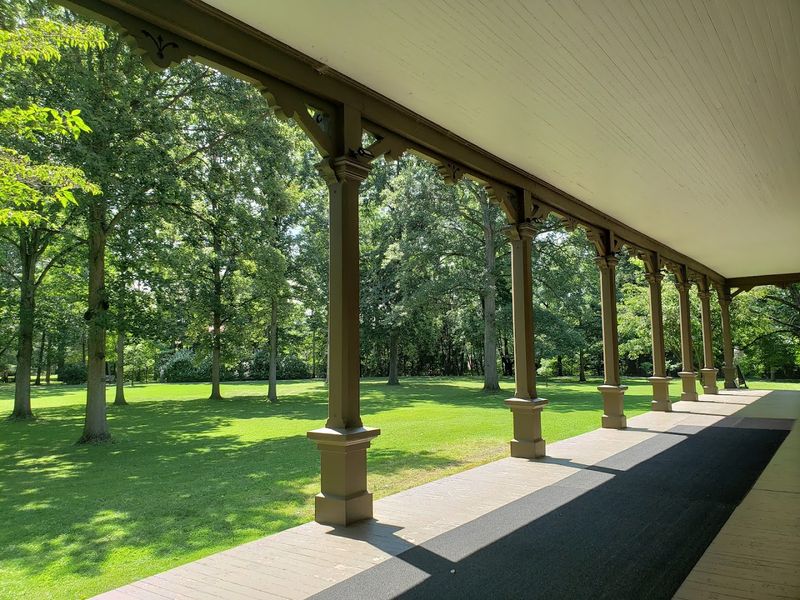
The 25 acres surrounding the mansion are worth exploring at a pace slower than most visitors manage. A mile of paved path circles the outer edges of the property, passing through a diverse collection of trees, many of which are labeled with identification markers.
Tree enthusiasts have been known to spend a surprising amount of time on this part of the visit alone.
The grounds feel genuinely spacious without being overwhelming. There are open lawn areas suitable for a picnic, and the natural setting provides a pleasant contrast to the indoor museum experience.
The property represents only a fraction of the original land holdings the Hayes family once owned, which puts the scale of their estate in a different perspective.
On quieter weekdays, the grounds have a calm, unhurried quality that makes the whole visit feel less like a tourist stop and more like an afternoon spent somewhere that actually matters to American history.
Rutherford B. Hayes the Man Behind the Museum
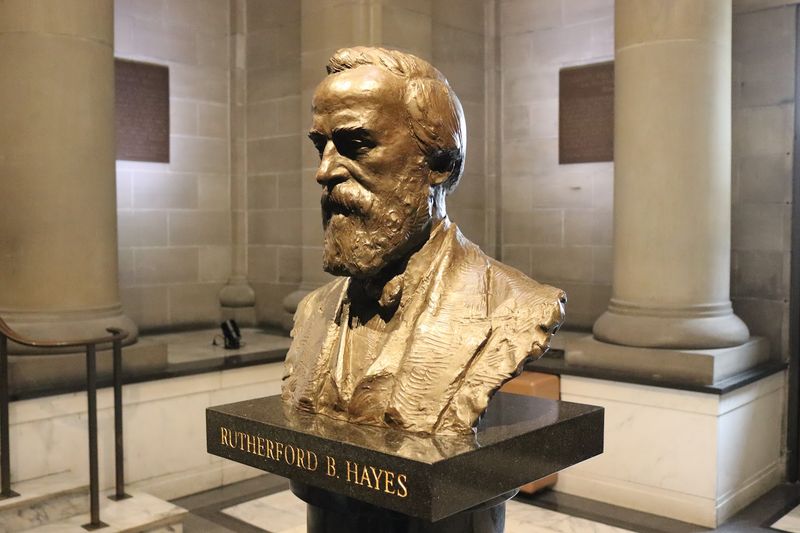
Most people arrive at Spiegel Grove knowing very little about the 19th president, and that is not unusual. Hayes tends to get overshadowed by more frequently discussed presidents in American history courses.
What the museum does well is build a complete picture of who he actually was, not just as a political figure but as a person.
He served as an officer during the Civil War before entering politics, and his presidency from 1877 to 1881 came during a complicated period in American history following Reconstruction. The museum addresses his record honestly and with enough context to make the history feel relevant rather than distant.
His wife Lucy Hayes was also a significant figure in her own right, and the exhibits give her story real attention rather than treating her as a footnote. Many visitors come in with low expectations and leave genuinely impressed by how much the Hayes family contributed to the country during a pivotal era.
Planning Your Visit Around the Home Tour Schedule
The home tour runs on a schedule, and the timing matters more than most first-time visitors realize. Tours fill up, especially on weekends, and if you arrive late in the afternoon you may find that the last tour of the day is already underway without you.
The museum closes at 5 PM every day, and home tours typically wrap up before that. Arriving by midmorning gives you enough time to do the tour, spend two hours in the museum, and still have time for a walk to the tomb and around the grounds before the day ends.
Sunday hours are shorter, with the museum opening at noon rather than 9 AM. If a Sunday visit is your only option, arriving right at noon and prioritizing the home tour first is the smartest approach.
The phone number for the museum is 419-332-2081, and calling ahead to confirm tour times is always a good idea.
What Makes This Estate Stand Out Among Presidential Sites
Presidential sites vary enormously in what they actually offer a visitor. Some are primarily document archives with little to see beyond display cases.
Others focus on the home but have little supporting context. Spiegel Grove is one of the rare places where the home, the library, the museum, and the burial site all exist on the same property and tell a connected story.
Visitors who have toured other major historic estates, including those of George Washington and Dwight Eisenhower, have noted that this property holds its own in terms of preservation quality and depth of content. That is a meaningful comparison given how well-funded many other presidential sites are.
The staff here clearly take the mission seriously. The combination of knowledgeable guides, well-preserved artifacts, and a genuinely attractive setting makes the visit feel substantive rather than obligatory.
It is the kind of place that earns a spot on your list regardless of how much you knew about Hayes going in.
How to Get the Most Out of Your Time Here
Four hours is a realistic minimum if you want to cover the home tour, museum, and grounds without feeling rushed. Many visitors who budget only two hours find themselves wishing they had planned for more.
The museum alone can absorb two hours if you read the displays carefully rather than scanning past them.
Wear comfortable shoes because the grounds involve more walking than the indoor spaces suggest. The paved paths are smooth, but covering the full mile loop plus the walk to the tomb adds up.
The museum’s website at rbhayes.org has current information on tour availability, special events, and any seasonal programming worth checking before your trip.
Children tend to engage well with the home tour, particularly because the guides make the Hayes family feel relatable rather than remote. The carriage rides available on the property add a hands-on element that younger visitors especially seem to enjoy.
This is genuinely a place where the whole family finds something worth their attention.
Share this story