 Unearth The Voyage
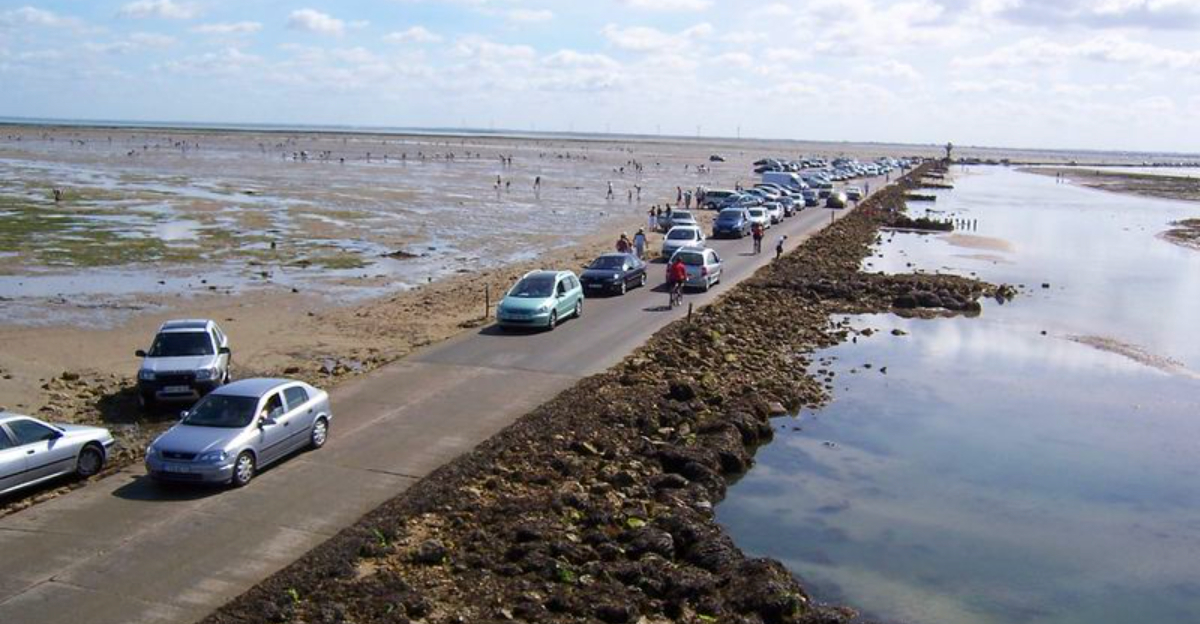
Driving down an ordinary-looking road feels harmless until you notice the ocean creeping in from both sides. That’s exactly what happens at Passage du Gois in France, a bizarre stretch of pavement that plays hide-and-seek with the Atlantic twice every day. It isn’t an abandoned relic or a planning mistake.
It’s a working road that simply doesn’t stay dry, vanishing under several meters of seawater when the tide comes in and returning when the water pulls back.
1. It’s a real road but it runs on the ocean’s schedule
Most roads follow traffic laws. This one follows the moon.
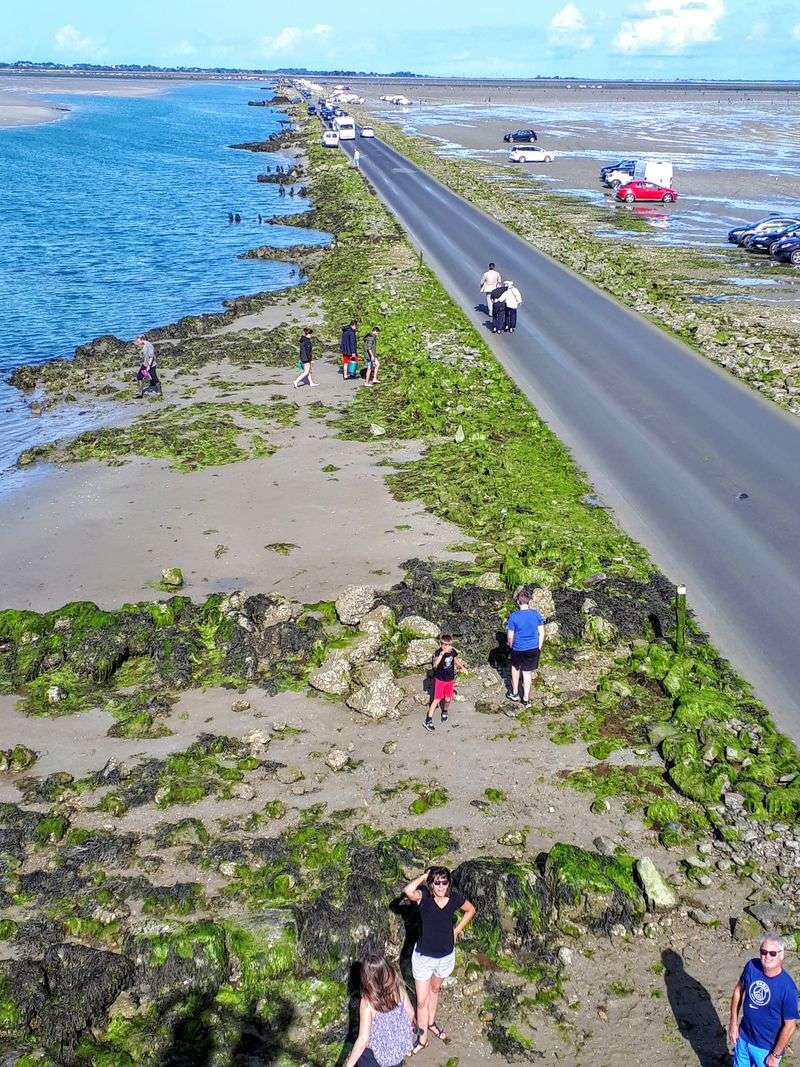
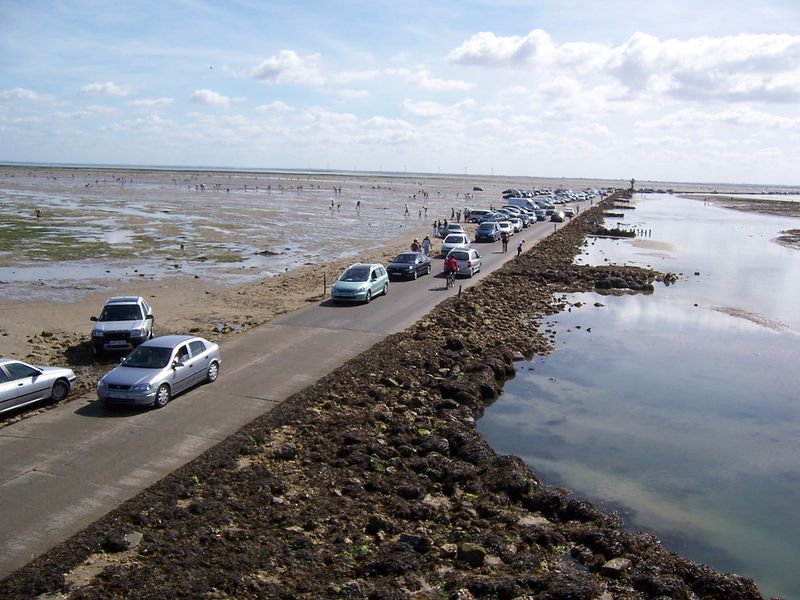
Passage du Gois connects Beauvoir-sur-Mer on the French mainland to Noirmoutier Island in Vendée, and it operates on nature’s clock, not yours.
When the tide is low, you can drive across like it’s any other seaside route. When the tide comes back in, the road vanishes completely beneath the Atlantic, and trying to cross becomes a genuinely dangerous idea.
There’s no override button, no detour that keeps it open.
The causeway doesn’t apologize for its schedule. It’s been doing this for centuries, long before anyone thought to pave it or put up warning signs.
Locals know the rhythm by heart, but visitors often stare in disbelief when they realize the road they just drove on is now several feet underwater.
What makes it even stranger is how normal it looks during low tide. You’d never guess this humble strip of pavement has such a dramatic double life.
But twice a day, like clockwork, the ocean reclaims what’s technically its turf, reminding everyone that nature still writes the rules here.
2. It stretches for a little over 4 km of ‘now you see it, now you don’t’
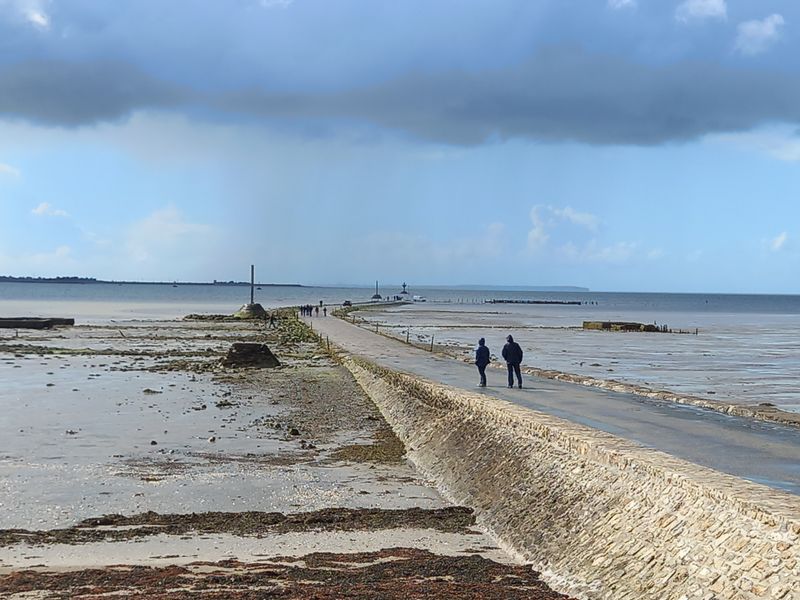
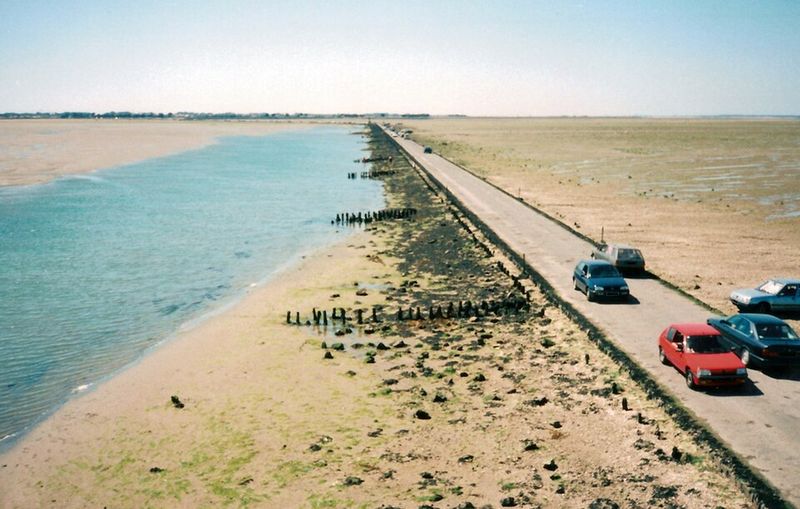
Four point one kilometers doesn’t sound like much until you’re halfway across and realize the tide waits for no one. That’s the exact length of Passage du Gois, and it’s just long enough to make timing absolutely critical.
You can’t sprint across this road if you’ve miscalculated. Even driving at a reasonable speed, it takes several minutes to complete the crossing, and those minutes matter when water is rising around you.
There’s no shortcut, no emergency lane that stays magically dry.
The distance also means you’re committed once you start. Turning around midway isn’t always an option, especially if other vehicles are behind you or the surface is already getting slick.
It’s a one-way gamble with the ocean, and the ocean has a perfect track record.
Standing at either end and looking across, the causeway seems to stretch into infinity, especially when the mudflats are exposed and the horizon blurs. It’s beautiful in a surreal way, but that beauty comes with a very real reminder that you’re crossing something that belongs to the sea far more than it belongs to you.
3. It floods twice a day, every day
Forget about weather forecasts or freak storms. This road floods on a schedule so predictable you could set your watch by it.
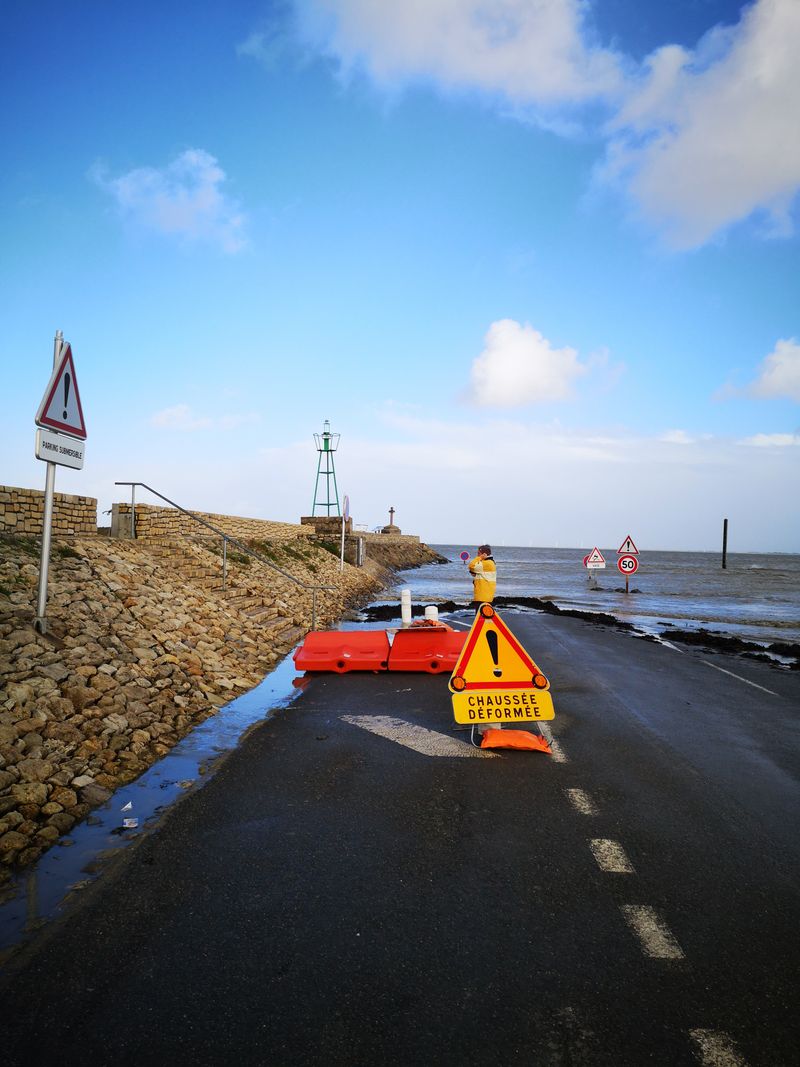
Twice every single day, the Atlantic rolls in and swallows the causeway whole, and twice a day it retreats to reveal the road again.
It’s not a design flaw. The entire point of Passage du Gois is that it’s a submersible causeway, built with the understanding that the ocean would reclaim it regularly.
Engineers didn’t fight the tides, they just worked around them.
What’s wild is how routine it all feels to locals. They check tide tables the way most people check traffic apps, and they plan their trips accordingly.
For them, a flooded road isn’t an emergency; it’s just Tuesday.
But for first-time visitors, watching the ocean creep across pavement that was bone-dry an hour earlier is unsettling. The water doesn’t trickle in politely.
It arrives with purpose, covering the road faster than you’d expect, transforming a drivable surface into something that looks more like a shallow sea than a transportation route.
4. The safe crossing window is smaller than most people expect
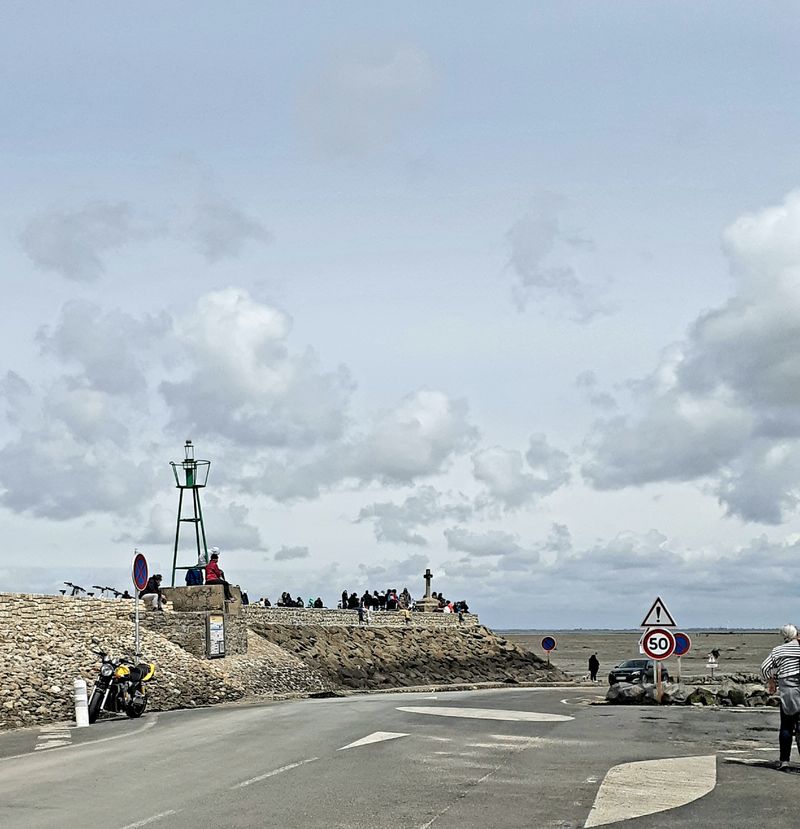
Here’s the rule that keeps people safe: you’ve got roughly 1.5 hours before low tide and 1.5 hours after. That’s your window.
Miss it, and you’re either stuck waiting or making a very bad decision.
Three hours sounds generous until you factor in the actual drive time, parking, and any delays. Suddenly that window feels a lot tighter, especially if you’re unfamiliar with the area or traveling with kids who need bathroom breaks.
Tide coefficients also play a role, meaning the window isn’t always identical. Some days you get a little more breathing room; other days the ocean is less forgiving.
That’s why locals emphasize checking the posted times rather than assuming you know the schedule.
I’ve watched tourists arrive ten minutes too late, staring at the rising water with the kind of disbelief usually reserved for missed flights. The road doesn’t care about your itinerary.
It operates on tidal logic, and tidal logic is non-negotiable. If you’re even slightly unsure, the smart move is to wait for the next cycle rather than risk it.
5. The ‘open’ time can change – sometimes it feels generous, sometimes it doesn’t
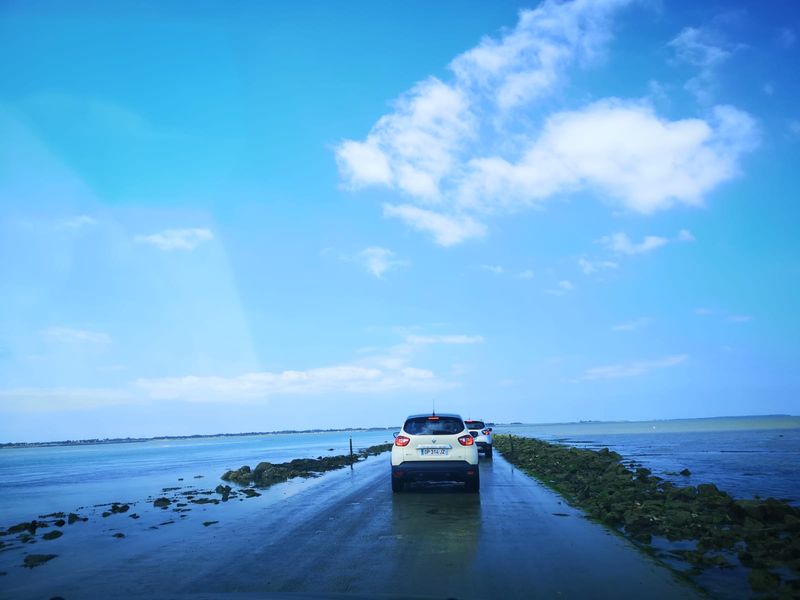
Depending on how strong the tide is running, the causeway might be fully exposed for two hours or closer to five. That range is exactly why tide boards exist and why ignoring them is a terrible idea.
Stronger tidal coefficients mean faster flooding and a shorter window. Weaker tides give you more time to cross, explore, or even take photos without feeling rushed.
But you won’t know which kind of day it is unless you check.
Some visitors assume the road is either open or closed, with no middle ground. Reality is messier.
The edges of the causeway flood first, and the center stays drivable longer, which can create a false sense of security if you’re not paying attention.
Locals have learned to read the subtle cues, how wet the pavement looks, how far the water has crept up the refuge towers, even how the seabirds are behaving. Tourists don’t have that instinct, which is why the posted times aren’t suggestions.
They’re survival instructions dressed up as helpful information, and treating them as optional is how people end up stranded on rescue towers.
6. At high tide, the sea doesn’t politely ‘cover’ it – it claims it
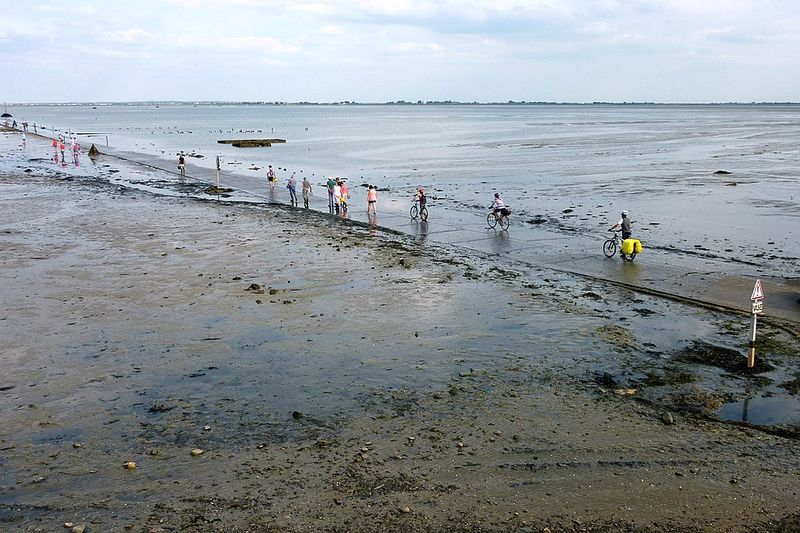
When the tide comes in, we’re not talking about a few inches of water lapping over the edges. The causeway can disappear under 1.5 to 3 meters of seawater, depending on conditions.
That’s well past “my shoes got wet” and firmly into “where did the road go” territory.
Three meters is taller than most people. It’s enough to submerge a car entirely, and it happens with surprising speed once the tide commits.
What was a drivable surface an hour ago now looks like open ocean, with no hint that pavement exists underneath.
Standing on the shore and watching it happen is eerie. The road doesn’t gradually fade, it gets swallowed.
One moment you can see the center line; the next, there’s just water stretching to the horizon.
This isn’t a puddle you can wade through or a flooded underpass you can risk. It’s the Atlantic Ocean doing what it’s done for thousands of years, reclaiming space that technically belongs to it.
The road is just borrowing that space twice a day, and the ocean always, always takes it back.
7. There are rescue towers for a reason (and they’re not decorative)
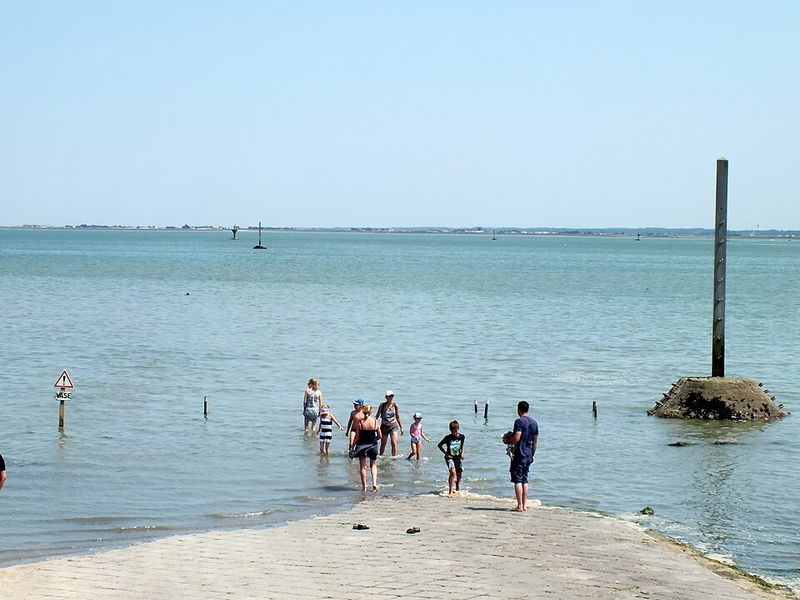
Scattered along the causeway, you’ll notice tall towers rising above the road surface. They’re not art installations or quirky landmarks.
They’re rescue platforms, built specifically for people who miscalculate, break down, or otherwise find themselves trapped as the tide rolls in.
Each tower has a ladder leading up to a small platform above the high-water mark. If you’re stuck, you climb up and wait for the tide to recede, which can take hours.
It’s not comfortable, but it beats the alternative.
The fact that these towers exist at all tells you everything you need to know about how often people get stranded. They’re not there for rare emergencies, they’re there because this happens regularly enough that permanent infrastructure was necessary.
Seeing one up close is sobering. The ladder is rusted from salt spray, the platform is just big enough for a few people, and there’s no shelter from wind or rain.
It’s a last-resort option, not a plan. Yet every year, someone ends up clinging to one of these towers, watching their car disappear under rising water, learning the hard way that the ocean doesn’t negotiate.
8. The surface can be slick even when it looks dry
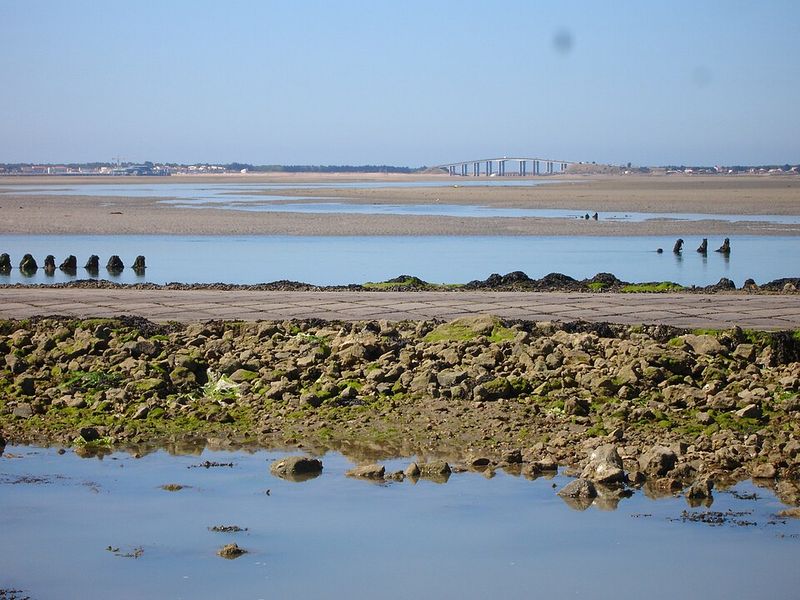
Even when the tide is out and the road appears perfectly drivable, the surface can be treacherous. Mud, algae, and leftover seawater create a slick coating that makes the causeway feel more like an ice rink than a proper road.
Cars can slide if drivers aren’t careful, and pedestrians have been known to lose their footing on the slippery patches. It’s especially bad near the edges of the crossing window when the road is still drying out or just starting to get wet again.
The algae is the real culprit. It grows on the pavement during submersion, and when exposed, it creates a slick film that’s nearly invisible.
You don’t realize how slippery it is until your tires lose traction or your feet go out from under you.
Locals know to take it slow, even when the road looks clear. Speed limits exist for a reason here, and exceeding them isn’t just reckless, it’s a recipe for ending up sideways on a mudflat with the tide coming in.
Slow and steady isn’t just good advice; it’s the only smart way to cross.
9. Tide signage is part of the experience – use it like your life depends on it
On both ends of the causeway, you’ll find posted tide times and warnings. They’re not suggestions or helpful hints, they’re the difference between a safe crossing and a very expensive rescue operation.
The signs are updated regularly and account for local conditions. Ignoring them because you think you know better, or because you’re in a hurry, is how people end up stranded.
The practical rule is simple: if you’re unsure, don’t enter.
What’s interesting is how seriously locals take these signs. They don’t glance at them casually – they study them, double-check the times, and plan accordingly.
Tourists, on the other hand, often treat them like museum placards: interesting to read but not actually binding.
The signage isn’t there to ruin your day or limit your freedom. It’s there because people have drowned on this causeway.
The ocean doesn’t care about your vacation schedule or your confidence. It follows physics and the pull of the moon, and no amount of optimism will change that.
So when the sign says don’t cross, believe it.
10. It’s not just for cars – walking and cycling can be even better
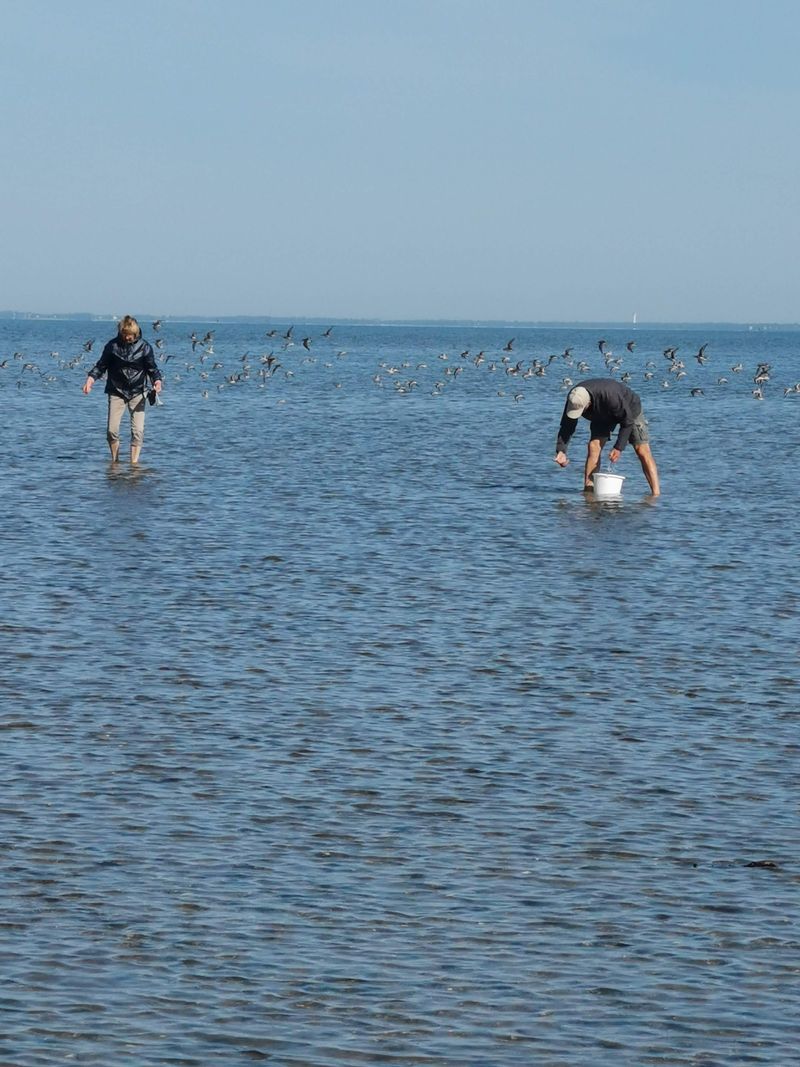
Crossing on foot or by bike gives you a completely different perspective. You can feel the strange texture of the road, smell the salt air, and hear the squelch of mud under your shoes.
It’s surreal in a way that driving just can’t capture.
Walking lets you stop and take in the weirdness of standing on a road that will be underwater in a few hours. You can watch seabirds picking through the mudflats, feel the wind coming off the ocean, and genuinely appreciate how bizarre this whole setup is.
Cyclists love it because the causeway is flat and relatively straight, making for an easy ride with incredible views. But the slick surface means you need to be cautious, especially if you’re on narrow tires that can slide on wet algae.
There’s something primal about crossing on foot. You’re moving at a pace that lets you notice details—the way the water pools in low spots, the shimmer of wet pavement, the distant sound of waves.
It’s less convenient than driving, but it’s infinitely more memorable. Just don’t forget to check the tide times before you start.
11. The name itself hints at wet feet and old language
Locally, the name Gois is believed to come from old dialect roots meaning something like walking while getting your feet wet. Basically, the name is a built-in warning label that’s been sitting in plain sight for centuries.
It’s not a glamorous or mysterious name, it’s practical, almost comically straightforward. The people who named it weren’t trying to be poetic; they were stating a fact.
If you cross here, you’re going to get wet. That’s the deal.
Language scholars debate the exact etymology, but the consensus is that Gois refers to the act of wading or walking through water. Some versions suggest it means a ford or shallow crossing, which makes sense given the causeway’s tidal nature.
What’s charming is how the name has stuck. Even as the road was paved and modernized, nobody tried to rebrand it into something fancier.
Passage du Gois remains Passage du Gois, a name that perfectly captures the experience: you’re passing through, and yes, you’re probably going to get your feet wet, either literally or metaphorically.
12. For centuries, this was the dramatic way to reach Noirmoutier
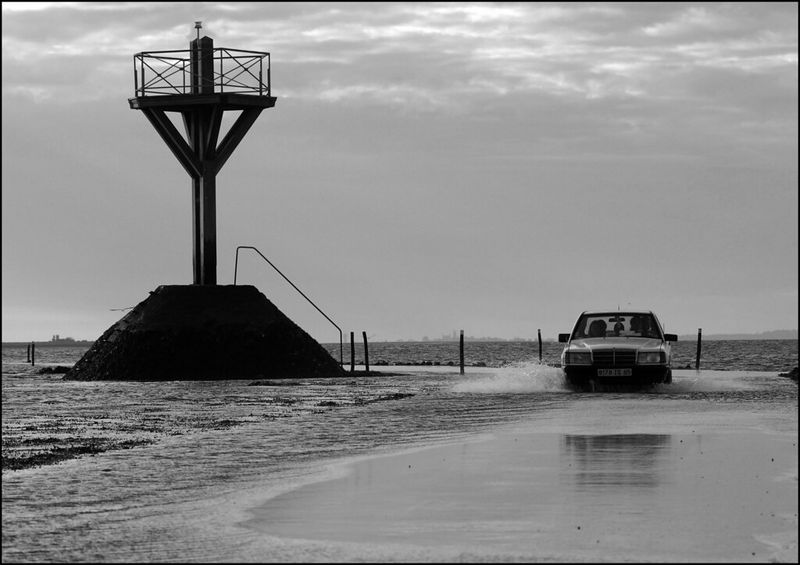
Long before bridges and modern convenience, this tidal crossing was the primary connection between Noirmoutier Island and the mainland. People relied on it for trade, travel, and daily life, timing their movements around the tides because there was no alternative.
Imagine planning your entire day around a road that only exists part-time. That was reality for generations of islanders.
They knew the tides by heart, passed down schedules through families, and accepted that the ocean dictated their comings and goings.
The causeway carried everything from farmers taking goods to market to families visiting relatives on the mainland. It was vital infrastructure, even though it disappeared twice a day.
There was no backup plan, no detour, just patience and respect for the tides.
Today, with the bridge offering a reliable alternative, Passage du Gois has shifted from necessity to novelty. But it still carries that energy of historical importance, a reminder that people once depended on this bizarre road for survival.
Crossing it now feels like stepping into that history, walking the same path that countless others have walked, always with one eye on the tide.



