 Unearth The Voyage
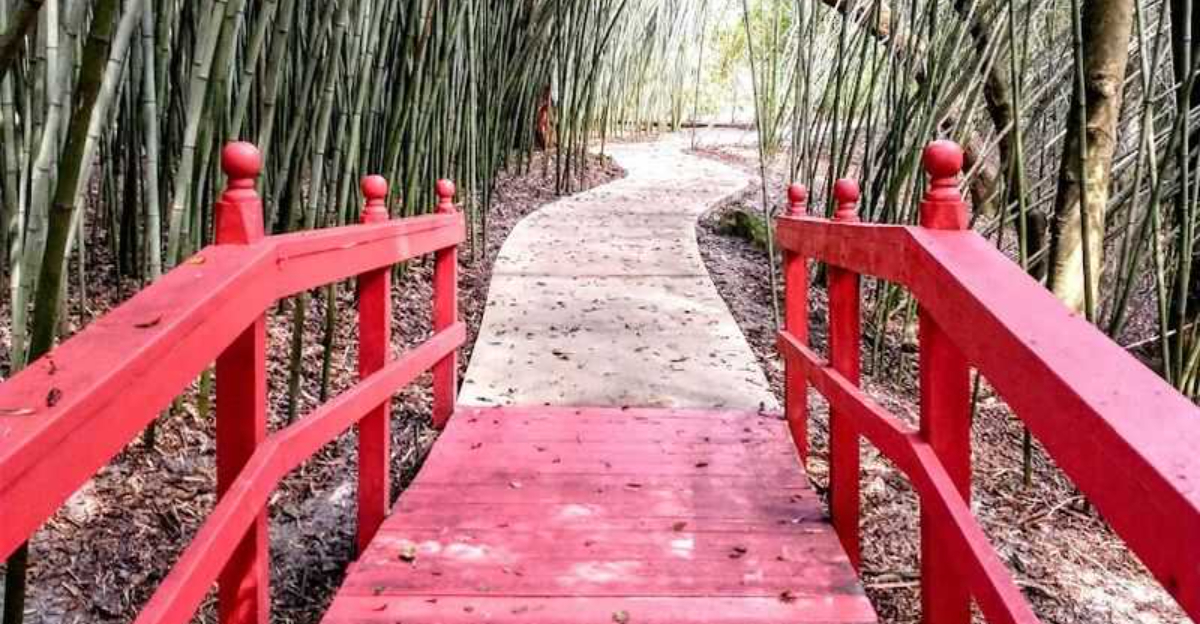
There is a place in Gainesville, Florida, where towering bamboo casts long shadows over quiet paths, giant water lilies float like green platters on still ponds, and butterflies drift between blooms as if they own the place. It covers more than 60 acres and costs just $12 to get in, which makes it one of the best-value outdoor experiences in all of North Florida.
Whether you are a plant enthusiast, a family looking for a nature-filled afternoon, or someone who simply needs a peaceful escape from the noise of daily life, this botanical garden delivers on every front. From rare themed gardens to kid-friendly playgrounds and dog-friendly trails, there is genuinely something here for everyone, and the deeper you wander in, the more surprises you find waiting around each bend.
Finding the Garden: Address, Hours, and What to Expect at the Gate
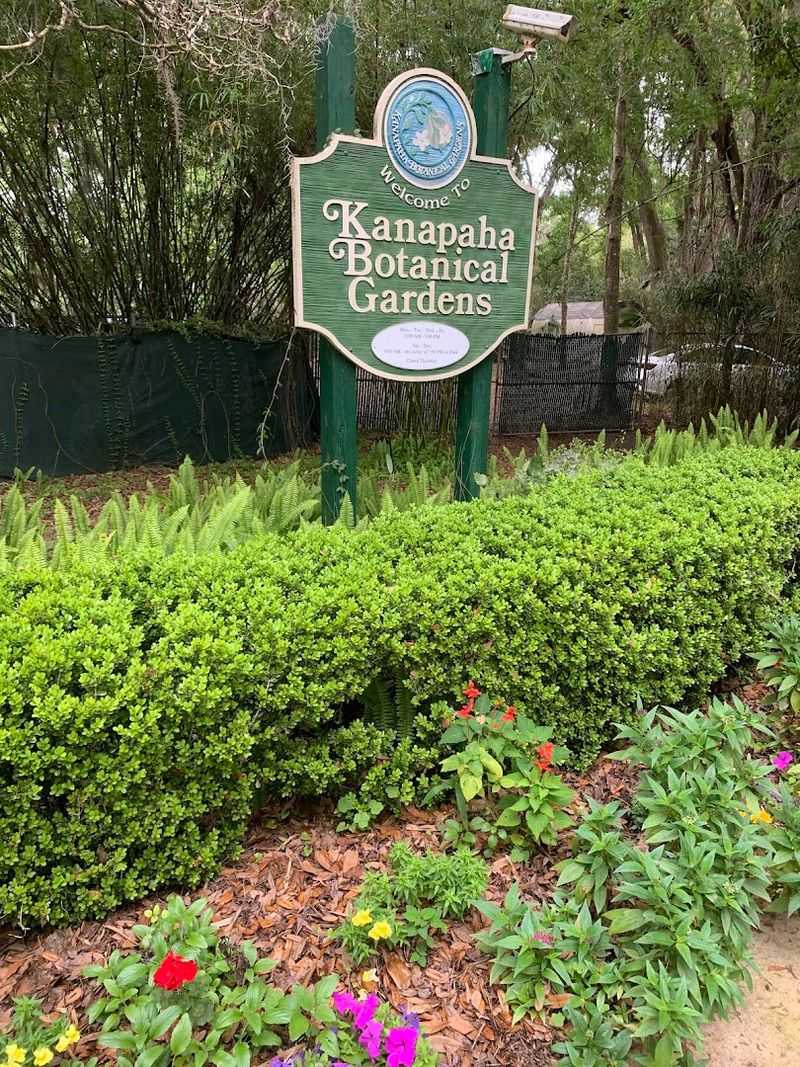
Kanapaha Botanical Gardens sits at 4700 SW 58th Dr, Gainesville, tucked into a green corner of Alachua County that feels worlds away from the busy roads nearby. The gardens are open Tuesday through Sunday from 9 AM to 5 PM, and they are closed on Thursdays, so plan your visit accordingly.
Admission is $12 for adults and $7 for children over five, which is genuinely reasonable for 60-plus acres of curated natural beauty. The entrance area is welcoming, with friendly staff ready to hand you a map and point you in the right direction.
Arriving before noon on a weekday gives you the best chance of having the trails mostly to yourself, which makes the whole experience feel even more special.
The Bamboo Forest: A Living Cathedral of Green
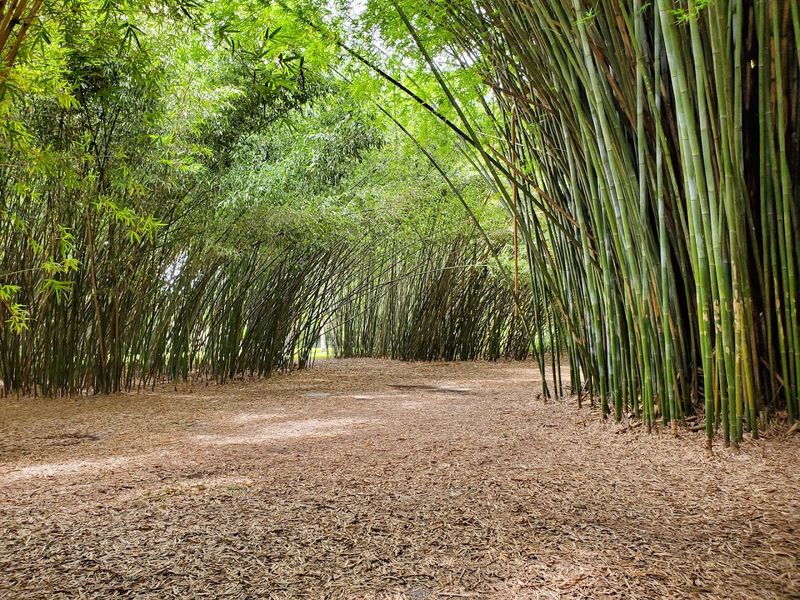
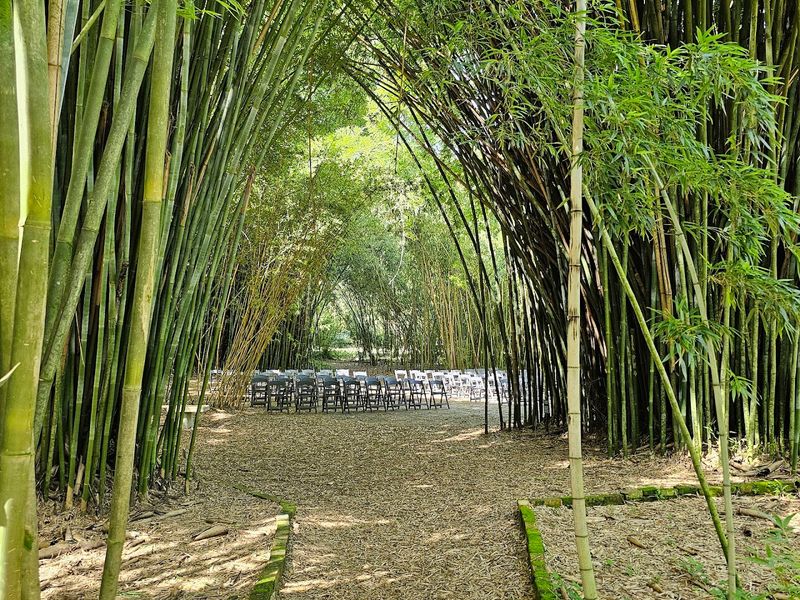
Few things at Kanapaha stop visitors in their tracks quite like the bamboo forest. The stalks grow so tall and so close together that the canopy overhead blocks out the sky, creating a hush that feels almost sacred.
Light filters through in thin golden strips, and the only sounds are the soft creak of bamboo and the crunch of your footsteps on the path below.
The bamboo here reaches impressive heights, with some species growing thick enough that you could wrap both hands around a single stalk and still not touch your fingers. It is the kind of natural feature that photographs beautifully but feels even more powerful in person.
Many visitors say the bamboo grove alone is worth the price of admission, and it is easy to understand why once you are standing inside it, surrounded by green in every direction and feeling genuinely far from the ordinary world.
Giant Water Lilies: Nature’s Most Dramatic Floating Display
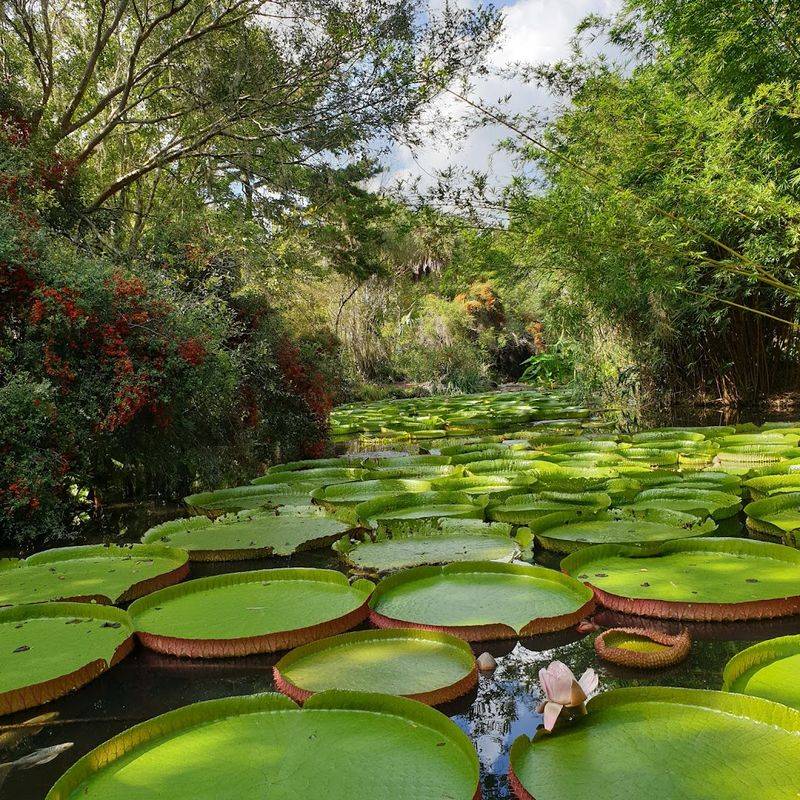
The giant water lilies at Kanapaha are the kind of natural spectacle that makes you stop walking and just stare. These are not the modest pond lilies you might find at a garden center.
The pads here can grow large enough to support the weight of a small child, with upturned edges that make them look like enormous green platters arranged on the surface of a still pond.
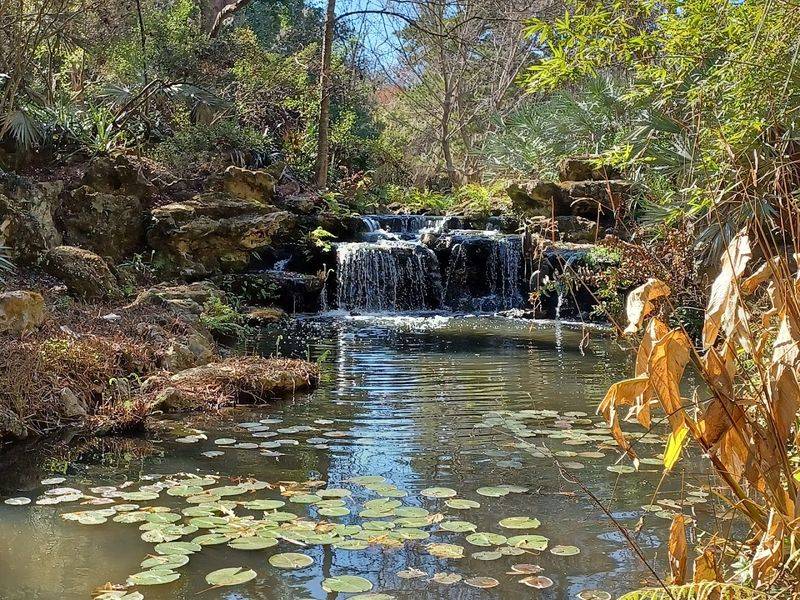
They are most impressive during the warmer months, typically from late spring through early fall, so if you visit in winter you may find the pond quieter than expected. That said, the surrounding area remains beautiful year-round, with other aquatic plants and the occasional heron keeping the scene lively.
Visiting in summer practically guarantees the full show, and watching the blooms open in the morning light is one of those small, unhurried pleasures that reminds you why getting outside matters so much.
Themed Gardens Galore: More Variety Than You Can Cover in One Visit
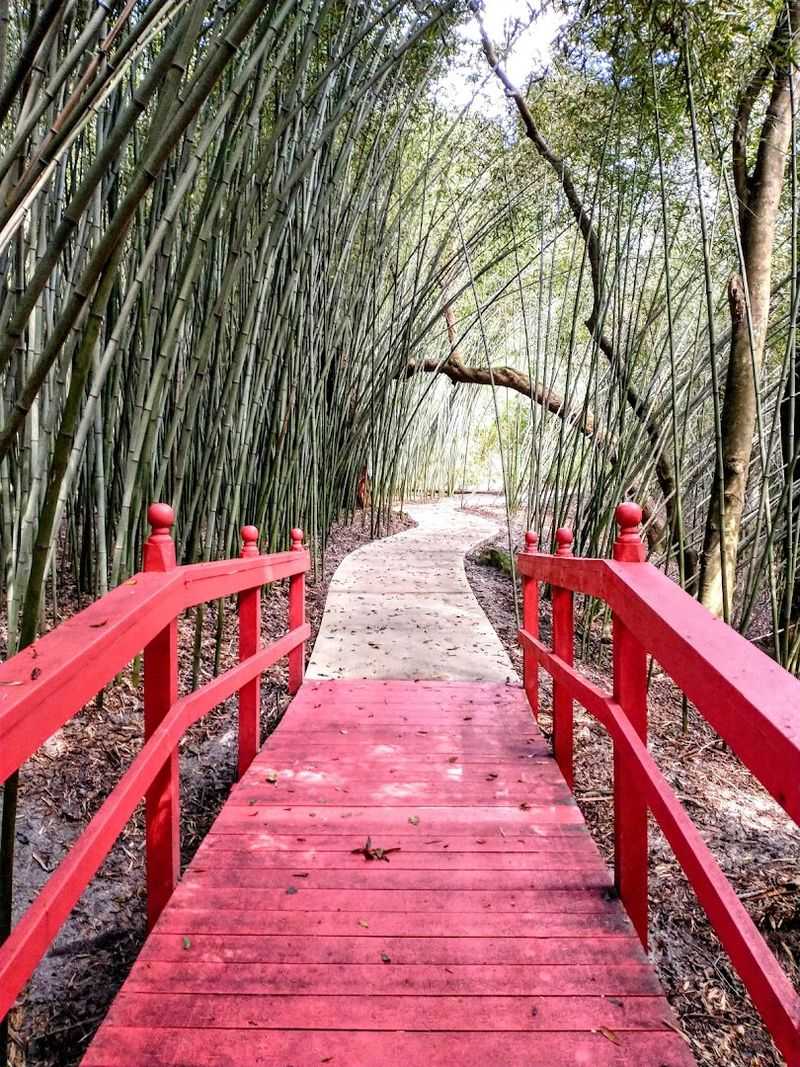
One of the most delightful surprises at Kanapaha is how many distinct themed garden areas are packed into the property. There are herb gardens, a hummingbird garden, a butterfly garden, a camellia garden, and sections dedicated to azaleas, vines, and native Florida plants, among others.
Each area has its own character and pace.
The variety means that no matter when you visit, something is likely to be in bloom. Camellias and azaleas put on a show in late winter and early spring, while the butterfly garden buzzes with activity well into September and October.
Banana trees, lemon trees, and tangerine trees grow in one section, which feels delightfully unexpected for a botanical garden in North Florida.
Signage throughout the gardens is generally thorough, with labels identifying plants by both common and scientific names, so even casual visitors leave knowing a little more about the green world around them than when they arrived.
The Hummingbird Garden: A Tiny World with a Lot of Energy
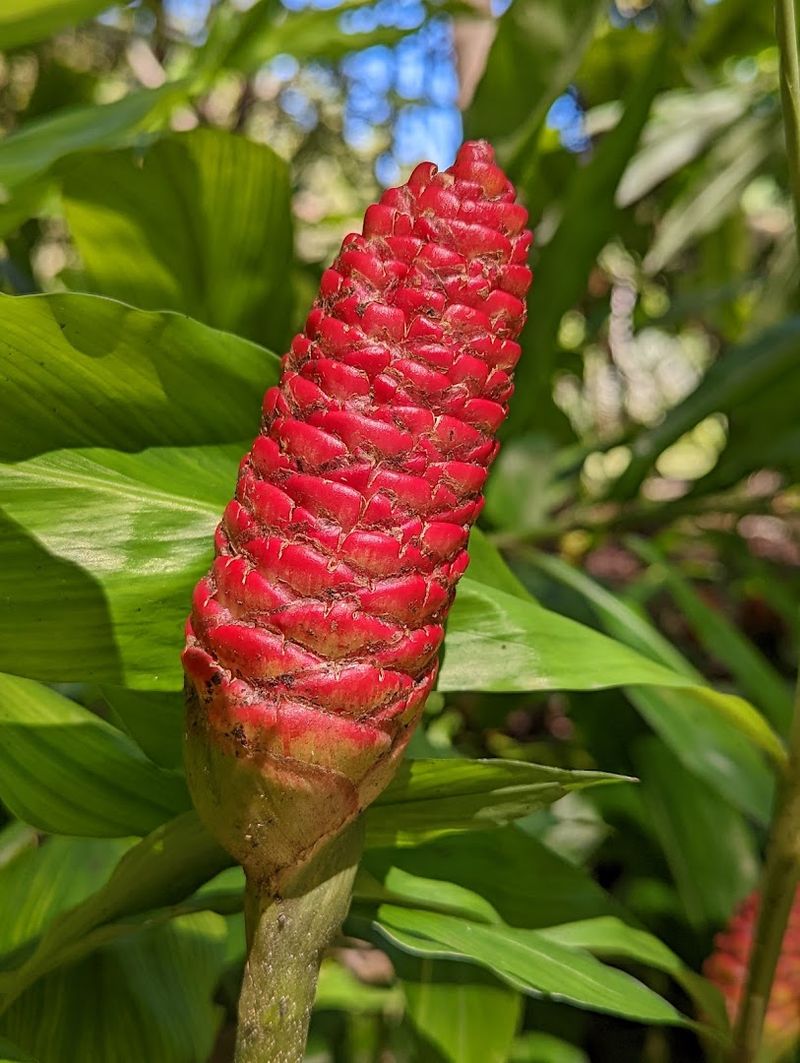
The hummingbird garden at Kanapaha is a compact but carefully designed space that draws one of nature’s most entertaining visitors. Planted with tubular flowers in shades of red, orange, and pink, the garden is practically a hummingbird buffet, and during peak season the tiny birds dart between blooms so fast it is almost hard to follow them with your eyes.
Even when hummingbirds are not actively feeding, the garden itself is worth a slow walk through. The plant selection is intentional and educational, with each species chosen specifically for its nectar production and its appeal to pollinators.
Butterflies and bees are frequent visitors too, making this one of the liveliest corners of the entire property.
Bring a camera with a fast shutter speed if you want to catch a hummingbird mid-hover. Patience helps too, because the best moments tend to come to those who stand still and simply let the garden come alive around them.
The Trails: Two Miles of Well-Maintained Paths Through 60 Acres
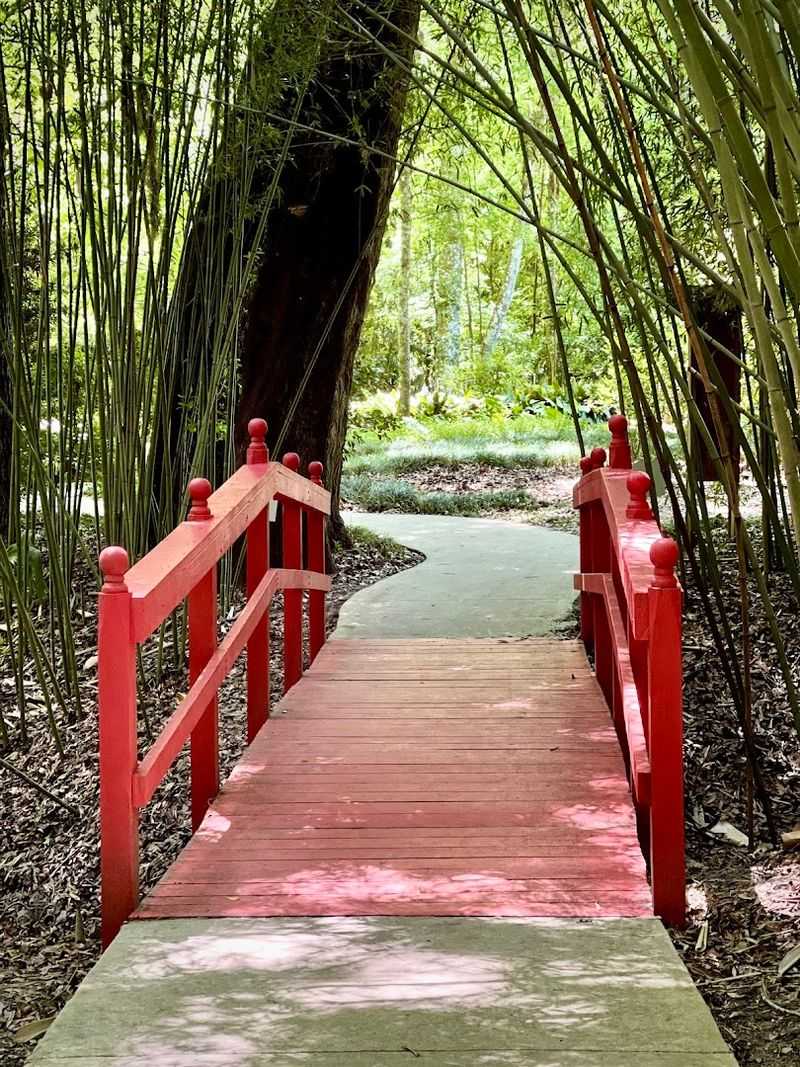
Two miles of trails wind through the property, and most of them are paved, shaded, and easy to walk at a relaxed pace. The layout is not a single straight path but rather a network of loops and branches that lets you choose your own route and discover different sections of the garden at your own speed.
Most of the trails are wheelchair accessible, which is a thoughtful detail that makes the garden welcoming to a wider range of visitors. A few narrower dirt paths branch off into more naturalistic areas for those who want a slightly more rugged feel.
The shade coverage is generous, with tall trees and dense plantings keeping the temperature noticeably cooler than the open Florida sun outside the garden gates.
A typical visit covering most of the property takes about one to two hours, though it is easy to stretch that time if you linger at the bamboo grove or the water lily pond.
Butterflies, Bees, and Wildlife: The Garden’s Uninvited (and Welcome) Guests
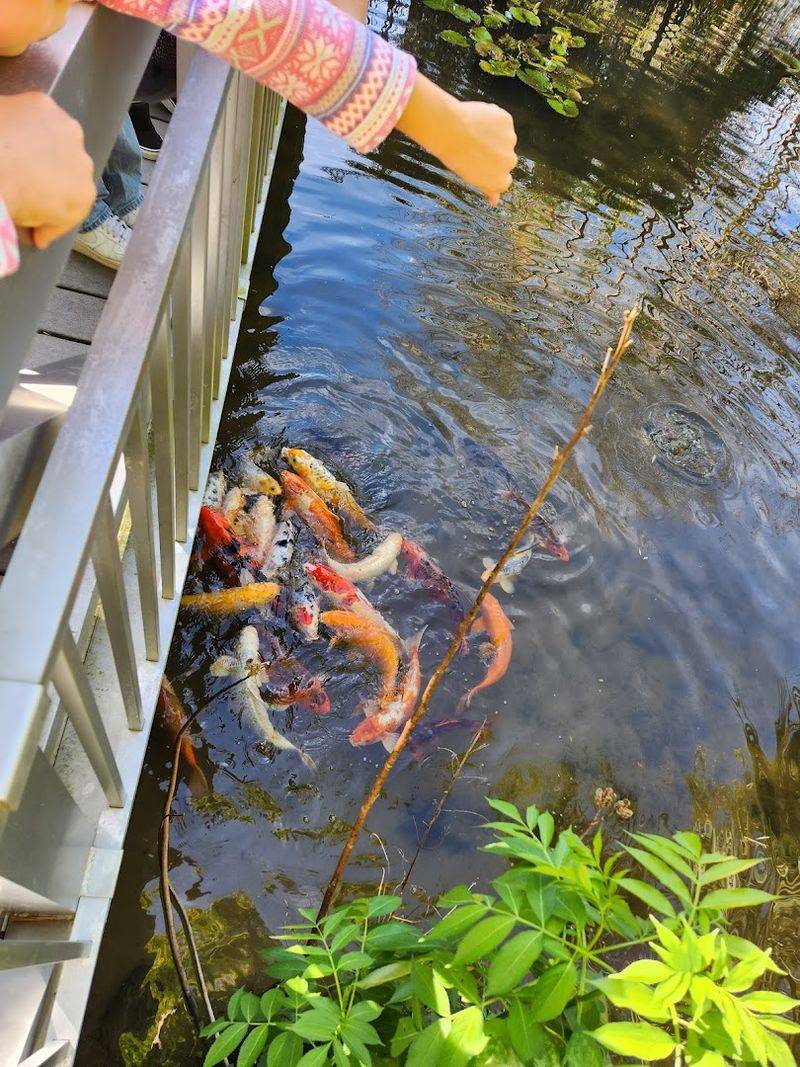
Kanapaha is not just a garden for plants. The biodiversity here extends well beyond the root system, with butterflies, bees, koi fish, herons, and other wildlife turning the property into something closer to a living ecosystem than a traditional display garden.
On a good September afternoon, the butterfly count alone is enough to make you stop and count species.
Koi fish glide through a nearby pond with the unhurried confidence of creatures who know they are admired, and the occasional great blue heron stands motionless at the water’s edge as if it were part of the landscape design. The combination of native plants and cultivated species creates a habitat that supports pollinators in meaningful numbers throughout most of the year.
For families with curious kids, the wildlife element adds a layer of excitement to the visit that goes beyond just looking at plants, turning an afternoon walk into something closer to a genuine nature adventure.
Dog-Friendly Trails: Bringing Your Four-Legged Companion Along
Good news for dog owners: Kanapaha Botanical Gardens welcomes leashed dogs on its trails, which makes it one of the more pet-inclusive botanical spaces in the region. The rule is a non-retractable leash, which keeps things safe for other visitors and the garden’s resident wildlife.
Most of the paved trails are comfortable for dogs of all sizes and ages.
The shaded paths are a genuine bonus during Florida’s warmer months, since walking a dog through direct sun on a hot afternoon is no fun for either of you. The varied smells, sounds, and sights of the garden seem to delight dogs just as much as their owners, and the relatively quiet atmosphere on weekday mornings makes for a relaxed outing.
Just pack water for your pet, since there are limited water stations along the trails. A collapsible bowl and a small bottle go a long way toward keeping a happy, hydrated hiking companion by your side for the full two miles.
Best Times to Visit and Seasonal Highlights Throughout the Year
Kanapaha rewards visitors in every season, but the experience shifts quite a bit depending on when you arrive. Late winter and early spring bring azaleas and camellias into full bloom, covering entire sections of the garden in pink, white, and red.
Spring and summer are when the giant water lilies reach their peak, and the butterfly garden is at its most active from late summer into fall.
October visits tend to offer comfortable temperatures and surprisingly rich color, with plenty of flowers still open and the bamboo looking its most dramatic. Even a winter visit has its charms, since the garden’s structure, the layered plantings, the ponds, and the towering bamboo remain visually compelling regardless of what is in bloom.
The post-holiday window in January and February is one of the quietest periods, which means fewer crowds, cooler air, and a meditative quality to the trails that feels like a genuine reward for showing up in the off-season.
Tips, Admission, and Making the Most of Your Visit
A few practical notes can make your visit significantly smoother. Admission is $12 for adults and $7 for children over five, which is a fair price for what is on offer.
Arriving at opening time around 9 AM gives you the coolest part of the day and the quietest trails, especially on weekdays. Bug spray is genuinely worth packing, particularly in summer and fall.
The gift shop near the entrance is small but well-curated, with plant-related items and garden gifts that make for easy souvenirs. Staff members are knowledgeable and approachable, and if you are lucky enough to cross paths with one of the garden’s more experienced team members, do not hesitate to ask questions.
The answers can turn a pleasant walk into a genuinely educational experience.
Most importantly, give yourself at least 90 minutes. The garden rewards slow walkers who pause, look closely, and let the details of each section reveal themselves rather than rushing toward the exit.



