 Unearth The Voyage
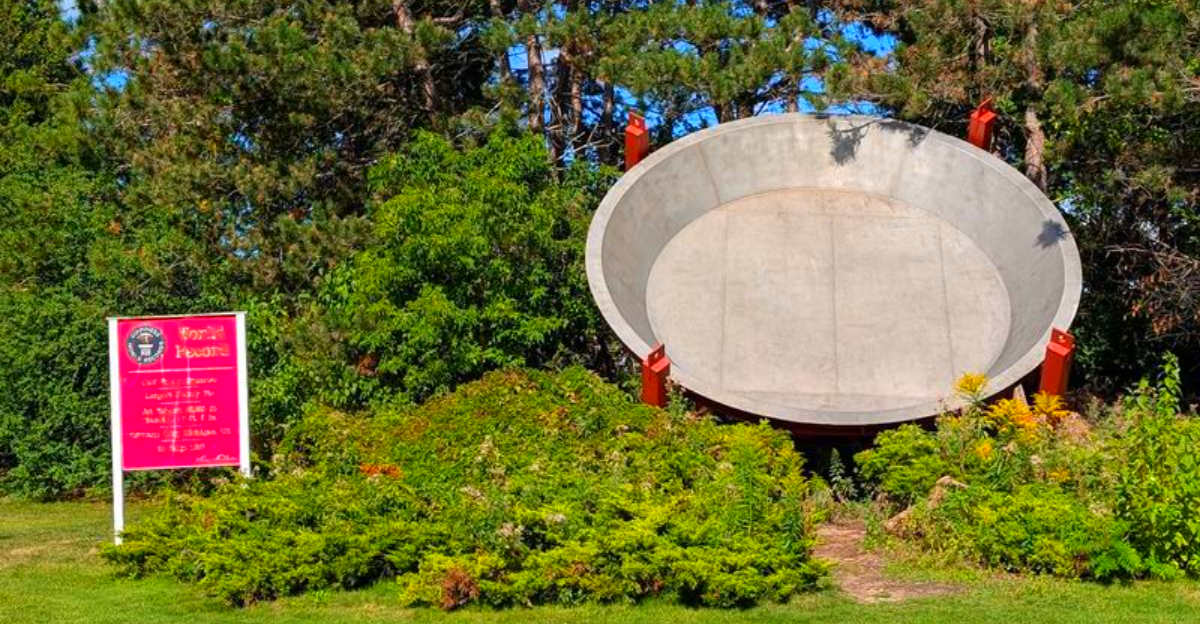
Traverse City, Michigan is known for one thing above all else: cherries. That reputation led to a Guinness World Record in 1987, when a local team baked a cherry pie weighing more than 28,000 pounds.
The oversized aluminum pan used for that pie still sits along a roadside, turning a local achievement into a stop travelers actively seek out. It is not just a quirky landmark.
It represents the scale of the region’s cherry industry and the pride behind it.
What makes this worth your time is the story behind it. A record-breaking bake, a determined local bakery, and a town that fully leans into its identity all come together in one unexpected place.
Where to Find the Giant Pan and What to Expect on Arrival
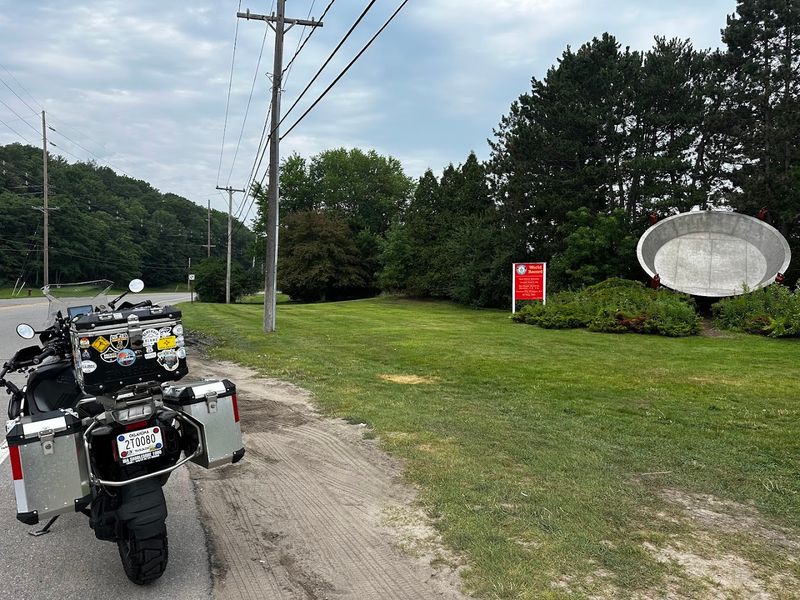
The World’s Largest Cherry Pie Pan sits at 3424 Cass Rd, Traverse City, MI 49684, right along the road in what feels like an unexpectedly casual setting for a Guinness World Record holder.
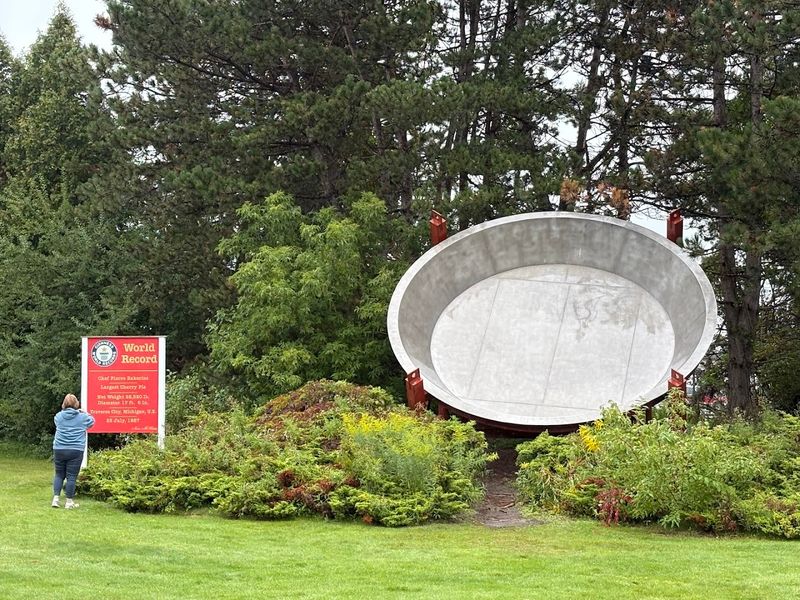
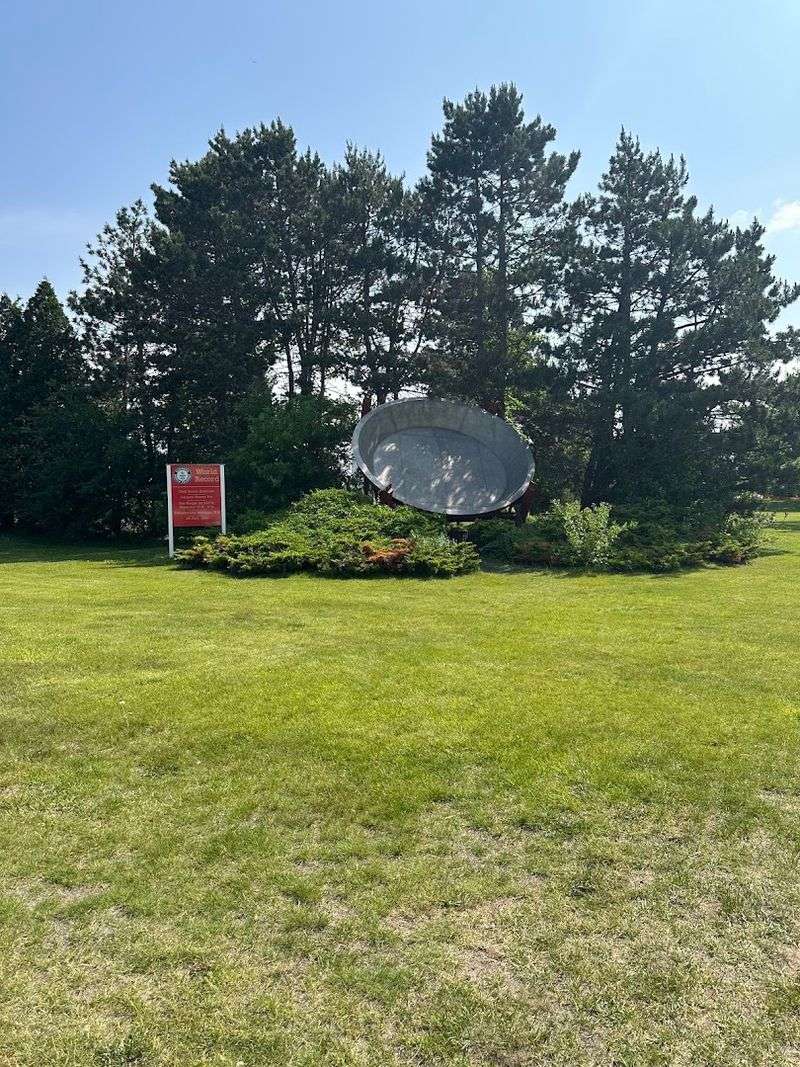
There is no grand entrance, no ticket booth, and no staff to greet you. The pan is just there, resting in the grass and overgrown bushes, as if it wandered off from a bakery the size of an airplane hangar and decided to retire here.
Parking is informal at best. Most visitors pull off onto the worn grass shoulder of the road, though a small vacant lot nearby offers a slightly more organized option.
The attraction is open 24 hours a day, every day of the week, and admission is completely free. It is not the most polished roadside stop in Michigan, but that rough-around-the-edges quality is honestly part of its charm.
The Record-Breaking Pie That Started It All
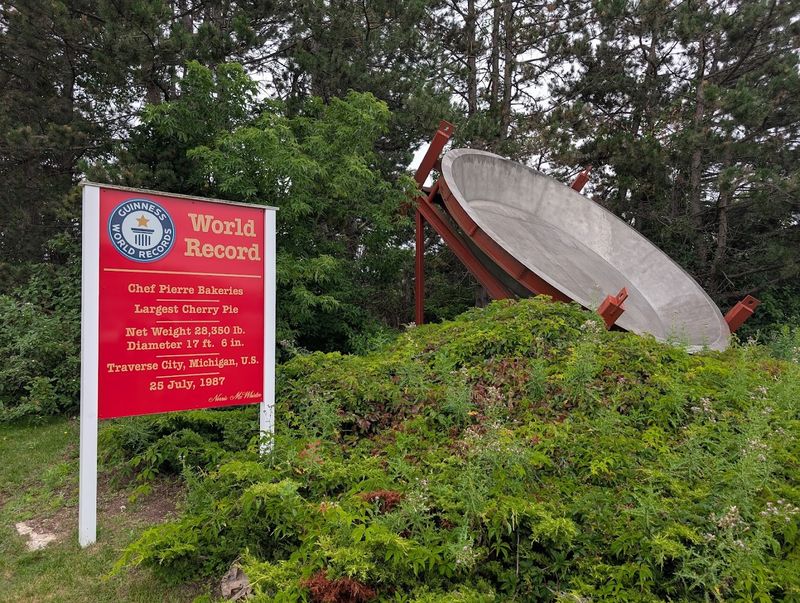
Back in 1987, a company called Chef Pierre Bakeries set out to do something nobody had ever done before: bake the world’s largest cherry pie, right in the heart of Michigan’s cherry country.
The pie they produced was staggering. It weighed 28,350 pounds, measured over 17 feet across, and required an aluminum pan built specifically for the occasion.
That pan is the very object sitting on Cass Road today, and it earned a spot in the Guinness Book of World Records.
Chef Pierre Bakeries was a commercial pie manufacturer with deep roots in the region, and the event was a celebration of both industrial capability and local agricultural pride. The cherry filling alone required thousands of pounds of fruit, most of it sourced from the surrounding orchards that make Traverse City famous.
That one baking event turned a simple aluminum pan into a permanent piece of Michigan history worth remembering.
Just How Big Is This Pan, Really
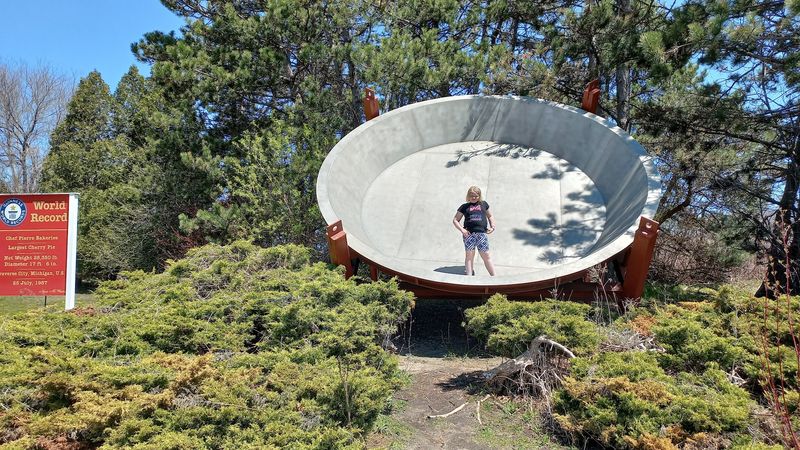
Numbers on a page can only do so much. Standing next to this pan, though, the scale genuinely surprises you in a way that photos rarely capture.
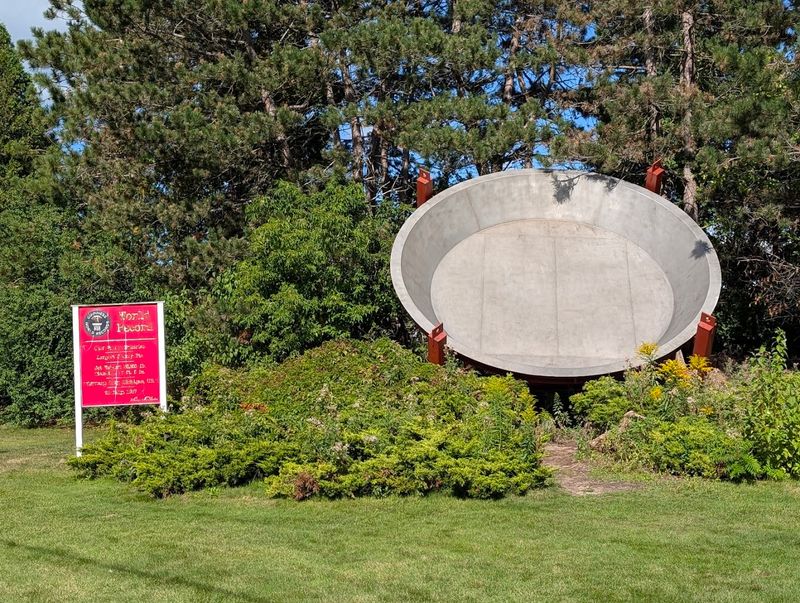
The pan stretches roughly 18 feet across, which puts it at about the width of a standard two-car garage. Its depth is enough that rainwater collects in the bottom after a storm, creating a small, shallow pool inside the aluminum shell.
Visitors who have climbed in for photos report that the interior feels surprisingly spacious.
To put the pie itself into perspective, 28,350 pounds is heavier than two full-grown African elephants. That amount of cherry filling, crust, and sugar baked into a single dish is almost impossible to picture, which is exactly why this pan exists as a physical reminder.
Some records are better understood when you can reach out and touch the container that made them possible, and this one delivers on that front.
Traverse City’s Deep Roots in Cherry Country
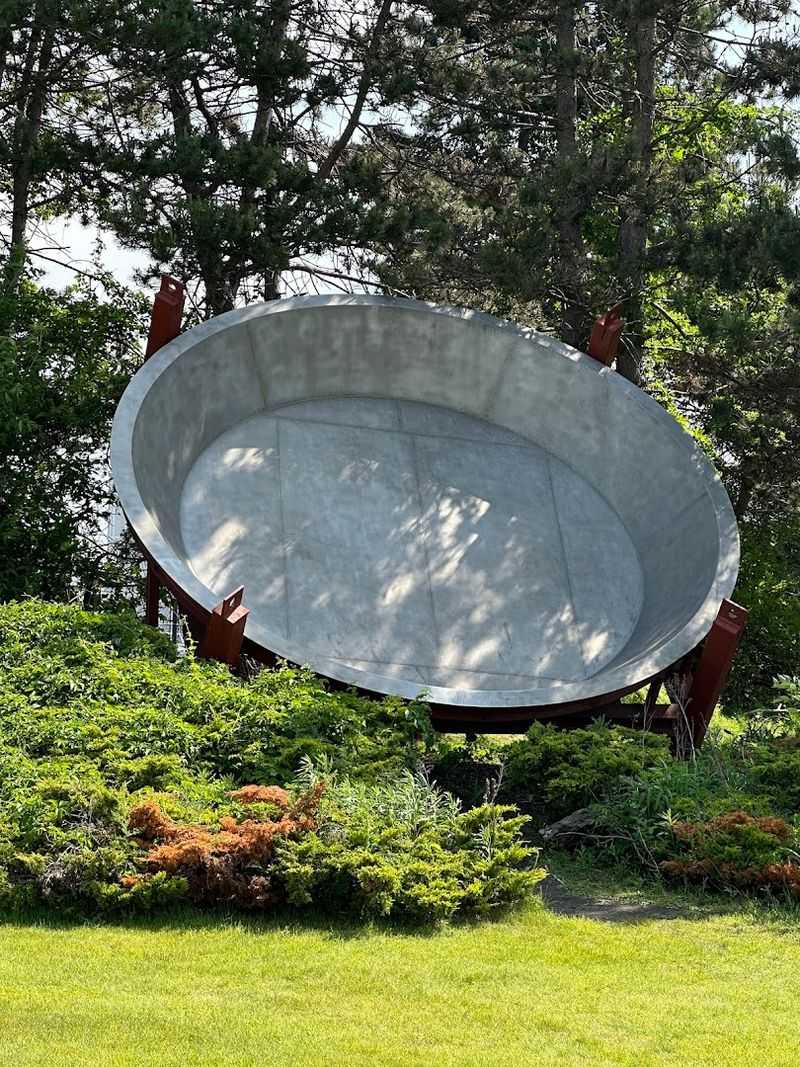
The pie pan does not exist in a vacuum. It is the product of a region that has been growing cherries seriously since the mid-1800s, when a missionary named Peter Dougherty planted the first cherry trees on the Old Mission Peninsula.
Today, Michigan produces around 75 percent of the tart cherries grown in the United States, and the Traverse City area sits at the center of that industry. The combination of sandy soil, cool lake breezes off Grand Traverse Bay, and just the right number of frost-free days creates growing conditions that cherry trees genuinely love.
That agricultural identity runs deep here. Local festivals, shops, restaurants, and roadside stands all celebrate the cherry in every form imaginable, from dried fruit to jam to pie to cherry-flavored everything.
The World’s Largest Cherry Pie Pan is essentially a monument to that agricultural legacy, a physical object that says this region takes its cherries seriously enough to bake a world record. The orchards around town make that statement feel completely earned.
The Faded Sign and What It Tries to Tell You
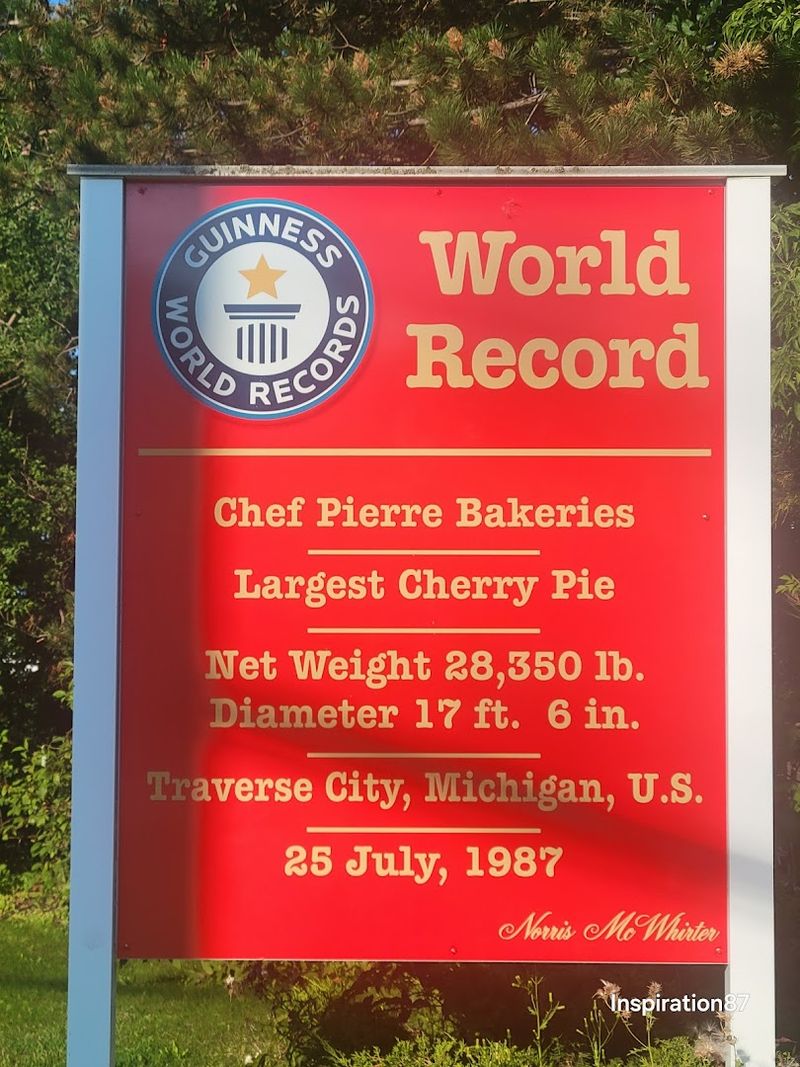
Next to the pan stands a sign that was once crisp and informative and has since become a bit of a roadside puzzle. Sun exposure and years of Michigan weather have faded the text to the point where reading it from a car window is nearly impossible, and even a phone camera struggles to zoom in enough to make out the details.
The sign references the Guinness World Record and provides some background on the 1987 baking event, but its deteriorating condition frustrates visitors who want the full story. Several people have noted that this landmark deserves some maintenance attention, and it is hard to argue with that.
That said, the sign’s worn appearance also adds an accidental layer of authenticity. This is not a slick, corporate tourist installation.
It is a genuine piece of local history that has been sitting outside for decades, quietly doing its best. A little restoration work would go a long way, but even in its current state, it still draws curious visitors off the road every single day.
The Overgrown Setting and Hidden Path to the Pan
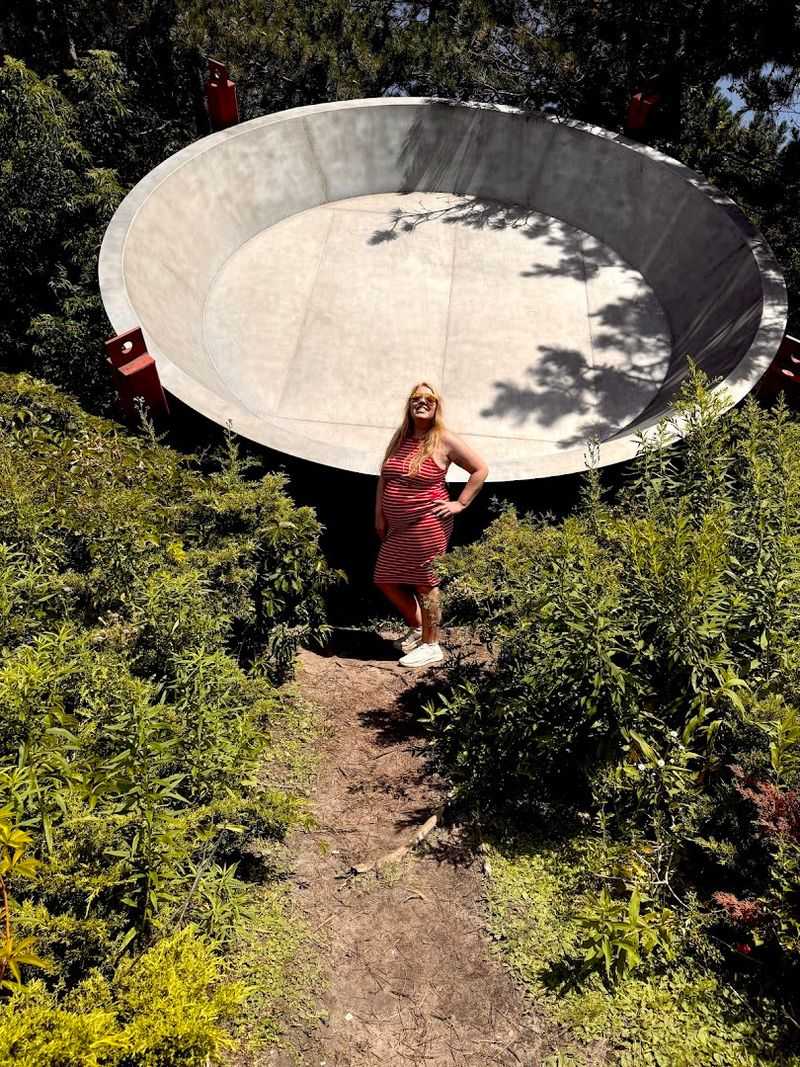
Nature has been slowly reclaiming the space around the pan for years. Thick bushes, tall grass, and thistles have grown up on all sides, which makes the attraction a little harder to spot from the road than you might expect.
Regular visitors have worn a narrow path through the vegetation, creating an unofficial trail that leads right to the edge of the pan. It is functional, but it comes with a few hazards worth knowing about.
Thistles grow along the path and can scratch bare legs, so wearing long pants on a visit is genuinely good advice.
After rain, the bottom of the pan collects water, so anyone planning to climb inside for a photo should expect to get their shoes wet. The overgrown surroundings give the whole spot a slightly wild, forgotten quality that some visitors find charming and others find underwhelming.
Either way, the path is there, the pan is accessible, and the photo opportunity is free for anyone willing to navigate a few bushes to claim it.
Parking Tips That Will Save You a Headache
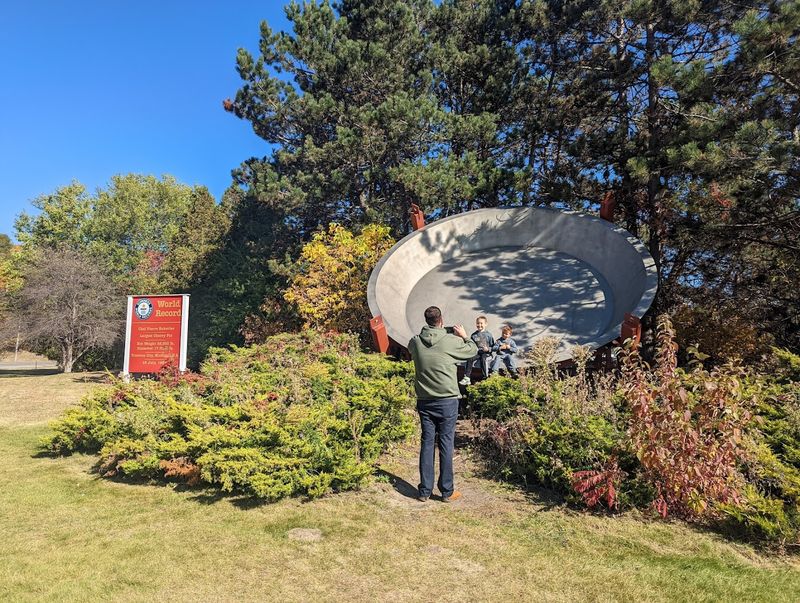
Parking at this attraction is the one detail that catches nearly every first-time visitor off guard. There is no official parking lot directly at the site, which means most people improvise.
The most common approach is pulling off onto the worn grass shoulder along Cass Road, where previous visitors have already flattened a usable strip. Traffic on the road moves at a steady pace, so getting in and out of a roadside spot requires paying attention.
A safer option is the small vacant lot located to the right of the pan, which several visitors recommend as a less stressful place to leave the car.
The whole visit typically takes between three and ten minutes, so the parking situation rarely becomes a major problem. Getting there on a quiet weekday morning tends to mean less road traffic and a more relaxed experience overall.
The lot behind the pan is easy to miss on the first pass, so slow down well before you reach the attraction and look for it on your right side.
What the National Cherry Festival Adds to the Story
The World’s Largest Cherry Pie Pan does not stand alone as a piece of cherry history. It connects directly to the broader culture of celebration that Traverse City has built around its signature fruit, most visibly through the National Cherry Festival.
Held every summer in early July, the National Cherry Festival draws hundreds of thousands of visitors to downtown Traverse City for parades, live music, cherry-themed food competitions, and a general atmosphere of sweet-smelling enthusiasm. The festival has been running since 1925, making it one of the longest-standing agricultural celebrations in the country.
The pan and the festival together tell the same story from different angles. One is a permanent monument to a single record-breaking moment, while the other is an annual renewal of the region’s identity as the cherry capital of the United States.
Visiting during festival week turns a quick roadside stop into part of a much bigger, livelier experience, and the two complement each other in a way that makes the whole trip feel more complete.
The Connection to Charlevoix and a Second Pan
One detail that surprises many visitors is that Traverse City is not the only place in northern Michigan with a giant cherry pie pan on display. There is a related pan in Charlevoix, Michigan, about 60 miles north, and the two are connected through the same 1987 baking event.
The story varies slightly depending on the source, but the general understanding is that the Charlevoix pan is considered the original, while the Traverse City pan is the one that actually held the record-breaking pie. Cherry enthusiasts who enjoy a good road trip sometimes visit both locations, turning the two pans into a quirky northern Michigan scavenger hunt.
Charlevoix is a charming lakeside town in its own right, with a drawbridge, colorful storefronts, and easy access to Lake Michigan. Adding it to a Traverse City itinerary gives the whole trip more texture and context.
The two-pan connection is a fun piece of trivia that makes the Traverse City stop feel like part of a larger regional story rather than just a single oddity on the side of a road.
Honest Advice for Getting the Most Out of Your Visit
A little preparation goes a long way at this particular attraction. The visit itself is short, free, and low-effort, but a few small decisions can make the difference between a fun memory and a mildly frustrating stop.
Wear closed-toe shoes and long pants if you plan to walk up to the pan, especially in summer when the thistles are at their prickliest. Check the weather before heading over, since a rainy day means wet grass, a water-filled pan, and a generally less enjoyable photo experience.
Morning visits on weekdays tend to offer the most relaxed atmosphere with the least road traffic.
Manage expectations going in. This is a roadside attraction, not a theme park.
The pan is genuinely impressive in person, the history behind it is real and interesting, and the price of admission is exactly zero dollars. Treating it as a fun bonus during a broader Traverse City trip rather than a destination in itself is the mindset that leads to the best experience.
The cherry orchards, downtown shops, and lakeside views nearby make the whole area worth the journey.



