 Unearth The Voyage
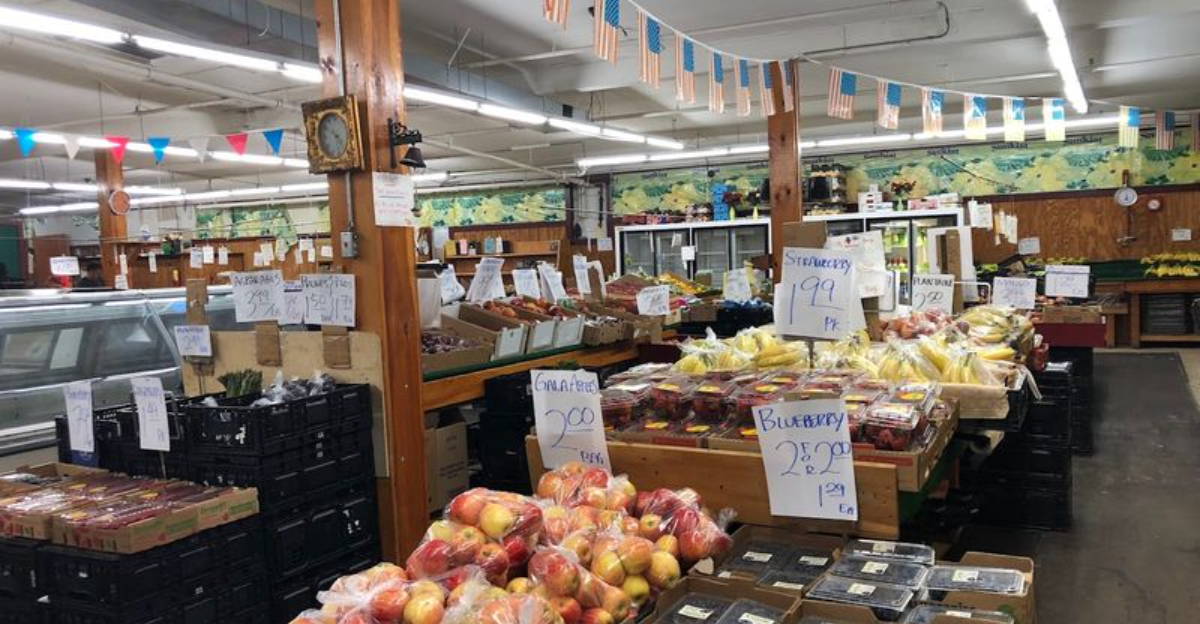
New Jersey has no shortage of quirky roadside stops, weekend markets, and food destinations worth a detour, but every so often a place comes along that genuinely defies easy categorization. Tucked in South Jersey, there is a sprawling marketplace that has been drawing crowds for decades, mixing fresh produce stands with vintage record shops, gyro counters, bakeries, and tables piled high with everything from comic books to camping gear.
It is part flea market, part food court, part community gathering spot, and somehow all of those things work together under one very large roof. The mix of vendors, the range of food options, and the sheer size of the place make it unlike anything else in the region, and once you know about it, it is hard to drive past without stopping.
Where to Find This South Jersey Giant
The Berlin Farmer’s Market sits at 41 Clementon Rd, Berlin, NJ 08009, right in the heart of Camden County in South Jersey. The location is easy to reach by car, and the on-site parking lot is large enough that finding a spot is rarely a struggle, even on busy weekends.
The market is open Thursday through Sunday, with Thursday, Friday, and Saturday hours running from 9 AM to 8 PM, and Sunday from 9 AM to 6 PM. It is closed Monday through Wednesday, so planning your visit around those four days is key.
The building itself is hard to miss, and the size of the property becomes clear the moment you pull in. Whether you are coming from Philadelphia, Cherry Hill, or further south along the Jersey shore, the Berlin Farmer’s Market serves as a reliable anchor point for a day of browsing, eating, and exploring South Jersey’s most eclectic shopping experience.
A Marketplace With Decades of History
The Berlin Farmer’s Market has been part of South Jersey’s community fabric for a very long time, and that history shows in the way people talk about it. For many families in the region, trips to Berlin were a regular weekend ritual going back to childhood, the kind of place that gets passed down through generations.
Long-time fans often compare it to the old Pennsauken Mart, a beloved South Jersey institution that closed years ago. The layout, the variety of vendors, and the overall feel carry a familiar energy that brings back memories for anyone who grew up shopping at similar markets in the area.
That nostalgic connection is a big part of why the market has survived through decades of retail changes and shifting shopping habits. While big-box stores and online shopping have replaced many local markets, Berlin has held its ground by staying true to what it has always been: a place where community, commerce, and character all share the same roof.
The Scale of the Place Will Catch You Off Guard
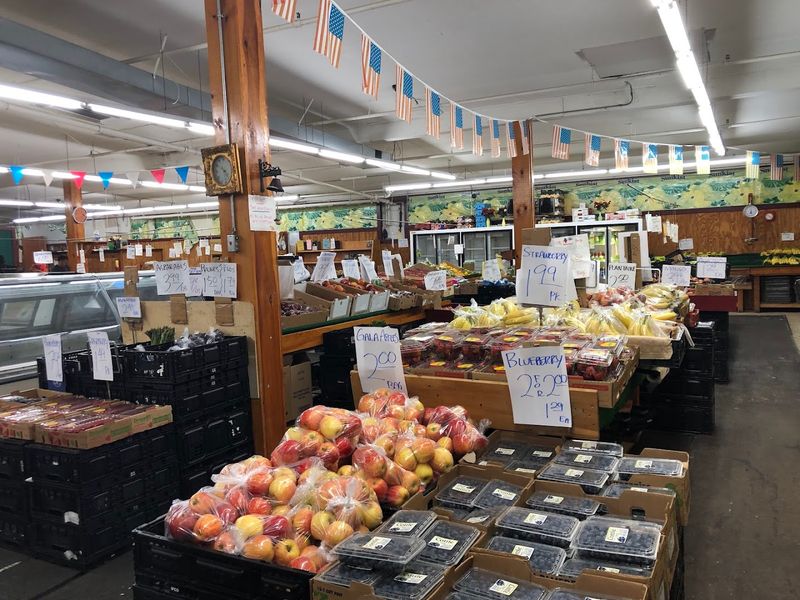
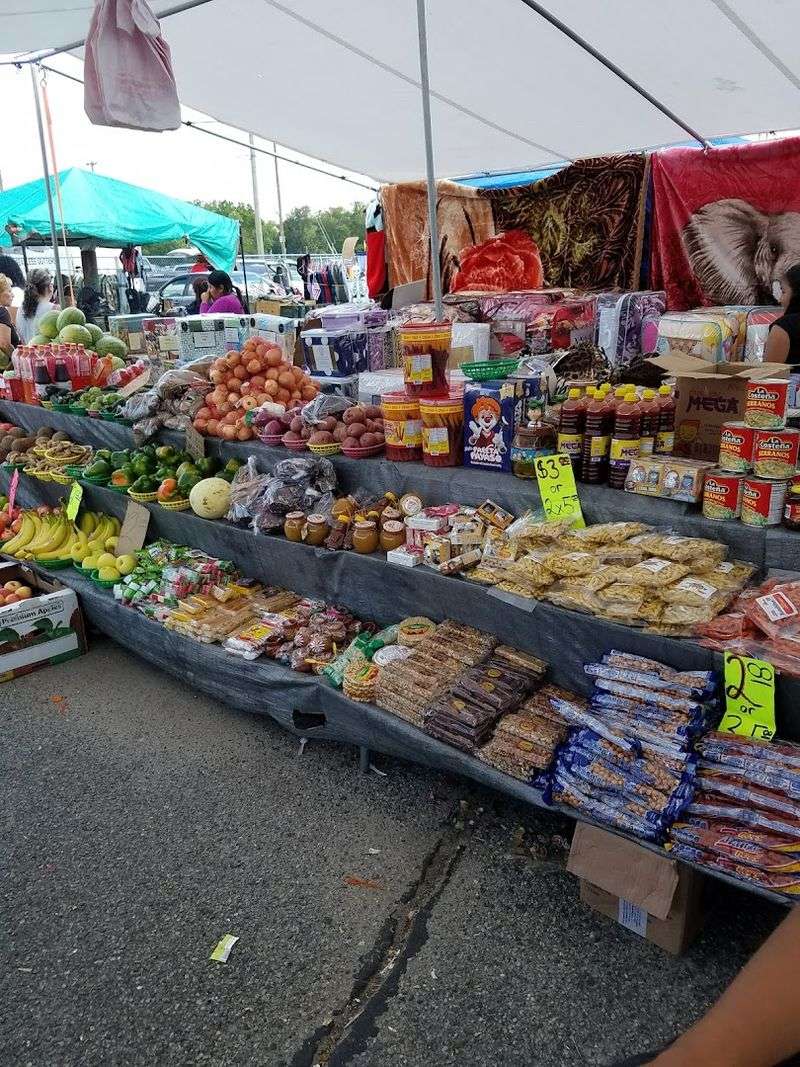
First-time visitors tend to underestimate how large the Berlin Farmer’s Market actually is. The complex includes both a substantial indoor section and a wide outdoor area where additional vendors set up tables and tents, especially during warmer months.
Inside, the aisles stretch on long enough that a single visit can easily fill two to three hours without covering everything. The sheer number of stalls, shops, and food counters means there is always something new to notice, even for people who have been coming for years.
The outdoor section expands significantly in the summer, when more vendors arrive to sell thrift items, vintage goods, produce, and all manner of collectibles. Regulars strongly suggest visiting during the warmer months to catch the full scope of what the market has to offer.
The building is also accessible for those with mobility needs, with multiple entry points and foot-activated doors that make getting in and out straightforward regardless of the crowd level inside.
Food Vendors That Keep People Coming Back
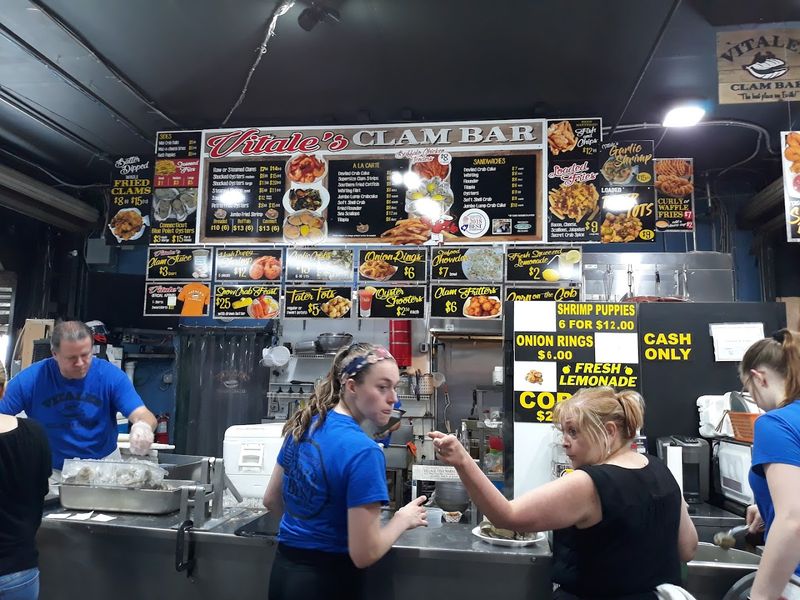
The food at Berlin Farmer’s Market is genuinely one of its strongest selling points, and the variety on offer is impressive for a market of this kind. From freshly made pretzels to empanadas, gyros, Korean corn dogs, French toast, and fried rice, the options span a wide range of cuisines and price points.
Los Rodriguez is a standout vendor known for empanadas and fried rice that keep regulars returning on every visit. The portions are generous and the flavors are straightforward and satisfying, making it one of the most talked-about food stops in the whole market.
Sunshine Kitchen draws its own loyal crowd with a menu that includes steak and cheese, chicken wraps, chicken nuggets, and Korean-style corn dogs. The owners are known for being friendly and attentive, and the food quality is consistent enough that some visitors have eaten there multiple days in a row during extended stays in the area.
Country Hill Bakery and Fresh Baked Goods
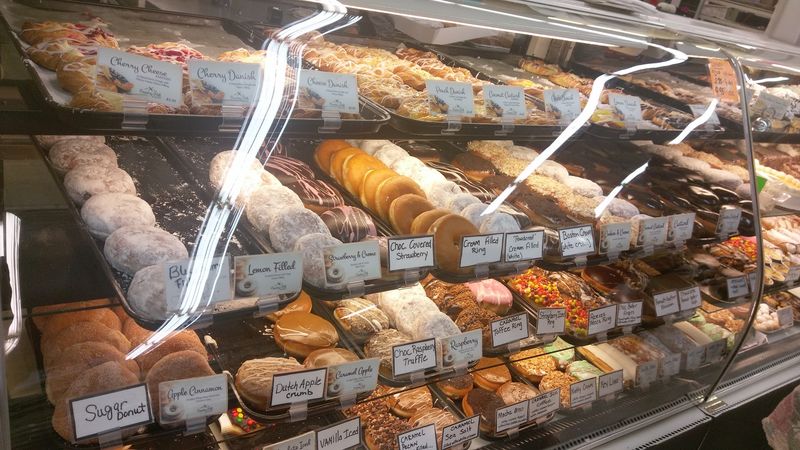
Country Hill Bakery is one of those market vendors that turns a casual browse into an unplanned purchase. The baked goods are made fresh, and the selection covers enough variety to satisfy both those looking for something sweet and those after a hearty baked staple.
The bakery has earned a consistent following among market regulars, and it is frequently mentioned alongside Los Rodriguez as one of the food highlights of any visit. Fresh baked items at a market setting tend to move quickly, so arriving earlier in the day is a smart move for anyone who wants the best selection.
Markets like Berlin thrive when their food vendors maintain quality over time, and Country Hill Bakery has managed to do exactly that. It is the type of small, independent operation that gives the Berlin Farmer’s Market much of its character, offering something genuinely homemade in a setting that celebrates local vendors over corporate chains.
Fresh Pretzels: A Berlin Tradition
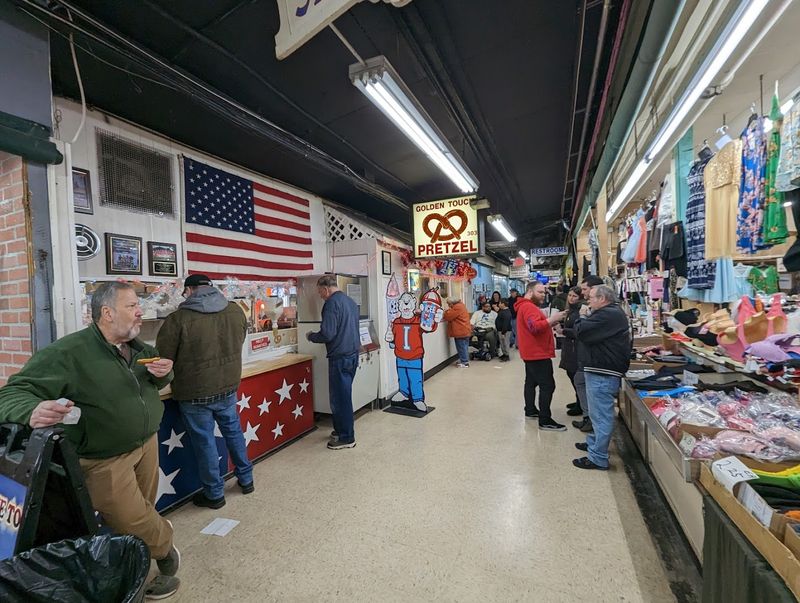
The fresh pretzels at Berlin Farmer’s Market have become something of a local institution, the kind of snack that long-time visitors consider non-negotiable on every trip. They are made on-site and served warm, with mustard available for dipping at a small additional cost.
The pretzel stand is one of the first things many regulars head to upon entering the market, and it has been a consistent fixture for years. The $0.25 mustard cup is a small but appreciated detail, and experienced visitors know to grab their own rather than using the communal option.
For first-time visitors trying to get a quick read on what makes Berlin special, the pretzel stand is a good place to start. It is simple, affordable, and genuinely well-made, which is exactly what a market snack should be.
That combination of low cost and reliable quality is part of why the pretzel counter has remained one of the most recognizable spots in the whole complex.
The Flea Market Side: Thrift, Vintage, and Surprises
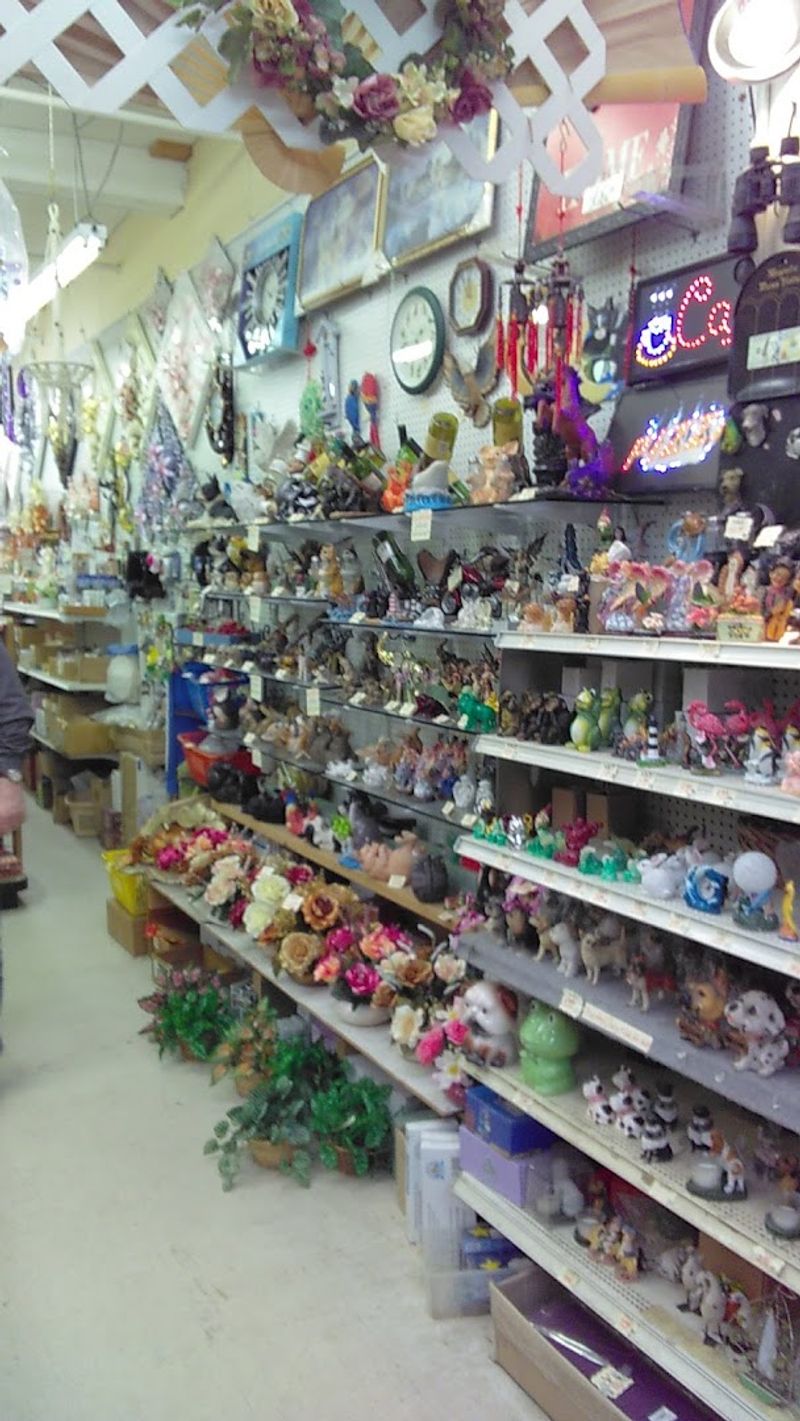
While the food vendors get a lot of attention, the flea market side of Berlin is just as much a draw for regular visitors. The outdoor stalls in particular offer a rotating mix of thrift items, vintage goods, used tools, clothing, and collectibles that change with each visit and each season.
The unpredictability is part of the appeal. On any given Saturday, a shopper might find a used camping lantern at a fair price, a box of vintage records, or a one-of-a-kind gift that could not be found anywhere else in the state.
Vendors at the outdoor stalls are generally known for being approachable and willing to negotiate, which adds a social element to the browsing experience that a typical retail store simply cannot replicate. The mix of regulars and occasional sellers keeps the inventory fresh enough that even frequent visitors rarely leave empty-handed, and the variety of items available makes the outdoor section worth a full walk-through on every trip.
Howard and Nan’s Record Shop: A Music Lover’s Find
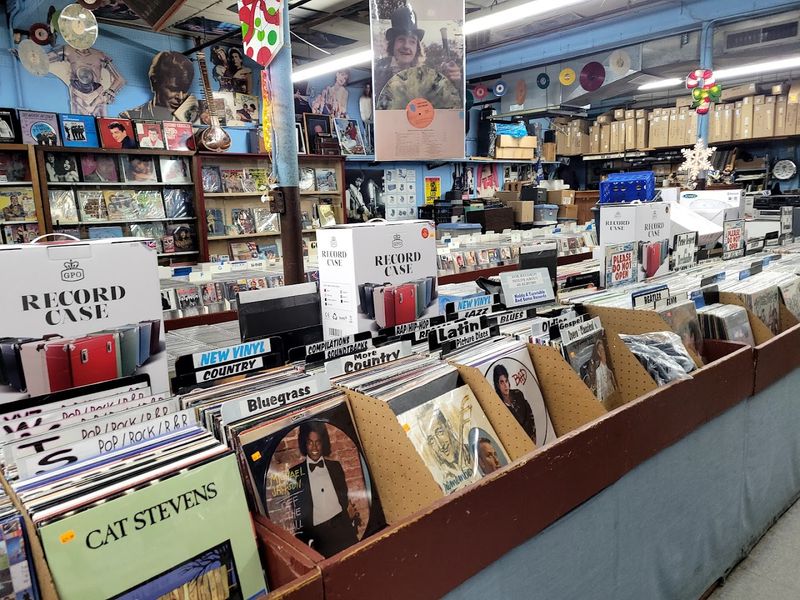
Howard and Nan’s Record Shop is one of the most distinctive stores inside the Berlin Farmer’s Market, and it has developed a genuine following among music enthusiasts across South Jersey. The shop carries a large selection of vinyl records, music memorabilia, and related collectibles at prices that feel reasonable given the quality and rarity of some items.
The store is run by a team known for their knowledge and warmth, and the atmosphere inside leans heavily into nostalgia. Browsing through the bins takes time, and that is entirely the point.
The selection is broad enough that both casual listeners and serious collectors tend to find something worth taking home.
Howard and Nan’s is the kind of shop that earns repeat visits, and it is one of the reasons people who grew up visiting the market keep coming back as adults. It represents exactly what makes Berlin different from a standard shopping center: the presence of specialty shops with real personality and genuine depth of inventory.
Specialty Services: Vac N Sew and Practical Shops
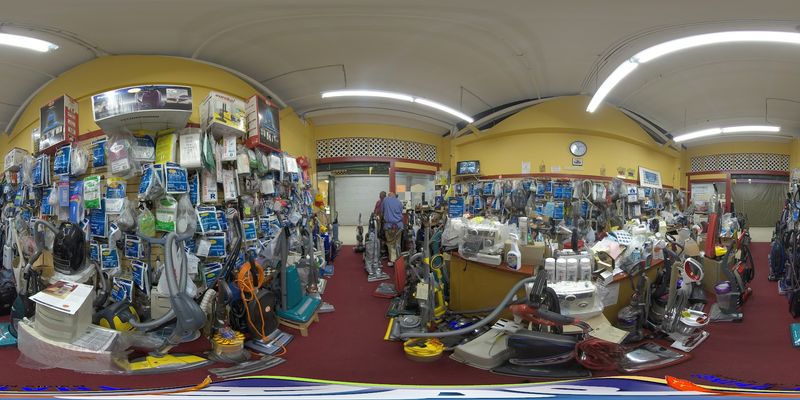
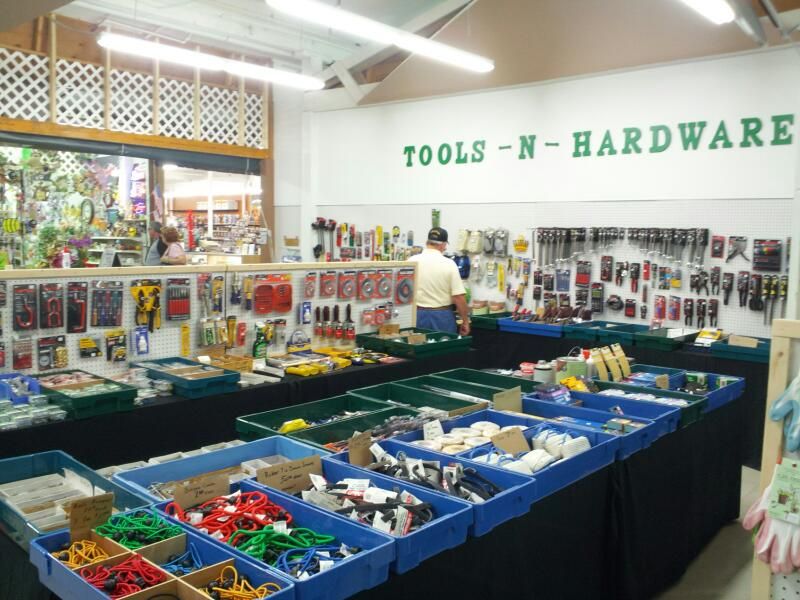
Not everything at the Berlin Farmer’s Market is about browsing for fun. The complex also houses practical service shops, including Vac N Sew, a vacuum and sewing machine repair operation that has built a reputation for honest and efficient work.
Vac N Sew is the kind of no-frills shop that focuses entirely on doing the job correctly. Customers bring in broken vacuums expecting bad news and often leave pleasantly surprised by the quick turnaround and fair pricing.
The technicians are known for diagnosing problems accurately and keeping replacement parts in stock, which cuts down on wait times considerably.
The presence of service shops like this one says a lot about the market’s broader role in the community. Berlin is not just a place to buy things; it is a place where local businesses operate year-round and provide genuine value to the surrounding neighborhoods.
That mix of retail, food, and services is what keeps the market relevant and functional across multiple decades of operation.
Renting a Table: How the Vendor Side Works
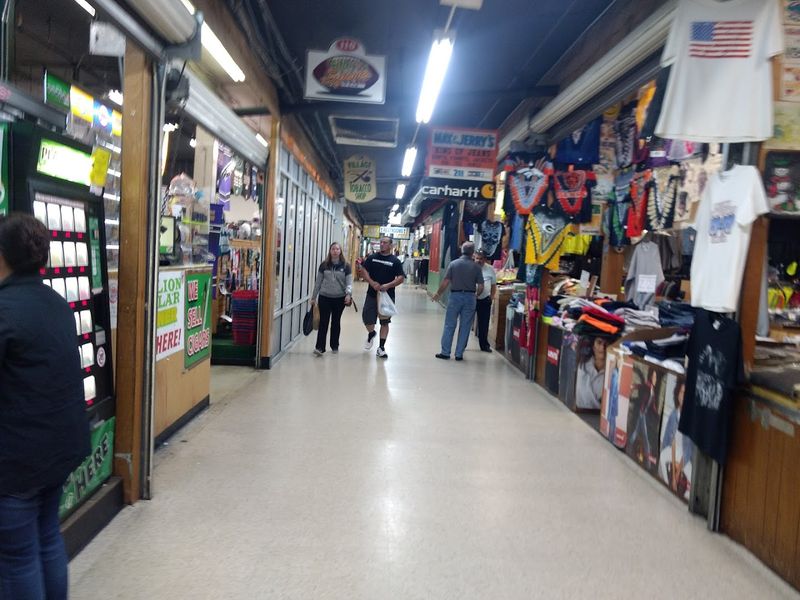
One of the less obvious but genuinely useful aspects of the Berlin Farmer’s Market is that it operates as a venue for sellers, not just buyers. Anyone interested in selling goods can rent a table or booth, with options available for a single day, four days per week, or on a monthly basis.
Long-term rentals are the only way to guarantee a consistent spot, which makes sense given the popularity of the market and the number of vendors who want to participate. Management at the market is known for being approachable and easy to work with, which helps new sellers get set up without too much friction.
The selling side of the market adds a layer of community involvement that most retail spaces simply do not offer. Families have used it to sell sports cards, handmade goods, vintage finds, and surplus items, turning a weekend hobby into a small side income.
That accessibility is a core part of what keeps the Berlin Farmer’s Market active and community-driven year after year.
Summer Visits: When the Market Hits Its Peak
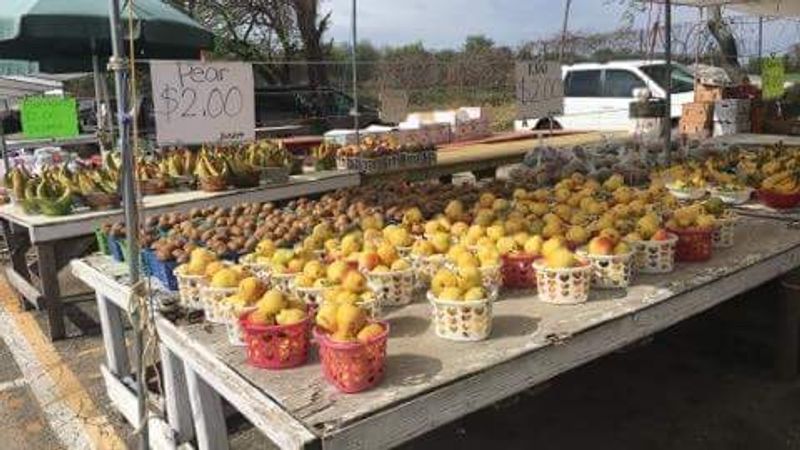
The Berlin Farmer’s Market operates year-round, but summer is widely considered the best time to visit if the goal is to experience the market at its fullest. The warmer months bring a significant increase in outdoor vendors, which means more tables, more variety, and a much larger overall selection of goods.
The outdoor section expands noticeably between late spring and early fall, with sellers setting up tents and tables along the walkways that surround the main building. The combination of indoor and outdoor shopping during this period gives the market an almost festival-like quality that is harder to replicate in the colder months.
A practical tip for summer visits: bringing an umbrella or hat for the outdoor sections is a good call, since shade can be limited depending on where vendors are set up. The parking lot is spacious enough to handle the larger summer crowds, and arriving earlier in the day helps avoid the peak afternoon rush that tends to build on Saturdays.
What to Know Before Your First Visit
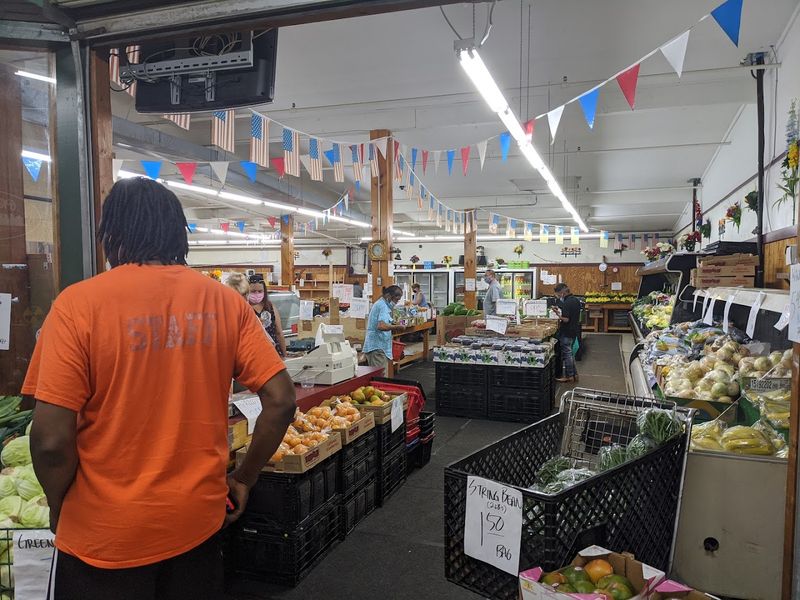
A few practical details can make a first visit to the Berlin Farmer’s Market go much more smoothly. Cash is still the preferred payment method for many vendors, particularly at the outdoor stalls, so arriving with some on hand is a smart move even if most major purchases can be handled by card at certain shops inside.
The building is accessible for those using wheelchairs or strollers, with multiple entry doors and foot-activated access points throughout the complex. The layout does get crowded on busy Saturdays, so navigating with a stroller or mobility device requires some patience during peak hours.
Bathrooms are available on-site, and the parking situation is genuinely stress-free by market standards. The market’s website at berlinfarmersmarket.com has current information on hours and vendor availability.
For anyone who has never been, the simplest advice is to block out at least two hours and go without a strict agenda, because the best finds at Berlin tend to happen when there is no particular plan in place.
Why Berlin Keeps Drawing People Back
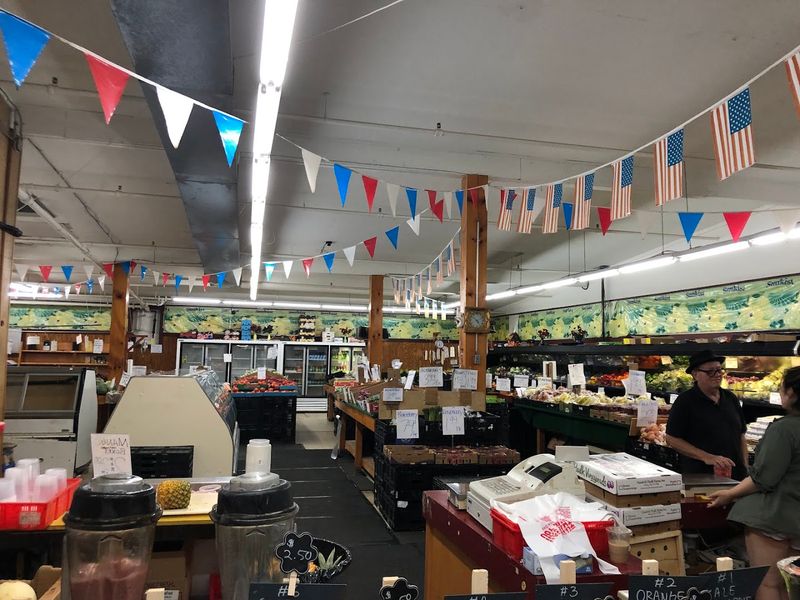
The Berlin Farmer’s Market has lasted this long because it fills a role that no big-box store or online retailer can replicate. It is a physical community space where local vendors, food makers, collectors, and shoppers all share the same environment, and that combination creates something genuinely hard to find in modern retail.
For people who grew up visiting the market as kids, returning as adults carries a strong sense of continuity. The vendors change over time, the layout shifts slightly, and new food options appear, but the core identity of the place stays consistent enough to feel familiar across decades.
New visitors often arrive with low expectations and leave having spent more time and money than planned, which is about the highest compliment a market like this can receive. Berlin is not trying to be anything other than what it has always been, and that honesty of purpose is exactly why it continues to hold a special place in South Jersey’s community calendar week after week.



