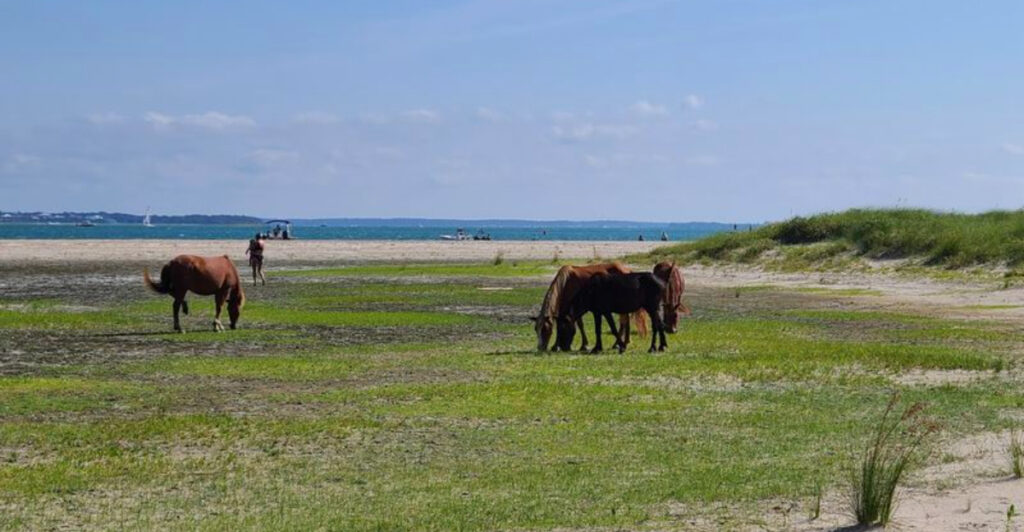
There is a narrow strip of land off the coast of North Carolina where wild horses roam the beaches and no cars are allowed, ever. The sand is soft, the water runs crystal clear, and the only sounds you hear are waves and the occasional whinny carried on the sea breeze.
I had heard about this place for years before I finally made the trip, and honestly, nothing quite prepared me for how stunning it really is. This is not your average beach day, and once you read what this island has to offer, you will understand exactly why people keep coming back year after year.
Where Exactly Shackleford Banks Is Located
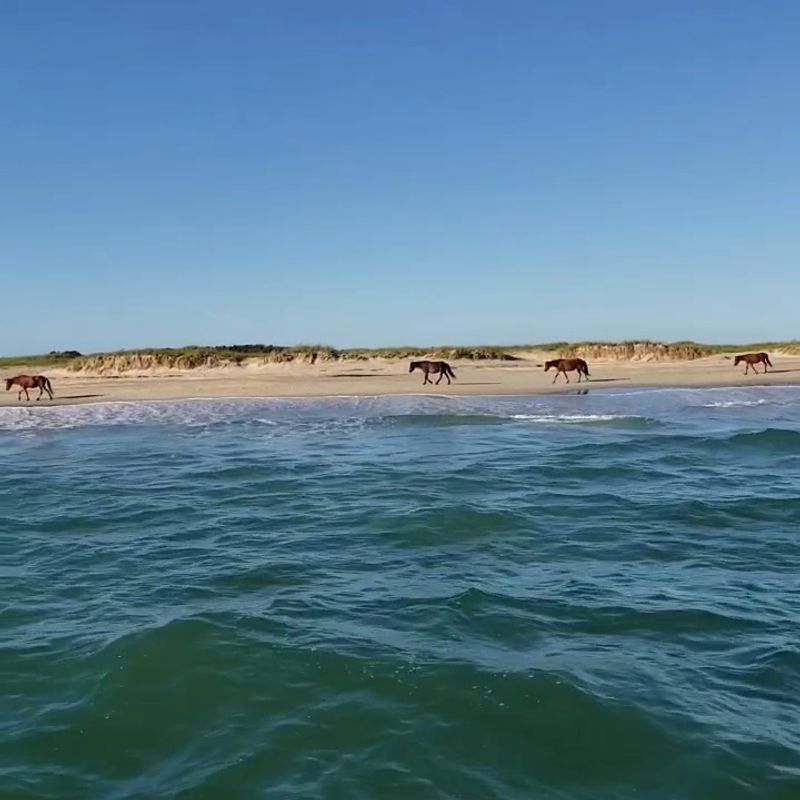
Part of Cape Lookout National Seashore in Carteret County, North Carolina, Shackleford Banks sits along the southern edge of the Outer Banks. The island stretches roughly nine miles long and about one mile wide, making it a manageable but genuinely adventurous place to explore on foot.
To get there, most visitors catch a ferry from the Harkers Island Visitor Center, which charges around thirty dollars for a round-trip ride. The Island Express Ferry is a popular option and drops passengers off at the eastern end of the island.
No roads, no cars, no bridges connect Shackleford Banks to the mainland, which is a big part of what keeps it feeling so untouched.
The GPS coordinates place it at approximately 34.68 degrees north latitude, right along the Crystal Coast. Unlike beach towns you might find elsewhere in Oklahoma or other inland states, this barrier island feels genuinely removed from everyday life.
The ferry ride itself sets the tone, giving you a floating preview of the open water and sky that will surround you all day long.
The Wild Horses That Made This Island Famous
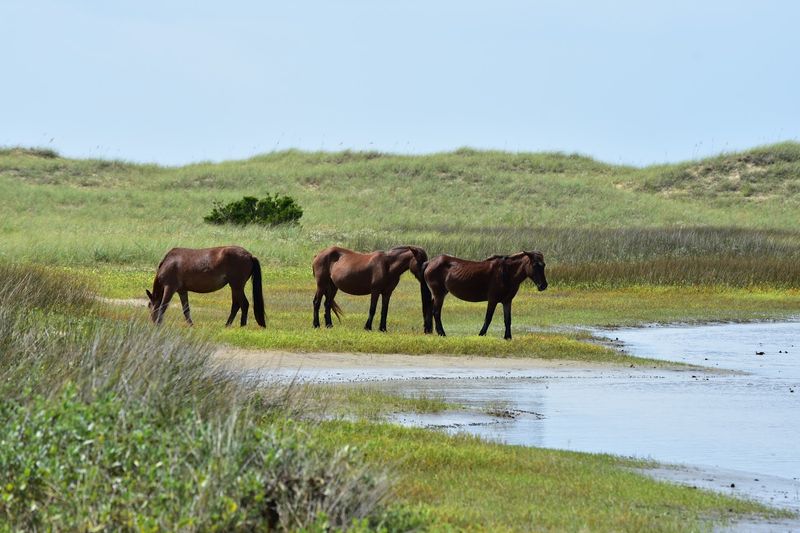
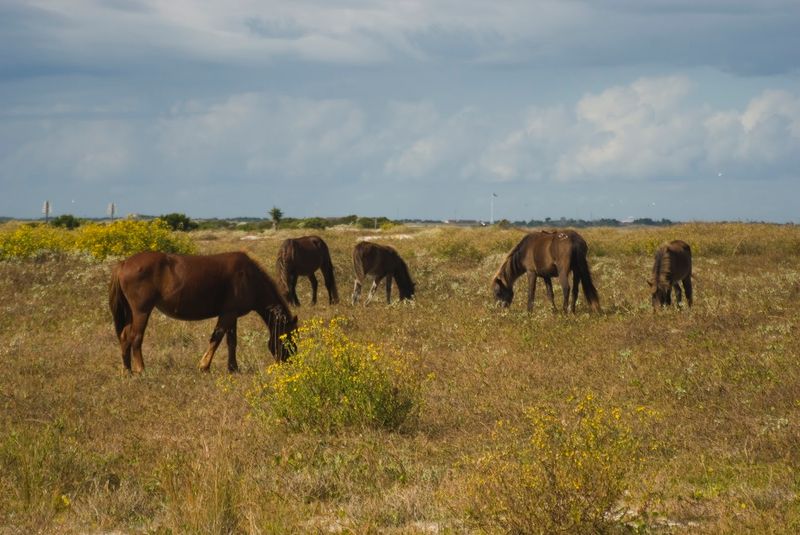
Roughly 100 to 130 wild horses call Shackleford Banks home, and they have been living here for centuries. These horses are believed to be descendants of Spanish mustangs brought to the Americas in the 1500s, and their bloodline has remained remarkably pure over the generations.
Managed by the Foundation for Shackleford Horses and the National Park Service, the herd is monitored closely to keep the population healthy and the island ecosystem balanced. You are not allowed to feed, touch, or approach within 50 feet of the horses, and that rule exists for very good reason.
These are wild animals, not props for a photo shoot.
On my visit, I spotted a group of about eight horses grazing near the center of the island, completely unbothered by the humans watching from a respectful distance. Their coats were thick and their movements were calm and confident.
Seeing them in this setting felt genuinely different from any zoo or farm visit, the kind of experience that stays with you long after you have returned home. Even visitors from places as far as Oklahoma have called it one of the most memorable wildlife encounters of their lives.
Getting to the Island: Ferry Options and Tips
No bridge connects Shackleford Banks to the mainland, so a ferry ride is your only option unless you have your own boat. Several ferry services operate out of nearby towns, including Beaufort, Harkers Island, and Morehead City.
The Island Express Ferry from the Harkers Island Visitor Center is one of the most reliable choices and costs around thirty dollars round-trip per adult.
Ferries generally run on a schedule and loop back once an hour, so you can stay as long as you want within operating hours. There are no reservations required for most services, but arriving early during peak summer weekends is a smart move since boats do fill up.
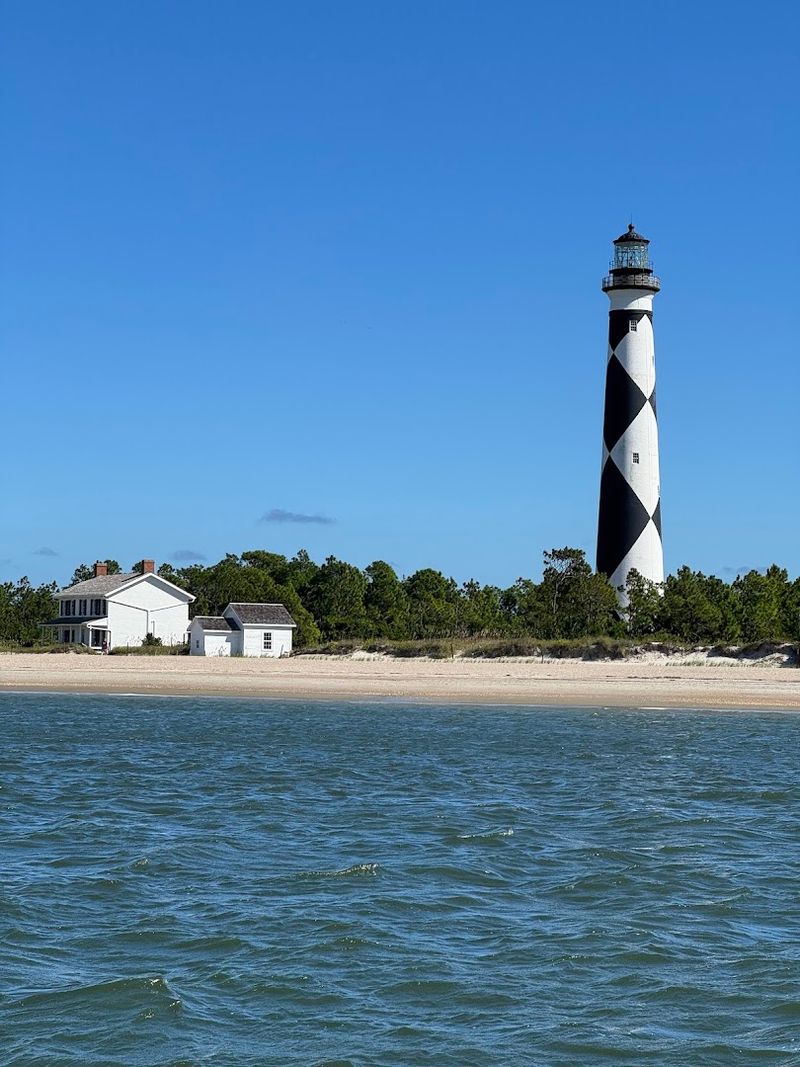
The ride itself takes about twenty minutes and gives you a solid view of Cape Lookout Lighthouse as you approach.
Once the boat drops you off, you step directly onto the sand with no dock or walkway involved, which keeps the natural feel of the arrival completely intact. Pack everything you need before boarding because there are no shops or facilities on the island.
Think of it like planning a backcountry camping trip, just with a sea breeze instead of mountain air.
The Beaches and Water Quality
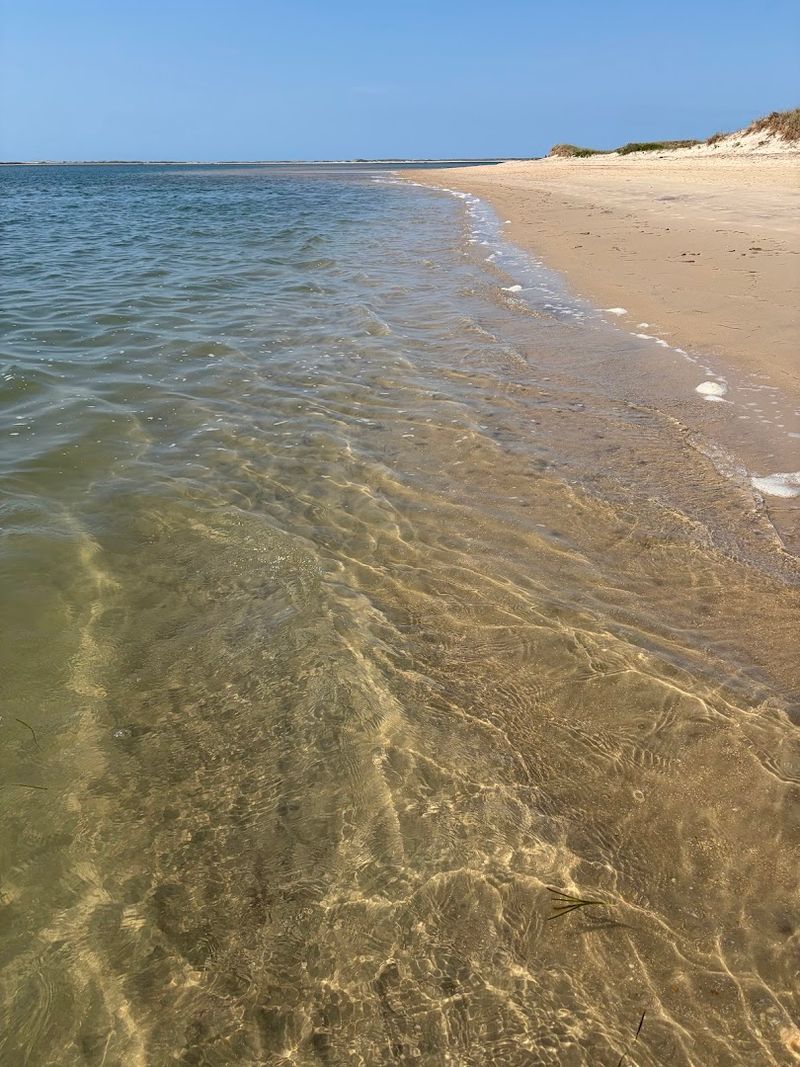
The water at Shackleford Banks is some of the clearest I have ever seen on the East Coast. On the sound side of the island, the water is calm and shallow, perfect for wading out long distances without it ever getting past your knees.
On the Atlantic-facing side, the waves pick up considerably and the ocean breeze is noticeably stronger.
Both sides offer something different, and most visitors end up spending time on each. The calm inner side is ideal for families with young children, while the wave side gives a more classic ocean swimming experience.
Dolphins have been spotted close to shore on both sides, and seeing one glide past while you are standing in knee-deep water is an experience that no aquarium visit could replicate.
There are no lifeguards on duty anywhere on the island, so swimming is entirely at your own risk. Checking the tide schedule before your visit is a practical step that many first-timers overlook.
The combination of wide open sky, clean water, and an almost total absence of development gives the beaches here a quality that is genuinely rare along the heavily built-up coastlines of the American East.
Shelling on Shackleford Banks
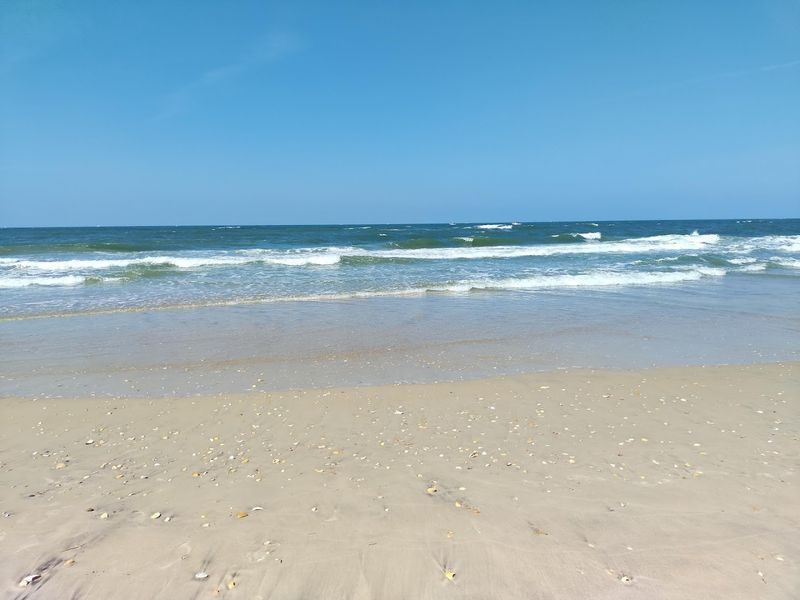
Shell collectors treat Shackleford Banks like a treasure chest that never quite empties. The beaches here are stacked with shells of all sizes, from tiny spiral shells small enough to sit on your fingernail to conch shells large enough to use as a decorative centerpiece at home.
The variety is genuinely impressive.
The southern shoreline tends to be the most productive for finding large, intact shells, especially after a storm has pushed new material onto the beach. Early morning arrivals have the best selection before other visitors have walked the same stretches.
I filled a small mesh bag within the first hour without even trying hard.
Sea glass also shows up occasionally, which adds an extra layer of fun to the search. The lack of crowds compared to more developed beaches means you rarely have to compete for a good spot along the waterline.
Bringing a lightweight mesh bag or a small bucket makes carrying your finds much more comfortable over a long walk. Whether you are a serious collector or just picking up a few pieces as souvenirs, the shelling experience here is one of the best on the entire North Carolina coast.
What to Pack and How to Prepare
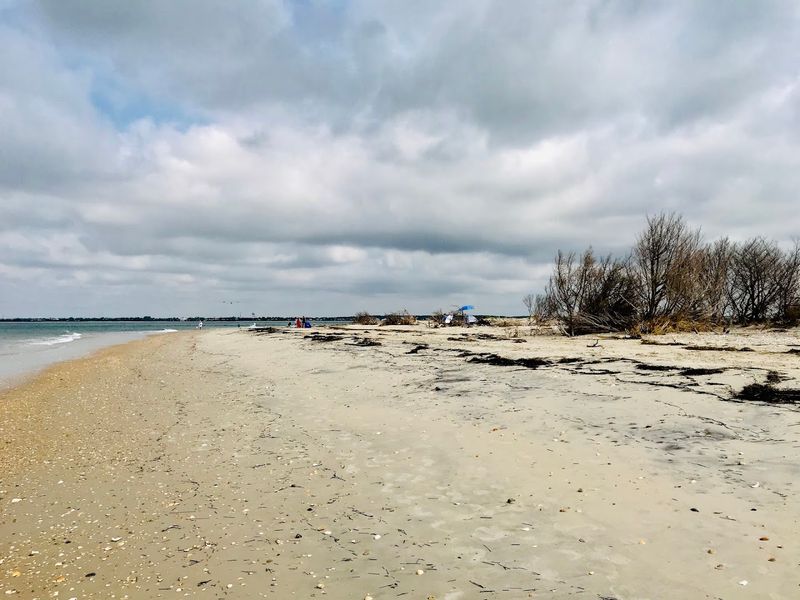
Preparation is everything when visiting Shackleford Banks, and skipping this step will cost you comfort points fast. There are no stores, no restaurants, no fresh water sources, and no shade structures anywhere on the island.
Everything you need for the day must come with you on the ferry.
Water is the top priority. Bring more than you think you need, especially during summer months when the heat and sun exposure can be intense.
Sunscreen, a wide-brimmed hat, and a light long-sleeve shirt are all worth the extra weight in your bag. Bug spray is equally critical because the interior of the island, particularly around marshy areas, can have mosquitoes in serious numbers.
Footwear matters more here than at most beaches. Flip flops are genuinely not recommended because cacti grow throughout the island and can cause a painful surprise underfoot.
Water shoes or sturdy sandals with closed toes are a much better call. Pants or long socks help when walking through tall grass in search of horses.
Packing a picnic lunch, a portable charger, and a small first aid kit rounds out a solid day bag. Think of this trip less like a casual beach outing and more like a short wilderness adventure with better sand.
The History Behind the Island and Its Horses
The history of Shackleford Banks runs deep, and the horses are only one chapter of a much longer story. The island was once home to a small fishing community called Diamond City, which thrived in the late 1800s.
At its peak, the settlement had several hundred residents who made their living from whaling and fishing in the waters around the Outer Banks.
A series of powerful hurricanes in the late 1890s eventually pushed the community to abandon the island, and residents relocated to mainland towns like Morehead City and Harkers Island, sometimes physically moving their homes by boat. The land was left to return to its natural state, and nature has done exactly that over the past century.
The horses themselves are believed to descend from Spanish mustangs that arrived on the island centuries ago, possibly from shipwrecks or deliberate release by early explorers. Their ability to survive on sea oats, marsh grass, and whatever fresh water they can find is a testament to generations of adaptation.
Much like the resilience seen in communities across states like Oklahoma, the horses of Shackleford Banks have learned to thrive in conditions that would challenge most domesticated animals.
Wildlife Beyond the Horses
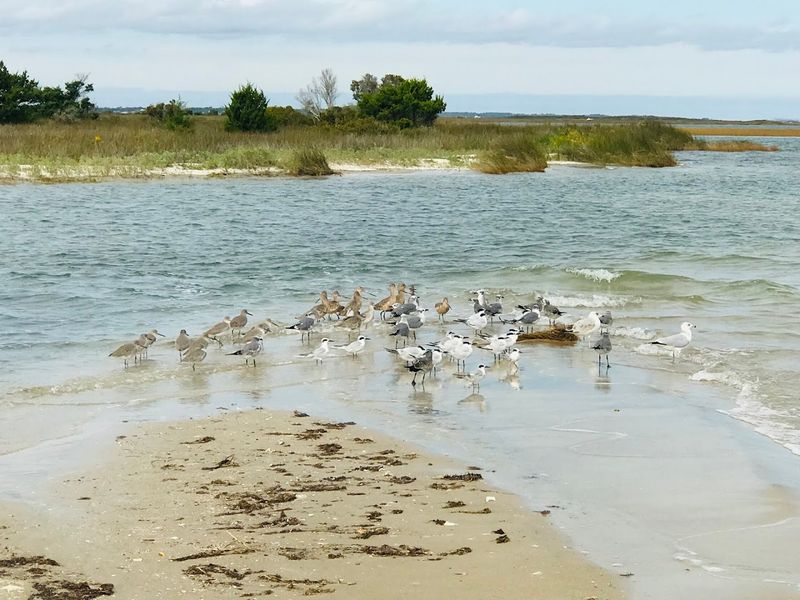
The horses get most of the attention, but Shackleford Banks is home to a surprisingly wide range of wildlife that rewards patient observers. Bottlenose dolphins are frequently spotted from the shore and from the ferry, sometimes swimming close enough that you can hear them surface.
Seeing a dolphin in open water rather than a tank is a completely different kind of encounter.
Shore birds are plentiful across both the beach and marsh areas, including brown pelicans, oystercatchers, and various species of tern. The marshy interior sections of the island support a different ecosystem entirely, with fiddler crabs, wading birds, and the occasional loggerhead sea turtle nesting along the shoreline during summer months.
The island is part of Cape Lookout National Seashore, which means the entire area benefits from federal protection. No hunting, no off-road vehicles, and no permanent development are allowed, which keeps the habitat intact for every creature that calls it home.
For anyone with a passing interest in coastal ecology, the variety of life visible in a single day here is genuinely impressive. The horses may be the main draw, but the rest of the island keeps delivering surprises well past your first hour on the sand.
Camping Overnight on the Island
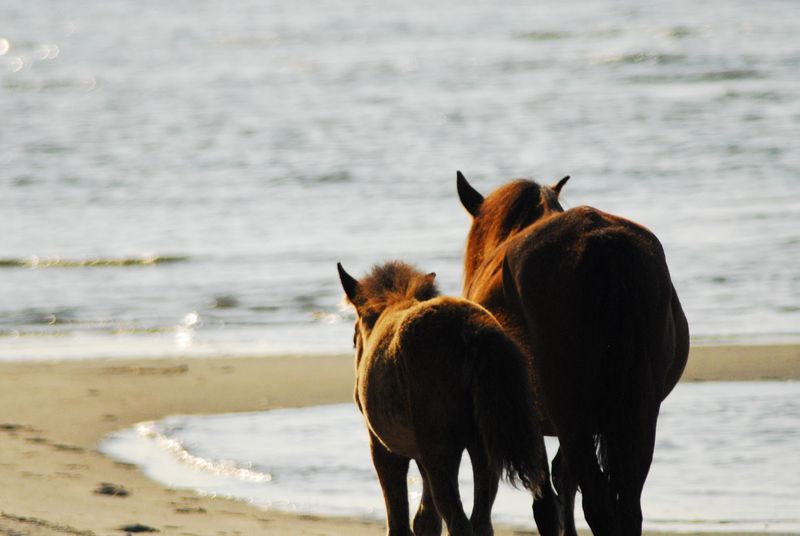
Spending a single day on Shackleford Banks is wonderful, but staying overnight takes the whole experience to a completely different level. Primitive camping is permitted on the island with a free backcountry permit obtained through the National Park Service.
No designated campsites exist, which means you essentially pick your spot and set up wherever feels right.
Waking up on an island with wild horses while the sun rises over the Atlantic is the kind of thing that sounds too good to be true until you actually do it. The beach is entirely yours in the early morning hours before the first ferries arrive, and the quiet is profound.
Some campers have reported waking up to find horses grazing just a short distance from their tents.
Carrying everything in and out is the main challenge, and the same packing rules that apply for a day trip apply here, only multiplied. A good tent with solid stakes is important because coastal winds can be strong overnight.
Fresh water must be carried in since there are none on the island. The reward for that extra planning effort is a camping experience that most people from places like Oklahoma or elsewhere inland rarely get the chance to enjoy.
Best Time to Visit and Practical Final Tips
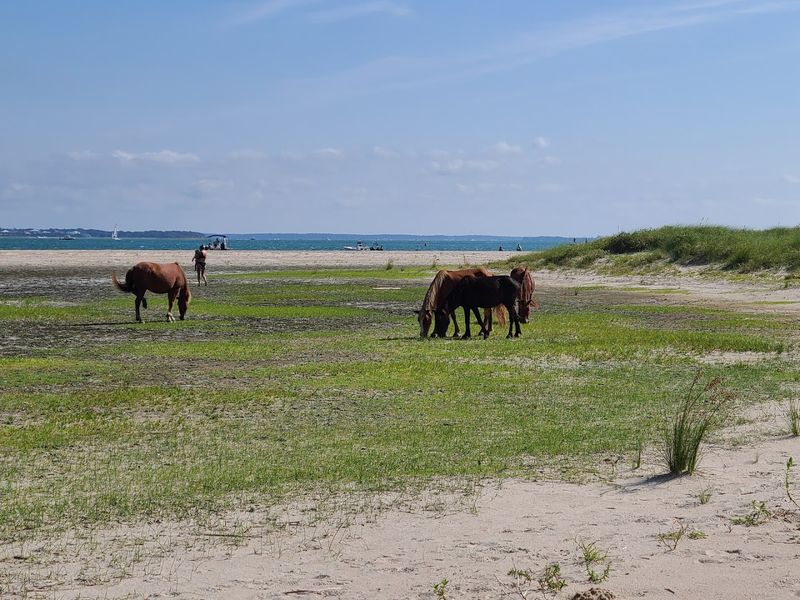
Late spring and early fall are the sweet spots for visiting Shackleford Banks. May and September offer warm temperatures, manageable crowds, and lower mosquito activity compared to the height of summer.
July and August are popular but come with intense heat, full sun exposure, and the most aggressive bug presence on the island interior.
Winter visits are possible and can be surprisingly peaceful, with far fewer people and a moody, dramatic coastal atmosphere. The horses are still present year-round and can actually be easier to spot in winter when the vegetation is lower and sight lines are clearer across the island.
A few final practical notes worth keeping in mind: there are no restrooms on most parts of the island, though compost toilets exist near the ferry drop-off point on the eastern end. No lifeguards patrol the beaches, and cell service is spotty at best.
Arriving on an early ferry gives you the most time and the best shelling before crowds pick the beach clean. Shackleford Banks is the kind of place that rewards people who come prepared and leave nothing behind, a place where the land, the water, and those extraordinary horses have remained largely unchanged for generations, much like the timeless natural landscapes that define the best of America from Oklahoma to the outer coast.
Share this story