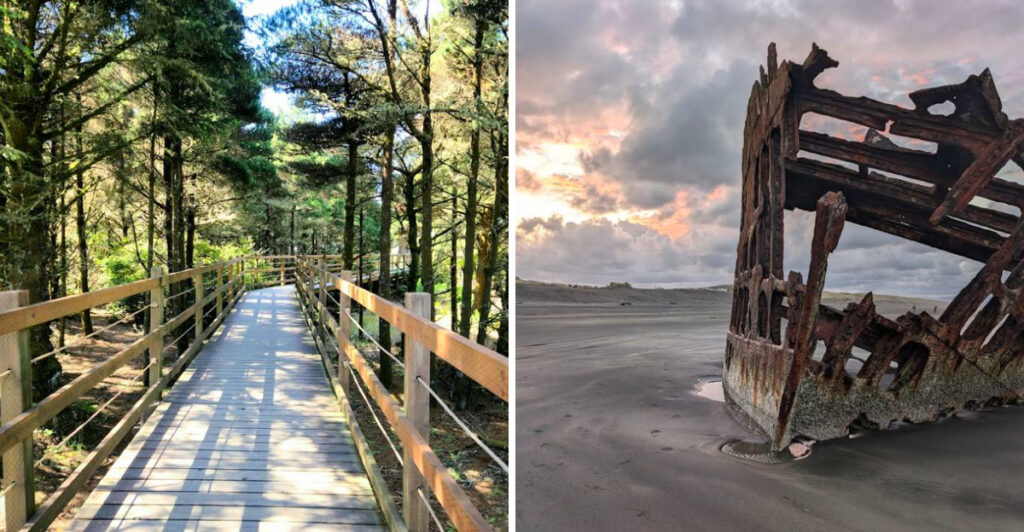
There is a stretch of the Oregon coast where the wind carries something older than the salt air, and the ruins half-buried in sand make you feel like you have wandered into a forgotten chapter of history. A rusted iron skeleton juts from the beach, fog rolls in off the Pacific, and concrete bunkers sit silent and dark in the trees.
This is not a horror movie set. Fort Stevens State Park in Hammond, Oregon, is a real place with a real past, and it earns every bit of its eerie reputation.
Whether you are a seasoned hiker or someone who just wanted a nice beach walk, this park has a way of getting under your skin in the best possible way.
Where Exactly You Are: Address, Location, and What to Expect at the Gate
Fort Stevens State Park sits at 1675 Peter Iredale Rd, Hammond, OR 97121, right at the northwestern tip of Oregon where the Columbia River meets the Pacific Ocean. The park covers an impressive 3,763 acres, making it one of the largest state parks on the Oregon coast.
The park opens daily at 6 AM and closes at 10 PM, so you have plenty of daylight hours to cover the ground. A day-use parking fee applies unless you are already a registered campground guest, in which case your permit covers all parking areas inside the park.
The phone number on file is +1 503-861-3170, and the staff there are genuinely helpful when you call ahead with questions. I called before my visit to ask about trail conditions, and the ranger gave me a detailed rundown without rushing me off the phone.
First impressions matter, and Fort Stevens starts strong before you even set foot on the trail.
The Peter Iredale Shipwreck: A Ghost Ship Frozen in Time on the Beach
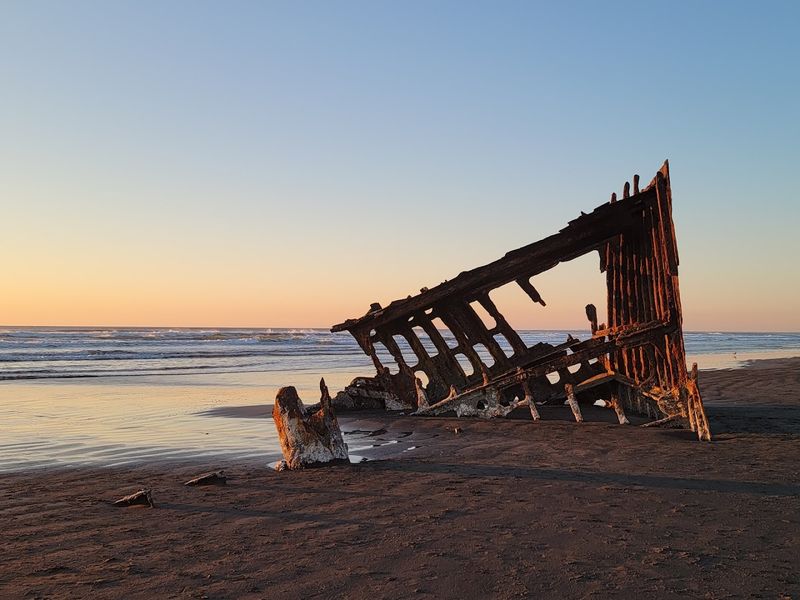
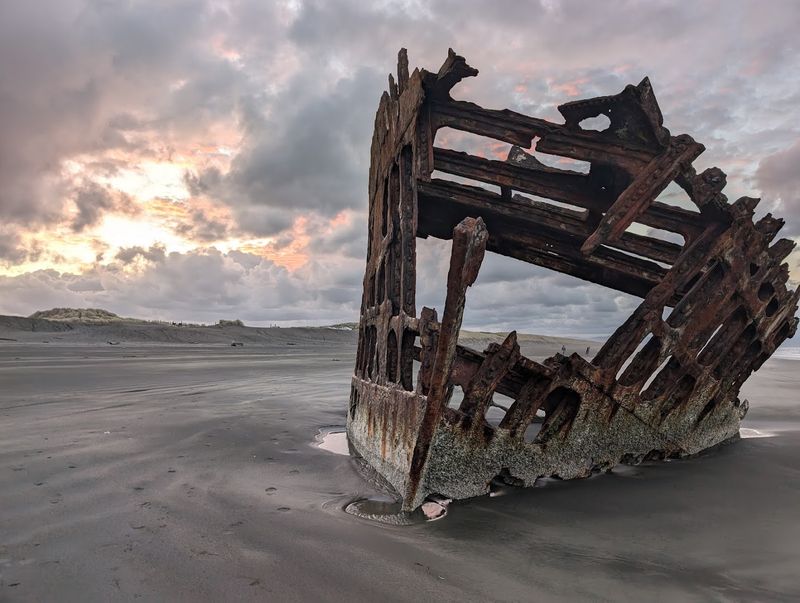
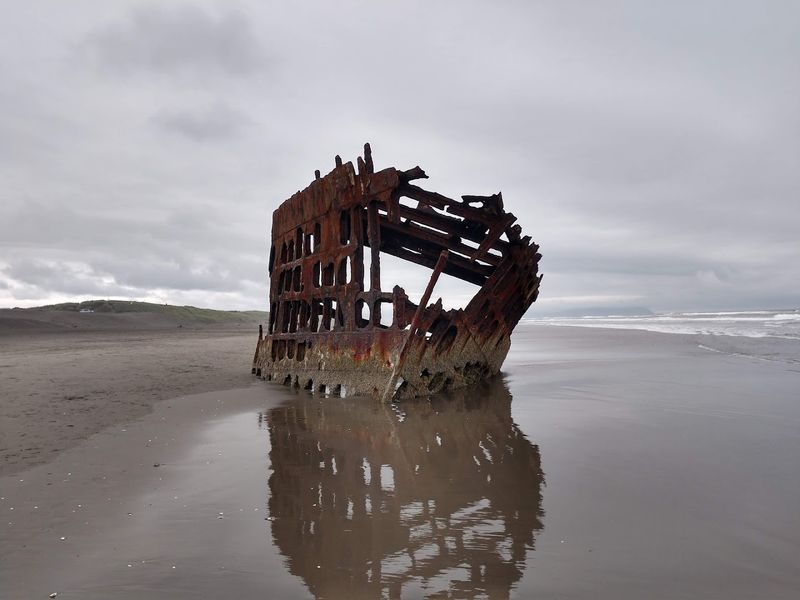
The first time you lay eyes on the Peter Iredale, your brain needs a moment to process what it is looking at. The iron ribs of a four-masted sailing vessel rise from the dark sand like the bones of something enormous, half-swallowed by the beach over more than a century.
The ship ran aground on October 25, 1906, during a fierce storm. The crew survived, but the vessel did not, and what remains today is a hauntingly beautiful wreck that has been slowly consumed by sand and salt ever since.
Visiting at low tide is the smart move, because that is when the most of the skeletal frame is visible above the waterline.
The sand around the wreck is unusually dark, almost black in certain light, which gives the whole scene an atmosphere that no theme park could fake. I stood there in the gray morning mist with the surf crashing nearby, and I can honestly say it felt like the coast was telling me an old, unfinished story that I was not sure I wanted to hear.
Battery Russell and the WWII Bunkers: The Only Mainland US Site Attacked by a Foreign Nation
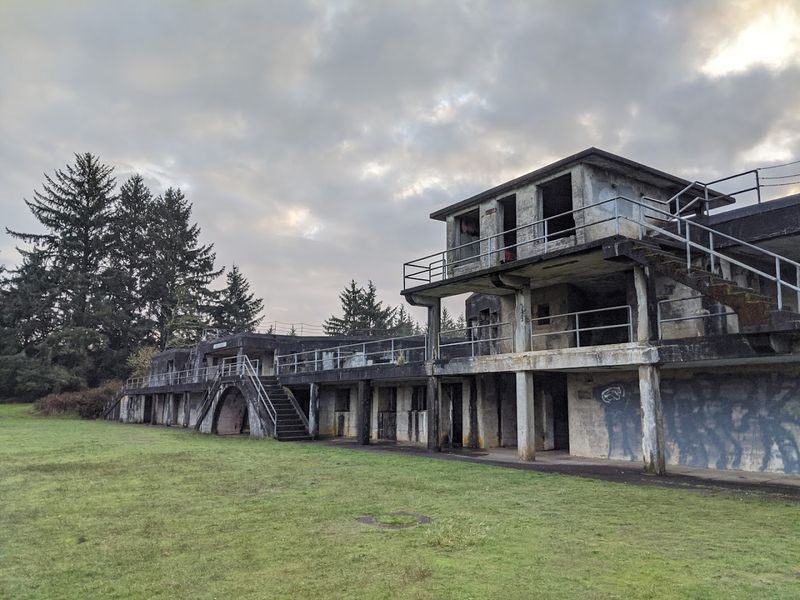
Here is a fact that stops most people in their tracks: Fort Stevens is the only military installation on the continental United States to have been fired upon by a foreign power since the War of 1812. On June 21, 1942, a Japanese submarine surfaced offshore and shelled Battery Russell.
No one was seriously hurt, and the military chose not to return fire, a decision that still sparks debate among history buffs.
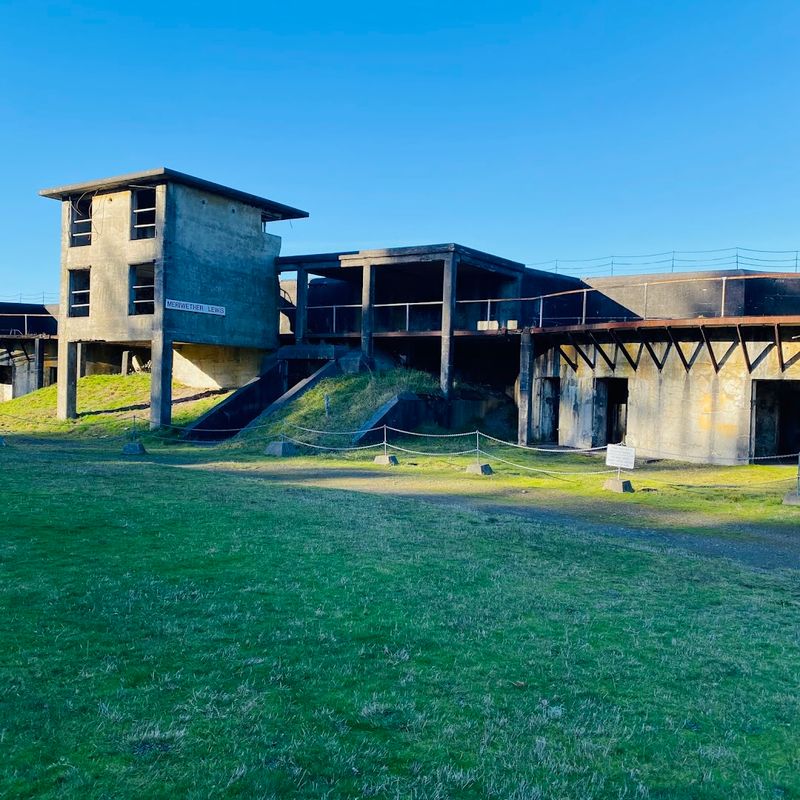
Battery Russell is now open for self-guided tours, and walking through the thick concrete corridors feels genuinely unsettling in the best way. The ceilings are low, the walls are damp, and the openings frame slices of the Pacific that look almost too cinematic to be real.
The park has multiple batteries scattered across the grounds, each one a different chapter in the fort’s long military history stretching from the Civil War through World War II. I explored three of them in a single afternoon and still felt like I had only scratched the surface.
The kind of history soaked into these walls is the type you feel in your chest, not just read about in a textbook.
The Historic Fort District: Civil War Earthworks That Still Hold Their Shape
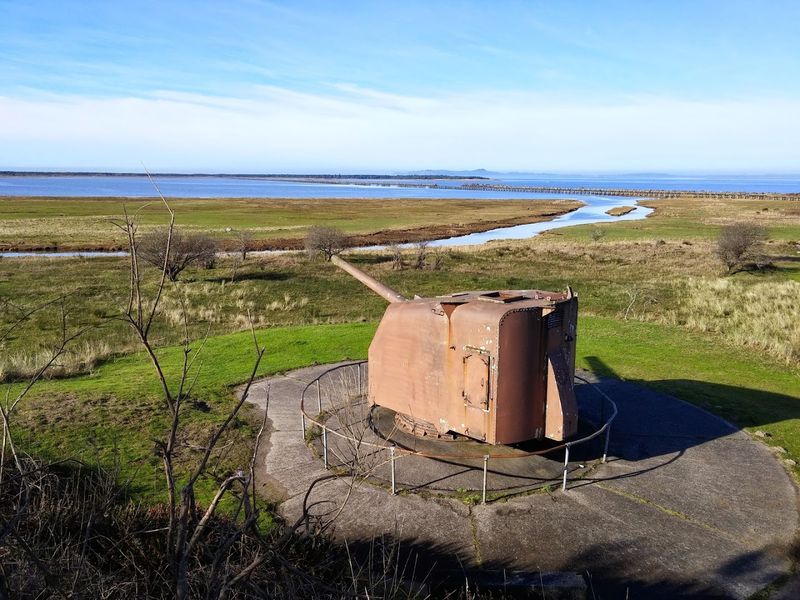
Before the concrete bunkers, before the WWII artillery, there was a Civil War-era earthen fort built in 1863 to protect the mouth of the Columbia River from Confederate naval raids that ultimately never came. The earthworks have survived remarkably well, and walking along the raised berms gives you a clear sense of the original military layout.
The historic district is free to enter, which is a genuine surprise given how much there is to see. Interpretive signs are placed throughout the area, and they do a solid job of explaining the fort’s evolution across multiple conflicts without drowning you in dates and numbers.
The open grassy areas between the earthworks attract elk, and on the morning I visited the district, a small herd was grazing near the tree line without a care in the world. Watching a 700-pound elk go about its morning routine about 80 yards away is one of those experiences that reminds you that Oregon’s wildness is always just one step off the paved path.
The fort district is also where the atmosphere of the whole park really clicks into focus.
The Hiking and Biking Trails: Miles of Paved Paths Through Forest, Wetlands, and Beach
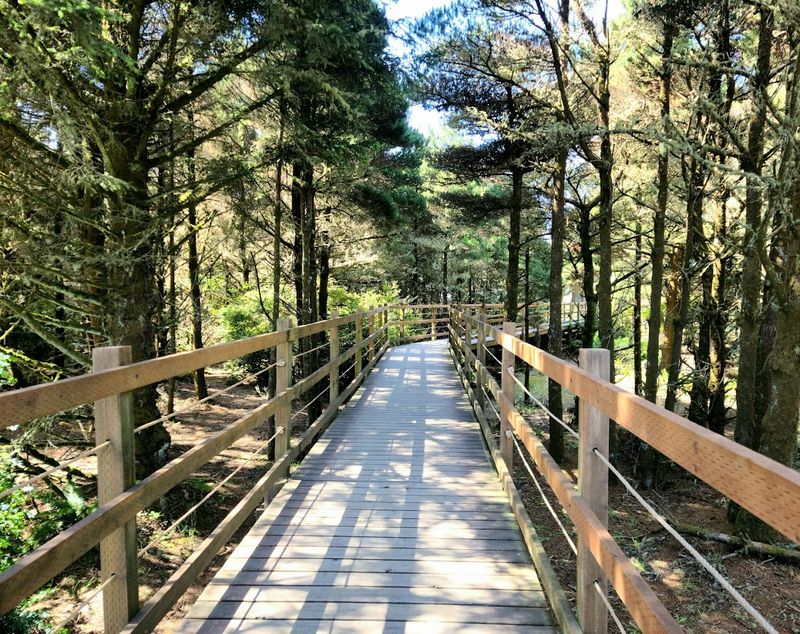
The trail system at Fort Stevens is one of the most well-designed I have encountered at any state park along the Pacific coast. Paved paths connect every major site in the park, running through tunnels, over small bridges, along wetland edges, and through dense stands of coastal pine and spruce.
Bike rentals are available right across from the visitor center, which makes it easy to cover the entire park in a single day without wearing out your legs. The trails are smooth enough for casual riders and interesting enough for people who want a proper workout.
Dogs are welcome on leash, and I saw plenty of happy pups trotting along beside their people on the day I visited.
For hikers, the trail from the campground to the beach takes about 30 minutes at a comfortable pace, winding through the kind of forest that feels like it belongs in a fairy tale. The whole network is clean, clearly marked, and well-maintained.
Fort Stevens puts parks in places like Oklahoma to shame when it comes to multi-use trail planning that genuinely serves every kind of visitor without feeling overcrowded or rushed.
Camping at Fort Stevens: Yurts, Tent Sites, and the Art of Booking a Year Ahead
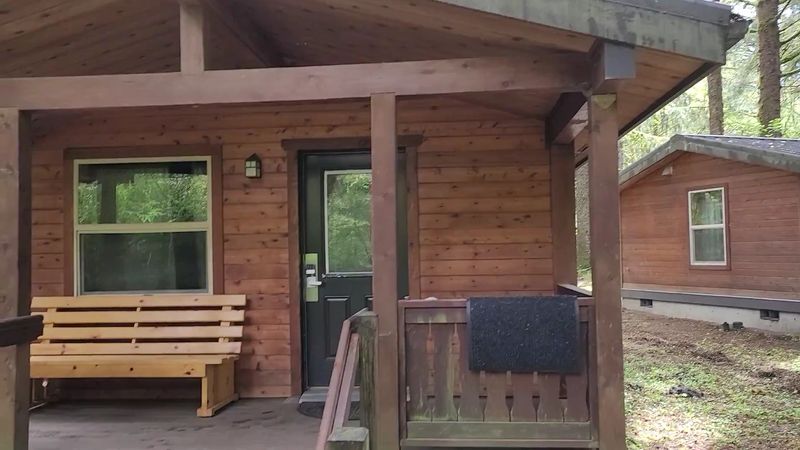
Getting a campsite at Fort Stevens requires planning that most people associate with concert tickets, not state parks. Reservations fill up roughly a year in advance, and that is not an exaggeration.
The campground is that popular, and once you spend a night there, you understand exactly why.
The park offers a range of accommodation styles, from standard tent sites and RV hookups to fully furnished yurts that are cozy, warm, and surprisingly comfortable. The yurts are a favorite for families and couples who want the outdoor experience without sleeping on the ground in the coastal drizzle.
The campground itself is well-maintained, with clean restrooms at multiple locations throughout the park. The staff keep everything tidy and are quick to help with questions or directions.
There is a quality here that reminds me of well-run parks I have visited in places like Oklahoma, where the staff take genuine pride in the space they manage. Laughter from groups of children riding bikes through the campground in the evening is the unofficial soundtrack of a Fort Stevens stay.
The Dark Sand Beach: Where the Pacific Meets the Columbia River Mouth
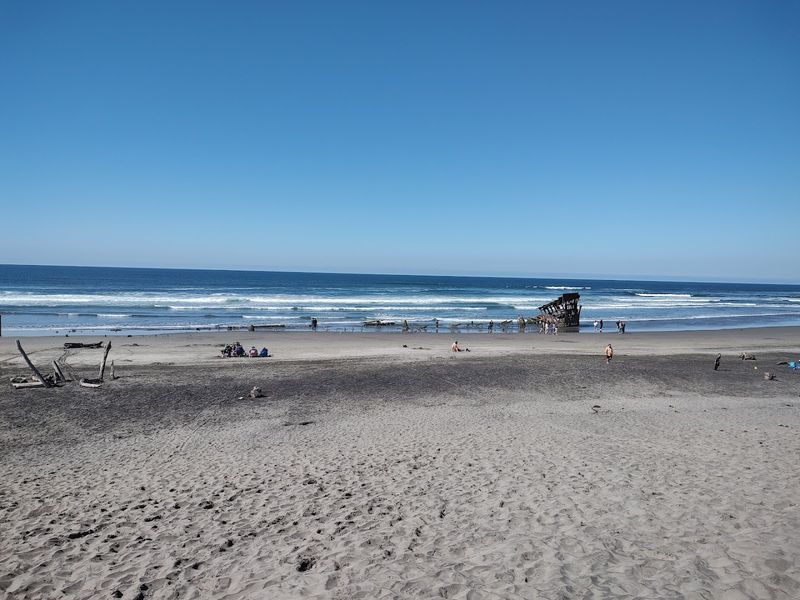
The beach at Fort Stevens is not your standard postcard-white sand strip. The sand here runs dark, almost charcoal in color under overcast skies, and it has a texture that sparkles in direct sunlight like something metallic is mixed in.
The effect is striking, especially if you have spent time on the lighter-toned beaches further down the Oregon coast.
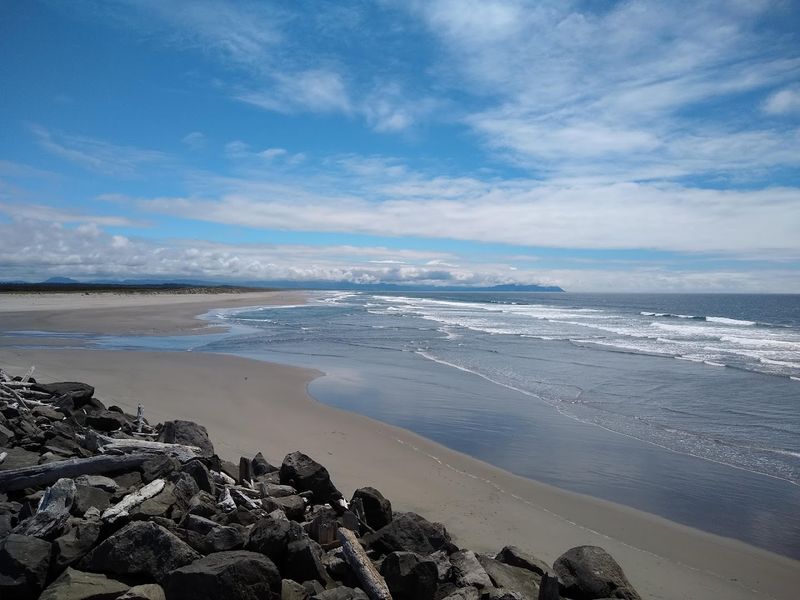
The beach sits at the point where the Columbia River empties into the Pacific, which creates a dynamic shoreline that shifts with the tides and the river’s flow. On clear days, you can see across to Washington State on the northern bank, and whale sightings from the beach are a real possibility during migration season, particularly in mid-summer and early spring.
Driving on the beach is permitted in designated areas, which adds a whole different dimension to the experience. The sunsets from this stretch of coast are the kind that make you stop whatever you are doing and just watch.
I have seen sunsets in a lot of places, including several Oklahoma trips where the sky puts on a show, but the way the light dies over the Pacific at Fort Stevens is something that genuinely sticks with you.
Wildlife Watching: Elk Herds, Whales, and the Wild Side of the Park
Fort Stevens has a wild side that catches a lot of first-time visitors off guard. The park is home to a resident elk herd that moves through the grounds regularly, and sightings are common enough that the park posts reminders to keep a safe distance.
These are not small animals, and they have zero interest in being approached by curious tourists.
The wetlands and forested sections of the park also support a wide range of bird species, making it a solid destination for birders. Mushroom picking is permitted in season, and the forested trails are dotted with finds for anyone who knows what they are looking for.
Out on the beach, whale watching is genuinely productive during the right months. Gray whales pass through the area during their annual migration, and the vantage point from the south jetty gives you a clear view of the open water.
I spotted what looked like a spout about half a mile offshore during my July visit, which sent a ripple of excitement through everyone standing nearby. The wildlife at this park is not a bonus attraction; it is a core part of what makes Fort Stevens feel alive in a way that not every coastal park can claim.
The Eerie Atmosphere: Why This Park Earns Its Haunted Reputation
There is something about the combination of fog, ruins, and ocean wind at Fort Stevens that makes even confident hikers slow their pace and look over their shoulder. The bunkers are dark inside, the kind of dark where your eyes take a few seconds to adjust, and the acoustics make every drip of water sound deliberate.
The shipwreck on the beach adds to the atmosphere in a way that is hard to fully explain. At dusk, when the light goes flat and the mist comes in off the water, the iron frame of the Peter Iredale looks less like a historical artifact and more like something that should not be there at all.
The park does not market itself as a haunted destination, but it does not need to.
The history layered into every corner of this park, from Civil War earthworks to WWII shelling to a century-old shipwreck, creates a weight that you feel while walking the trails. I am not someone who spooks easily, but Fort Stevens gave me a specific chill on a gray Tuesday morning that I was not expecting and that I have not entirely shaken since.
Some places just have that effect on a person.
Planning Your Visit: Practical Tips, Passes, and What Not to Miss
A few practical details can make the difference between a good Fort Stevens visit and a great one. The Oregon Coast Pass is worth picking up at the visitor center if you are planning to hit multiple state parks along Highway 101, as it covers day-use fees at most coastal parks in the state.
The visitor center staff are knowledgeable and genuinely enthusiastic about helping you plan your route through the park.
Cell signal inside the park is unreliable, so downloading an offline map before you arrive is a smart move. Parts of the south section of the park were under renovation as of late 2025, so checking current conditions at oregonstateparks.org before your trip will save you any surprises at the gate.
The park is open year-round from 6 AM to 10 PM, and off-season visits in fall and winter have a completely different energy from the busy summer months. Fort Stevens draws visitors from across the country, and I have met people who drove from as far as Oklahoma specifically to see the shipwreck and the bunkers.
That kind of dedicated travel tells you everything you need to know about what this park offers to those willing to make the trip.
Share this story